India’s kidswear manufacturing sector is vast—and that’s precisely the problem. When I first started evaluating suppliers for a children’s apparel client, I ran straight into a paradox of choice: hundreds of factories, a flood of IndiaMART listings, and almost no reliable information about who actually delivers once bulk production begins. Too many promises, not enough proof. For understanding the scale of India’s apparel manufacturing sector, see our largest clothing manufacturers in India.
After years of visiting production floors in Tirupur, working through compliance documentation, and talking with brand owners who’ve learned hard lessons from the wrong factory pick, I put this guide together to give you a clear, honest picture. Whether you’re placing your debut order as a startup or refreshing a seasonal catalog as an established retailer, finding the right kids wear manufacturer in India ultimately comes down to three things: sizing consistency, child-safe materials, and a factory that communicates clearly when something goes wrong. If India is one option rather than your only option, compare these children's clothing manufacturers in Brazil using the same product requirements.
Here are ten kids clothing manufacturers that serious brands keep coming back to—and an honest breakdown of what each one genuinely does well.
Why Source From Indian Children’s Clothing Factories?
Before jumping into the directory, it helps to understand why India keeps earning a place in global sourcing strategies for childrenswear. I’ve spoken with buyers from the U.S., UK, and Australia who split production across multiple countries, and India consistently holds its own for reasons that go beyond price alone. Buyers splitting production across countries can also compare these children's clothing manufacturers in Canada against the same product brief.
Highly Competitive Production Costs India’s manufacturing labor rates remain meaningfully lower than China, Turkey, and Bangladesh for comparable quality output. That margin differential gives your brand stronger pricing flexibility without compromising craftsmanship—something that matters particularly in children’s apparel, where quality failures translate directly to returns and brand damage.
Certified, Child-Safe Compliance Leading Kids’ Clothing Factories in India carry OEKO-TEX Standard 100, GOTS, and CPSIA certifications. These aren’t optional premiums—they’re the minimum thresholds demanded by U.S., EU, and UK retail buyers. If you’re targeting those markets, certified suppliers aren’t a preference; they’re a hard requirement.
Fabric Diversity Under One Roof From Tirupur’s organic cotton knits to Surat’s printed wovens, India offers exceptional raw material variety—organic, recycled, and blended—within a single sourcing geography. That consolidation meaningfully reduces your procurement complexity.
Scalable MOQs Across Business Sizes Whether you’re testing a 300-piece trial run or placing a 50,000-unit bulk order, Indian manufacturers accommodate both ends of the volume spectrum in a way that large Chinese factories often can’t match at the lower end. If you’re building a new brand from scratch, our guide on how to start a children’s boutique covers how to structure your first production run without overcommitting capital.
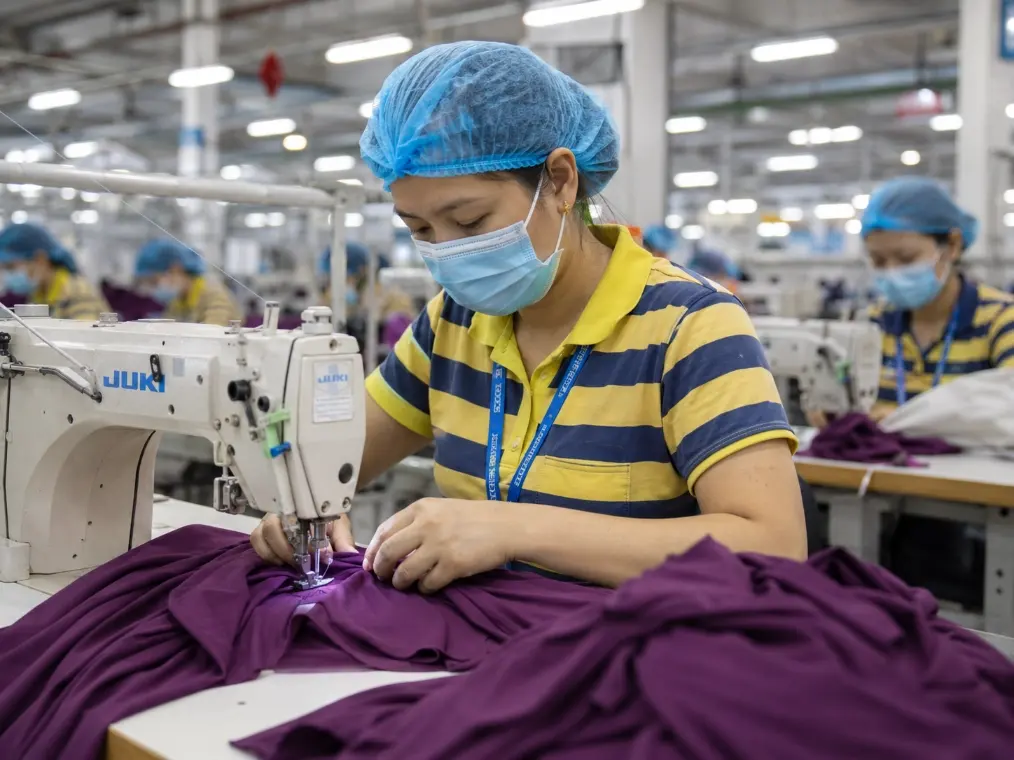
Skilled, Specialized Workforce Decades of export-oriented production have cultivated a deep talent pool in pattern grading, children’s sizing accuracy, and small-part safety construction—capabilities that directly affect your finished product quality and downstream return rates. For assessing the quality of clothing made by Indian suppliers, see our Indian clothing quality checklist.
Strong Export Infrastructure With major ports in Mumbai, Chennai, and Nhava Sheva and established freight forwarding networks, India supports reliable FOB and CIF shipments to global retail destinations with reasonably predictable lead times.
Top 10 Kids Wear Manufacturers in India
Each factory below has been evaluated against a consistent set of criteria: production capability, certification status, MOQ flexibility, and—critically—how they perform during the sampling phase. In my experience, how a factory handles your samples tells you almost everything about how bulk production will go.
1. Billoomi Fashion — Best for Premium Artisanal & Embellished Kidswear
Website: www.billoomifashion.com
Established: 2005
Billoomi Fashion is a full-service private label garment manufacturer headquartered in India’s Delhi NCR region. They built their name by serving premium global apparel labels, DTC brands, and independent boutique designers who needed more than a commodity supplier—they needed a genuine creative production partner.
With over 15 years of operational experience, Billoomi focuses on sustainable textiles, eco-friendly processes, and intricate artisanal finishing. As a kids dress manufacturer, they particularly stand out for hand-smocked garments and custom embroidery—the kind of detail work that photographs beautifully, commands retail premiums, and genuinely differentiates a brand on a crowded shelf. Their team is also strong at translating rough tech packs into production-ready collections, which I find uncommon among baby clothes manufacturers in India operating at boutique scale.
- Core Categories: Knitted and woven kids’ dresses, rompers, organic baby clothing, hand-smocked garments, custom luxury casuals
- Services: Full private label manufacturing, tech pack development, pattern engineering, custom printing, handmade smocking, artisanal embroidery
- MOQ: 25–50 pieces per style/color
- Best for: Independent luxury boutique lines, upscale DTC startups, and childrenswear brands built around slow fashion or delicate detailing
Pros: Highly collaborative with small and DTC brands; exquisite handcrafting; strong sustainability certifications Cons: Higher unit costs at ultra-low sample quantities; extended sampling timelines due to intensive manual processes
2. Karnika Industries Limited — Best for High-Volume Value Retail Kidswear
Website: www.karnikaindustries.com
Established: 2017
Karnika Industries Limited is an organized apparel manufacturing powerhouse based in Howrah, West Bengal. What started as a partnership firm has grown into a Public Limited Company listed on the NSE SME platform—a level of corporate transparency that puts them well ahead of many kids clothing manufacturers in India when it comes to financial accountability and supply chain reliability.
Their focus is clear: affordable, durable infant and children’s clothing at volume. If you supply hypermarkets or domestic value retail chains and need a fast-turning, dependable supply chain, Karnika deserves a serious evaluation.
- Core Categories: Toddler sets, boys’ and girls’ casual wear (tops, dresses, denims, leggings, skirts, ponchos)
- Services: High-volume OEM/ODM manufacturing, contract packaging, bulk grading, commercial private labeling
- MOQ: 500–1,000 units per variant
- Best for: Large-scale global wholesalers, hypermarket chains, and budget-conscious mass-retail brand operators
Pros: Publicly listed corporate compliance; massive manufacturing scale; excellent cost efficiency for mass-market collections Cons: Inflexible toward low-volume indie buyers; limited focus on premium or artisanal embellishment
3. Kitex Garments Limited — Best for Vertically Integrated Global-Scale Infantwear
Website: www.kitexgarments.com
Established: 1992
Kitex is as close to a household name as you get in global infantwear manufacturing. This Kerala-based kids factory operates as a fully vertically integrated producer—controlling everything from yarn sourcing and fabric knitting through to final garment assembly under one roof. They serve brands the size of Walmart and Gerber, which tells you a great deal about their compliance infrastructure.
Their facilities include electronic metal-detection systems and dedicated clean safety labs engineered to meet the world’s most stringent toxicity standards. If you’re exporting infantwear to the U.S. market, understanding CPC certification requirements is essential—Kitex is already well ahead of most factories on that front, which significantly simplifies the compliance burden for enterprise buyers.
- Core Categories: Infant sleepsuits, baby rompers, newborn bodysuits, bibs, training pants, organic cotton infant sets
- Services: Enterprise OEM contract manufacturing, mass-scale private label programs, vertical textile sourcing, compliance auditing
- MOQ: 10,000+ units per style
- Best for: Multinational retail giants, tier-1 global babywear brands, institutional clients requiring enormous production capacity
Pros: Unmatched vertical production capacity; OEKO-TEX Class 1 and GOTS certified; sophisticated automated quality control Cons: Completely inaccessible to small and medium brands due to enormous minimum order requirements
4. The Synerg — Best for Eco-Friendly Private Label Streetwear & Kidswear
Website: thesynerg.com
Established: 2004
The Synerg operates out of Tirupur—India’s knitwear capital—and has built their entire identity around ethical, certified production for international clients across North America, Europe, and Australia. Their facility holds both GOTS (Global Organic Textile Standard) and OEKO-TEX certification, and they’re unusually transparent about factory metrics, which resonates with Western buyers who’ve been burned by greenwashing claims before.
As a kids wear manufacturer in India catering to premium markets, The Synerg is particularly strong on organic cotton pajama sets, children’s lounge wear, and heavyweight youth hoodies—lifestyle-oriented pieces that perform well across both DTC and mid-tier wholesale channels.
- Core Categories: Knitted kidswear, premium organic cotton pajamas, children’s lounge sets, heavyweight youth hoodies, custom knit t-shirts
- Services: Direct factory private label production, custom eco-fabric engineering, pattern sizing adjustments, global export logistics
- MOQ: $10,000 minimum project valuation or 200–300 pieces per style
- Best for: Premium eco-conscious apparel labels, mid-sized international fashion houses, premium youth streetwear startups
Pros: High-end organic textile processing; outstanding factory transparency; deep experience meeting Western export quality expectations Cons: Not suited to cheap mass-market disposable lines; doesn’t specialize in structured woven formal wear
5. Cantabil Retail India Ltd. — Best for Domestic Omnichannel Retail Partnerships
Website: cantabilinternational.com
Established: 1989
Cantabil is an established corporate fashion player that manages a fully integrated ecosystem spanning design, manufacturing, and retail across India. With over 650 exclusive outlets nationwide and manufacturing complexes in Bahadurgarh, they bring a level of domestic retail intelligence that most Kids’ Clothing Factories in India simply don’t have access to.
Their primary energy goes into feeding their own consumer brand pipeline, but their manufacturing infrastructure also supports domestic B2B partnerships, corporate programs, and curated children’s wear supply through organized commercial networks.
- Core Categories: Boys’ formal shirts, girls’ party dresses, youth denim jackets, kids’ polo shirts, winter knitwear
- Services: High-volume domestic brand tie-ups, corporate apparel contracts, institutional textile distribution, bulk white-label solutions
- MOQ: Large commercial volumes (confirmed on direct corporate inquiry)
- Best for: National distribution franchises, corporate trade groups, organized retail chains seeking a premier institutional supply partner
Pros: Sophisticated corporate infrastructure; deep domestic design intelligence; extensive high-street retail experience Cons: Heavy internal brand focus limits customization flexibility for independent external brands
6. Premier Knits Apparel — Best for Multi-Fabric Knit-Woven Combo Kidswear
Website: www.premierknits.com
Established: 1989
Premier Knits Apparel is a government-recognized Star Export House in Tirupur that now produces over two million garments per month for international fashion labels. Their distinguishing capability as a kids dress manufacturer is structural mastery over complex mixed-fabric items—combining soft knitted bodies with structured woven accents in a way that very few factories can execute cleanly at scale.
Their sustainability infrastructure reinforces their operational credibility: a fully integrated zero-liquid discharge dye-house, solar energy systems, and an accredited NABL testing laboratory that validates every children’s collection before it leaves the facility.
- Core Categories: Mixed-fabric knit-woven combo dresses, baby and toddler knitwear, children’s sleepwear, fashion basics, rompers
- Services: Vertical OEM production, custom private labeling, GOTS/OEKO-TEX fabric engineering, eco-friendly bio-washing, in-house laboratory testing
- MOQ: 1,000–2,000 pieces per run
- Best for: Mid-to-high volume international retail brands and eco-centric children’s labels seeking vertically integrated compliance at scale
Pros: Exceptional mixed-fabric capability; world-class green infrastructure; NABL laboratory-backed quality assurance Cons: High MOQ thresholds rule out early-stage test lines and micro-brands
7. L.T. Groups — Best for Affordable Organic Cotton Basics & Baby Essentials
Website: ltgroups.in
Established: 1988
L.T. Groups has operated continuously since 1988 out of Tirupur’s knitwear core, giving them a depth of supply chain relationships that newer factories simply can’t replicate. As one of the more accessible baby clothes manufacturers in India, they serve high-volume global wholesale merchants and importers who need reliable, cost-effective deliveries of everyday youth apparel essentials.
Their value proposition is focused and consistent: take quality organic cotton yarn inputs and produce dependable, soft-finish children’s garments at competitive direct pricing. They’re not trying to be a luxury house, and that clarity of purpose shows in their execution.
- Core Categories: Organic cotton baby bodysuits, baby frocks, kids’ basic polo shirts, rompers, printed t-shirts, infant sleepwear packs
- Services: CMT (Cut, Make, Trim) contract manufacturing, custom bulk placement printing, wholesale white-label garment construction
- MOQ: 300–500 items per layout
- Best for: High-volume wholesale importers, discount retail suppliers, mid-tier brands seeking cost-effective organic cotton baby garments
Pros: Deep expertise in low-cost cotton knits; trade-friendly operations; highly competitive direct pricing Cons: No dedicated website or digitized catalog; communication is primarily traditional and offline

8. SMS Knits — Best for Fast-Fashion Knitted Kidswear & Custom Garment Dyeing
Website: smsknits.com
Established: 2005 (estimated)
SMS Knits operates out of Tirupur’s garment manufacturing cluster with one clear operational priority: speed. As a kids factory built for trend-responsive production, they match seasonal style updates with rapid textile turnarounds—something fast-fashion kidswear brands genuinely need and often can’t find among larger, more process-heavy manufacturers.
They specialize in premium knitted structures, advanced graphic chest printing, and complex custom garment-dyeing that gives youth collections a contemporary aesthetic. Their mix of automated machinery and flexible scheduling makes them a natural fit for scaling brands that need modern finishes delivered on tight timelines.
- Core Categories: Graphic youth sweatshirts, multi-color printed t-shirts, fleece joggers, urban kidswear sets, specially washed cotton casuals
- Services: Custom knitwear OEM, agile line assembly, private brand tag stitching, screen/chest printing, custom garment washing
- MOQ: 500 units per variant
- Best for: Fast-growing casual youth brands, graphic-centric streetwear labels, medium-scale online kidswear stores
Pros: Strong execution on complex graphic layouts and wash effects; faster batch turnaround; aggressive factory-direct unit pricing Cons: No standalone website; requires offline or directory-based engagement to get started

9. Praana Textiles — Best for Factory-Direct Low-MOQ Knitwear & Institutional Uniforms
Website: www.praanatextiles.com
Established: 2017
Praana Textiles has done something most factories claim but rarely deliver: genuinely cutting out the middleman. Headquartered in Karatangadu, Tirupur, their founding philosophy centers on supply chain optimization—eliminating unnecessary intermediaries to pass direct factory pricing straight to the brand. They advertise up to 40% cost savings on comparable knit orders, and based on conversations with brands that have used them, that figure holds up on basics.
As a kids wear manufacturer in India with unusually accessible MOQ thresholds, Praana is especially well-suited for startups and boutique labels testing the waters. Sample lines start at just 13–50 pieces, giving you a real opportunity to validate your product before committing to bulk.
- Core Categories: Children’s T-shirts, polo shirts, leggings, school uniforms, casual hoodies, track pants, kids’ nightwear
- Services: End-to-end OEM/ODM garment engineering, uniform sizing development, transparent cost breakdowns, private label finishing
- MOQ: 13–50 pieces for samples; bulk production from 100 units
- Best for: Growing children’s boutique labels, uniform procurement officers, online startups testing new product lines
Pros: Up to 40% cost savings through direct pricing; unusually low MOQs; active digital presence and responsive communication Cons: Strictly circular knit fabrics only—woven items and complex outerwear are outside their range
10. KGN Apparels — Best for Smart-Casuals & Flexible Retail Wholesaling
Website: www.kgnapparels.com
Established: 2015
KGN Apparels, headquartered in Ahmedabad, has built its reputation on fabric sophistication in a market segment often dominated by basic cotton. Under their flagship label “AUN” and through custom OEM contracts, they work with organic Tencel, premium Lycra, and structured Jacquards—materials that give everyday kids’ garments a high-street aesthetic without the luxury price point.
They launched their own manufacturing unit in 2017 after first establishing digital retail trust with independent retailers, and that customer-first sensibility carries through into their B2B relationships. Among kids clothing manufacturers in India, that combination of premium fabric knowledge and genuine retail awareness is refreshingly uncommon.
- Core Categories: Boys’ smart shirts, kids’ everyday cotton sets, Lycra-blend casual bottoms, Tencel luxury childrenswear, premium cotton staples
- Services: Full contract OEM tailoring, wholesale private label branding, custom performance fiber blending, custom sizing layouts
- MOQ: 100–200 items per order line
- Best for: E-commerce retailers, independent clothing stores, and labels seeking high-comfort, stretch-friendly smart-casual apparel
Pros: Superb advanced fabric expertise across Lycra, Tencel, and Jacquard; excellent bridge between ready-stock wholesale and custom manufacturing Cons: Doesn’t carry the macro-certifications or heavy-export scale of the large Southern India factories
How to Choose the Right Manufacturing Partner
Choosing a factory isn’t simply about sourcing a vendor—it’s about securing an operational extension of your own brand. I’ve watched brands lose entire production seasons to the wrong factory: inconsistent sizing, missed shipment windows, compliance gaps that blocked retail entry altogether. The process below is what I’d put in front of any brand going into this seriously.
1. Build Your Technical Foundation First
Before contacting any kids wear manufacturer in India, finalize your Tech Pack. That means detailed flat sketches, exact seam specifications, a comprehensive Bill of Materials (BOM), grading sheets, and fabric weights in GSM. Arriving with complete documentation signals professionalism and ensures your price quotes are accurate from day one—not rough estimates that balloon after sampling. Our guide on how to find clothing manufacturers walks through exactly what to prepare before your first factory conversation.
2. Match Your Fabric Requirements to Factory Machinery
Factories specialize by machine type, and they won’t always volunteer their limitations upfront. A facility built around high-speed circular knitting machines will genuinely struggle with structured, woven outerwear. Verify that their active production lines match your product’s construction requirements before you even discuss pricing. For premium childrenswear, look specifically for flatlock stitching capability or automated embroidery infrastructure.
3. Verify Compliance Documentation Directly
Certifications are your legal protection in U.S. and EU markets—treat them accordingly. Request verified, current copies of GOTS for organic claims, OEKO-TEX Standard 100 for chemical safety, and social compliance audits like BSCI, SEDEX, or SA8000. Don’t accept PDF copies of outdated certificates. Verify certification numbers directly on the issuing body’s website before signing any agreement.
4. Run a Paid Sampling Phase
Never commit to a bulk run without a paid sampling phase. Use this period to evaluate far more than just the physical garment. How quickly does the factory respond to revision requests? Is the pattern maker proactively catching grading inconsistencies, or are you having to flag every issue yourself? A disorganized sampling process is one of the most reliable predictors of a chaotic bulk production run.
5. Negotiate Tiered MOQs and Sensible Payment Terms
Align on Minimum Order Quantities that protect your working capital. Look for factories offering tiered pricing—higher unit costs on small test batches, scaling down as volume grows. For payment terms, the standard industry starting point is 30% deposit / 70% before shipment, moving toward Letter of Credit or open account arrangements as the relationship matures.
China vs. India: Which Sourcing Model Fits Your Brand?
This is one of the most common questions I hear from brand founders, and the honest answer is that it depends entirely on what you’re building. We’ve covered the structural advantages in detail in our separate guide on why top brands choose clothing factories in China, but here’s the clear-eyed summary.
| Attribute | China | India |
|---|---|---|
| Primary Fabric Strengths | Synthetics, nylon, polyester, high-performance technical blends | Natural fibers, certified organic cotton (GOTS), linen, silk |
| Minimum Order Quantities | High (typically 1,000+ units per style/color) | Low to flexible (often 100–300 units per style) |
| Production & Lead Times | Rapid (30–45 days) due to heavy automation | Moderate (45–75 days); regional cluster dependency |
| Manufacturing Core | High-speed automated assembly, deep vertical integration | Artisanal handcrafting, embroidery, custom garment washes |
| B2B Communication | Rigid and transactional; finalized tech packs required | Highly collaborative; English-fluent management is common |
China leads on automated production speed, technical synthetic fabrics, and supply chain velocity. India delivers superior flexibility, lower MOQs, and a sustainable ecosystem built around natural organic cotton. For many scaling brands, the smartest move is a split sourcing strategy rather than a binary choice between the two. The step-by-step India clothing sourcing guide provides more detail on planning a clothing order from India.
Looking for a China-Based Alternative?
HAPA Garments is a premier children’s clothing manufacturer based in China. We combine China’s advanced industrial infrastructure with rigorous safety testing and genuine responsiveness—capabilities that larger Chinese factories often can’t offer at accessible order volumes.
Unlike suppliers focused primarily on commodity cotton production, HAPA delivers superior fabric innovation, high-precision automation, and significantly faster turnarounds. Sizing consistency across runs is something our retail partners raise consistently—it’s one of the operational headaches we’ve specifically engineered out of our process.
If you’re building a children’s brand that needs to scale without compromising quality or compliance, we’d welcome the conversation.
Conclusion
Selecting the right kids wear manufacturer in India comes down to one deceptively simple question: does this factory’s actual capability match what your product genuinely requires? The ten Kids’ Clothing Factories in India profiled here represent a genuine cross-section of the market—from artisanal boutique producers to enterprise-scale, vertically integrated manufacturing plants.
Map your product architecture and volume requirements honestly against this list. Run a proper sampling phase before committing to bulk. Treat compliance documentation as a hard requirement, not a checkbox. Get those fundamentals right, and you’ll have a manufacturing partnership that holds up season after season—not just on the first order.
If you’re still weighing your sourcing geography or want to understand what a China-based production partnership could offer your brand, HAPA Garments is a good place to start that conversation.
Frequently Asked Questions
What is the typical MOQ for kids wear manufacturers in India?
The typical MOQ for a kids wear manufacturer in India ranges from 100 to 500 pieces per style/color for small to mid-sized factories. Large-scale vertical contract manufacturers generally require 1,000 to 5,000+ pieces, while specialized boutique producers—like Billoomi Fashion and Praana Textiles—can accommodate flexible MOQs starting from 25 to 50 pieces.
How much does it cost to manufacture kidswear in India?
Manufacturing costs across kids clothing manufacturers in India typically range from $1.50 to $8.00+ per garment, depending on volume, fabric choice, and design complexity. Basic knits like t-shirts and rompers generally land between $1.50 and $3.50 per piece, while premium woven items—detailed dresses, structured jackets—range from $4.50 to $8.00+.
How long does kidswear production take in India?
Bulk production across Kids’ Clothing Factories in India generally takes 45 to 75 days for fabric knitting, dyeing, cutting, and sewing. Factor in an additional 15 to 21 days for tech pack development and sample approval before the bulk run officially begins.
Can Indian manufacturers produce GOTS-certified organic kidswear?
Yes. India is one of the world’s leading producers of GOTS-certified organic kidswear. Major textile clusters in Tirupur and Noida house numerous certified factories offering fully traceable organic cotton and bamboo fabrics processed with non-toxic, azo-free dyes that are safe for sensitive newborn skin.
Do Indian manufacturers provide private label and branded packaging?
Yes. Most baby clothes manufacturers in India offer complete private label and custom branding solutions, including woven neck labels, heat-transfer branding, hangtags, branded eco-friendly packaging, and retail-ready SKU barcoding.