The best kids dress manufacturer depends on how you buy. A boutique testing styles needs ready stock and flexible assortments. A private label needs sampling and control over fabrics, trims and branding. This guide compares 10 kids dress manufacturers by buyer fit, supply model and published capabilities, then explains how to check samples before a bulk order.
Why We Recommend These 10 Children’s Dress Manufacturers
We didn’t just pick names out of a hat. These manufacturers were selected for one simple reason: They are battle-tested veterans that you can actually trust to build your business with.
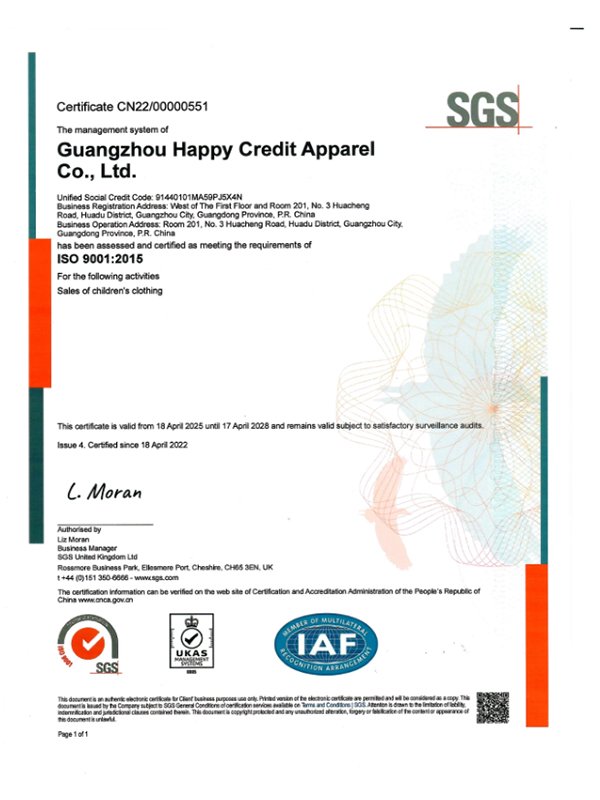
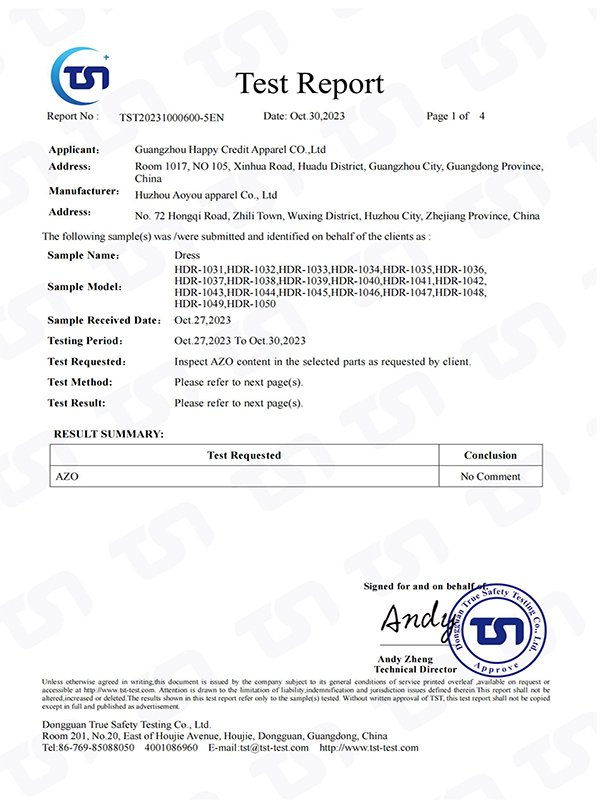
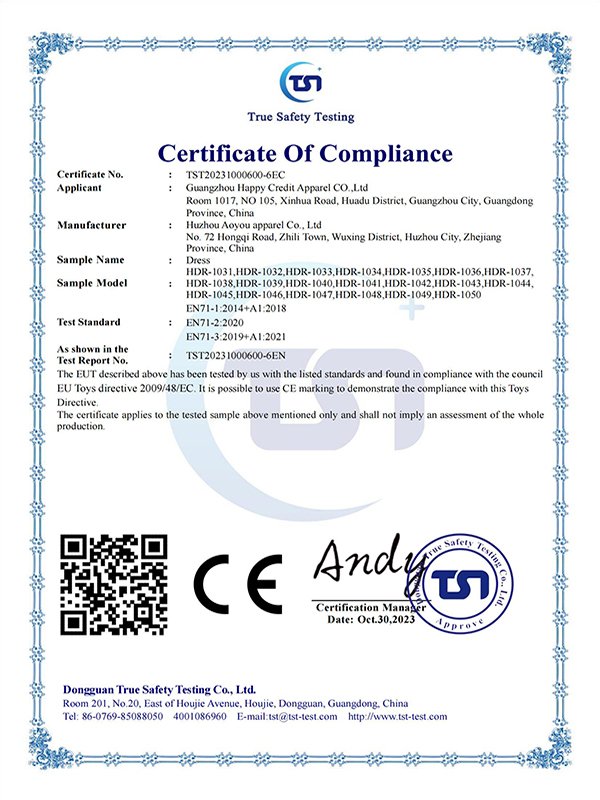
- Compliance & Safety Certifications: Safety is the top non‑negotiable priority in the children’s apparel industry. All these kids dress manufacturers hold complete certifications, including CPC, SGS, ISO, BSCI, ensuring full compliance throughout production.
- Professional Production & Craftsmanship: Each brings 10+ years of industry experience. Unlike a generic factory, a specialized girls dress factory handles complex detailing with ease — including beading, sequins, embroidery, and high‑end decoration.
- Flexible MOQs(Minimum Order Quantities): Unlike many rigid factories, they support low and flexible minimum order quantities. This makes them ideal for brands seeking low MOQ kids dress wholesale options—typically 50–100 pieces for initial orders.
- Own In-House Factories: All own their own production facilities, cutting out middlemen and trading companies. This significantly reduces costs, giving you stronger pricing power and higher profit margins.
Top 10 Kids Dress Manufacturers in 2026
- HAPA
- Royal Apparel
- Thygesen Textile Vietnam
- Steve Apparel
- The Pima Company
- Siukid
- AEL Apparel
- Hongyu Apparel
- Appareify
- ODMYA
1. HAPA: Best for Sequin & Special Occasion Dresses
Location: China
MOQ: Low/Flexible for Startups
Best For: Boutique owners, Amazon/Shopify brands seeking high-end aesthetics.
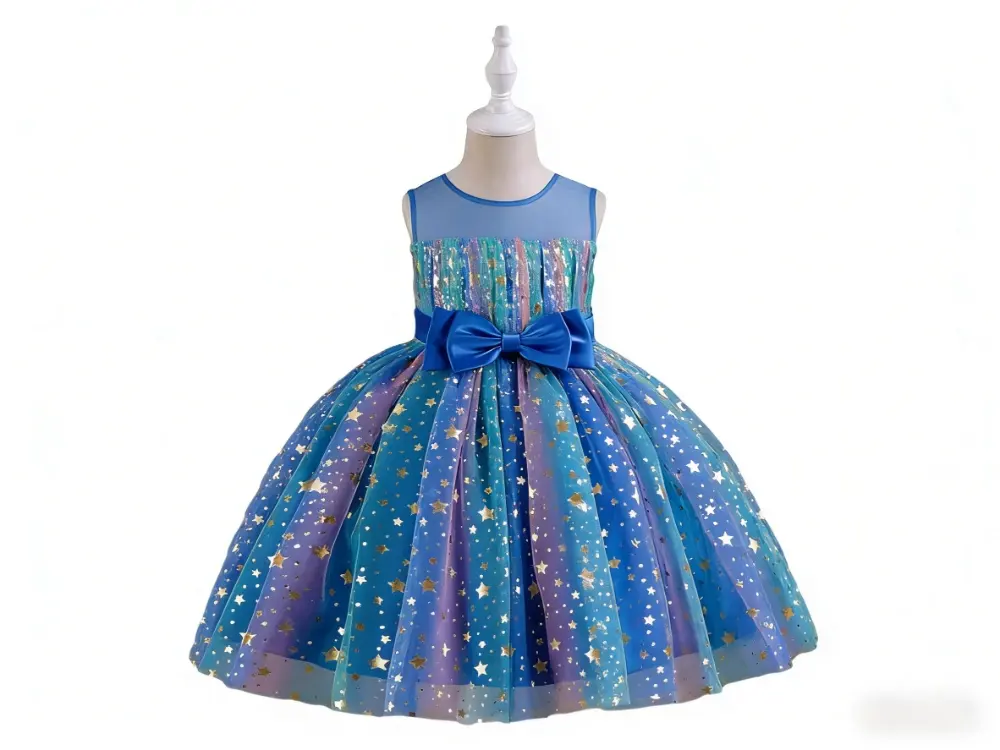
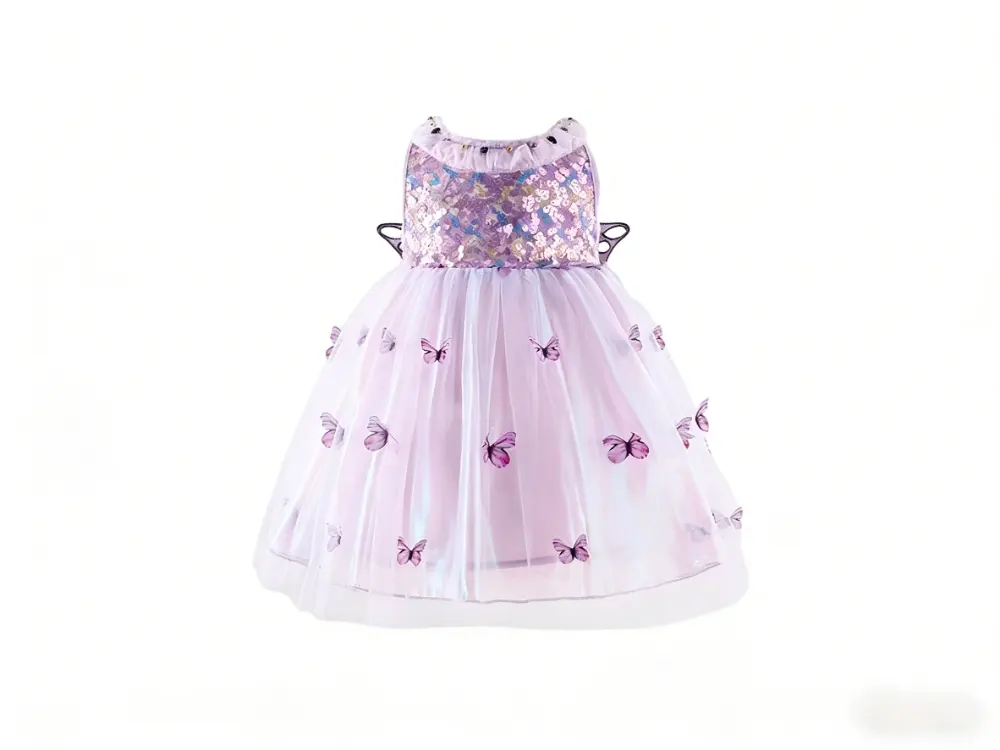
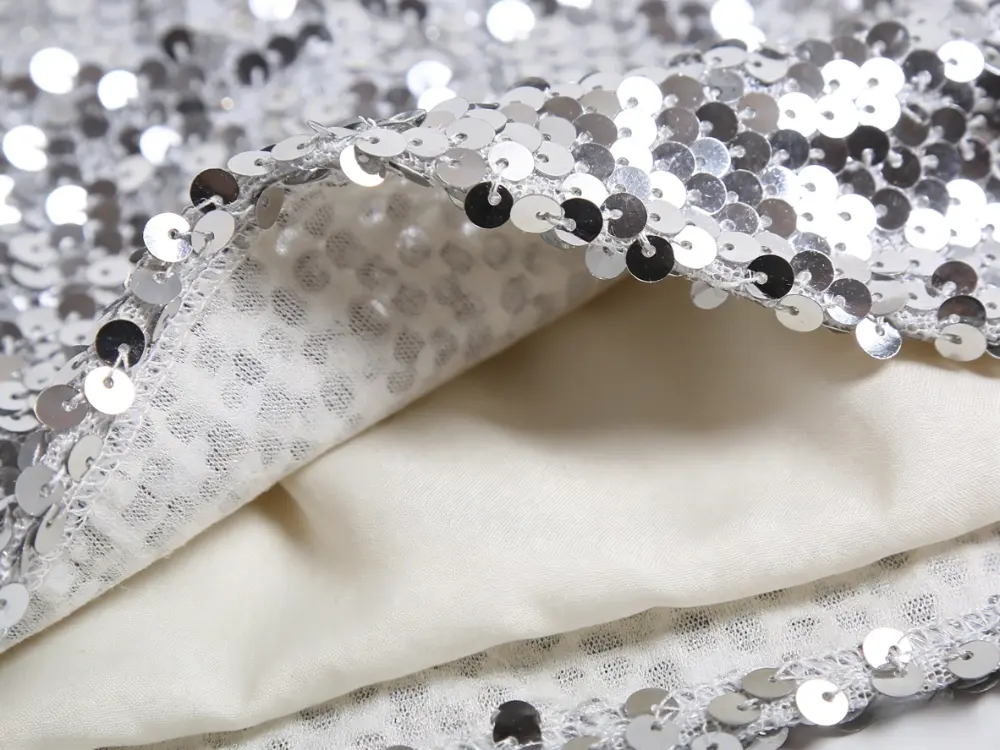
If your brand is known for “wow” pieces—birthday dresses, flower girl gowns, and party wear—HAPA is widely recognized as one of the premier private label kids dress manufacturers in the industry. Known as the “Sequin Paradise,” they stand out where generalist factories struggle.
HAPA has 16 years of experience specializing in high-difficulty craftsmanship like sequin embroidery, tulle layering, and hand-beading.
Why Retailers Choose HAPA:
CPC Certified: Fully compliant with US safety standards (Consumer Product Safety Commission), ensuring your imports won’t get stuck at customs.
Scratch-Free Guarantee: They use premium soft cotton linings to solve the complaint with sequin dresses—itchiness.
One-Stop OEM/ODM: From design sketches to final packaging, they handle the entire process, making them a top choice for private label kids clothing.
Pro Tip: Ask for their “Sequin Swatch Kit” to see the quality before bulk ordering.
2. Royal Apparel: Best for Made-in-USA Organic Basics
Location: USA (New York)
MOQ: Moderate
Best For: Eco-conscious brands requiring “Made in USA” tags.
For brands whose selling point is local production, Royal Apparel is a titan among wholesale children’s clothing suppliers. They specialize in organic cotton and bamboo blends. While their price point is higher than overseas competitors, their sustainable ethos appeals to a specific high-income demographic. They are excellent for simple t-shirt dresses and playwear.
3. Thygesen Textile Vietnam: Best for Activewear & Functional Fabrics
Location: Vietnam
MOQ: Medium to High
Best For: Kids’ tennis dresses, golf wear, and school uniforms.
If you are expanding into the kids’ activewear niche, Thygesen is a leader in functional fabrics. They offer high-tech materials that are breathable, anti-bacterial, and UV-protective. Vietnam’s labor costs are competitive, making them a great alternative to China for large-scale production of knit garments.
4. Steve Apparel: Best for Startups & Customization Support
Location: USA (Headquarters) / Pakistan (Production)
MOQ: Very Low (50 pcs/design)
Best For: New brands needing design assistance and low risk.
If you are a new brand overwhelmed by tech packs, Steve Apparel is a fantastic entry point. Unlike traditional kids dress manufacturers that expect you to have everything ready, Steve Apparel positions itself as a partner for startups.
They offer comprehensive private label kids clothing services—from fabric selection to final production. While manufacturing often happens in Pakistan (known for high-quality cotton), their US-based support team makes communication seamless for Western buyers.
5. The Pima Company: Best for Luxury Pima Cotton
Location: Peru
MOQ: High
Best For: High-end baby boutiques.
Peru is the home of Pima Cotton, the softest cotton in the world. This manufacturer is the gold standard for layette sets and simple, luxurious heirloom dresses, distinguishing them as top-tier baby girl dress manufacturers. If your target audience is willing to pay $50+ for a simple cotton dress, this is your supplier.
6. Siukid: Best for Trendy Fast Fashion
Location: China
MOQ: Low (50+ pcs)
Best For: Brands chasing Instagram/TikTok trends.
Siukid is known for speed and is a prime destination for low MOQ kids dress wholesale. They track social media trends closely and can produce “viral” styles very quickly. They are a solid choice for fashion-forward brands that need to pivot designs frequently.
7. AEL Apparel: Best for Sustainable & Custom Streetwear
Location: China (Guangdong)
MOQ: Flexible
Best For: Brands focusing on eco-friendly materials and trendy designs.
AEL Apparel stands out for its commitment to sustainability and speed. If your kids’ dress line includes more casual, “street-style” elements (like hoodie dresses or organic cotton t-shirt dresses), they are a top contender.
They act as a true custom clothing manufacturer, offering detailed OEM services including sublimation printing and custom embroidery. Their focus on eco-friendly fabrics (like recycled polyester and organic cotton) aligns perfectly with the growing demand for sustainable children’s fashion in 2026.
8. Hongyu Apparel: Best for Large-Scale Mass Production
Location: China
MOQ: High (300-500+)
Best For: Established chains and department stores.
With over 20 years of experience, Hongyu is a powerhouse for big orders. They have immense capacity and can churn out thousands of units quickly. However, smaller brands might find them less attentive to detail compared to boutique-focused factories like HAPA.
9. Appareify: Best for Custom Streetwear
Location: China
MOQ: Low
Best For: Kids’ hoodies, denim dresses, and urban styles.
Appareify has built a reputation for high-quality streetwear. If your dress collection leans more towards “cool/edgy” (e.g., denim jumper dresses) rather than “princess/fairy,” they are a strong contender.
10. ODMYA: Best for High-End Knitwear & Woven Dresses
Location: China
MOQ: Moderate
Best For: Premium brands requiring complex knit patterns.
While many factories focus on simple cut-and-sew, ODMYA excels in the technical side of fashion, particularly knitwear. If your 2026 collection features knitted sweater dresses or intricate woven designs, their machinery and technical expertise are hard to beat.
They are a pure-play OEM/ODM manufacturer, meaning they don’t sell stock; they build your product from scratch. Their strict quality control (QC) process makes them a favorite for mid-to-high-end boutiques that cannot afford sizing errors or loose threads.
Ready-stock wholesale, OEM or ODM: which model fits your business?
Buyers often use “wholesale manufacturer” to describe several different supply models. That makes quotations hard to compare. A ready-stock order and a custom dress order may look similar on a supplier’s website, but they use different costing, approval and production routes.
| Requirement | Ready-stock wholesale | OEM | ODM and private label |
|---|---|---|---|
| Starting point | Supplier’s available inventory | Your tech pack, approved sample or complete specification | Supplier’s existing design or an early product direction |
| Speed | Usually the shortest route if stock is available | Includes development and sample approval | Usually faster than full OEM, but changes still need approval |
| Design control | Limited | Highest | Moderate to high, depending on the allowed changes |
| Main risk | Stock availability and limited exclusivity | Development errors, material minimums and revision time | Unclear design ownership or limited customization |
| Best for | Testing demand and filling assortment gaps | Building an original collection | Launching a branded range without designing every style from zero |
Ready stock works well when you want to test a category, add seasonal dresses or replenish a proven style. Ask for a live inventory sheet rather than relying on an old catalog. Confirm how many pieces are available in each size and color, whether you can mix styles, and whether the supplier can repeat the same product later.
OEM kidswear manufacturing gives you control over the finished product. You provide the design information, and the manufacturer develops the pattern, sample and bulk order to that specification. It suits brands with a clear fit standard and visual identity, but it needs more preparation. A reference photo alone rarely defines the fabric weight, lining, internal construction, measurements or acceptable tolerances.
ODM and private label start with a different level of product ownership. With ODM, you may adjust colors, fabrics, decorations and measurements. Private label can be part of OEM or ODM and covers the labels, hangtags, barcodes and retail packing. Ask who else may sell an existing design and which changes are exclusive to your order.
Why China Remains a Strong Sourcing Option for Retailers
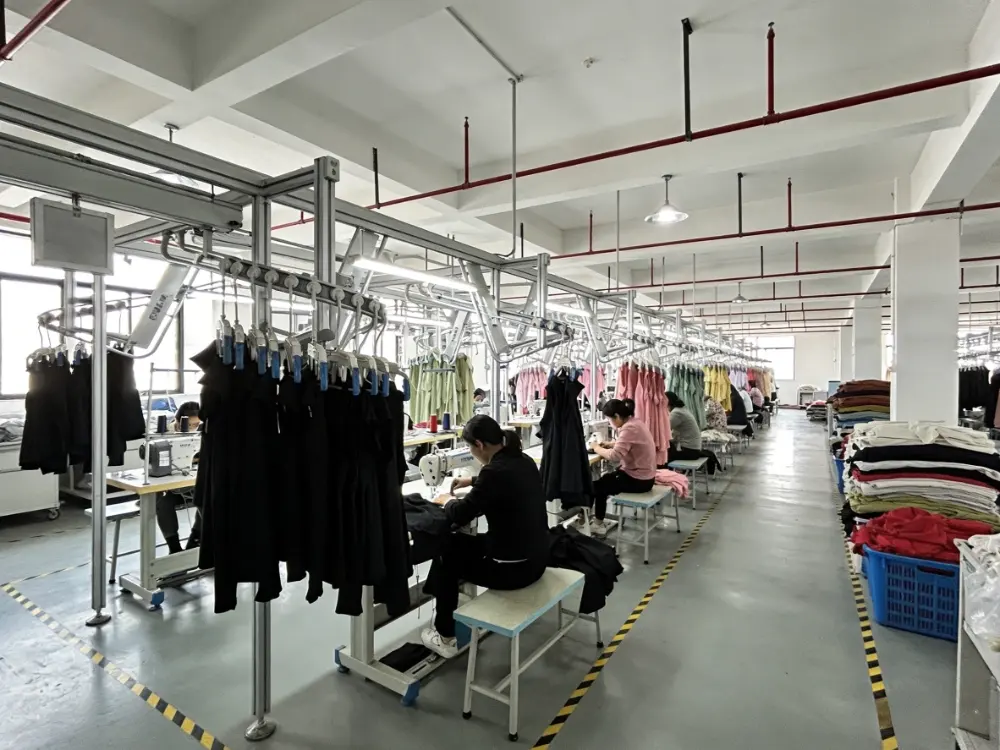
For retailers developing custom kidswear, working with clothing factories in China offers access to established material suppliers, specialist craftsmanship, and different production models. The key is finding a manufacturer whose capabilities match your collection, budget, and order size.
- Easier Access to Fabrics and Trims: China’s garment manufacturing hubs bring factories close to fabric, trim, and packaging suppliers. These connections can simplify material sourcing and sample revisions, particularly when you choose readily available fabrics and accessories.
- Craftsmanship for Detailed Designs: Specialist factories can handle sequin dresses, delicate embroidery, and layered partywear. Look for experience with products like yours, and use samples to assess stitching, lining comfort, finishing, and the attachment of decorative details.
- Established Export Support: Manufacturers experienced in overseas orders can help coordinate packaging, shipping documents, and freight arrangements. For Christmas or Easter collections, agree on production milestones and allow sufficient time for transport and customs clearance.
- Options for Smaller Trial Orders: Some manufacturers offer smaller production runs, allowing you to test new styles before placing larger orders. Confirm whether the MOQ applies per style or color, whether sizes can be mixed, and how smaller quantities affect pricing.
How to Negotiate with Children’s Dress Manufacturers
Before placing your order, discuss these four points with your manufacturer and confirm the agreed terms in writing:
- Payment Terms: Agree on the deposit, balance payment, and payment milestones. Ask to review inspection results before releasing the final balance, and clarify how any unresolved quality issues will affect payment.
- MOQ Flexibility: Check whether the minimum applies per order, style, or color, and whether you can mix sizes. For your first collection, ask about a smaller trial order and any additional costs involved.
- Quality Standards and Defect Handling: Use an approved sample to define expectations for fabric, measurements, stitching, and embellishments. Agree on inspection criteria, how defects will be resolved, and who pays for rework, replacements, and reinspection.
- Lead Times and Delivery: Confirm when the production timeline starts, when the goods will be ready, and the expected delivery date. For seasonal collections, allow a time buffer and agree on progress updates and remedies for supplier-caused delays.
How to Verify Your Manufacturer Before Placing an Order
If your negotiations have gone smoothly and you’ve built a solid understanding of the manufacturer, hold off on placing your order just yet. There are two critical steps you still need to complete:
Request Samples & Conduct a Full Quality Inspection
Never rely solely on digital photos, as they can be heavily edited. You must request physical samples to inspect the fabric hand feel, stitching durability, and ensure there is no chemical odor — a non-negotiable safety check for children’s apparel.
Treat this approved sample as your golden sample. All subsequent bulk production must match this standard exactly to prevent any drop in quality.
Verify the Factory’s Production Capacity
A factory may deliver a flawless sample, yet fail to fulfill a 500-piece order on time during peak pre-holiday seasons.
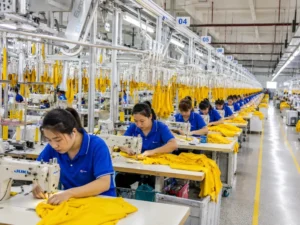
Be sure to ask about their daily output and lead times during high-demand periods (such as Q3 ahead of Christmas) to confirm their capacity can support your business growth. If you cannot visit the facility in person, request a live video tour of the production workshop to verify they are a genuine in-house manufacturer, not just a trading company with a polished website.
5 Common Pitfalls When Sourcing Kids’ Dresses
While overseas sourcing helps lower costs, it also carries serious risks. We have seen countless new boutiques suffer avoidable losses from these five mistakes. Here’s how to protect your business.
1、Ignoring Safety & Compliance (The “Customs Seizure” Trap)
Many new buyers focus only on price and overlook regulations. If you import children’s clothing into the U.S. without a valid Children’s Product Certificate (CPC) or proper tracking labels, U.S. Customs can seize and destroy your entire shipment. As we emphasized earlier, always work with fully certified manufacturers.
2、The “Photo vs. Reality” Gap
Don’t be fooled by perfect product images — pictures can be misleading, but physical samples never lie. Most reliable manufacturers are happy to provide samples, either free or for a small fee. Never place a bulk order before checking a real sample.
3、Size Mismatch (Asian vs. Western Sizing)
A Chinese size 6 is usually much smaller than a U.S. or UK size 6. Sourcing undersized dresses is the fastest way to get bad reviews and high return rates. Don’t rely on generic size charts — provide your manufacturer with your official U.S. or EU size specifications.
4、Overlooking “Hidden” Comfort
This is the top complaint about sequin and party dresses. A dress may look beautiful, but if sequins scratch a child’s skin or the lining is rough synthetic polyester, kids will refuse to wear it and parents will return it. Always require soft cotton lining for all skin-touch areas.
5、Underestimating Holiday Season Lead Times
Many buyers place Christmas orders in November — by then, factories are fully booked and shipping costs have surged. Plan ahead: For Q4 holiday sales, start sourcing in July or August. Always allow 30–45 days for production plus ocean shipping time. A trusted partner will give you a clear production schedule to ensure you never miss peak selling season.
2026 Kids’ Dress Trends: What Retailers Should Stock Now
To win this season, retailers must lead with trends. Here is your guide to stocking the right inventory from your kids dress manufacturers.
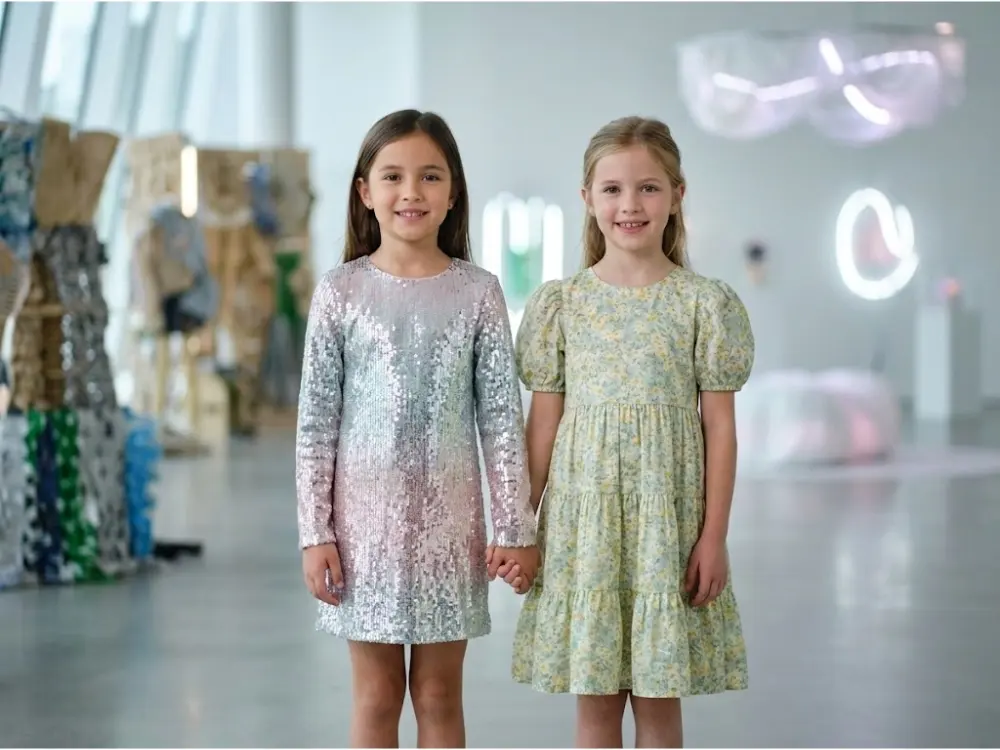
1. Mini-Me & Elevated Occasion Wear (High-Margin Statement Pieces)
Social media has exploded demand for “mini-me” kids’ fashion—children’s versions of adult luxury trends. Sequin party dresses, tulle gowns, and intricately embroidered birthday/wedding dresses are making a major comeback.
Why stock: Parents pay premium prices for photo-perfect “Instagram moments.”
Key styles: Sequin & tulle party dresses (birthday, weddings, holidays); Embellished “mini couture” with delicate embroidery; Tiered ruffle gowns with pearl/3D flower accents.
Pro tip: Pair with matching headbands, small purses, or ballet flats for add-on sales.
2. Sustainable & Skin-Friendly Fabrics (Non-Negotiable for Gen Z Parents)
Modern parents (especially Gen Z) read labels closely for safety and sustainability. They want non-toxic dyes and natural fibers—without sacrificing style.
2026 winning formula: “Gorgeous on the outside, soft on the inside.”
Must-have features: 100% organic cotton lining for all sequin/party dresses (prevents skin irritation); OEKO-TEX / GOTS certified fabrics; Bamboo, linen, and Tencel blends for breathability.
Differentiator: Highlight “hypoallergenic” and “skin-safe” in marketing—this separates premium boutiques from mass chains.
3. Vintage & Cottagecore Revival (Timeless, Heirloom-Quality Dresses)
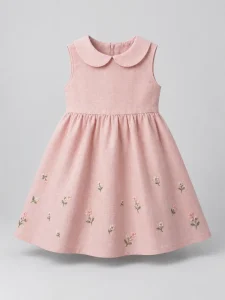
Nostalgia is powerful. The “cottagecore” aesthetic—bubble sleeves, delicate lace collars, soft floral prints—is back in full force.
Why stock: Parents seek “heirloom-quality” dresses built to last, not disposable fast fashion.
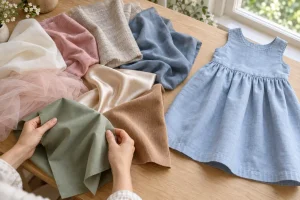
Key styles: Puff-sleeve dresses with lace trims; Ditsy floral prints in muted pastels (soft pink, sage, cream); Linen-cotton blends for a classic, luxurious feel.
Manufacturing note: Requires precision sewing and high-quality lace/linen sourcing—partner with factories experienced in detailed craftsmanship.
4. Interactive & Sensory 3D Dresses (Playful, High-Value Add-Ons)
Kids want clothes that are fun to wear! Demand is surging for interactive designs that engage touch and play.
Top interactive elements: Reversible sequins (color-changing with a swipe); 3D floral / butterfly appliqués (securely stitched for safety); Ombré & gradient color fades (modern twist on rainbows).
Retail value: These “fun” details justify higher price points and drive impulse buys.
Safety check: Ensure all embellishments are securely attached—no small parts for young kids.
5. Neutral & Inclusive Color Palettes (Gender-Fluid, Versatile Staples)
2026 is moving beyond strict pink/blue gender norms. Soft neutrals and muted tones dominate for everyday wear.
Trending colors: Cloud Dancer (Pantone 2026), sky blue, sage green, soft beige, and muted pastels.
Everyday staples to stock: A-line dresses in neutral prints (gingham, small florals); Simple knit dresses with ruffle details; Lightweight linen dresses for spring/summer.
Benefit: Versatile pieces mix-and-match with cardigans, jackets, and accessories—boosting average order value.
HAPA: Bridging the Gap Between Luxury Craftsmanship and Wholesale Practicality
Tired of spending endless hours vetting manufacturers? Look no further than HAPA — a premium kids dress manufacturer with 16 years of deep industry expertise, dedicated to the seamless fusion of aesthetics, safety, and comfort.
Renowned as the “sequin haven” for retailers worldwide, HAPA combines masterful craftsmanship with a flexible, efficient B2B model. We specialize in creating dresses, rompers, pajamas, and more, with all sequin and embroidery designs lined with scratch-free cotton fabric — solving a long-standing pain point in the industry.
Whether you’re a boutique owner seeking low MOQ kids dress wholesale options, or a high-volume wholesaler needing CPC-compliant production, HAPA delivers seamless end-to-end OEM/ODM services. We help you build a brand trusted by parents and loved by children.
Conclusion
In the fast-evolving children’s clothing market of 2026, competition among retailers has long moved beyond marketing tactics — it is now a battle rooted in the strength of your supply chain. Choosing the right children’s wear manufacturers not only securing high-quality products but also safeguarding your brand reputation.
If you are looking for a truly knowledgeable partner that can bring your design visions to life and offers 16 years of specialized expertise as girls dress manufacturers focusing on high-end sequin dresses and formal wear, HAPA is the growth partner you have been searching for.
Ready to access HAPA’s latest product catalog, or discuss your custom kids dress manufacturers requirements? Get in touch with our team today.
FAQ
How to find a clothes manufacturer in China?
You can find reliable wholesale children’s clothing suppliers by searching established B2B platforms like Alibaba or Global Sources, or by attending major industry events like the Canton Fair. Always verify business certifications and request samples from potential kids apparel manufacturers.
What is the standard MOQ for custom kids dresses?
The standard Minimum Order Quantity (MOQ) typically ranges from 100 to 300 pieces. However, many private label kids dress manufacturers are willing to accept lower quantities (e.g., 50–100 pieces) if you choose in-stock fabrics.
What is the production time for a custom-made girl’s dress?
Bulk production generally takes 30 to 45 days. When working with OEM/ODM kids clothing manufacturers, factor in the initial design phase and sampling, bringing the total lead time to around 6 to 8 weeks.
What are the top trends in kids dresses for 2026?
For 2026, trends are shifting toward “futuristic nostalgia,” combining retro silhouettes (like puff sleeves and ruffles) with modern, metallic fabrics, sequins, and icy blue or hot pink color palettes. There is also a non-negotiable demand for sustainability, with buyers increasingly preferring dresses made from eco-friendly materials like organic cotton, bamboo, and recycled fibers over conventional synthetics.
How to verify a clothing manufacturer’s legitimacy?
Always request to see their business license and verify that their “business scope” explicitly includes “manufacturing” or “production” rather than just “sales” or “trade.” Additionally, ask for third-party audit reports (such as BSCI, ISO 9001, or SEDEX) and consider hiring an inspection agency like SGS or Intertek to visit the factory if you cannot do so personally.