Compression tights, team jerseys, recovery wear, and athleisure pieces all fall under the same broad label, but each one is built to do a different job. Understanding how these categories differ is the first step toward buying smarter and building stronger product lines.
For consumers, coaches, and apparel brands alike, a clear grasp of the different types of sportswear removes the guesswork from gear selection and makes it much easier to match the right product to the right activity.
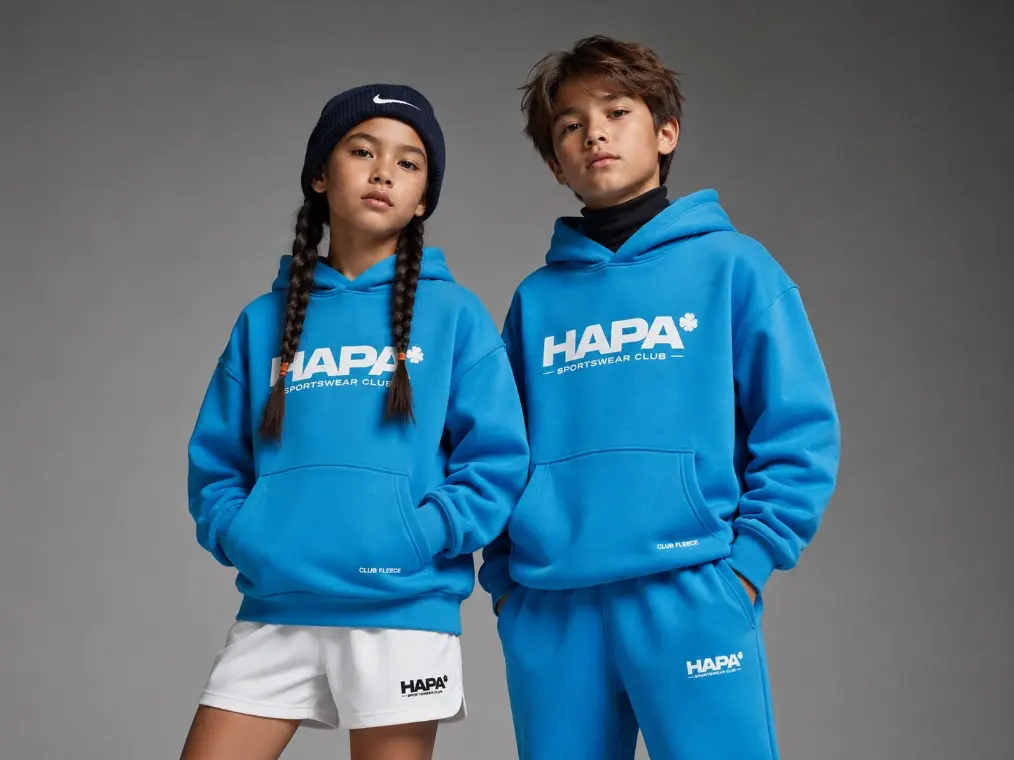
HAPA, a specialist custom kidswear manufacturer, helps children’s clothing brands identify the right categories and develop well-built, performance-focused sportswear that customers trust and keep coming back to.
What Is Sportswear
Sportswear is clothing made specifically for physical activity and athletic performance. Each piece is engineered around movement, moisture management, and body temperature regulation — not style alone. The category spans a wide range of garments, from competition jerseys and compression tights to technical base layers and weatherproof outerwear, each built around a specific activity and performance demand.
The Sportswear Market in Context
The global sportswear market is projected to reach nearly $465 billion by 2026. That growth reflects more than rising gym attendance. A broader shift toward active lifestyles, the spread of flexible working arrangements, and the adoption of performance wear as everyday fashion have all pushed sportswear well beyond its original athletic purpose.
For brands and buyers, this matters because it shows how much the category has diversified. Sportswear today covers dozens of distinct garment types, each designed for a different activity, climate, and customer need. Knowing those differences is what turns a product idea into a well-built, well-positioned line.
Sportswear vs. Activewear vs. Athleisure — What the Differences Actually Mean
These three terms get used interchangeably, but they aren’t the same thing, and the distinctions carry real practical weight for anyone buying or sourcing athletic clothing.
Sportswear is clothing engineered specifically for athletic performance and sport-specific demands. Function comes first, and garments often need to meet governing body standards for competition use — from fabric weight restrictions to approved colorways.
Activewear covers a broader range. It’s designed for physical activity — gym sessions, yoga, cycling, hiking — but without the strict performance engineering or regulatory requirements of purpose-built sportswear. Comfort and versatility carry as much weight as technical performance.
Athleisure sits at the intersection of sport and everyday life — built to look athletic while staying comfortable enough for the gym, the coffee shop, and the office without a wardrobe change in between.
| Sportswear | Activewear | Athleisure | |
|---|---|---|---|
| Primary purpose | Athletic performance | Physical activity | Style + everyday comfort |
| Governing body compliance | Often required | Rarely | Never |
| Fabric engineering | High | Medium | Lower |
| Typical wear context | Competition, sport-specific | Gym, studio, outdoors | Gym to street, daily wear |
| B2B sourcing notes | OEM, team uniform production | Private label, DTC brands | Fashion-forward labels |
Knowing which category a garment belongs to shapes everything that follows: the fabrics and construction methods used in production, the price point it can credibly hold, and how it should be marketed to the right customer.
The Major Types of Sportswear by Activity
Sportswear categories are best understood by looking at what each one is actually built to do. Every activity below places distinct demands on fabric, fit, and construction — which is why the right gear for a yoga session is built very differently from the right gear for a trail run or a swim meet.
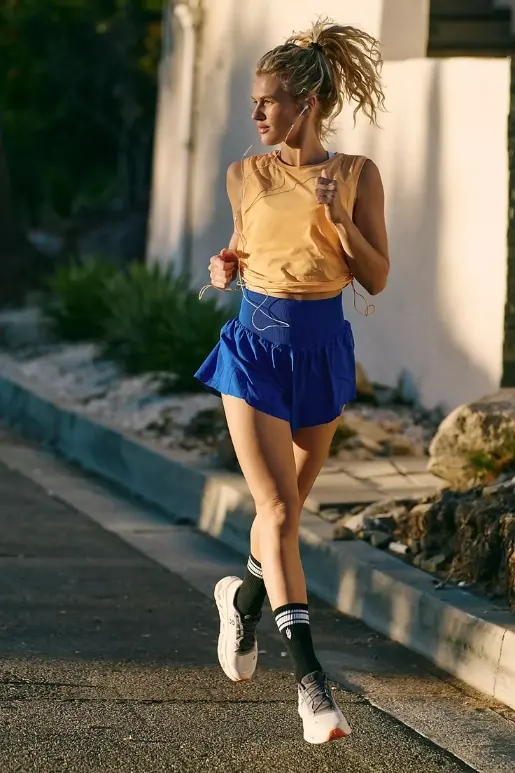
Running and Endurance Wear
Running places more repeated physical stress on the body than most gym-based activities, which makes fabric selection and seam placement more consequential than many buyers expect.
A well-built running kit typically includes:
- A moisture-wicking tee or singlet as the primary top layer
- Split-hem shorts with a 2–5 inch inseam for unrestricted leg drive
- Compression tights for longer distances or colder running conditions
- A lightweight windbreaker or running jacket for variable weather
Fabrics here are almost always lightweight polyester or nylon-spandex blends, where quick-dry performance and minimal weight take clear priority. For road running, reflective detailing on seams or hems adds a safety function athletes increasingly expect as a standard construction feature rather than an optional upgrade.
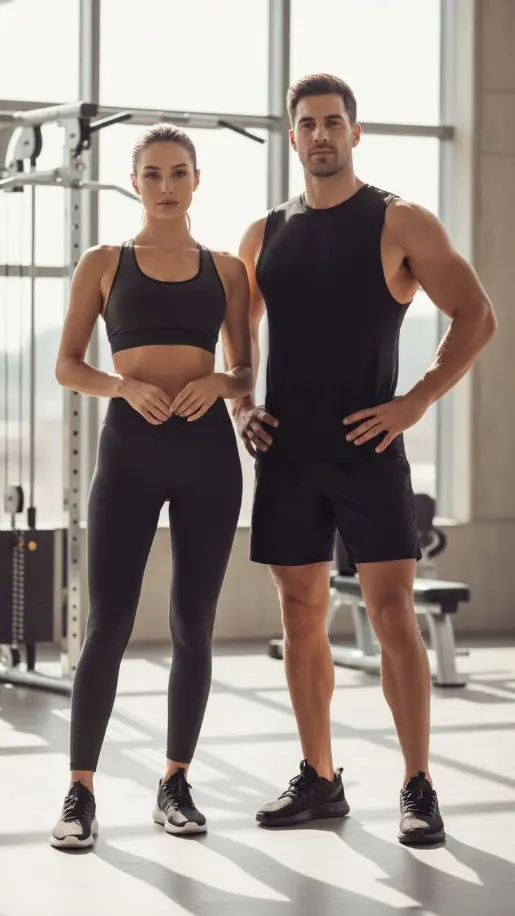
Training, Gym, and Functional Fitness Wear
Gym and functional fitness wear covers the widest range of movement patterns of any sportswear category — from overhead barbell lifts to floor-based burpees — which is why four-way stretch is the single most important fabric property here.
Training shorts need a secure waistband and enough inseam length to stay put through squats and lunges. Fitted tanks and training tees should allow full shoulder range of motion without excess fabric catching on equipment. For high-intensity formats like CrossFit, abrasion resistance matters too — seams and hem edges take real punishment on box jumps and rope climbs.
Sports bras in this category need medium-to-high impact support. Low-impact styles worn at high intensity are one of the most common fit complaints in women’s functional fitness apparel, and the issue usually starts at the design stage rather than on the retail floor.
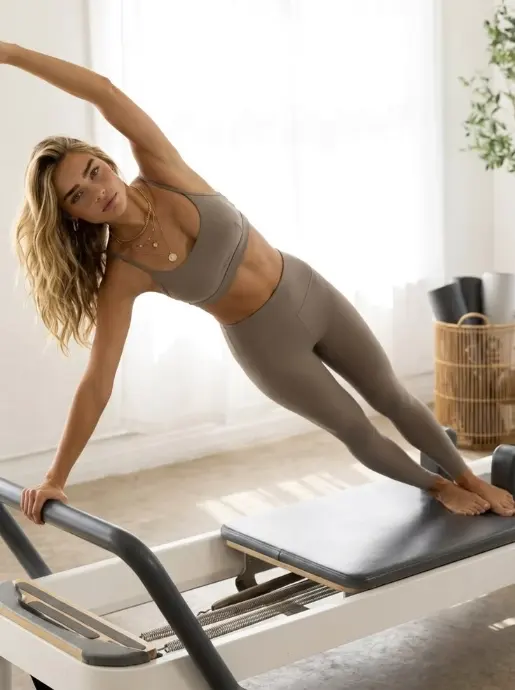
Yoga, Pilates, and Studio Activewear
Studio activewear is the category most often confused with general gym wear. The difference comes down to construction priorities. Where gym wear emphasizes durability and range of motion, studio wear prioritizes a soft hand feel, consistent coverage, and a close-to-body fit that won’t shift during floor-based or inverted positions.
High-waist leggings dominate this category, valued for staying in place through deep stretches and transitions without needing readjustment. Nylon-spandex blends are preferred over polyester here because they offer a softer, more skin-like feel during extended mat contact.
Squat-proof opacity has become a non-negotiable standard — a legging that turns sheer in a forward fold will generate returns regardless of how well everything else is constructed. Cross-back and racerback bra styles complement the shoulder freedom full yoga and Pilates ranges require.
Outdoor, Trail, and Adventure Sportswear
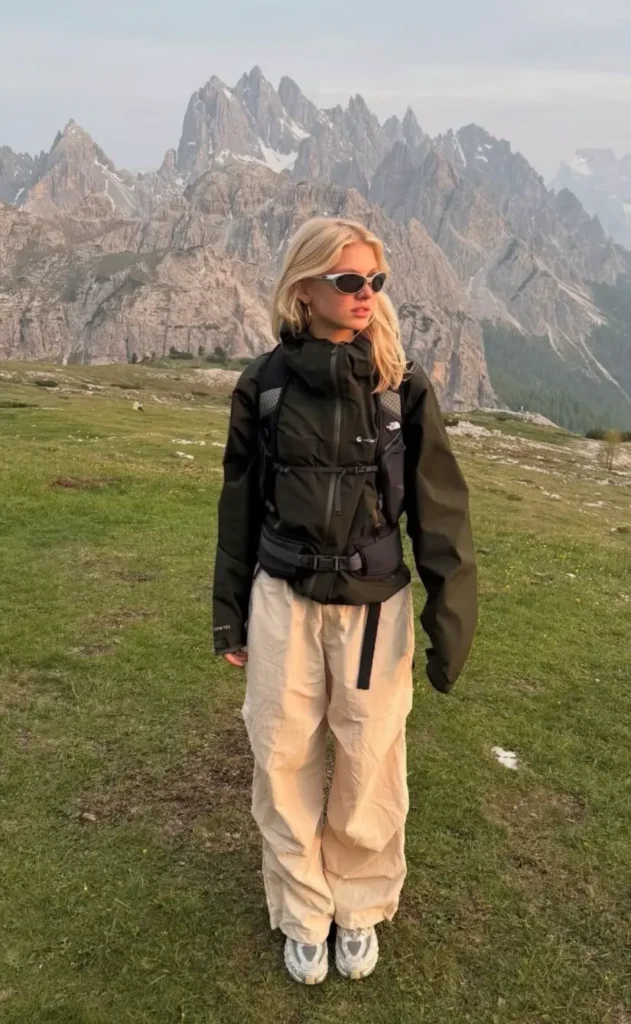
Outdoor sports demand more from clothing than almost any other category. Conditions change, temperatures drop, and the body swings through wide intensity ranges, sometimes within the same hour. That’s why outdoor sportswear is built around a three-layer system rather than a single garment.
- Base layer — sits directly against the skin and handles moisture transport. Merino wool and lightweight polyester blends are the standard choices, selected for regulating temperature without retaining sweat.
- Mid layer — typically a fleece or lightweight insulated piece that adds warmth without restricting movement. Optional in mild conditions, critical in cold or high-altitude environments.
- Outer shell — protects against wind and rain. Waterproofing is rated by water column in millimeters; breathability is measured in grams per square meter per 24 hours. Both figures should appear on the tech spec before sourcing.
For brands entering this category, fabric certifications carry more weight than in most other segments. UPF ratings, waterproof column ratings, and bluesign or OEKO-TEX approval are baseline buyer expectations, not premium add-ons.
Water Sports and Aquatic Activewear
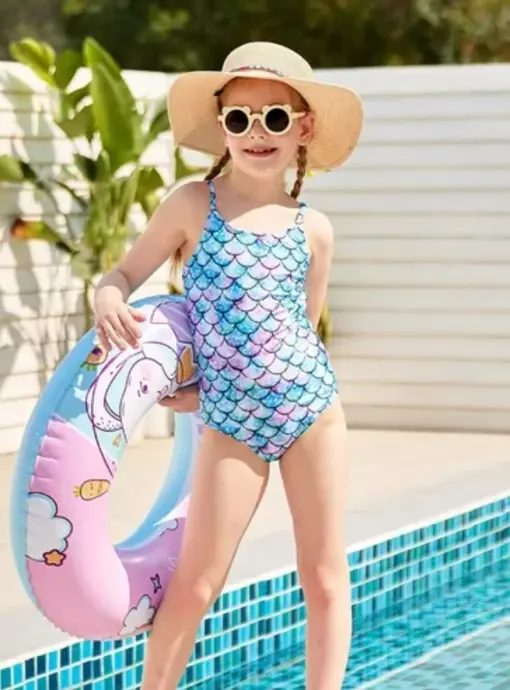
Water sports clothing has performance requirements no other sportswear category shares. Chlorine resistance, hydrodynamic compression, and rapid water release place demands on fabric and construction that standard sportswear materials simply can’t meet.
The three main sub-categories each require a distinct material approach:
- Competitive swimwear uses PBT (polybutylene terephthalate) blends rather than standard polyester, since PBT holds its shape and compression properties through repeated chlorine exposure. World Aquatics–approved competition suits carry strict construction and coverage rules that brands targeting competitive swimmers need to follow precisely.
- Rash guards and surf tops use tightly knit polyester or nylon with UPF 50+ ratings to guard against prolonged sun exposure. Quick-dry construction and flat seams prevent irritation during paddling and water re-entry.
- Wetsuits are a specialist sub-category built from neoprene foam panels with seam taping and thickness variations measured in millimeters — specs that determine the balance between warmth and flexibility for diving and open-water swimming.
Court and Field Sport Uniforms
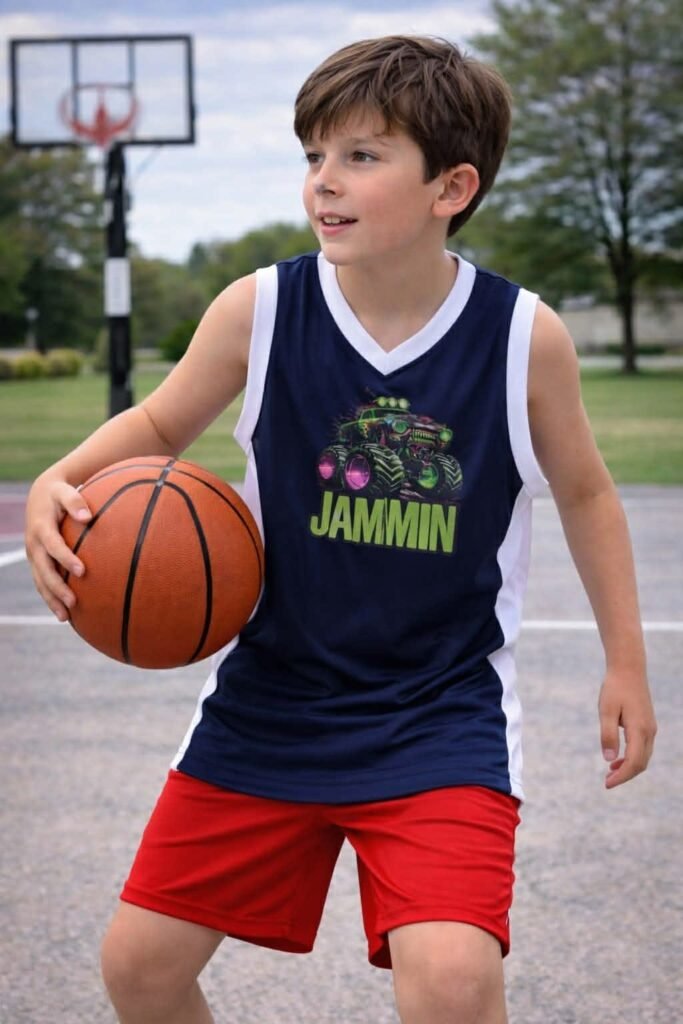
Team sport uniforms carry requirements other sportswear categories don’t. Beyond performance, they need to communicate team identity — player numbers, names, club colors, sponsor logos — and survive repeated commercial laundering at high temperatures without fading or cracking.
The dominant construction method for modern team jerseys is sublimation printing on 100% polyester mesh. Unlike screen printing, sublimation bonds color directly into the fabric fiber rather than sitting on the surface, eliminating the cracking and peeling that degrades screen-printed designs over time. Mesh panel construction improves ventilation during high-intensity play, and stretch construction at the shoulders keeps arm movement unrestricted.
| Sublimation Printing | Screen Printing | |
|---|---|---|
| Best for | Full-color, all-over designs | Simple 1–3 color designs |
| Durability | Excellent — color bonds to fiber | Good — surface application |
| Typical MOQ | 12–50 pieces per design | 6–24 pieces |
| Fabric requirement | 100% polyester only | Most fabric types |
| Unit cost at volume | Lower | Higher |
“For brands and clubs placing bulk orders, sublimation requires a full-color digital file and minimum run quantities that vary by manufacturer. Screen printing suits single-color applications on smaller or lower-budget orders where full-color design isn’t the priority. If you’re weighing where to place that order, comparing manufacturing countries is a useful first step, and reviewing a shortlist of established sportswear manufacturers can narrow things further before you request quotes.”
Children’s and Youth Sportswear — A Distinct Category With Its Own Rules
Children’s sportswear is not adult sportswear scaled down. The design, construction, and compliance requirements operate under a separate set of rules that carry legal weight in every major market, and brands that treat children’s garments as a simpler variation of adult products tend to discover this at the worst possible time.
The most critical distinction is regulatory compliance. In the United States, CPSIA mandates lead content limits, flammability standards, and drawstring restrictions on all children’s apparel. In Europe, EN 14682 sets strict cord and drawstring length limits specifically to prevent strangulation hazards. Australia, Canada, and the UK operate equivalent safety frameworks. For any brand selling children’s sportswear internationally, compliance documentation from an accredited third-party testing laboratory is a legal requirement, not a brand differentiator.
On the construction side, children’s sportswear requires:
- Built-in growth allowance across all size grades
- Flat, non-irritating seams that won’t chafe against active skin
- Reinforced high-wear areas at the knees and elbows
- Drawstring-free hood and waistband closures — drawstrings extending beyond the garment opening are prohibited in most markets
- Elastic waistbands and toggle-free fastenings as standard practice
OEKO-TEX STANDARD 100 fabric certification — Class I for infants up to age three, Class II up to age six — provides the chemical safety assurance that parents and major retail buyers increasingly require before placing orders.
| Standard | Region | What It Covers |
|---|---|---|
| CPSIA | USA | Lead limits, flammability, drawstring safety |
| EN 14682 | EU | Drawstring cord length restrictions |
| OEKO-TEX STANDARD 100 (Class I / II) | Global | Harmful substance limits by age group |
| AS/NZS Product Safety Standards | Australia / New Zealand | Children’s apparel and nightwear safety |
| Canada CCPSA | Canada | General consumer product safety requirements |
Brands sourcing children’s sportswear through an OEM or ODM partner should request compliance test reports specific to each target market before confirming bulk production, not after. Taking the time to find the right clothing manufacturer up front makes that compliance conversation far easier later.
Sportswear by Garment Type — A Construction-First Framework
Most buying guides sort sportswear by sport. That’s useful, but it skips the part that actually determines how a piece performs: how it’s built. A running jacket and a hiking shell might both be “outerwear,” yet one breathes and the other traps heat like a sauna. Once you start thinking in terms of construction — base, mid, and outer layers, plus how lower- and upper-body pieces are engineered — shopping gets a lot less confusing.
Base Layers — The Performance Foundation of Any Sportswear Kit
Your base layer touches skin first, which means it’s doing the heaviest lifting: pulling sweat away before it pools, chafes, or chills you. Get this layer wrong, and everything you wear on top of it underperforms too.
Compression vs. non-compression base layers. Compression base layers fit snugly enough to apply mild pressure to muscles, which some runners and lifters find helps with circulation and reduces post-workout soreness. Non-compression base layers sit looser and prioritize airflow and range of motion instead.
A quick way to decide which one you need:
- Choose compression if you’re distance running, cycling, or doing repetitive high-impact training
- Choose non-compression if you’re practicing yoga, climbing, or doing anything that demands big, unrestricted movement
- Either works fine for general gym sessions, walking, or low-intensity cardio
Neither option is objectively “better” — it’s a matter of matching the fit to what your body needs to do.
Moisture management zones. A good base layer isn’t uniformly built. Brands map out high-sweat zones and use different fabric treatments depending on the job each area needs to do:
- Underarms and chest: thinner, more aggressive wicking mesh for maximum airflow
- Lower back and shoulders: denser fabric for added coverage and abrasion resistance
- Side panels: stretch-engineered seams that move with you rather than against you
This is called zone construction, and it’s why two shirts that feel similar on a hanger can perform very differently once you’re actually sweating in them.
Mid Layers and Thermal Insulation Pieces
Mid layers exist for one job: trapping body heat without trapping bulk. Fleece pullovers, lightweight puffer vests, and thermal half-zips fall into this category. The trick is breathability — a mid layer that insulates but doesn’t vent will leave you overheating the moment your effort level spikes. If you run hot, look for grid-fleece or brushed-back constructions with some mesh paneling rather than a solid, dense knit.
Outer Shells and Weather-Resistant Sportswear
This is your barrier against wind, rain, and cold air — and it’s the layer most people overbuy. A waterproof shell makes sense for trail running or hiking in unpredictable weather, but for most gym or city runs, a wind-resistant, water-repellent jacket is lighter, more breathable, and more comfortable. Fully waterproof shells trade breathability for protection, so save them for genuinely wet conditions rather than wearing them as a default.
Lower-Body Sportswear: Shorts, Leggings, Tights, and Track Pants
Lower-body pieces split mainly along two lines: compression and coverage.
- Leggings and tights offer muscle support and reduce chafing on long runs or cycling sessions
- Shorts prioritize airflow, with split-leg styles built for unrestricted stride and v-notch styles offering a bit more structure
- Track pants sit in between, providing warmth and modesty without sacrificing too much mobility — a go-to for warm-ups and cooler-weather training
Upper-Body Pieces: Sports Bras, Performance Tops, and Active Jackets
Sports bras aren’t one category — they’re built around impact level. Compression-style bras flatten and hold for low-to-moderate activity like walking or strength training, while encapsulation-style bras, with individual cups, support higher-impact movement like running, where bounce control matters more.
Performance tops follow similar logic to base layers, with mesh paneling and seam placement designed around your specific range of motion. Active jackets, much like outer shells, should be chosen based on conditions rather than style alone, since a jacket that looks great but doesn’t vent properly works against you the moment your heart rate climbs.
The Sportswear Buying Guide
Knowing the categories and fabrics is half the battle. The other half is picking the right piece off the rack — or the right size in your cart — without ending up with something that bunches, sags, or falls apart after a month of washes.
Fit and Sizing: Comfort vs. Compression
Sportswear sizing runs differently than everyday clothing, which trips up a lot of first-time buyers. A legging that feels “too tight” in the fitting room might be exactly right once you’re moving, since most performance fabrics are designed to stretch and settle against the body during activity, not before it.
A few sizing rules worth knowing:
- Compression pieces should feel firm but never restrict breathing or circulation — if you’re seeing red marks after removing them, size up
- Relaxed-fit pieces should allow full range of motion without excess fabric bunching at joints (knees, elbows, hips)
- Sports bras should sit flat against the band with no riding up during a jumping jack test — if it rides up, the band’s too big
When in doubt, size based on how the garment will feel mid-workout, not how it feels standing still in a dressing room.
Construction Details to Check
This is the part most shoppers skip, and it’s exactly why so many “performance” pieces underperform. Before buying, take thirty seconds to inspect the garment:
- Seams: Flatlock or bonded seams reduce chafing; bulky overlapped seams are a red flag for long-duration wear
- Stitching density: Tighter, more uniform stitching holds up better through repeated stretching and washing
- Waistbands: Wide, flat waistbands distribute pressure better than thin elastic, especially during high-impact movement
- Zippers and closures: Look for reverse-coil or covered zippers on jackets — exposed metal zippers can snag skin or base layers
None of this is glamorous, but it’s the difference between a piece that lasts two seasons and one that’s pilling or stretched out after eight washes.
Certifications and Safety Standards That Define Quality Sportswear
Not every “performance” label means much, but a handful of actual certifications are worth looking for if quality and safety matter to you:
- OEKO-TEX Standard 100 — confirms the fabric has been tested for harmful substances and is safe against skin
- bluesign — indicates responsible chemical and resource use during manufacturing
- UPF ratings (UPF 30+ or 50+) — verified sun protection for outdoor sportswear, not just a marketing claim
- Global Recycled Standard (GRS) — certifies genuine recycled content in synthetic fabrics, useful if sustainability factors into your decision
These certifications won’t be on every tag, but when they are, they’re a reliable shortcut for separating genuinely well-made sportswear from pieces that just look the part.
Types of Sportswear Fabrics — What Every Buyer Needs to Know
Fabric composition is the single most important factor defining the performance, comfort, and durability of any type of sportswear. Whether you’re shopping for everyday gym wear, high-intensity training gear, outdoor hiking apparel, or team uniforms, understanding the core properties of common sportswear fabrics helps you make a purchase that fits your activity level, climate, and priorities.
Polyester is the most ubiquitous fabric across all types of sportswear, valued for its balanced performance and low cost. It’s lightweight, wrinkle-resistant, naturally moisture-wicking, and quick-drying, pulling sweat away from the skin and evaporating it to keep you cool. It also holds its shape well after repeated washes and offers mild UV protection. Most polyester sportswear is treated with anti-microbial finishes to reduce odor buildup, a common downside of synthetic fabrics.
- Best for: T-shirts, running shorts, tracksuits, team jerseys, general gym wear
- Ideal activities: Running, HIIT, team sports, casual workouts
Nylon is a strong, lightweight synthetic known for tensile strength and abrasion resistance. It has a soft, smooth feel against the skin, mild water repellency, and dries faster than most natural fabrics. It’s frequently blended with spandex to add stretch, making it popular for form-fitting, long-lasting activewear.
- Best for: Yoga pants, windbreakers, hiking pants, swimwear, outer layers
- Ideal activities: Hiking, climbing, yoga, water sports
Spandex (elastane / Lycra) is prized for its elasticity — it can stretch up to 500% of its original length and fully recover its shape without damage. It’s almost never used alone; instead it’s blended in small percentages (5–20%) with polyester or nylon to add stretch and a snug, supportive fit.
- Best for: Compression gear, leggings, sports bras, cycling shorts, swimwear
- Ideal activities: Yoga, Pilates, weightlifting, cycling, competitive sports
Polypropylene doesn’t absorb water at all, making it one of the fastest-drying sportswear fabrics available. It traps body heat effectively even when wet, making it a top choice for cold-weather base layers, and it’s extremely lightweight against the skin.
- Best for: Thermal base layers, winter sportswear, long-distance running apparel
- Ideal activities: Skiing, snowboarding, trail running, cold-weather hiking
Merino wool is the gold standard among natural performance fabrics, sourced from fine merino sheep. It’s naturally moisture-wicking, odor-resistant, and thermoregulating — trapping warm air close to the skin in cold weather while breathing to keep you cool in warm weather. Unlike traditional wool, fine merino fibers are soft and non-itchy, making it suitable for sensitive skin.
- Best for: Base layers, hiking shirts, winter sportswear, all-day activewear
- Ideal activities: Hiking, backpacking, trail running, winter sports
Bamboo viscose is a plant-based fabric made from bamboo pulp, valued for its soft, silky feel and natural breathability. It’s hypoallergenic, biodegradable, and offers mild moisture-wicking, making it popular for low-intensity and casual sportswear. It’s less durable and slower to dry than synthetics, so it’s often blended with polyester for better performance.
- Best for: Yoga wear, casual activewear, loungewear, light workout tops
- Ideal activities: Yoga, Pilates, walking, everyday casual wear
Recycled performance fabrics — recycled polyester and recycled nylon, made from post-consumer plastic bottles, fishing nets, and textile waste — match the performance of virgin synthetics while reducing environmental impact. They offer the same wicking, durability, and stretch benefits and are used across all sportswear categories by sustainability-focused brands.
- Certification to look for: Global Recycled Standard (GRS) to verify authentic recycled content
- Best for: All types of sportswear, ideal for eco-conscious buyers
Conclusion
Kids don’t sit still long enough to wear “almost right” clothing. Whether they’re sprinting across a soccer field, flowing through a kids’ yoga class, or bundling up for winter sports practice, the right sportswear isn’t a luxury — it’s what lets them move freely, stay comfortable, and actually enjoy the activity instead of fighting their clothes.
That’s the gap HAPA was built to close. As a manufacturer focused specifically on children’s sportswear, HAPA doesn’t treat kids as smaller adults. Growing bodies move unpredictably, sweat differently, and need fabrics that can survive a season of recess, practice, and everything in between. Instead of scaling down adult patterns, HAPA designs each piece — from team jerseys to base layers to cold-weather gear — around how kids actually move and play. You can see more of how that production work comes together in our overview of the garment factory process.
Parents and retailers looking to build out a kids’ activewear lineup don’t need to guess at what works. The categories, fabrics, and fit principles covered in this guide apply just as much to youth sportswear as adult — sometimes more so, given how fast kids grow and how hard they play.
Looking to outfit young athletes the right way? Connect with HAPA to explore manufacturing options built specifically for children’s performance wear — durable, comfortable, and made for the way kids actually move.
FAQ
What are the main types of sportswear?
The main categories include running and endurance wear, gym and functional fitness wear, yoga and studio activewear, outdoor and trail gear, water sports apparel, team and uniform wear, and children’s sportswear — each engineered around the specific movement and performance demands of that activity.
Which type of sportswear fabric is best for heavy sweating?
Polyester and polypropylene are the most effective for heavy sweating because they don’t absorb moisture and dry quickly. Look for garments with zone construction, where sweat-prone areas like the underarms and chest use thinner, more aggressive wicking mesh than the rest of the piece.
What is the difference between activewear and sportswear?
Sportswear is engineered specifically for athletic performance and often needs to meet governing body standards for competition. Activewear is designed for general physical activity like the gym or studio classes, prioritizing comfort and versatility over strict performance engineering.
What type of sportswear works best for cold weather?
A three-layer system works best: a moisture-wicking base layer (merino wool or polypropylene), an insulating mid layer like fleece, and a wind- or water-resistant outer shell. The right combination depends on temperature and activity intensity.
How do I choose the right type of sportswear for my activity?
Match the garment’s construction to your movement pattern and intensity level. High-impact activities like running need compression support and moisture management; low-impact, mat-based activities like yoga need softer fabrics and unrestricted stretch. Checking seams, stitching, and certifications like OEKO-TEX adds a useful layer of quality assurance on top of that.