Choosing a kidswear factory starts with the clothing you need to make. A supplier suited to cotton babywear may not be the right choice for a decorated dress or a technical jacket. This guide compares ten companies by their published products, services, and order conditions.
Use the list to build a shortlist, then assess how to choose a kids’ clothing manufacturer for your collection. The information below comes from company websites, not on-site audits or test orders. Confirm the production arrangement and current terms before approving any supplier.
Why Source Directly From a Kidswear Factory?
Working directly with a kidswear factory can make it easier to discuss fabrics, design details, and production changes with the team making your garments. It may also reduce costs, depending on your order and the services you need.
To make that relationship work, confirm who handles sampling, material sourcing, and production, including any outsourced work. Factory ownership alone doesn’t guarantee lower prices, faster delivery, or better quality. Look for a partner that explains its process clearly, makes your products consistently, and flags problems early.
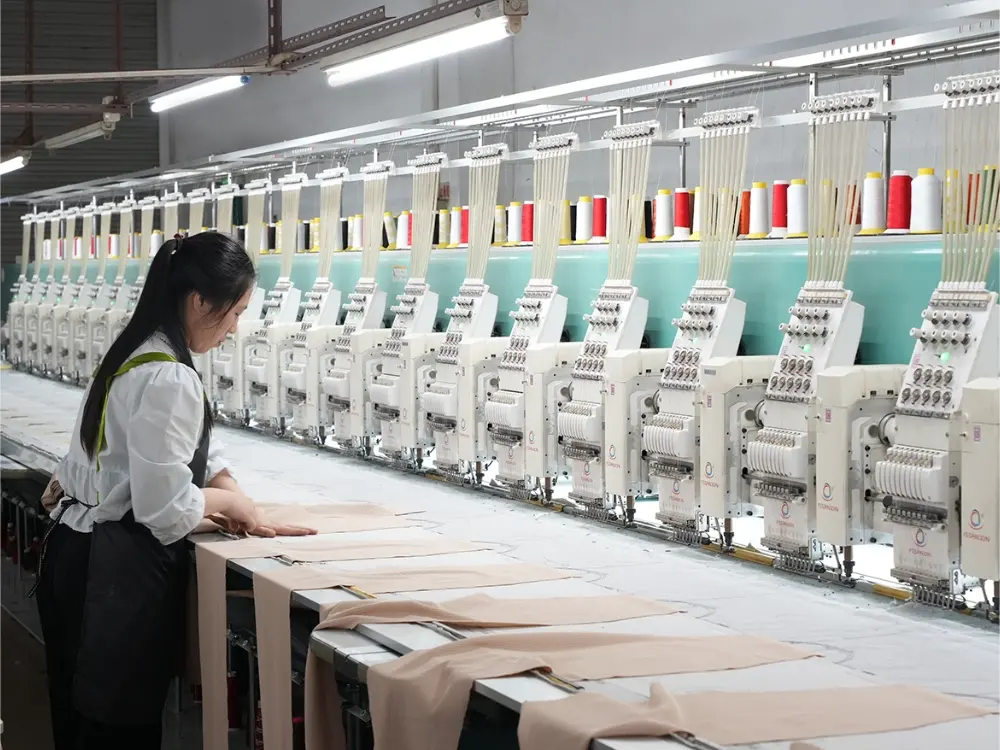
How to Check a Kidswear Factory’s Production Arrangement
Before ordering, establish which company will take responsibility for the work and where it will be performed. Website photos and a video call can help you ask better questions, but neither proves ownership, capacity, or readiness for your specific order.
- Match the company details. Compare the registered entity, contract, invoice, and payment beneficiary. Ask for an explanation of any differences.
- Map the production steps. Identify the sample room, cutting and sewing facilities, decoration providers, and inspection responsibilities. Ask which steps are in-house or subcontracted.
- Review relevant evidence. Request product-specific samples, current records, and a live discussion with the production team. Arrange an independent assessment when the order risk warrants it.
Once the basic arrangement is clear, verify a kidswear manufacturer before a bulk order against the approved sample, technical files, and written order responsibilities. A supplier can be a real manufacturer without being ready for your particular project.
10 Best Children’s Clothing Factories
These companies publish children’s clothing manufacturing services, but they differ in product focus, development scope, and minimums. Treat the profiles as candidates for further checks, not a quality ranking. Published quantities can change with materials and order details.
1. HAPA
HAPA Garments is a Guangzhou-based children’s clothing manufacturer offering OEM and ODM development. Its services cover fabric sourcing, patterns, samples, decoration, labels, packaging, and bulk production. Brands comparing HAPA should ask which work is included in the proposed order and review a sample that reflects their actual materials and design.
- Main Products: Children’s dresses, sets, hoodies, jackets, pajamas, and decorated apparel.
- MOQ: Published minimums differ across HAPA pages. Confirm the style, color, size mix, and material minimums in the written quote.
- Potential Fit: Kidswear brands needing coordinated design development and production.
- Services to Discuss: Fabric selection, sampling, embroidery, sequins, beading, and branded packaging.
- Check Before Ordering: Agree on sample revisions, product-specific tests, production responsibilities, and delivery milestones.
2. Thygesen Textile Vietnam
Thygesen Textile Vietnam offers custom babywear and children’s clothing manufacturing, with a focus on knit garments. Its published service includes material sourcing, development, sampling, production, and packing. This makes it a candidate for brands looking for a coordinated production program, provided their quantities match its minimums.
- Main Products: Babywear, children’s knitwear, and functional apparel.
- MOQ: Its FAQ lists 3,000 pieces per design with mixed sizes and colors, and 1,000 pieces per color. Underwear and special materials have separate conditions.
- Potential Fit: Brands planning larger knitwear orders.
- Services to Discuss: Fabric development, technical specifications, private labeling, and production planning.
- Check Before Ordering: Confirm minimums for the exact fabric and category, plus the scope of any requested certification.
3. MMS Clothing
MMS Clothing is a Chengdu-based apparel manufacturer and wholesaler offering custom production, including children’s clothing. Its published services cover design support, fabric selection, patterns, sampling, and branding. Buyers should distinguish its custom-development service from any wholesale or ready-made offer when comparing prices.
- Main Products: Custom knit and woven clothing, including kidswear.
- MOQ: Its FAQ advertises orders from one piece per style and color. Confirm the cost and material conditions for the intended production run.
- Potential Fit: Brands needing help developing a concept into a sample and production specification.
- Services to Discuss: Tech pack preparation, OEM/ODM production, labels, and packaging.
- Check Before Ordering: Separate development and sample charges from bulk prices. Confirm the production location and the work included.
4. Billoomi Fashion
Billoomi Fashion offers custom children’s clothing manufacturing in India. Its kidswear service covers woven and knit garments, with fabric and trim sourcing, pattern development, size grading, sampling, and production. The published minimums distinguish plain styles from printed, embroidered, and denim garments, so the decoration plan matters when assessing a small order.
- Main Products: Babywear, children’s dresses, knit and woven clothing, and decorated styles.
- MOQ: Its kidswear page lists 25 pieces per style/color for plain styles, with mixed sizes. Printed or embroidered styles and denim start at 100 pieces per style/color.
- Potential Fit: Boutique collections that fit the applicable small-order conditions.
- Services to Discuss: Custom patterns, fabric sourcing, labels, printing, and embroidery.
- Check Before Ordering: Confirm whether the chosen fabric, finish, or trim introduces a separate minimum.
5. CM Garmindo
CM Garmindo offers kidswear manufacturing in Bali, Indonesia, through custom-design, private-label, and white-label routes. These routes give buyers different starting points: developing a new design, supplying existing technical files, or adapting the company’s styles. Choose the route before comparing development fees or production quantities.
- Main Products: Children’s clothing, with options across casual, resort, sleepwear, and swimwear categories.
- MOQ: Its kidswear page lists 20 pieces per style/variation, five per size, and a 60-piece total split across styles or colors. Confirm how these conditions apply to the project.
- Potential Fit: Small collections needing a choice of development routes.
- Services to Discuss: Tech packs, CAD patterns, prototypes, prints, labels, and material selection.
- Check Before Ordering: Confirm sample ownership, production scope, and minimums for each variation.
6. Appareify
Appareify offers custom and private-label children’s clothing production in China. Its kidswear page describes baby and children’s apparel, material selection, and customization. Organic cotton and other material options can be part of a discussion, but the proposed fabric and finished garment still need evidence supporting any certification or safety claim.
- Main Products: Babywear and children’s clothing, including T-shirts, hoodies, and casual styles.
- MOQ: The company advertises low minimums; request a written quantity for the actual style, fabric, and decoration.
- Potential Fit: Brands comparing custom kidswear and private-label development options.
- Services to Discuss: Material sourcing, garment development, decoration, labels, and packaging.
- Check Before Ordering: Confirm the production site, sample requirements, and order-specific schedule rather than relying on general turnaround claims.
7. The Pima Company
The Pima Company develops and manufactures apparel in Peru, primarily using Pima cotton knits. Its range includes baby and children’s clothing, and its private-label service covers patterns, grading, samples, decoration, and labels. It is a useful candidate to assess for cotton-based babywear collections, subject to its current shipping coverage.
- Main Products: Baby layette, rompers, footies, pajamas, sweatshirts, and joggers.
- MOQ: Its contact page lists 300 units using in-stock fabrics, mixable across styles, sizes, and colors. This is not described as 300 units per style.
- Potential Fit: Brands building babywear or children’s cotton-knit collections.
- Services to Discuss: Pattern development, sampling, printing, embroidery, and private labeling.
- Check Before Ordering: The FAQ currently lists shipping to the United States and Canada. Confirm eligibility, fabric availability, and order mix before development.
8. Steve Apparel
Steve Apparel offers custom manufacturing for baby, toddler, and youth clothing. Its published process moves from concept and technical files to samples, production, customization, labeling, and packing. Its broad service description is a starting point for discussing development support, not proof that every technique or material will suit a particular children’s garment.
- Main Products: Baby and children’s clothing, casual apparel, and customized styles.
- MOQ: Request a project-specific minimum; the kidswear service page does not establish one universal quantity.
- Potential Fit: Brands needing cut-and-sew development and decoration support.
- Services to Discuss: Fabric selection, tech packs, sampling, printing, embroidery, and labels.
- Check Before Ordering: Confirm where the order will be manufactured, who manages inspection, and what is included in sample and delivery charges.
9. MK Kids
MK Kids lists its contact address in Suzhou, Jiangsu, China, and offers OEM/ODM production for baby, children’s, and adult apparel. Its service includes development, sourcing, sampling, manufacturing, labeling, and packaging. Buyers should assess the team against their specific children’s product rather than assuming that a broad catalog establishes expertise in every construction.
- Main Products: Baby and children’s clothing, alongside adult apparel.
- MOQ: Ask for written minimums by style, size, color, and material. Do not assume a single minimum applies to every program.
- Potential Fit: Brands comparing coordinated OEM/ODM development and production.
- Services to Discuss: Material sourcing, samples, labels, packaging, and production documentation.
- Check Before Ordering: Request relevant sample work and the inspection plan. A stated inspection level does not guarantee defect-free production.
10. Royal Apparel
Royal Apparel offers stock apparel and custom manufacturing, including infant, toddler, and youth products. These are different purchasing routes: ordering available blanks is not the same as commissioning a new cut-and-sew style. Its U.S.-made ranges may suit brands seeking domestic sourcing, but buyers should check the origin and availability of each selected product.
- Main Products: Infant, toddler, and youth basics, plus custom apparel.
- MOQ: Its custom-apparel support page lists 1,200 to 1,800 units per style/color/design. Confirm separate terms for stock blanks and other services.
- Potential Fit: Brands comparing U.S.-made basics with custom production.
- Services to Discuss: Stock garments, custom styles, fabric options, colors, and labeling.
- Check Before Ordering: Confirm the exact product’s origin, stock or production status, minimums, and replenishment schedule.
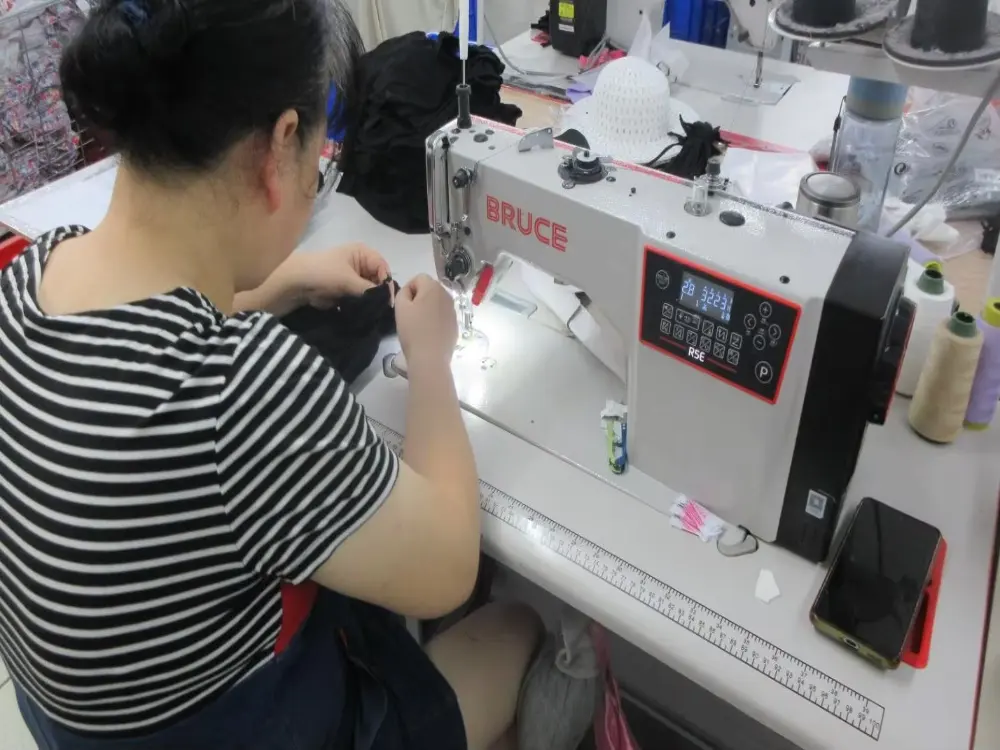
Key Factors to Evaluate When Selecting a Reliable Children’s Clothing Manufacturer
Once the production arrangement is understood, compare the candidates against the requirements of your collection. Product experience, materials, quality controls, and communication matter more than a broad claim to manufacture everything.
Can They Show Experience With Your Kidswear Category?
Ask to see work with a similar age range, fabric, and construction. Babywear, decorated occasionwear, and outerwear require different development decisions. A manufacturer that also makes adult clothing is not automatically unsuitable, but it should be able to explain how it handles children’s sizing and product requirements.
Are the Materials Suitable for the Garment?
Choose fabric for the garment’s use, comfort, care requirements, and target market. Organic cotton may support a material preference, but the fiber name alone does not establish finished-product safety. Confirm the composition, finishes, trims, and evidence needed for the specific order.
How Do They Check Sizing, Construction, and Wash Performance?
Request written kidswear quality-control checks covering measurements, seams, decoration, appearance, and relevant wash performance. Agree on tolerances and reference samples, then ask how results will be recorded during production and before shipment. A good-looking sample is useful, but it is not a substitute for a repeatable inspection process.
How Will They Handle Questions and Changes?
Before paying a deposit, identify the person who will answer technical questions and the person authorized to approve changes. Ask how the supplier reports material shortages, failed checks, or delays. Written decisions and a clear escalation route are more useful than a general promise of responsive service.
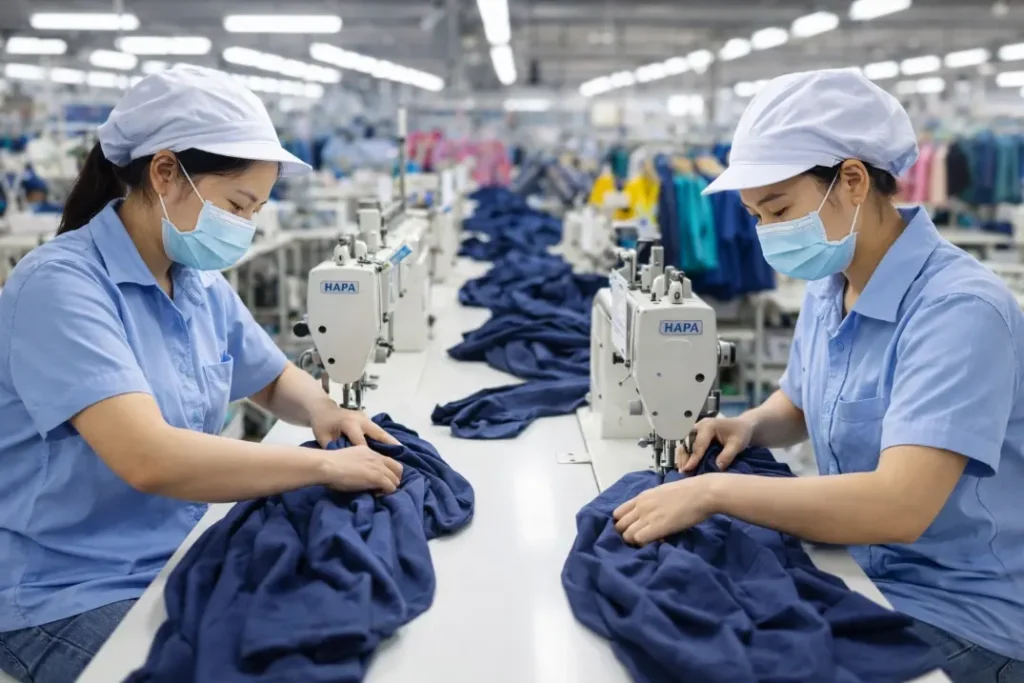
Common Business Models in Kidswear Manufacturing
Before choosing a kidswear manufacturer, it’s important to understand what services they provide. Some factories work with your designs, while others can help develop products, source fabrics, and manage production. Here are four common manufacturing arrangements to consider.
| Model | What It Means | Best For |
|---|---|---|
| OEM | Manufacturers produce clothing based on your designs and specifications. | Brands with their own designs |
| ODM | Manufacturers help develop designs and produce customized clothing. | Brands needing design support |
| CMT | Factories handle cutting, sewing, and agreed finishing work, usually using buyer-supplied materials. | Brands managing their own materials |
| Full-Package Manufacturing (FPP) | Manufacturers manage fabric sourcing, production, and other agreed services. | Brands seeking end-to-end manufacturing support |
Common Certifications and Compliance Requirements for Kidswear Factories
Start with the product and the market where it will be sold. Laws, testing requirements, and voluntary textile certifications serve different purposes. A certificate should match the relevant company, product scope, and validity period; a logo on a website is not enough.
- Product-specific legal requirements. Confirm the rules for the age group, garment, materials, and destination. For U.S. children’s products subject to applicable safety rules, the Children’s Product Certificate records compliance with those rules. It is not a general factory certification.
- OEKO-TEX® STANDARD 100. This certification addresses testing for harmful substances within the certified product scope. Check whether the evidence covers only a fabric or the finished article and its components. It does not by itself establish every aspect of product safety.
- GOTS. GOTS certification covers the processing of textiles made with organic fibers and includes environmental and social requirements. Verify the relevant certified entities and product documentation before making a finished-garment claim.
What Should You Do After Shortlisting Kidswear Factories?
A shortlist only identifies possible partners. The next step is to make their proposals comparable and decide what evidence you need before committing to bulk production. Keep the same product brief across candidates so differences in their answers are meaningful.
Start with a written commercial scope. Send the style, fabric direction, size range, color split, and target quantity, then request an itemized kidswear factory quote. Check sample charges, testing, packaging, delivery terms, and exclusions. Ask the factory to identify any assumptions that could change the price.
Turn development decisions into production instructions. Align the approved samples and production specifications before releasing bulk work. Record revisions, material references, measurements, and the person approving each decision. Where a sample uses a substitute fabric or trim, state what that approval does and does not cover.
Keep the first commitment manageable. If the project allows it, use a paid pilot order to assess how the factory handles a limited production run. Define inspection points and acceptance conditions before it starts. A successful pilot can inform a larger order, but it does not remove the need to control later changes or inspect subsequent production.
Conclusion
The right kidswear factory is the one whose product experience, order conditions, and working process fit your collection. Use the shortlist to begin discussions, then let relevant samples, documented checks, and a clear agreement guide the decision. Direct access is valuable when it comes with accountability for the actual order.
FAQ
Before contacting a factory, separate what you know about the product from what you need the supplier to confirm. The questions below cover common order conditions and the evidence to request.
What Is the Typical Minimum Order Quantity for a Kidswear Factory?
There is no single minimum across kidswear factories. Confirm the minimum order requirements by style, color, fabric, and size mix. A sample minimum, an in-stock garment minimum, and a custom-production minimum may describe very different offers.
How Long Does It Take for a Kidswear Factory to Produce an Order?
Timing depends on development, material availability, approvals, factory capacity, and delivery arrangements. Request separate dates for samples, production, inspection, and shipment. For replenishment, a China kidswear reorder timeline helps identify which stages may be repeated and which can be shortened when specifications remain unchanged.
Do Kidswear Factories Provide Custom Fabrics and Dyes?
Some coordinate custom knitting, dyeing, or printing with mills; others work mainly with available fabrics. Ask about technical limits, material minimums, testing, and lead times. The ability or willingness to commission a custom fabric is not proof of factory ownership.
How Should Brands Check Kidswear Product Safety?
Identify the applicable requirements for the product and destination market, agree on test responsibilities, and review evidence for the relevant materials and finished garments. Textile certifications can support particular claims, but they do not replace all product-specific legal checks.
Can I Visit the Kidswear Factory in Person?
Ask whether a visit can be arranged and which production site you would see. If travel is impractical, a live walkthrough and an independent assessment can help. Access is one part of verification, not proof that an order will meet every requirement.