Finding a private label clothing manufacturer that actually wants to work with small businesses—not just tolerate them—is harder than it sounds. Most manufacturers demand enormous minimum orders, operate on vague timelines, and offer zero flexibility the moment you deviate from their standard spec sheet.
I’ve spent years working directly with apparel brands at every stage: from one-person Etsy shops testing their first 50-unit run to fast-scaling boutiques pushing six-figure reorders. I’ve sat in factory Zoom calls, reviewed sample after disappointing sample, and helped founders navigate the nightmare of a supplier who ghosts you three weeks before your launch date.
This list of 15 vetted private label clothing suppliers is the shortcut past all of that. I’ve done the vetting so you can focus on creating—not chasing.
What Is Private Label Clothing Manufacturing?
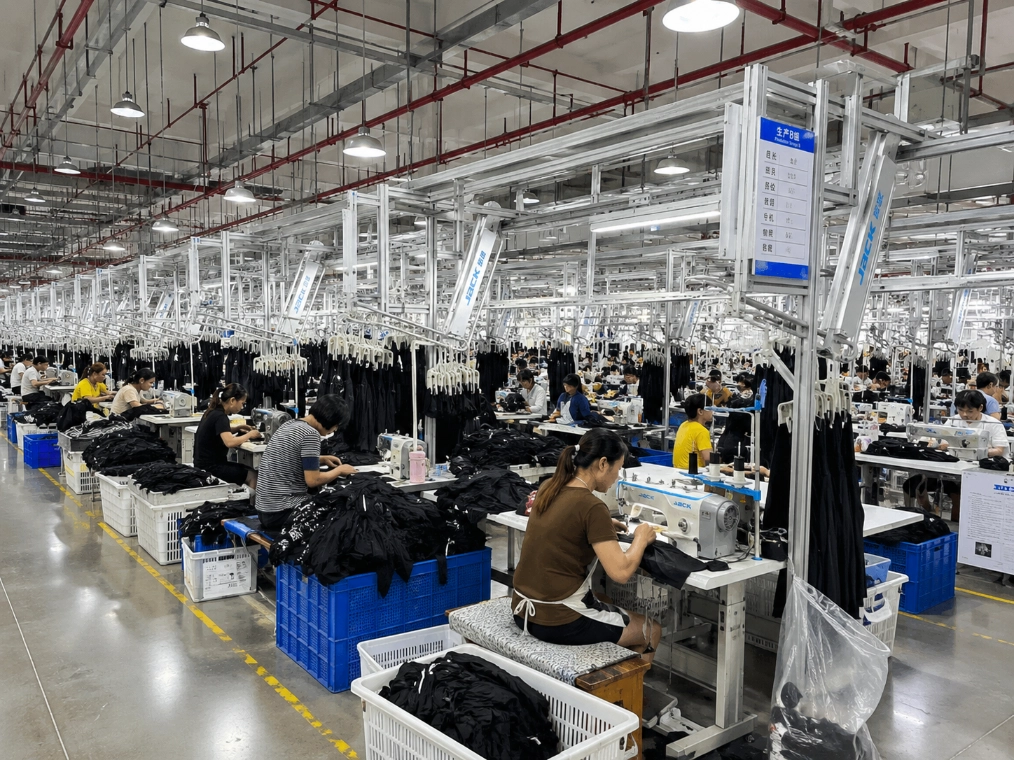
Private label clothing manufacturing means a factory produces garments sold under your brand name, not theirs. You’re not just slapping a logo on a blank tee. You’re collaborating on designs, fabrics, fit, and finishing details so the final product feels exclusively yours—while the manufacturer handles production.
In practice, this typically means:
- You choose or co-develop styles from the manufacturer’s existing base, with custom modifications
- You select materials, colorways, trims, sizing, and labeling within their capabilities
- The finished garments ship with your brand’s labels, hangtags, and packaging
It’s worth knowing how this differs from similar models:
- White label: You buy pre-made, unbranded garments and only add your logo afterward
- Full custom / cut-and-sew: You build every pattern from scratch with a factory—maximum control, higher cost, and significantly more complexity
For most small businesses, private label hits a genuine sweet spot. You get more brand identity and differentiation than white label offers, with far lower minimums and less development overhead than full custom production requires. If you’re still weighing your options, this breakdown of how to find clothing manufacturers is a great place to orient yourself before diving into the list below.
Top 15 Private Label Clothing Manufacturers for Small Businesses
1. Argus Apparel — Best for Startup-Friendly Custom Streetwear
Argus Apparel operates as an end-to-end custom apparel manufacturer that helps emerging brands scale without massive upfront costs. What I genuinely appreciate about them is how accessible they make the early stages: they’ll take a rough sketch and turn it into a full technical tech pack, prototype, and finished sample. That kind of hand-holding is rare at this price point.
They cover a broad range of casual apparel and prioritize eco-friendly textiles, including GOTS-certified organic cotton and sustainable bamboo blends—a meaningful advantage for brands trying to build an ethical story.
Location: Los Angeles, California, USA
MOQ: 50 pieces per style
Specialties: Streetwear, custom hoodies, t-shirts, sportswear
Pros:
- Exceptionally low minimums for custom cut-and-sew work
- Comprehensive design and fabric sourcing support for first-time founders
- Strong focus on sustainable, high-grade organic fabrics
Cons:
- Sampling costs can climb quickly on complex, multi-panel designs
- Bulk pricing is less competitive than direct overseas options
Ideal For: Early-stage streetwear and casual wear brands looking to minimize financial exposure at launch.

2. Cord Apparel — Best for Specialty Accessories and Branded Basics
Cord Apparel has carved out a serious niche by going beyond traditional garments. Their production portfolio covers custom structured headwear, premium private label sleepwear, and high-margin extensions like pet clothing—categories that most other factories simply won’t touch at low volumes.
They support brands with full grading services, embroidery execution, and custom packaging. Their domestic customer care model combined with global manufacturing logistics gives you the flexibility of a boutique partner with the reach of a larger operation.
Location: Missouri City, Texas, USA
MOQ: 50 units per design
Specialties: Custom headwear, premium sleepwear, pet apparel, custom labeling
Pros:
- Excellent niche specialization in hats and accessories that other factories avoid
- Full private label finishing: woven tags, custom poly mailers, and more
- Low minimum options tailored for testing new categories
Cons:
- Lead times fluctuate with complex embroidery requirements
- Limited capacity for high-volume performance activewear
Ideal For: Lifestyle brands scaling a multi-category collection featuring custom headwear and coordinated loungewear.
3. HAPA — Best for Premium Sustainable Children’s Apparel
HAPA is one of the most rigorously certified children’s clothing manufacturers I’ve come across. Their facility combines high-volume production capability with an accessible small-batch approach—which is genuinely unusual in kids’ apparel, where most factories push enormous minimums.
They maintain strict compliance standards, holding certifications from SGS, BSCI, and CPC (Children’s Product Certificate). Their team offers complete IP protection for your custom tech packs, which matters enormously when you’re bringing original designs to an overseas manufacturer.
Location: Shenzhen, Guangdong, China
MOQ: From 50 pieces per design
Specialties: High-end kidswear, custom pajamas, graphic hoodies, dresses
Pros:
- Fully certified for children’s safety (CPC, CE, OEKO-TEX)
- Low initial minimums paired with tiered bulk discounts
- Fast sample iteration cycles and a secure, non-disclosure design process
Cons:
- International logistics can introduce delays during peak holiday seasons
- Communication is limited to overseas business hours
Ideal For: Independent children’s apparel brands that prioritize eco-friendly fabrics and strict global safety certifications.
4. Appareify — Best for Fashion-Forward Loungewear and Sleepwear
Appareify is a well-established global player with a genuinely impressive fabric library. Their production pipeline covers end-to-end OEM and private label services, and their design team stays closely aligned with eCommerce trends—which means your samples actually arrive looking like something a customer would buy, not a factory’s internal idea of what’s fashionable.
They source technical, breathable, moisture-wicking materials that hold up through repeated wash cycles, and their attention to modern silhouettes, seam margins, and stitching execution is consistently above average in their price bracket.
Location: Shenzhen, Guangdong, China
MOQ: 50–100 pieces per style
Specialties: Premium pajamas, loungewear, custom hoodies, activewear
Pros:
- Extensive fabric library featuring premium technical and eco-friendly textiles
- Strong trend execution with great attention to modern oversized fits
- Fast sample turnaround—typically 7 to 10 business days
Cons:
- Import duties and air freight can significantly inflate unit costs on small runs
- Sizing matrices require careful cross-referencing for Western markets
Ideal For: DTC brands launching high-quality, trend-driven loungewear or sleepwear lines.
5. Thygesen Textile Vietnam — Best for High-Volume Ethical Performance Wear
With a heritage spanning over 90 years through its Danish parent group, Thygesen Textile Vietnam is the kind of manufacturer you work with once you’ve already validated your product. They output up to one million garments monthly using an optimized LEAN manufacturing framework across massive sewing lines.
I’ll be direct: this is not a startup-friendly option. Their strict, high minimum order counts exclude most small-batch labels. But if you’re an established brand looking to shift high-volume performance wear production to an ethical, multi-certified facility, they’re the gold standard in Southeast Asia. Certifications include SA8000, WRAP, GOTS, and OEKO-TEX STeP.
Location: Hanoi / Hung Yen, Vietnam MOQ: 3,000 pieces per design (5,000+ for intimate underwear) Specialties: Performance activewear, compression gear, technical underwear, sustainable knits
Pros:
- Massive production scale with vertical integration from fabric R&D to final packaging
- Elite ethical and environmental compliance profile
- Highly competitive unit costs at high volumes
Cons:
- Strict minimum order counts exclude startups and small-batch labels
- Slower setup cycles due to enterprise production scheduling
Ideal For: Established apparel brands moving high-volume performance wear production to an ethical, multi-certified facility.
6. Saright Garment — Best for Eco-Conscious Pajamas and Intimate Loungewear
Saright Garment brings over two decades of technical expertise to the private label sleepwear sector. What sets them apart is their mastery of soft-hand, stretch-prone fabrics—organic cotton, modal, and OEKO-TEX-certified bamboo blends—without the seam puckering that cheaper factories often produce on this material category.
They’re a reliable middle-tier manufacturer, bridging the gap between small startup projects and major commercial contracts by offering accessible minimums and dedicated sample execution.
Location: Guangzhou, Guangdong, China MOQ: 100–200 pieces per color/design Specialties: Pajama sets, luxury robes, nightgowns, casual knit loungewear
Pros:
- Deep expertise in handling fluid, high-stretch knit materials
- Strong commitment to certified non-toxic, eco-conscious dyes and textiles
- Consistent sizing standards aligned with international markets
Cons:
- Fabric customization options narrow at the lowest MOQ floor
- Slower response times before the Lunar New Year
Ideal For: Contemporary boutique brands building an eco-conscious, high-comfort sleepwear or loungewear portfolio.
7. Lefty Production Co. — Best for Luxury Domestic Cut-and-Sew Development
Lefty Production Co. is one of the most respected full-package manufacturers in Los Angeles, and for good reason. They function as a true incubator for high-end fashion designers, independent labels, and celebrity merchandise projects—offering complete design-to-distribution services, including pattern grading, custom fabric sourcing, and meticulous bulk sewing.
The “Made in USA” label carries real brand equity for certain markets, and Lefty delivers that with 100% transparent, sweatshop-free domestic labor standards. Just be prepared for significantly higher per-unit costs than overseas options.
Location: Los Angeles, California, USA MOQ: 50 pieces per style Specialties: Luxury athleisure, high-end swimwear, children’s wear, bridal/formal wear
Pros:
- In-person quality control and communication within the Pacific time zone
- Skilled pattern makers who execute complex, custom structural silhouettes
- Fully transparent domestic labor standards
Cons:
- Significantly higher per-unit costs than global factories
- Limited scalability for budget-conscious price points
Ideal For: Premium, high-margin fashion labels that require absolute construction precision and a “Made in USA” brand asset.
8. Tack Apparel — Best for Low-MOQ Sublimation and Active Startups
Tack Apparel caters specifically to new and scaling activewear brands that need complex decoration methods without a prohibitive minimum. Operating out of California, they offer premium cut-and-sew solutions alongside high-end finishing: in-house sublimation printing, flatlock stitching, and intricate embroidery.
Their fabric portfolio includes recycled polyesters, nylon blends, and BCI cotton—giving small brands a way to compete in the conscious consumer market without having to source materials independently.
Location: Long Beach, California, USA (production facilities globally) MOQ: From 50 pieces per design Specialties: Custom sportswear, athleisure, sublimation printing, gym apparel
Pros:
- Superb in-house sublimation capabilities with fade-resistant results
- Low minimum bar allows rapid market validation of new designs
- Highly responsive, English-native customer support
Cons:
- Production timelines can run longer during seasonal athletic rushes
- Custom fabric developments require higher order volumes than stock blends
Ideal For: Indie activewear or gym clothing startups that want premium print customization without holding massive inventory.
9. Zega Apparel — Best for Extensive Private Label Branding Customization
Zega Apparel functions as a bridge between US business management and high-efficiency overseas manufacturing. If deep private label customization is your priority—custom fabric weight, dye colors, woven tags, satin labels, printed hangtags—Zega is one of the most capable partners I’ve seen at this price point.
Their vertically integrated model combines accessible US-based account management with cost-effective bulk production, and their supply chain transparency is genuinely above average for a Pakistan-based operation.
Location: USA (Headquarters) / Karachi, Pakistan (Manufacturing) MOQ: 50 pieces per color/style Specialties: Custom cut-and-sew hoodies, denim, premium t-shirts, custom brand tags
Pros:
- Extensive branding customization for a fully bespoke retail presentation
- US-based account management paired with cost-effective overseas production
- Transparent supply chain with no sweatshop manufacturing
Cons:
- International shipping from Pakistan can encounter customs delays
- Complex sample revisions can slow pre-production timelines
Ideal For: High-growth streetwear and casual wear labels that want fully custom branding details on a modest initial budget.
10. Royal Apparel — Best for Eco-Friendly Made-in-USA Blanks and Custom Dye Programs
Royal Apparel is one of the most impressive vertically integrated domestic manufacturers operating today. They control the entire production process—from knitting and dyeing to final stitching—which gives them unmatched consistency across colorways.
Their inventory of eco-friendly blanks covers organic cotton, RPET recycled polyester, hemp, and bamboo blends. For brands wanting true custom products, they offer private label re-labeling services, custom screen printing, and low-minimum custom dye programs. If you’re building an environmentally conscious brand and want domestic manufacturing credibility, Royal Apparel belongs on your shortlist.
Location: Hauppauge, New York, USA MOQ: No MOQ for in-stock wholesale blanks; 48 units for custom private label programs Specialties: Certified organic basics, fleece hoodies, sustainable t-shirts, custom dye lots
Pros:
- Unrivaled selection of certified sustainable fabric blends
- Unbelievably low minimums for custom domestic dye and re-labeling
- In-house knitting and dyeing ensure absolute consistency across colorways
Cons:
- Primary focus is strictly on knit basics—not suited for structured outerwear or wovens
- Bespoke, non-standard silhouettes require higher volume commitments
Ideal For: Environmentally conscious brands seeking a reliable domestic supplier for premium, eco-friendly basic apparel.
11. Ninghow — Best for High-Speed Activewear and Gym Clothing Development
Ninghow operates out of Shenzhen’s tech and logistics ecosystem, making them a natural fit for e-commerce brands that need fast turnaround on performance wear. They run dual production facilities covering both traditional cut-and-sew and advanced seamless knitting technology—the latter being particularly valuable for compression wear and fitted gym garments.
Their complimentary tech pack analysis and 3D clothing visualization service is a genuinely useful feature for brands that want to minimize physical sample waste before committing to production.
Location: Shenzhen, Guangdong, China MOQ: 150–200 pieces per color (flexible) Specialties: Gym clothing, seamless activewear, performance polo shirts, custom hoodies
Pros:
- Advanced seamless garment construction and technical moisture-wicking fabrics
- 3D sampling visualization to reduce physical prototyping waste
- Located directly inside an elite shipping and fabric sourcing hub
Cons:
- Communication tied to Asian business hours
- Minimums can scale upward for rare, highly specialized technical fabric blends
Ideal For: E-commerce gym and athleisure brands looking to launch technical performance wear with fast turnaround times.

12. ApparelCN — Best for Oversized Streetwear and Trend-Driven Casual Collections
ApparelCN, a manufacturing subsidiary of the Shine Bright Group, brings over 18 years of specialized garment experience to one of the most competitive niches in private label clothing: heavy streetwear. They’re genuinely exceptional at heavyweight oversized hoodies, acid washes, puff prints, and vintage garment dyeing—the techniques that define modern streetwear aesthetics.
Their facility combines industrial scale with startup-friendly small-batch flexibility, and their 18-year supply chain history gives you confidence in their quality checkpoints.
Location: Huzhou City, Zhejiang Province, China MOQ: 50–100 units per style (flexible) Specialties: Heavyweight oversized hoodies, casual streetwear, joggers, dresses
Pros:
- Deep expertise in streetwear washes, distressing, and heavy fabric weights
- Industrial scale with small-batch flexibility
- Reliable quality checkpoints built over an 18-year supply chain
Cons:
- Ocean freight is slow; air freight erodes margins on low-volume orders
- Custom hardware (branded zippers, aglets) requires larger batch numbers
Ideal For: Streetwear labels requiring heavy cotton blends, custom vintage washes, and modern trend-driven cuts.
13. ZEKA Apparel — Best for High-Growth Streetwear Startups Seeking Premium Finishes
ZEKA Apparel was built from the ground up to serve emerging boutique fashion and streetwear labels—and it shows in how they operate. Unlike legacy mega-factories, they give you direct access to elite fabric markets while maintaining a 50-piece minimum. That combination is rare and genuinely valuable for brands running limited drops.
Their process is specifically tuned for fast-growth digital brands that need to test small-batch releases without sacrificing fabric quality or garment weight.
Location: China (Global Distribution) MOQ: 50 pieces per design Specialties: Luxury streetwear, heavy loopback hoodies, drop-shoulder tees, custom garment washes
Pros:
- Premium, heavy-weight fashion fabrics accessible at a 50-piece floor
- Deep understanding of modern streetwear aesthetics and retail-ready fits
- Agile prototyping for fast turnarounds between drops
Cons:
- Unit costs at minimum floor are higher than mass-production competitors
- Peak holiday season production queues fill up fast
Ideal For: Independent streetwear designers focused on premium quality who want to run highly exclusive, small-batch product drops.
14. Steve Apparel — Best for Custom Outerwear and Comprehensive Cut-and-Sew Development
Steve Apparel operates as a product development and bulk manufacturing partner with corporate presence in Ohio and production assets overseas. They specialize in custom cut-and-sew across some of the trickiest apparel categories—structured outerwear, flannel jackets, denim lines, and fleece windbreakers—which most factories handle poorly at low volumes.
Their upfront consulting and tech pack creation service is particularly valuable for new fashion labels that don’t yet have an in-house technical designer.
Location: Hilliard, Ohio, USA (Production in Karachi, Pakistan) MOQ: 50 pieces per style Specialties: Custom outerwear/jackets, denim apparel, cut-and-sew hoodies, tech pack development
Pros:
- Exceptional competency in structured outerwear, denim, and multi-fabric jacket construction
- Professional tech pack creation for founders without technical backgrounds
- Competitive overseas production costs paired with a low MOQ threshold
Cons:
- Extended shipping and customs timelines from overseas manufacturing
- Sampling phases can require multiple iterations for highly structured jackets
Ideal For: Emerging apparel brands building a comprehensive clothing line that includes complex outerwear or custom denim.
15. Stylus Apparel — Best for Full-Service Corporate Merchandising and Retail Decoration
Stylus Apparel has operated as a contract garment manufacturer and apparel decoration facility since 2003, located just outside New York City. They’re a genuine one-stop shop: design, printing, private label tag swapping, and final retail folding/poly-bagging all happen under one roof with 100% domestic labor.
Their incredibly low minimums—24 pieces per design—make them one of the most accessible best clothing factories for premium decoration work anywhere in the country.
Location: Linden, New Jersey, USA MOQ: 24 pieces per design (12 pieces per size) Specialties: High-end screen printing, large-format sublimation, custom embroidery, retail finishing
Pros:
- Among the lowest minimums available for premium domestic decoration work
- True one-stop pipeline: design, printing, and distribution under one roof
- Ultra-fast domestic shipping across the East Coast
Cons:
- Bespoke cut-and-sew garment lead times can be extensive
- Not structured for cheap, mass-market budget wholesale promotions
Ideal For: Mid-tier fashion brands, corporate clients, and merch operations requiring top-tier embroidery, printing, and retail-ready packaging.
What to Look for in a Private Label Clothing Manufacturer
After years of helping brands vet and select manufacturing partners, I’ve learned that the factory you choose will directly shape your product quality, brand reputation, and cash flow—often in ways that aren’t obvious until something goes wrong. Here’s what actually matters when you’re making this decision.
Genuinely Startup-Friendly MOQs
Don’t just ask for the minimum order quantity. Ask whether they’ll scale with you. A true manufacturing partner offers low initial runs and a clear path to larger volumes without punishing price hikes every time you reorder. I’ve seen brands get locked into painful relationships with factories that were flexible at 50 units and unresponsive at 500.
Specialization in Your Niche
A factory that “does everything” rarely excels at anything. The best results consistently come from custom apparel manufacturers whose daily work aligns precisely with your garment type—whether that’s activewear, denim, or baby clothing. A streetwear-focused factory producing your children’s pajama line is a recipe for disappointment.
Transparent, Proactive Communication
You need a partner who responds clearly, flags potential issues before they escalate, and never leaves you guessing about your order status. Ghosting—especially mid-production—is more common than it should be. Build in a communication test early: how quickly and clearly they respond to your first inquiry tells you a great deal about how they’ll behave six weeks into production.
Verifiable Quality and Ethical Standards
Don’t take website claims at face value. Ask for sample photos of finished work, and verify certifications like WRAP or GOTS directly on the issuing organization’s database. A factory’s willingness to share this documentation openly is itself a signal of integrity.
Realistic Sampling and Lead Times
A two-week sample and a six-week bulk order is manageable. A six-week sample delay is a warning sign. Confirm timelines in writing and build them honestly into your launch calendar—underestimating production time is one of the most expensive mistakes a small brand can make.
For more guidance on evaluating potential partners, especially if you’re launching your first line, I’d recommend reading through this overview of clothing manufacturers for startups—it covers what questions to ask, what red flags to look for, and how to structure your first order.
Private Label Clothing vs. Other Production Models
Not every clothing business actually needs private label manufacturing. Understanding your options before committing is genuinely valuable—and can save you from over-investing in complexity you don’t need yet.
The Main Clothing Production Models
- White Label Manufacturing: A supplier produces a standardized, unbranded garment that multiple businesses purchase and rebrand. Customization is minimal—typically just your logo or label—making it the fastest and lowest-cost route to market, with little room for brand differentiation.
- Cut-and-Sew Manufacturing: You supply original designs, technical specifications, and fabric choices; the manufacturer builds every garment from raw materials. Maximum creative control and brand exclusivity, but demands a higher budget, longer timelines, and solid technical knowledge.
- Print-on-Demand (POD): Garments are produced individually only after a customer places an order. No inventory, no upfront costs, no MOQ—but per-unit margins are significantly thinner, and customization beyond surface graphics is largely unavailable.
- Wholesale / Blank Reselling: You purchase pre-made, finished garments in bulk and resell them, either unaltered or with minor branding additions. Simple and low-risk, but you’re selling the same product as dozens of other retailers, making price competition almost inevitable.
Side-by-Side Comparison: Which Model Is Right for You?
| Private Label | White Label | Cut-and-Sew | Print-on-Demand | Wholesale | |
|---|---|---|---|---|---|
| Design Ownership | Partial | None | Full | None | None |
| Customization Level | Medium–High | Low | Very High | Low | Very Low |
| Typical MOQ | 20–300 units | 12–100 units | 100–500+ units | No MOQ | 1–50 units |
| Startup Cost | Low–Moderate | Very Low | High | Virtually None | Low |
| Per-Unit Cost | Moderate | Low | High | High | Low–Moderate |
| Profit Margin Potential | High | Moderate | Very High | Low–Moderate | Low |
| Brand Differentiation | Strong | Weak | Strongest | Weak | Weakest |
| Time to Market | 6–14 weeks | 2–4 weeks | 3–6 months | Immediate | 1–2 weeks |
| Inventory Risk | Moderate | Moderate | High | None | Low–Moderate |
| Scalability | High | Moderate | Very High | Moderate | Low |
The bottom line: Private label hits the sweet spot for most small businesses—offering meaningful brand ownership, genuine customization, and manageable startup costs without the steep technical demands of cut-and-sew. If you’re building a brand with long-term equity in mind, private label is almost always the right starting point.
Conclusion
Choosing the right private label clothing manufacturer is one of the highest-leverage decisions you’ll make as a small brand. The right partner lets you launch with confidence—low MOQs, strong customization, and reliable quality—and scale from first samples to repeat orders without constantly renegotiating or switching suppliers.
By comparing options across regions, specialties, and production models, you can find a manufacturer that genuinely fits your budget, your timeline, and your brand vision. Whether you’re building sustainable children’s apparel, premium streetwear drops, or a multi-category lifestyle brand, the right factory for you is on this list.
The goal isn’t just to place your first order—it’s to build a manufacturing relationship that grows with you.
Frequently Asked Questions
How do I find a private label clothing manufacturer?
Start by identifying your product niche, budget, and MOQ requirements. Then search vetted directories like Maker’s Row, Alibaba, or Thomasnet, or explore manufacturer-specific platforms. Always request samples, verify certifications directly with issuing organizations, and check client references before committing to any supplier.
What is a private label clothing manufacturer?
A private label clothing manufacturer produces garments on behalf of a brand, which are then sold under that brand’s own label and packaging. The manufacturer handles production; the brand owns the identity, pricing, and customer relationship entirely.
Who manufactures private label brands?
Private label clothing is manufactured by third-party factories—typically located in the US, China, India, Pakistan, Bangladesh, or Vietnam—that specialize in producing branded apparel for independent businesses, boutiques, startups, and established retailers.
What is the minimum order quantity for private label clothing?
MOQs vary significantly by manufacturer and garment type. Most small-business-friendly private label clothing suppliers accept between 20 and 300 units per style. T-shirts typically start at 50 units, hoodies at 100, and denim at 200—though many manufacturers will negotiate minimums on reorders.
Do private label manufacturers offer custom packaging?
Yes. Most best private label clothing manufacturers offer custom packaging options including branded poly bags, tissue paper, hangtags, custom boxes, and retail-ready inserts. Packaging customization is typically offered as an add-on service and may carry its own separate minimum order requirement.