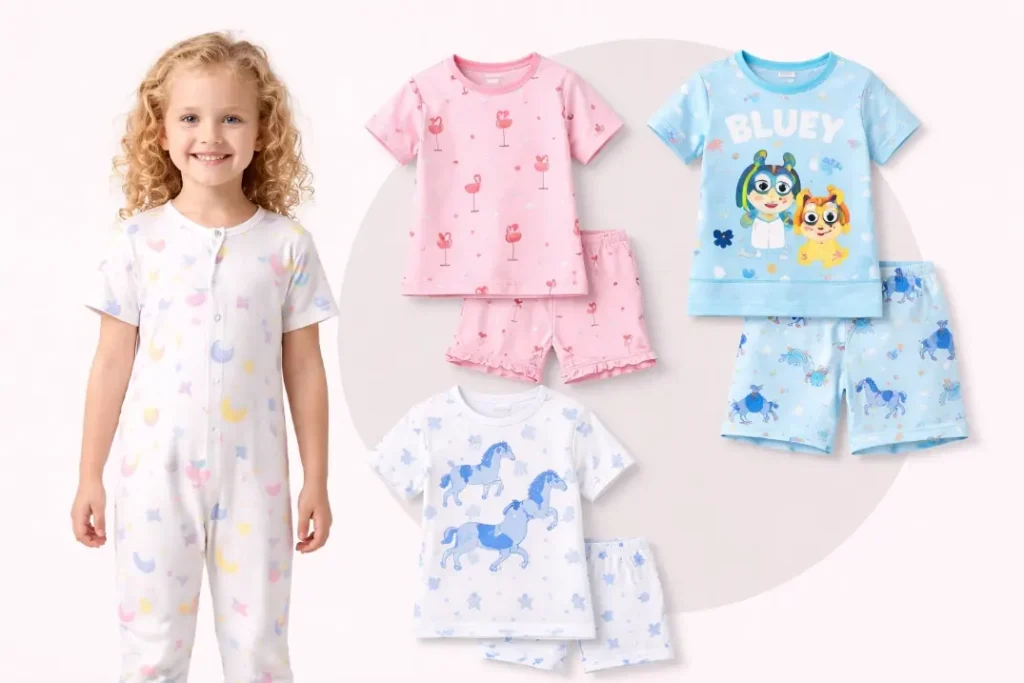
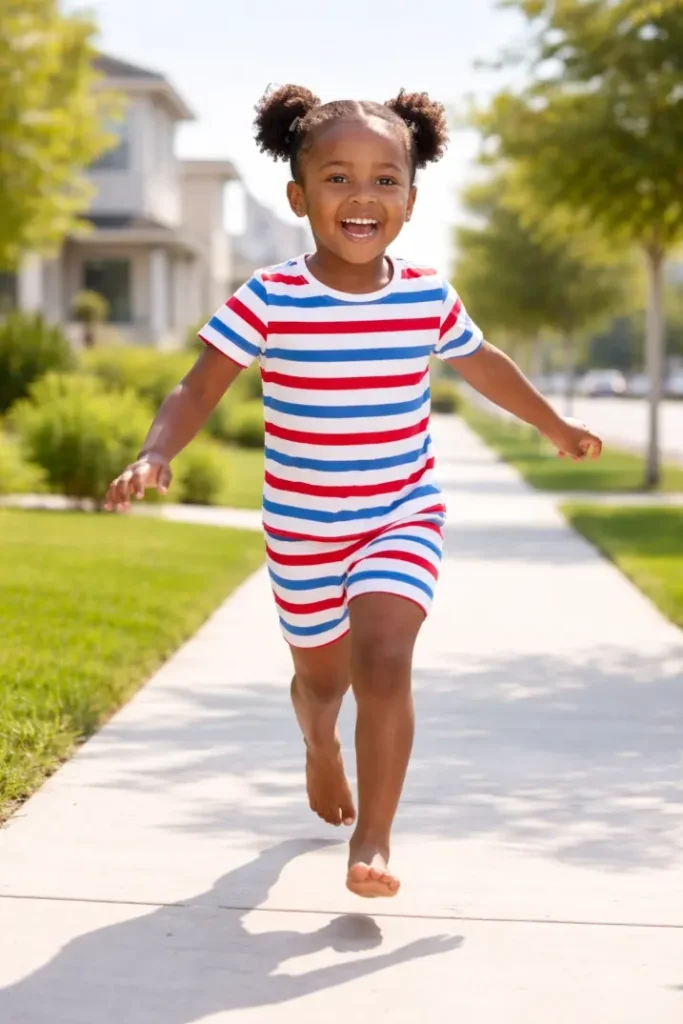
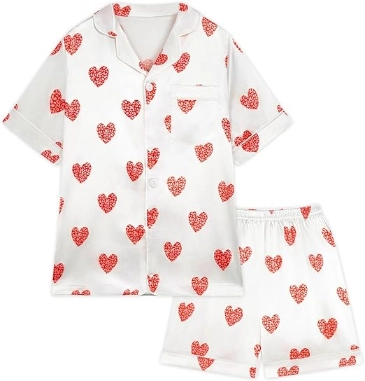
When parents ask me how to find the best kids pajama for sensitive skin, I always tell them the secret lies on the factory floor. Over my 16 years working deep within the children’s apparel manufacturing industry, I’ve seen firsthand exactly what goes into the fabrics that sit directly against your child’s skin. A high-quality sleep set must deliver exceptional breathability, wash durability, and shape retention, all while providing consistent, gentle care for delicate skin.
As a parent, you’ve almost certainly found yourself torn between organic cotton and bamboo viscose when shopping for your child’s pajamas. That’s exactly why I’ve created this comprehensive guide—to pull back the curtain and break down what these fabrics really mean for a child with sensitive skin.
Why Choosing the Right Pajama Fabric is Crucial for Eczema-Prone Skin
When children fall asleep, their bodies enter a critical repair phase: cells regenerate, and the skin barrier works to heal and restore itself. But if they’re wearing the wrong pajamas, their skin doesn’t get to rest overnight. Instead, it’s forced to spend hours fending off irritants.
Finding the perfect sleepwear for a child with sensitive skin is about far more than just comfort; it’s a critical piece of managing eczema symptoms and preventing contact dermatitis.
With 16 years of hands-on experience in children’s apparel manufacturing, I can promise you this: the fabric that sits against your child’s skin for 10 to 12 hours every single night is the single biggest factor in whether they wake up rested and comfortable, or covered in red, itchy, irritated patches.
Hidden Skin Irritants Commonly Found in Children’s Sleepwear
Children’s skin is significantly thinner and more reactive than adult skin, meaning even minor irritants can cause major overnight distress. A sleep set may look and feel soft on the outside, but rough seams, stiff tags, tight cuffs, heavy print designs, or low-quality dyes can still leave your child profoundly uncomfortable.
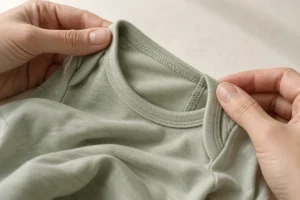
When I conduct in-person fabric testing on the factory floor, I always prioritize the garment’s inside hand feel above all else. Parents almost always touch the outside of pajamas, but it’s the inside that stays in constant contact with your child’s skin. This is where the quality of construction matters most: the seams, loose threads, elastic bands, and the fabric’s finishing treatments.
Common hidden irritants include:
Rough, bulky seams at the neck, shoulders, waist, or ankles.
Itchy tags stitched into the back of the neck or side seams.
Thick, non-breathable synthetic graphic prints.
Overly tight elastic that leaves red indentation marks on the skin.
Fragrances, harsh dyes, or detergent residues trapped within low-quality fibers after washing.
These details are even more critical for children prone to eczema. According to the National Eczema Society, overheating, trapped sweat, rough seams, synthetic fiber content, clothing fasteners, and certain fabric types can all severely worsen irritation and discomfort for sensitive skin.
The Itch-Scratch Cycle: How Heat, Sweat, and Friction Impact Sensitive Skin
The wrong fabric directly fuels the dreaded overnight itch-scratch cycle. Non-breathable materials drive up body temperature, leading to trapped sweat. Because sweat is naturally slightly acidic, it instantly irritates eczema-prone, sensitive skin. What’s more, as your child tosses and turns in their sleep, friction between their body and rough fabric creates micro-abrasions, causing physical damage to the delicate, fragile outer layer of the skin.
To break this painful cycle, you need to choose pajamas that are hypoallergenic, actively wick away moisture, allow the skin to breathe, and boast a silky-smooth hand feel.
Beyond the Label: Why Fabric Construction and Hand Feel Matter Most
There’s a common misconception that simply choosing a garment labeled “100% cotton” will solve all sensitive skin issues. The truth is, fiber content is only half the battle—the garment’s actual construction is just as critical:
Itchy Seams & Tags: High-quality, eczema-friendly pajamas use flatlock seams and a tagless design, entirely eliminating that sandpaper-like rough friction.
Rough Fabric Surface: Prioritize combed, long-staple fibers. These prevent micro-pilling and keep the fabric feeling buttery-smooth even after repeated washes.
Overly Tight Elastic & Cuffs: Thoughtful, safe designs utilize wide, fabric-covered waistbands that prevent heat buildup and avoid the painful contact dermatitis caused by pressure or friction.
Fragrances, Dyes & Detergent Residue: OEKO-TEX® certified non-toxic printing and dyeing processes, paired with a smooth, fine fabric texture, prevent chemical leaching and stop detergent residue from becoming permanently trapped in the garment’s fibers.
What Does “Organic Cotton” Actually Mean in Kids’ Pajamas?
If you’re a parent shopping for children’s sleepwear, you’ve almost certainly stopped to wonder: What does the “organic cotton” label actually mean, anyway?
After 16 years in the industry, I can tell you this: it’s far more than just a trendy marketing buzzword stitched onto a sleep set. Organic cotton in kids’ pajamas is grown using far stricter, low-impact farming practices. And when backed by legitimate third-party certification, it is held to exceptionally tough standards through every single step of the textile process.
For a child with sensitive skin, its value goes way beyond the word “organic” on a tag. When you’re shopping, you can’t stop at the label: you need to feel how soft the fabric is, confirm the dyes are non-toxic, check that seams won’t rub, and make sure it will hold up to repeated washes without turning rough and scratchy.
If you want to pick truly safe, high-quality organic cotton sleepwear, keep these three non-negotiables top of mind:
Pesticide-Free Growing Practices: The cotton used to make the fabric is grown entirely without synthetic pesticides or toxic chemical fertilizers, eliminating potential skin irritants right at the agricultural source.
GOTS Certification: This is the gold standard in our industry, full stop. It’s not just a meaningless logo; it guarantees that the entire supply chain is strictly monitored—from the second the cotton is picked to the final dyeing and finishing of the pajamas. There is nowhere to cut corners with this certification.
Guaranteed Chemical Safety: Every part of the production process is audited to ensure the final product has zero traces of harmful heavy metals, formaldehyde, or other harsh chemicals that could trigger a reaction on delicate skin.
Organic Cotton vs. Conventional Cotton: What’s the Real Difference?
A lot of parents ask me: Organic cotton and regular cotton look and feel the same at first glance—so why does the difference matter?
The core difference lies in the farming practices and the end-to-end oversight of the entire production process. In the kids’ pajama space, organic cotton is the clear top choice for parents seeking breathable, gentle, low-irritation options for their little ones.
But here’s the honest truth I’ve learned on the factory floor: a label that says “100% cotton” does not guarantee a good night’s sleep for your kid. What really matters is the underlying quality of the fabric itself, how it is finished, and how it holds up after 10, 20, or 50 washes—not just the word “cotton” printed on the tag.
Why Pediatricians Recommend 100% Cotton for Sensitive Skin
Ask any pediatrician or pediatric dermatologist what fabric they recommend for kids with eczema, and nine times out of ten, they’ll say cotton. There’s a very good medical reason for that—it delivers three key benefits that synthetic blends simply cannot beat:
Natural Breathability: Cotton’s unique, open fiber structure lets air flow freely, ensuring it keeps your kid’s skin cool all night long. No trapped sweat, which is one of the biggest triggers for those itchy, inflamed rash flare-ups.
Great Moisture-Wicking Performance: It naturally pulls sweat and dampness off your child’s skin fast, instead of trapping it against their body. This keeps their skin dry and calm, giving it the necessary environment to repair itself overnight.
Holds Up to Hot Washes: When your child has sensitive skin, you often need to wash their pajamas in hot water to kill allergens like dust mites and strip away heavy topical ointments. High-quality 100% organic cotton pajamas can handle those rigorous wash cycles over and over without getting scratchy, stiff, or falling apart.
Exploring Bamboo Viscose: The Ultimate Cooling Fabric for Kids’ Pajamas
In the high-end pajama space, “bamboo fiber” has become a widely discussed buzzword, highly favored by parents. Industry expertise confirms this popularity is well-founded—but only if you understand exactly what you are purchasing. Below, we break down why bamboo children’s sleepwear has entirely transformed the market for kids who struggle with nighttime skin irritation.
Bamboo Fabric vs. Bamboo Viscose: A Manufacturing Breakdown
You will often see garments simply labeled “bamboo” on their tags, but apparel manufacturing requires greater precision. The vast majority of these garments are actually made from bamboo viscose (sometimes referred to as bamboo rayon). In the production process, this follows three core steps:
Raw Material – Bamboo: The process starts with the hard, fast-growing woody bamboo plant itself.
Viscose Production Process: The native cellulose from the bamboo plant is chemically broken down and extruded into ultra-fine, regenerated fibers.
Final Product: This intricate manufacturing process transforms the hard plant material into bamboo viscose pajamas that boast exceptional drape, a silk-like smoothness, and a buttery-soft hand feel against the skin.
The Science of Softness: Why Bamboo Viscose Feels Like Silk
If you have ever handled high-quality bamboo pajamas, you immediately notice the distinctive, fluid-like drape. The secret to this incredible texture lies in the fiber’s microscopic structure.
Unlike some natural fibers that possess tiny barbs or natural twists along their length, regenerated bamboo viscose fibers have an ultra-smooth surface with a uniformly round cross-section. This unique structure allows the fabric to glide gently over eczema-inflamed skin without snagging, rubbing, or creating the micro-abrasions that trigger uncontrollable nighttime scratching in children.
Is Bamboo Viscose Sleepwear Inherently Hypoallergenic?
In short, yes—but understanding the science behind this property is critical for your child’s skin health. The ultra-smooth surface of bamboo fiber lacks the rough micro-texture that commonly traps dust mites and a wide range of environmental allergens (a frequent issue with rougher fabric types).
Additionally, because the fiber is inherently soft directly after the extrusion and forming process, high-quality bamboo fabric does not require the harsh industrial chemical softeners that conventional synthetic fibers rely on during their finishing stages. Eliminating these chemical softeners removes a major trigger for contact dermatitis.
Core Benefits: Why Bamboo Viscose is a Top Choice for Sensitive Skin
For children whose eczema symptoms are actively worsened by heat or sweat, bamboo pajamas are a transformative choice. The core benefits that make it a leading recommendation include:
Superior Temperature Regulation: Bamboo fiber contains naturally occurring micro-pores that deliver exceptional breathability, making it the ideal cooling option for toddlers and kids who sweat frequently overnight.
Rapid Moisture Wicking: Bamboo fiber has a moisture absorption capacity that far exceeds that of conventional cotton. It quickly draws sweat away from the skin’s surface, preventing acidic sweat irritation from worsening the itch-scratch cycle.
Consistent Breathable Comfort: Investing in genuinely breathable bamboo sleepwear ensures your child stays dry, comfortable, and at a stable, cool temperature overnight, actively supporting the full repair of their delicate skin barrier.
Organic Cotton vs. Bamboo Viscose: Which is Better for Your Child?
When selecting the absolute best kids’ pajamas for sensitive skin, organic cotton and bamboo viscose are the two ultimate contenders. To help you see the differences clearly and make the right choice, I’ve put together this manufacturing-side comparison checklist.
Comparison Point
Organic Cotton Kids’ Pajamas
Bamboo Viscose Kids’ Pajamas
Softness & Texture
Soft, natural, and familiar against the skin. High-quality jersey or rib knit is especially comfortable for daily sleepwear.
Usually feels smoother, silkier, and more fluid. A great option for children who dislike rough textures or stiff fabrics.
Breathability & Moisture
Breathable and cool, making it suitable for warm sleepers and eczema-prone children. Absorbs sweat very well.
Lightweight and smooth, with excellent moisture-wicking comfort. Performance depends on the fabric blend and finishing quality.
Durability & Pilling
Generally highly durable for frequent washing. Good-quality cotton holds up exceptionally well to heat.
Soft and stretchy, but usually requires gentler washing. Lower-quality bamboo viscose can pill or lose shape faster.
Safety & Sustainability
Easier to verify when certified by GOTS or OEKO-TEX®. GOTS-certified textiles follow strict organic fiber standards.
Parents must read labels carefully. Many “bamboo” pajamas are actually rayon/viscose (per Federal Trade Commission guidelines).
Best Suited For…
Children with severe eczema, heavy ointment users, and parents who prefer simple, highly durable sleepwear.
Children who prefer a silky sensory feel, need more stretch, or actively dislike the texture of traditional cotton.
The Expert Shopping Guide: Finding the Perfect Fit
After our deep dive into the material science and manufacturing processes behind children’s sleepwear, you may be asking: Which one should I actually buy? The honest, on-the-factory-floor answer is this: there is no single, universally “perfect” fabric. Finding the right pajamas for a child with sensitive skin hinges entirely on matching the specific properties of the garment to your child’s unique skin needs. Both organic cotton and bamboo viscose are high-quality, hypoallergenic options—but they solve fundamentally different problems.
When to Choose Organic Cotton Pajamas
If your child is experiencing a severe eczema flare-up and requires thick topical ointments applied overnight, I always recommend 100% organic cotton pajamas first and foremost. Because these heavy, protective ointments can become trapped in the fabric fibers, sleepwear must be washed in hot water to maintain full hygiene. Organic cotton withstands this rigorous, high-heat washing routine perfectly, with zero material degradation. It is also an exceptional choice for cooler climates, where consistent, breathable warmth is critical to all-night comfort.
When Bamboo Viscose Delivers a Superior Sleep Experience
If the primary triggers of your child’s skin discomfort are overheating, trapped sweat, or physical friction, bamboo viscose is unquestionably the best option. High-quality bamboo viscose pajamas feature an ultra-smooth surface and excellent drape, ensuring absolutely no snagging or rubbing against dry, flaking areas of your child’s skin. With its unmatched moisture-wicking capabilities and natural temperature regulation, it is the ultimate cooling sleepwear for naturally warm-running toddlers.
Matching Fabric to Skin, Climate, and Sleep Habits
I always recommend a holistic evaluation across these four core factors before making a purchase:
Skin Condition: Assess whether your child experiences severe eczema, mild itching, redness, or persistent dryness.
Local Climate: Consider whether the weather in your area is hot and humid, or cold and dry.
Sleep Habits: Observe whether your child sweats heavily during sleep, tosses and turns frequently, or requires sleepwear with reliable, unrestricted stretch.
Garment Construction Details: Prioritize the design of the seams, tags, and cuffs, as well as the overall fit and cut of the garment.
Important Safety Note:For children’s sleepwear, a proper fit is about more than just comfort—it is a critical safety consideration. In the United States, children’s sleepwear in sizes for infants 9 months and older must either meet mandatory flame resistance standards or be engineered with a strict snug-fit design.
The Manufacturer’s Checklist: How to Choose Safe Pajamas for Sensitive Skin
Sorting through the endless online options to find the perfect pajamas can quickly feel overwhelming. Based in Guangzhou—the bustling global hub of textile and apparel manufacturing—I personally inspect thousands of garments every single day. Because of that, I can tell you exactly which minute construction details separate a genuinely safe garment from a hidden irritant.
Here is the definitive, manufacturer-backed shopping checklist to help you find truly safe sleepwear for sensitive skin:
1. Start with the Right Fabric
Always start with the fundamentals. You must prioritize natural, highly breathable materials to break the vicious itch-scratch cycle. If you’re looking for durable, structured warmth and long-lasting wear, seek out high-quality organic cotton. If you prefer a silky-smooth hand feel, excellent drape, and a naturally cooling sensation, bamboo viscose is the ideal choice. Steer clear of synthetic polyester blends entirely, as they sit against delicate skin like a sheet of plastic cling wrap, offering zero breathability.
2. Prioritize Fit, Not Just Size
When shopping for eczema-friendly sleepwear, the garment’s actual silhouette and fit are just as critical as the fabric itself. Overly tight sleepwear will constantly rub against inflamed skin, causing painful irritation. Conversely, excessively loose sleepwear can bunch up under the covers, creating uncomfortable pressure points. The ideal choice is a relaxed, comfortable fit that leaves a thin layer of air between the fabric and skin, allowing for unobstructed air circulation.
3. Inspect Seams, Tags, Waistbands, and Cuffs Closely
Before making a purchase, you should mentally “flip the garment inside out” and closely examine its interior:
Seams: Look for smooth, low-profile flatlock seams, rather than bulky, raised overlock stitching that feels like sandpaper.
Tags: Stick to tagless designs with heat-printed labels directly on the fabric to avoid friction at the back of the neck.
Waistbands and Cuffs: Ensure the sleepwear’s waistband and ankle cuffs use wide, fabric-covered elastic, avoiding direct contact between rough exposed rubber and your child’s skin.
4. Steer Clear of Harsh Dyes, Heavy Prints, and Rough Embellishments
Thick, rubber-feel graphic prints (known in the industry as plastisol prints) may look cute, but they are a nightmare for sensitive skin. They act like a plastic shield, completely blocking air circulation and trapping sweat. In addition, highly saturated or overly bright dyes almost always require harsher chemical fixatives to set the color. Opt for garments in muted, soft colorways dyed using OEKO-TEX® certified processes, and strictly avoid scratchy embellishments like sequins, heavy appliqués, or stiff embroidery.
5. Match Pajama Fabric to the Climate and Season
Skin irritation triggers shift with the weather. Adjusting your child’s pajamas to your specific environment ensures these hypoallergenic garments deliver on their intended benefits:
Summer: Opt for breathable bamboo viscose to combat high heat and sweat. Its rapid moisture-wicking properties actively prevent heat rash.
Winter: Avoid synthetic fleece fabrics that trap excess heat. Choose long-sleeve, mid-weight organic cotton sets that deliver breathable warmth without triggering night sweats.
Humid Climates: In sticky environments where sweat struggles to evaporate, bamboo viscose is non-negotiable. It rapidly draws moisture away from the skin.
Cold, Dry Climates: Opt for structured organic cotton to combat the dry environment created by indoor heating. It forms a breathable protective barrier that helps lock in thick topical eczema ointments applied before bed.
Investing in Your Child’s Sleep and Skin Health
For children with sensitive skin, organic cotton is often the safer, preferred first choice for durability and eczema ointment care, while bamboo viscose delivers a smoother, silkier hand feel with superior stretch and cooling elasticity.
Ultimately, high-quality children’s pajamas should be soft, breathable, tagless, properly fitted, and easy to wash. Before making your next purchase, take a moment to carefully inspect the fabric composition, interior seam construction, and legitimate certification tags. Your child’s skin—and their sleep—will thank you for it.
FAQ
What is the best material for pajamas for sensitive skin?
From a manufacturing standpoint, the absolute best materials are GOTS-certified organic cotton and high-quality bamboo viscose. Both are naturally hypoallergenic, highly breathable, and completely free from the harsh chemical finishes found in standard synthetic sleepwear.
What pajamas are good for kids with eczema?
The best eczema-friendly sleepwear combines safe fabrics with smart construction. Look for 100% organic cotton or bamboo pajamas that feature flatlock seams, tagless labels, and wide, fabric-encased waistbands to eliminate all sources of physical friction.
What is the best fabric for kids with eczema?
It depends on your child’s specific trigger. If heat and sweat cause flare-ups, moisture-wicking, cooling bamboo viscose is the best fabric. If you need a breathable barrier to lock in thick eczema ointments overnight, structured 100% organic cotton is the superior choice.
Are bamboo pajamas good for sensitive skin?
Yes, they are exceptional. Bamboo viscose fibers are microscopically round and smooth. This creates a buttery-soft, fluid drape that glides effortlessly over inflamed skin without snagging, making them perfect hypoallergenic kids pajamas.
Are organic cotton pajamas chemical-free?
True organic cotton is grown without synthetic pesticides. However, to ensure the finished pajama is completely chemical-free, you must verify it carries a GOTS or OEKO-TEX Standard 100 certification. This guarantees no toxic dyes or heavy resins were added during the dyeing and finishing process.
Hey, I’m Suki, CEO of HAPA. We leverage 15+ years of manufacturing expertise to help 1,500+ kidswear brands across 25 countries solve their toughest R&D and production challenges. Ready to elevate your brand? Contact us today for a free quote and your customized solution.