There’s a moment every morning when you reach into your drawer, pull on a t-shirt, and immediately know whether it was a good choice. Maybe it clings in the wrong places, traps heat by noon, or stretches out after two washes. I’ve been there more times than I care to admit. After years of working with garment materials and testing blanks across dozens of production runs, I’ve learned that the single biggest factor separating a t-shirt you love from one you quietly retire is the fabric.
This guide breaks down every major option — from classic 100% cotton to tri-blends to sustainable bamboo — so you can stop guessing and start choosing with confidence. Whether you’re building a clothing brand, sourcing custom pieces, or just trying to understand what the best fabric for a t-shirt actually looks like in practice, you’ll find real answers here.
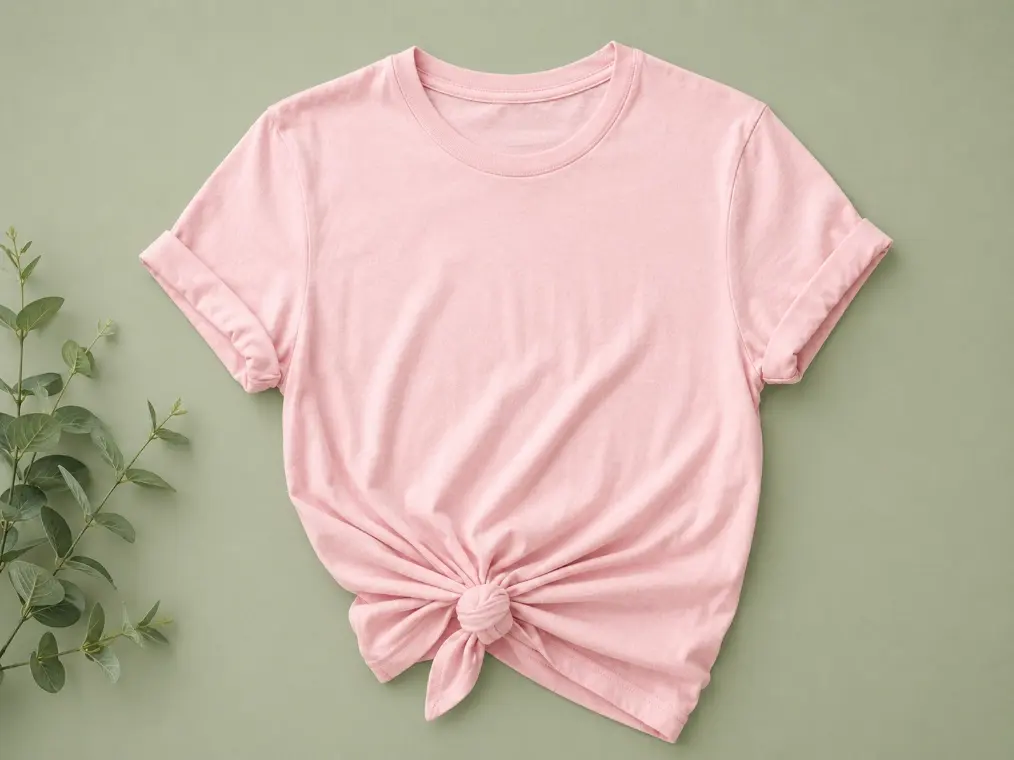
What to Think About Before Choosing Your T-Shirt Fabric
Before we get into the materials themselves, it’s worth asking yourself a few honest questions. I’ve seen brands rush straight to a fabric choice and regret it once the samples arrive. Avoid that by working through these fundamentals first.
Comfort and breathability matter more than most people realize until they’ve worn the wrong shirt on a warm day. Natural fibers like cotton breathe freely; synthetics tend to trap heat unless specifically engineered not to.
Durability and wash performance are what separate a garment that lasts three years from one that looks tired after three months. Heavier weights and tighter knit constructions generally hold up better — and your customers will notice.
Intended use is the great dividing line. A gym shirt and a weekend casual tee have completely different demands. Matching your t shirt cloth material to the actual activity it’s built for is the most straightforward way to avoid complaints.
Shrinkage and care deserve more attention than they usually get. Untreated 100% cotton can shrink 3–5% in the first wash. If you’re selling to consumers, that’s a return waiting to happen — unless you specify pre-shrunk construction up front.
Cost versus quality is always a negotiation. Premium fabric raises production costs but also justifies a higher retail price and reduces returns. Know where your brand sits on that spectrum before you commit.
Sustainability and sourcing have moved from “nice to have” to a genuine purchasing factor for a growing segment of buyers, especially in North America and Europe. Certifications like GOTS (Global Organic Textile Standard) and OEKO-TEX signal credibility and give your brand a story worth telling.
The 6 Best Materials for T-Shirts
1. 100% Cotton: The Classic Standard
If there’s one answer to what is the best fabric for t-shirts that almost everyone agrees on for everyday wear, it’s 100% cotton — though that broad category covers a wide range of quality levels.
Standard open-end cotton is the entry level: functional, affordable, but noticeably rougher to the touch. Most budget blank tees are made from it.
Ring-spun cotton is produced by repeatedly twisting fibers during the spinning process, which results in a finer, stronger, and noticeably softer yarn. Once you’ve worn a ring-spun tee, the difference is hard to ignore.
Combed cotton takes things a step further by mechanically removing short, irregular fibers before spinning — the result is a smoother knit and better strength.
Combed ring-spun cotton combines both processes and is the benchmark for quality blank t-shirts. This is what I’d recommend for any brand positioning above the commodity tier.
If you’re weighing whether 100% cotton is the right call for your specific use case, this deep-dive on whether 100% cotton is good walks through the nuances in detail.
Best for: Everyday basics, brand merchandise, screen printing, casual lifestyle wear.
Watch out for: Cotton shrinks — typically 3–5% after the first wash. Always specify pre-shrunk construction if shrinkage is a concern.
2. Polyester: The Performance Workhorse
Polyester doesn’t always get a warm reception in fashion circles, but in activewear and sportswear, it’s genuinely hard to beat. I’ve tested plenty of performance shirts over the years, and the ones that hold up under serious use are almost always polyester-dominant. If you’re moving from material selection to sourcing, this sportswear manufacturer shortlist provides candidates to assess.
Here’s why it works so well for athletic applications:
- Moisture-wicking — polyester is hydrophobic, meaning it pushes sweat to the surface where it evaporates quickly instead of soaking in like cotton does
- Shape retention — it resists stretching and shrinking across hundreds of wash cycles
- Colorfastness — particularly for sublimation printing, polyester holds dye better than any natural fiber
- Lightweight durability — it stands up to high-frequency use and hard laundering
Where it falls short: polyester traps body heat in low-activity settings, can feel synthetic against sensitive skin, and sheds microplastics during washing — a genuine concern for sustainability-focused brands.
Best for: Athletic t-shirts, sports jerseys, performance uniforms, outdoor team gear.
3. Cotton-Polyester Blends: The Balanced Middle Ground
The 50/50 or 60/40 cotton-poly blend is arguably the most practical t shirt cloth material on the market — and the most widely used across promotional, workwear, and retail categories. It threads the needle between cotton’s comfort and polyester’s structural performance.
Here’s a quick reference for the most common ratios:
| Blend Ratio | Feel | Best Use |
|---|---|---|
| 50% Cotton / 50% Poly | Balanced, slightly crisp | Promotional tees, uniforms |
| 60% Cotton / 40% Poly | Softer, more natural | Retail basics, casual wear |
| 65% Poly / 35% Cotton | Performance-forward | Sportswear, activewear |
One thing worth flagging with blends: they work beautifully with screen printing, but DTG (direct-to-garment) printing can produce a slightly “heathered” effect due to the polyester content. Bring this up with your print partner early so there are no surprises at the sampling stage.
Best for: Everyday retail, corporate uniforms, bulk custom merchandise, any application where durability and low maintenance matter as much as feel.
4. Tri-Blend (Cotton/Poly/Rayon): The Premium Soft Option
Tri-blend is where softness becomes the defining quality of the garment. The typical composition — 50% polyester, 25% cotton, 25% rayon — produces a fabric that feels noticeably lighter and drapier than either straight cotton or standard blends.
There’s a lived-in, vintage quality to a well-made tri-blend tee that resonates strongly in lifestyle, streetwear, and fashion-forward categories. The rayon content adds a subtle stretch that improves drape across different body types, and the heathered surface texture gives it a visual character that solid-color fabrics can’t replicate.
A few things to keep in mind: the heathered appearance means solid-color prints can look slightly muted. Vintage and tonal graphics actually play to tri-blend’s strengths. Wash performance is solid — low shrinkage, good shape retention — but the fabric does require more care than a straight cotton tee.
Best for: Fashion basics, lifestyle and streetwear brands, premium retail, any t-shirt positioned as a step above the everyday.
5. Rayon, Modal, and Lyocell: The Semi-Synthetic Softness Category
These three materials share the same foundation — plant-based cellulose — but each has a distinct personality worth understanding before you commit.
Rayon (Viscose) offers a silky drape and excellent breathability at a competitive price point. The trade-off is durability: it’s the most fragile of the three and prone to distortion if production or care isn’t handled carefully.
Modal is essentially a refined, more stable version of rayon. Produced from beech tree pulp, it resists shrinkage, maintains its softness wash after wash, and has a smooth, almost jersey-like surface. It’s increasingly popular in premium loungewear and base layer t-shirts — and for good reason.
Lyocell (Tencel™) is the standout for sustainability. It’s produced in a closed-loop process that recycles most of its solvent, which gives it a significantly lower environmental footprint than conventional viscose. From a wear perspective, it matches modal’s softness while delivering better moisture management. For brands with a genuine sustainability narrative, lyocell is a compelling choice.
Best for: Premium loungewear, women’s fashion basics, elevated everyday essentials, and brands building around comfort and sustainability.
6. Bamboo and Organic Cotton: The Sustainable Fabric Tier
Both of these materials have moved well beyond niche status — particularly in children’s wear, wellness, and lifestyle categories — and for good reason.
Organic cotton performs identically to conventional cotton in terms of breathability and softness, but it’s grown without synthetic pesticides or processed with harsh chemical finishes. That supply chain story matters to an increasingly large segment of buyers. GOTS certification is the benchmark to look for — it’s the most credible signal of legitimacy in the organic textile space. The organic cotton clothing manufacturer shortlist provides more detail on finding production partners for an organic cotton collection.
Bamboo fabric — most commonly bamboo viscose or bamboo lyocell — is naturally moisture-wicking, temperature-regulating, and antimicrobial. It’s softer than most cottons and has growing appeal in both adult and children’s categories. One distinction worth knowing: mechanically processed bamboo has a lower environmental impact than chemically processed bamboo viscose, which is more common but less eco-friendly. If your brand is making sustainability claims, the processing method matters.
If you want to understand exactly how bamboo fabric is made and what sets different processing methods apart, this breakdown of bamboo fabric is worth your time.
For children’s apparel in particular, both organic cotton and bamboo are worth serious consideration — soft, skin-safe, and aligned with what parents are actively looking for. You can explore certified options for younger wearers at HAPA’s custom kids t-shirts.
Best for: Children’s basics, wellness and lifestyle brands, premium basics collections, any brand building a credible sustainability story.
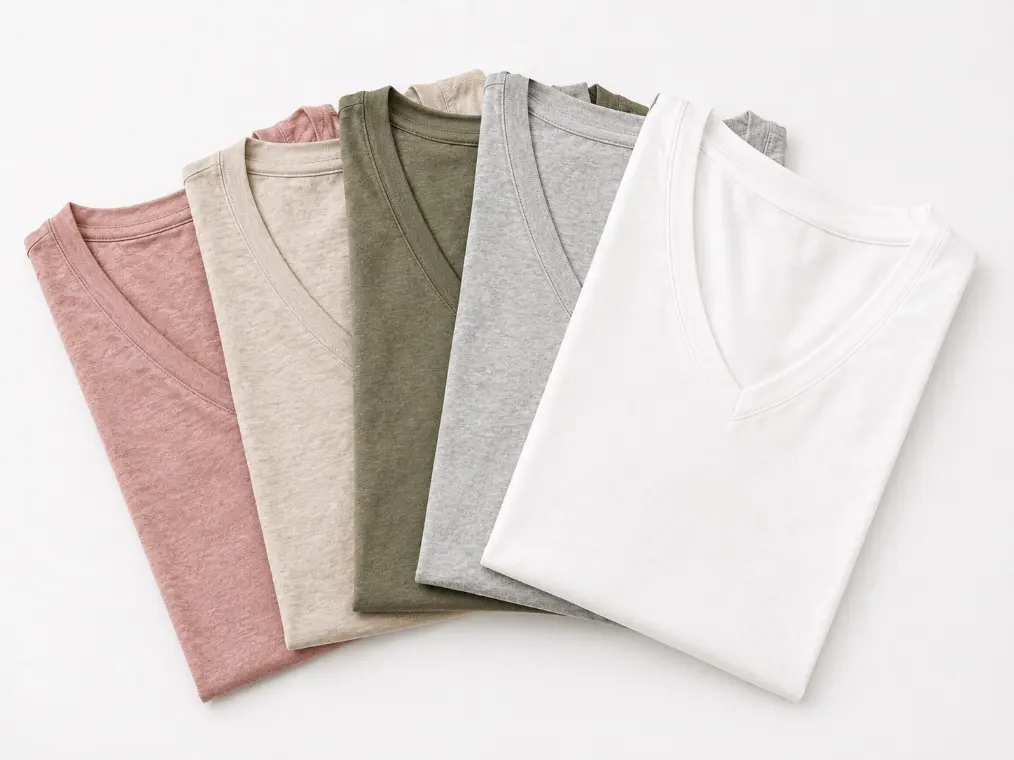
Natural vs. Synthetic Fabrics: An Honest Comparison
I get this question constantly: which is better, natural or synthetic? The honest answer is that neither is universally superior. What matters is how the fabric behaves for the specific job you’re asking it to do.
Here’s how they actually compare across the factors that matter most in practice:
| Feature | Natural Fabrics (Cotton, Linen, Bamboo) | Synthetic Fabrics (Polyester, Nylon, Acrylic) |
|---|---|---|
| Breathability | Excellent — porous plant fibers allow free air circulation | Variable — can trap heat unless engineered with open knit structures |
| Moisture Handling | Absorbs into the fiber (feels heavier when wet) | Hydrophobic — pushes moisture to the surface to dry fast |
| Durability & Care | Can shrink, fade, and pill without proper construction | High structural memory — resists wrinkles, shrinking, and distortion |
| Skin Feel | Smooth and hypoallergenic for most skin types | Can build up static; some synthetic surfaces cause chafing |
The clearest decision framework I’ve found: use natural fabrics when comfort, skin compatibility, and positioning are the priority. Use synthetics when performance, moisture management, and wash durability are what matter most. Use blends when you need to balance both.
The most intentional brands aren’t dogmatically committed to either camp — they match material to end use with precision, and that’s exactly what separates good product decisions from great ones.
Matching Fabric to Your Specific Needs
Athletic and Performance T-Shirts
For high-intensity training, a fabric that manages sweat and dries promptly may be more comfortable than a heavy cotton knit. Consider technical polyester or nylon-spandex blends, then test the finished shirt for moisture handling, stretch, and skin comfort.
Look for at least 3–5% elastane (spandex) content if you need four-way stretch. The capillary action in technical polyester fabrics pulls sweat away from the skin and allows it to evaporate on the shirt’s surface — which is exactly what you want when you’re moving hard.
Everyday Casual and Lifestyle T-Shirts
For daily wear, the most comfortable shirt material I keep coming back to is 100% combed ring-spun cotton at 180–220 GSM. It breathes, it drapes well, and it looks structured without being stiff.
If low-maintenance is a higher priority than pure feel — especially for workwear, uniforms, or bulk retail — a 60/40 poly-cotton blend is the practical choice. It resists wrinkling, holds its shape through repeated washing, and needs minimal ironing.
Travel and Warm-Weather T-Shirts
For packing light and managing temperature swings, I’ve had great results with merino wool blends for anything involving multiple travel days — merino naturally resists odor-causing bacteria, which means you can wear it longer between washes. For tropical heat or hiking, lyocell or lightweight nylon weaves dry fast, pack small, and keep your body temperature lower than heavier fabrics.
Sensitive Skin and Allergy-Friendly Options
If you or your customers are prone to eczema, contact dermatitis, or skin sensitivity, fabric choice is a wellness decision, not just a comfort preference. Coarse synthetics and harsh chemical dyes are genuine irritants.
For sensitive skin, the best fabric for a t-shirt is almost always certified organic cotton or bamboo viscose and modal. These materials have exceptionally smooth microfiber profiles that don’t create the micro-friction that inflames sensitive skin. The zero-static quality of modal and bamboo makes them particularly good around the neckline, where coarser fabrics tend to cause the most irritation.
GSM Guide: What Weight Is Right for Your T-Shirt?
Fabric weight — measured in grams per square meter (GSM) — directly affects how a shirt drapes, feels, and wears over time.
- 120–150 GSM: Lightweight. Best for hot climates, summer basics, and performance layering.
- 160–180 GSM: Midweight. The industry standard for retail casual tees — the right balance of structure and breathability for most use cases.
- 190–240+ GSM: Heavyweight. For structured, oversized streetwear that holds its silhouette and communicates premium quality through weight alone.
What Fabric Is Best for Printing?
100% combed cotton is the best choice for traditional screen printing and DTG customization. Natural fibers absorb water-based inks cleanly, which results in vibrant, durable prints that resist cracking over time.
If you’re doing all-over sublimation printing, 100% polyester is the mandatory choice. Sublimation dyes bond directly to synthetic polymer fibers — on cotton or natural blends, the dye simply won’t lock in with the same vibrancy or longevity.
For blends, expect a slightly heathered appearance with DTG. It can work beautifully with the right design aesthetic, but it’s not ideal when you need a clean, solid-color print.
HAPA: Engineering Everyday Comfort from the Fiber Up
Most brands treat fabric as a commodity decision. At HAPA, the approach is closer to material science.
Every garment starts with premium long-staple combed ring-spun cotton and plant-based cellulose fibers. By mechanically eliminating short, irregular fibers during production, the final knit achieves a surface profile that genuinely minimizes friction against sensitive skin — including the stubborn micro-abrasion problem around the neckline that cheaper fabrics consistently cause.
The safety standards behind HAPA’s manufacturing align with Children’s Product Certificate (CPC) guidelines and CE compliance frameworks — meaning the fabric is certified free from the chemical residues and heavy dye fixatives that irritate skin in lesser garments. For parents, in particular, that level of chemical transparency carries real weight.
The result is an everyday t-shirt that doesn’t feel like a compromise: soft enough for sensitive skin, durable enough to maintain that feel wash after wash, and constructed with the kind of precision that’s usually reserved for performance or luxury apparel.
FAQ
What is the best material for a t-shirt?
The best material for a t-shirt depends on its intended use. For everyday casual wear, 100% combed ring-spun cotton is the gold standard — it breathes well, feels soft against the skin, and holds up reliably with proper construction. For athletic and performance wear, 100% polyester or polyester-spandex blends are the stronger choice because they actively wick moisture and dry quickly during high-intensity activity.
What is the highest quality fabric for t-shirts?
Long-staple combed cotton — particularly Pima or Egyptian cotton — is widely recognized as the highest quality natural option, thanks to its ultra-smooth texture and exceptional resistance to pilling. For premium fashion and luxury loungewear, Modal and Lyocell represent the upper end of quality, delivering a silky drape, excellent temperature regulation, and outstanding long-term softness.
Is 100% cotton or a 50/50 blend better?
It depends on what you’re optimizing for. 100% cotton wins on natural comfort, breathability, and suitability for sensitive skin. A 50/50 poly-cotton blend wins on practical durability — it resists shrinking, wrinkling, and shape loss across heavy wash cycles, which makes it the better choice for commercial uniforms and high-use promotional merchandise.
What GSM is best for t-shirts?
For lightweight summer or performance shirts, 120–150 GSM. For standard retail casual tees, 160–180 GSM is the industry benchmark. For structured streetwear and premium basics, 190–240+ GSM delivers the weight and substance that communicates quality at first touch.
What is the most comfortable shirt material?
Comfort is personal, but the most comfortable shirt materials consistently come down to combed ring-spun cotton, Modal, and Lyocell for softness and breathability; tri-blend (cotton/poly/rayon) for that broken-in, lived-in feel; and bamboo viscose for temperature regulation and sensitivity-friendly wear. The best fabric for a t-shirt in terms of pure skin comfort is the one that matches your climate, activity level, and skin type — and that’s a combination only you can fully define.