Let’s be honest: finding the right supplier for your boutique can feel like looking for a needle in a haystack. With over 15 years of boots-on-the-ground experience in the children’s wear manufacturing industry, I’ve watched countless startup brands get stuck with mountains of dead stock and struggle to stay afloat, all because of poor purchasing decisions.
If you want to learn how to wholesale kids’ dresses that fly off the shelves, while still locking in healthy profit margins, you need a smart, intentional purchasing strategy. In this guide, I’m pulling from my decades of industry experience to give you actionable, no-fluff buying tips — everything from sourcing reliable suppliers, to building a bulletproof dress purchasing strategy. Whether you’re brand new to the industry or a seasoned boutique retailer, this guide will give you the clear, valuable insights you need to buy smarter, not harder.
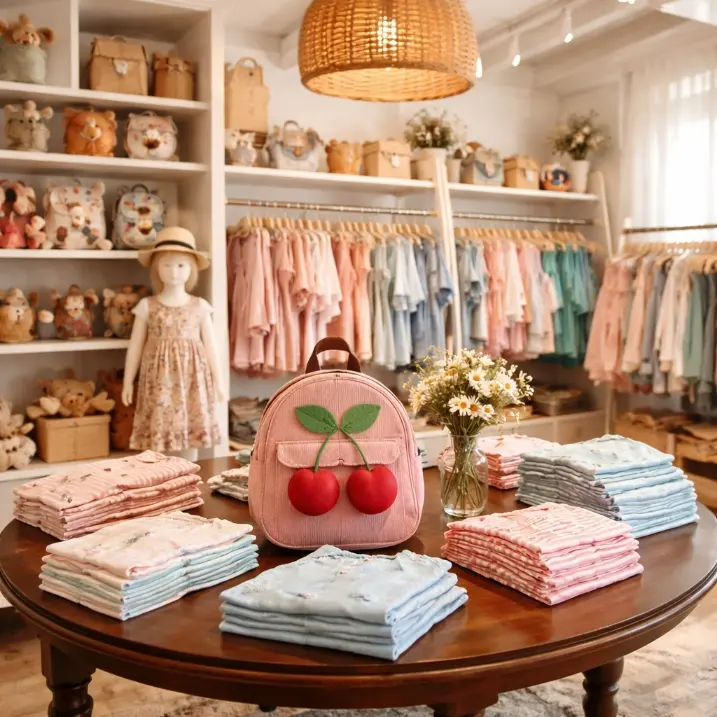
Why Choose Wholesale Kids’ Dresses?
Wholesale kids’ dresses aren’t just an incredibly lucrative business opportunity — they’re also a critical way for retailers to scale their operations and boost inventory efficiency. With over 15 years of specialized experience in the children’s apparel industry, I know exactly why more and more retailers are leaning into wholesale children’s clothing, and wholesale kids’ dresses in particular. Below are the core reasons to make wholesale dresses the foundation of your boutique’s collection.
Unbeatable Profit Margins
Sourcing kids’ dresses wholesale directly from the manufacturer cuts out middleman markups, drastically lowering your per-unit cost. Unlike basic tees and shorts, kids’ dresses naturally have a far higher retail price ceiling, letting you lock in exceptional margins with keystone pricing (setting your retail price at 2x your wholesale cost or more).
Year-Round High Demand
Kids’ dresses have no strict seasonal limitations, with styles built for every season and every occasion: lightweight cotton designs for summer, heavyweight festive styles for winter, plus consistent, steady demand for back-to-school, birthday parties, flower girl events, and more. They deliver strong, reliable sell-through 365 days a year.
Brand Consistency and Customer Trust
Wholesale sourcing eliminates the quality control headaches that come with piecemeal, fragmented suppliers, ensuring consistent sizing, fabric quality, and design aesthetic across your entire collection. A reliable, high-quality product experience directly boosts repeat purchase rates, builds your brand’s reputation, and fosters long-term customer trust. Even with a consistent supplier, fit and wash performance can generate returns; our ways to reduce kidswear returns covers practical checks for online sellers.
Exclusive Customization (OEM/ODM Advantages)
Factory-direct wholesale orders unlock full OEM/ODM customization capabilities, with support for personalized tweaks to cuts, fabric prints, exclusive branding labels, and more. This lets you break free from homogeneous, generic competition and build a one-of-a-kind brand identity that stands out on your shelves.
Where to Buy Wholesale Dresses
If you’ve spent time searching for wholesale kids’ dress suppliers, you’ve likely realized the options online are virtually endless. Below, I’m breaking down the four most common sourcing channels — exactly where you can find stock — and which model is the best fit for your business’s current stage of growth. For checking children’s clothing wholesalers before placing an order, see our guide to reliable kids' wholesale suppliers.
1. Global B2B Marketplaces
Top Recommendations: Alibaba, Global Sources
Pros: An almost unlimited selection of products, with the ability to compare hundreds of suppliers side-by-side to find the best fit.
These platforms are the undisputed giants of the industry. If maximum style variety is your top priority, this is your go-to destination — you can sort through thousands of different styles in just a few minutes.
That said, on these platforms, you’ll almost always work with trading companies (middlemen) rather than the actual production factory. This means higher sourcing costs, and when you need to request specific changes to design details, communication can turn into a game of telephone, with critical details getting lost in translation between layers of intermediaries.
2. Curated Wholesale Platforms
Top Recommendations: Faire, Tundra, FashionGo
Pros: They offer a user-friendly, Amazon-like shopping experience, with low minimum order quantity (MOQ) thresholds from most brands — perfect for retailers wanting to test the market and dip their toes in new styles without a big upfront investment.
These platforms have exploded in popularity recently, especially among boutique owners looking for curated, on-trend, unique styles for their stores.
However, because these platforms charge high commission fees to sellers, the wholesale prices are marked up accordingly. If your goal is to scale your business and maximize your profit margins, these platforms will eventually become a bottleneck to your profitability as you grow.
3. Factory-Direct Sourcing (The Golden Ticket)
Top Recommendations: HAPA, Siukid, Royal Apparel
Pros: This is the sourcing method that delivers the absolute best value for your money. Not only do you cut out all middleman markups to lower your costs, you also gain direct control over product quality, and can almost always request custom branding labels or minor tweaks to design details (full OEM services) from the factory.
This is the sourcing path I consistently recommend, once you’re ready to build a brand of your own. This model means partnering with a true, physical manufacturer that owns its own sewing equipment and has direct control over fabric sourcing.
Building these partnerships takes a little more legwork upfront, but the long-term payoff — consistent quality, higher profit margins, and full control over your product — is unmatched.
4. Industry Trade Shows
Pros: You get to meet face-to-face with the decision-makers behind brands, and inspect the stitching, drape, and hand feel of garments in person.
If you’re the type of buyer who needs to touch and feel fabric quality before committing to an order, trade shows are hands down your best option.
They do require a significant investment of time and travel costs. That said, even a single large trade show can deliver industry insights and connections that will benefit your business for years to come.
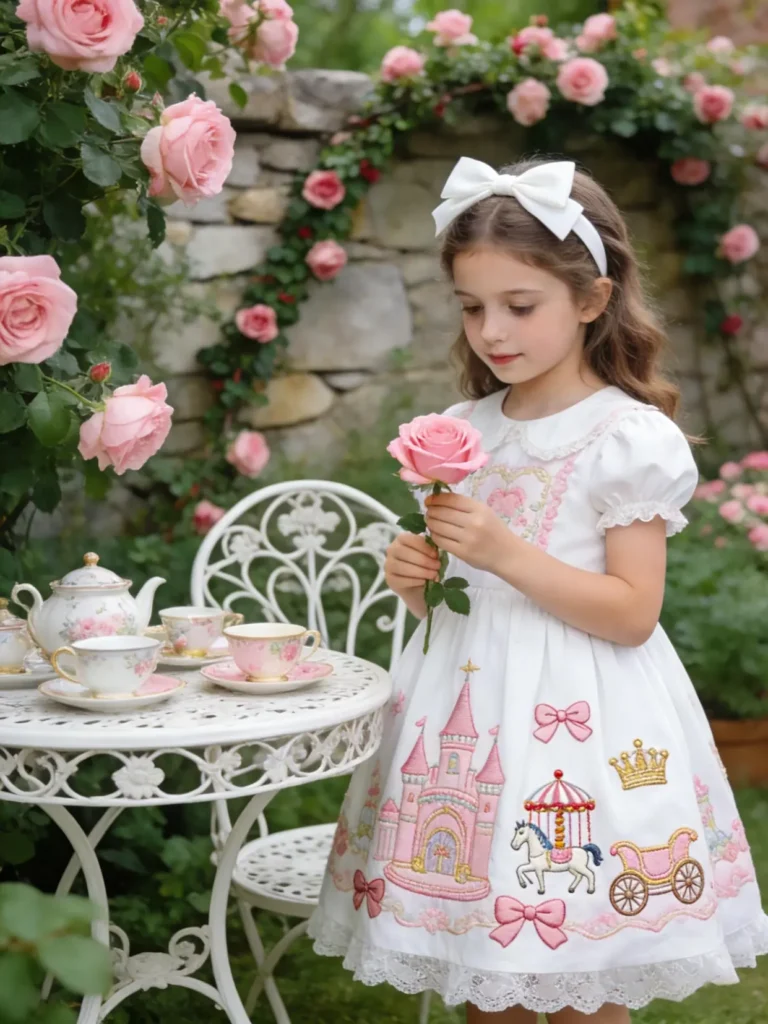
5 Tips for Sourcing from Reliable Suppliers
The truth is, not every supplier is the right fit for your boutique. I’ve spent over 15 years running production lines and working closely with boutique owners across the globe, and I’ve narrowed down these 5 actionable tips to make your sourcing process smoother, less stressful, and far more profitable.
Tips1: Prioritize Fabric Quality & Regulatory Compliance Above All Else
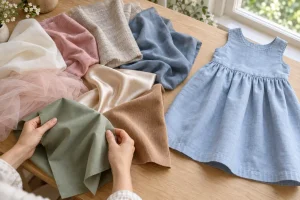
For kids’ dresses, fabric quality matters just as much as the design itself. Kids have delicate, sensitive skin — cut corners on fabric, and you’ll quickly be hit with a wave of returns and unhappy parents. Our fabric guide for children's dresses covers choosing dress fabrics for comfort, shape, and care in more detail.
Before you even talk about aesthetics or design details, you need to confirm your supplier meets strict, non-negotiable safety standards.
- Breathable, Skin-Safe Materials: Prioritize high-quality, hypoallergenic fabrics like premium cotton, linen blends, and tulle with soft cotton linings to keep active kids comfortable all day long.
- Safety Certifications: Verify your supplier follows all local and regional safety regulations. Ask for formal documentation like a Children’s Product Certificate (CPC) to confirm all fabrics and dyes are non-toxic and fully compliant.
- Durability & Wear Resistance: Kids are hard on their clothes. Look for hard-wearing fabrics that hold up to frequent washes without excessive shrinking, stretching, or fading.
Tips2: Source Directly from the Original Manufacturer
When you’re sourcing on wholesale marketplaces, more often than not, you’re talking to a trading company, not the actual factory making the garments. When you partner directly with a first-hand manufacturer like HAPA, you cut out the middleman entirely — giving you full control over your supply chain and your profit margins. If factory-direct sourcing fits your order, use this kids’ dress manufacturer shortlist to compare capabilities before asking for samples.
- Better Cost Efficiency: Skipping the trading company means you get true factory-direct pricing. This slashes your per-unit cost dramatically and gives you far more room for retail markup.
- Full OEM/ODM Customization: Direct manufacturers have the flexibility to tweak designs to your exact needs. Whether you want custom branded labels, a specific fabric color, or a unique bow detail, your factory partner can build one-of-a-kind pieces exclusive to your brand.
- Clear, Transparent Communication: Talking directly to the team making your garments eliminates the broken telephone effect of layered middlemen, so your design vision is executed exactly as you imagined it on the production floor.
Related reading: How to Buy Apparel Direct from the Factory: A Step-by-Step Guide
Tips3: Vet Minimum Order Quantities (MOQs) & Tiered Pricing Structures
Smart inventory planning is make-or-break for your boutique’s cash flow. That means you need a supplier whose order requirements align with the size and scale of your business.
- Flexible MOQs: Prioritize suppliers with reasonable, low minimum order quantities. This lets you test new dress styles on the market with small runs without tying up huge chunks of your budget in unproven inventory.
- Volume-Based Tiered Discounts: Ask for a full, detailed tiered pricing sheet from your supplier. Great wholesale partners offer stepped discounts, where your per-unit cost drops as your order volume goes up.
- Watch for Hidden Costs: When calculating your total cost, always factor in every associated fee to get your final landed cost. Ask upfront about extra charges that eat into your margins, like domestic shipping, international freight, or import duties.
Tips4: Conduct Thorough, Hands-On Sample Testing
Never, ever place a large bulk order based solely on a digital catalog or product photos. The only way to truly verify build quality, fit accuracy, and real-world wearability is with a physical sample in hand.
- Wash Test: Run the sample dress through a standard wash and dry cycle. Check for excessive shrinking, color bleeding, or fraying on delicate details like lace.
- Hardware & Construction Check: Inspect every zipper, button, and seam closely. Confirm buttons are securely stitched (to eliminate choking hazards) and stitching is neat, reinforced, and built to last.
- Size Consistency Check: Measure the sample against your standard size chart. Consistent, reliable sizing builds trust with parents and drastically reduces your retail return rate.
Tips5: Vet Lead Times & Scalable Production Capacity
In retail, a late seasonal shipment can completely tank your quarter’s profits. Your supplier needs to deliver on time, every time — and have the ability to grow right alongside your business.
- Clear Production Timelines: Ask for a written, detailed timeline for both sample development and bulk production lead times. Confirm their schedule aligns perfectly with your boutique’s seasonal launch dates.
- Scalable Production Capacity: Ask yourself: what happens if a dress goes viral and becomes an unexpected bestseller? Check if the factory has the infrastructure to scale up quickly for rush reorders without cutting corners on quality.
- Proactive Communication for Delays: Delays happen in manufacturing — it’s unavoidable. What matters is how your supplier communicates when issues pop up. A trustworthy partner will alert you the second there’s a hiccup in the supply chain and come to the table with solutions, not excuses.
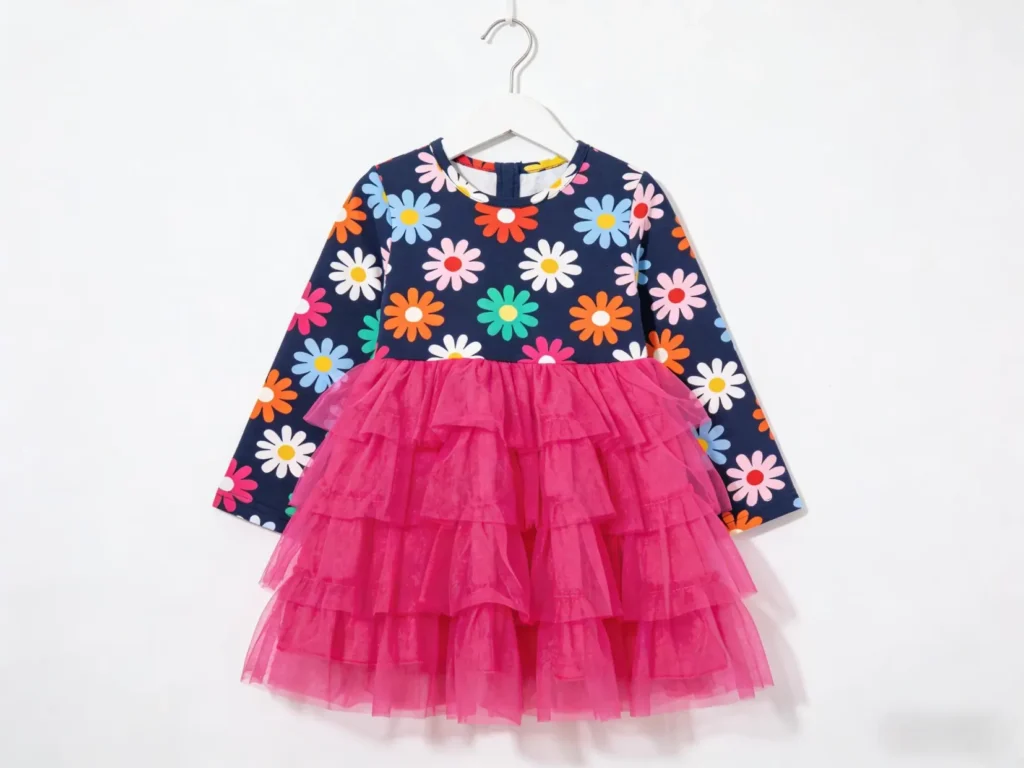
Key Considerations for Wholesale Apparel Purchasing
Before you add hundreds of dresses to your cart, you need a strategic, intentional purchasing plan — and these are the non-negotiable key factors you need to weigh first.
Age Range & Sizing Consistency
In kids’ apparel wholesale, matching your inventory to the right age range and sizing is make-or-break. Kids’ body shapes vary drastically from one age group to the next, so precise sizing design is non-negotiable. Inconsistent sizing doesn’t just ruin the customer experience — it directly drives up your return rate.
- Know your market demand: Use customer data from your local market to map out demand trends across age groups and sizes. For example, sizing standards for baby clothes are very different from those for school-age kids, and you need to offer the right size spread for every age group you serve.
- Communicate clearly with your supplier: Make sure your supplier provides a detailed, easy-to-follow size chart with age range conversions to avoid lost sales from inconsistent sizing across runs.
- Adjust sizing for seasonal shifts: For example, in winter, parents often prefer slightly oversized outerwear to fit layers underneath. In summer, they lean toward lightweight, true-to-size fits for everyday wear.
Seasonal Factors
Seasonality is an unavoidable factor in apparel purchasing, especially in the kids’ wear space.
- Shifting seasons directly drive customer demand: winter brings high demand for coats and sweaters, while summer calls for lightweight dresses and shorts.
- Align inventory with the season: Ahead of winter, lock in sufficient stock of puffer jackets, coats, and cold-weather pieces. For spring and summer, ramp up inventory of dresses, shorts, tees, and other lightweight warm-weather styles.
- Plan your purchasing cycle ahead of time: For seasonal apparel, advance planning is critical to avoid stockouts during peak season. Work with your supplier to build a flexible inventory management system so you can adjust stock levels ahead of every season.
- Stay on top of fashion trends: Seasonal apparel designs and color palettes shift with the latest fashion trends. Tracking up-and-coming kids’ wear trends is critical to helping your boutique stand out in a crowded market.
Ethical & Sustainable Sourcing
Modern parents care deeply about where and how their kids’ clothes are made — and your sourcing choices directly shape your brand reputation.
- Choose eco-friendly materials: Prioritize options like organic cotton, recycled fibers, and low-impact dyes. These materials have a smaller environmental footprint and are far gentler on kids’ sensitive skin.
- Vet your supplier’s social responsibility: Ensure your supplier follows fair trade principles, provides safe working conditions for its team, and does not engage in exploitative or unfair labor practices.
- Verify formal certifications: Look for suppliers with recognized environmental and sustainability certifications, including OEKO-TEX® Standard 100, GOTS (Global Organic Textile Standard), and Fair Trade certification, to confirm they meet global environmental and ethical standards.
Must-Have Kids’ Dress Styles for Your Boutique Inventory
Gone are the days when boutique retailers and shop owners only stocked basic dress designs for wholesale. To maximize your sales and meet diverse customer needs, these are the top-selling categories you can’t afford to skip when building your inventory:
- Everyday Classic Styles: Comfortable, breathable dresses built for daily play. Cotton-linen blends are a top pick for these styles thanks to their durability and easy-care nature.
- Soft Pastel & Seasonal Hues: Muted blush, lavender, and champagne tones are forever on-trend for spring and summer collections, adding a light, fresh feel to your store floor.
- Bold Bright & Jewel Tones: Rich shades like emerald green and burgundy make a statement and are perfect for fall/winter collections and peak holiday season.
- Special Occasion & Party Dresses: Lace, tulle, and organza are still the go-to fabrics for showstopping, dreamy designs. These dresses are non-negotiable for birthday parties, weddings (as flower girl dresses), and formal family gatherings.
- Top-Selling Cuts & Silhouettes: A-line dresses for playful, everyday wear; tiered skirts for on-trend style; and classic ball gowns for formal events.
If you are looking to buy girls’ dresses, check out this guide to discover the latest fashion trends: Top 10 Trends in Custom Girls Dresses: Fashionable Styles for Every Occasion.
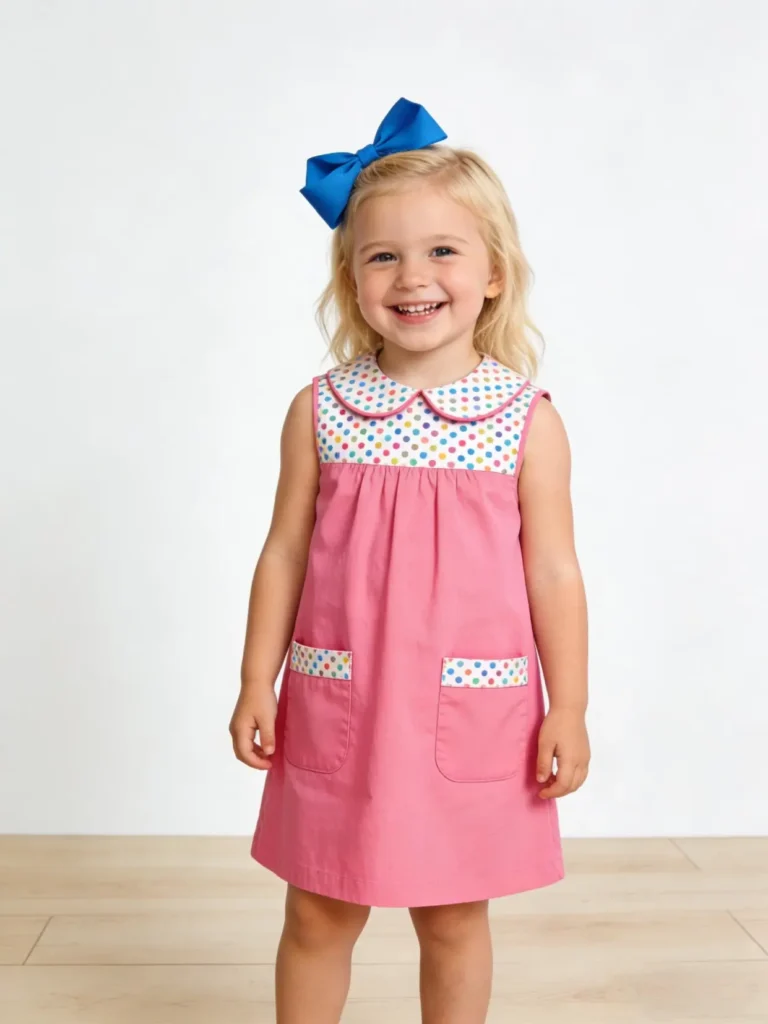
Common Mistakes to Avoid When Sourcing Wholesale Kids Dresses
As a wholesale buyer, stocking your boutique with these versatile, in-demand dress styles doesn’t just make it easy for your customers to find the perfect outfit for every occasion — it also helps you steadily grow your profit margins. For a wider production shortlist, see these custom and private-label dress manufacturers and ask each candidate for a relevant sample.
Below are the most common mistakes buyers make when sourcing wholesale kids’ dresses, and exactly how to avoid them:
1.Failing to Test the Market
I once worked with a client who fell head over heels for a stunning velvet holiday dress, and placed a 500-unit order on the spot — without ever checking if local customers actually wanted the style. While it feels like a fast way to fill your inventory, this mistake almost always leads to mountains of dead stock and sluggish sales.
2.Ignoring Size and Fit Variations
Kids’ body shapes vary wildly from one age group to the next. Ignoring these size and fit differences across your target age ranges will leave you with garments that don’t fit correctly, tanking your sales and crushing customer satisfaction.
3.Overlooking Product Safety Standards
Safety is non-negotiable when it comes to kids’ apparel. Far too many retailers cut corners on safety standards, unknowingly stocking pieces with non-compliant fabrics or design flaws that create hidden safety hazards for kids.
4.Focusing Only on Price, Not Quality
While price is always a key factor in your purchasing decisions, fixating solely on the lowest cost will almost always mean sacrificing quality. Poorly made garments don’t just ruin the customer experience — they lead to a flood of returns and complaints, and ultimately destroy your brand’s hard-earned reputation.
Conclusion
Wholesale kids’ apparel sourcing doesn’t have to be a stressful, high-stakes gamble. When done with a clear, intentional strategy, it becomes your boutique’s biggest competitive advantage — giving you full control over your profit margins, locking in consistent product quality, and keeping customers coming back season after season.
In my 15+ years in this industry, the secret to success always comes down to your partner. You don’t just need a supplier — you need a manufacturing partner that truly cares about the growth of your business.
Ready to level up your boutique’s inventory? Reach out to the HAPA team today to talk through your next wholesale order, and experience the unmatched benefits of factory-direct sourcing for yourself.
FAQ
What is the best way to buy kids dresses wholesale?
The most profitable way is to source directly from an established manufacturer. This eliminates trading company markups, gives you direct control over quality, and opens the door for custom branding (OEM).
How do I find a reliable children’s clothing manufacturer?
Look for total transparency. A reliable factory will gladly provide safety certifications (like CPC), offer flexible pricing tiers, and encourage you to order physical samples before making a bulk commitment.
What are the typical MOQs for boutique kids dresses?
It varies widely. While massive factories might demand 1,000+ pieces, boutique-friendly manufacturers (like HAPA) understand your cash flow needs. We offer flexible MOQs that allow you to test styles safely.
How to buy clothing direct from a manufacturer?
Find a specialized factory and reach out directly to request their catalog or share your designs. Always insist on the “sample-to-bulk” process. Approve a physical sample, lock in your MOQs and timelines, and then place your order.
What should I look for when sourcing boutique kids dresses wholesale?
Focus on premium, breathable fabrics and boutique-level details like hidden zippers. These features easily justify higher retail markups. Most importantly, verify supplier reliability. Always demand safety certifications and confirm strict production lead times before buying.