For children’s apparel production, the journey from initial sketch to finished garment is incredibly exciting — but partnering with top Kids wear manufacturers USA is far from straightforward. When it comes to kids’ clothing, “cuteness” alone is never enough. You must prioritize two non-negotiable pillars: uncompromising safety and all-day comfort. If you’re the founder of a children’s apparel brand, rigorous vetting of qualified manufacturing partners is the very cornerstone of your business success.
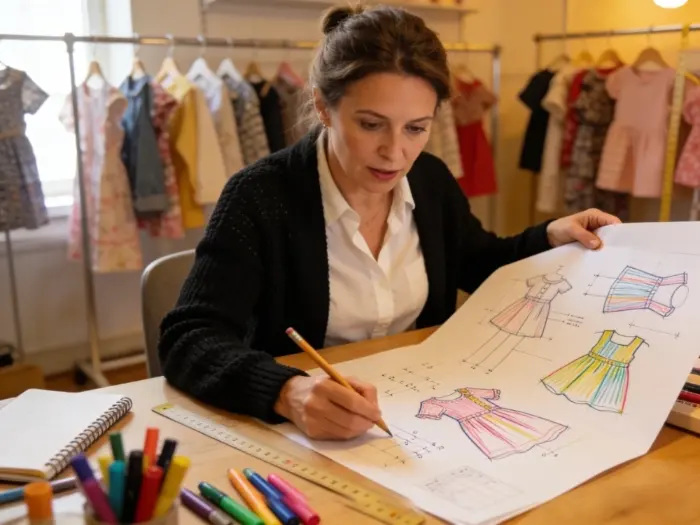
In this guide, we’ve handpicked 15 top-tier Children’s Clothing manufacturers in USA to help you seamlessly locate your ideal production factory.
Beyond that, we’ll dive into an in-depth analysis: comparing the cost-benefit ratio of domestic manufacturing versus global production, and breaking down high-quality overseas alternatives. This will equip you to drive profitable growth for your brand — without ever compromising on safety or product quality.
The Pros and Cons of “Made in USA”
Before you seek out domestic U.S. manufacturers, it is critical to fully understand the advantages and disadvantages before making your final decision.
Advantages
For many emerging brands, domestic manufacturing is the most accessible starting point to launch their line.
- Stringent Production & Safety Compliance
U.S.-based children’s apparel manufacturers are legally bound by strict federal regulations. This ensures your finished products fully meet U.S. safety and quality standards, eliminating the risk of penalties or product recalls caused by non-compliance or quality defects. - Strong Market Appeal
A significant segment of consumers is willing to pay a premium for Made in USA children’s clothing. The label stands for fair labor practices and support for the local economy, and can serve as a powerful, differentiating pillar of your brand story. - Streamlined Logistics & Seamless Communication
Working in the same time zone enables real-time, responsive communication. You can easily conduct in-person factory visits and sample inspections, with no need to navigate complicated customs clearance processes or pay costly import tariffs — unrivaled advantages that overseas manufacturers simply cannot match.
Disadvantages
While launching a brand in the U.S. is relatively straightforward, scaling a profitable brand relying solely on domestic production is far more challenging.
- Prohibitive Labor Costs
U.S. manufacturers are required to pay high wages to factory workers, which directly drives up your overall production costs. A basic cotton dress that costs $25 to produce in the U.S. would need a retail price of nearly $100. This puts many brands at a severe competitive disadvantage in the crowded children’s apparel market. - Limited Domestic Supply Chain (The “Fabric Bottleneck”)
This is a hidden but critical constraint. While the U.S. has high-quality sewing facilities, the vast majority of its textile ecosystem has relocated overseas. - Lack of Specialized Craftsmanship Capabilities
If your designs involve complex techniques — such as sequin detailing, fine embroidery, or hand beading — you will find very few U.S. factories capable of mass-producing these styles. There is a shortage of skilled workers domestically who specialize in high-complexity garment construction, meaning these designs are either impossible to produce, or come with a prohibitively high cost.
How to Choose a U.S. Children’s Apparel Manufacturer
When vetting Children’s Clothing manufacturers in USA, do not rush to place an order or pay a deposit. You first need to clarify these four core questions to confirm whether the factory aligns with your brand’s growth model.
- Minimum Order Quantity (MOQ)
Don’t be lured by low unit prices — you must first confirm the manufacturer’s minimum order quantity. For a dress with a $15 unit cost, a 1000-piece MOQ would require a $15,000 upfront payment, which is prohibitive for most startup brands. For this reason, you should prioritize partnering with small batch kids clothing manufacturers that offer low or flexible MOQs. - Sample Provision & Inspection
Never overlook sample inspection, as it is the most direct way to verify a factory’s manufacturing capabilities and craftsmanship. Before placing a bulk order, you must request pre-production samples from the manufacturer. With physical samples in hand, you can evaluate the fabric’s hand feel, assess the garment’s true comfort, and validate construction quality — this is the most critical step before mass production begins. - CPSIA Compliance
For children’s apparel, this is non-negotiable. During initial discussions, you must confirm that you are working with strictly CPSIA compliant manufacturers who can issue a CPSIA-recognized CPC (Children’s Product Certificate) for your production runs. - Full Turnkey Service Availability
The majority of U.S. apparel manufacturers operate on a CMT (Cut, Make, Trim) model, rather than offering full turnkey services. This means you, as the brand, are responsible for sourcing and delivering all production materials: fabric rolls, thread, buttons, zippers, care labels, and sewing patterns. For this reason, it is critical to clarify the manufacturer’s cooperation model and full service scope upfront.
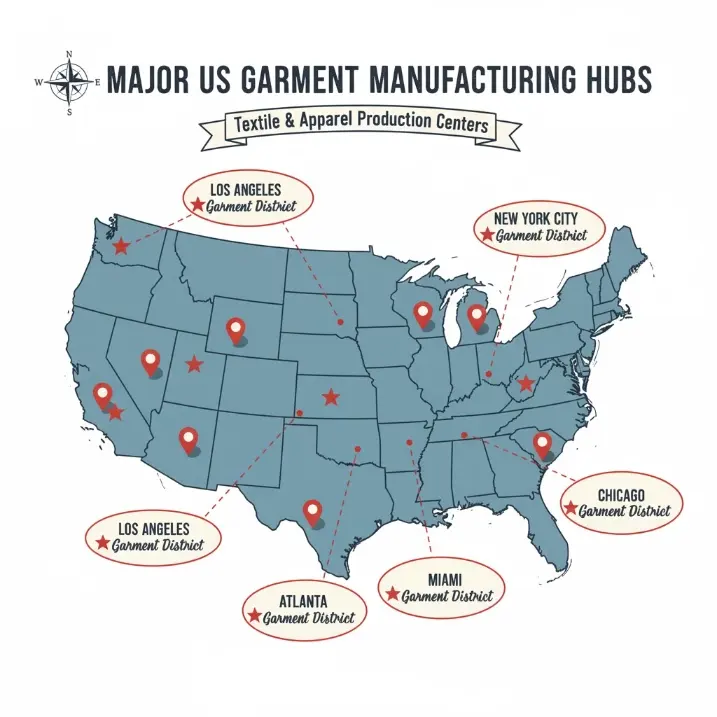
Top 15 Kids Wear Manufacturers in USA (The List)
1.Royal Apparel
2.Steve Apparel
3.Argus Apparel
4.Lefty Production Co.
5.Los Angeles Apparel
6.Good Clothing Company
7.Organic Apparel USA
8.Affix Apparel
9.Zega Apparel
10.Winter Water Factory
11.KidsBlanks by Zoe
12.Stylus Apparel
13.Tack Apparel
14.Alanic Clothing
15.Apparel Production Inc.
1.Royal Apparel
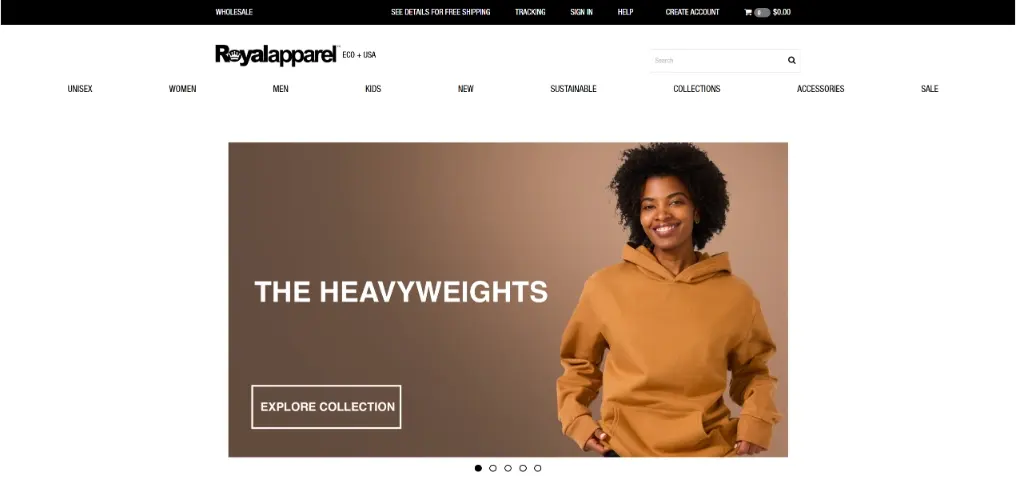
Royal Apparel is an industry leader in sustainable, American-made basics. They are particularly renowned for their extensive line of organic cotton and bamboo blends, making them a top sustainable kids wear factory choice for brands that prioritize eco-friendly materials.
Key Products:
- Organic toddler tees
- Bamboo blend onesies
- Fleece pullovers
Best for: Eco-conscious brands needing high-quality, sustainable blanks.
2.Steve Apparel

Steve Apparel offers customized manufacturing solutions catering to brands of all sizes. They emphasize personalization and offer a wide array of fabric choices and printing techniques, helping brands create unique, standout collections.
Key Products:
- Custom casual wear
- Printed kids’ hoodies
- Private label activewear
Best for: Brands looking for high customization options beyond standard basics.
3.Argus Apparel
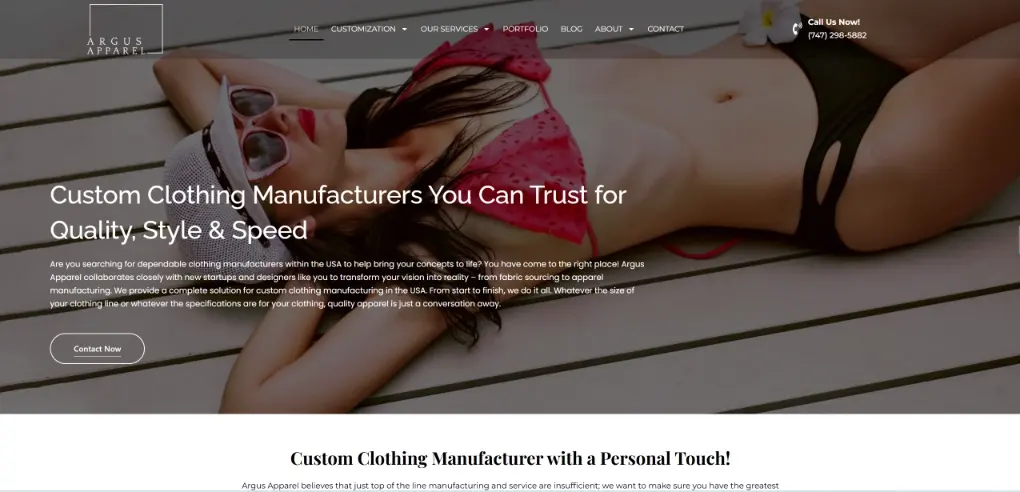
Based in Los Angeles, Argus Apparel is a vertically integrated manufacturer known for speed and versatility. They handle everything from pattern making to the final stitch, specializing in streetwear and fashion-forward cuts.
Key Products:
- Streetwear-inspired kids’ sets
- Cut-and-sew joggers
- Graphic t-shirts
Best for: Urban and streetwear-focused kids’ clothing brands.
4.Lefty Production Co.
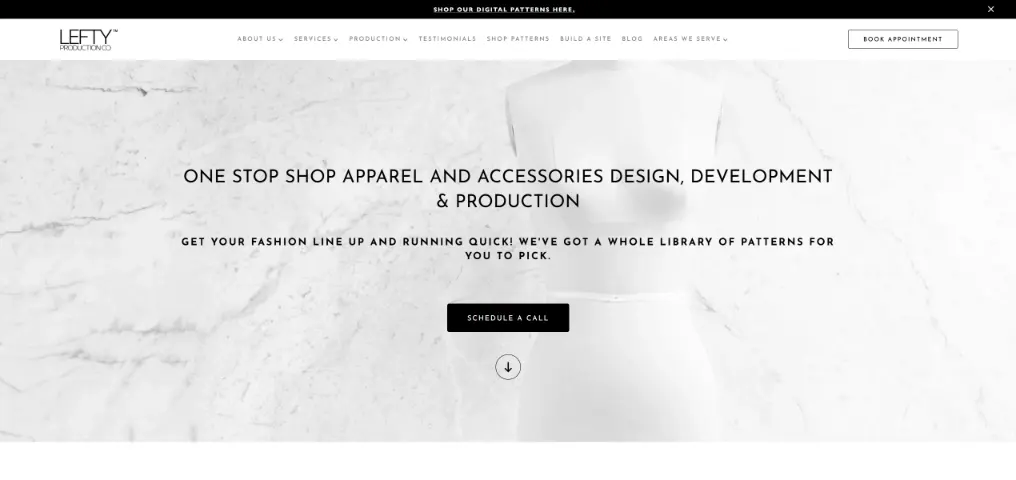
Lefty Production Co. is a one-stop-shop located in the heart of Los Angeles. They are experts in guiding new designers through the production process and have a dedicated department for children’s wear and accessories.
Key Products:
- Children’s swimwear
- Baby accessories (bibs, headbands)
- Mommy-and-me collections
Best for: Startups needing “hand-holding” and full-service development in LA.
5.Los Angeles Apparel
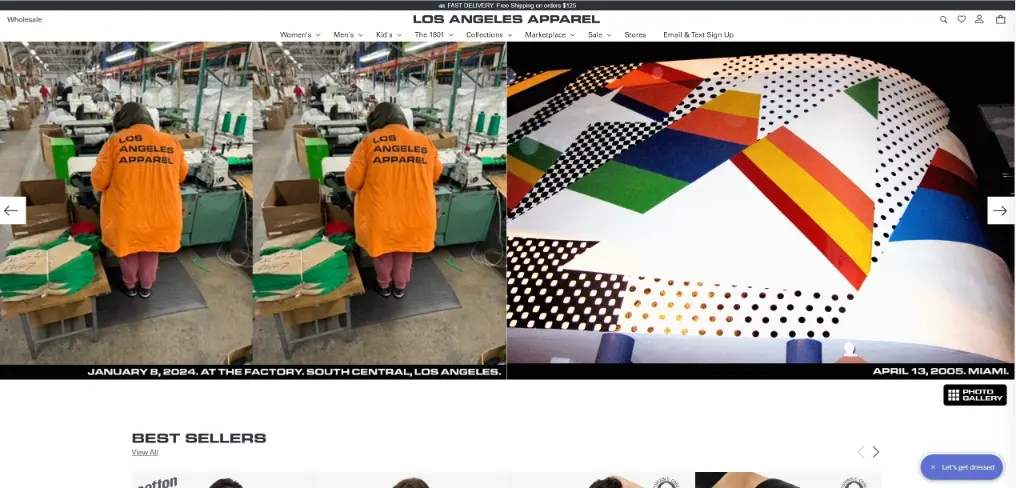
Founded by Dov Charney, Los Angeles Apparel is deeply committed to domestic manufacturing and fair labor practices. They are massive players in the “basics” market, offering a huge variety of colors and heavy-weight cotton fabrics that are durable for kids.
Key Products:
- Heavyweight cotton tees
- Garment-dyed sweatpants
- Basic bodysuits
Best for: Brands that want a retro, durable aesthetic and ethically made basics.
6.Good Clothing Company
Good Clothing Company focuses on helping independent designers scale. With facilities in Massachusetts, they are known for ethical production and their ability to handle low minimums, solidifying their reputation as one of the best small batch kids clothing manufacturers in the market.
Key Products:
- Small batch dresses
- Woven tops and bottoms
- Capsule collections
Best for: Ethical startups testing the market with small quantities.
7.Organic Apparel USA
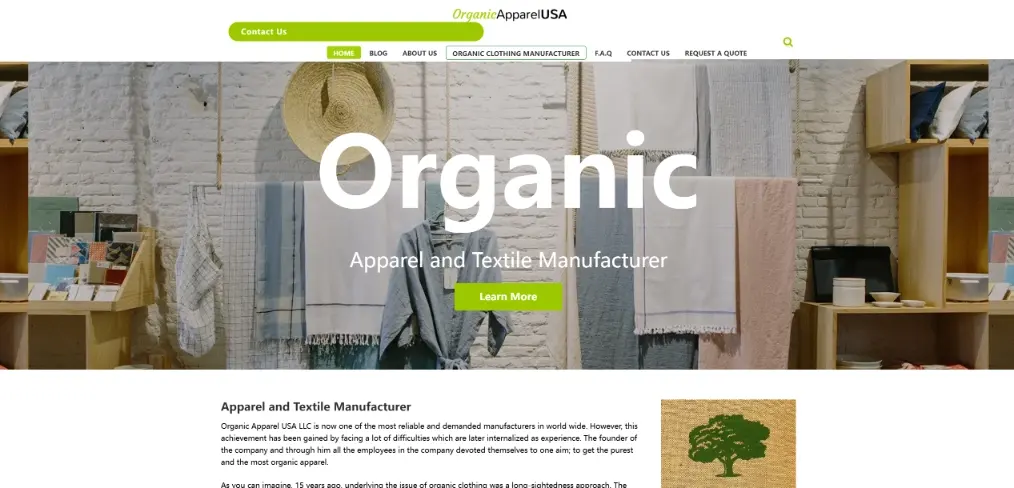
As the name suggests, this manufacturer is dedicated entirely to organic supply chains. They verify their materials strictly, ensuring that the end product is safe, chemical-free, and soft enough for sensitive baby skin.
Key Products:
- 100% Certified Organic cotton rompers
- Natural fiber sleepwear
- Infant layette sets
Best for: Premium organic baby brands requiring strict material certification.
8.Affix Apparel
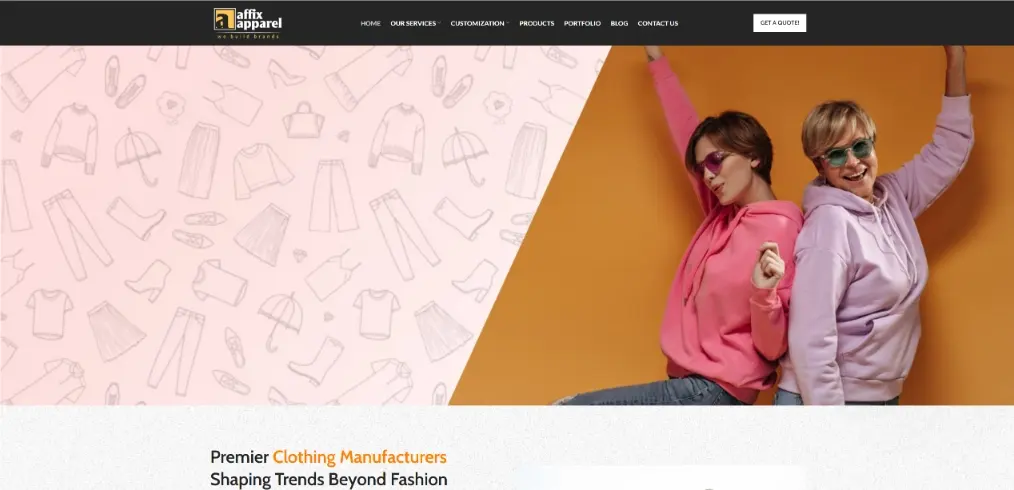
Affix Apparel provides versatile private label services with a focus on affordability and variety. They work with emerging private labels to provide cut-and-sew services as well as screen printing and embroidery.
Key Products:
- Private label tracksuits
- Custom logo hoodies
- Sports jerseys
Best for: Brands looking for a versatile partner to handle diverse product categories.
9. Zega Apparel
Zega Apparel positions itself as a solution for low minimums and high customization. They are well-regarded for their communication and willingness to take on complex custom designs that other blank manufacturers might reject.
Key Products:
- Custom cut-and-sew shirts
- Sublimated kids’ jerseys
- Embroidered denim
Best for: Brands that want full creative control over the design without massive MOQs.
10.Winter Water Factory
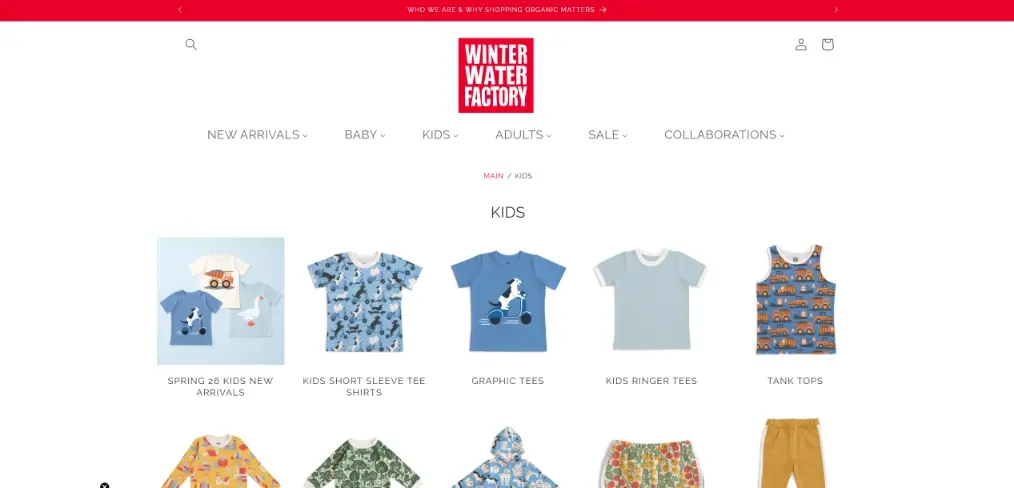
Based in Brooklyn, New York, Winter Water Factory is highly regarded for its commitment to sustainability and 100% certified organic cotton apparel. While primarily a brand that wholesales its own line, their vertically integrated US production process makes them a benchmark for ethically made, boldly screen-printed children’s clothing in the domestic market.
Key Products:
- Organic cotton baby rompers and snapsuits
- Bold, screen-printed toddler dresses
- Sustainable organic basics and accessories
Best for: Eco-conscious boutiques and retailers looking to stock high-quality, uniquely printed, USA-made organic apparel.
11.KidsBlanks by Zoe
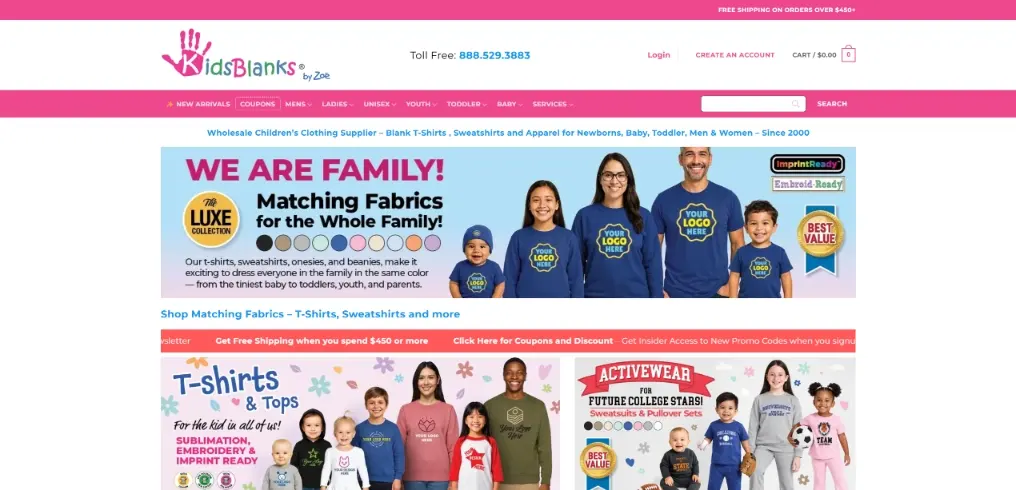
A distinct player on this list, KidsBlanks specializes specifically in the children’s market. They are a top supplier for “print-on-demand” businesses, offering a massive inventory of blank garments ready for decoration.
Key Products:
- Sublimation-ready polyester tees
- Cotton interlock bibs
- The “Laughing Giraffe” brand blanks
Best for: Etsy sellers, screen printers, and promotional product businesses.
12.Stylus Apparel
Stylus Apparel is a leader in garment decoration. While they offer cut-and-sew services, their true strength lies in their massive capacity for screen printing, embroidery, and dye-sublimation, located in New Jersey.
Key Products:
- All-over print sublimation
- Screen-printed merchandise
- Embroidered heavy fleece
Best for: Brands heavily focused on graphic art and merchandise.
13.Tack Apparel
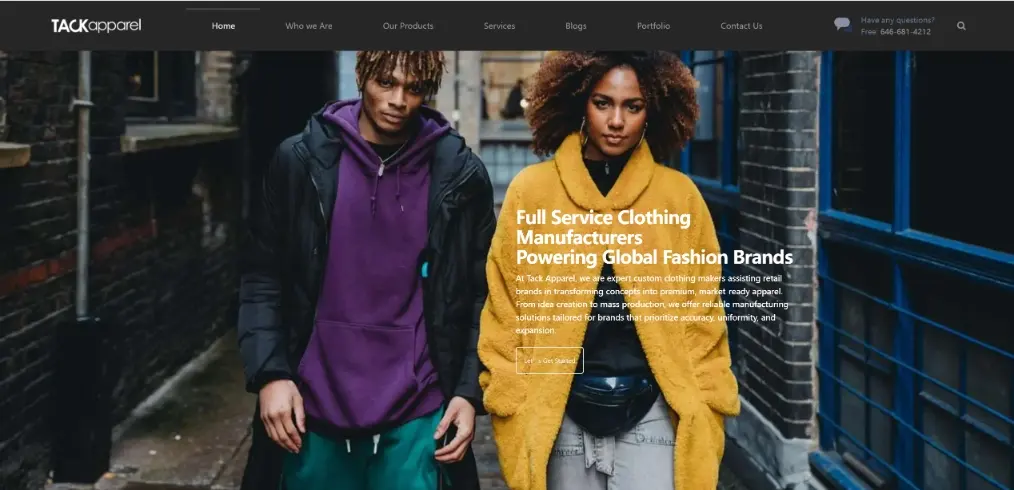
Tack Apparel is known for its expertise in sportswear and casual fashion. They offer a comprehensive range of manufacturing services, helping brands build lines that are both functional and fashionable.
Key Products:
- Kids’ team uniforms
- Casual streetwear
- Fitness apparel
Best for: Activewear brands and team outfitters.
14.Alanic Clothing
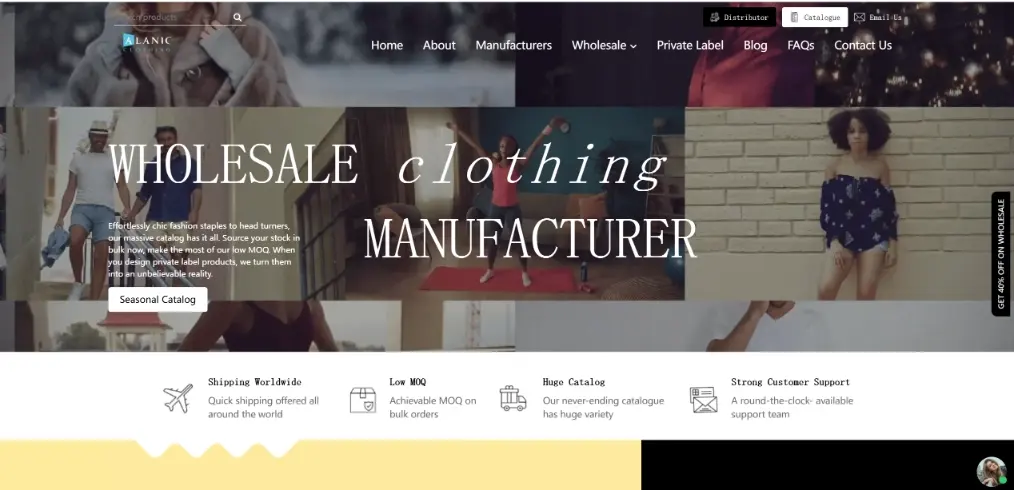
Alanic is a global giant with a strong US presence, known for its massive catalog of wholesale options. They cater to retailers looking for trendy, ready-to-ship bulk items as well as custom manufacturing options.
Key Products:
- Trendy fashion sets
- Bulk wholesale flannel shirts
- Sports and running gear
Best for: Retailers and boutiques needing large volume and variety quickly.
15.Apparel Production Inc.
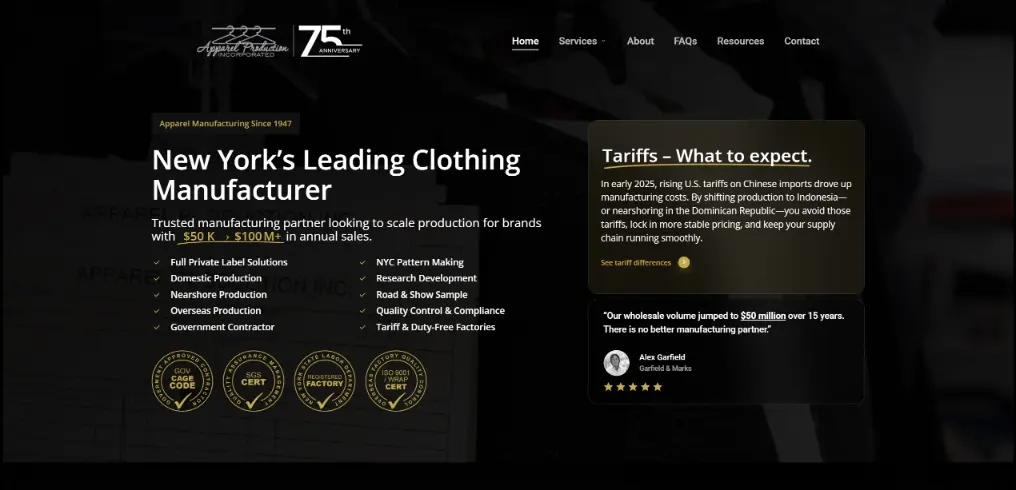
Based in New York City’s Garment District, Apparel Production Inc. is a premier choice for high-end fashion development. They specialize in guiding brands through the intricate process of pattern making, sampling, and production with a focus on quality craftsmanship.
Key Products:
- High-end children’s dresses
- Tailored coats and outerwear
- Boutique fashion collections
Best for: Designers seeking New York-based craftsmanship and full-service development.
How to Find the Best Wholesale Clothing Manufacturers in the USA?
If you’re looking to connect with more reliable children’s apparel manufacturers or expand your network of vetted kids clothing suppliers in the USA, you can explore these trusted, effective channels:
- Google Search: Use targeted, industry-specific keywords such as “Children’s Clothing manufacturers in USA”, “Kids wear manufacturers USA”, and other tailored search terms. Visit the manufacturers’ official websites to review their service scope, production capabilities, and contact their team directly.
- In-Person Apparel Trade Shows: Attend professional apparel industry trade shows held across the United States. This gives you the opportunity to meet manufacturers face-to-face, examine their product quality and craftsmanship in person, and gain a clear understanding of their full production capabilities.
- B2B Marketplaces: Register on global B2B platforms like Alibaba, then filter and shortlist U.S.-based children’s apparel manufacturers directly on the platform to narrow down your options efficiently.
- Social Media & Professional Networks: Search for domestic U.S. manufacturers on mainstream platforms including TikTok, Facebook, and LinkedIn. Many manufacturers showcase their production services, past project case studies, and client testimonials on these channels, making it easy to assess their fit for your brand.
- Fashion Colleges & Design Institutes: Many apparel manufacturers maintain long-term partnerships with fashion design colleges and institutions. These schools often provide streamlined, trusted connection channels for emerging designers, students, and new children’s apparel brand founders.
- Industry Referrals: Ask for vetted recommendations from peers and seasoned insiders in the children’s apparel industry. Word-of-mouth referrals are consistently one of the most reliable ways to find high-quality, trustworthy manufacturers with a proven track record.
Private Label, OEM or ODM: Which Production Model Is Best for Your Startup?
In the apparel manufacturing industry, misunderstanding these industry acronyms can come with a steep cost. Choosing the wrong model — whether private label, OEM, or ODM — can leave you with a warehouse full of unsold generic products, or a complex production line that is unmanageable for your young business.
Before you reach out to any of the factories on the list above, you first need to identify which “lane” your business falls into.
Private Label (The “Quick Launch” Model)
Private label means purchasing pre-produced, unbranded garments (known as “blank apparel”), then simply adding your own logo or private label. It is the fastest, most cost-effective way to launch a brand, but it offers no design uniqueness, as competitors can sell the exact same product.
- Advantages: Ultra-low startup costs; extremely low minimum order quantities (sometimes as low as 12-24 pieces); fast turnaround and delivery times.
- Disadvantages: No design protection. The T-shirts sold under your “brand” are identical to those sold by 50 other competitors, with only the logo differing. You cannot patent the design or fit of the garment.
OEM: Original Equipment Manufacturer (The “Custom Design” Model)
OEM is for brands that want to build unique, custom products from scratch, using their own specific designs and technical packs. The manufacturer will produce the garments strictly in line with your specifications for fabric, fit, and construction, giving you full creative control and ownership of the final design.
- Advantages: Complete creative control. You own the intellectual property (IP) of the design. The product is built exclusively for your brand, and aligns perfectly with every one of your requirements.
- Disadvantages: Higher minimum order quantities (typically 300 pieces and above); longer production lead times (3-6 months); requires you to have technical design expertise, or to hire a dedicated technical developer.
ODM: Original Design Manufacturer (The “Hybrid” Model)
ODM allows you to select designs from the factory’s existing product catalog, and make minor customizations such as changing colors, fabrics, or trims. This model is ideal for brands that want complex, high-quality styles (such as evening gowns or outerwear) without the high cost of hiring an in-house fashion design team.
- Advantages: Faster lead times than OEM, as the patterns and base designs are already developed; significantly lower R&D costs. It is perfectly suited for complex products where the factory holds specialized craftsmanship expertise (such as sequined dresses).
- Disadvantages: You do not own the intellectual property rights to the core design; other brands may have access to identical or highly similar styles.
Comparison: Which One Scales?
| Feature | Private Label (USA Blanks) | OEM (Custom Mfg) | ODM (Factory Design) |
| Startup Cost | Low ($) | High ($$$) | Medium ($$) |
| Design Control | None (Standard Fit) | 100% Custom | Partial |
| Speed to Market | Fast (2-4 Weeks) | Slow (3-6 Months) | Medium (1-2 Months) |
| Brand Value | Low (Generic) | High (Unique IP) | Medium |
Tired of Dealing with U.S. Clothing Manufacturers?
While domestic production offers speed and low minimums for testing new concepts, scaling a profitable brand in the USA often hits a financial ceiling. High labor costs and limited production capacity mean that as your order volumes grow, your profit margins inevitably shrink, making it difficult to compete with major retailers on price while maintaining quality.
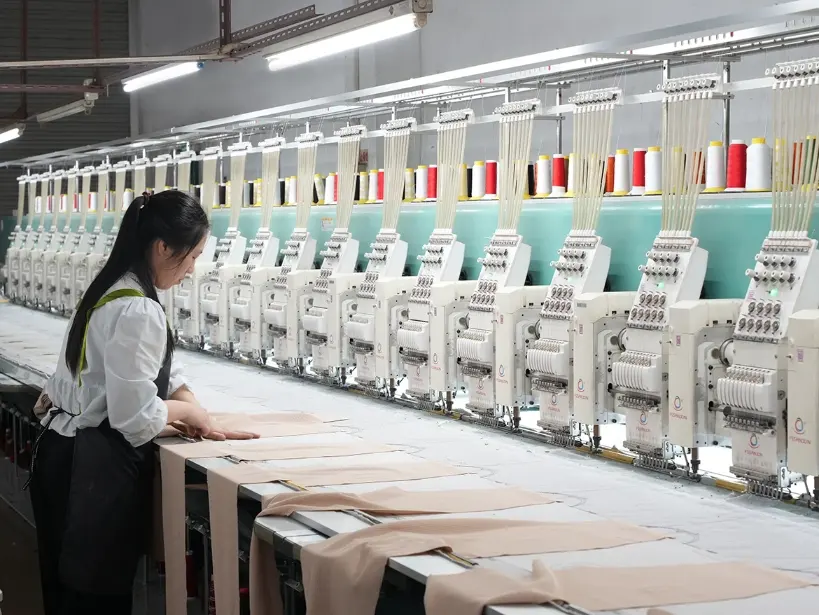
Furthermore, many US manufacturers specialize in simple cut-and-sew knits (like t-shirts and leggings) rather than complex garments. If your vision includes intricate details—such as sequins, embroidery, or specialized technical fabrics—you may find that domestic factories either lack the necessary machinery or charge exorbitant rates for these labor-intensive features, forcing you to compromise on your design vision.
Conclusion
While Children’s Clothing manufacturers in USA offer many advantages, finding the “best” production partner isn’t just about geographical location; more importantly, it’s about finding a factory that aligns with your current stage of business.
As a professional children’s clothing manufacturer, HAPA serves brands worldwide, offering highly competitive pricing to meet diverse budgets, including those of emerging designers. We leverage the scale and cost advantages of top-tier Chinese manufacturing, while delivering the seamless communication, strict safety standards (CPSIA), and uncompromising quality assurance you would expect from a U.S. partner.
FAQ
1.Why is manufacturing kids’ clothing in the USA so expensive?
The primary driver is labor cost. US sewing operators earn significantly higher wages ($15+/hour) compared to overseas hubs. additionally, the US textile supply chain is fragmented, meaning brands often have to pay extra to ship fabrics and trims to the factory. This can push the production cost of a simple dress to $20–$30, forcing a retail price of $80+, which is a challenging price point for many mass-market brands.
2.How do I ensure my overseas manufacturer is CPSIA compliant?
Safety is non-negotiable. Reputable overseas manufacturers (like HAPA) are fully versed in CPSIA regulations and the Consumer Product Safety Improvement Act. Always ask for recent lab test reports regarding lead content (in zippers/buttons) and flammability. A professional factory will verify that all components are safe for children before production begins.
3.What is the difference between CMT and Full-Package manufacturing?
Most US factories operate on a CMT (Cut, Make, Trim) model, meaning you must buy and ship the fabric, thread, and labels to them. Full-Package Production (FPP), which is common with partners like HAPA, means the factory handles everything—sourcing the fabric, making the patterns, and sewing the garments—saving you from managing multiple vendors.
4.Can I still use “Designed in USA” if I manufacture overseas?
Yes! Many top American brands manufacture responsibly in China but keep their design headquarters in the US. You can label your products as “Designed in USA, Made in China.” This allows you to leverage the creativity and branding of the US while accessing the advanced machinery, scalability, and craftsmanship of the global supply chain.