Bamboo clothing has moved well past niche status. Buyers across kidswear, loungewear, and basics are actively requesting it, and factories everywhere are racing to keep up. That surge has pulled a wave of new suppliers into the space, but not all of them have the technical know-how to match the demand. If you’re a brand looking to add bamboo fiber clothing to your lineup, knowing how to properly vet wholesale bamboo clothing suppliers is what keeps your sourcing smooth instead of stressful.
What “Bamboo Fiber” Actually Means
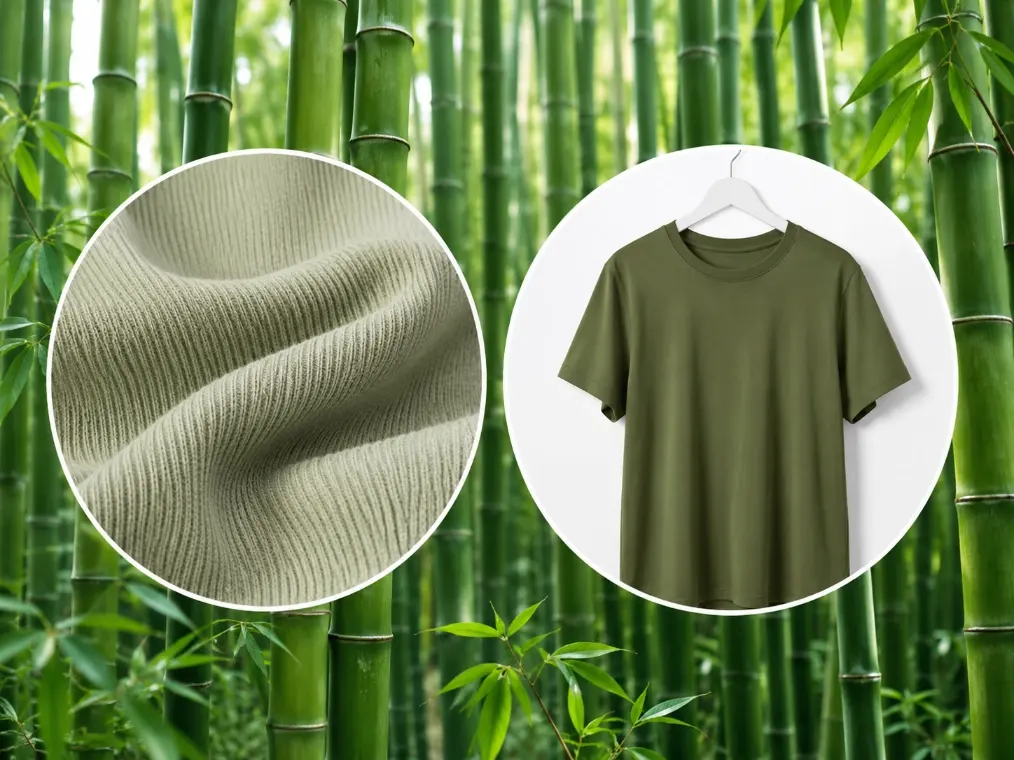
Before you wire a deposit for a large wholesale order, it helps to clear up a common industry misunderstanding. “Bamboo fiber” isn’t a single, uniform material — it’s a broad umbrella term. In fact, if you sell in the US and label your garments simply as “100% Bamboo,” you risk running into strict penalties from the Federal Trade Commission, which has specifically targeted misleading bamboo-fabric labeling in the past. To protect your brand and your profit margins, you need to know exactly what fabric your supplier is actually spinning before you commit. Our breakdown of what bamboo fabric is and how it’s made covers this in more depth if you want the full picture.
Bamboo Linen vs. Bamboo Viscose: Not All Bamboo Fabric Is Created Equal
There are two fundamentally different ways a factory can turn a tough, woody plant into wearable clothing.
Bamboo Linen (Mechanically Processed) This is the most natural way to process the plant. The woody stalks are crushed, and natural enzymes break them down into a mush before the fibers are combed out and spun.
The upside: it’s genuinely eco-friendly and extremely durable. The downside: it’s labor-intensive — which means it’s expensive — and the resulting fabric feels slightly stiff, much like traditional flax linen. Because of the rougher texture, you’ll almost never see this used for soft basics, underwear, or activewear.
Bamboo Viscose or Rayon (Chemically Processed) When you feel a pair of wildly soft, stretchy bamboo leggings, you’re almost certainly touching bamboo viscose. The factory extracts the cellulose from the plant, dissolves it in chemical solvents, and extrudes it into soft, fine threads.
The upside: it produces that signature silky, breathable drape consumers love, and it’s highly scalable and cost-effective. The downside: standard viscose manufacturing is chemical-heavy.
If your brand is strictly eco-conscious, look for a supplier offering bamboo lyocell. It creates the same soft fabric but uses a modern, closed-loop system that captures and reuses the vast majority of the chemical solvents involved.
Why Fiber Type Matters for Your Wholesale Order
Understanding these distinctions isn’t just for textile nerds — it directly affects your bottom line and your day-to-day operations as a B2B buyer.
First, it dictates legal compliance. Customs and federal trade regulators require chemically processed bamboo to be labeled accurately, usually as “Rayon made from Bamboo” or “Viscose from Bamboo.” Getting this wrong on your tech packs and care labels can mean seized inventory at the port or costly fines.
Second, it shapes your pricing and margins. Standard bamboo viscose gives you the most competitive unit cost, which works well for budget-friendly collections with healthy markups. If you’re positioning your line as a premium, sustainable brand, however, the slightly higher cost of bamboo lyocell lets you market the closed-loop process and justify a premium retail price.
When you contact a new wholesale supplier, don’t just ask if they sell “bamboo.” Ask specifically whether they use the viscose, lyocell, or linen process. A reliable manufacturer will know the difference immediately — and how quickly they answer is itself a useful vetting signal.
Why Clothing Brands Are Seeking Bamboo Apparel Suppliers
More clothing brands are partnering with bamboo apparel suppliers because consumers increasingly demand sustainable, high-performance apparel that doesn’t sacrifice comfort.
- Eco-conscious marketing: Bamboo grows rapidly without harsh pesticides and uses significantly less water than traditional cotton, which lets brands genuinely market their collections as sustainable.
- Premium hand-feel: The fabric is incredibly soft, often compared to silk or cashmere — a texture that helps retailers justify higher price points and build loyalty.
- Natural performance features: Bamboo fibers are highly breathable and naturally moisture-wicking, making the material a strong fit for activewear, athleisure, and everyday basics.
- Hypoallergenic properties: The gentle, smooth fibers are naturally non-irritating, which is part of why bamboo shows up so often in baby clothing, underwear, and sensitive-skin lines.
- Long-lasting durability: Well-manufactured bamboo clothing holds its shape and color through repeated washes, which helps reduce returns and improve customer satisfaction.
- Stronger margins: Raw bamboo fabric costs slightly more upfront, but many consumers are willing to pay a premium for the eco-friendly and comfort benefits, supporting healthier retail markups.
How to Find and Shortlist Wholesale Bamboo Clothing Suppliers
Once you understand the fabric and your legal labeling obligations, the next step is building your supply chain. Finding reliable bulk bamboo clothing suppliers means knowing exactly where to look — and how to filter out unqualified middlemen quickly. Our guide on how to find clothing manufacturers walks through this process in more detail if you’re starting from scratch.
Where to Search for Legitimate Bamboo Clothing Manufacturers
- Global B2B directories (Alibaba & Global Sources): These platforms are the standard starting point for finding large-scale overseas manufacturers. They offer massive databases of factories, but you should filter heavily by checking “Verified Supplier” and “Trade Assurance” status to screen out unreliable trading companies.
- Wholesale marketplaces (Faire & Tundra): If you’re a boutique owner looking for lower minimum order quantities (MOQs) or ready-to-sell blank apparel, these platforms vet brands beforehand, making it safer to buy existing bamboo clothing lines at wholesale prices without dealing with customs directly.
- International trade shows (Canton Fair, MAGIC, Texworld): Because bamboo comes in various grades, nothing beats feeling the drape and softness of the fabric in person. Trade shows let you meet factory representatives face-to-face, negotiate directly, and build trust early.
- Specialized sourcing agents: If overseas communication and time zones feel overwhelming, a sourcing agent based in a manufacturing hub like China, Vietnam, or Portugal can save significant time. A good agent already has pre-vetted relationships with bamboo clothing factories and can handle negotiation and quality control on your behalf.
- Eco-focused textile directories: Platforms that specifically cater to sustainable fashion, such as Common Objective or Sqetch, let B2B buyers connect directly with manufacturers who have already demonstrated a commitment to eco-friendly sourcing and ethical labor practices.
- LinkedIn and direct outreach: Many reputable manufacturers maintain an active LinkedIn presence. Reaching out directly lets you ask specific technical questions and gauge how transparent and responsive a factory’s team really is.
How to Verify a Bamboo Supplier’s Credibility Before Committing
Finding a supplier is the easy part — proving they’re reliable is harder. Before you wire a deposit for your first bulk order, run through these checks:
- Request legitimate certifications. Ask for up-to-date OEKO-TEX Standard 100 or FSC (Forest Stewardship Council) certificates. These confirm the fabric is free of harmful residual chemicals and that the raw materials were sustainably harvested.
- Audit their business license. Check their registered capital and business scope. If their company profile shows an unrelated mix of goods — apparel, phone cases, and auto parts, for example — they’re almost certainly a trading company, not a direct factory.
- Ask for a live virtual factory tour. A real-time video call on the production floor is reasonable to request. Legitimate factories are usually willing to walk you through their knitting machines, dyeing equipment, and quality control stations.
- Order a pre-production sample (PPS). Never place a bulk order based on photos alone. Pay for a physical sample to test the fabric’s GSM (weight), stretch recovery, stitching quality, and how it holds up after a standard machine wash.
- Check for third-party audits. Look for recent inspection reports from independent agencies like SGS, Intertek, or BSCI. These confirm both manufacturing quality and ethical working conditions.
5 Reliable Bamboo Clothing Manufacturers for Brands
If you’d rather not spend weeks searching, here are five manufacturers with established track records in bamboo apparel, sustainable sourcing, and professional B2B communication: HAPA, Thygesen Textile Vietnam, Royal Apparel, Appareify, and Hongyu Apparel.
1. HAPA Garments (Specialists in Infant & Children’s Wear)
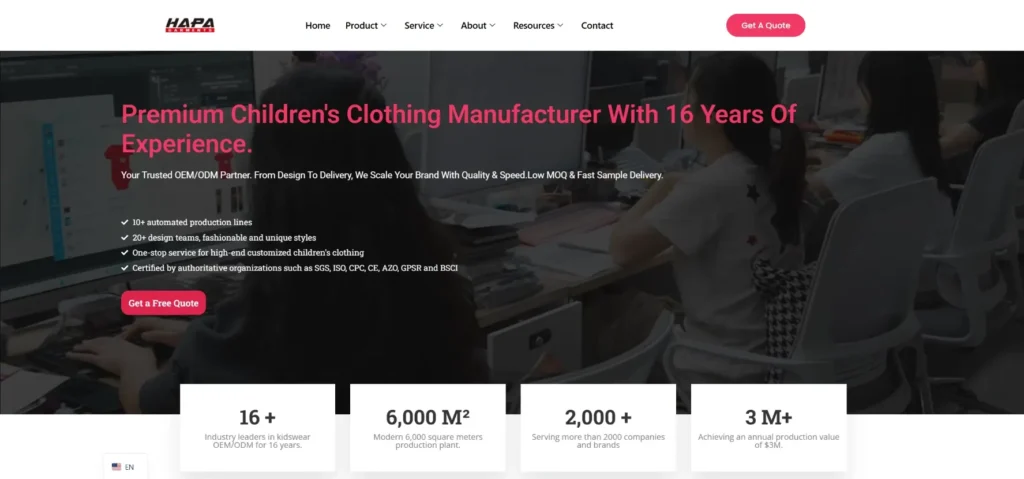
Partnering with HAPA Garments brings brands a manufacturer built specifically around children’s apparel, deep certification coverage for sensitive baby skin, and a streamlined OEM/ODM process that keeps bamboo production efficient from sample to shipment.
- Founded: 16+ years of OEM/ODM experience
- Country: China (Guangzhou)
- Product lines: Children’s T-shirts, loungewear, sleepwear, rompers, bodysuits, knitwear, sportswear, and seasonal collections
- Reach: 1,500+ kidswear brands across 25 countries
Bamboo fabric expertise built for babies and kids. At HAPA, bamboo isn’t a side offering tacked onto a generic catalog — it’s part of a dedicated program built for the segment that needs it most. We maintain an extensive bamboo viscose program with OEKO-TEX certification throughout, which matters when you’re dressing newborns and toddlers in fabric that sits against their skin all day. We pair bamboo viscose with other gentle, breathable fibers like organic cotton and Tencel, giving brands flexibility whether they’re developing footie pajamas, onesies, or everyday basics. If sensitive-skin sleepwear is part of your line, our guide to pajamas for kids with sensitive skin is worth a look.
Certified safety and sustainability standards for sensitive skin. Babies and young children have thinner, more permeable skin than adults, so certification isn’t optional when bamboo fabric touches a newborn. Our quality system is certified by SGS, ISO, CPC, CE, AZO, GPSR, and BSCI, alongside OEKO-TEX Standard 100 certified fabrics and GOTS organic certification options. For bamboo specifically, this means every component — fabric, thread, snap, and printed label — gets tested before it reaches a sample.
Full-package OEM/ODM service for efficient bamboo production. Bringing a bamboo kids’ line to market shouldn’t mean juggling five vendors. We run a 100 pieces per style or color minimum, with size mix-and-match eligible and small-batch trial orders welcome, plus an in-house, 20-person design team for full customization. Sampling typically takes 3–7 days, with bulk production running 15–20 days post-approval — fast enough that emerging baby and kids’ brands can test bamboo styles without locking up months of working capital before they know what sells.
2. Thygesen Textile Vietnam
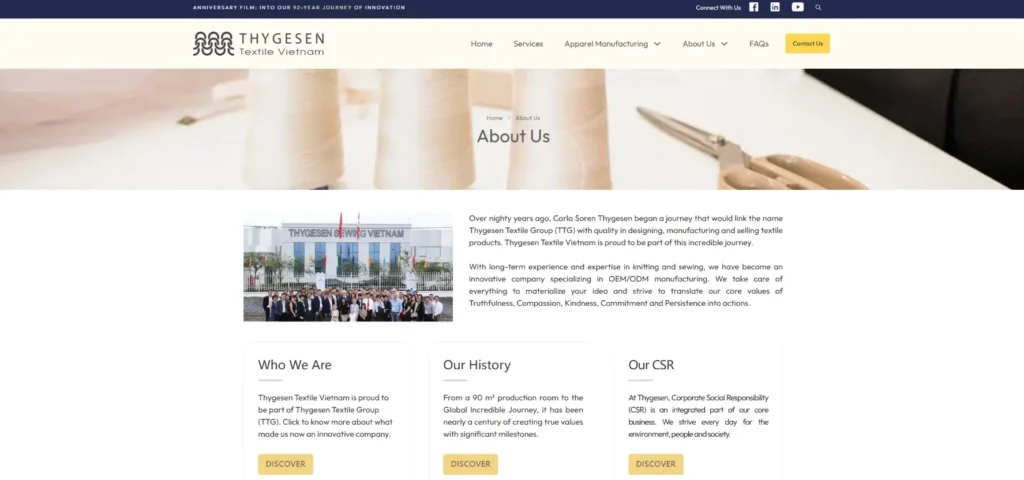
Rooted in a Danish textile group founded in 1931, Thygesen Textile Vietnam was established in 2004 and operates as a manufacturer specializing in OEM/ODM solutions. The company sources eco-friendly materials, including bamboo fabrics with natural antibacterial and moisture-wicking properties, and has supplied bamboo activewear and sleepwear to brands such as Boody and Girlfriend Collective. Its SA8000 and WRAP-certified facilities make it a strong option for brands prioritizing ethical compliance.
Best for: Mid-to-large brands focused on bamboo activewear, underwear, and high-performance knits.
3. Royal Apparel
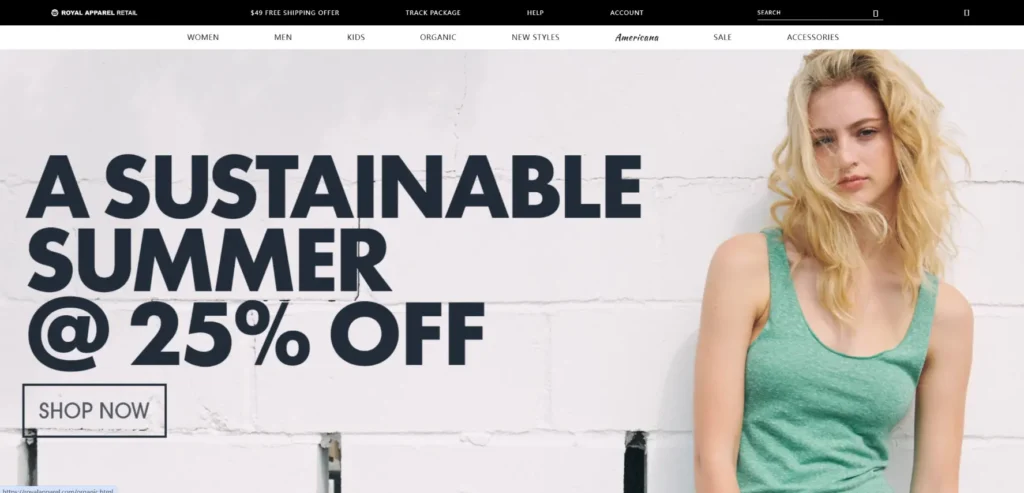
Not every brand wants to deal with overseas shipping, customs delays, and freight forwarding. Royal Apparel is a US-based manufacturer known for its large catalog of sustainable wholesale blanks.
Why they stand out: They offer ready-to-ship bamboo viscose and organic cotton blends. While custom manufacturing is available, their real strength is letting buyers purchase blank bamboo tees, hoodies, and loungewear domestically, bypassing international supply chain headaches entirely.
Best for: Boutique owners, screen printers, and domestic e-commerce brands needing fast turnaround and low MOQs.
4. Appareify
Appareify is a tech-forward custom clothing manufacturer based in China, with a reputation for bridging high-end manufacturing capability with the needs of agile, modern fashion startups.
Why they stand out: Strong R&D capabilities paired with sustainable fabric sourcing. If you have a unique tech pack or need help developing a proprietary bamboo blend, their team tends to be responsive and geared toward bringing complex custom designs to market quickly.
Best for: Startups and streetwear brands needing a range of bamboo garments, from standard t-shirts to multi-fabric cut-and-sew pieces.
5. Hongyu Apparel
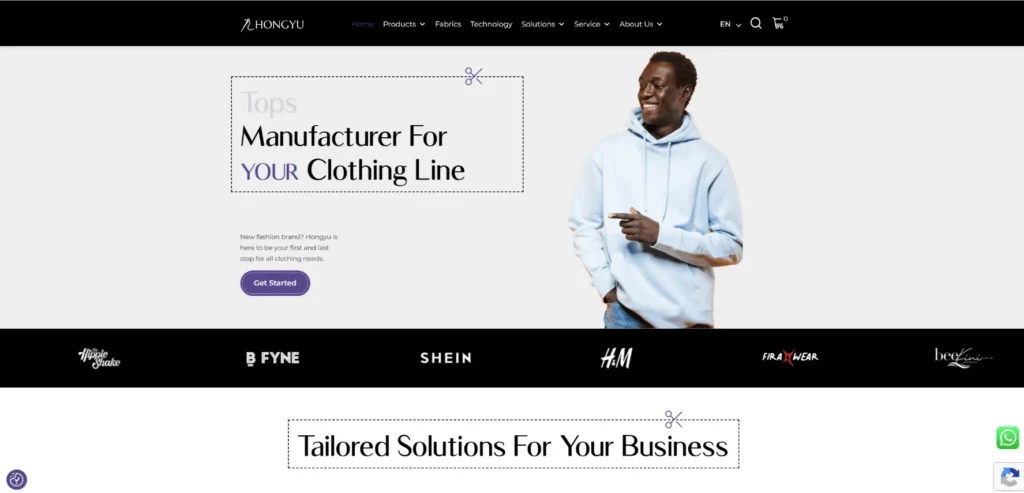
With over two decades of garment manufacturing experience, Hongyu Apparel operates out of Dongguan, China — one of the world’s major textile hubs — as a full-service factory capable of producing a wide range of apparel styles.
Why they stand out: End-to-end service that includes pattern making, fabric sourcing, and multi-stage quality control. Their established supply relationships give them reliable access to bamboo viscose and lyocell, which helps keep fabric consistent from first sample to repeat bulk orders.
Best for: Brands needing a one-stop shop for diverse collections that mix bamboo basics with other materials like denim or heavier outerwear.
Compliance and Certifications Your Bamboo Apparel Suppliers Should Have
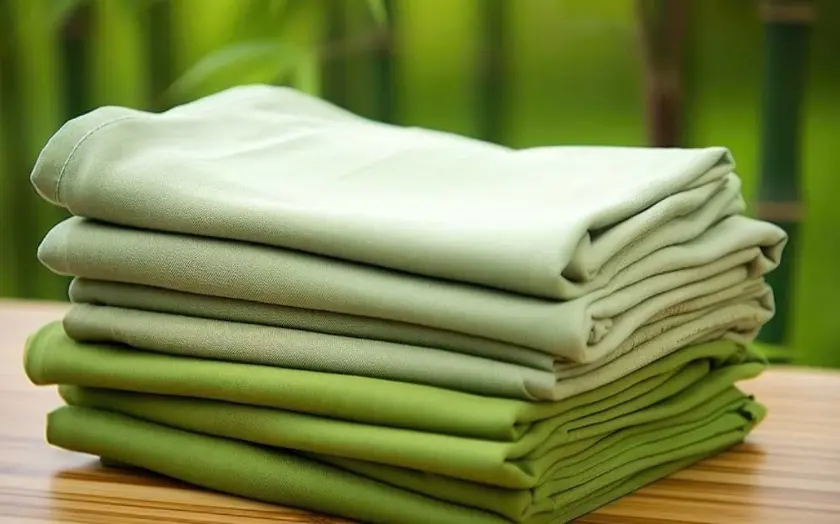
Certifications separate suppliers who genuinely meet safety and sustainability standards from those simply claiming to — and they protect both your brand and your customers.
- OEKO-TEX Standard 100: Tests every component — fabric, thread, dye, buttons — for harmful substances. Class I applies to baby and toddler products, where limit values are strictest due to thinner, more permeable skin.
- GOTS (Global Organic Textile Standard): Verifies organic fiber content while covering the entire production chain, including dyes, water treatment, and labor conditions, not just the raw bamboo itself.
- ISO 9001: Confirms a supplier maintains consistent quality management systems across production, which reduces the risk of batch-to-batch inconsistency in bamboo viscose or modal fabrics.
- CPSIA compliance (US market): Mandatory for the US market, with specific flammability requirements for children’s sleepwear under 16 CFR Parts 1615 and 1616.
- REACH regulation (EU market): Imposes strict limits on hazardous substances, requiring Substances of Very High Concern to stay under 0.1% of total product weight per component.
- Social compliance certifications (SA8000, BSCI, WRAP): Confirm ethical labor practices, fair wages, and safe working conditions — something that increasingly matters to retailers and end consumers alike.
- Country-specific safety standards (ACCC, CPSC): Local regulators such as Australia’s ACCC or the US CPSC enforce additional rules around choking hazards, drawstrings, and dye safety for children’s bamboo apparel.
A quick gut check before signing with any supplier: ask for current, verifiable certificates — not just a logo on their website — and confirm the certification actually covers the finished garment, not only the raw bamboo fiber.
HAPA’s Bamboo Clothing Collection for Private Label Kidswear Brands
When sourcing for the infant and children’s market, B2B buyers need more than a standard factory — they need a partner that understands the specific demands of baby-safe apparel. HAPA Garments has built its bamboo clothing collections around the strict safety, comfort, and sustainability requirements that eco-conscious parents now expect.
A Comprehensive Range of Customizable Bamboo Kidswear
We offer a full spectrum of baby and children’s apparel, customizable to fit your brand’s tech packs, size charts, and aesthetic. Because we manage the entire OEM and ODM process in-house, brands can build cohesive collections without juggling multiple suppliers.
- Newborn essentials: Ultra-soft, hypoallergenic bodysuits, sleepsuits, hats, and scratch-free mittens designed for delicate newborn skin.
- Premium sleepwear: Breathable, temperature-regulating zip-up rompers, sleep sacks, swaddles, and footed pajamas favored by parents of kids with sensitive skin or eczema.
- Everyday playwear and loungewear: Durable tops, bottoms, and sets that hold their shape and color through repeated washing.
- Seasonal collections: Lightweight, moisture-wicking summer gear through to cozy, layered winter essentials.
Why HAPA’s Bamboo Fabric Excels in the Kidswear Market
We don’t treat bamboo as a generic add-on to our catalog — it’s a fabric we’ve built specific expertise around for the segment that needs it most.
The science of softness. We use high-grade bamboo viscose, known for its smooth, round microscopic fiber structure. This eliminates the rougher micro-texture found in conventional fabrics, so garments glide gently over skin without causing friction or micro-abrasions.
Naturally hypoallergenic and safe. Bamboo fabric is naturally resistant to dust mites and common environmental allergens. Because the extrusion process already produces a soft thread, it doesn’t require the harsh chemical softeners often used on synthetic baby clothes.
Superior moisture-wicking. Babies struggle to regulate their own body temperature, and bamboo viscose acts as a built-in capillary system, drawing moisture away from the skin and spreading it out for faster evaporation — keeping infants cool in summer and dry in winter.
Full-Service Manufacturing Built for Brand Growth
We’re structured to support both emerging boutique brands and scaling retail labels, with a full suite of B2B manufacturing services.
- End-to-end OEM and ODM support: From initial 3D mockups and tech pack creation to custom dyeing, private labeling, and final packaging, we handle the entire supply chain.
- Strict safety compliance: Our production floor follows rigorous safety protocols, with fabrics regularly tested for shrinkage, colorfastness, and chemical safety, including OEKO-TEX Standard 100 certification.
- Low MOQs and fast sampling: We offer flexible, low minimum order quantities so brands can start small and scale as styles prove themselves, with a 15–30 day turnaround for pre-production samples.
Conclusion
Finding the right wholesale bamboo clothing supplier takes more than a quick search. By prioritizing certifications, verifying factory credentials, and understanding which fiber type fits your product, you put yourself in a much stronger position to secure a reliable manufacturing partner — and build a sustainable, well-made apparel line on top of it.
FAQ
What is the minimum order quantity (MOQ) for wholesale bamboo clothing?
MOQs vary by factory, but many manufacturers offer 100–300 pieces per style or color for bamboo clothing, with some allowing size mix-and-match. Startups should ask about trial orders before committing to a larger bulk run.
Is bamboo fabric clothing actually eco-friendly?
Bamboo grows quickly with minimal pesticides and less water than cotton, giving it a genuine sustainability edge. That said, the viscose processing method affects environmental impact, so look for suppliers using closed-loop production along with OEKO-TEX or GOTS certification.
How much does wholesale bamboo clothing cost compared to cotton?
Bamboo fabric typically costs 10–20% more than conventional cotton due to processing complexity, though pricing narrows at higher order volumes. Factor in fabric blend, certifications, and order size when comparing supplier quotes.
What certifications should a bamboo clothing supplier have?
Look for OEKO-TEX Standard 100 for chemical safety, GOTS for organic fiber claims, and ISO 9001 for quality consistency. For children’s wear specifically, confirm CPSIA or ACCC compliance depending on your target market.
Where are most wholesale bamboo clothing manufacturers located?
China and Vietnam lead bamboo clothing manufacturing, given their established textile infrastructure and bamboo fiber processing capacity. Some manufacturers in the US and India also offer bamboo blends, though usually at higher price points or smaller scale.