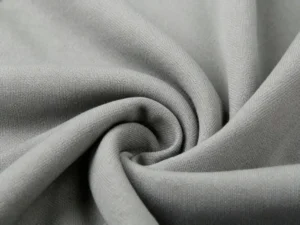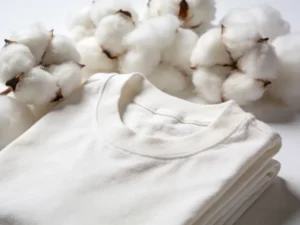
If you’re searching for a fabric that delivers a buttery-soft hand feel combined with the silky-smooth drape of luxury silk, modal fabric is your definitive solution. Widely hailed as the “King of Lingerie,” modal outperforms conventional cotton in several key attributes, making it the ideal choice for baby apparel and next-to-skin garments.
For manufacturers and end consumers alike, modal is rapidly taking the global fashion industry by storm — with applications spanning from luxury loungewear to high-performance activewear. In this comprehensive guide, we take an in-depth look at what is modal fabric, its manufacturing process, and weigh the modal fabric pros and cons to help you decide if it’s right for your brand.
What Is Modal Fabric?
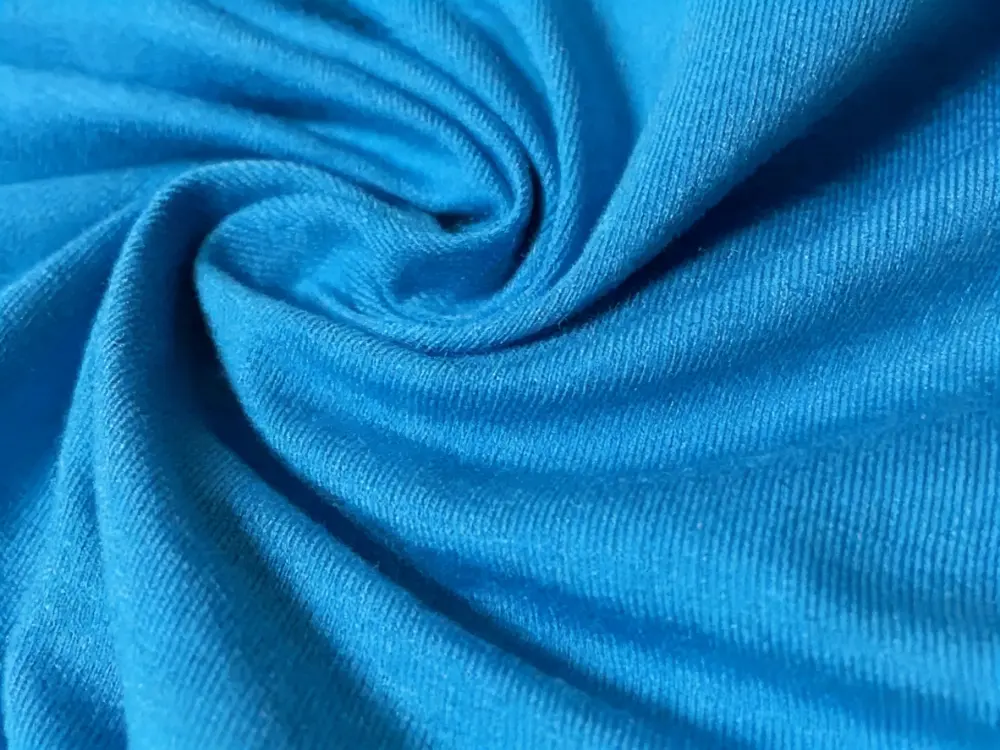
Modal is a semi-synthetic fiber made from beech tree pulp, classifying it as a semi-synthetic textile. It belongs to the rayon family, yet delivers significantly higher wet strength and superior durability compared to standard viscose fiber. Its core properties include a silky-smooth hand feel, exceptional breathability, robust tensile strength, and eco-friendly credentials.
Conventional rayon is fragile and highly prone to shrinkage, while modal fabric is treated with a specialized manufacturing process that makes it far sturdier and more durable, with an ultra-soft hand feel and excellent pill resistance. Today, it is one of the most widely used premium fabrics in the next-to-skin apparel and home textiles sectors.
Origins: From Beech Tree to Fiber
The origins of modal fabric date back to the mid-20th century. It was refined, developed, and famously commercialized by the Austrian textile giant Lenzing AG. Sourced from European beech wood pulp, modal utilizes an innovative spinning process that delivers enhanced wet modulus strength (hence the name “Modal”).Since its launch, modal has steadily become a cornerstone material in the global high-end textile market, celebrated for its unparalleled softness and sustainable, closed-loop production process. To this day, Lenzing AG remains the gold standard for premium modal fiber.
Is Modal a Natural or Synthetic Fiber?
While modal’s raw material is derived from nature, it is neither a purely natural fiber nor a fully synthetic fiber. Instead, it is a regenerated cellulose fiber that sits between the two categories, and is universally classified as a semi-synthetic fiber.
To be precise, modal fabric is a high-performance semi-synthetic fiber made from natural plant-based raw materials, manufactured through controlled scientific and industrial processes. It marries the natural comfort of plant-derived materials with the functional benefits brought by modern textile technology.
A Brief History of Modal: From Invention to Mainstream Fashion
Modal fiber has a rather unique origin story: surprisingly, it was not initially developed for apparel, but as an industrial material used in products including tire cord, conveyor belts, and industrial hoses.
In the 1960s, Austrian firm Lenzing AG pioneered the production of modal, before further refining and commercializing it in the 1980s, unlocking the ultra-soft hand feel that it is renowned for today.
To address the lack of structural rigidity in 100% modal fabrics, manufacturers began blending it with other fibers. This innovation is why modal for kids clothing and luxury loungewear became immensely popular in the European, American, Japanese, and South Korean markets.
How Is Modal Fabric Made?
Modal is technically classified as a regenerated cellulose fiber. This means it starts as a natural raw material, which is then transformed through chemical processing into the soft, durable fabric we know today. Below is the step-by-step journey from forest to fashion:
Step 1: Beech Tree Harvesting

The manufacturing process begins with the harvesting of European beech trees (scientific name: Fagus sylvatica). These trees are primarily sourced from sustainably managed forests across Europe, where they grow naturally without the need for artificial irrigation or intensive farming.
After harvesting, the hardwood logs are stripped of their bark and cut into small, stamp-sized wood chips.
Step 2: Cellulose Extraction (Pulping)
The wood chips undergo a rigorous purification process to extract cellulose — the natural polymer found in the cell walls of plants.
By removing lignin and other impurities, manufacturers process the coarse wood chips into a thick, pure white wood pulp, which serves as the base raw material for the final fabric.
Step 3: Soaking and Shredding
The solid pulp sheets are soaked in a sodium hydroxide (caustic soda) solution. This chemical bath breaks down the cellulose structure, preparing it for subsequent processing.
After soaking, the pulp sheets are shredded into fluffy white crumbs. These crumbs are then aged in oxygen-controlled vessels to further depolymerize the cellulose.
Step 4: Viscose Solution Preparation
This is the transformative step where solid material is converted into liquid. The white crumbs are mixed with carbon disulfide, which converts them into an orange substance called cellulose xanthate.
This orange mixture is then redissolved in a caustic soda solution, forming a thick, honey-like liquid known as viscose solution. The viscose solution is filtered to remove any impurities that could compromise the strength of the final fiber.
Step 5: Fiber Spinning (Spinneret)
The viscous liquid is extruded through a device called a spinneret — a metal plate with thousands of microscopic holes, similar to a showerhead.
As the liquid is forced through the holes, it is extruded directly into a chemical bath containing sulfuric acid. The moment the liquid comes into contact with the sulfuric acid, it instantly solidifies (regenerates) into long, continuous filaments.
Step 6: Stretching and Washing
While the fibers are still setting, they undergo mechanical stretching. This critical step aligns the internal molecular structure of the fiber, giving modal its signature strength and durability (high wet modulus).
Finally, the fibers are thoroughly washed to remove all chemical residues, bleached to a bright white finish, and dried. At this stage, they are ready to be wound into yarns for weaving and knitting.
Modal Fabric Pros and Cons
Modal stands out among countless fabrics, but like any material, it has its strengths and weaknesses. Here is a breakdown of the key modal fabric pros and cons:
Key Advantages of Modal Fabric
Modal stands out among countless fabrics as the preferred choice for lingerie, loungewear, and high-end fashion, thanks to its remarkable suite of performance properties. It not only resolves many longstanding pain points of traditional natural fibers like cotton but also vastly outperforms conventional synthetics in sustainability.
Below are the 5 core advantages that make modal a game-changer:
1. Unmatched Softness
The most immediate and standout benefit of modal fiber is its incredible hand feel. Often described as silky-smooth or buttery-soft, its sleek surface delivers a cool, luxurious next-to-skin experience. Unlike cotton fabrics, which can gradually turn stiff or scratchy from mineral deposits in hard water and laundry detergents, modal fibers retain their softness permanently.
This is because the smooth surface of modal fibers effectively prevents mineral buildup from hard water. Whether washed 10 times or 100 times, modal garments maintain the same plush softness as the day they were purchased, making them the ideal choice for loungewear and intimate apparel.
2. Superior Breathability & Moisture Management
Modal fiber excels at regulating body temperature. Its internal structure is composed of tiny hydrophilic (water-attracting) pores that absorb moisture at an exceptional rate. In fact, studies show that modal fiber has approximately 50% higher moisture absorption capacity than cotton fabric.
Instead of trapping sweat against the skin like many other fabrics, modal rapidly absorbs moisture and releases it into the atmosphere. This outstanding breathability keeps you cool in the summer and dry during physical activity, eliminating the sticky, clammy feel commonly associated with synthetic fabrics like polyester.
3. Shape Retention & Anti-Pilling Durability
One of the biggest drawbacks of natural fibers is their tendency to pill and shrink. Modal solves this with its high fiber strength and long filament length.
- Less Pilling: The smooth fiber surface creates significantly less friction during wear and washing, meaning far fewer annoying “fuzz balls.”
- Shape Stability: Thanks to its High Wet Modulus (HWM), modal maintains its structural integrity even when wet. While cotton can shrink dramatically in the dryer, modal holds its shape exceptionally well.
4. Hypoallergenic & Skin-Friendly
For those with sensitive skin, eczema, or allergies, modal is a superior choice.
- Smooth Structure: Unlike wool or even some cotton fibers, modal has a perfectly round, smooth cross-section with none of the scaly surfaces that cause micro-abrasions.
- No Static: As a cellulose fiber derived from beech wood, it does not generate static electricity like synthetics, making it completely non-irritating and ideal for baby apparel and intimate wear.
5. Eco-Friendly and Sustainable
While no fabric can claim to have zero environmental impact, modal fiber is a standout leader in the sustainable fashion space. Its primary raw material, beech wood, is a renewable resource that grows naturally without the need for artificial irrigation or intensive farming.
Furthermore, beech forests are abundant and regenerate naturally. Compared to cotton, modal fiber production requires far less land, and uses 10 to 20 times less water. When produced in a closed-loop system (such as TENCEL™ Modal), up to 99% of water and processing solvents are recovered and reused, minimizing environmental pollution to the greatest extent possible.
Disadvantages of Modal Fabric
While modal is celebrated for its exceptional softness and sustainable credentials, it is not without limitations. Understanding these nuances is critical before selecting it for your product line.
Higher Price Point
Modal fiber typically carries a higher price tag than conventional cotton or synthetic fibers like polyester—a cost difference driven entirely by its complex manufacturing process.
- The Cost Driver: While cotton requires simple harvesting and ginning, modal must undergo intricate chemical processing to transform beech wood into usable fiber.
- The Premium: This process involves specialized equipment, closed-loop solvent recovery systems (especially for eco-friendly variants like TENCEL™ Modal), and sourcing from European forests. Consequently, high-quality modal garments are positioned as premium products, typically costing 20–30% more than their cotton equivalents.
Structural Fluidity (Potential for Stretching)
The very property that gives modal its stunning drape—its silky, fluid flow—can also be a challenge if not managed correctly. 100% modal fabric is exceptionally soft but lacks the crisp structural rigidity of cotton.
- The Risk: In heavier garments (like maxi dresses), the fabric’s own weight can cause it to stretch and sag over time, especially if hung on a hanger while damp.
- The Solution: To solve this, manufacturers almost always produce modal blends. By blending modal with cotton (for structural support) or spandex/elastane (for shape recovery), brands can retain the signature softness while ensuring the garment holds its perfect fit even after years of wear.
Common Modal Blended Fabric Solutions
As mentioned above, the industry rarely uses 100% pure modal to make garments. Instead, by blending it with fibers such as spandex, cotton, polyester, and lyocell, high-quality fabrics are created that strike a balance between comfort, stability, durability, and cost-effectiveness.
| Blend Partner | Common Ratio (Recipe) | Why Blend? (The “Magic”) | Texture & Feel | Best Application |
| + Spandex / Elastane | 95% Modal / 5% Spandex (or 92/8) | Stretch & Recovery. Pure Modal flows but doesn’t “snap back.” Adding Spandex gives it the elasticity needed for body-hugging fits without sagging. | Slinky, fluid, and “second-skin” smooth. Moves with your body. | Underwear, yoga leggings, fitted tank tops. |
| + Cotton | 50% Modal / 50% Cotton (or 60/40) | Structure & Durability. Cotton adds “crispness” and strength to the floppy Modal fiber. It makes the garment hold its shape better while retaining Modal’s softness. | Soft but substantial. Less shiny than pure Modal; feels more like a premium t-shirt. | Children’s clothing, casual tees, bed sheets, pajamas. |
| + Polyester | 65% Poly / 35% Modal (or 50/50) | Cost & Performance. Polyester adds extreme durability and wrinkle resistance while lowering the price. Modal cuts the “plastic” feel of poly. | Smooth, durable, and cool. Resists fading and shrinking perfectly. | Activewear, uniforms, fast-fashion dresses. |
| + Linen | 70% Modal / 30% Linen (or 55/45) | Wrinkle Reduction. Linen is famous for wrinkles and roughness. Modal softens the harsh texture and allows the fabric to drape elegantly instead of creasing stiffly. | “Slubby” yet soft. You get the visual texture of linen without the scratchiness. | Summer dresses, button-down shirts, luxury resort wear. |
Modal vs. Cotton: Which is Better?
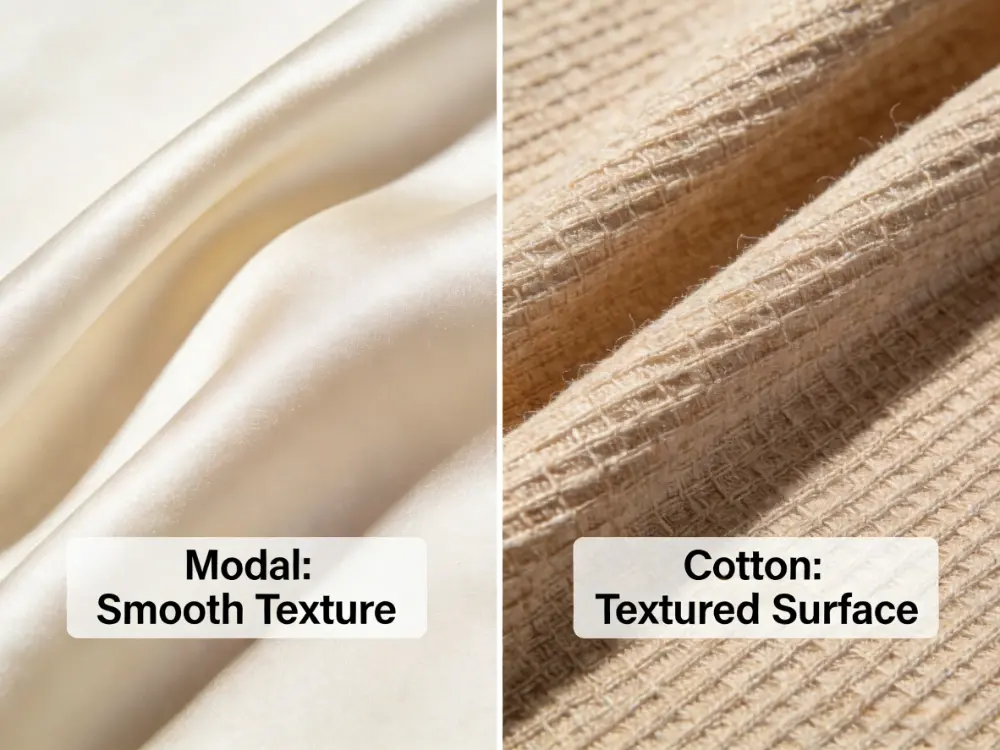
Both modal and cotton are exceptional, widely adopted fabrics in the global apparel industry, with a fundamental difference in their production methods and core performance attributes. Cotton is an unmodified, direct gift from nature, while modal is a high-performance regenerated fiber — a refined, tech-enhanced evolution of natural plant materials, engineered for elevated functionality.
So Which Should You Choose?
Choose modal if you’re seeking a silky, second-skin hand feel, paired with reliable shrink resistance and wrinkle resilience. It is the perfect fabric choice for intimate apparel and modal for kids clothing.
Choose cotton if you require structural rigidity. While modal offers superior drape, comparing it against durable cotton cloth types (such as denim or heavy canvas) reveals that cotton is still the undisputed king for rugged, hard-wearing garments. It is the ideal pick for classic T-shirts, denim jeans, and woven button-down shirts.
Here is a detailed breakdown of how they compare.
| Feature | Free People So Soft Seamless Modal Tee (Modal) | UNIQLO Supima Cotton T-Shirt (Cotton) |
| Feel | Silky, smooth, cool to the touch | Crisp, textured, natural softness |
| Durability | Resists pilling and shrinking; holds color well | Strong but can shrink and wrinkle; fades over time |
| Breathability | High moisture wicking (absorbs sweat) | High airflow (lets heat escape) |
| Maintenance | Delicate; wash cold, air dry or low heat | Low maintenance; withstands hot water |
| Best For | Underwear, sleepwear, drapey tops | Jeans, structured tees, button-downs |
In summary, when debating modal vs cotton, a blend is often the perfect middle ground, merging cotton’s cost-effectiveness with modal’s soft, skin-friendly properties.
Is Modal Sustainable?
With rising sustainability demands in global fashion, modal’s eco-friendly status is a key question: its green credentials fully hinge on manufacturing and raw material sourcing.
Modal is derived from beech tree pulp. Beech trees use 10–20x less water than cotton, require no irrigation or pesticides, deliver higher land yield, and pure modal is fully biodegradable — making it inherently more sustainable than conventional cotton and polyester at the source.
Still, modal has notable sustainability risks: unregulated sourcing causes deforestation and biodiversity loss; production uses chemicals like carbon disulfide, which harms workers and ecosystems without closed-loop systems; production standards vary wildly worldwide.
Certified TENCEL™ Modal from Austrian Lenzing AG is the market’s most sustainable choice. It adopts a closed-loop process recycling over 99% of solvents and water, sources wood only from certified sustainable forests, and is the global gold standard for eco-friendly modal.
Best Applications for Modal Fabric
Modal has evolved from an innovative niche fiber to a core staple in mainstream fashion and home living. Its inherent properties align perfectly with the diverse needs of modern consumers, offering a blend of luxury and functionality.
1. Apparel Sector: The “Second Skin” Experience
In the apparel industry, modal is dominant in categories requiring superior skin-friendly comfort.
- Intimates & Loungewear (Core Category)
This is the definitive application for modal. With its unparalleled softness and breathability, modal is the premium choice for bras, underwear, pajamas, and robes. It delivers gentle, all-day comfort, making it especially suitable for sensitive skin. - Active & Yoga Wear
Modal boasts 50% higher moisture absorption than cotton. It rapidly wicks sweat to keep the skin dry, eliminating that sticky, clammy feeling post-workout. When blended with spandex, it offers unrestricted stretch, making it perfect for low-intensity activities like yoga, Pilates, and barre. - Premium T-Shirts & Tops
Modal T-shirts have become a staple for daily commuting thanks to their fluid drape and wrinkle resistance. Unlike cotton, which can look stiff or boxy, modal offers a flattering, premium silhouette that retains its shape and color brilliance wash after wash. - Dresses & Base Layers
Modal’s exceptional drape makes it ideal for form-fitting dresses and base layers. It follows the body’s curves for a slimming fit without restriction, while its anti-static properties prevent unwanted clinging.
2. Home Textiles: Affordable Luxury
Modal’s comfort extends beyond apparel, quietly redefining consumer expectations for high-quality bedding and bath products.
- Bedding (Sheets & Duvets)
Modal bedding delivers a lustrous finish comparable to pure silk, but at a more accessible price point and with far simpler care requirements. Its thermoregulating properties keep users cool in summer and cozy in winter. - Towels & Bathrobes
Modal towels offer superior water absorption compared to cotton, drying the body rapidly with an ultra-gentle touch. This makes them ideal for infants and people with sensitive skin. - Blankets & Throws
Blankets and pillowcases made from modal feature a “cloud-like,” buttery-soft hand feel, adding a layer of warmth and elevated comfort to sofas and bedrooms.
3. Infant & Toddler Products: The Gentlest Touch
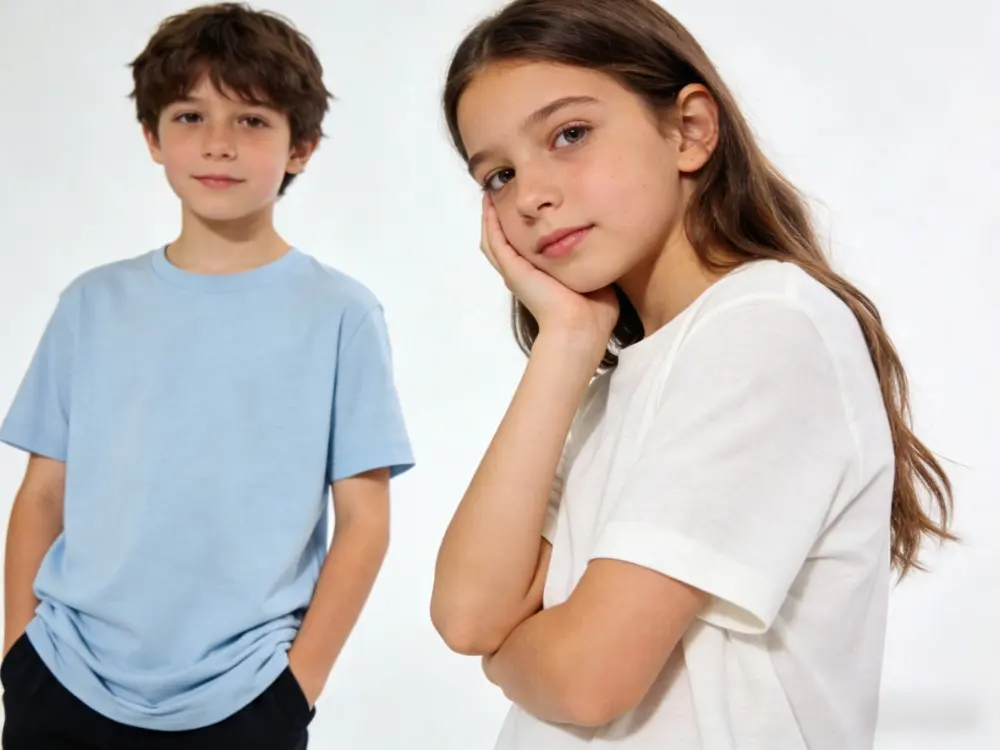
With its hypoallergenic and non-irritating properties, modal is widely used in the production of baby rompers, sleeping bags, bibs, and swaddles. For babies with delicate or eczema-prone skin, modal is a gentler, safer choice. This is exactly why many premium kidswear brands have shifted to using modal blends for their rompers and base layers to differentiate their products in a crowded market.
Why Fashion Brands Prefer Modal Fabric
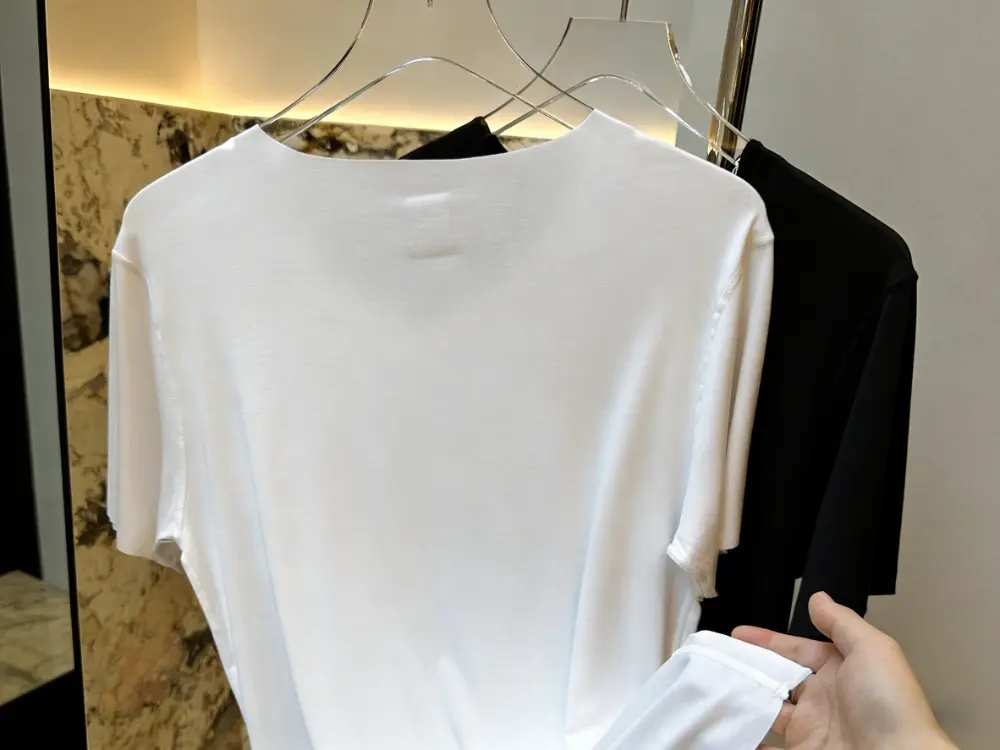
Fashion brands and apparel manufacturers widely favor modal fabric for its near-perfect balance across three core pillars: commercial value, finished garment performance, and alignment with global sustainability trends.
With over 16 years of industry experience, you’ve likely seen modal emerge as both a consumer favorite and a production standout. Below are the core reasons for its industry-wide acclaim and adoption:
- Exceptional Blending Versatility
Modal blends seamlessly with nearly all textile fibers, including cotton, spandex, polyester, and TENCEL™ Lyocell. This lets manufacturers fine-tune the fabric’s softness, stretch recovery, structure, and production cost to match product positioning. From high-end luxury lines to mass-market everyday styles, modal delivers unmatched adaptability via custom blend ratios, outperforming most single fibers on the market. - Alignment With the Mainstream of Sustainable Fashion
Sustainable fashion is now the core trend of the global apparel industry. Sourced from renewable beech wood, pure modal fiber is fully biodegradable in natural environments, perfectly aligning with eco-friendly manufacturing principles. This helps brands build a responsible corporate image, while targeting high-value consumers willing to pay a premium for environmentally compliant, ethically produced products. - Superior Hand Feel With Inherent Premium Appeal
Modal’s signature silk-like smooth hand feel and elegant fluid drape create an instantly perceptible quality difference, with inherent premium and luxury attributes. This tangible differentiation unlocks greater pricing power for brands, driving significantly higher gross margins. - Outstanding Performance and Durability That Outperforms Cotton
Modal outperforms conventional cotton with superior pilling resistance and shrinkage control. Unlike cotton, which often turns stiff, misshapen or rigid after repeated washes, modal retains a garment’s original fit, silhouette and buttery-soft hand feel through long-term wear. It also boasts excellent inherent wrinkle resistance, which elevates consumers’ everyday wear experience and effectively cuts brand after-sales return rates caused by fabric performance issues.
Care Instructions: How to Wash Modal Fabric
Washing modal fabric properly is key to maintaining its buttery softness. Proper care will prevent stretching, deformation, and yellowing.
- Machine Washing
For routine machine washing, use cold or lukewarm water no warmer than 30℃, and select your washer’s gentle/delicate cycle. Always place the garment in a mesh laundry bag, and avoid washing it alongside items with zippers, denim, or hard hardware to minimize pulling, snagging and fabric abrasion. - Hand Washing
Hand washing is the gentlest option for modal fabric when possible. Use a mild, neutral laundry detergent and gently squeeze the fabric to clean. Never wring, twist or scrub aggressively, as this will easily stretch, sag and permanently deform the fabric. - Drying
After washing, gently press out excess water. Laying the garment flat to air dry in the shade, or hanging it loosely to dry, are the best methods.Always avoid direct harsh sunlight and high-heat tumble drying. High temperatures and UV rays will damage modal fibers, causing the fabric to stiffen, yellow, and lose its signature softness. - Storage & Extra Care Tips
When storing, keep the garment in a well-ventilated, dry space. Fold it for storage, and avoid long-term hanging, which can stretch and deform the fabric over time due to gravity.Do not use bleach or highly alkaline stain removers, as these will damage the fibers and cause fading and discoloration.
Modal Fabric Care Quick Reference Table
| Care Category | Recommended (Do) | Avoid (Don’t) |
| Water Temp | Cold water (below 30°C/86°F) | Hot water (causes shrinkage/damage) |
| Detergent | Mild or neutral laundry detergent | Bleach or harsh stain removers |
| Drying | Lay flat to air dry or Low heat tumble dry | High heat or wringing/twisting by hand |
| Ironing | Steam or Low heat with a pressing cloth | Direct high heat contact with the fabric |
| Storage | Fold and store flat | Hanging on thin wire hangers (causes stretching) |
Conclusion
In the fast-evolving global textile industry, modal fabric stands out for its irreplaceable advantages. Sourced from sustainably managed beech forests, it delivers a silk-like, buttery-soft “second-skin” hand feel, offering a luxurious texture and exceptional performance that conventional cotton simply cannot match.
However, selecting the right fabric is only half the battle. Execution is everything. Only by partnering with a professional manufacturing expert can you translate your design vision into tangible, market-ready bestsellers.
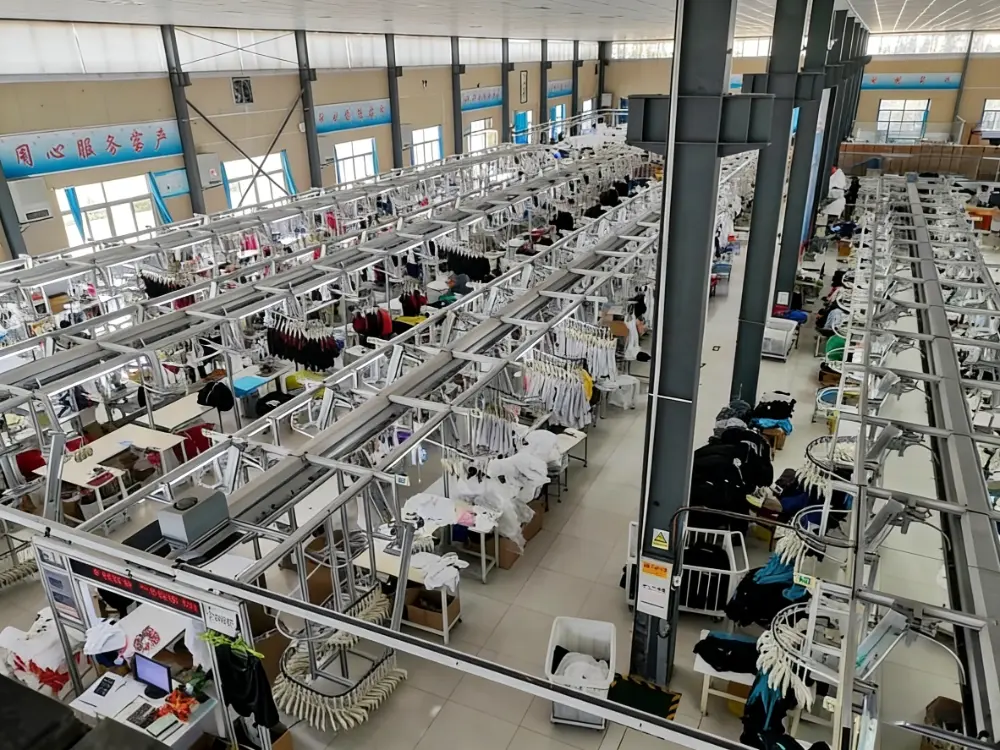
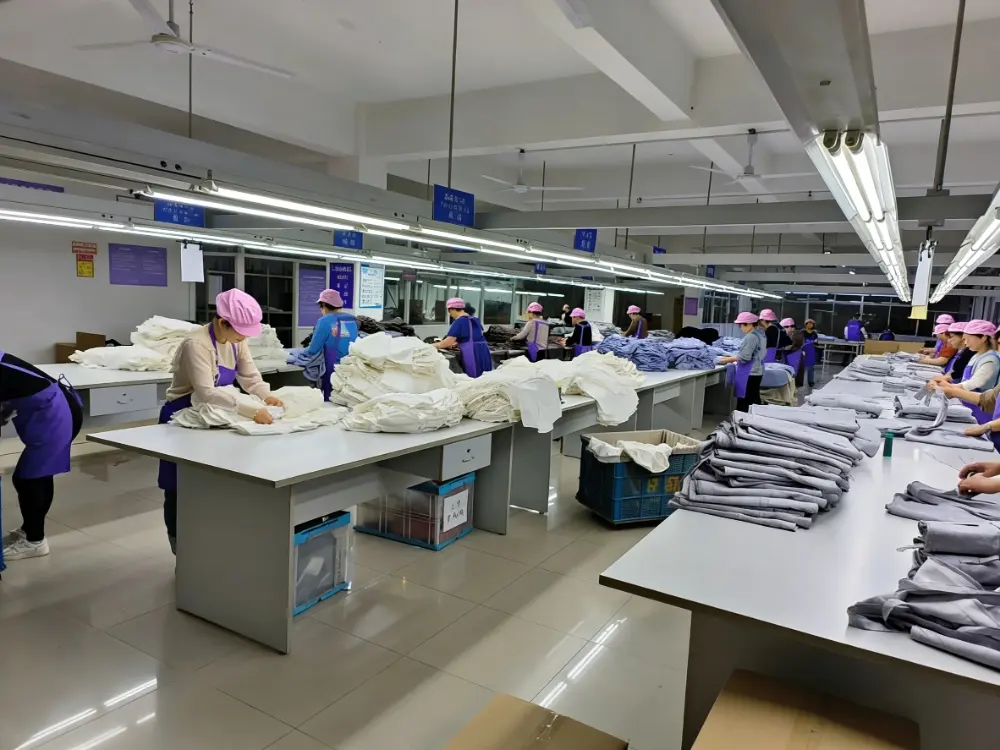
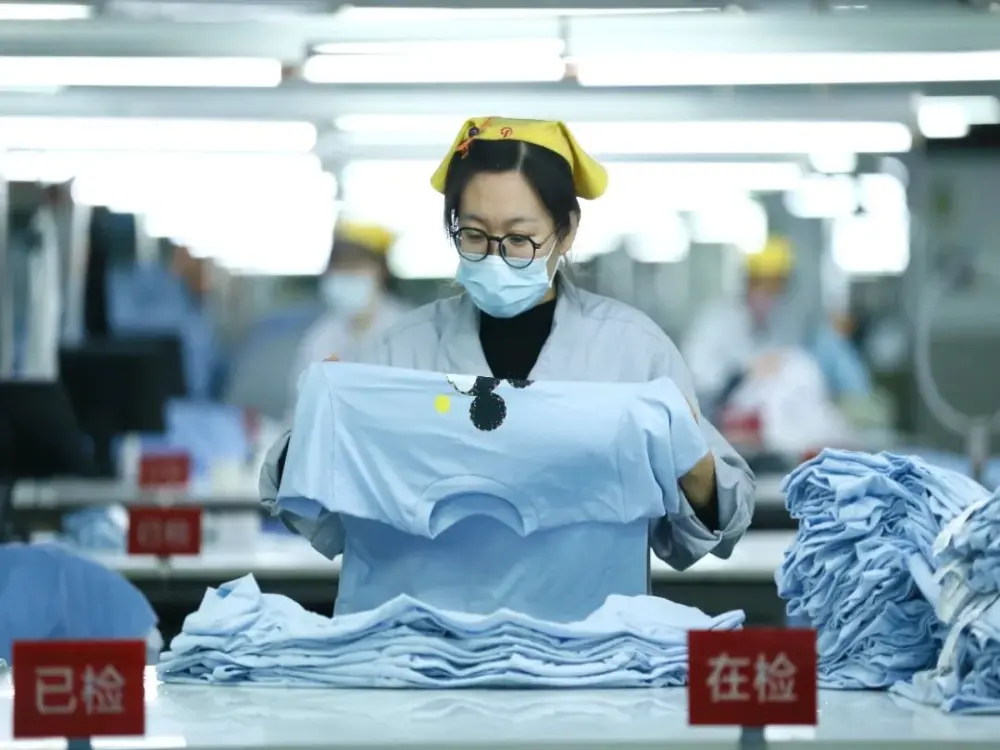
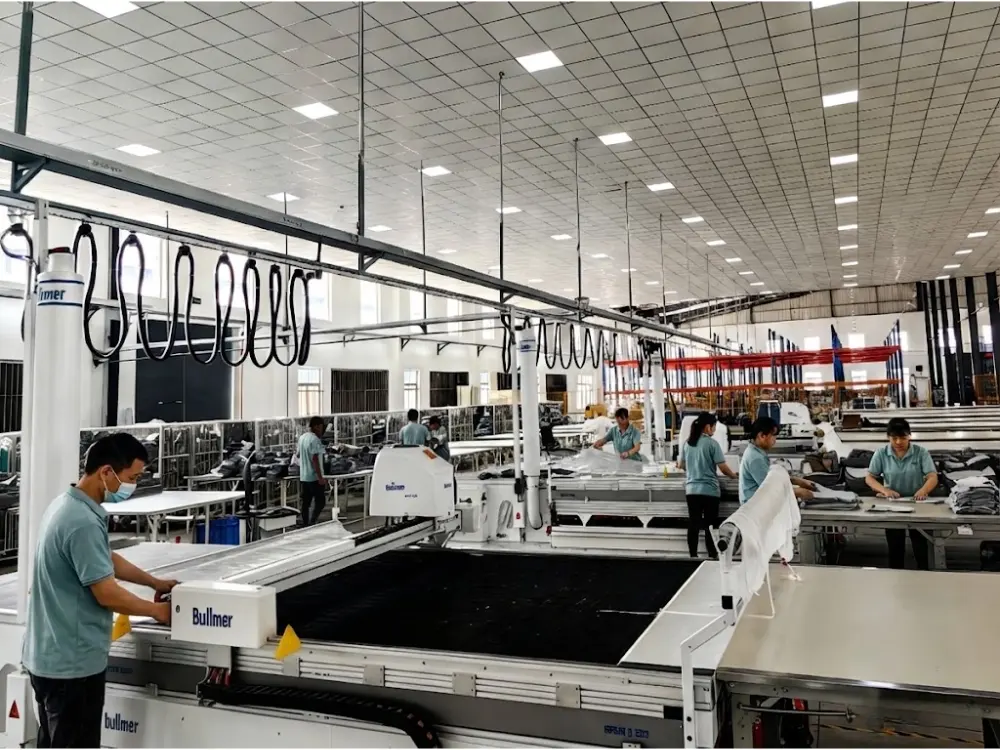
For over 16 years, HAPA has specialized in high-end children’s apparel manufacturer, with deep expertise in the end-to-end production of modal fabrics. From custom fabric blending and development to scalable bulk production, we maintain rigorous control over quality and compliance standards across the entire supply chain.
FAQ
Is modal fabric breathable for summer?
Yes, modal is an excellent choice for hot weather because it is roughly 50% more absorbent than cotton, allowing it to wick sweat away quickly.
Is modal the same as polyester?
No. What is modal fabric? It is a semi-synthetic fiber from beech trees, whereas polyester is plastic. Modal is breathable; polyester is not.
Does modal fabric shrink?
Modal is resistant to shrinking compared to cotton. However, when washing modal fabric, use cold water and air dry to guarantee zero shrinkage.
Is modal better than cotton?
In the modal vs cotton debate, modal is better for underwear and softness, while cotton is better for jeans and structure.
Is modal fabric breathable?
Yes, generally. Is modal sustainable compared to synthetics? Absolutely. It is biodegradable and uses less water, especially if produced via closed-loop systems like TENCEL™.