Summer’s back, and with it comes the question every parent finds themselves Googling between school pickups and sunscreen applications: what are kids wearing this summer? After a few seasons dominated by safe, beige-and-cream minimalism, children’s fashion in 2026 has made a sharp turn toward personality. Bold prints, breathable organic basics, and relaxed silhouettes built for actual movement are leading the charge—and the playground has never looked more stylish.
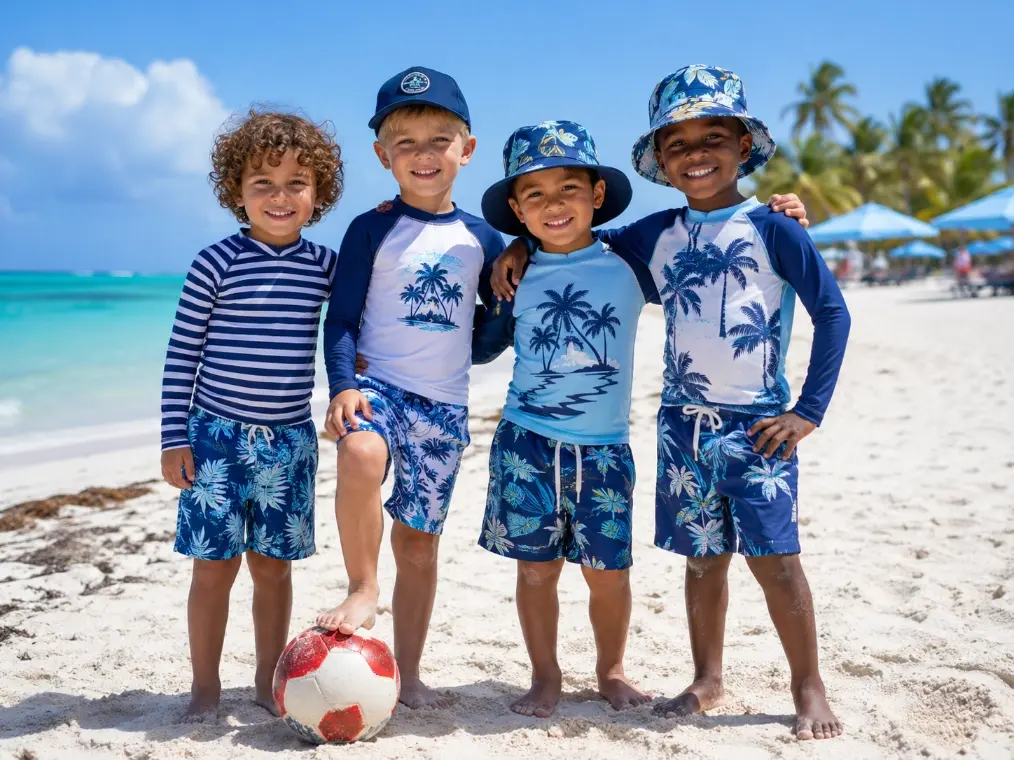
Before you start filling the cart, one piece of advice worth holding onto: embrace the bold prints dominating kids’ fashion trends this season. Beyond looking genuinely great, they do a remarkable job of disguising the ice cream spills that are essentially inevitable by noon.
Why Summer Fashion for Kids Requires More Thought Than You’d Think
There’s a version of me from a few years back who thought summer was the easy season. No coats, no layering arguments, no mysteriously missing mittens—just a tee and some shorts, and you’re done. One sweltering July afternoon, with a toddler covered in heat rash and a sunburn I still feel quietly guilty about, corrected that assumption fast.
The reality is that summer demands the most deliberate clothing choices of any season—and the physiology backs this up. Children have a higher surface-area-to-body-weight ratio than adults, they sweat less efficiently, and they’re often too absorbed in play to notice or admit when they’re overheating. The clothes you put on them aren’t just a style decision—they’re doing genuine physiological work.
Here’s what makes summer dressing categorically different from every other season:
- Sun exposure is relentless. Long, bright days mean sustained UV contact. Fabric choice and coverage matter far more than they do in cooler months.
- Overheating is a genuine risk. According to the American Academy of Pediatrics, young children are especially vulnerable to heat-related illness. Breathability isn’t a selling point in summer—it’s a safety requirement.
- Activity levels peak. Camp, pools, sprinklers, playgrounds—clothes take a serious beating, and your laundry pile will too.
- Skin is more reactive. Heat, sweat, and sun combine to irritate sensitive young skin quickly, particularly for babies and toddlers.
Understanding these realities is what separates a wardrobe that genuinely works from one that just looks good on a peg.
The 7 Biggest Kids’ Fashion Trends This Season (Kid-Approved)
I’ve worked through a lot of trend forecasts this year, and most of them feel like they were written by someone who has never had a four-year-old categorically refuse to wear “the scratchy shirt.” So I filtered everything through two honest questions: Is this actually trending? and Will a real kid actually wear it? These seven cleared both bars.
1. Sustainable Organic Basics — The Foundation Everything Else Builds On
If you’re asking what kids are wearing this summer at the most practical level, the answer starts here. Organic basics have crossed over from niche premium category to default starting point at almost every price range—and the reasons are straightforward.
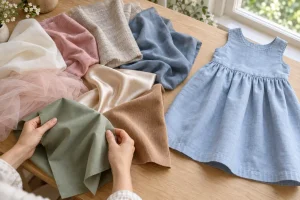
Organic cotton and linen breathe exceptionally well in heat, feel genuinely soft against sensitive skin, and skip the residual processing chemicals you’d rather not have sitting against a toddler’s body all day. Two summers ago, I switched my kids’ everyday tees to organic cotton, and the heat rash that used to reliably appear in July essentially disappeared.
For a deeper look at which materials hold up best in warm weather—including when natural fibers outperform synthetics and when a blend makes more sense—our guide to the best fabrics to wear in summer is worth bookmarking before you shop.
The core basics worth building first:
- 5–6 organic cotton tees in solid colors
- 3–4 pairs of breathable, elastic-waist shorts
- 2–3 linen-blend dresses or rompers
- 1 lightweight pullover for breezy evenings and over-air-conditioned spaces
Get these right and you’ve covered roughly 80% of summer without stress. For guidance on what to look for in everyday tees specifically, our breakdown of the best materials for t-shirts covers everything from GOTS-certified cotton to moisture-wicking blends worth knowing about.
2. Bold Tropical & 90s Retro Prints — Nostalgia Meets the Playground
Once the foundation is handled, this is where summer clothes for kids get genuinely fun. Prints are the defining statement of kids trends 2026, and they’re not apologizing for it.
The ones appearing everywhere right now:
- Palm leaves and tropical botanicals — fresh, summery, and endlessly photogenic
- Multi-tonal tie-dye — more refined than the original kitchen-sink versions of years past
- Vintage cartoons and 90s graphics — the nostalgia hit parents genuinely can’t seem to resist
One styling rule worth living by: one star per outfit. Let a single bold print carry the look and keep everything else quiet. A tropical-print tee pairs best with plain shorts; a tie-dye dress needs nothing more than simple sandals. My daughter once combined a tie-dye top with palm-print shorts and the result looked less “summer editorial” and more “unclaimed luggage.” Trust the one-print rule.
3. Gender-Neutral Tones — Versatile, Timeless, and Budget-Smart
Neutrals are the quiet workhorses of a well-planned summer wardrobe. Gender-neutral pieces earn their place not just aesthetically, but practically—they move between siblings without a second thought, which stretches every dollar further through the season.
The five shades dominating this summer:
| Shade | Pairs beautifully with |
|---|---|
| Warm sand / oatmeal | Almost everything |
| Sage green | Terracotta, cream |
| Terracotta / clay | Sage, sand |
| Soft cream | Any bold print |
| Dusty olive | Sand, cream |
A handful of pieces across these five shades can produce over a dozen coordinated outfits without a single clash. I keep a small neutral travel capsule for exactly this reason—I can reach into a dark suitcase and know any combination will work.
4. Oversized & Relaxed Silhouettes — Comfort Is Finally Fashion
Kids have always voted for comfort over structure. Fashion has taken a while to agree, but this season it finally does. Roomy, relaxed cuts are a dominant story in summer clothes for kids this year—and beyond looking great, they serve a real function. Loose clothing allows air to circulate, which actively helps kids stay cooler during extended outdoor play.
How to style relaxed pieces without losing shape:
- Pair an oversized tee with fitted bike shorts or slim leggings
- Try a simple front-tuck to define the waist on a baggy top
- Keep one element relaxed and one element neater
The practical bonus: oversized pieces buy extra months of wear as kids grow into them—a real advantage when a child can jump a full size between June and September.
5. Functional Performance Activewear — Play Clothes, Redefined
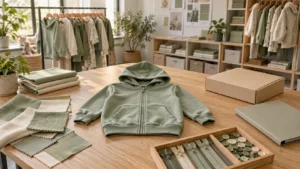
Activewear has officially left the gym. For children who spend most of their waking hours in motion, breathable tanks, bike shorts, and lightweight hoodies as everyday wear simply make sense—and this season, that’s exactly what you’ll see from the camp bus to the birthday party.
What to look for when shopping performance pieces:
- Built-in UPF protection — sun coverage that doesn’t require an extra layer
- Quick-dry fabric — essential for sprinklers, splash pads, and surprise puddles
- Flat, soft seams — a rough inner seam will end a long active day fast
- Four-way stretch — cartwheels and monkey bars demand full range of motion
If you’re interested in the technical side of what makes performance fabrics work—including why modal fabric earns a spot over standard cotton for active wear—it’s worth understanding the material before you shop.
6. Matching Family Sets — The Viral Summer Sensation
This is the trend that took over every social feed this season, and it’s genuinely fun—when handled with some restraint.
The spectrum runs wide:
| Approach | What it looks like | Best for |
|---|---|---|
| Subtle | Shared color palette, different pieces | Everyday wear, older kids |
| Coordinated | Matching prints, varied styles | Vacations, family gatherings |
| Head-to-toe | Identical outfits for everyone | Photos, special occasions |
Subtle matching looks intentional and polished; full coordination is best saved for the moments you actually want on camera. You also don’t need to buy a matching set to achieve the effect—plain tees in one shared color across the family, or a single print coordinated across separate pieces, reads as matching without the matching-set price tag.
7. Upcycled & DIY Fashion — Creative, Eco-Conscious, and Kid-Approved
This is the trend I find most genuinely exciting, because it sits at the intersection of sustainability and creativity—and kids love being part of the process.
Easy projects that actually get finished:
- Turn outgrown jeans into cut-off shorts—an instant summer staple
- Tie-dye plain white tees that have seen better days
- Add iron-on patches to cover stains or worn spots with personality
- Crop a too-short dress into a summer top
How to thrift effectively for kids:
- Shop off-season for the best prices on next year’s sizes
- Check seams and stains in good lighting before committing
- Focus on quality brands that hold up to repeated washing
- Don’t overlook the basics—gently used staples are where the real value lives
Because kids outgrow clothes so quickly, secondhand often just means barely worn. That makes thrifting both the smart financial move and the environmentally responsible one.
Age-Specific Summer Fashion: Toddlers to Tweens
The same trend that’s perfect for a tween can be a disaster for a toddler. What works depends on age, developmental stage, and—honestly—how many opinions your child has already developed. Here’s how the same season plays out across three very different stages.
Toddlers (1–3 Years): Function First, Always
At this age, function rules everything. You’re dressing a small person who can’t help with the process, may actively resist it, and has a patience window measured in seconds.
Non-negotiables at this stage:
- Snap and pull-on closures that survive diaper changes without drama
- Elastic waists—zero buttons to fight
- Durable, machine-washable fabrics (the stains are inevitable; make peace with it now)
- Tag-free, soft seams that won’t trigger a sensory meltdown
Rompers remain a toddler parent’s best friend: one piece, one decision, done. Skip anything delicate or complicated—it will not survive the sandbox.
Little Kids (4–7 Years): Playful, Expressive, and Increasingly Opinionated
This is the golden window for fashion fun. Kids at this age care what they wear but haven’t yet become self-conscious about it, so they’ll confidently pair a dinosaur tee with mismatched socks and full conviction. Lean into it completely.
- Bold prints and bright colors they get excited about choosing themselves
- Easy-on pieces that support independent dressing—a genuine developmental win
- Hook-and-loop shoes they can manage on their own
- Comfortable, unrestricted cuts for all-day, nonstop play
One tactic that consistently works: give choices within limits. “This shirt or that one?” keeps mornings moving while letting them feel genuinely in control.
Tweens (8–12 Years): Trend-Conscious and Ready to Lead
Everything shifts here. Tweens have firm opinions, follow kids’ fashion trends this season actively, and care deeply about how their peers perceive them. Your role changes from chief decision-maker to supportive advisor.
- Let them lead on style choices within your budget and values
- Lean into the trends they’re genuinely excited about—oversized fits, retro prints, coordinated sets
- Respect both their comfort and their self-image; at this stage, both matter intensely
Building the Perfect Summer Capsule Wardrobe
After years of overbuying and underusing, I finally learned the real secret to a summer wardrobe that actually works: you need fewer pieces than you think—but they have to be the right ones.
Here’s the core capsule I build for each of my kids every summer. These are the genuine workhorses—the pieces you’ll reach for every single day.
| Category | Why it earns its spot |
|---|---|
| Solid-color tees | Mix with everything; layer or wear standalone |
| Breathable shorts | Elastic-waist, all-day comfort |
| Dresses or rompers | One-and-done outfits for the hottest days |
| Swimwear + rash guard | Sun safety, plus a backup while one dries |
| Lightweight pullover | For breezy evenings and aggressively air-conditioned spaces |
| Everyday sandals | Adjustable, supportive, and water-friendly |
| Sneakers | For high-energy, run-around days |
| Sun hat | The single hardest-working accessory you’ll own |
A quick mental checklist before anything goes in the cart:
- Does it mix? If it only works with one other piece, it’s a liability, not a staple.
- Does it breathe? Natural fibers first—especially for whatever touches skin directly.
- Will it survive? Reinforced seams and quick-dry fabrics earn their place.
- Can they manage it independently? Elastic waists and simple closures make mornings easier for everyone.
A tight, well-chosen capsule beats an overflowing drawer every time. Fewer choices speed up decisions, reduce laundry juggling, and keep money in your pocket.
What to Look for When Choosing Summer Clothing for Children in 2026
Whether you’re building a wardrobe from scratch or stretching what’s already in the closet, these five factors matter most when selecting summer clothes for kids that will actually work all season long.
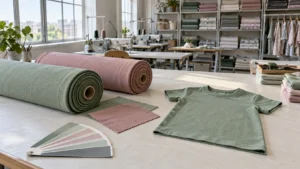
Fabric: Breathable natural fibers—organic cotton, linen, bamboo—are your starting point. They wick sweat, allow heat to escape, and feel genuinely soft against sensitive skin. For a practical breakdown of which materials perform best and why, our guide to fabric for children’s clothing covers the key options in useful detail.
Fit: Loose and roomy over tight and structured. Air circulation is what keeps kids comfortable through extended outdoor play, and tight clothing traps heat while restricting the full-range movement that summer demands.
Color: Light shades reflect sunlight instead of absorbing it—a meaningful difference when kids are outside for hours at a stretch. As a practical bonus, lighter colors make stains and ticks easier to spot at the end of the day.
Washability: Summer means sweat, sunscreen, and guaranteed stains. Choose durable, machine-washable fabrics that hold their shape and color through repeated cleaning cycles without fading or pilling.
Dye safety: Especially for babies and toddlers, look for non-toxic, low-impact dyes and trusted third-party certifications. OEKO-TEX Standard 100 confirms independent testing for harmful substances; the Global Organic Textile Standard (GOTS) is the benchmark for certified organic fiber content. Both are worth recognizing when you see them on a label.
Expert Perspective: What the Factory Floor Teaches You
As the founder of HAPA Garments, I’ve spent years on production floors across multiple manufacturing regions. The clearest lesson from all of it: the most important decisions in children’s clothing happen long before a single stitch is placed.
Fiber sourcing, dye certification, seam construction—these invisible choices are what actually determine whether a garment is safe, durable, and genuinely comfortable, or just looks good on a hanger. They don’t make headlines, but they’re the difference between clothing that protects your child and clothing that simply sells.
What concerns me most about how the industry markets to parents is how effectively a trending silhouette or bold print distracts from the details that actually matter. The logo tells you almost nothing. The fiber content label and certification marks tell you almost everything.
My advice: turn the garment inside out before you buy. Feel the seams for softness. Look for OEKO-TEX or GOTS certification. Read the fiber content honestly. That thirty-second check is the most useful thing you can do in a store—and it’s what separates summer clothes for kids that genuinely hold up through August from ones that fall apart in June.
Conclusion
What are kids wearing this summer? Bold prints, organic basics, relaxed silhouettes, and activewear that moves as freely as the children wearing it. But the deeper answer—the one that matters when you’re standing in a store or scrolling through options—is that the best summer wardrobe for any child is built on fewer, better decisions.
Prioritize breathable, skin-safe fabrics. Choose loose, comfortable fits. Lean into the kids’ fashion trends this season that your children actually get excited about, but don’t let a great-looking print distract you from what’s underneath it. Check the seams. Look for certifications. Read the fiber content. That’s what turns summer clothing for children in 2026 into something that genuinely works—for the whole season, for you and for them.
Frequently Asked Questions
What are kids wearing this summer in 2026?
The biggest kids’ fashion trends this season include organic cotton and linen basics, bold tropical and retro prints, gender-neutral tones, oversized silhouettes, performance activewear, coordinated family sets, and upcycled or DIY pieces. The common thread across all of them is comfort-first design that doesn’t sacrifice style.
What is the best fabric for kids’ summer clothes?
The best fabrics for children’s summer clothing are breathable natural fibers—organic cotton, linen, and bamboo. These materials wick away sweat, allow heat to escape, and feel soft against sensitive skin, keeping kids cool and comfortable through active, outdoor days.
What colors are best for children’s summer clothing?
Light colors—whites, pastels, and soft neutrals—reflect sunlight rather than absorbing it, which measurably helps kids stay cooler outdoors. They also make it easier to spot stains, dirt, and ticks after a long day outside.
Should kids wear loose or tight clothes in summer?
Loose-fitting clothes are the clear choice for summer. Roomy cuts allow air to circulate and give children freedom to move the way they naturally do all day. Tight clothing traps heat and restricts movement, making kids more uncomfortable and more prone to overheating.
How do I know if children’s clothing dyes are safe?
Look for non-toxic, low-impact dyes and trusted certifications—specifically OEKO-TEX Standard 100 or GOTS. Both confirm independent testing for harmful substances, which matters most for babies and toddlers whose skin is most reactive to chemical exposure during long, sweaty summer days.
How many summer outfits does a child actually need?
Less than most parents expect. A capsule wardrobe of 8–12 versatile, mix-and-match pieces covers most children comfortably through the entire summer. Prioritize durability and washability over volume, and you’ll spend less time shopping and less time managing laundry.