Baby clothing is one of the most recession-resistant product categories in retail. Parents will always need it, grandparents will always buy it, and baby showers will always call for it. After 16 years in children’s apparel, I’ve watched hundreds of brands launch — some that grew into thriving businesses, and many that quietly fizzled out. The difference almost always came down to one thing: how they sourced their inventory.
Getting your sourcing strategy right early on is what separates a real business from an expensive side project. But wholesale baby clothing is a crowded space, and not every supplier deserves your money. Here’s an honest breakdown of where to buy baby clothes in bulk, what to look for, and how to avoid the mistakes that catch most new sellers off guard.
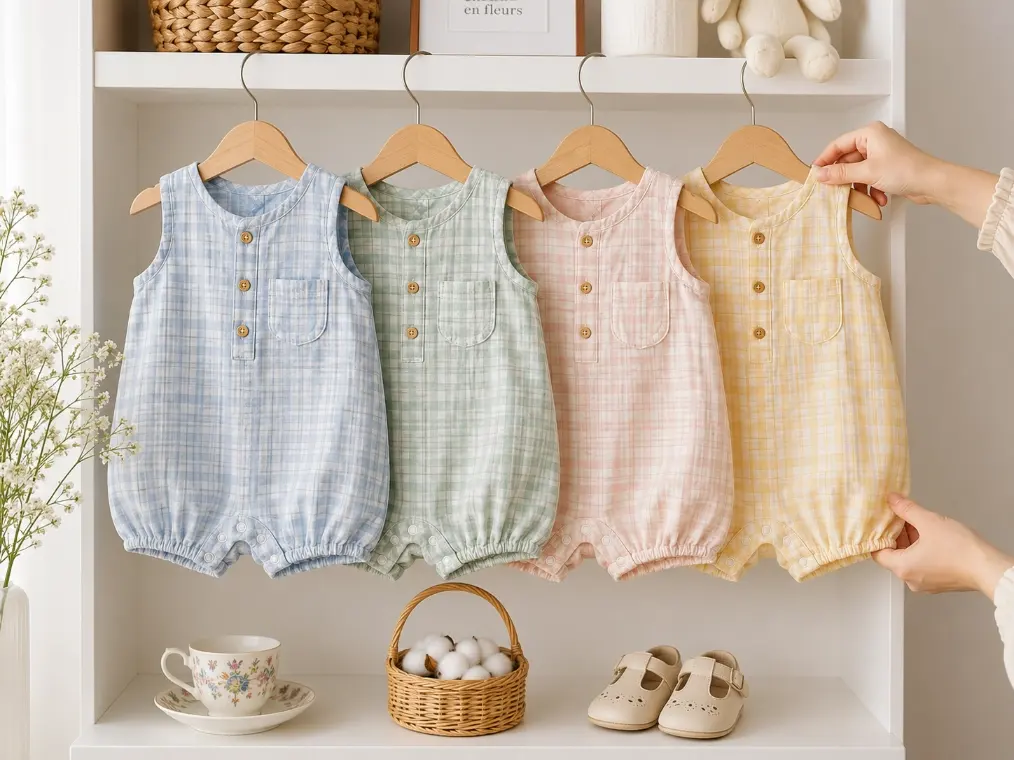
Why Buying Baby Clothes in Bulk Makes Business Sense
This isn’t just about saving a few dollars per unit — though that matters too. Buying in bulk changes the economics of your entire business.
A onesie that costs $8 at retail might run you $3 through a wholesale supplier. That gap gives you room to price competitively, run promotions without bleeding margin, and still turn a profit. More importantly, bulk purchasing gives you inventory stability. Running out of stock on your best-selling item for six weeks doesn’t just cost you sales — it costs you customers who won’t wait around and may not come back.
There’s also the branding angle. Many bulk suppliers offer private labeling, so you’re not just reselling someone else’s product. You’re building something. If growing your own brand is the goal, partnering with a private label infant clothing manufacturer gives you full control over how your line looks and feels from day one.
Where to Find Wholesale Baby Clothes Suppliers
Knowing what to buy is only half the equation — knowing where to find it is what separates a well-stocked business from one that’s constantly scrambling. Here are the most reliable sourcing channels available today.
Leading B2B Platforms for Bulk Baby Apparel
B2B platforms are where most product-based businesses begin their sourcing journey, and for good reason. They consolidate thousands of verified suppliers in one place, making it easier to compare pricing, read reviews, and negotiate terms before committing to a single unit.
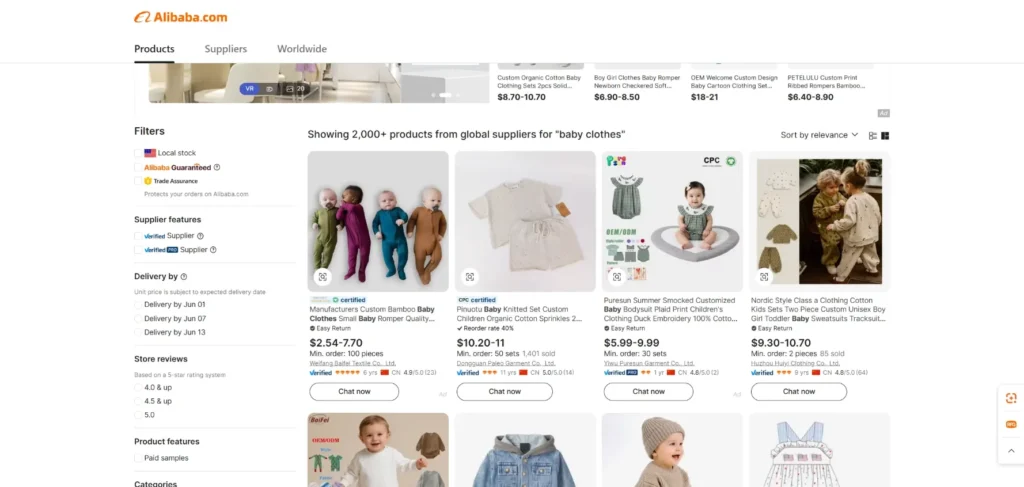
- Alibaba: The largest B2B marketplace in the world, connecting buyers directly with manufacturers across China and beyond. Pricing is competitive, MOQs are negotiable, and the Trade Assurance program adds a layer of buyer protection worth using.
- DHgate: A strong alternative to Alibaba with generally lower minimum order quantities — a practical entry point for newer businesses that aren’t ready to commit to large volumes. Buyer protection and escrow payments keep transactions reasonably secure.
- Global Sources: Particularly well-regarded for verified manufacturers of children’s and infant apparel. Suppliers on this platform tend to be mid-to-large scale, making it a better fit for businesses that have moved past the sampling stage.
- Faire: A U.S.-focused wholesale marketplace built specifically with independent retailers in mind. Net-60 payment terms and free returns on opening orders make it one of the most low-risk platforms for boutique owners sourcing baby clothing domestically.
- Made-in-China.com: A solid secondary option for reaching Chinese manufacturers, with a strong concentration of suppliers in children’s and baby apparel. The platform features a robust RFQ system, which is useful when you have specific product requirements.
Top Wholesale Websites Worth Considering
Not every supplier operates through a large marketplace — many of the best ones run their own independent wholesale websites. These platforms often have tighter product curation, more consistent quality control, and customer service that actually picks up the phone.
- DollarDays: A long-standing U.S. wholesale supplier with no minimum order requirement, which makes it particularly accessible for small businesses and nonprofits. Their baby clothing range covers onesies, sleepwear, socks, and seasonal essentials at consistently low case prices.
- Kelli’s Gift Shop Suppliers: A boutique-focused wholesale site with a well-curated baby clothing section spanning preemie through 12-month sizes. Orders ship within one business day, which is a meaningful advantage when you need to restock quickly.
- FashionTIY: An online wholesale platform offering a wide range of infant and toddler clothing at competitive prices, with no membership fees required. Their catalog is updated regularly, making it a useful resource for staying ahead of seasonal trends.
- Wholesale Blank Clothes: A straightforward destination for blank infant apparel — onesies, creepers, booties, and accessories — at cost-efficient prices. Particularly well-suited for businesses that add their own custom designs or branding after purchase.
- FGmarket: A wholesale directory that connects retailers with vetted baby clothing vendors across multiple categories, from layette sets and rompers to preemie sizes and sleepwear. Useful for discovering niche suppliers that don’t surface easily through a standard search.
Manufacturers Specializing in Small-Batch Customization
For businesses building a private label or testing a custom design, working directly with a manufacturer is worth the extra effort. Small-batch specialists let you start lean, validate your product, and scale without committing to inventory you’re not sure will sell.
- KidsBlanks by Zoe: A California-based manufacturer specializing in premium blank infant apparel built for customization — think screen printing, embroidery, sublimation, and heat transfer. All products are CPSIA-certified, and they also offer dropshipping with no minimums.
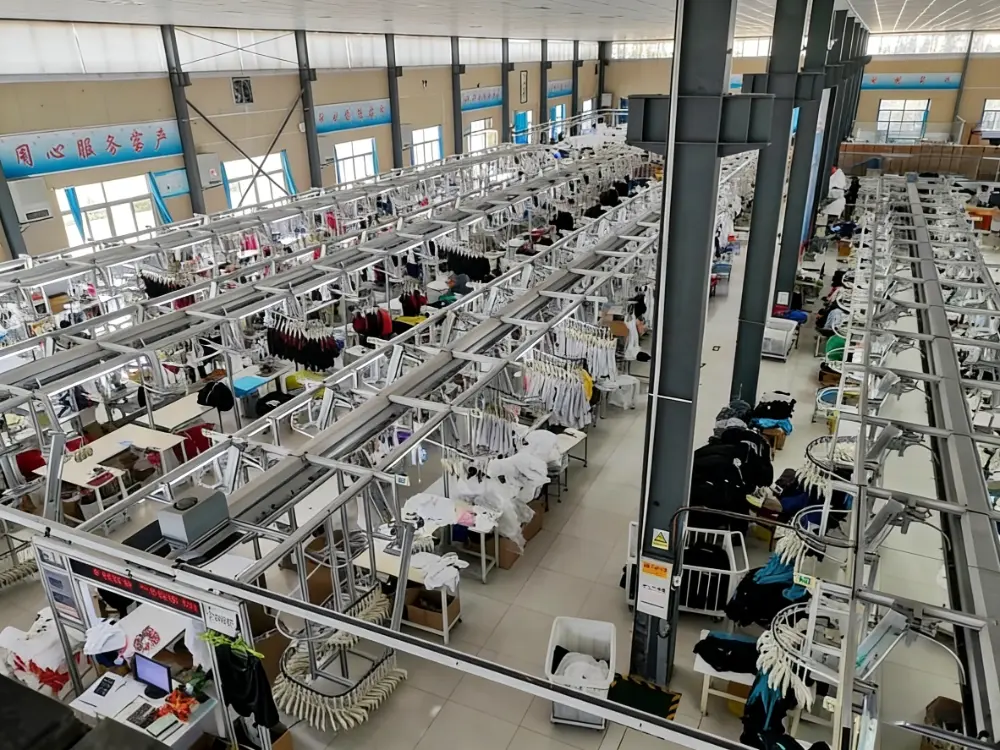
- Appareify: A large-scale children’s clothing manufacturer producing around 400,000 pieces monthly, with private label capabilities for brands at various stages. They work across a wide range of fabrics and silhouettes, making them a flexible partner as your line grows.
- Royal Apparel: A New York-based USA-made manufacturer specializing in GOTS-certified organic and sustainable baby apparel. It provides private labeling, custom finishing, and low MOQs for domestic brands prioritizing ethical production.
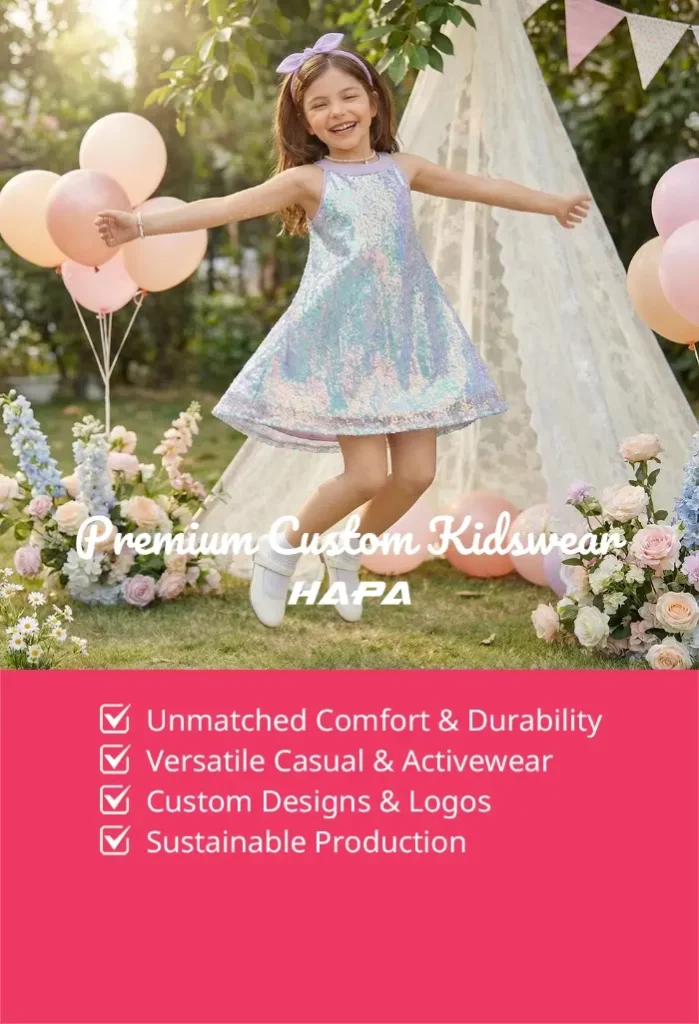
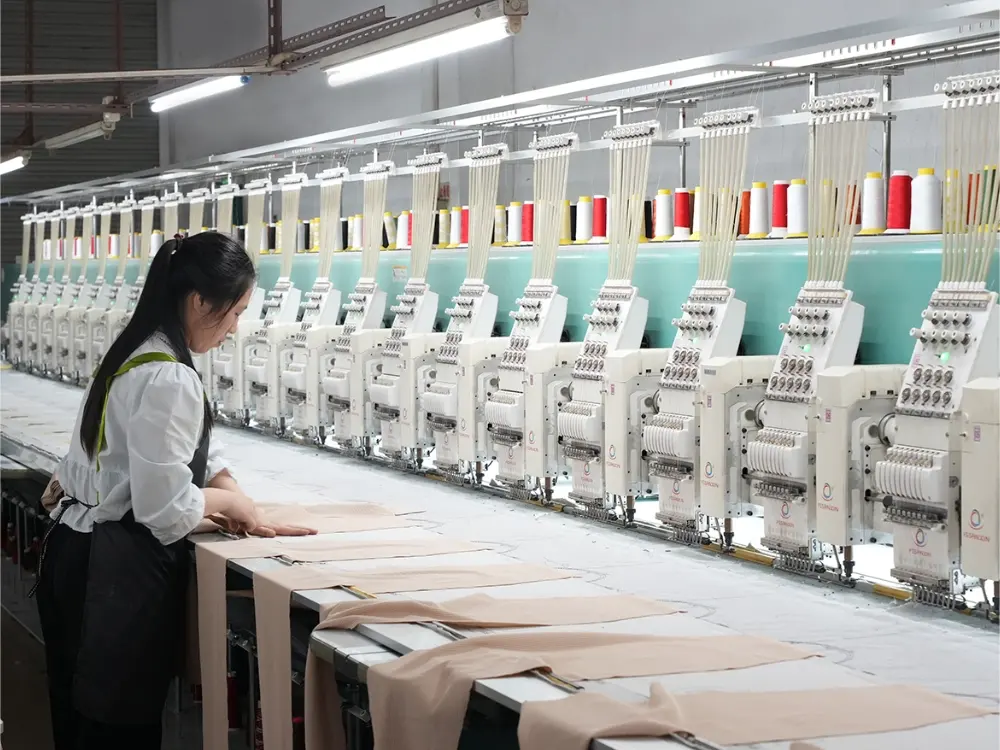
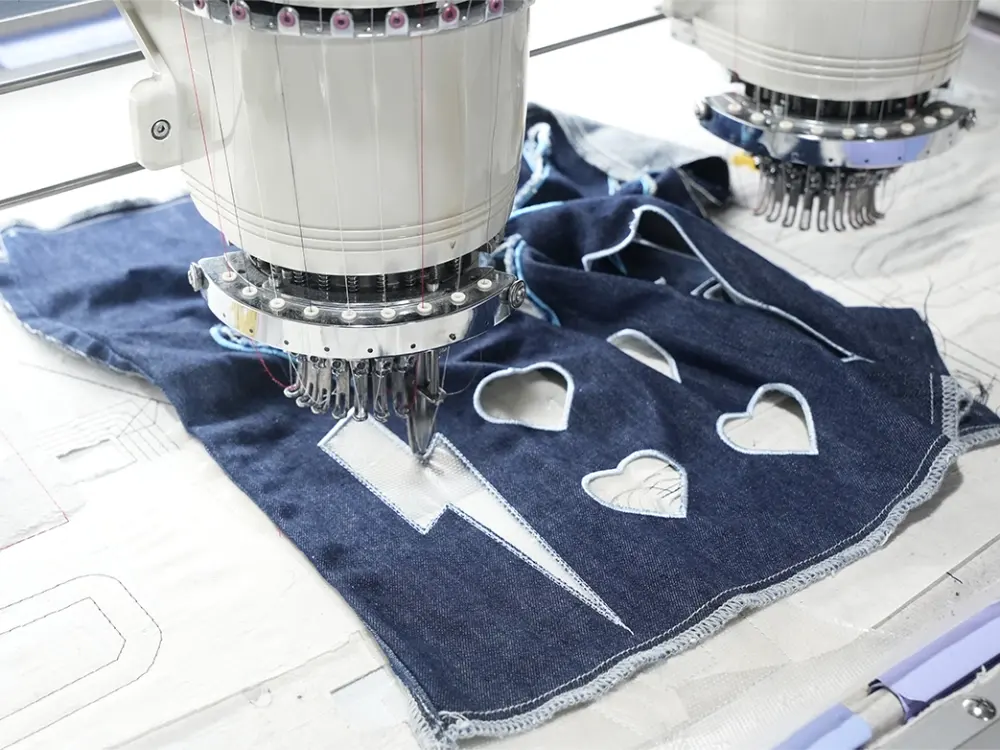
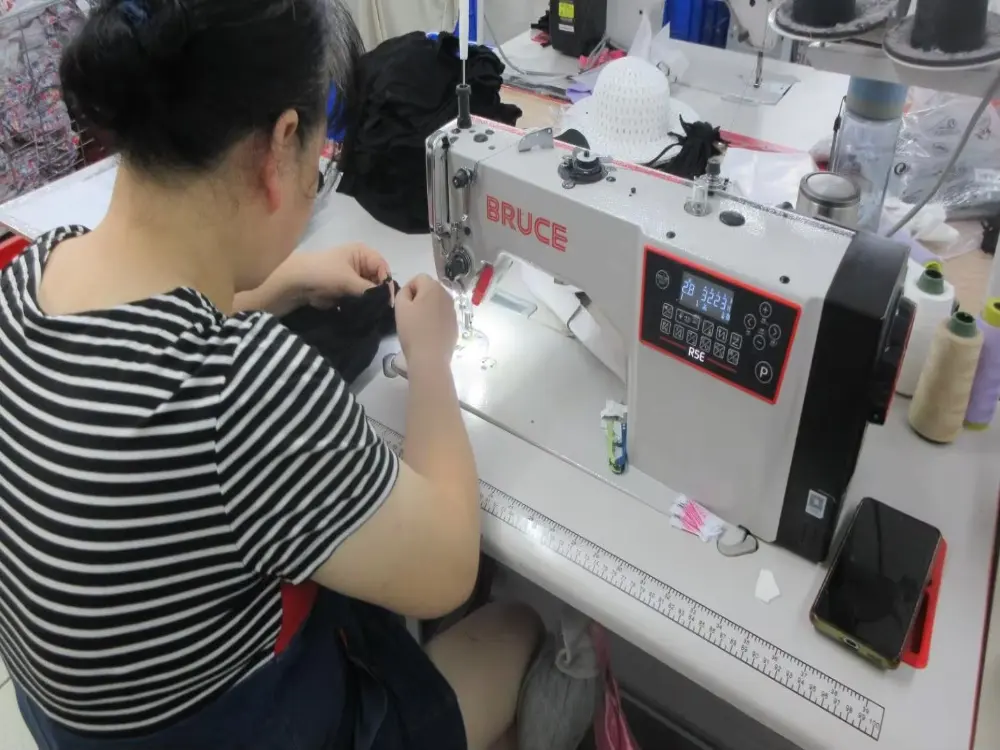
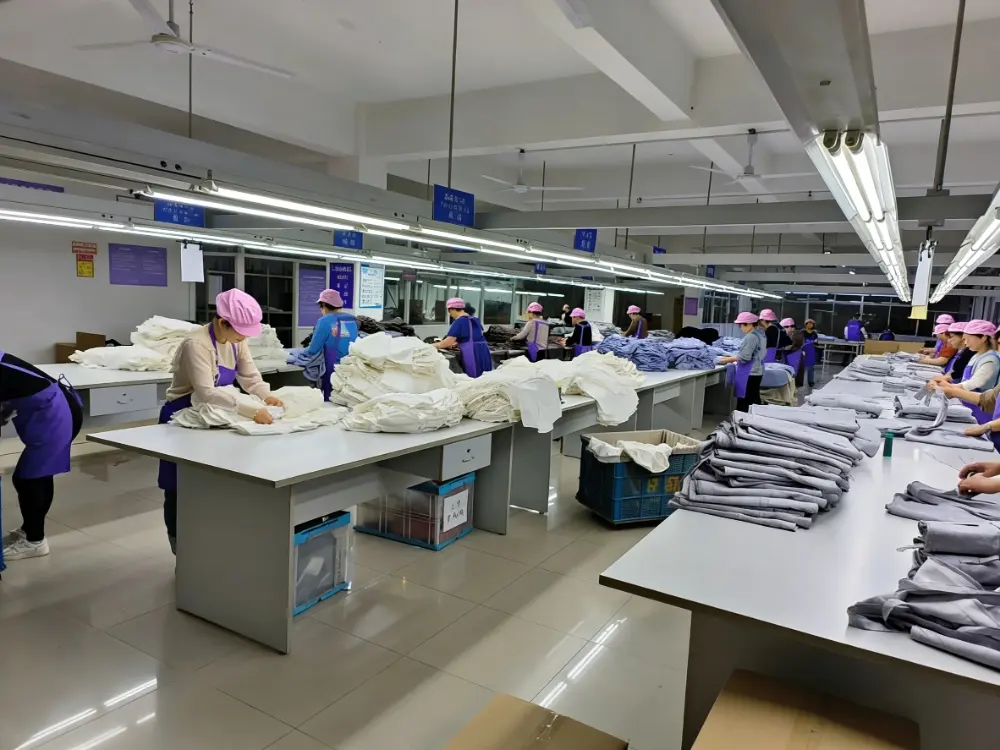
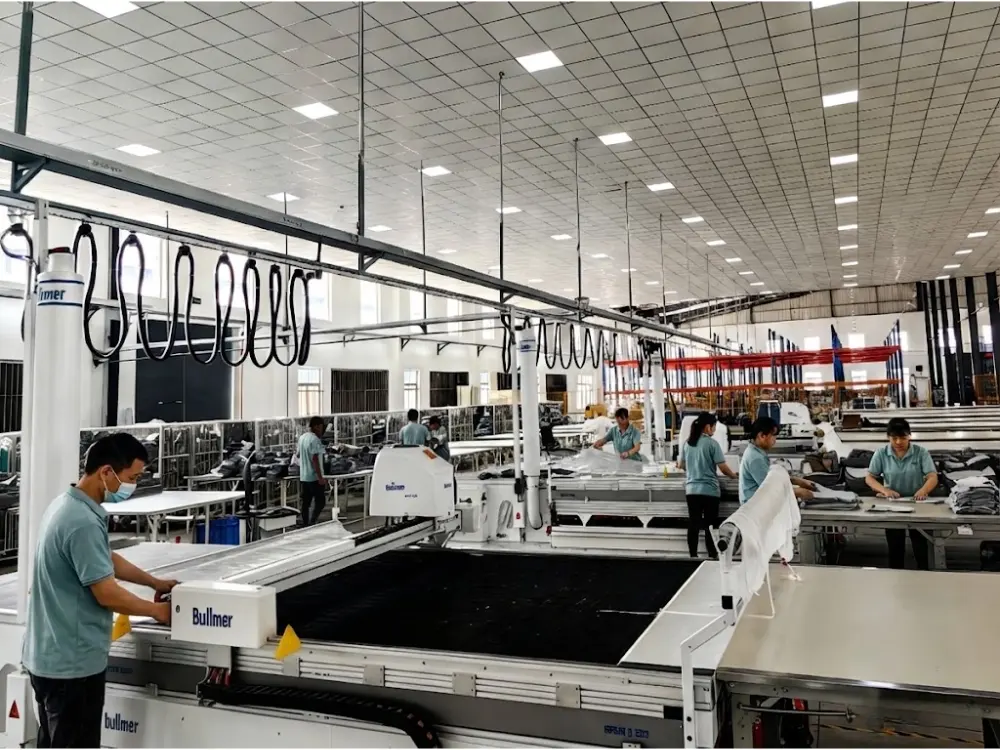
- HAPA : Guangzhou-based manufacturer with 16+ years of baby & kids apparel experience. It offers full customization (design, fabric, labeling), MOQ as low as 100 pieces, and holds CPSIA/REACH certifications.
Effective Social Media Channels
Social media is genuinely underrated as a sourcing tool. Some of the best wholesale connections aren’t found on directories or trade platforms — they come through communities where real business owners share what’s actually working for them.
- Facebook Groups: Boutique owner groups on Facebook are a surprisingly rich sourcing resource. Members regularly share supplier recommendations, flag bad experiences, and post about deals — the kind of unfiltered, peer-to-peer intel that no directory can replicate.
- Instagram: Many smaller wholesale brands and manufacturers use Instagram as their primary sales channel, especially those targeting boutique retailers. Searching hashtags like #wholesalebabyclothes or #infantapprelwholesale can surface suppliers that don’t show up on traditional platforms.
- LinkedIn: Particularly useful for connecting with manufacturer representatives, sourcing agents, and B2B wholesale contacts at a more professional level. A well-crafted outreach message here can open doors that a cold supplier inquiry form rarely does.
- TikTok: An increasingly relevant platform for discovering emerging baby clothing brands and wholesale suppliers, especially those catering to trend-forward boutiques. Many vendors use short-form video to showcase new collections, and the comment sections are often full of retailer inquiries.
- Pinterest: Less of a direct sourcing tool and more of a market research asset — useful for identifying trending styles, color palettes, and product categories before placing bulk orders. Following baby boutique boards gives you a real-time read on what parents are actually buying.
Global Industry Trade Shows & Exhibitions
There is no substitute for seeing and touching products before you buy them at scale. Trade shows give you that — plus direct access to brand representatives, on-the-spot pricing conversations, and a clear picture of where the market is heading next season.
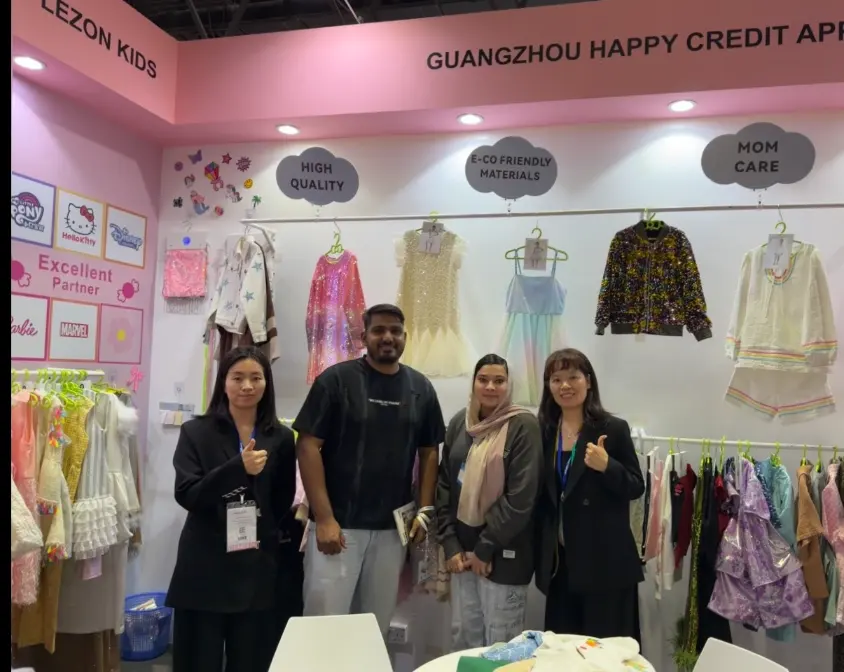
- Children’s Club (New York): One of the most prominent children’s apparel trade shows in the U.S., held twice yearly in New York City. It brings together hundreds of brands across infant, toddler, and children’s clothing, making it an efficient trip for boutique buyers on both coasts.
- ABC Kids Expo (Louisville, KY): The largest juvenile products trade show in North America, covering baby apparel alongside gear, furniture, and accessories. A valuable event for retailers who want to source across multiple baby product categories under one roof.
- MAGIC Las Vegas: A major fashion trade show with a dedicated children’s and baby apparel section. The scale of the event makes it particularly useful for discovering new wholesale brands and comparing a wide range of price points and styles side by side.
- Canton Fair (Guangzhou, China): The world’s largest trade fair, held twice a year, with an extensive section dedicated to children’s and baby apparel manufacturers. For buyers ready to source directly from factories, this is one of the most efficient ways to vet multiple suppliers in a single trip.
How to Evaluate a Supplier Before You Commit
Finding suppliers is the easy part. Finding the right one takes a bit more digging.
Fabric Quality and Safety Certifications
Baby clothing isn’t a category where you can cut corners on quality. Infants have sensitive skin, and the materials touching them all day genuinely matter — both for comfort and for safety.
The two most popular fabrics in baby apparel are cotton and bamboo. 100% cotton is the longstanding standard: breathable, hypoallergenic, and widely trusted by parents. Bamboo fabric is the premium option: silkier feel, superior moisture-wicking, and increasingly in demand.
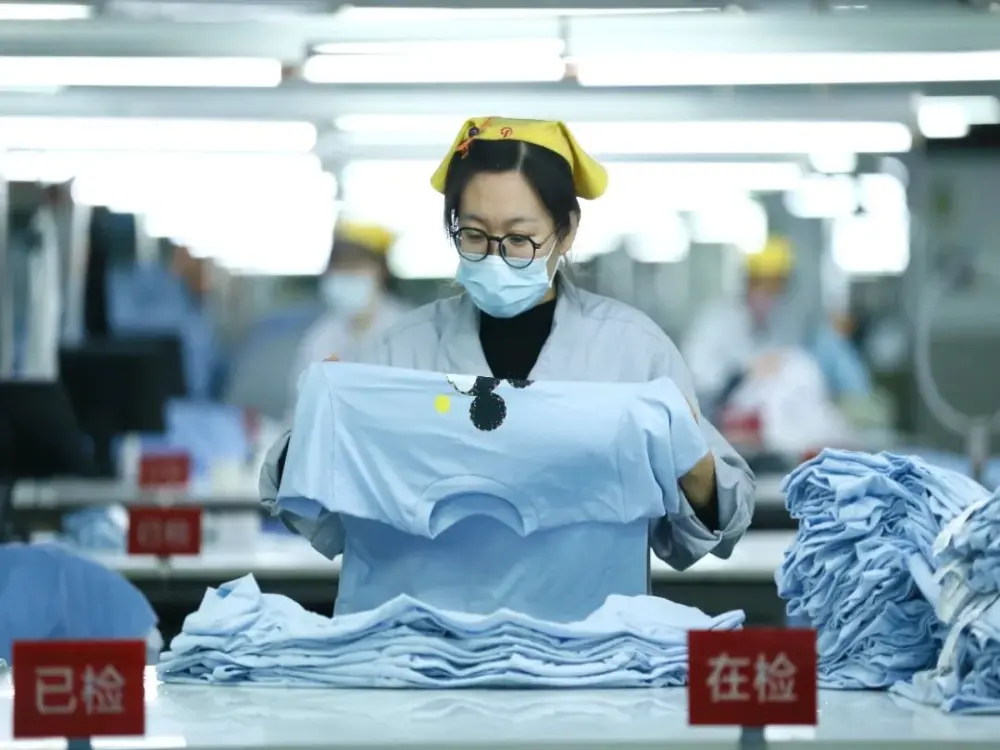
Whatever fabric you’re sourcing, ask for documentation on certifications before you place an order. If a supplier can’t produce it, move on.
CPSIA Compliance — Non-Negotiable
The Consumer Product Safety Improvement Act sets strict federal standards for children’s products sold in the United States, covering everything from lead content to flammability. According to the U.S. Consumer Product Safety Commission, any supplier selling into the U.S. market must be able to provide a General Certificate of Conformity for their baby apparel. If they can’t, that’s a hard pass. The liability exposure simply isn’t worth it.
Organic and Hypoallergenic Certifications
Beyond baseline compliance, a growing share of parents actively seek out clothing made from certified materials. If you’re targeting eco-conscious buyers, you’ll want to work with wholesale organic baby clothing distributors that hold recognized certifications. The three most meaningful ones in this space are:
- GOTS (Global Organic Textile Standard) — confirms that cotton is organically grown and processed without harmful chemicals throughout the entire supply chain.
- OEKO-TEX Standard 100 — certifies that every component of the finished garment has been tested for harmful substances.
- Hypoallergenic labeling — particularly relevant for newborn products and a genuine selling point for parents of babies with sensitive or eczema-prone skin.
MOQs and Pricing Tiers
Minimum order quantities vary widely — from zero minimums on dropshipping platforms to several hundred units per style with direct manufacturers. Neither extreme is inherently better; what matters is matching the MOQ to your cash flow and your confidence in a given product.
Pay close attention to how pricing tiers are structured. Many suppliers drop the per-unit cost significantly once you cross certain volume thresholds, so it’s worth doing the math on whether ordering slightly more than you planned actually improves your margin enough to justify it.
Sample Orders First — Always
This step is non-negotiable, even when a supplier comes with strong reviews and a polished catalog. I learned this the hard way early in my career: placed a sizable order based on photos and testimonials, received garments that were scratchy, poorly stitched, and nothing like what was advertised.
Request samples of the specific items you plan to order. Evaluate them like a parent would — check the softness, inspect the stitching, look at how snaps and zippers feel, and run at least one wash cycle before making your decision. A sample order costs a fraction of what a bad bulk order will cost you.
Best-Selling Categories to Prioritize
After working with thousands of retailers over the years, these are the wholesale baby clothing categories that consistently drive strong sales:
- Long-sleeve onesies — the core daily essential for 0–12 months, with ultra-high repeat purchase rates.
- Wearable sleep sacks — a safer alternative to loose blankets, and a staple for new parents.
- Organic cotton matching sets — strong appeal to eco-conscious buyers; often GOTS-certified.
- Newborn gift sets — pre-packaged combinations of onesies, hats, socks, and bibs; perfect for baby showers.
- Non-slip toddler socks — essential for babies learning to walk, grippy rubber soles included.
- Waterproof silicone bibs — reusable, easy to clean, and a consistent seller in the 6–24 month range.
Managing Your Inventory After the Order Arrives
Buying smart is only half the job. How you manage what you’ve ordered — and plan for what comes next — matters just as much as the price you paid per unit.
Getting the Size Assortment Right
One of the most common mistakes new baby clothing sellers make is ordering too heavily in newborn and 0–3M sizes. The reality is that babies outgrow those sizes fast, and many parents skip them entirely knowing their baby may only wear them for a few weeks.
A practical starting assortment:
- Newborn / 0–3M — order conservatively; high turnover but a narrow window of use.
- 3–6M and 6–9M — typically your strongest sellers; stock these most generously.
- 9–12M and 12–18M — solid secondary performers, especially for gifting and seasonal items.
- 18–24M — smaller volume, but worth carrying to serve customers whose babies have aged out of standard infant sizing.
Using Sales Data to Avoid Overstock
Overstock is one of the quietest margin killers in retail. Clothing that sits unsold for a full season ties up cash, takes up storage space, and usually ends up marked down just to move it.
The most reliable way to avoid it is simple: track what sells quickly and what lingers, then let that inform your next buying cycle. If you’re just starting out and don’t have historical data yet, spread your first orders across a wider range of products and smaller quantities, then double down on what actually moves.
Building Real Supplier Relationships
Wholesale suppliers give their best deals to buyers they trust. That’s not a secret — it’s just how the business works. Pay on time, communicate clearly, give reasonable lead time on orders, and you become the kind of buyer every supplier wants to prioritize.
Over time, that track record tends to translate into concrete benefits: lower MOQs, better pricing on new collections, earlier access to seasonal stock, and more flexibility when something goes sideways. None of that shows up in a product listing — it’s earned through consistency.
Final Thoughts
Sourcing baby clothes in bulk isn’t just a cost decision — it’s a foundation for building a business that can actually sustain itself. The brands that last aren’t necessarily the ones that found the cheapest supplier. They’re the ones that found the right supplier for their specific needs and built from there.
If you’re looking for a reliable starting point, HAPA offers a wholesale range of quality infant apparel designed with small businesses in mind: low MOQs, full customization options, and products that meet strict international safety standards.
Once your inventory is sorted, the next challenge is getting it in front of customers. Our guide on the 10 best platforms to sell baby clothes online covers where to reach parents and how to maximize your sales channel mix.
Order your samples. Do your research. The baby clothing market has plenty of room for brands that do it right.
FAQ
Who makes the best quality baby clothes?
Premium leaders include Carter’s for affordable essentials, Hanna Andersson for organic cotton, and HAPA for custom low-MOQ production with CPSIA/REACH certifications — a particularly strong fit for boutique brands building their own line.
What’s the best wholesale clothing website?
Alibaba is the largest global B2B platform for bulk baby clothing. Faire is the better option for small-batch orders from U.S. retailers. For custom production, a direct relationship with a manufacturer like HAPA typically offers better value than any marketplace.
Is selling baby clothes actually profitable?
Yes — average gross margins run 30–50%, demand is consistent year-round, and repeat purchase rates are high. Organic and custom lines can command premium pricing, which pushes margins even higher.
Domestic or overseas supplier — which is better for a small boutique?
Domestic suppliers offer faster shipping and lower MOQs, which is useful when you’re testing new styles. Overseas suppliers like HAPA offer lower per-unit costs and full customization options, which makes more sense once you’re ready to scale.