Choosing between kidswear OEM vs ODM vs private label is one of the first sourcing decisions a children’s clothing brand needs to make. It affects design control, launch speed, development work, and product differentiation.
Short answer: choose OEM when you have original designs and want stronger product control; choose ODM when you want to adapt supplier-developed concepts faster; choose private label when you want to test or launch branded kidswear with a simpler development path.
For children’s apparel, the decision carries extra weight. A toddler sweatshirt, schoolwear set, baby romper, or girls’ dress must fit real children comfortably, use suitable fabrics and trims, meet durability expectations, and be prepared for the safety and compliance requirements of the destination market.
This guide compares OEM, ODM, and private label kidswear so you can choose the model that matches your brand stage, budget, design readiness, and risk tolerance.
OEM, ODM, and Private Label Kidswear: What Each Model Means
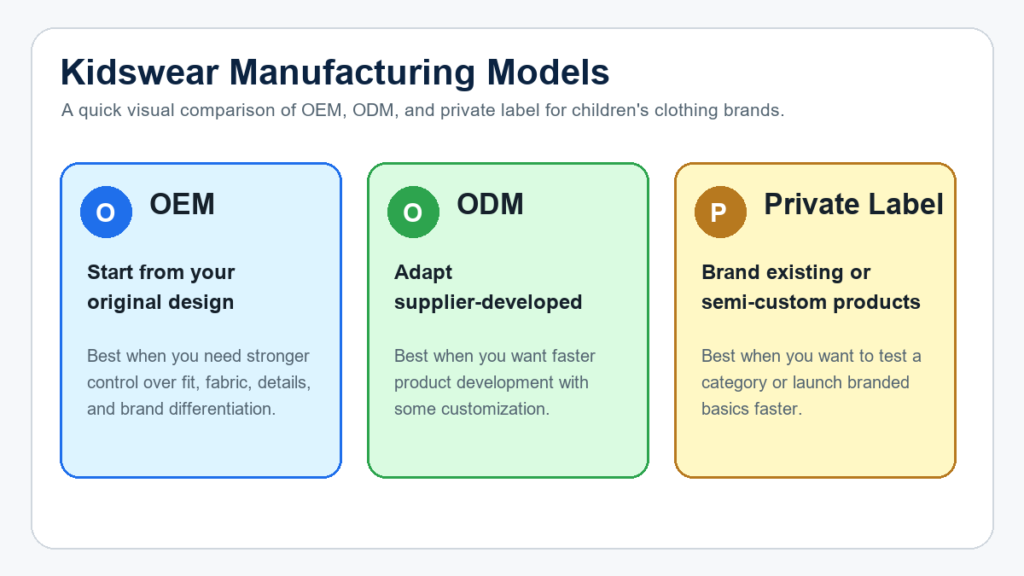
Before comparing cost, speed, or MOQ, separate the three models clearly. OEM starts from your original product concept, ODM starts from the manufacturer’s existing development, and private label focuses on selling products under your own brand identity.
What is OEM kidswear manufacturing?
OEM means original equipment manufacturing. In kidswear, this usually means the buyer provides the design direction and technical requirements, while the manufacturer helps produce the garment.
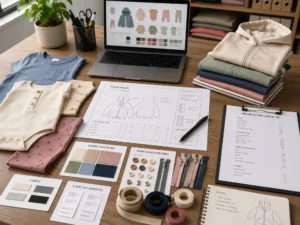
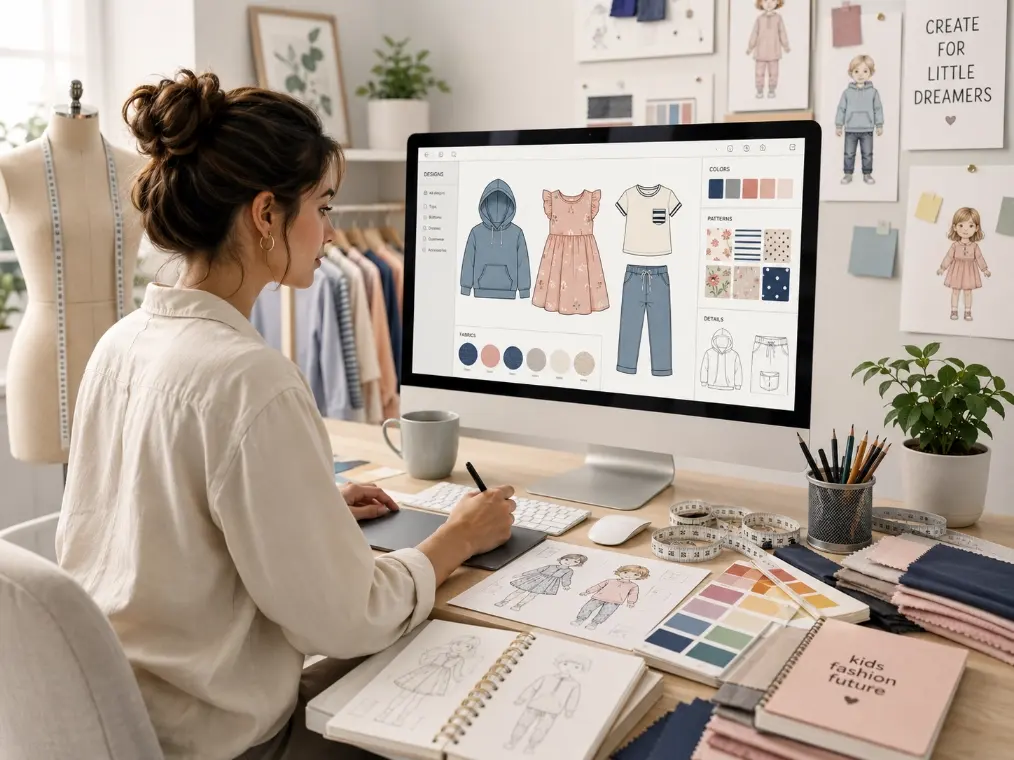
An OEM kidswear project may start with sketches, reference samples, tech packs, size charts, fabric requirements, trim details, color standards, artwork, labels, and packaging instructions. The manufacturer reviews those materials, develops samples, and produces the approved style in bulk.
OEM is usually the best fit when a brand wants original silhouettes, specific fit standards, proprietary details, or a more controlled product identity. The clearer the tech pack, size spec, material direction, and target price range, the smoother early development will be.
If you are building custom children’s clothing from your own designs, HAPA’s page on children’s clothing OEM manufacturing is a useful internal reference for understanding this service category.
What is ODM kidswear manufacturing?
ODM means original design manufacturing. In this model, the manufacturer develops or already holds base designs that buyers can adapt. A kidswear ODM supplier may offer existing styles, seasonal concepts, fabric options, colorways, prints, trims, or construction ideas that can be customized to different degrees.
For a brand that does not yet have a full design team, ODM can shorten the path from concept to sample. The buyer reviews available directions and adjusts colors, fabrics, prints, labels, packaging, size ranges, or small construction details.
The trade-off is design ownership and uniqueness. If the base idea comes from the manufacturer, clarify what can be changed, what can be used exclusively, and what might also be offered to other customers.
What is private label kidswear?
Private label kidswear means products are sold under the buyer’s brand name, even if the product base, pattern, or development work comes from the supplier. A private label order may involve choosing a ready or semi-custom product, adding brand labels, hang tags, packaging, color choices, prints, or other approved custom details.
Private label is often attractive for newer children’s apparel brands, boutique retailers, online sellers, and wholesalers that want to test a product category without building every style from scratch. It can support babywear, playwear, pajamas, schoolwear, or seasonal collections when the buyer’s main advantage is branding, merchandising, or channel access.
Private label and ODM can overlap. ODM may provide the product base, while private label describes how the finished product is branded and sold. Buyers should ask what is customizable, what files are required, and how product ownership is handled.
For brands evaluating this path, HAPA’s private label kidswear manufacturer page can be used as a next-step service reference.
Where cut-and-sew customization fits
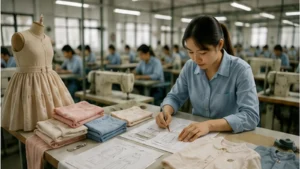
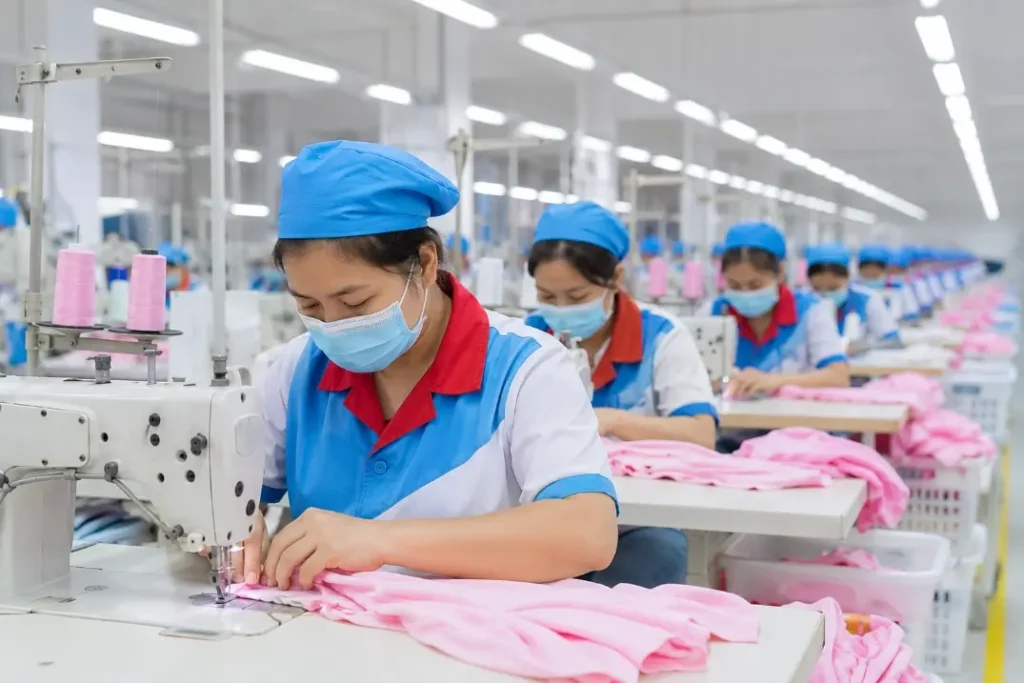
Cut-and-sew is not always a separate sourcing model. It usually describes how the garment is made: fabric is cut from patterns and sewn into the finished product. OEM, ODM, and private label projects can all involve cut-and-sew production, depending on the garment type and customization level.
For example, a private label T-shirt may use an existing pattern with your neck label and print. An OEM dress may use a custom pattern, fabric, trims, and grading rules. Both may be cut-and-sew products, but the buyer’s design control is very different.
Kidswear OEM vs ODM vs Private Label Comparison: Control, Cost, Speed, MOQ, and Brand Differentiation
The easiest way to compare OEM, ODM, and private label kidswear is to look at the trade-offs. The right choice depends on what your brand needs most: originality, speed, lower development complexity, stronger brand control, or easier market testing.
| Factor | OEM Kidswear | ODM Kidswear | Private Label Kidswear |
|---|---|---|---|
| Design control | Highest, if the buyer provides clear specs | Medium; based on supplier-developed concepts | Lower to medium, depending on customization options |
| Development work | Highest; tech packs and detailed decisions are important | Medium; buyer adapts available styles or concepts | Lower; buyer focuses more on branding and selection |
| Speed to sample | Often slower because development starts from the buyer’s concept | Often faster than OEM if base designs are available | Often fastest when using existing products or patterns |
| Brand differentiation | Strongest when designs, fit, fabrics, and details are original | Moderate; depends on customization and exclusivity | Varies; strongest when branding, merchandising, and packaging are well planned |
| Cost planning | More variables because materials, patterns, and construction are custom | More predictable if styles are already developed | Often simpler at the testing stage, but customization still affects cost |
| MOQ sensitivity | Can be higher for custom fabrics, trims, or complex development | Depends on the supplier’s base style, fabric availability, and customization | Depends on stock, labeling, packaging, print, and fabric choices |
| Best for | Brands with original design assets and long-term product strategy | Brands that need faster development with some customization | Startups, retailers, and e-commerce sellers testing branded kidswear |
| Not ideal when | You lack design files, specs, or time for sample development | You need fully original design ownership from the start | You need highly differentiated patterns, fabric development, or exclusive construction |
Design control and IP
OEM gives the buyer the strongest control because the product is built around the buyer’s design package: patterns, measurements, construction details, artwork, fabric specifications, and packaging requirements. For brands protecting a distinct product identity, OEM is usually the most suitable path.
ODM gives the supplier more influence over the starting point. Buyers can still customize, but they should ask whether the base design is exclusive, semi-exclusive, or available to other customers. Private label may offer less product-level control, so differentiation often comes from color stories, labels, packaging, photography, merchandising, and channel strategy.
Development cost and MOQ
Costs and MOQs vary by category, customization level, material availability, print or embroidery complexity, trims, size range, and order mix. A custom baby romper will not behave like a basic private label T-shirt.
OEM may require more upfront development because the supplier needs to translate your design into a reliable production style. ODM and private label can reduce some development work, but buyers should still budget for sampling, fit checks, fabric approvals, labeling, packaging, and inspection.
Speed to market
If speed is the main goal, private label or ODM may be more efficient than OEM. A supplier-developed style or existing product base can reduce early decisions and shorten the time spent on pattern development.
OEM can still be efficient when the buyer is prepared. A complete tech pack, realistic target cost, clear size range, and early compliance expectations help prevent delays. If fabric, measurements, trims, or packaging change after the first sample, even a simple style can become slow.
Brand uniqueness
OEM usually creates the clearest path to a unique kidswear collection. ODM can also work well when the buyer uses the base design thoughtfully and adds a distinct brand point of view. Private label can be strong for commercial testing, but it may need extra attention to brand storytelling and packaging so the finished product does not feel generic.
How to Choose the Right Kidswear Manufacturing Model Based on Brand Stage, Design Assets, and Budget
A practical sourcing decision starts with your brand’s current stage. A new e-commerce seller testing demand does not need the same model as a growing brand preparing original silhouettes and strict fit standards.
If you are testing a first collection
Private label or ODM is often the more practical starting point for a first kidswear collection. At this stage, many buyers are still learning which categories sell, what price points work, how parents respond to fabrics and styles, and how much inventory they can move.
The goal is not always to create the most original garment. It may be smarter to test demand before custom patterns and fabrics.
Before choosing private label, ask what parts of the product can be customized: labels, packaging, prints, embroidery, care labels, size labels, photos, samples, and fit details.
If you already have tech packs and original designs
OEM is usually the stronger choice when you have original design assets. A detailed tech pack helps the manufacturer understand garment measurements, fabric requirements, sewing details, stitch types, trims, artwork, label placement, packaging, and grading expectations.
For children’s apparel, the tech pack should be especially clear about size range and fit. A design that looks good in one sample size may not grade smoothly across toddler, little-kid, and big-kid sizes. Key measurements should match the age group and garment type.
If your design package is still incomplete, HAPA’s guide on how to create a clothing tech pack can help you identify the details buyers typically need to prepare before OEM production.
If you need fast product-line expansion
ODM can be useful when a brand already has sales momentum and needs to expand into new categories quickly. For example, a babywear brand may want to test pajamas, a boutique may want seasonal playwear, or a wholesaler may need new retail styles.
In this case, focus on brand fit. A supplier’s available design may be practical, but it still needs to match your customer profile, price point, fabric expectations, and visual identity.
If you want a hybrid path
Many kidswear brands do not stay in one model forever. A common path is to start with private label or ODM to test demand, then move selected best-selling categories into OEM once the brand has clearer data and stronger design direction.
This hybrid approach can reduce early risk. A brand might test private label basics first, then create OEM versions with improved fit, custom fabrics, signature trims, or exclusive print artwork.
As a quick rule, choose the model that matches your main constraint. OEM supports design control. ODM or private label can support speed. If budget clarity is the constraint, ask how fabric, trims, labels, size range, and sample rounds affect cost before choosing a path.
Kidswear Manufacturing Risks: Fit, Fabric, Safety, and Compliance
Generic OEM vs ODM advice often misses the most important point: children’s clothing is a high-detail category. A small change in fabric, trim, construction, or grading can affect comfort, durability, and buyer confidence.
Size grading and fit approval
Kidswear fit is more complex than scaling a design up or down. Babies, toddlers, preschool children, and older kids have different body proportions and movement needs. A waistband, neckline, sleeve, or inseam that works for one age group may not work for another.
For OEM, buyers should prepare accurate size specs and expect at least one fit review. For ODM and private label, buyers should request measurements, sample photos, and physical samples when possible. Do not assume that a supplier’s standard size chart will match your target market or retail positioning.
Child-safe fabrics and trims
Fabric choice affects more than appearance. Parents and retailers often care about softness, stretch recovery, breathability, wash performance, shrinkage, colorfastness, and hand feel. For babies and younger children, trims and closures need extra review.
If a style uses small parts, functional cords, metallic trims, prints, or coatings, ask how these details are assessed for the intended age group and destination market. Requirements can vary, so confirm applicable standards with official sources, testing providers, or compliance advisers.
For textile safety claims, certification organizations such as OEKO-TEX STANDARD 100 can be useful references when discussing harmful-substance testing, but brands should verify the exact certification scope and documentation for their own products and suppliers.
Testing and compliance documents
Children’s apparel compliance depends on product type, age group, material, trims, destination market, and sales channel. A U.S.-bound children’s product may involve different documentation expectations from a product sold in the EU, UK, Australia, or another market.
For U.S. buyers, the U.S. Consumer Product Safety Commission provides official guidance on children’s products and Children’s Product Certificates. These resources show why documentation and testing conversations should happen before bulk production, not after goods are ready to ship.
For EU-bound goods, the European Commission’s product safety information is a useful starting point for understanding the broader safety framework. Buyers should confirm the current requirements for their specific product and market using official guidance, qualified testing partners, or legal advisers.
U.S. CPC/CPSC basics
When selling children’s products into the U.S., brands should review CPSC guidance early and clarify whether third-party testing, certificates, labels, or other documentation apply to the product. This article should not be treated as legal advice; it is a reminder to build compliance checks into sourcing decisions from the beginning.
EU GPSR and product-safety checks
For the EU, product safety responsibilities can include documentation, traceability, product information, and market-specific obligations. Because rules can change, buyers should verify current requirements for their product category and sales channel before production.
Quality-control checkpoints before bulk production
Quality control begins before the bulk order is cut. Useful checkpoints include fabric approval, trim approval, lab dip or color approval when relevant, print or embroidery strike-off review, fit sample approval, pre-production sample approval, size-set review, packaging confirmation, and final inspection.
For a broader view of production flow, HAPA’s article on the kids clothing manufacturing process can support readers who want to understand how early product decisions connect to sampling and bulk production.
Supplier Questions to Ask Before You Commit
The right supplier conversation can reveal whether OEM, ODM, or private label is realistic for your project. Instead of asking only for a price, prepare questions that show your product category, target market, brand stage, and development needs.
Questions for OEM projects
Ask these questions when you are developing original kidswear designs:
- What files do you need before quoting: tech pack, reference sample, size spec, artwork, fabric details, or packaging instructions?
- Can you review the design for construction feasibility before sampling?
- How do you handle size grading across the requested age range?
- What sample stages do you recommend before bulk production?
- Can you help identify cost drivers such as fabric, trims, print method, embroidery, construction complexity, or packaging?
- How should we prepare care-label, size-label, and packaging information for our target market?
The goal is to test whether the supplier can translate your design into a manufacturable garment and identify risk early.
Questions for ODM and private-label projects
For ODM or private label, the questions should focus on customization limits and brand control:
- Which base styles are available for the category we want?
- What can be customized: fabric, color, print, embroidery, trims, labels, hang tags, packaging, or size range?
- Are base designs exclusive, semi-exclusive, or also available to other buyers?
- Can samples be reviewed before placing a bulk order?
- Are measurements and size charts available?
- What branding files do you need?
- Which changes would affect MOQ, cost, or development time?
These questions help prevent a common problem: assuming a product can be customized deeply, then discovering later that the available changes are limited.
Documents to request before production
Before bulk production, buyers should organize the documents and approvals that reduce misunderstandings. Depending on the model and market, this may include a tech pack, measurement chart, bill of materials, fabric and trim approvals, artwork, label files, packaging layout, sample notes, purchase order, inspection criteria, and required compliance documentation.
Private label projects may need fewer technical files than OEM, but they still need clear branding and approval records. If a label is placed incorrectly, a print color is misunderstood, or packaging text is not confirmed, the issue can still affect the finished goods.
Red flags to watch for
Be cautious if a supplier gives a quote without understanding the garment, refuses to discuss samples, cannot explain customization limits, avoids documentation questions, or promises that all compliance requirements are automatically covered. Another red flag is vague agreement on size range. Children’s clothing fit needs clear measurement approval.
Price matters, but a low quote is not useful if it hides fabric substitutions, unclear trims, poor grading, weak packaging, or compliance uncertainty. A good supplier conversation should make the project clearer, not more confusing.
Conclusion: Which Kidswear Manufacturing Model Should You Choose?
The best choice in kidswear OEM vs ODM vs private label depends on what your brand is trying to build.
Choose OEM if you have original designs, a clear brand direction, and enough preparation to support custom development. Choose ODM if you need faster product development and are comfortable adapting supplier-developed concepts. Choose private label if you want to launch or test branded kidswear with a simpler development path, while still paying attention to quality, fit, packaging, and compliance.
For many brands, the decision is not permanent. You may start with private label to test demand, use ODM to expand categories, and move into OEM once the best products deserve deeper investment. What matters most is matching the model to your business stage before sampling or bulk production begins.
If you are developing a kidswear collection and need help deciding which model fits your designs, budget, target market, and launch timeline, review HAPA’s relevant OEM or private-label service pages and prepare your product details before requesting a project discussion.
FAQ: Kidswear OEM, ODM, and Private Label
What is the difference between OEM and ODM in kidswear?
OEM kidswear starts from the buyer’s original design and technical requirements. ODM kidswear starts from the manufacturer’s existing or internally developed designs. OEM usually gives more design control, while ODM can reduce early development work.
Is private label the same as ODM?
Not exactly. ODM refers to who develops the product design. Private label refers to selling a product under your own brand name. A private label kidswear product may come from an ODM base style, but private label can also include simpler branding changes to an existing product.
Which model is cheapest for a new kidswear brand?
There is no universal cheapest model. Private label may reduce early development work, but cost still depends on product type, fabric, trims, branding, packaging, MOQ, and testing needs. OEM may be more suitable for long-term product differentiation.
Which model is fastest?
Private label or ODM is often faster because the product base may already exist. OEM can take longer because it may require pattern development, sample revisions, fabric selection, and detailed approvals. A strong tech pack can make OEM more efficient.
Do I need a tech pack for OEM kidswear?
Yes, a tech pack is strongly recommended for OEM kidswear. It helps communicate measurements, fabric requirements, trims, construction details, artwork, labels, packaging, and grading expectations. Without a clear tech pack, sampling can become slower and more expensive because the supplier must guess too many details.
Can I customize labels and packaging for private label kidswear?
Often yes, but available options depend on the supplier, product type, order quantity, and packaging method. Buyers should ask early about woven labels, printed neck labels, care labels, size labels, hang tags, polybags, boxes, and any market-specific information needed on packaging or labels.
Can I switch from private label to OEM later?
Yes. Many brands start with private label or ODM to test demand, then develop OEM styles once they understand their best-selling categories, customer preferences, and target price range. When switching to OEM, prepare stronger design files, fit standards, fabric direction, and brand-specific details.
Is OEM better than private label for kidswear?
OEM is better when your brand needs original design control, custom fit, or long-term product differentiation. Private label may be better when you want to test a category faster with lower development complexity. The better option depends on your design readiness, budget, target market, and launch timeline.