Here’s something most supplier directories won’t tell you: the cheapest infant and toddler apparel baby clothing manufacturers are almost never the right choice. And in this category specifically, that miscalculation costs you far more than just margin.
Infant and toddler apparel is held to the strictest safety standards of any segment in fashion. Fabric certification, chemical composition limits, drawstring design restrictions — these rules exist for serious reasons, and the compliance burden on brands is real. Cut corners on your manufacturing partner and you’re not just risking a bad product; you’re risking a product that harms a child.
If you’re building or scaling an infant and toddler apparel brand in 2026, your choice of baby wear manufacturer matters more than almost any other decision you’ll make early on. Selecting from the wrong pool of infant clothing manufacturers can set your brand back years — in recalls, regulatory penalties, and lost consumer trust. This guide is built to help you make that call with clear information.
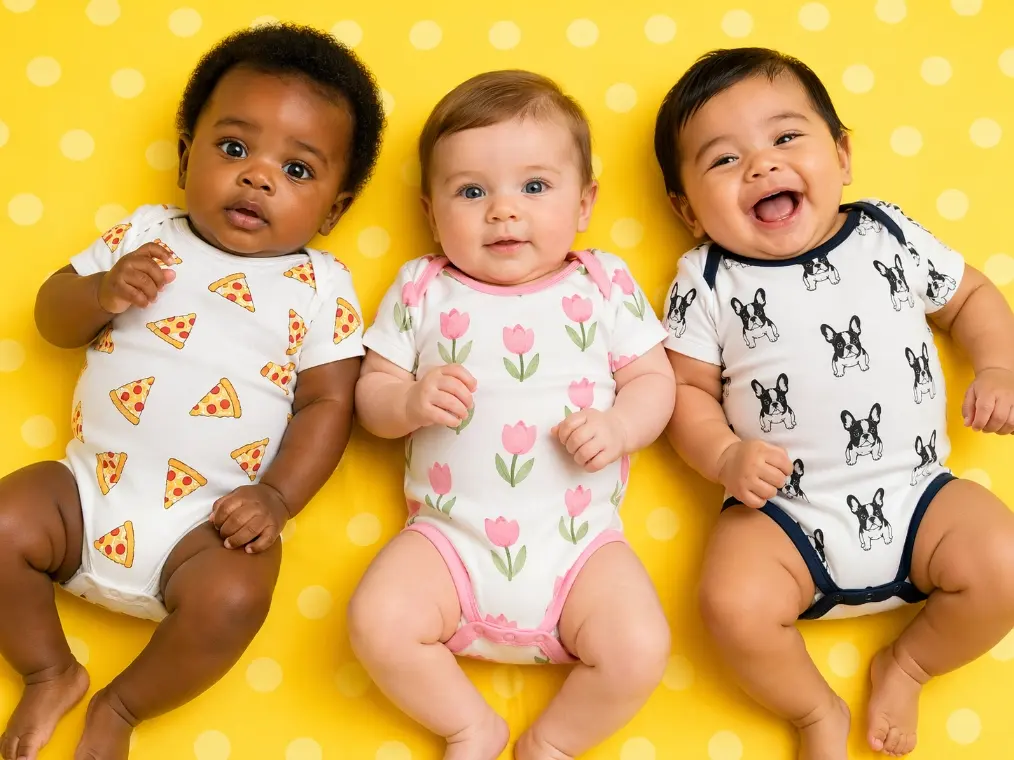
What to Look for in a Babywear Manufacturer
Price is a factor, but it’s rarely the deciding one for brands that last. Here’s what actually separates a reliable baby wear manufacturer from one that will cost you more in the long run.
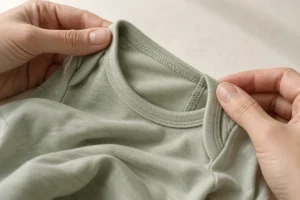
- Product Quality and Fabric Safety: Look for softness, wash durability, stitching consistency, and whether the factory understands baby-specific safety requirements. Fabrics need to be skin-friendly and non-toxic. Fits need to hold after bulk production, not just on the sample. Any baby clothing manufacturer can deliver a great sample — the test is whether the 500th unit matches the first.
- Manufacturing Capabilities and Specializations: A general apparel factory and a specialist infant wear manufacturer are not the same thing. Baby garments involve different closures, softer constructions, tighter tolerances on sizing, and stricter material requirements. Factories that work in babywear day-to-day tend to produce better samples, catch problems earlier, and make fewer expensive mistakes.
- Communication, Sampling, and Lead Times: Pay close attention to how a supplier handles the sampling stage — it tells you everything about how they’ll handle bulk orders. Do they ask the right questions upfront? Do they respond within a reasonable window? Are their lead-time estimates realistic or just optimistic? The best infant clothing manufacturers are honest about timelines, not just fast on paper.
- Ethical Manufacturing and Sustainability Practices: This matters for two reasons: your brand’s reputation, and your supply chain’s reliability. Factories that are transparent about sourcing, labor standards, and sustainability audits tend to be better-run operations overall. It’s not just an ethical signal — it’s a quality signal.
Top 10 Best Babywear Manufacturers in 2026
Finding a reliable partner within the vast clothing industry is challenging, but sourcing infant apparel requires even stricter scrutiny. We have evaluated global suppliers based on safety, production capacity, and compliance to bring you the top 10 baby wear manufacturer options for 2026, ready to scale your B2B brand seamlessly.
How We Ranked These Manufacturers
These baby clothing manufacturers were ranked by the factors serious buyers actually care about: MOQ flexibility, certifications, product range, communication clarity, lead times, and visible B2B credibility signals. When brands did not publish exact pricing or minimums, they were treated as quote-based rather than filling gaps with assumptions.
1.HAPA
HAPA is a China-based children’s clothing manufacturer with 15+ years of OEM/ODM experience and a strong focus on custom development for brands. Its public materials emphasize low MOQ support, broad customization, and eco-friendly sourcing, while its FAQ and product pages show that it is structured for both startups and growing labels. For buyers who want a supplier that can cover babywear and wider kidswear categories under one roof, HAPA is a practical baby wear manufacturer to shortlist.
- Key Products: baby and children’s apparel, girlswear, clothing sets, OEM/ODM custom kidswear, private-label items.
- MOQ, Pricing & Lead Time: public pages list a standard MOQ of 100 pieces per style/color with mixed sizes; pricing is quote-based; lead times shown on site vary by page, with samples often cited at roughly 3–10 days and bulk production from about 15–20 days to 4–6 weeks, depending on complexity.
- Best For: startups and private-label brands that want flexible MOQ and a supplier that can scale from babywear into broader children’s collections.
- Pros: low published MOQ; clear OEM/ODM and private-label positioning; broad kidswear customization capability.
- Cons: All products are custom-made; stock on hand is limited.
2.Appareify
Appareify positions itself as a fast-turnaround custom baby apparel manufacturer serving brands of different sizes, including kidswear and babywear-related programs. Its main strengths are low-MOQ production, private label and OEM support, and a fairly strong sustainability message backed by multiple certification claims on its website. For buyers who value speed, broad category coverage, and modern startup-friendly processes, Appareify stands out as a flexible sourcing partner rather than a baby-only specialist.
- Key Products: kids clothing, hoodies, activewear, underwear, swimwear, leggings, and broader custom apparel lines.
- MOQ, Pricing & Lead Time: MOQ is described publicly as low/flexible, but no exact universal minimum is clearly published on the main service pages; pricing is quote-based; lead times are commonly cited at around 7–20 working days, depending on project scope.
- Best For: brands that want quick turnaround, wide product coverage, and sustainability-oriented customization.
- Pros: fast turnaround; low-MOQ messaging; multiple sustainability and compliance claims including GOTS, OCS, WRAP, and OEKO-TEX on its OEM pages.
- Cons: less babywear-specialized than some niche infant factories; exact MOQ and pricing still require direct inquiry.
3.Billoomi Fashion
Billoomi Fashion is an India-based full-service private-label manufacturer well known for low minimums, ethical production messaging, and strong support for small and mid-sized fashion brands. It works across women’s wear and kidswear, and its children’s pages show a clear ability to handle custom baby apparel development, sustainable fabrics, and safety-conscious production. For babywear brands that want lower entry quantities and structured private-label support, Billoomi is one of the more transparent options online.
- Key Products: children’s clothing, organic babywear, private-label garments, bamboo and organic cotton apparel, custom kidswear.
- MOQ, Pricing & Lead Time: Billoomi publicly lists MOQ at 25 pcs per style for single solid-color designs and 100 pcs per style for printed, embroidered, or denim styles; pricing is quote-based; sampling is usually 2–3 weeks and production is about 6–8 weeks for kidswear.
- Best For: startups, boutique brands, and eco-focused private-label labels that need low MOQ with solid development support.
- Pros: one of the clearest published MOQ structures; SEDEX-audited and ISO 9001:2015 messaging; strong organic and sustainable fabric focus.
- Cons: production is not ultra-fast compared with rapid-turnaround suppliers; India-based sourcing may not suit buyers prioritizing U.S. or Turkey production.
4.Royal Apparel
Royal Apparel is a long-established U.S. baby wear manufacturer known for made in USA baby clothes, eco-friendly fabrics, and infant/toddler production capabilities. Its babywear pages lean heavily into organic cotton, bamboo blends, private labeling, and wholesale customization — making it the strongest candidate for brands prioritizing made in USA baby clothes with domestic production and faster replenishment cycles. It is especially appealing to businesses targeting the U.S. market with premium basics, organic positioning, and lower-risk supply chain communication.
- Key Products: infant clothing, toddler and youth apparel, organic babywear, bamboo blends, private-label blanks, custom-finished apparel.
- MOQ, Pricing & Lead Time: MOQ is not publicly standardized and generally requires wholesale-account inquiry; pricing is wholesale/quote-based; Royal Apparel highlights quick turnaround for samples and custom work, while stock items may ship the same day if ordered before 2 PM EST.
- Best For: U.S.-market brands, organic basics programs, and labels that prefer domestic manufacturing.
- Pros: made in the USA; strong organic and eco-fabric positioning; GOTS-certified organic cotton is publicly confirmed.
- Cons: less transparent on exact MOQ and custom pricing than some offshore competitors; U.S. production may come at a higher cost level.
5.AEL Apparel
AEL Apparel is a China-based custom manufacturer built around speed, scale, and broad apparel capability. Its website emphasizes low MOQs, fast lead times, sustainable materials, and a sizeable production setup serving 50+ countries. While it is not as babywear-specific as some niche infant wear manufacturers, it does include kids clothing in its product scope and may suit brands that want a single supplier for babywear plus adjacent categories. It feels strongest as a flexible, fast-moving manufacturing partner.
- Key Products: kids clothing, hoodies, sweatshirts, loungewear, denim, activewear, and broader custom apparel.
- MOQ, Pricing & Lead Time: AEL describes MOQ as low/flexible without a single public baseline; pricing is quote-based; its site states lead times of about 7–20 days, with urgent projects sometimes handled even faster.
- Best For: brands that prioritize speed, higher production capacity, and broader category expansion beyond babywear.
- Pros: 400,000-piece monthly production capacity; 20+ R&D experts; strong speed and sustainability messaging.
- Cons: not positioned as a babywear specialist; exact MOQ and technical babywear compliance details are less explicit on the public site.
6.Petelulu
Petelulu is one of the more babywear-focused infant clothing manufacturers on this list. Its public pages center on custom infant clothing, organic cotton, startup support, and private-label development, with repeated references to GOTS and OEKO-TEX certification, fast sampling, and full-service manufacturing. Its linked Kidswear Factory platform also presents Petelulu as a manufacturing division built for conscious brands. For labels launching baby-specific collections — especially organic or bamboo programs — Petelulu is one of the most directly relevant options here.
- Key Products: bodysuits, bamboo sleepwear, baby gift sets, rompers, organic baby clothing, private-label infant apparel.
- MOQ, Pricing & Lead Time: pricing is quote-based; public Petelulu/Kidswear Factory pages show sample development around 7 days, while MOQ varies by page and program, with published examples around 300 pcs/style and some guidance pages citing 500 pcs/style for organic custom programs.
- Best For: startup baby brands, eco-focused labels, and buyers who want a supplier clearly built around infant clothing.
- Pros: babywear specialization; strong organic and safety positioning; visible OEM/ODM and private-label support.
- Cons: MOQ messaging varies across different public pages, so buyers should confirm the exact threshold by category before sampling.
7.Baby Clothing Factory / Taian Lianchuang
Taian Lianchuang, operating through Baby Clothing Factory, presents itself as a long-running organic and ethical baby wear manufacturer with a notably baby-specific catalog. Its public pages focus on OEM development for rompers, sleeping bags, pajamas, and bamboo-based styles, while also highlighting BSCI participation and GOTS/OEKO-TEX-linked materials or facilities. It looks especially appealing for brands that want a supplier speaking directly to startup baby lines rather than general children’s fashion.
- Key Products: baby rompers, sleeping bags, pajamas, swaddles, preemie clothes, baby sets, accessories, bamboo babywear.
- MOQ, Pricing & Lead Time: pricing is quote-based; official pages describe low MOQ/small quantity production, and one product-category FAQ says production can start from about 50 pieces when materials allow; sample timing is often described as around 7 days, with fast bulk lead times promoted but not universally standardized.
- Best For: startup baby brands, bamboo/organic babywear programs, and buyers needing baby-specific OEM development.
- Pros: very babywear-centric catalog; strong sustainability language; public references to BSCI, GOTS, and OEKO-TEX-related credentials.
- Cons: exact MOQ and lead time still vary by fabric and style; many technical details are spread across blog and product pages rather than one centralized spec sheet.
8.The Pima Company
The Pima Company is a Florida-based B2B private-label specialist focused on babies’ and children’s clothing made with 100% Peruvian Pima cotton knits. As a U.S.-headquartered operation offering premium-cotton sourcing from Peru, its positioning is clear: soft premium fabrics and full support for private-label brands across the U.S. and Canada. Compared with more flexible mass-market factories, this company feels more premium and fabric-led, making it better suited to labels that care deeply about softness, elevated basics, and a more upscale babywear story.
- Key Products: layette, sets and pajamas, shirts, dresses, bottoms, baby accessories, private-label baby blanks.
- MOQ, Pricing & Lead Time: The Pima Company promotes low minimums publicly but does not publish one universal MOQ; pricing/catalogs are provided on request; its FAQ states that production and delivery usually take about 8–16 weeks depending on order complexity and volume.
- Best For: premium brands, gift-focused lines, embroidery businesses, and labels built around luxury cotton basics.
- Pros: clear babywear focus; strong premium-fabric differentiation; long B2B experience since 2009.
- Cons: longer lead times than faster China-based suppliers; material focus is narrower if you want bamboo, synthetics, or large multi-fabric development.
9.PeaBaby
PeaBaby is a Turkey-based sustainable baby wear manufacturer that positions itself strongly around boutiques, certified fabrics, baby-safe standards, and flexible B2B support. Its range is narrower than that of a large all-category factory, but that can actually be a strength if your brand focuses on soft newborn basics, muslin, swaddles, and clean private-label lines. For smaller retailers that prefer Turkey sourcing and a more curated babywear offering, PeaBaby is a credible option.
- Key Products: muslin baby blankets, baby clothing sets, rompers, bodysuits, swaddles, baby textile accessories, organic baby garments.
- MOQ, Pricing & Lead Time: MOQ is described as reasonable/flexible rather than fixed on public pages; pricing is generally wholesale or quote-based; ready-stock items ship in 2–5 business days, while production orders are timed according to quantity and product type.
- Best For: boutiques, muslin-focused brands, and buyers who want Turkish babywear sourcing with private-label support.
- Pros: boutique-friendly positioning; year-round production capacity; strong sustainability and certified-fabric messaging.
- Cons: exact MOQ and certification names are less detailed than some competitors’ public pages; product range is more focused than broad full-category factories.
10.Kabeier
Kabeier is a baby wear manufacturer with a clear niche in bamboo babywear, cotton basics, and smocked or ceremonial children’s clothing. Its site is especially useful for brands serving boutique, heirloom, or premium gift-oriented segments rather than mainstream basics only. That specialization makes it a strong option if your babywear brand needs distinctive handcrafted or bamboo-led products, though it is less universal than broader full-package suppliers.
- Key Products: bamboo baby clothing, cotton baby apparel, smocked babywear, baptism/christening wear, coordinated collections, OEM/ODM custom programs.
- MOQ, Pricing & Lead Time: pricing is quote-based; MOQ varies by line, but Kabeier publicly cites low MOQ customization from 50 pieces for bamboo baby clothing; sample development is often listed around 5–7 days or 7–10 days, while bulk timing depends on style, quantity, and craftsmanship.
- Best For: boutique brands, bamboo babywear labels, and businesses focused on smocked, christening, or heirloom-style products.
- Pros: strong niche differentiation; flexible low-MOQ entry on bamboo programs; useful for premium boutique aesthetics.
- Cons: specialization is narrower than general babywear factories; handcrafted or smocked programs can require more sample revisions and variable timelines.
Private Label vs. OEM vs. ODM: Which Model Is Right for You?
For babywear brands sourcing custom baby apparel, the right model usually comes down to budget, speed, customization level, and design ownership. The manufacturing world operates on three primary business models — Private Label, OEM, and ODM — each representing a fundamentally different relationship between your brand and your factory: a different allocation of creative control, financial risk, speed to market, and long-term scalability.
| Feature | Private Label | OEM (Original Equipment Manufacturer) | ODM (Original Design Manufacturer) |
| Definition | Buying pre-made blank garments and adding your brand’s custom tag or logo. | The factory builds your garment entirely from scratch using your unique tech packs and patterns. | The factory provides pre-designed styles; you select, modify slightly (e.g., color, fabric), and brand them. |
| Design Control | Low: You cannot change the fit, fabric, or cut. | Total Control: You own the IP, sizing charts, and exact material specs. | Medium: You leverage the factory’s R&D but retain control over final branding and minor tweaks. |
| Time to Market | Very Fast: Products are often already in stock and ready to ship. | Slow: Requires extensive prototyping, sampling, and pattern-making phases. | Fast: Skips the initial design phase; goes straight to material selection and bulk production. |
| Typical MOQ | Low: Often accessible for as few as 50–100 pieces per order. | High: Usually requires 300–500+ pieces per style/color to justify custom production lines. | Medium: Generally requires 200–300 pieces per style/color. |
| Ideal For | Small boutiques, influencers, and startups testing the market with minimal risk. | Established brands and visionary founders creating 100% original kids clothing sets. | Growing brands that want trend-forward styles quickly without an in-house design team. |
Which Model Is Right for You?
If your core competitive advantage is a proprietary design — such as a unique magnetic closure system for baby onesies — you must choose an OEM partner. However, if your goal is to capitalize on emerging 2026 fashion trends quickly and you prefer to focus your budget on marketing rather than product development, partnering with a strong ODM factory will yield the best return on investment.
Baby Fabric and Safety Standards: Non-Negotiable Criteria Every Manufacturer Must Meet
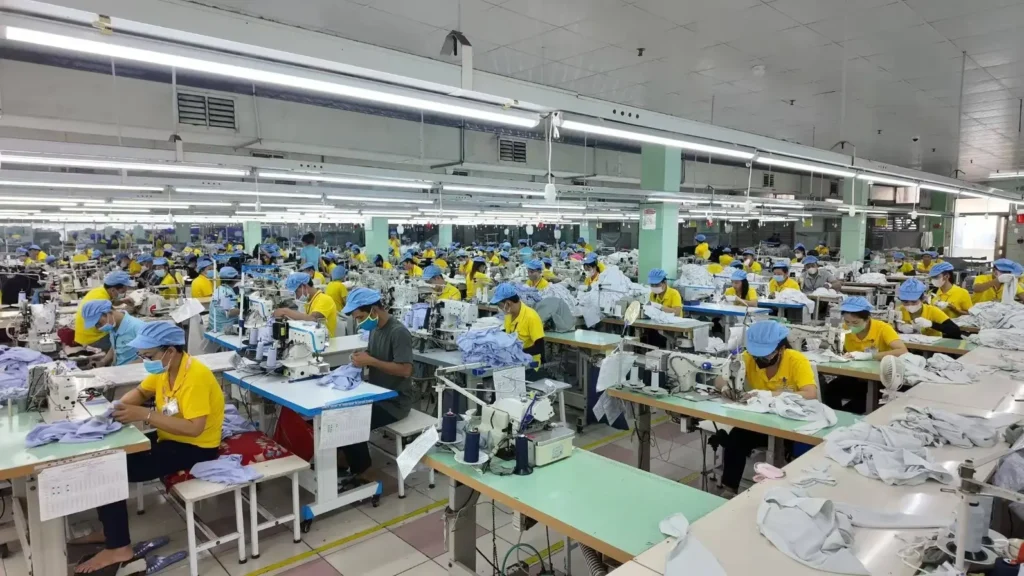
Operating in the infant apparel space means placing safety above every other consideration. Your chosen baby wear manufacturer must strictly comply with internationally recognized fabric and safety compliance standards, delivering dual protection: safeguarding the health of infants and toddlers, and shielding your brand from catastrophic risk.
Overview of International Safety Standards
- CPSC (United States): Flame Resistance, Lead Content, and Drawstring Regulations
The U.S. Consumer Product Safety Commission (CPSC) enforces strict, mandatory flame resistance testing, limits on heavy metals and lead content in all garment trims and components, and explicitly bans potentially hazardous drawstrings on children’s tops and outerwear. - EU EN 14682 Standard: Cords and Drawstrings
This critical European standard sets out exhaustive regulations governing the placement and length of cords and drawstrings on infant apparel, designed to fully eliminate the risk of potential strangulation and entanglement hazards for young children. - REACH Regulation: Chemical Safety
Governing the European market, this regulation imposes strict limits on the use of harmful chemicals, toxic dyes, and heavy metals throughout the entire textile manufacturing process, with the non-negotiable core goal of protecting human health.
Critical Fabric Certifications to Mandate From Your Manufacturer
Beyond meeting basic legal compliance requirements, when partnering with a high-quality infant wear manufacturer, you should also mandate top-tier fabric certifications. Prioritize the OEKO-TEX Standard 100 certification, which guarantees that the garment has passed rigorous testing for harmful substances and is completely safe and non-irritating for infants’ sensitive skin.
In addition, if sustainability is a core priority for your brand, require manufacturers to hold the Global Organic Textile Standard (GOTS) certification. This ensures the organic cotton materials you use are sourced from ethically harvested supplies and processed through eco-friendly, sustainable manufacturing practices. These authoritative certifications will instantly build strong consumer trust and credibility for your apparel brand.
Pricing Guide: What Is the Real Cost of Manufacturing Infant and Toddler Apparel?
In 16 years working across the global apparel industry, the single most frequent question from brand founders is: “What does this manufacturing actually cost, in real terms?” Transparent pricing is the cornerstone of building strong, long-lasting B2B partnerships with any baby clothing manufacturer. Yet calculating precise production costs is not as simple as applying a fixed rate from a product catalog. Whether you’re manufacturing standard adult activewear or highly specialized infant and toddler apparel sets, the final per-unit cost is determined by a complex matrix of interlocking variables.
Factors That Drive Infant Apparel Manufacturing Costs
When you receive a quote from an infant clothing manufacturer, that single number is actually the sum of multiple distinct cost centers. Understanding how these cost elements break down will help you design products that align with your target profit margins, while avoiding unexpected budget overruns.
- Fabric: Raw materials are almost always your largest single line item expense. Upgrading to premium, sustainable fabrics — such as GOTS-certified organic cotton or bamboo viscose — will result in a significantly higher cost per yard compared to standard conventional cotton.
- Trims & Hardware: In the infant apparel niche, the use of trims is subject to extremely strict regulatory oversight. Sourcing lead-free, tensile-tested YKK snaps, child-safe zippers, and non-toxic dyes will increase per-unit costs, but these investments are non-negotiable and mandatory to ensure full regulatory compliance.
- Labor: Apparel manufacturing is heavily reliant on skilled labor. Complex construction techniques — such as seamless construction or flatlock stitching required to prevent friction against infants’ delicate skin — often demand more time on the sewing floor, as well as specialized sewing equipment.
- Overhead & Shipping Costs: Factory overhead — including the cost of maintaining industry certifications and a safe working environment — is inherently built into the per-unit price of your product. Beyond this, logistics and shipping have a massive impact on your final landed cost: the total cost of your product once it arrives at its final destination. Partnering with a baby wear manufacturer based in a major supply chain hub (such as Guangzhou) will often streamline raw material transportation and reduce international freight costs significantly.
How Order Volume Impacts Per-Unit Cost
In apparel manufacturing, the principle of economies of scale governs everything. When a factory sets up a production line, all the upfront prep work — including pattern grading, machine calibration, and bulk fabric spreading and cutting — incurs a fixed, one-time set-up cost.
- Small-Batch Orders (Higher Per-Unit Cost): If you’re a startup brand placing an order right at the minimum order quantity (MOQ) threshold, that fixed set-up cost can only be spread across a relatively small number of garments. In addition, the factory cannot access bulk purchasing discounts on raw materials, driving up the per-unit price of each item.
- Large-Volume Production (Lower Per-Unit Cost): As your order volume increases, the factory is able to maximize fabric utilization and labor efficiency. The initial set-up costs are spread across thousands of units, driving down your per-unit product cost dramatically. Scaling your order size is the single most effective way to widen your brand’s profit margins.
Conclusion
After 16 years in the apparel industry, one truth holds constant: your brand is only as strong as your supply chain. When you launch a babywear line, choosing the right baby wear manufacturer isn’t just about price — it’s about fabric safety, compliance, and strategic growth.
Whether you need ODM flexibility or strict OEM execution, always partner with baby clothing manufacturers that prioritize CPSC and OEKO-TEX standards to protect your brand and your customers. Don’t leave your 2026 production to chance. Request a quote directly from your preferred baby wear manufacturer, verify their safety credentials, and contact OEM baby clothes supplier experts today to scale your vision.
FAQ
What is a reasonable MOQ for a startup baby brand?
100–300 pieces per style is realistic for most startups working with a baby wear manufacturer. Some small factories go as low as 50, but expect a higher unit cost. If a supplier jumps straight to 1,000+ with no flexibility, they’re likely not built for emerging brands.
How long does it take to produce a baby clothing order?
Plan for 60–90 days from sample approval to finished goods — covering fabric sourcing, sampling, bulk production, and QC. First-time orders almost always run longer than expected, so build in buffer time and work backwards from your launch date.
What is the best fabric for baby clothing?
Organic cotton is the most trusted choice — breathable, hypoallergenic, and what parents look for. Bamboo jersey excels for sleepwear, and cotton-modal blends offer premium softness. Whatever you choose, always verify fabrics are free from harmful dyes and chemical finishes.
What certifications should I ask a babywear manufacturer for?
Always request OEKO-TEX Standard 100 (harmful substance testing) and GOTS if marketing as organic. ISO 9001 confirms factory quality systems. Also check market-specific compliance: CPSC for the US, EN 14682 for the EU. Ask for valid certificates — expired ones are a common red flag.
How can I verify whether a babywear supplier is a real factory?
Request a live video factory tour — real manufacturers won’t hesitate. Cross-check their business license against their platform profile. Search shipment records on ImportYeti or Panjiva. For larger orders, a third-party audit via SGS or Bureau Veritas ($200–$400) is well worth the investment.