One of the costliest mistakes buyers make in the sourcing process is assuming every supplier is a genuine, in-house kidswear factory. In conversations with our clients, nearly all of them have been burned by fake manufacturers at some point. This is a misstep that almost always leads quickly to shipping delays, catastrophic quality failures, and severely eroded profit margins.
What you actually need is direct, unfiltered communication with the team on the factory floor. That’s why we’ve cut out all the middlemen and hand-compiled this authoritative directory of 10 genuine childrens clothing manufacturers. Let’s eliminate hidden markup costs entirely and connect you with legitimate, long-term kidswear manufacturers for your children’s wear business.
Why Source Directly From Kidswear Factory?
The most immediate benefit of sourcing directly from childrens clothing manufacturers is eliminating the layered markups from middlemen. This instantly boosts your profit margins. This is make-or-break for startup children’s wear brands, as it directly impacts their ability to survive and gain a foothold in a competitive market.
Beyond cost savings, it eliminates the time-consuming, costly “telephone game” that comes with navigating trading companies. You can communicate directly with the technical teams responsible for your garment’s construction. This ensures your complex specifications and custom design details are understood and executed with complete precision—no details lost in translation between multiple intermediaries.
A trusted, reputable manufacturer also streamlines your custom design projects, private label requests, and repeat order fulfillment. When taking a long-term view of your business, sourcing directly from a legitimate kidswear factory is almost always the smartest path to building a stable, scalable supply chain that grows with your brand.
How to Spot a Genuine Children’s Clothing Factory
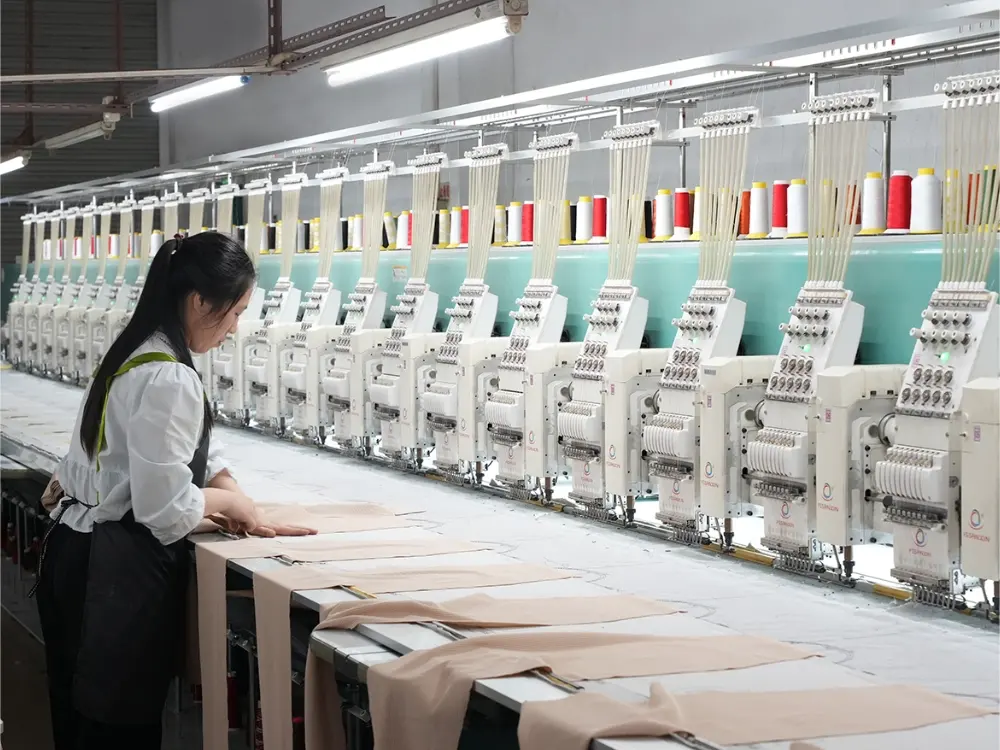
Before you place a single order, you must confirm you’re working with a real, operating factory — not a trading company posing as a manufacturer. Drawing on my 16 years in the children’s apparel manufacturing industry, I’ve narrowed down 3 foolproof, field-tested verification methods to help you tell the difference between a legitimate production facility and a trading company masquerading as a factory.
- Verify Their Official Business License
First, request a valid, up-to-date business license, and conduct a careful review of its registered business scope. A genuine manufacturer will explicitly list apparel production or children’s clothing manufacturing as part of its core business activities — not just trading, exporting, or sourcing services. If the scope only covers trade-related services, you’re almost certainly dealing with a middleman, not a direct factory. - Request a Live, Real-Time Factory Tour
A live, unscripted video tour is the most reliable way to confirm the supplier actually owns and operates a physical production workshop. Ask to see their full production floor in real time: the cutting room, sewing lines, finishing department, and packaging area. This gives you unfiltered visibility into their production layout, equipment, and actual manufacturing capacity — never accept pre-recorded clips or stock photos as proof of a factory. - Evaluate Their Core Product Specialization
Nearly all legitimate, full-scale factories have a clear, defined expertise in a specific product category. If a supplier claims they can expertly manufacture every type of apparel imaginable, that’s a major red flag for any brand trying to focus kidswear. A narrow, focused product range almost always translates to deep, consistent production experience. For example, a factory that exclusively makes children’s matching sets will always deliver better quality than one that makes everything from adult formal wear to baby rompers.
10 Best Children’s Clothing Factories
1. HAPA — The Ultimate Comprehensive Factory for Kidswear OEM/ODM
Based in China with a robust global supply chain, HAPA Garments is a recognized manufacturing powerhouse specializing strictly in high-quality children’s wear. As leading kidswear manufacturers, they have built an impeccable reputation for understanding the complex nuances and safety requirements of kidswear production. From rigorous quality control and international compliance (such as CPSIA) to custom fabric milling, their state-of-the-art facility handles everything from raw materials to final packaging. They offer a truly seamless, end-to-end manufacturing experience.
- Main Product Categories: Knitted and woven kidswear, organic baby apparel, custom infant sets, and outerwear.
- MOQ: Flexible (Typically starting around 100–300 pieces per style/color, highly adaptable for scaling).
- Best for: Comprehensive OEM/ODM services, premium fabric sourcing, and scalable growth.
- Pros: Exceptional quality control, full-service supply chain management, and strict adherence to international safety standards.
- Potential Cons: Due to their high demand and comprehensive service model, peak season production slots can fill up quickly, requiring brands to plan collections well in advance.
2. Thygesen Textile Vietnam — The Leader in Sustainable & Performance Kidswear
Located in Hanoi, Vietnam, Thygesen Textile is an industry heavyweight with decades of manufacturing heritage. They stand out globally for their unwavering commitment to ethical labor standards. Operating a modern, high-tech facility, they hold critical certifications including OEKO-TEX® Standard 100, GOTS, and FSC. They are the premier choice for brands that focus kidswear for active children, handling complex technical fabrics flawlessly.
- Main Product Categories: Sustainable babywear, children’s activewear, UV-protective clothing, and technical knits.
- MOQ: 1,000 pieces per style/color.
- Best for: Sustainable kidswear, activewear, and high-performance fabrics.
- Pros: Deep expertise in technical and eco-friendly fabrics; strong ethical and environmental certifications.
- Potential Cons: Their high minimum order quantity (MOQ) makes them unsuitable for bootstrapped micro-startups or capsule collections.
3. MMS Clothing — Your Go-To Partner for Full-Scale FOB Production
Operating out of China, MMS Clothing represents the highly professional, modern face of Asian garment manufacturing. Unlike traditional factories that only offer basic Cut, Make, and Trim (CMT) services, MMS provides comprehensive Free On Board (FOB) project management. This means they handle the entire headache of sourcing trims, fabrics, and packaging on your behalf. Their massive facility houses the diverse, complex machinery required to flawlessly execute both delicate, stretchy knitwear (like onesies) and structured woven garments (like denim or formal dresses) entirely under one roof.
- Main Product Categories: Woven dresses, kids’ denim, structured outerwear, and cotton knits.
- MOQ: 300–500 pieces per style.
- Best for: Comprehensive FOB services and established brands expanding their catalogs.
- Pros: True turnkey solutions, excellent at sourcing unique trims, and capable of handling diverse fabric types simultaneously.
- Potential Cons: Their pricing structure is geared toward mid-to-large runs; smaller, highly bespoke orders may find the unit costs less competitive.
4. Billoomi Fashion — The Premier Choice for Premium Organic Knitwear
Based in New Delhi, India, Billoomi Fashion is a highly sought-after manufacturing partner for premium private labels. They have carved out a highly successful niche in organic knitwear and “Ready-to-Dye” services. As dedicated infant clothing manufacturers, their commitment to working with ultra-soft, hypoallergenic materials like bamboo blends and GOTS-certified organic cotton is essential for sensitive infant skin.
Main Product Categories: Organic cotton basics, bamboo infant rompers, and premium boutique kidswear.
- MOQ: Extremely low (Often starting at just 25 pieces per style/color).
- Best for: Premium organic knitwear and boutique private labels.
- Pros: Unbeatable flexibility for startups, access to luxurious hypoallergenic fabrics, and excellent custom dyeing capabilities.
- Potential Cons: Their smaller-scale boutique approach means they may struggle to instantly scale up if your brand suddenly requires tens of thousands of units overnight.
5. CM Garmindo — The Gold Standard for Ethical Slow Fashion
Operating out of Bali, Indonesia, CM Garmindo is fundamentally redefining apparel manufacturing by operating as a transparent social enterprise. If authentic, ethical labor practices are the cornerstone of your brand’s identity, they are the gold standard. They guarantee living wages, operate with radical transparency, and actively support their local artisan community. Beyond their ethics, they are highly skilled in creating beautiful, bespoke resort wear and customized kidswear lines, allowing designers to focus kidswear testing in new, creative markets without taking on the massive financial risk of large inventory orders.
- Main Product Categories: Bespoke kidswear, resort wear, natural fiber clothing, and custom prints.
- MOQ: 50–100 pieces per style.
- Best for: Ethical “Slow Fashion” brands and ultra-low MOQs.
- Pros: Radical supply chain transparency, highly ethical marketing angle, and extreme flexibility for custom designs.
- Potential Cons: Because they pay fair living wages and focus on slow fashion, their Cost of Goods Sold (COGS) will be higher than standard fast-fashion factories.
6. Appareify — The Heavyweight in Fast-Turnaround Organic Cotton
Headquartered in Shenzhen, China, Appareify perfectly bridges the often-difficult gap between high-volume, rapid manufacturing and eco-conscious production. They possess massive production capabilities specifically tailored for organic, hypoallergenic cotton kidswear that is strictly free from toxic dyes, heavy metals, and pesticides. Despite their enormous scale, they maintain highly competitive pricing and offer incredibly fast turnaround times. They are engineered for modern apparel brands that need to react quickly to market trends without sacrificing material safety or environmental integrity.
- Main Product Categories: Organic cotton T-shirts, hoodies, infant basics, and fast-fashion kidswear.
- MOQ: Highly competitive and variable depending on fabric stock.
- Best for: High-capacity organic cotton production and rapid turnaround.
- Pros: Lightning-fast production cycles, massive scalability, and strict use of non-toxic materials.
- Potential Cons: Due to their massive scale, the communication process can sometimes feel more corporate and less personalized compared to a smaller boutique factory.
7. The Pima Company — The Source for Luxury Peruvian Pima Cotton
Located in Lima, Peru, The Pima Company specializes exclusively in Peruvian Pima cotton. Often referred to as the “cashmere of cotton,” this fiber is renowned for exceptional softness and durability. This facility focuses entirely on premium wear, catering directly to luxury brands. As elite infant clothing manufacturers, sourcing directly from this specialized facility is a strategic necessity for high-end retail collections.
- Main Product Categories: Luxury baby rompers, high-end sleepwear, and premium infant gift sets.
- MOQ: Approximately 300 pieces per style.
- Best for: Luxury baby wear and high-end retail collections.
- Pros: Direct access to the world’s softest, highest-quality cotton; immediately elevates brand positioning and perceived value.
- Potential Cons: Product capabilities are strictly limited to cotton-based knits and wovens; they cannot produce heavy winter gear, nylon, or activewear.
8. Steve Apparel — The Ultimate One-Stop Shop for Custom Kidswear Startups
With headquarters in the USA and dedicated manufacturing facilities overseas, Steve Apparel is a massive asset for emerging brands. They operate as a comprehensive kidswear factory tailored for startups. Their team guides new founders through the entire process—from initial pattern making to full-scale bulk production. They offer limitless customization options, including specialized screen printing and unique garment dyeing techniques.
- Main Product Categories: Custom streetwear for kids, casual sets, embroidered apparel, and printed tees.
- MOQ: 50 pieces per design.
- Best for: Complete cut-and-sew customization and dedicated support for startups.
- Pros: Incredibly supportive for industry beginners, limitless customization options, and low barriers to entry.
- Potential Cons: Since the actual manufacturing takes place overseas, international shipping logistics can occasionally add to your overall lead times.
9. MK Kids — The Precision Experts in Strict Tech Pack Execution
Located in Guangzhou, China, MK Kids operates a heavily structured, disciplined facility with over 500 skilled employees. If your brand features intricate designs or structured outerwear, MK Kids translates complex tech packs into flawless physical prototypes. As strict childrens clothing manufacturers, their dedicated Quality Control (QC) department enforces AQL 2.5 standards, guaranteeing high-volume bulk orders arrive exactly as sampled.
- Main Product Categories: Formal kidswear, complex winter outerwear, detailed dresses, and multi-layered garments.
- MOQ: 500 pieces per style.
- Best for: Strict OEM/ODM tech pack execution and rigorous quality control.
- Pros: Flawless quality assurance, capable of highly complex garment construction, and highly reliable for large-scale orders.
- Potential Cons: Their strict, highly systematized production lines mean there is very little flexibility for last-minute design changes once production has commenced.
10. Royal Apparel — The Top Tier Choice for “Made in USA” Replenishment
Location & Basic Intro: Based in New York, USA, Royal Apparel is a premier domestic manufacturer for North American brands wanting to entirely bypass global shipping delays, port strikes, and tariff issues. They specialize heavily in sustainable fabrics, notably 100% organic cotton and organic viscose bamboo blends. Partnering with Royal Apparel allows your brand to proudly utilize the “Made in the USA” label—a highly powerful marketing tool for modern, eco-conscious parents. Their domestic location also allows for incredibly fast inventory replenishment when a particular style sells out unexpectedly.
- Main Product Categories: Basic tees, sustainable infant loungewear, blank onesies, and eco-friendly basics.
- MOQ: No minimums for blank apparel; custom dye/cut MOQs vary.
- Best for: “Made in USA” branding and quick domestic inventory replenishment.
- Pros: Eliminates international shipping risks, provides a strong domestic marketing angle, and ensures lightning-fast restocks.
- Potential Cons: Manufacturing in the United States carries significantly higher labor costs, which will directly result in a much higher COGS compared to Asian or South American factories.
How to Quickly Distinguish Between a Children’s Clothing Factory and a Trading Company
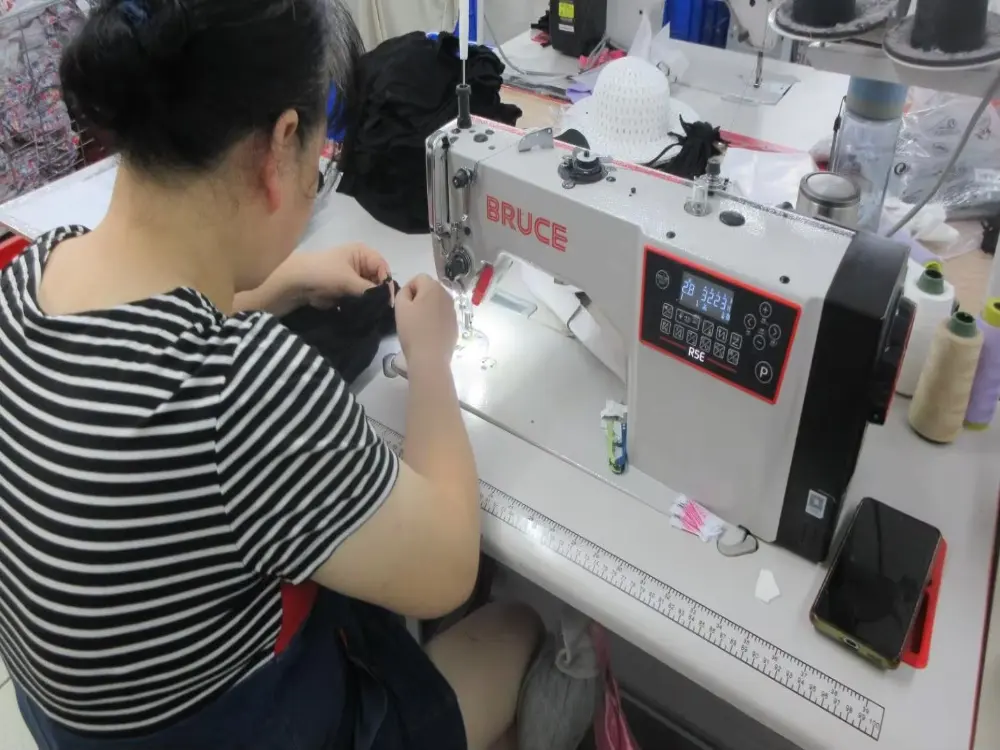
At first glance, a children’s clothing factory and a trading company may look similar. Both can offer catalogs, custom services, and attractive pricing. But from my experience, the difference becomes much clearer once you look at how they present their production capabilities, explain their workflow, and handle questions about pricing and quality control.
Website content focuses exclusively on products while rarely showcasing production capabilities
A genuine factory usually shows more than product photos. It also gives you some visibility into how production actually works.
Common signs to watch for include:
- Lots of product images, but no workshop photos
- No mention of machines, sewing lines, or QC processes
- Very little information about factory size or production capacity
When a supplier only sells the end result but never shows how it is made, that often suggests they are closer to a trader than a real manufacturer.
Unable to clearly articulate the sampling, production, and quality inspection processes
Real manufacturers usually understand each production step very well. They should be able to explain their workflow in a practical and confident way.
Pay attention to whether they can clearly explain:
- How sample development is handled
- How bulk production is scheduled
- How garments are inspected before shipment
Vague or generic answers often mean they are not directly managing the factory process.
Avoids displaying factory workshops, equipment, and the team
A genuine factory is usually willing to share at least some proof of its operation. That might be through photos, videos, or a live factory call.
Be cautious when a supplier:
- Refuses to show the workshop
- Avoids sharing equipment or production-line images
- Never introduces the factory team or QC staff
This kind of hesitation is often a sign that production is outsourced or not fully under their control.
Pricing methods are vague and inconsistent
Pricing can reveal a lot about whether a supplier really understands manufacturing. Real factories are usually more transparent about what drives the quote.
Warning signs include:
- Prices change without a clear reason
- No breakdown for fabric, trims, or labor
- Different answers from different sales contacts
When pricing feels inconsistent from the beginning, it often points to weak production control or a trading-based business model.
Key Factors to Evaluate When Selecting a Reliable Children’s Clothing Manufacturer
After you’ve filtered out trading companies, the real vetting process begins. Partnering with the wrong kidswear factory puts your brand’s hard-earned reputation on the line. I’ve narrowed down the 4 non-negotiable core pillars you need to evaluate.
Do they specialize in children’s apparel, or manufacture every category of clothing?
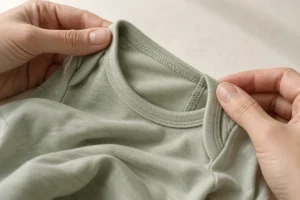
While broad industry knowledge helps, your manufacturer must be a dedicated kidswear factory to guarantee specialized machinery, ultra-soft seam construction, and precise stitch lengths tailored to little bodies. Steer clear of factories that treat children’s wear as a side hustle to adult clothing.
Is their fabric safe, soft, and fit for children’s wear?
Trustworthy infant clothing manufacturers will always prioritize non-toxic materials like organic cotton and maintain strict adherence to safety certifications (CPC, CPSIA, OEKO-TEX®). There is zero room for compromise on chemical safety.
How consistent is their sizing, quality of construction, and durability after washing?
The true quality of a children’s garment is whether it holds up to the rough-and-tumble of playground play and repeated high-intensity washes. This requires a factory that delivers unwavering sizing consistency across every bulk production run, with reinforced, durable seam construction that won’t split after a handful of wears. The ultimate litmus test of a factory’s long-term manufacturing standards? Real-world wear feedback from parents in your target market.
Do they have responsive communication and proactive problem-solving capabilities?
When issues inevitably arise during production, a top-tier factory takes a proactive, solution-first approach — even identifying potential design flaws and offering actionable fixes before the fabric is ever cut. What you need is a partner that responds quickly and works as a seamless extension of your in-house team, not a supplier that deflects blame and hides behind excuses when things go wrong.
Common Business Models in Kidswear Manufacturing
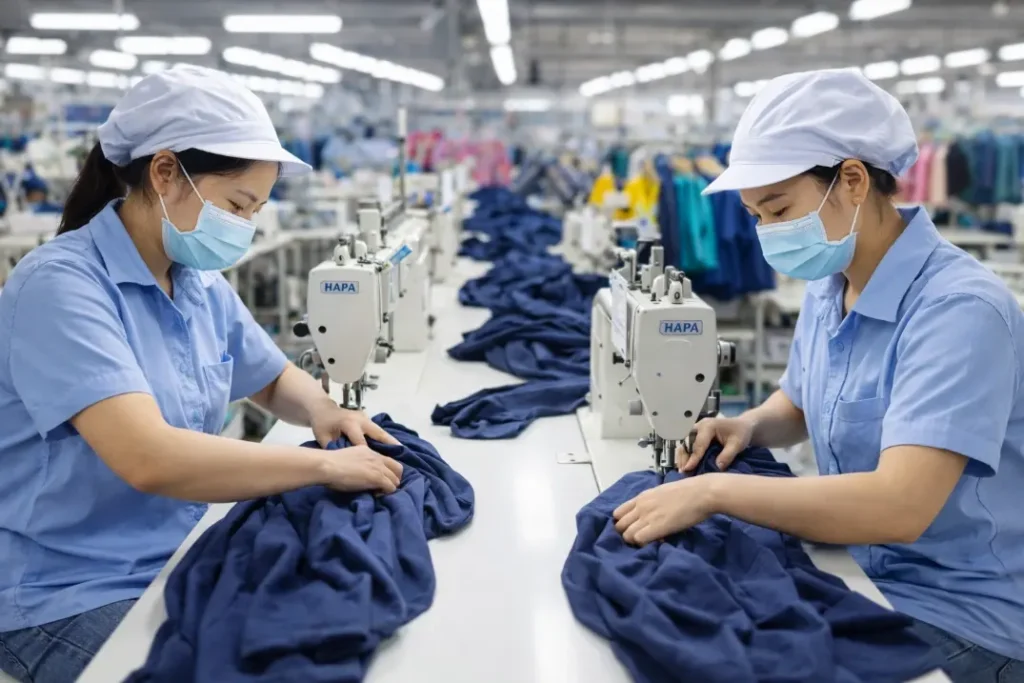
In the apparel manufacturing industry, selecting the right collaboration model directly determines your upfront investment costs, level of production control, and overall supply chain efficiency. Below, we break down and compare the four most prevalent partnership models for working with children’s clothing manufacturers, designed to help you make the most strategic, well-informed choice aligned with your brand’s current stage of growth.
| Collaboration Model | Definition | Core Responsibilities | Best For |
| OEM (Original Equipment Manufacturer) | Custom Manufacturing | The brand provides complete designs and detailed Tech Packs; the factory sources materials and manufactures strictly to those specifications. | Established apparel brands with in-house design teams seeking product originality and full control. |
| ODM (Original Design Manufacturer) | Private Labeling / White Labeling | The factory provides existing style templates; the brand simply selects styles, requests minor tweaks, and attaches their own logo. | Startups without dedicated design capabilities looking to launch quickly and test the market. |
| CMT (Cut, Make, Trim) | Assembly Only | The brand purchases and provides all fabrics and trims (zippers, buttons); the factory is only responsible for cutting, sewing, and ironing. | High-end brands with strong supply chain resources that require absolute control over fabric composition (e.g., premium organic cotton). |
| FOB (Free On Board) | One-Stop Turnkey Production | The brand pays a set price; the factory handles everything from fabric sourcing and sampling to final production and logistics, right up to loading the goods onto the shipping vessel. | E-commerce businesses seeking efficiency, wanting to minimize communication costs, and preferring to focus solely on marketing. |
Common Certifications and Compliance Requirements for Kidswear Factories
- CPSIA, REACH, and General Safety Requirements
Safety rules are mandatory in the apparel and clothing industry. Kidswear for the U.S. market must comply with CPSIA. This law strictly limits lead and phthalates. It also requires flame resistance for children’s pajamas. For Europe, the REACH standard applies. This helps ensure that garments do not contain banned or toxic chemicals. - What OEKO-TEX® Standard 100 Actually Means
This label proves a garment is completely safe. Testers check every single part. This includes the main fabric, sewing threads, zippers, and buttons. They test everything for harmful substances. If a factory has this certification, it offers stronger assurance that the garments are suitable for sensitive baby skin. - What GOTS Certification Means for Organic Kidswear
GOTS is the top standard for organic clothing. It proves the cotton grows without toxic pesticides. However, the rule goes further than just the farm. It also checks the actual factory. The manufacturer must use eco-friendly dyes, protect the environment, and treat their workers fairly.
Conclusion
Finding a genuine kidswear factory is vital for your brand. Skipping trading companies gives you control over quality, profit margins, and safety rules. With 16 years in the apparel industry, I recommend a direct manufacturing partner like HAPA. Take control of your supply chain and build a profitable brand today.
FAQ
What is the typical Minimum Order Quantity (MOQ) for a kidswear factory?
MOQs vary by manufacturer. In the broader apparel and clothing industry, most direct factories require 300 to 500 pieces per style. However, some specialized factories accept 50 to 100 pieces for startups. Always ask about their MOQ before sending your designs.
How long does it take for a kidswear factory to produce an order?
Production lead times depend on order size. Generally, making a sample takes 1 to 2 weeks. After you approve the sample, bulk production takes 30 to 45 days. Genuine factories work faster than trading companies because there is no middleman delay.
Do kidswear factories provide custom fabrics and dyes?
Yes, real OEM manufacturers offer full customization. They can source specific materials, like organic cotton or bamboo. They can also dye fabrics to match your exact Pantone colors. If a supplier refuses to customize fabric, they are likely a trading company.
How do kidswear factories guarantee product safety?
Reliable manufacturers strictly follow safety laws like CPSIA and REACH. They use non-toxic dyes, test for heavy metals, and ensure buttons are totally secure. Always ask the factory for their OEKO-TEX Standard 100 or GOTS certificates before placing an order.
Can I visit the kidswear factory in person?
Absolutely. Over my 16 years of experience in the apparel and clothing industry, I always encourage brand owners to visit. A genuine factory welcomes in-person audits. If you cannot travel, you should demand a live video tour to see their sewing lines.