If you’ve been watching the children’s apparel market over the past few years, one shift is impossible to ignore: bamboo has moved from niche trend to mainstream staple — and it’s showing no signs of slowing down. Today’s parents aren’t just buying clothing. They’re making values-driven decisions, and they’re willing to pay a meaningful premium for products that reflect those values.
With more than 16 years working directly in garment manufacturing, I can tell you that producing custom bamboo baby clothes is a far more nuanced process than most new brands expect. Bamboo viscose is prized for its buttery softness and breathability, but spinning, knitting, and dyeing this material to meet international infant safety standards demands genuine technical expertise. Without it, finding the right factory can feel like searching for a needle in a haystack. This guide walks you through exactly how to do it.
Why Bamboo Has Become the Standard for Premium Baby Apparel
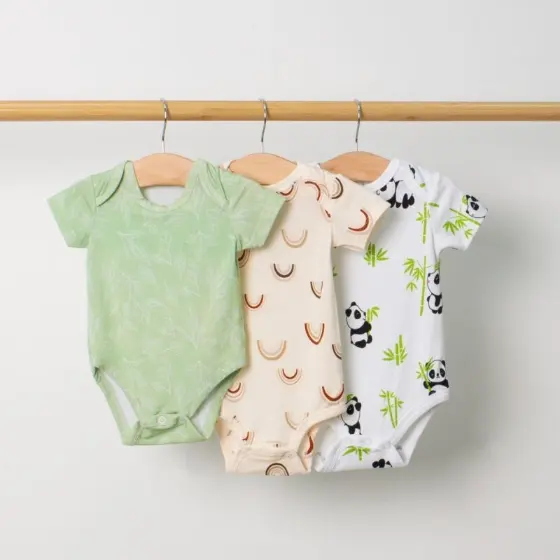
The demand for bamboo baby outfits and infant basics has exploded — and this isn’t a passing marketing fad. From a brand-building and manufacturing standpoint, bamboo represents a genuine leap forward in textile quality, one that directly affects customer loyalty and repeat purchase rates.
A Natural Fit for Premium Brand Positioning
Bamboo kids clothing fits seamlessly into high-end boutique brand strategy. It gives brands a clear, compelling way to communicate softness, comfort, and forward-thinking fabric innovation without relying purely on print or design details. For private label lines trying to establish a premium identity from day one, this is a significant commercial advantage. It’s also one of the reasons bamboo baby clothes brands have been able to command higher price points than comparable cotton lines.
Recommended by Pediatric Healthcare Providers
Among dermatologists and pediatric allergists, bamboo material baby clothes have been quietly and consistently recommended for infants with eczema, contact dermatitis, or general skin sensitivity. The reason comes down to fiber structure: bamboo creates far less mechanical friction against delicate skin than woven cotton, and certified bamboo textiles carry a lower residual chemical load than many conventionally processed fabrics.
Bamboo’s natural moisture-wicking properties also help reduce sweat-induced flare-ups. While it isn’t a medical treatment, healthcare providers are increasingly listing it as a preferred textile for a baby’s first year — a recommendation that carries real commercial weight with your target audience.
Understanding the Different Types of Bamboo Fabric
Not all bamboo material baby clothes are created equal. In the infant apparel space, the two most common options are bamboo viscose (rayon) and bamboo lyocell. Both are derived from plant-based cellulose, but they differ significantly in production method, environmental profile, hand feel, and labeling requirements.
Bamboo Viscose vs. Bamboo Lyocell: What Brands Need to Know
Bamboo viscose is the more widely used and cost-effective option — it’s the foundation of most wholesale bamboo baby clothes on the market today. Bamboo lyocell is considered the premium tier, produced through a more tightly controlled closed-loop manufacturing process with a cleaner environmental footprint.
Environmental impact and FTC labeling: From a sustainability standpoint, lyocell holds a clear advantage. That said, responsible sourcing depends on far more than production process alone. For brands selling into the U.S. market, FTC labeling compliance is non-negotiable: in the vast majority of cases, these fabrics cannot simply be labeled “bamboo.” The correct nomenclature is “rayon from bamboo” or “viscose from bamboo,” and any experienced bamboo manufacturer should already know this.
Hand feel: Bamboo lyocell typically delivers a smoother, more luxurious finish — an excellent fit for high-end infant apparel. But softness isn’t determined by fiber type alone. Yarn quality, knit structure, fabric weight, and finishing all play equally important roles. In practice, high-quality bamboo viscose can deliver an exceptionally soft, plush feel that’s perfectly suitable for infant wear.
Blended Fabrics: What Works Best for Babywear
In infant apparel development, bamboo fabrics are frequently blended with other fibers to improve performance across specific product categories:
- Bamboo + Organic Cotton: An optimized balance of softness and structural integrity — a consistent top choice for onesies and everyday basics
- Bamboo + Spandex: Superior stretch and shape retention — widely used in bamboo sleepers baby styles for their flexible, comfortable fit
- Bamboo + Modal: A sleeker, smoother surface with a more elevated hand feel
For fitted garments, bamboo-organic cotton blends resist stretching and shape loss particularly well. For sleepwear, high-bamboo-content blends with a small percentage of spandex have become the industry standard.
Where to Find Custom Bamboo Baby Clothing Manufacturers
The most effective sourcing strategies combine online research, in-person trade show validation, and a clear understanding of production capabilities across key manufacturing regions.
Online Sourcing Platforms: Alibaba, Global Sources, and Faire
Online platforms are almost always the fastest way to build an initial supplier shortlist — but they’re not all built the same. Alibaba and Global Sources are significantly more effective when searching for OEM/ODM manufacturers and bamboo clothing suppliers, while Faire is better suited for discovering wholesale finished goods and researching what’s already selling at retail. Faire can still provide useful competitive intelligence, but it’s rarely the right starting point for factory-level sourcing.
Filtering for credibility on Alibaba: Avoid leading with price comparisons. Your first filter should be supplier credibility. Look for:
- Verified supplier status and Trade Assurance coverage
- Documented OEM/ODM capability with babywear experience
- Transparent factory photos, production process details, and testing documentation
- Clear information on certifications such as OEKO-TEX and CPSIA compliance
Red flags to watch for: A polished listing doesn’t guarantee a reliable baby wear manufacturer. Be cautious of vague fabric descriptions (labeling materials simply as “bamboo” with no fiber breakdown), lifestyle-only photography with no workshop images, evasive answers about compliance requirements, or unusually low pricing with no explanation. In my experience, a supplier who can’t clearly explain FTC labeling requirements or CPSIA standards is a bigger red flag than a high MOQ.
Trade Shows Worth Adding to Your Calendar
For premium infant apparel, nothing replaces the ability to feel fabric in person and inspect construction quality firsthand. Trade shows are one of the most reliable ways to distinguish genuine manufacturers from well-packaged middlemen — especially important when sourcing bamboo material baby clothes, where hand feel and workmanship are nearly impossible to judge from a website alone.
Key events to consider:
- SOURCING by Informa (Las Vegas): North America’s strongest gathering for production-focused sourcing conversations
- MAGIC Las Vegas: Broader, more retail-oriented — useful for understanding buyer demand and market direction
- Texworld NYC / Apparel Sourcing NYC: Excellent access to fabric mills, finished apparel manufacturers, and private label suppliers under one roof
- Pitti Bimbo: Globally recognized for kidswear trends and brand discovery, though less suited for factory-to-factory comparison
Preparing a sourcing brief before you attend: A concise brief saves time on the show floor and signals to suppliers that you’re a serious buyer. It should cover: product category and target age range, preferred bamboo blend, expected MOQ and price range, mandatory certifications, customization requirements (including custom printed bamboo fabric details, private labeling, and packaging), and your target launch timeline.
Domestic vs. Overseas Manufacturing: A Practical Comparison
Domestic manufacturing offers smoother communication, faster collaboration, and more accessible quality oversight — well-suited to brands that prioritize flexibility and smaller production runs. The tradeoff is significantly higher labor and unit costs.
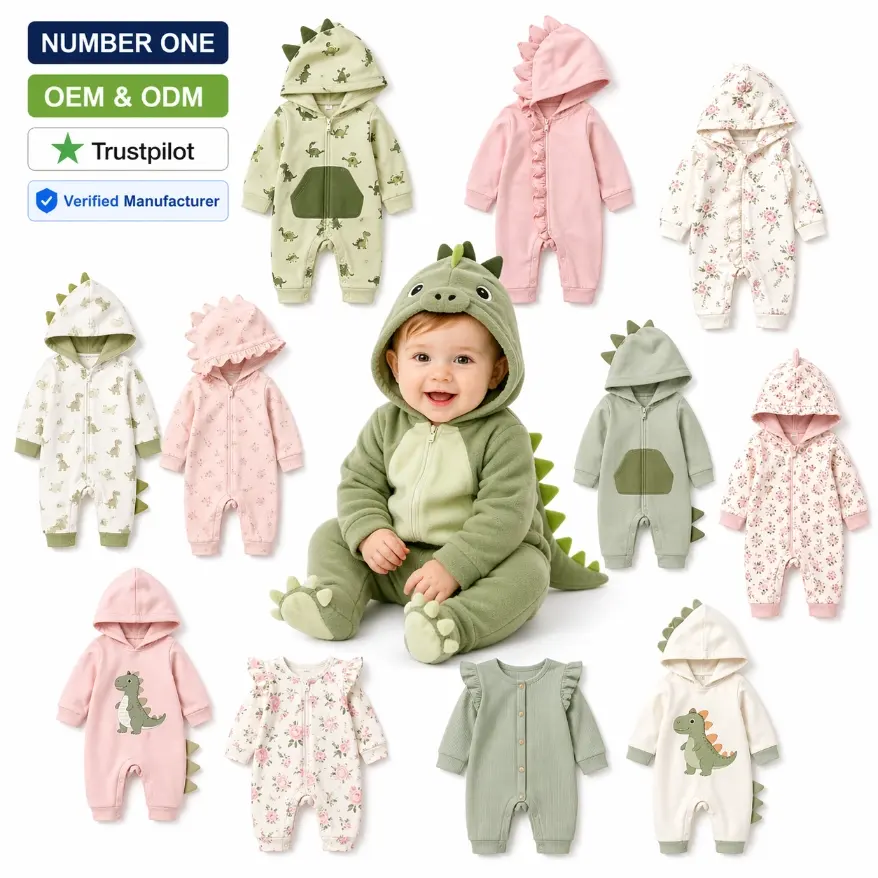
For large-volume orders, overseas manufacturing — particularly through established bamboo clothing suppliers in major textile hubs like Guangzhou — is typically far more cost-competitive and gives brands access to a broader range of specialized bamboo fabrics. The tradeoffs are higher MOQs, longer lead times, and more complex communication workflows, all of which require thorough upfront planning and dedicated supplier management.
How to Vet a Manufacturer: From First Contact to Final Tech Pack
The most reliable approach to evaluating any bamboo manufacturer is structured and phased. I always advise against rushing the process: validate fabric first, then review MOQs and pricing logic, and only advance to tech pack development once the prior steps are complete. This sequence catches red flags early, before you’ve committed time and budget to the wrong partner.
Requesting Fabric Swatches and Assessing Quality
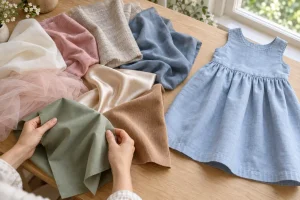
Before any discussion of bulk production, request physical fabric swatches. This is the fastest way to verify whether a supplier’s bamboo fabric meets your standards for softness, stretch, weight, and shape retention. When reviewing swatches for wholesale bamboo baby clothes development, focus on:
- Hand feel and smoothness against the skin
- Fabric weight and stretch performance
- Shape recovery after stretching
- Resistance to pilling or surface fuzzing
- Fiber composition disclosure and correct FTC labeling language
Analyzing MOQs and Pricing Structures
Once fabric meets your standards, understand the supplier’s pricing logic. A reputable factory will clearly explain whether MOQs are calculated per style, per color, or by fabric booking. For OEM orders, MOQs typically sit in the 300–1,000 unit range depending on the level of customization and the supplier’s operating model. Any factory that can’t give you a clear breakdown of how their pricing is structured is worth approaching with caution.
The Tech Pack and Prototyping Phase
The first prototype validates design and construction. Subsequent samples refine fit, sizing consistency, and production readiness. A supplier that communicates clearly and responsively during prototyping is almost always more consistent during bulk production — this phase is one of the most reliable indicators of what you’ll experience later at scale.
Evaluating Bamboo Fabric Quality for Babywear
Don’t approve a fabric based on softness alone. Confirm the fiber blend and knit structure first, then test it under real laundering conditions, and assess whether it can hold up comfortably against sensitive skin throughout the day.
Confirm the Blend and Knit Before Approving Anything
Ask for the exact fiber composition, knit structure, and care requirements before sampling begins. Most bamboo baby outfits on the market today use viscose or rayon from bamboo blended with a small percentage of spandex. The two blends you’ll encounter most often in commercial production:
- 97% rayon from bamboo / 3% spandex — soft and stretchy, well-suited to everyday basics
- 95% viscose from bamboo / 5% spandex — slightly firmer recovery, better for snugger-fit styles
Knit structure matters just as much as fiber content. As a general guide: jersey is softer and more drapey for everyday basics; rib is stretchier and works well for fitted styles; interlock is smoother and more structured when you want a cleaner, more polished finish.
Test the Fabric the Way Parents Will Use It
A swatch can feel exceptional in the showroom and disappoint after three washes. Test bamboo babywear fabric under real home-laundering conditions — repeated wash-and-wear cycles should produce no significant shrinkage, distortion, surface fuzzing, or seam failure. AATCC TM135 is the standard test for dimensional change after home laundering, and it’s a useful benchmark to request from any supplier.
Also check: stretch recovery (so garments don’t bag out at the knees or waist), pilling resistance (so the surface stays presentable through repeated washing), and seaming properties (so stress points hold at the snap crotch, underarm, and shoulder seam).
Baby-Specific Comfort Standards
Good babywear fabric needs to feel comfortable during extended periods of close skin contact. OEKO-TEX Product Class 1 — the strictest classification, intended for babies and children up to age three — is a reliable benchmark when evaluating both fabric and trims. Look for smooth fabric surfaces, low-bulk seams, and heat-transfer or printed labeling wherever possible. A small scratchy tag is a minor detail on paper; in daily use, it’s a genuine comfort issue.
Match fabric weight and structure to the season and end use. Lighter jersey suits warmer weather; rib and more stable knits perform better in cooler temperatures or close-fitting styles. Interlock is a strong option when you want a smooth, polished look without sacrificing softness.
How to Request Samples and Approve a Factory the Right Way
Sampling is where most sourcing mistakes either get caught or get missed. Done properly, it gives you a clear picture of what the factory can actually deliver. Done carelessly, it leads to bulk production that looks nothing like what you approved.
What to Request in the First Sample Round
Your first sample round should answer two questions: does the factory understand your product, and can they execute it at a basic level?
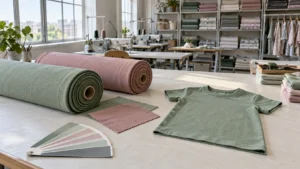
Always request physical fabric swatches alongside a color card before any garment sample is made. Swatches let you evaluate hand feel, weight, and surface quality in person — things that are impossible to judge from photographs. If colors are slightly off at the swatch stage, they’ll be further off in bulk.
Understand the difference between a fit sample and a sales sample. A fit sample confirms measurements, construction, and proportion — it doesn’t need to look finished. A sales sample is production-quality, used for photography or wholesale presentations. Confusing the two leads to approving garments that look great but aren’t spec-correct, or rejecting samples that are technically accurate but visually rough.
How to Review Samples Professionally
Review every sample against your tech pack, point by point:
- Stitching: stitch density, consistency, and tension at stress points like the crotch snap and underarm seam
- Measurements: compare every spec point to your size chart — a 1cm deviation at the sample stage becomes a fit problem at scale
- Print clarity: for custom printed bamboo fabric, assess sharpness, color accuracy, and registration on curved seam areas, not just flat sections
- Finishing: how hems are turned, how labels are attached, how the garment presents under good light
Wash the sample before approving it — this is non-negotiable for babywear. Run it through at least two home-laundry cycles at the temperature stated on your care label, then re-measure against your original spec.
What Must Be Approved Before Bulk Production
No bulk production should begin without a signed pre-production sample (PPS) — also called a golden sample — on file. Before signing off, confirm that all measurements match the approved spec sheet across every size in the run, fabric and colorway match the approved swatches, all trims are correct, and the garment passes your wash test.
Labeling and packaging should be locked in at the PPS stage, not sorted during production. Confirm that care labels carry the correct fiber content, country of origin, and care instructions for your target market. For brands selling into the U.S., ensure CPSIA tracking information (batch number, production date, factory location) is included on every label. Verify carton marks — errors in style number, size breakdown, or country of origin create expensive problems at customs.
Customization Options: Labels, Prints, Packaging, and Sizing
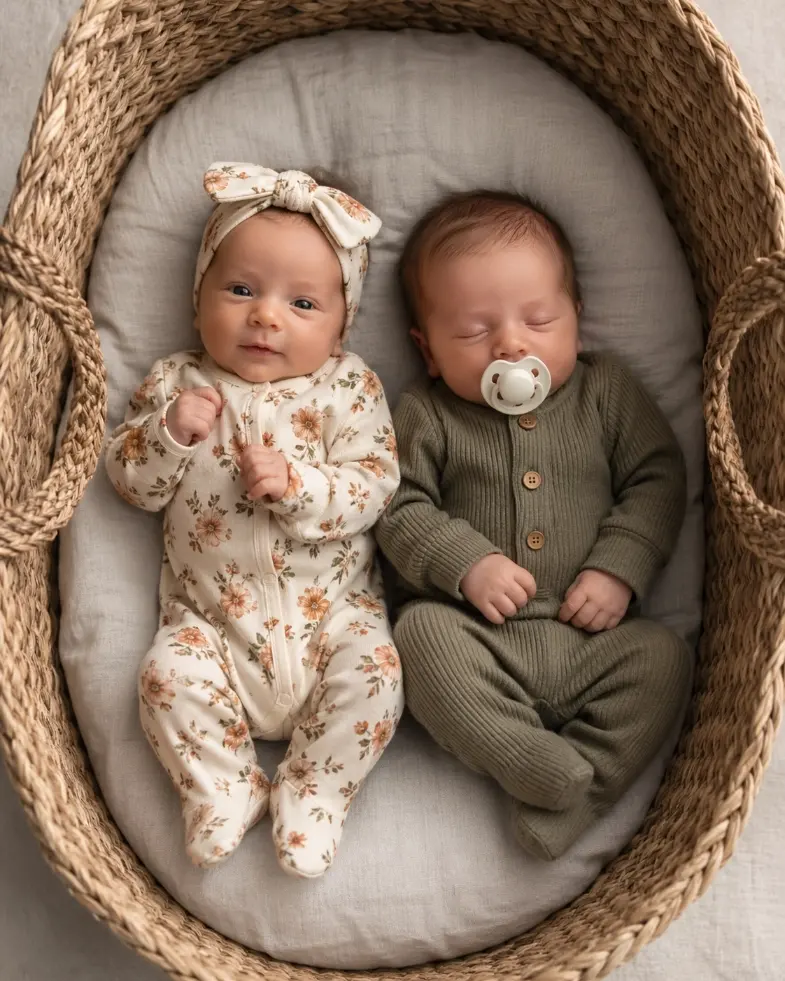
Customization for infant apparel goes beyond visual branding. It directly impacts product presentation, regulatory compliance, and the factory’s ability to execute your design at scale.
Branding: Labels, Hang Tags, and Packaging
For infant skin, avoid stiff woven neck labels entirely. Heat-transfer (tagless) labeling is the standard in premium bamboo baby clothes brands for good reason — it eliminates a common irritation point. Match your eco-friendly fabric with sustainable packaging: frosted EVA slide bags or compostable poly mailers elevate the unboxing experience and reinforce your brand’s values in a tangible way.
Fabric Printing Techniques
Bamboo viscose is highly porous and inherently stretchy, which means not all printing methods are suitable. Never use traditional dye sublimation, which only bonds to polyester fibers. For vibrant, multi-color custom printed bamboo fabric designs that resist cracking and peeling, specify reactive digital printing — the dye absorbs directly into the fiber, preserving breathability and a zero-hand feel. For simple logos, water-based screen printing works well, and plastisol inks should be explicitly prohibited in your tech pack. For high-volume all-over patterns, rotary screen printing with reactive dyes is the most cost-effective option.
Sizing: US, EU, and International Standards
Bamboo-spandex blends typically experience 3–5% shrinkage on the first wash. Your tech pack must include wash shrinkage tolerances so the factory cuts garments slightly larger to compensate. For brands targeting global distribution, design labels with a hybrid sizing format — for example, “3–6M / 62–68cm” — to avoid holding separate region-specific inventory for different markets.
Frequently Asked Questions
What is the typical MOQ for custom bamboo baby clothes?
For OEM production with custom dyeing and specific fabric blends, MOQs typically range from 300 to 500 pieces per style or color. This volume ensures efficient use of dye vats while keeping wholesale pricing competitive.
What safety certifications are required?
At minimum, your manufacturing partner should provide OEKO-TEX Standard 100 certification to verify the fabric is free from harmful chemicals. Garments must also comply with CPSIA and CPSC regulations, including mandatory tracking labels and flammability standards for tight-fitting sleepwear.
Why do most bamboo baby clothes include spandex?
Pure bamboo viscose is exceptionally soft but lacks the structural memory needed for active use. Blending it with 5% spandex adds four-way stretch and allows garments to recover their shape after stretching over a baby’s head — a critical performance factor for bamboo sleepers baby and everyday bodysuits alike.
Do bamboo baby clothes shrink after washing?
Yes — bamboo viscose typically experiences 3–5% shrinkage on the first wash. An experienced manufacturer will incorporate wash tolerance into your tech pack’s sizing chart, cutting garments slightly larger so they fit correctly after the customer’s first laundry cycle.
What is the average production lead time?
When working with an established supplier in a major textile hub, expect 30–45 days from PPS approval to production completion, plus an additional 25–35 days for international ocean freight.
Conclusion
Finding the right manufacturing partner for your custom bamboo baby clothes line is the single most important decision you’ll make in the early stages of your brand. By prioritizing certified fabric quality, rigorous sample testing, and detailed tech packs, you eliminate the costly production problems that derail most first-time apparel brands before they gain traction.
With 16 years of garment manufacturing experience, HAPA is a trusted B2B partner for premium wholesale bamboo baby clothes and custom infant apparel. Contact our team to request certified fabric swatches and discuss your tech pack.