When selecting clothes for children, comfort and safety must come first. It is not just about fashion. It is a conscious choice for your child’s health and well-being.
Among the many fabric options, 100% cotton is widely regarded as the gold standard.
So, what makes cotton the top choice for children’s wear? Let’s look at its specific advantages.
Composition of 100% Cotton
100% cotton refers to fabric made entirely from cotton fibers, without any blending of other chemical or natural fibers. Cotton is a natural fiber, with cellulose as its primary component.
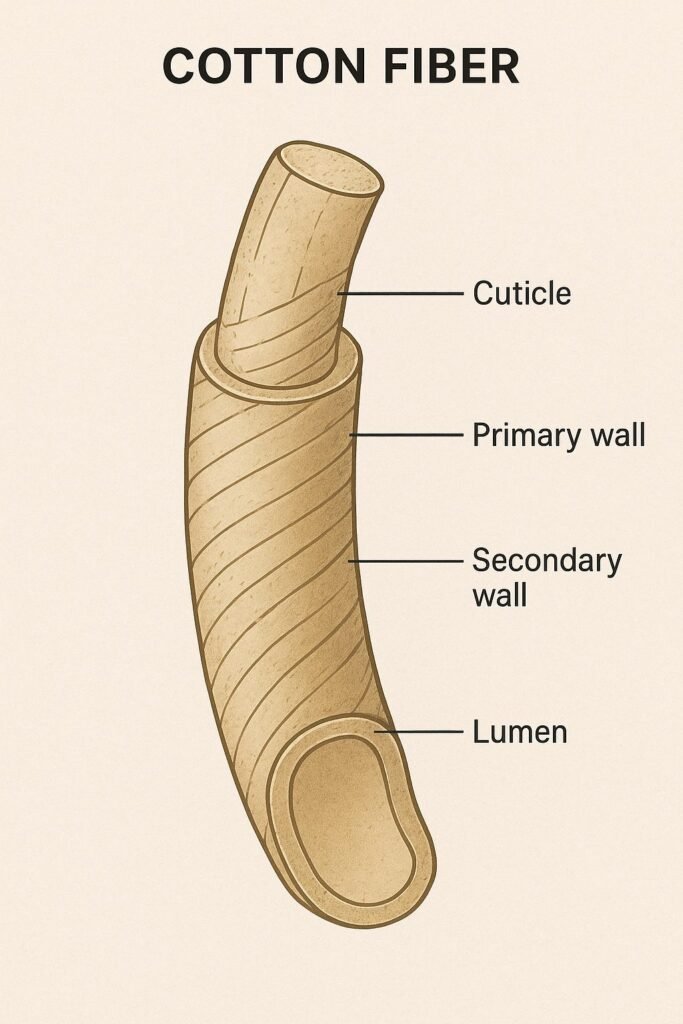
It is one of the most fundamental, widely used, and trusted textile materials in our daily lives.In 2023/2024, the total global production of cotton amounted to some 114 million bales.
The Natural Advantages of 100% Cotton
100% cotton is one of the most trusted natural fibers, thanks to a range of distinctive advantages that make it especially suitable for children’s products.
- Excellent Breathability Cotton allows air to flow freely. This natural airflow helps regulate body temperature, which prevents overheating. A cooler child is a happier child—and one who sleeps better, too.
- Great Moisture Absorption Medical experts note that cotton’s high absorbency and breathability make it , as it effectively wicks away moisture without trapping heat.
- Hypoallergenic and Gentle Cotton is one of the safest natural fibers. It rarely causes allergic reactions, making it the ideal choice for children with sensitive skin or eczema.
- Soft and Skin-Friendly The best part about cotton? It gets softer with every wash. Unlike synthetic fabrics, it doesn’t get scratchy or build up static over time. It stays soft and comfortable against the skin for the long haul.
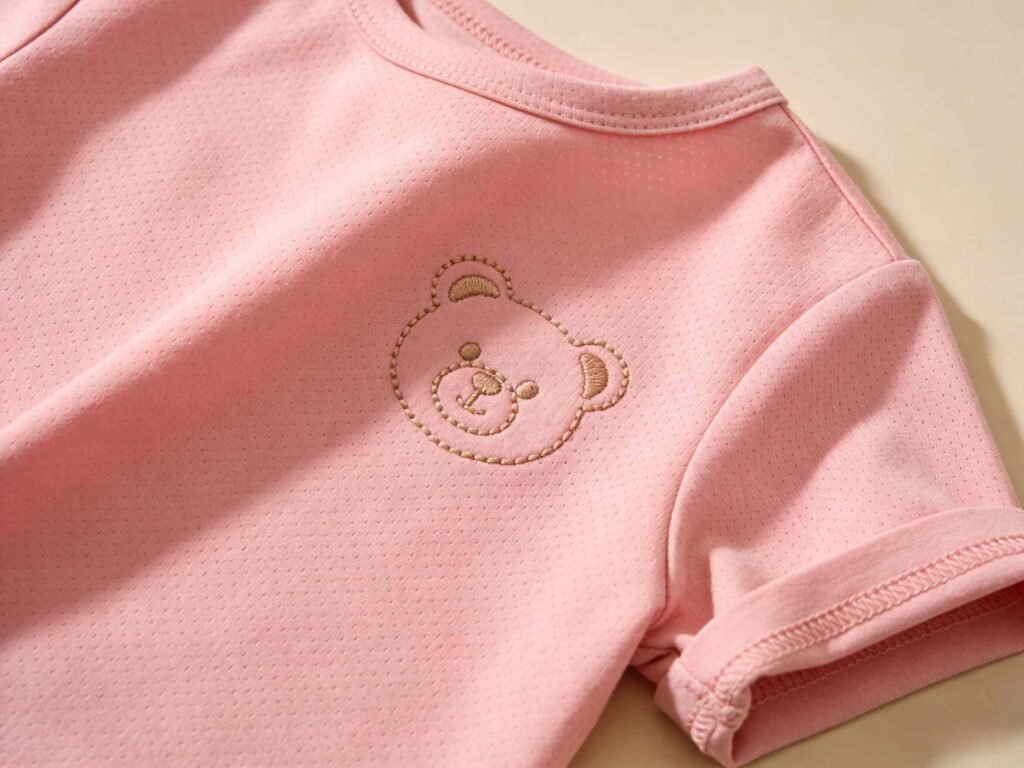
Why 100% Cotton is Best for Children
Cotton clothing is incredibly beneficial for kids. And you can see the results in their daily comfort. It supports their physical needs and keeps them happy without much effort. Here’s why it is the right choice:
Gentle Care for Delicate Skin
Children’s skin is naturally sensitive and much thinner than an adult’s. But that shouldn’t mean they suffer from irritation. By choosing 100% cotton, you provide a soft shield that protects this delicate barrier.
In fact, the dressing children with sensitive skin or eczema in 100% cotton clothing to prevent flare-ups and reduce friction.
Managing Heat and Play
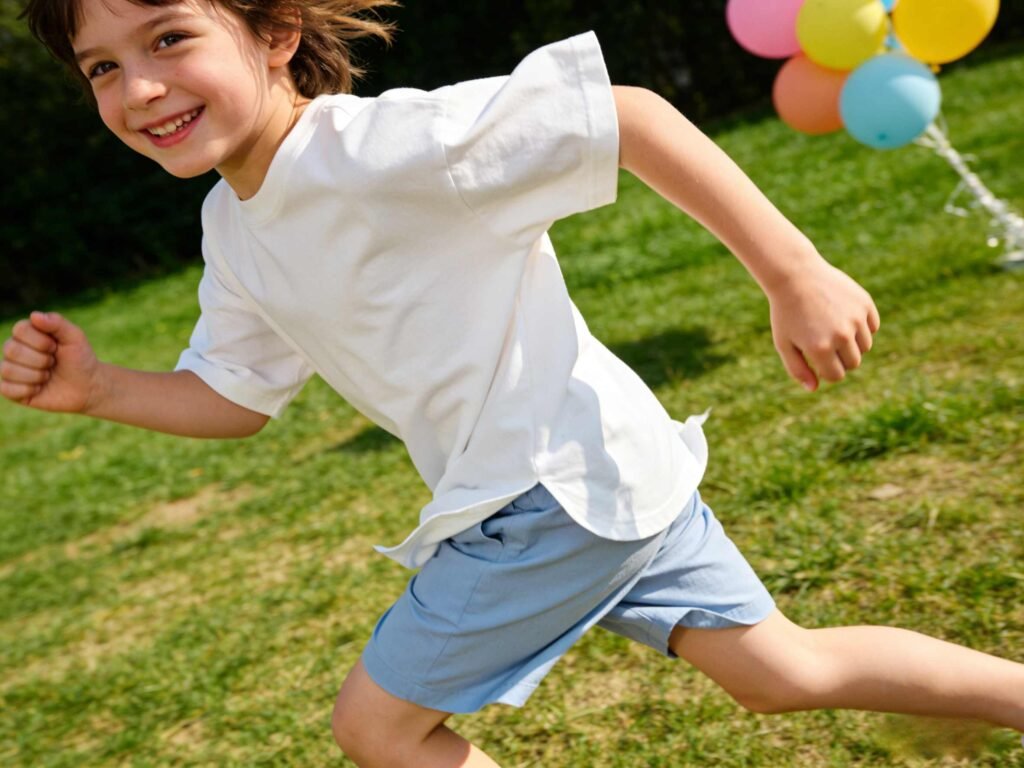
You may notice active kids sweat quickly. This is due to their faster metabolism. Cotton clothing handles this by absorbing moisture instantly rather than trapping heat against the body.
This keeps their skin dry and cool, which is essential for preventing heat rash. Or if they are playing hard outside, it simply helps them stay fresh longer.
Better Sleep Quality
The ideal night’s sleep requires a stable body temperature. 100% cotton offers just that. Wearing it helps children relax and prevents overheating in the middle of the night.
This is convenient because a comfortable child sleeps more soundly. And when they sleep better, you get to rest easy too.
100% Cotton VS Other Common Fabrics
| Features | 100% cotton | Polyester Fiber | Blended Fabrics | wool |
| Skin-Friendliness | Excellent (soft and natural) | Average | Depends on blending ratio | Good (may feel itchy) |
| Breathability | Outstanding (naturally breathable) | Poor | Average | Good |
| Moisture Absorption | Excellent (quick moisture absorption) | Very Poor | Average | Excellent |
| Safety | Natural and low-allergenic | Watch for chemical additives | Watch the proportion of synthetic fibers | May cause allergies in some individuals |
| Static Resistance | None | Prone to occurrence | Relatively prone to occurrence | Less common |
Summary
While polyester fiber is easy to care for and affordable, its poor breathability can leave children feeling damp and cold after sweating, increasing the risk of catching a cold.
Blended fabrics, though combining the advantages of different fibers, often contain chemical additives that may irritate sensitive skin.
Natural wool provides warmth but can cause itchiness and allergic reactions, making it unsuitable for direct contact with a baby’s skin.
100% cotton performs well across all key aspects. Its superior comfort, breathability, and skin-friendliness make it clearly better than other materials, making it especially suitable for children’s daily wear.
How to Identify Genuine 100% Cotton
Learning how to spot true cotton follows specific steps. So, it’s better to verify the quality yourself rather than rush to buy based on the brand name. Here’s what you need to know:
Check the Inner Label
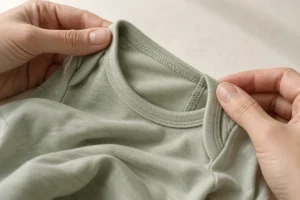
Begin by ensuring that you locate the permanent care tag inside the garment. The tag is typically sewn into the side seam and is legally required to list the exact fiber content.
Read the text and check for the “100% Cotton” marking. You need to be accurate here because the marketing sticker on the front often omits details. Read the tag twice before buying.
Feel the Fabric Texture
Real cotton fibers extend from nature, so they feel soft and warm to the touch. They are the breathable parts of the clothing and they serve to keep the skin comfortable.
In some cases, the fabric might feel incredibly smooth or slippery. Otherwise, if it feels “slick” or cold like plastic, it is likely a synthetic blend.
Observe the Surface Shine
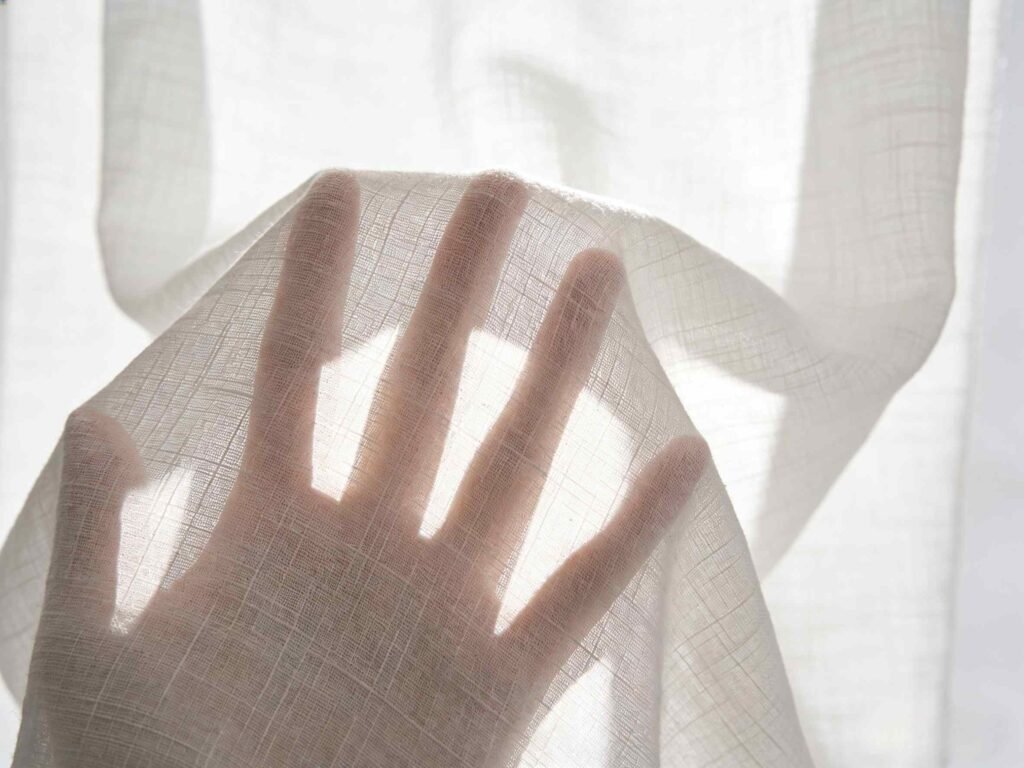
Cotton has a matte finish and it is responsible for absorbing light rather than reflecting it. Hold the fabric up to a natural light source and check the surface appearance.
Secure your judgment by looking for a soft, dull glow. This step is important since synthetic fibers often have an artificial sparkle or “glitter” under the light.
Perform the Burn Test
The final check consists of burning a small sample. Take a loose thread from a hidden seam, light it with a match, and watch the reaction.
Here you need to observe the ash. Unless the thread burns to a fine grey ash and smells like paper, you can’t confirm it is 100% cotton. Synthetics will melt and drip like wax.
How to Care for Cotton Clothing
Although cotton garments are durable, proper care is essential to maintain their softness and shape.
- Water Temperature: Use warm or cold water (not exceeding 30°C/86°F). High temperatures can cause cotton fibers to shrink and colors to fade.
- Avoid Harsh Detergents: Use a mild detergent or a baby-specific formula, and avoid chlorine bleach to protect the fiber structure and color.
- Gentle Washing: Prefer the “delicate” cycle on your washing machine or hand wash to reduce pulling and friction on the fibers.
- Drying Tips: Avoid direct sunlight, especially for colored clothing, to prevent fading. Air-dry in a shaded, well-ventilated area, either flat or hanging. Avoid hanging wet, heavy garments on hangers, as this can cause deformation.
- Ironing Temperature: If ironing is needed, use a cotton/linen setting (medium-high heat). Ironing when the garment is slightly damp gives the best results.
How to Choose Suitable 100% Cotton Clothing for Your Child
Selecting the right cotton clothing follows practical rules. So, it’s better to focus on safety and comfort rather than just style. Here’s what you need to know:
Select a Larger Size
Begin by selecting cotton clothes that are slightly larger than the child’s actual body size. This allows for better airflow and ensures the child can move freely.If you don’t know your child’s size, you can refer to this children’s clothing size chart——Size Chart.
This approach is important since it guarantees comfort. It also provides the necessary room for growth, so the clothes last longer.
Adapt to the Season
In summer, select breathable, lightweight fabrics. Materials like knit cotton or cotton voile are best because they allow heat to escape.
In winter, choose thicker cotton materials. Options like flannel or corduroy serve to keep the warmth in. Consider layering by using cotton underwear as a base, as this helps you adapt flexibly to temperature changes.
Inspect Design Details
For kids, choose seamless structures to minimize friction against delicate skin. Prioritize snaps instead of traditional buttons to lower the risk of swallowing.
Check the label placement. Ensure it does not rub against the neck or back. Here you need to avoid excessive decorations. This prevents scratches and removes the danger of accidental ingestion.
Choose Light Colors
Light-colored cotton clothing typically contains fewer chemical dyes. This makes them safer and better suited for a child’s sensitive skin.
Bright or dark colors often require heavy treatment. So, stick to lighter shades to minimize potential irritation.
From Parents’ Strict Demands to Your Brand’s Success
Understanding these strict requirements from parents—safety, breathability, and durability—is the foundation of building a successful children’s wear brand. To consistently meet these high market expectations, clothing brands need a reliable manufacturing partner who treats fabric selection as seriously as parents do.
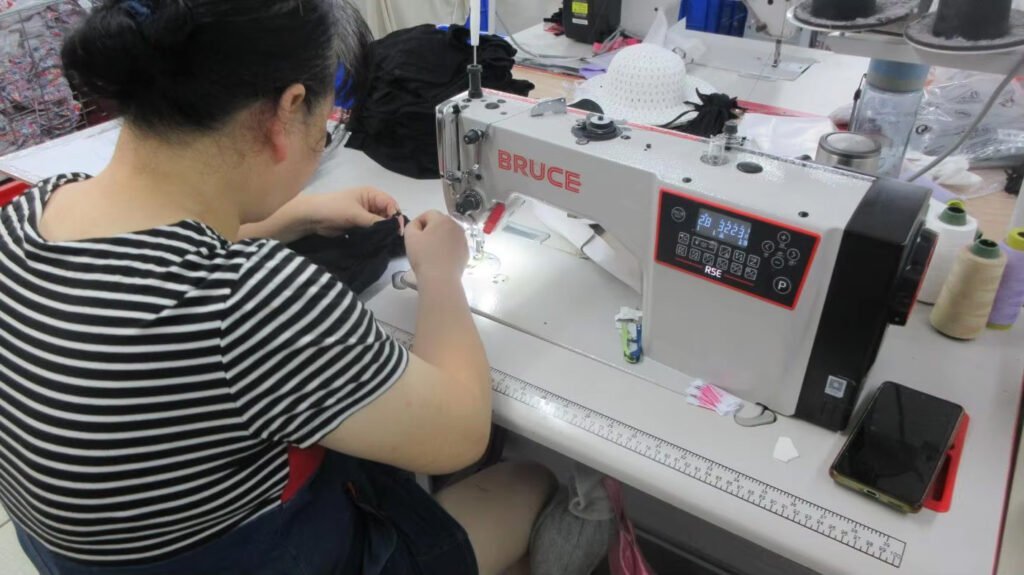
Why Top Children’s Clothing Manufacturers Rely on 100% Cotton
When you source products for your kids’ clothing line, the manufacturer’s fabric standards dictate your brand’s reputation. With high-quality cotton supplies, ethical practices, and cost-effective solutions, leading children’s clothing manufacturers in China rely on 100% cotton to help brands scale. Here is why this fabric is the cornerstone of B2B manufacturing:
Meet Core Market Demands
Children have delicate skin. So, the natural breathability and softness of cotton perfectly match what parents care about most: safety and comfort.
Data shows that 100% cotton makes up 95% of high-quality children’s fabrics. This preference forms a solid foundation for the entire market.
Focus on Eco-Friendly Production
Many Chinese manufacturers now prioritize sustainable production. They use organic cotton, low-impact dyes, and ethical labor practices.
This shift is important. It serves to meet the growing global demand for environmentally friendly children’s wear.
Balance Performance and Cost
Cotton offers the best balance between safety and processing costs. Producers can select different grades, ranging from premium A-grade baby cotton to mass-market options.
This flexibility allows manufacturers to control costs based on product positioning. Here, you get specific quality levels without unnecessary expense.
Ensure Supply Chain Stability
China’s developed cotton industry provides stable support for production enterprises. The cotton is widely used because of its soft texture, high quality, and abundant yield.
This consistency guarantees reliability in quality, quantity, and price. It also gives manufacturers better bargaining power when sourcing fabrics.
Build a Foundation for Innovation
Cotton is not static. For instance, organic cotton is becoming a popular choice in the upgraded consumer market.
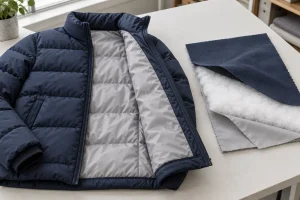
Also, cotton often serves as the skin-friendly “contact layer.” It combines with windproof or waterproof functional fabrics to create composite products that are both comfortable and practical.
Conclusion
Choosing 100% cotton is not just about comfort—it is a commitment to your child’s health and safety. Soft, breathable, and durable, cotton is the ideal fabric for children’s clothing. Whether sourcing from Chinese children’s clothing manufacturers or seeking sustainable kids clothing suppliers, using high-quality cotton can help your brand stand out.
FAQ
Is 100% cotton safe to wear?
Yes, 100% cotton is very safe to wear. It is a natural fiber that is non-allergenic and does not irritate the skin. It is the top choice for people with sensitive skin or dermatological conditions. HAPA uses high-quality cotton to ensure maximum safety for children’s apparel.
Why is it better to wear 100% cotton?
Cotton is highly breathable and absorbs moisture effectively. It keeps the body cool in summer and provides natural insulation in winter. It is also durable and can withstand frequent washing. Because it is a natural material, it is biodegradable and more environmentally friendly than synthetic fabrics.
What are the disadvantages of 100% cotton?
The main disadvantage is that it wrinkles easily and may require ironing. It also lacks elasticity, so it does not stretch like synthetic blends. 100% cotton can shrink if washed in very hot water or dried at high temperatures. Additionally, it takes longer to dry than polyester.
Is 60% cotton 40% polyester ok?
Yes, this blend is a popular and practical choice. The cotton provides breathability and comfort, while the polyester adds durability and wrinkle resistance. This fabric is less likely to shrink and dries faster than 100% cotton. It is an excellent option for everyday school uniforms or active playwear.