In the fashion world, sequin fabric offers a sparkling effect and a distinctive visual impact. Whether used as delicate accents on evening gowns or creatively incorporated into everyday apparel, sequins add unique charm and value to any piece.
If you’re choosing fabric for a garment, the sparkle is only part of the decision. You also need to consider the backing, weight, comfort, and care. This guide explains the main types and what I’d check before approving a sample.
What Is Sequin Fabric?
Sequin fabric is a special textile created by attaching small, shiny decorative discs—known as sequins—onto a base fabric such as chiffon, mesh, or knit.
Origins of Sequin Fabric
The history of sequins dates back to ancient Egypt, where they were made from metals or precious metals to signify wealth and social status. Over time, it was not until the 20th century that modern sequins emerged as we know them today, gradually becoming an integral part of fashion expression and bringing innovative design elements to both fitted and functional garments.
Materials
Sequins are typically made from plastic, metal, or PET, with strong reflective properties that make fabrics shimmer under light.
Advantages
With their unique shine and dynamic effects, sequined clothing are the ultimate tool for capturing attention and creating a luxurious atmosphere. For fashion designers, sequins offer endless possibilities in terms of color, shape, size, and arrangement, providing a broad canvas for creative expression.
Why Sequins Are Timeless in Fashion
The enduring popularity of sequin fabric, especially in clothing, is no accident. Their timeless appeal stems from a perfect combination of dazzling visual effects, emotional value, and consistent market demand. Key reasons include:
Visual Appeal and Dynamic Beauty
Sequins bring a strong visual impact to garments, creating a sparkling, eye-catching effect. In any setting—especially parties, evening events, or festive gatherings—wearing sequined clothing ensures you become the center of attention. For those naturally drawn to shimmer and brightness, this allure is simply irresistible.
Versatility in Design
Sequin fabric allow for a wide range of designs and can be combined skillfully with different materials to create unique styles. They can be used as the main fabric for an entire garment or as accents on pockets, collars, cuffs, and other details, greatly enhancing the flexibility and creativity of clothing design.
Symbol of Joy and Celebration
Sequins represent joy, festivity, and a sense of ceremony, making them perfect for birthdays, holidays, and other special occasions. Imagine wearing a glamorous sequin dress during Christmas or Halloween—sequins instantly create a festive atmosphere, making them one of the most effective fashion elements for celebration.
Broad Applicability
Today, sequins have extended from the stage to everyday wear, especially in children’s and women’s fashion. Even small sequin accents can make ordinary clothing shimmer in the sunlight, easily integrating into daily outfits. With minimal embellishment, garments can still radiate brilliance and charm.
Manufacturing Process of Sequin Fabric for Apparel
The production of sequin fabric for clothing is a precise, multi-step process. Traditional sequins are typically made from PVC, PET, or metallic films and are produced through coating, calendaring, slitting, and punching processes. With advances in equipment, modern sequin production has achieved higher levels of automation in material handling, die-cutting speed, and waste management.
Currently, the mainstream method in the apparel industry still centers on thin-film punching. This process uses precision die-cutting equipment to shape coated films into sequins of various sizes and forms. High-precision molds reduce burrs and ensure smooth, consistent edges.
For sequins requiring three-dimensional shapes or special thicknesses, injection molding techniques may be employed. However, this method is primarily used for specialized applications and is not the mainstream production approach in the apparel industry.
Types of Sequin Fabric
Sequins are an indispensable sparkling element in fashion design, and they come in a wide variety of types. They can be classified based on shape, material, and sewing technique.
By Shape
Round Sequins: The most common shape, featuring smooth edges that create a soft and uniform shimmer on garments. Ideal for evening gowns, performance outfits, and everyday fashion pieces.
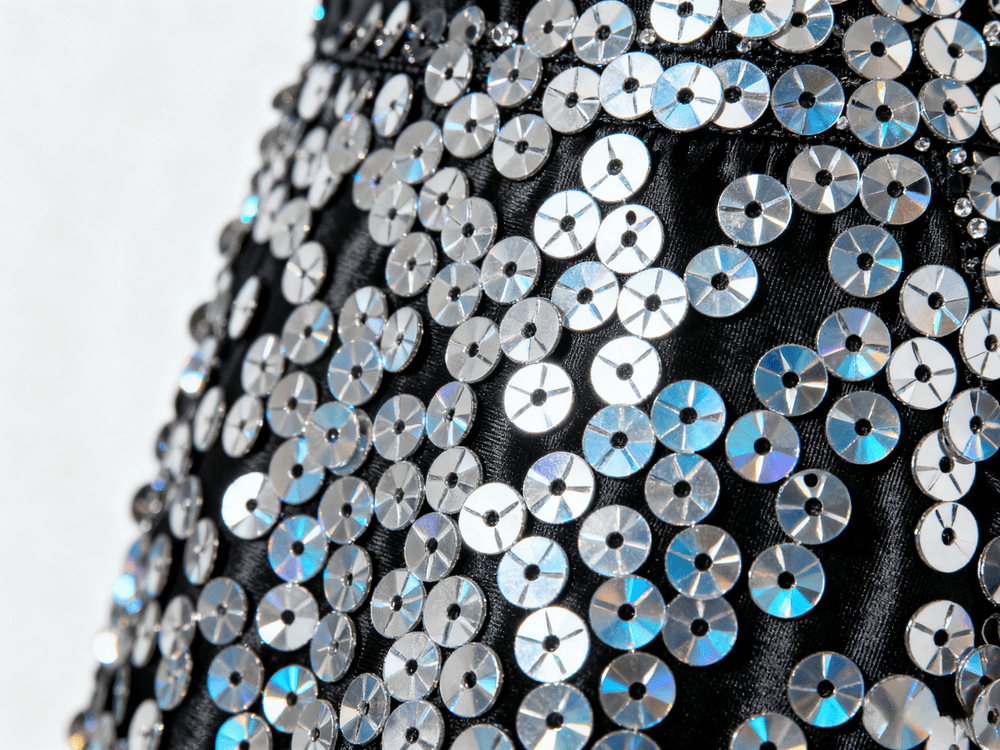
Square Sequins: With sharper edges and stronger reflective effects, these are perfect for creating geometric or futuristic looks. Often used in stage costumes or fashion-forward items.
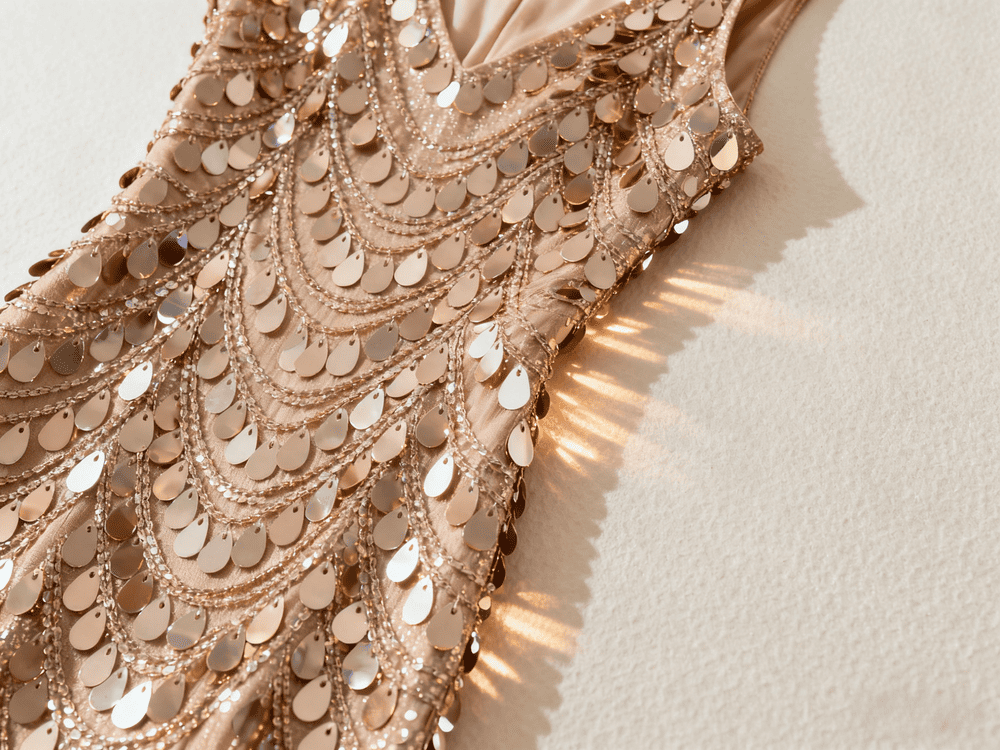
Novelty Shapes: Beyond standard shapes, sequins can also come as fish scales, petals, stars, and other unique designs. These add richness and visual interest, commonly seen in high-end custom gowns or exaggerated fashion pieces.
By Material
PVC Sequins: The most widely used traditional material, offering moderate cost and a variety of colors. Commonly applied in various garments and accessories.
PET Sequins (Eco-Friendly): Made from environmentally friendly materials, lighter and thinner than PVC, heat-resistant, and safer to use. Increasingly popular for export products or eco-conscious collections.
Metal Sequins: Provide a strong shine and luxurious texture, but are heavier. Typically used as accents or to emphasize design in high-end fashion.
By Sewing Technique
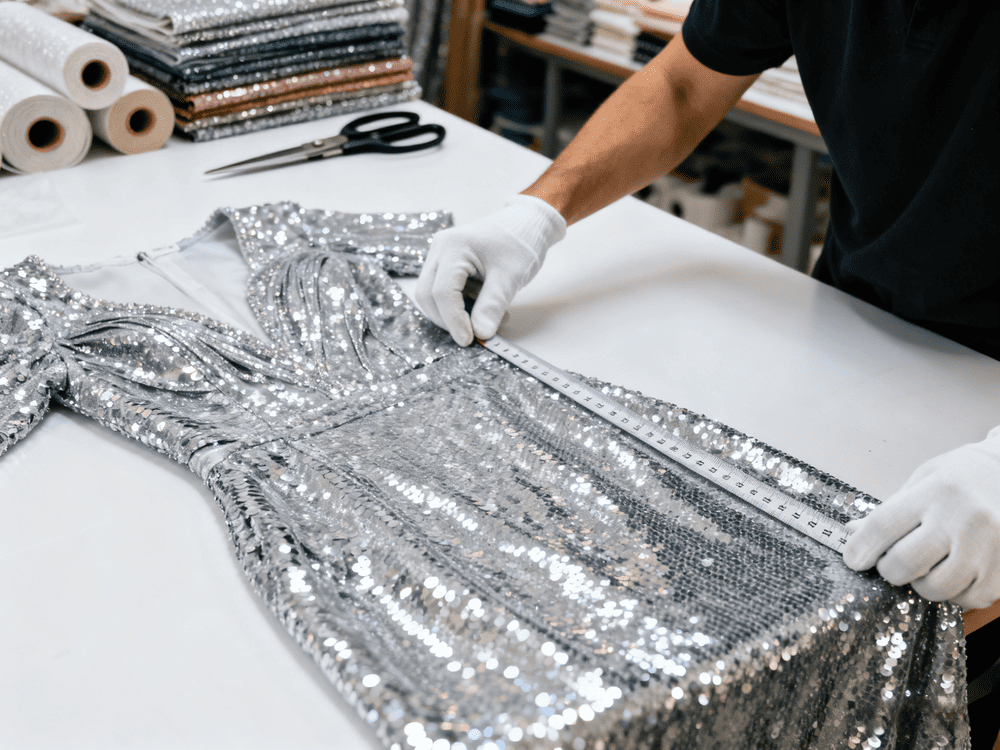
Flat/Single Sequins: Machine-stitched individually onto the fabric in a dense and uniform arrangement. Common for everyday wear and gowns. Offers stable brightness, good durability, and is suitable for large-area sequin designs.
Reversible Sequins (Magic/Flip Sequins): Also known as “two-sided sequins,” each sequin has different colors on both sides. Flipping them with a finger creates two distinct color effects. Popular in dresses, T-shirts, bags, and other eye-catching items, offering interactivity and fun—one of the trending sequin techniques in recent years.
Beaded/Hand-Embroidered Sequins (High-End Custom): A premium technique where sequins are hand-stitched along with beads, crystals, or threads. Produces intricate patterns, layered textures, and a three-dimensional, light-and-shadow effect. Commonly used in haute couture, wedding gowns, and luxury dresses.
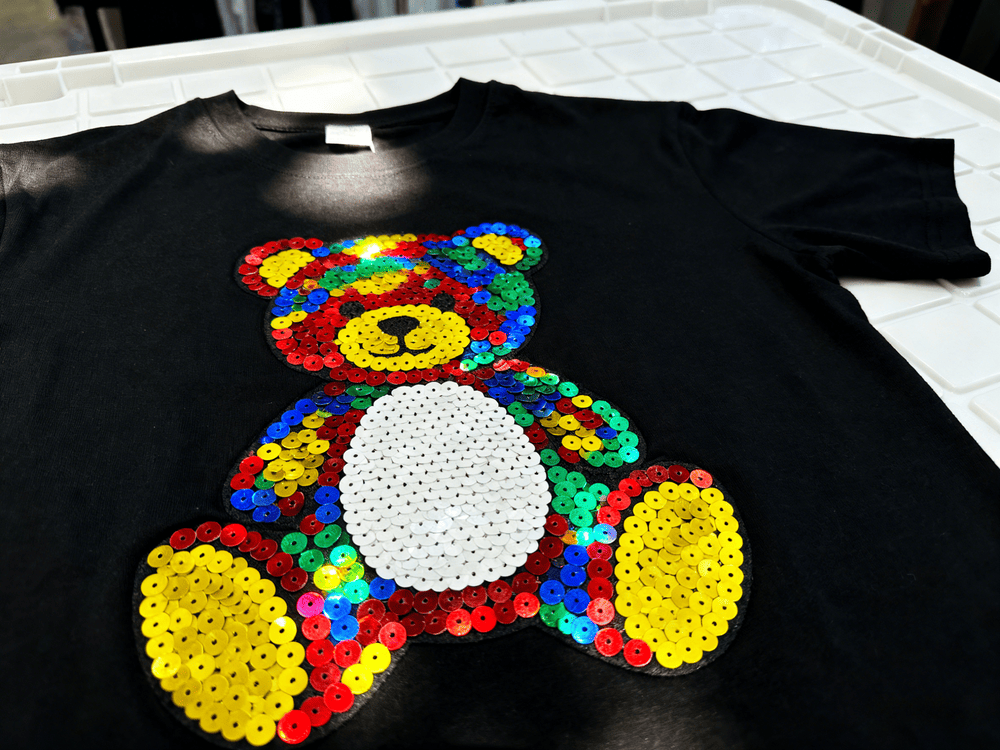
The Fashion Appeal of Sequin Fabric
Known for its ability to catch and reflect light, sequin fabric is used for formal evening gowns and performance costumes as well as everyday accents. While you will also see this fabric used to add texture to home decor (like accent pillows), choose the construction around the intended use.
Stage Performances
Whether it’s a concert, dance recital, or theatrical production, sequined outfits can make performers more visible under lighting. With every movement, light shifts across the sequins, creating dynamic visual effects that enhance the performance’s impact and dramatic tension.
High-reflective materials like silver and gold, in particular, interact beautifully with stage lighting to deliver a spectacular visual experience. For dancewear, I’d also check whether the finished fabric allows the movement the performer needs.
Evening Events and Red Carpets
At upscale dinners, award ceremonies, and red carpet events, sequin fabric remains a favorite among celebrities and fashion icons. A dazzling outfit instantly elevates the wearer’s presence, lending sophistication and refinement.
From classic sequin mermaid gowns and fringe dresses to stylish sequin suits, these designs repeatedly dazzle on the red carpet.
Sequins also offer a wide palette of colors, from understated black and gold to vibrant rainbow shades, catering to diverse stylistic expressions.
Parties and Festive Occasions
During New Year celebrations, themed parties, or festive events, sequined garments can help create a celebratory atmosphere. A sequin dress, matching set, or jacket allows you to stand out in the crowd, radiating joy and energy, effortlessly becoming the center of attention.
Everyday Fashion
With evolving fashion trends, sequins have quietly entered everyday wear. Practical sequin pieces such as T-shirts, skirts, bags, and accessories have emerged, with designers simplifying cuts, materials, and shine to make sparkle more wearable.
Mixing sequins with knits, cotton, denim, and other fabrics creates a casual yet stylish streetwear aesthetic, offering fashion enthusiasts a unique way to express their personality.
Which Base Fabric Should You Choose?
The backing affects stretch, transparency, and how the material hangs. Two sequin fabrics with similar surface designs can behave differently when you gather, stretch, or line them.
| Base fabric | Where it can work | What to check |
|---|---|---|
| Mesh or tulle | Sheer overlays and layered dresses | Transparency, stretch direction, and lining coverage |
| Jersey or another knit | Fitted garments that need some give | Stretch and recovery after embellishment |
| Chiffon or organza | Lightweight overlays with different drape or structure | How the decorated fabric hangs and how the edges will be finished |
| Velvet | A textured background beneath the shine | Total weight and whether the base is knitted or woven |
Don’t assume all mesh stretches or all velvet is rigid. Hold the embellished sample over your proposed lining and arrange it into the folds your design needs.
How to Care for Sequin Fabric
Follow the instructions for the specific fabric or garment. The backing, decoration, thread, adhesive, and lining may respond differently to cleaning. The cleaning method needs to suit that combination, even when the instructions call it gentle.
GINETEX’s care guidance explains that care labels identify treatments the article can withstand. Read the full set of instructions rather than relying only on the washing symbol.
Before cleaning or storing a sequined garment:
- Check whether washing or professional cleaning is permitted. If instructions are missing, ask the supplier before treating the whole item.
- Follow the stated drying and ironing limits. Don’t assume a low iron setting makes direct contact with sequins safe.
- Avoid catching the decorated surface on rough hardware or neighboring garments.
- Support a heavy piece during storage rather than leaving its weight on a narrow point.
If hand washing is permitted, handle the garment gently and follow the specified drying method. If professional cleaning is required, tell the cleaner about the embellishment. Dry cleaning isn’t a universal fallback for an unknown fabric.
How to Choose High-Quality Sequins
Judge the complete fabric and garment construction, not just the shine. I’d compare samples for attachment, skin contact, and total weight before making a production decision.
Durability
High-quality sequins should be firmly attached and resistant to falling off, with long-lasting shine to ensure garments remain vibrant and wearable over time.
Look for missing pieces or loose stitching. For washable garments, compare the sample before and after the intended cleaning method. Agree on appropriate testing and acceptance criteria with your supplier.
Comfort
Since sequins often come into contact with the skin, pay attention to smooth edges and a soft, skin-friendly base fabric to ensure comfortable wear.
Check the neckline, armholes, seams, and hem as well. A lining can help separate the decorated fabric from skin, but it must cover the relevant areas and stay in place during movement.
Weight
Weight depends on the backing, sequin coverage, stitching, and lining. A small decorated panel and a full skirt use different amounts of material, even when the fabric is identical.
Compare equal-sized samples and ask whether the quoted weight includes the embellishment. HAPA’s garment sampling service provides a starting point for discussing the fabric and construction together.
Future Trends of Sequin Fabric
The sequin apparel market is booming alongside the rise of visually-driven fashion trends. According to Global Growth Insights, the market is projected to reach approximately $39.4 billion by 2033. Sequins are no longer limited to festive outfits—they are gradually making their way into everyday fashion, indicating vast market potential.
Driven by technology and sustainability, the future appeal of sequins will not only come from their sparkling appearance but also from their environmental responsibility, technological innovation, and capacity for personal expression. For example, Stella McCartney collaborated with Radiant Matter to launch “BioSequins,” made from plant fibers without metals, minerals, or synthetic dyes, aligning with sustainable fashion principles.
Clearly, the future of sequin fabric goes beyond decoration; it represents a fusion of technology, sustainability, and style. Sequins are moving from the stage to everyday wear, becoming a unique fashion language for self-expression.
What is Sequin Fabric Used For?
Sequin fabric is the ultimate “statement” material. Known for its ability to catch and reflect light, it has long been the industry standard for designs meant to turn heads—from formal evening gowns and performance costumes to high-fashion runway looks.
In the world of children’s wear, this magnetic appeal is even stronger. Kids are naturally obsessed with anything that sparkles. HAPA taps into this by incorporating sequins to create those “dreamy,” high-energy pieces that children instantly fall in love with because they feel special just wearing them.
While you will also see this fabric used to add texture to home decor (like accent pillows), it is important to view it through the right lens: this material is chosen for its “wow factor,” not its utility. It is designed to deliver visual impact rather than rugged durability.
Application of Sequin Fabric in Children’s Wear
In children’s fashion, sequin fabric adds a sense of playfulness and fantasy while complementing a child’s lively personality. Designers typically choose bright colors and moderately sized sequins, avoiding overly heavy or stiff materials to help keep garments comfortable. Softness alone doesn’t establish product safety.
Sequins are commonly used on dresses, tops, jackets, and other garments, as well as on accessories such as backpacks and hats. The sparkling effect of sequins captures children’s attention and makes outfits more vibrant and fun.
Additionally, sequins are often combined with soft fabrics like cotton or knits, creating clothing that is both dazzling and comfortable. Such designs are suitable not only for festive occasions and parties but also for everyday wear, allowing children to enjoy the playful charm of sequins during daily activities.
For a children’s range, confirm the intended age group, decoration placement, and applicable product requirements with a qualified testing provider. Review loose components and exposed edges separately from chemical testing.
OEKO-TEX STANDARD 100 concerns testing for harmful substances. Check the certificate’s validity and scope; it doesn’t establish secure attachment, scratch-free wear, or every aspect of product compliance.
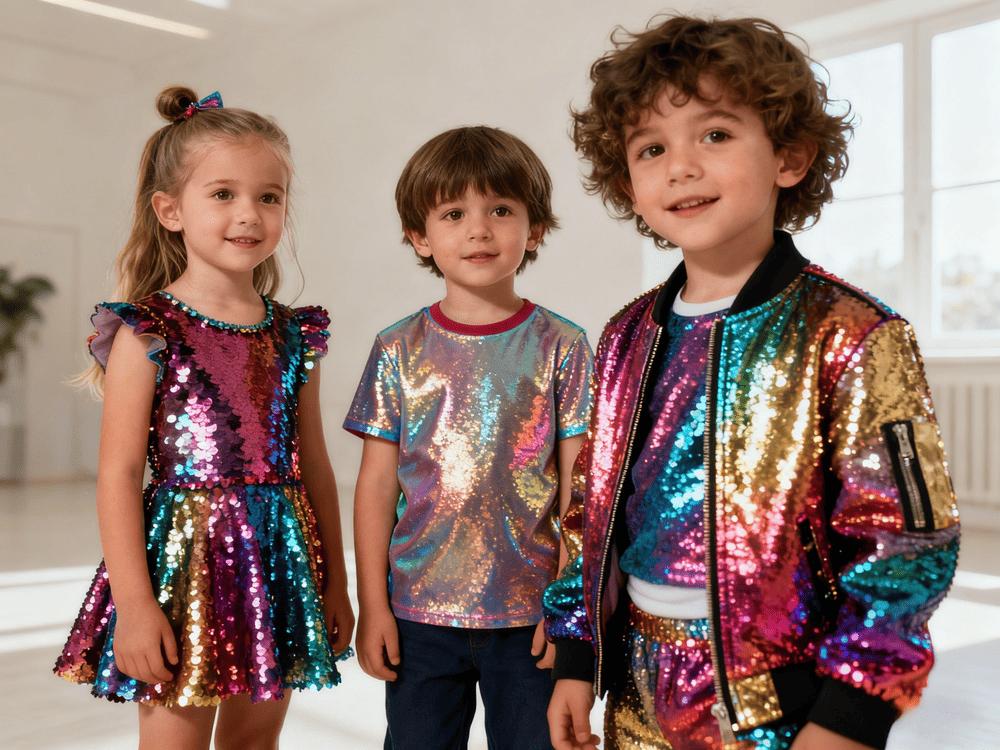
Sequin Children’s Clothing Manufacturing with HAPA
HAPA specializes in children’s clothing, with sequin apparel as one of our key strengths. You can explore our sequin clothing manufacturing service to discuss your design and intended use.
Bring your target age group, fabric preferences, lining requirements, and care expectations into the sampling discussion. Ask which documents apply to your chosen materials and finished product before approving production.
Conclusion
With its unique charm and versatility, sequin fabric has become a core element in both fashion and stagewear. Whether used in high-end gowns, dazzling performance costumes, or distinctive accessories, sequins offer creative possibilities for designers and consumers alike.
For your own garment, choose the surface effect together with the backing, lining, and care routine. A finished sample helps you assess those decisions together.
FAQ
What are the different types of sequins?
Sequins are primarily categorized by their shape and finish, with the most common being flat (smooth surface) and cupped (faceted to catch more light). They also vary in outline, color, and attachment.
What is the best fabric for sequins?
There isn’t one best backing. Mesh and tulle suit sheer overlays, while sturdy knits or jersey are often used in casual wear to provide stretch and comfort. Check the embellished sample.
What are the disadvantages of sequins?
The main drawbacks are that sequins can be scratchy and uncomfortable. They can also add weight, snag, or require careful cleaning. Many conventional sequins are plastic, which complicates disposal and recycling.
Is sequin fabric heavy?
It depends on the backing, decoration density, and lining. Compare equal-sized samples of the finished embellished fabric, then assess the weight of a complete garment sample.