If you’ve ever wondered whether is it profitable to sell baby clothes, I’ll give you the honest answer upfront: yes — but only if you go in with a clear strategy, realistic cost expectations, and a product people actually want to buy.
I’ve worked with hundreds of first-time founders entering the children’s apparel space, and the pattern I see most often is the same: passionate entrepreneurs invest everything in product before they’ve validated a single thing. Some succeed. Many don’t. The ones who consistently build profitable businesses treat this market like a business from day one — not a passion project.
This guide is what I wish more of my clients had read before they placed their first order.
The Baby Clothing Market: Why the Timing Has Never Been Better
Baby clothing isn’t a trend. It’s a structurally resilient category, and the numbers back that up.
The global baby clothing market was valued at approximately $72.5 billion in 2024 and is projected to reach $112.8 billion by 2034 — a compound annual growth rate of 5.7%. Online channels already account for more than 30% of global baby apparel revenue, and that share keeps climbing. When you look closely at where that growth is actually flowing, it’s not concentrating at the top with the major retailers. It’s moving toward niche, direct-to-consumer brands nimble enough to serve audiences that Carter’s and big-box stores consistently underserve.
That’s the opening independent sellers keep walking through.
Why Demand Stays Consistent Year After Year
What makes baby clothing uniquely resilient — compared to almost any other apparel category — is the nature of its demand. Babies outgrow clothing rapidly, cycling through three to four size brackets in their first year alone. Parents need multiple outfit changes per day. That means demand isn’t a one-time purchase; it’s a recurring cycle of replenishment that follows every child from birth through early childhood.
Add to that the quality and safety expectations modern parents bring to the table. Gen Z and millennial parents research before they buy — fabric certifications, country of origin, chemical safety standards. That diligence creates higher price tolerance and genuine resistance to the cheapest option. When I started seeing this shift in my own client base, I stopped treating baby clothing as a commoditized category and started treating it as a trust-driven one.
Why Baby Clothes Can Be a Profitable Category
The baby clothing market carries structural advantages that most product categories simply don’t offer. Here’s what matters most before you invest a single dollar.
Parents Spend — Even When Budgets Are Tight
Most categories force sellers into a price war. Baby clothing largely doesn’t. New parents consistently rank their baby’s clothing as a non-negotiable expense, and that pattern holds even during economic downturns. If you’re wondering how much can you make selling baby clothes, the honest answer is that margin depends more on positioning than volume — and parents willing to pay for quality give you real room to work with.
Repeat Purchases Are Built into the Product
This is the mechanic I point to first when someone asks me whether the sell baby clothes online opportunity is real. A parent who bought from you in March is likely back in the market by June — not because you marketed aggressively, but because their baby grew out of everything. Build a strong first-purchase experience and repeat business largely takes care of itself.
Gift Buyers Are a Second Audience You Shouldn’t Ignore
Baby showers, newborn visits, first birthdays — the gifting occasions around a new baby are frequent and high-spend by nature. A meaningful share of your customers aren’t the parents themselves. They’re aunts, colleagues, and grandparents looking for something that feels considered. That buyer is less price-sensitive, more drawn to presentation, and highly unlikely to return what they bought. Once I internalized that dynamic, I started thinking about every product with two distinct audiences in mind simultaneously.
Seasonal Rhythms Create Predictable Volume Spikes
Baby clothing follows clear seasonal patterns, and knowing them lets you time inventory and promotions far more precisely. The four buying windows worth planning around are Q4 holiday gifting, spring baby shower season, late-summer newborn restocking, and early-winter cold-weather sizing. Each carries different buyer intent: holiday shoppers want giftable presentation; replenishment buyers want speed and value. Build your calendar around these windows and you’ll spend less chasing demand.
Choosing Your Niche: The Shortest Path to Profitability
Every profitable baby clothing business I’ve watched succeed starts with the same decision: choosing one thing to be genuinely known for. The niche isn’t a limitation — it’s the shortcut that lets you compete without a big-box budget.
Why Generalist Baby Stores Struggle
The instinct to stock everything makes intuitive sense. More products should mean more customers. In practice, it means competing head-to-head with Amazon and Carter’s simultaneously, on their terms, with their budgets. I’ve watched small sellers burn through inventory trying to be comprehensive while a focused competitor with twelve SKUs and a clear identity ran circles around them. Breadth without positioning is just noise.
Four High-Potential Niches Worth Pursuing in 2025–2026
Not every niche rewards a first-time seller equally. The ones worth pursuing share three traits: an underserved buyer with real purchase intent, the ability to price above commodity level, and strong search visibility. These four check all three boxes.
Organic & Sustainable Babywear
The organic baby clothes business is one of the most defensible positions in this category. Parents shopping here research before they buy — OEKO-TEX certifications, GOTS-certified cotton, bamboo blends. That habit means they’re already predisposed to trust sellers who speak their language. Margins run higher here because the buyer isn’t price-shopping; they’re vetting. Source transparently, communicate your supply chain honestly, and this niche rewards you for it.
Personalized & Custom Baby Clothes
Monogrammed onesies, name-printed sleepers, birth-stat tees — personalized baby items are among the most consistent performers on Etsy for one reason: they make ideal gifts. The buyer isn’t purchasing clothing; they’re purchasing something with the child’s name on it, which eliminates comparison shopping entirely. Average order values run higher, return rates run lower, and gift-givers rarely negotiate on price.
Gender-Neutral & Inclusive Designs
Mainstream retail still defaults to pink-and-blue, which means the gap for thoughtful gender-neutral babywear is real and growing. Parents actively searching for it are finding very little beyond beige basics. A brand that gets the aesthetic right builds loyalty quickly — because when the alternatives are genuinely limited, loyalty follows the seller who finally gets it right.
Preemie & NICU-Friendly Clothing
Premature babies represent roughly one in ten births globally, and their families face an urgent, immediate need that most retailers ignore. NICU-friendly garments — with snap access for medical lines and preemie sizing that actually fits — are nearly impossible to find in standard stores. Sellers who serve this community earn something rare: fierce, lasting loyalty from parents who finally feel seen.
How to Validate a Niche Before You Spend Anything
Before you commit to inventory, spend a week doing this: run your core search terms in Google Trends to see whether interest is rising or declining. Search those same terms on Etsy and study how many results appear, what top sellers charge, and how recent their reviews are. Then spend an hour in Reddit communities like r/beyondthebump and r/NewParents reading what parents actually complain about not finding. The gap between what they want and what exists is your niche.
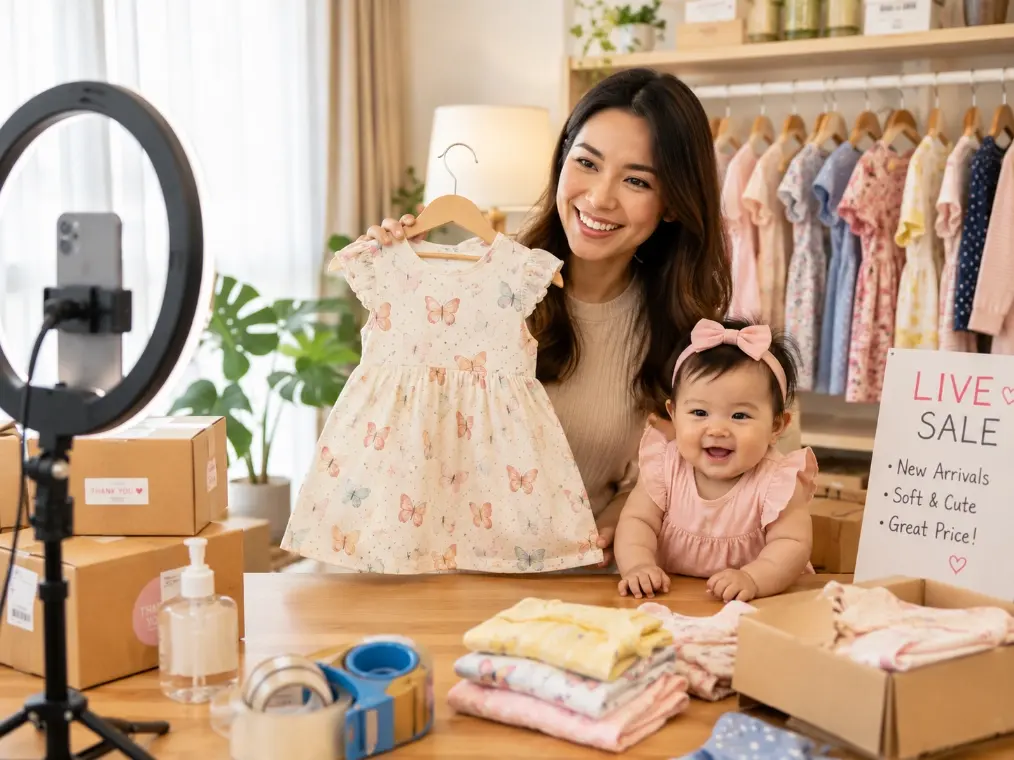
Which Business Model Is Most Profitable?
Your ideal model depends on your budget, bandwidth, and long-term goals. Here’s a realistic breakdown of your four main options.
Reselling Used Baby Clothes
This is one of the lowest-risk entry points I recommend to anyone starting with limited capital. Parents are constantly rotating out clothing their children have outgrown — often items worn only a handful of times. Source from thrift stores, estate sales, or local buy-nothing groups, photograph everything well, and list on platforms like Poshmark or eBay. Expect to pay anywhere from fifty cents to a few dollars per piece, with resale prices ranging from five to twenty dollars depending on brand and condition.
The trap here is inconsistency of supply. Before treating this as a real business, spend a month mapping your local sourcing channels and testing what actually sells. If you’re still exploring where to sell baby items, check out our guide to the 10 best platforms to sell baby clothes online — it covers the tradeoffs between every major channel.
Wholesale Baby Clothes Boutique
Buying wholesale and selling at retail markup is one of the more traditional routes, and when it’s working well, it can be genuinely lucrative. You’re purchasing in bulk from manufacturers — ideally with quality controls and compliance certifications already in place — then selling through your own storefront. Margins in this model typically run between 40 and 60 percent. The honest caveat: minimum order quantities can be steep for new sellers, and you’re carrying inventory risk from day one. If you’re ready to go this route, buying baby clothes in bulk through a verified manufacturer dramatically reduces your per-unit cost and protects your margins.
Print-on-Demand Baby Clothes
If you have a design sensibility and no desire to touch inventory, print-on-demand is worth serious consideration. You create the designs, a third-party supplier prints and ships on demand, and you collect the margin in between. There’s essentially no upfront investment beyond your time, and you can test dozens of designs without committing to stock. The trade-off is slimmer per-unit margins and complete dependence on your supplier’s production quality and shipping timelines. Vet your print partner carefully before you start sending customers their way.
Dropshipping Baby Clothes
Dropshipping lets you run a storefront without ever holding a single piece of inventory — your supplier ships directly to your customer when an order comes in. The appeal is real: low startup cost and a product catalog you can scale quickly. What sellers often underestimate is how thin the margins get once you factor in advertising costs, platform fees, and returns. If you pursue this model, differentiation is everything — curate a specific niche and choose your supplier relationships as carefully as you’d choose a business partner.
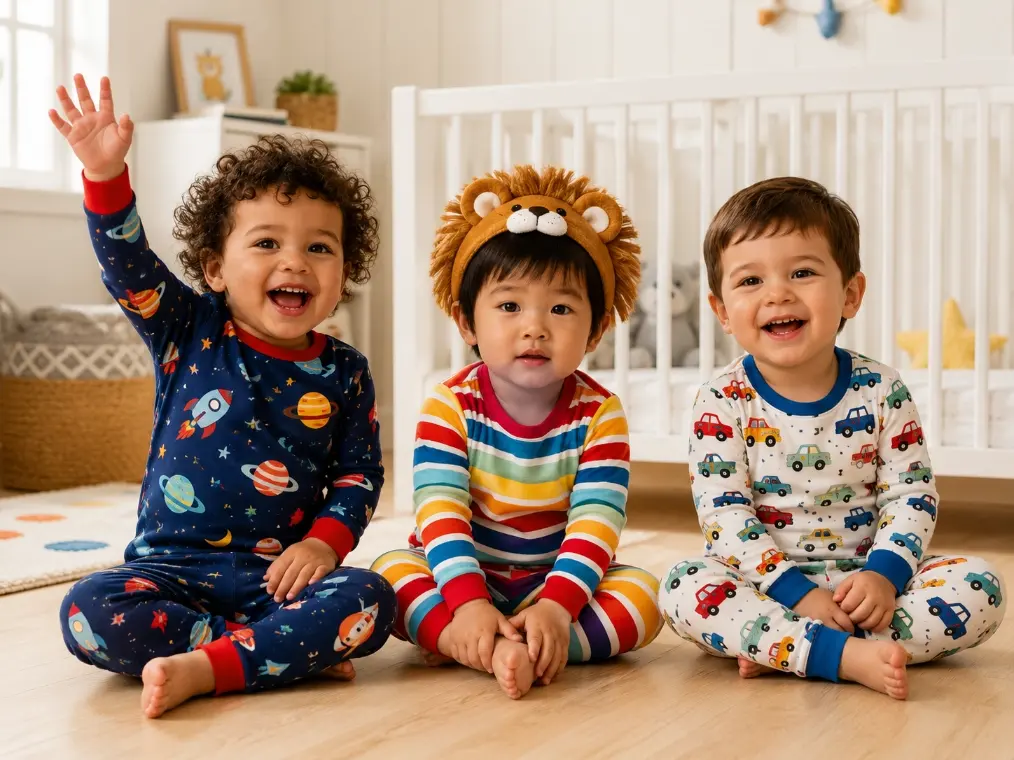
What Baby Clothing Items Are the Best Sellers?
Knowing what to sell matters just as much as knowing how to sell it. These are the product categories that consistently move, regardless of season or platform.
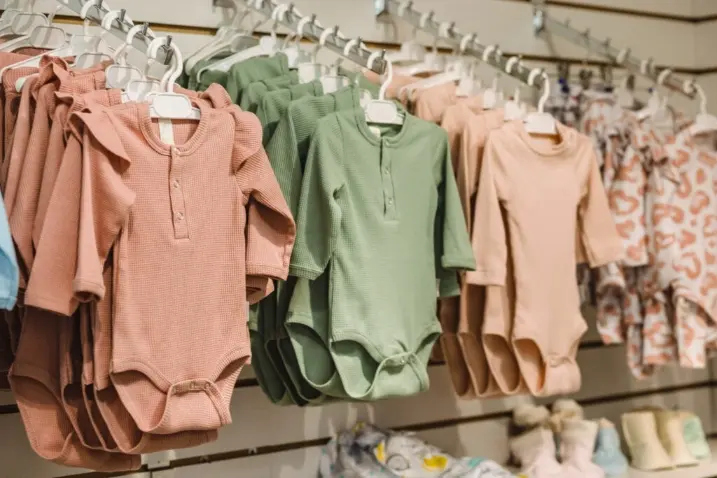
- Onesies and bodysuits — the undisputed workhorse of the baby wardrobe. Parents buy these in bulk, in every size, constantly. Multipacks and personalized versions both lift average order value effectively.
- Footed pajamas and sleep sacks — few categories sell as reliably as sleepwear. Safety-conscious parents invest here without hesitation, and gifters love them. Organic fabric options and gender-neutral colorways consistently outperform.
- Seasonal outfit sets — holiday-themed and seasonal matching sets generate strong short-burst sales. Limited availability creates urgency, and that’s worth leaning into when you’re marketing them.
- Newborn gift bundles — bundled sets photograph beautifully, feel premium, and justify a higher price point without dramatically higher production costs.
- Personalized and custom pieces — name-printed onesies, monogrammed bibs, and custom birth-stat swaddles sell exceptionally well through gifting channels. Buyers pay a meaningful premium for personalization, making this one of the stronger margin opportunities for smaller sellers.
- Swimwear and sun protection sets — rash guards, swim diapers, and UPF-rated hats spike sharply in spring and early summer. Parents take infant sun protection seriously, and this category sees strong repeat purchases year over year.
- Everyday basics — leggings, joggers, and soft-knit tops in neutral tones never go out of rotation. They’re the items parents stock up on without overthinking, which is exactly why they drive consistent, bread-and-butter sales volume.
Five Factors That Directly Affect Your Profitability
Profitability in this space isn’t accidental. These factors consistently separate sellers who build sustainable margins from those who quietly struggle.
1. Volume Discounts
Your cost-per-unit drops significantly as your order quantities grow — and that gap directly feeds your margin. Negotiate early, even before you think you’re ready. Suppliers respect sellers who understand volume economics, and those conversations often unlock pricing tiers that never appear in the standard catalog.
2. Sourcing and Supply Chain
Where and how you source your product shapes everything downstream — quality, lead times, landed cost, and customer experience. At HAPA Garments, we support baby clothing brands with OEM and ODM production, fabric sourcing, custom design, quality inspection, and flexible small-batch support — so new sellers can build without production surprises. A reliable manufacturing partner isn’t just a vendor; it’s part of your business structure.
For brands who want full ownership of their label, private label infant clothing manufacturing is one of the most effective ways to build real brand equity from the start.
3. Understanding Market Demand
Chasing trends without understanding underlying demand patterns is a fast way to end up with dead stock. Study what’s moving on resale platforms, monitor search volume, and pay close attention to seasonal cycles. Baby apparel demand is consistent, but the specific products parents want shift constantly. The best selling baby items today may not be the same as twelve months from now.
4. Brand Reputation
In a category where parents are making purchases for their most vulnerable family members, trust is everything. Reviews, packaging, responsiveness, and consistent quality all compound over time. A strong reputation reduces your reliance on paid acquisition and makes every marketing dollar work harder. It also makes pricing at a premium not just possible, but expected.
5. Product Differentiation
Selling what everyone else sells, at the same price point, is a race you won’t win for long. Find your angle — whether that’s fabric quality, sizing inclusivity, aesthetic niche, or customization — and own it clearly. Differentiation is what converts a browser into a buyer, and it’s the only durable competitive advantage available to a new seller without a massive ad budget.
Final Thoughts
So — is it profitable to sell baby clothes? Yes, genuinely. But the sellers who build sustainable businesses here aren’t just selling cute products. They’re making deliberate decisions about niche, sourcing, positioning, and channels before they spend a dollar on inventory.
Go in with a clear strategy, a supply chain you trust, and a differentiated offer. This market has real room for independent sellers who know what they’re doing — and it will reward you for the preparation you do before you launch.
Frequently Asked Questions
Is selling baby clothes a good business?
Yes. Baby clothes can be a good business because demand is steady, babies outgrow sizes quickly, and parents frequently buy both essentials and gifts. Profit depends on sourcing cost, pricing, product quality, and inventory management. The global baby clothing market is also projected to grow steadily through the next decade.
How much can you make selling baby clothes?
It depends heavily on your model and margins. Resellers might net a few dollars per item, while wholesale boutique owners with strong positioning can build businesses generating six figures annually. Personalized and private-label products tend to produce the highest margins for independent sellers.
What baby clothes resell well?
Gently used, stain-free, current-season items from recognizable brands consistently perform well. Matching sets, jackets, sleepwear, special occasion outfits, organic pieces, and new-with-tags clothing typically outperform heavily worn basics. Presentation and clean photography matter more than most new sellers expect.
Where should I sell baby items?
The right platform depends on your model. Etsy works well for personalized and handmade items. Poshmark and eBay suit resellers. Shopify and WooCommerce give you full brand control for wholesale or private-label businesses. For a detailed comparison, our guide to the best platforms to sell baby clothes online walks through the tradeoffs across every major channel.
How do I sell baby items quickly?
Clean and photograph items well, group clothing by size or outfit, price competitively, and describe brand and condition clearly. List on high-traffic channels and time your listings around seasonal demand — spring for baby shower season, early fall for cold-weather sizing, and late November for holiday gifting. Bundles consistently move faster than individual pieces.