At HAPA, I’ve spent years walking factory floors, inspecting fabric rolls by hand, and watching how small material decisions shape the way children move. When brands come to us asking how to choose the right sports gear for young athletes, I rarely open with style. I start with one question: can this child run, stretch, sweat, and play for two hours without thinking about what they’re wearing?
That’s the real standard for the best materials for kids sports apparel comfort — not how a fabric looks on a hanger, but how it holds up after a hot PE class, thirty wash cycles, and a full season of hard use. This guide shares the practical material standards we apply at HAPA when developing activewear that parents trust and kids genuinely want to wear again.
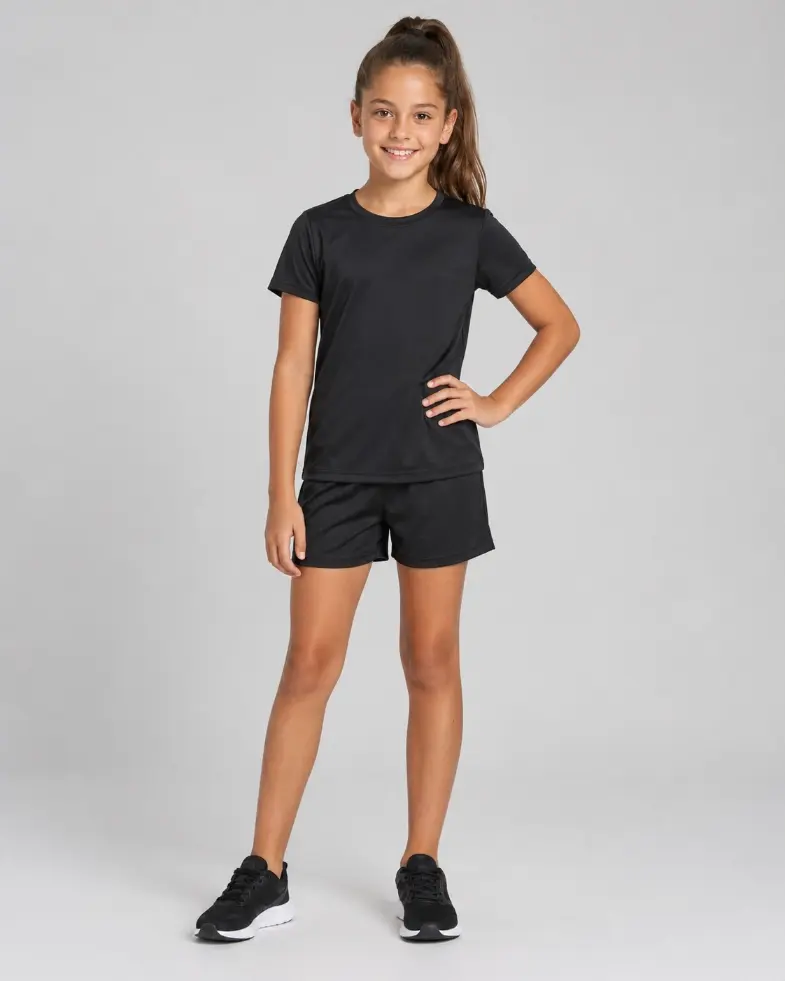
Why Fabric Choice Defines Kids’ Sportswear
In children’s activewear, fabric affects far more than appearance. It determines how freely a child moves, how quickly sweat evaporates, and whether a garment gets grabbed from the drawer three mornings in a row or quietly pushed to the bottom of the pile. Choosing the wrong material doesn’t just hurt performance — it can put a child off sport altogether.
Comfort Keeps Kids in the Game
Children are completely honest about discomfort. Unlike adults, they won’t push through a scratchy collar or a stiff waistband out of discipline — they’ll stop, complain, or quietly quit the activity entirely. Rough textures create constant low-level friction that compounds with every stride and jump. Stiff fabrics block the wide kick, the sudden crouch, the full overhead reach that young athletes rely on instinctively.
We’ve had parents tell us their child “hates sport.” After switching to properly constructed activewear, that same child was reluctant to leave the field. The fabric was the problem, not the kid. It’s a pattern we’ve seen enough times that it no longer surprises us — but it still reinforces why material decisions matter as much as any design or branding choice.
There’s a term we use in sourcing: the put-it-on-again factor. When a child reaches into the drawer and grabs the same jersey three mornings in a row without being told, that garment has passed the real test. Parents notice this. They come back. That’s the benchmark the best athletic clothes for kids should meet.
Performance and Comfort Are One Brief
Softness alone isn’t enough. At HAPA, we treat performance and comfort as a single design requirement rather than two competing priorities. Four properties are non-negotiable in any fabric we specify: breathability, moisture management, four-way stretch, and durability.
Breathability regulates body temperature during sustained activity. Moisture-wicking moves sweat away from the skin quickly, reducing chafing and that cold, clammy feeling at halftime. Four-way stretch allows uninhibited movement in every direction without pulling or tearing at seams. And durability matters enormously — kids’ sportswear gets washed constantly and worn with a frequency that would humble most adult wardrobes.
Children also heat up faster and have significantly more sensitive, permeable skin than adults. A fabric finish that performs comfortably on a 35-year-old runner can cause irritation on a seven-year-old after forty minutes of play. Adult sportswear fabrics are engineered around adult physiology — a specific sweat rate, body temperature range, and skin resilience. That logic doesn’t automatically translate to children’s needs, and that distinction shapes every sourcing decision we make. We learned this firsthand early in our development process, and it fundamentally changed how we evaluate every material before it touches a child’s body.
What Actually Makes a Fabric Comfortable for Kids
Comfort isn’t a feeling you can fake. Kids know immediately when something’s wrong — and they’ll show you with their body language long before they find the words to describe it.
Softness and Skin Feel
The moment a fabric touches a child’s skin, an impression is formed. That first contact either builds trust or breaks it. Smooth, tightly knitted or woven fibers glide against the body during movement. Coarser surface fibers — even subtly rough ones — create friction that builds into genuine discomfort over the course of a practice or game. Over two hours, that friction stops being background noise and becomes the only thing the child is thinking about.
At HAPA, we reject any fabric at the sourcing stage that we wouldn’t be comfortable pressing against the inside of our own wrist for an extended period. It’s a simple, unscientific test — but it’s an honest one, and it filters out a surprising number of candidates.
Softness only carries you so far, though, if the construction undermines it. Flatlock seaming and tagless labeling aren’t premium upgrades in our production process — they’re baseline requirements. A beautifully soft shell fabric means very little when an interior seam runs across a shoulder blade or a care label scratches the back of a neck throughout an entire training session. These details are exactly where budget manufacturers cut corners, and they’re exactly where kids feel it most. We see this constantly when parents bring us competitor garments and ask why their child keeps complaining.
Breathability and Airflow
Children’s bodies generate heat rapidly and release it less efficiently than adults. Airflow through the fabric isn’t a luxury feature — it’s a physiological necessity that directly affects how long a child can sustain activity comfortably.
Open-knit structures and micro-perforated weaves allow warm air to escape continuously from the skin’s surface during movement. Dense, tightly packed fabrics trap that heat against the body, accelerating fatigue and discomfort. When we evaluate a new fabric, we test it under real exertion conditions — not just in a showroom with a hand fan pointed at it.
A relaxed fit also contributes meaningfully to airflow. It creates a thin air channel between fabric and skin that functions as a natural ventilation layer — particularly valuable in warm-weather sports. That said, “loose” needs to be intentional and well-controlled. Too much excess fabric introduces its own problems with movement restriction and catching on equipment. It’s a balance we refine carefully at the pattern-making stage, because getting it wrong in either direction creates a garment that underperforms.
Moisture Management
Sweat is inevitable during sport. What happens to it after it leaves the skin is entirely within our control as manufacturers, and the difference between getting it right and getting it wrong is significant.
Absorbent fabrics — like untreated cotton — draw sweat in and hold it. At low activity levels, that works reasonably well. During sustained, high-intensity sport, it leads to heavy, saturated garments that cling uncomfortably to the skin and increase chafing risk throughout the second half of any game or practice. Moisture-wicking fabrics, by contrast, pull sweat to the outer surface of the fabric where it can evaporate quickly — keeping the skin drier and more comfortable throughout.
Quick-dry performance matters beyond the ninety minutes of the game itself. In high-output activities — running, soccer, basketball — it’s essential during play. But it’s equally valuable in transition moments: the cool-down walk, the ride home, the post-match sideline where kids stand around in whatever they’ve been wearing for an hour. A child sitting in wet kit for thirty minutes after a game is not a minor inconvenience — it’s a genuine discomfort that parents remember. And in our experience, quick-dry performance is one of the first things parents mention when they return for repeat purchases.
Top Fabrics Used in Kids’ Sports Apparel
Not all fabrics earn their place in children’s activewear. The wrong choice shows up fast — in performance, in comfort, and in durability. Here’s how we evaluate the most common options at HAPA, and where each one genuinely delivers.
Synthetic Fabrics: Built for Performance
Synthetics dominate the activewear market for a reason. They are engineered to handle sustained physical abuse, manage sweat effectively, and keep kids moving without restriction across an entire season of use.
- Polyester is the workhorse of the industry. Check the label on the majority of youth activewear and you’ll see it. Polyester resists shrinking, holds its shape reliably across repeated washing, and is highly cost-effective to produce at scale. More importantly, it is inherently hydrophobic — meaning it repels water rather than absorbing it — which makes it naturally suited to moisture management. It’s a strong fit for high-sweat, continuous-movement activities like soccer or track. The caveat: cheap, untreated polyester holds onto odor and can feel uncomfortably synthetic against the skin after extended wear. If you’re sourcing this material, ensure it carries anti-microbial treatment and that the garment design incorporates proper ventilation.
- Nylon is the choice when durability is the primary demand. It’s exceptionally abrasion-resistant, stronger than standard polyester, and has a naturally smoother, softer hand feel. You’ll frequently find it in reinforced panels on athletic pants and in gymnastics wear, where it handles repeated contact with equipment and flooring. While polyester edges ahead for pure sweat-wicking in summer heat, nylon takes the lead for durability and a premium silky feel — especially for sports where kids are regularly sliding on grass or gym floors.
- Spandex (elastane) never appears alone, but adding just 5–10% to a polyester or nylon blend transforms the fabric entirely. It delivers true four-way stretch — the kind that lets a child jump, crouch, twist, and reach overhead without restriction, then snaps back to its original shape without distortion or sagging. Kids move erratically and unpredictably. Spandex ensures the garment keeps pace with them without tearing at the seams.
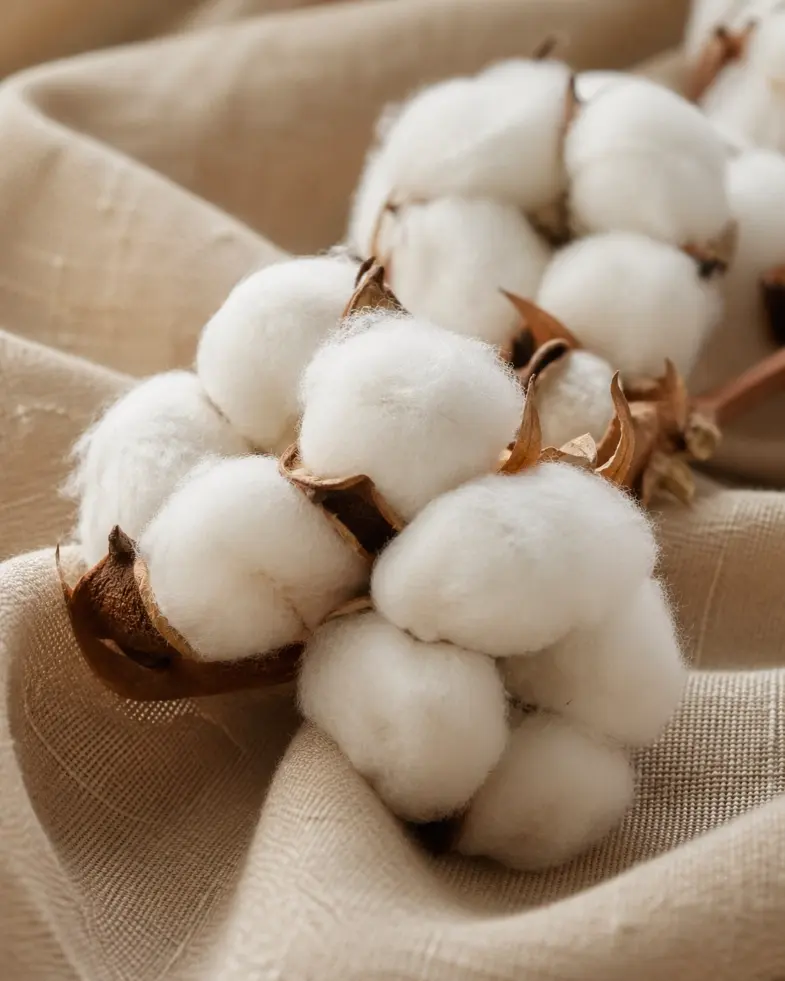
Natural and Advanced Natural Fabrics
While synthetics excel at raw performance, parents are increasingly looking for options that reflect skin health and sustainability values. When thinking about best quality kids sports clothing from the natural fiber category, the picture is more nuanced than it first appears.
- Cotton blends feel familiar and carry strong parental associations with purity and softness. For low-intensity activity or a casual gym class, a high-quality cotton blend is perfectly adequate. For serious athletic exertion, however, 100% cotton is a liability. It absorbs up to 27 times its weight in water. Once a child starts sweating hard, a cotton shirt becomes heavy, clings to the skin, and creates significant chafing risk. We only recommend cotton-polyester blends when a client specifically wants that natural hand-feel but still needs a baseline level of moisture management built in.
- Bamboo viscose sits firmly at the premium end of what we source regularly, and demand for it has grown steadily. It’s extraordinarily soft — often compared to silk against the skin — and naturally hypoallergenic, making it an outstanding choice for children with eczema, sensitive skin, or sensory processing differences. It provides excellent breathability, particularly well-suited to indoor sports or warmer climates where keeping the skin cool and irritation-free is the priority.
- Merino wool, despite its traditional associations with scratchy winter knitwear, is arguably nature’s most sophisticated performance fiber. Ultra-fine merino regulates body temperature with remarkable precision, warming when the body cools and releasing heat when it warms. It continues to provide insulation even when damp from sweat — which is why we specify it almost exclusively as a base layer for cold-weather sports. It’s a premium option, and the price reflects that, but for winter athletes it’s difficult to match.
- Modal and linen are better suited to lower-impact activities — golf-style wear, yoga, or pre-game warmups — where their natural breathability and soft texture can perform without the structural demands of sustained, high-intensity movement. They’re not designed for heavy athletic abuse, but within their range they offer a phenomenal wearing experience.
Safety and Health Standards in Kids’ Activewear
Performance matters — but not more than safety. At HAPA, no fabric enters our production line without clearing a thorough health and safety review first. For parents navigating the market independently, understanding what to look for — and what to avoid — makes a meaningful difference.
Understanding Fabric Certifications
Certifications exist because fabric safety isn’t something you can assess visually. Two of the most meaningful ones we work with regularly:
OEKO-TEX Standard 100 tests a finished garment for over 100 harmful substances, including pesticides, heavy metals, and formaldehyde. If a children’s activewear item carries this label, every component — fabric, thread, zipper, and print — has been independently verified by a third-party body. GOTS (Global Organic Textile Standard) goes further by certifying the entire supply chain, from raw fiber sourcing through to the finished product. It’s particularly relevant for organic cotton and bamboo garments, where chain-of-custody matters.
Other certifications worth recognizing include bluesign®, which focuses on responsible manufacturing processes, and OEKO-TEX LEATHER STANDARD for any leather trims on footwear or accessories.
A few practical notes for parents shopping independently: always look for the certification number on the label, not just the logo. Legitimate certifications are individually traceable — you can verify them on the issuing body’s official database. “Organic fabric” printed on packaging is a marketing claim, not a certification. And certifications apply to specific products, not entire brands. A company can carry one fully certified item and several completely uncertified ones within the same collection without any contradiction.
Harmful Dyes and Finishes
Vivid colors and sharp prints are a big part of what makes kids’ sportswear appealing to young athletes. The chemistry behind them, however, deserves a closer look. Certain synthetic dyes — particularly azo dyes — can break down on contact with the skin and release compounds that are harmful with prolonged exposure. Children’s higher skin permeability makes this a more pressing concern than it would be for adults, and it’s one that doesn’t get nearly enough attention in mainstream buying conversations.
At HAPA, we require all dye suppliers to provide third-party test reports confirming the absence of restricted azo compounds and heavy metal-based pigments before we approve them. We apply the same scrutiny to fabric finishes: antimicrobial treatments, wrinkle-resistance coatings, and water-repellent finishes can introduce their own chemical concerns if not carefully specified and sourced. As a general guideline for parents, brightly colored and heavily printed garments from uncertified sources carry the highest risk. Washing new sportswear before first use is always a sensible precaution, regardless of the source.
Flame Retardants and Treated Fabrics
Flame retardant chemicals were once standard in children’s sleepwear, and traces of that legacy still appear in certain activewear categories. Some chemical flame retardants — particularly older halogenated compounds — have been linked to endocrine disruption and developmental concerns in children with repeated exposure.
The good news is that modern regulation has driven much of the industry toward safer alternatives, and inherently flame-resistant fibers like certain polyester constructions don’t require chemical treatment at all. What parents should watch for is vague language like “treated for safety” or “fire-resistant finish” without any supporting certification or specification detail. At HAPA, if a fabric requires chemical treatment to meet safety standards, we return to material selection before we ever consider the treatment route. The solution should come from the fiber, not from what’s applied on top of it.
Fabric Recommendations by Sport and Activity
Different sports place fundamentally different demands on clothing — and a fabric that excels on the soccer field can fall completely flat in the pool. At HAPA, we develop sport-specific fabric briefs precisely because one-size-fits-all thinking produces mediocre results across every category.
Team Sports: Soccer, Basketball, Baseball
Team sport uniforms take serious punishment. They’re washed after every game, worn through sustained and sometimes full-contact play, and expected to hold their color and shape across an entire season of fixtures. The fabric requirements reflect that reality.
For soccer and basketball — both high-intensity, continuous-movement sports — we prioritize lightweight polyester with a strong moisture-wicking finish and four-way stretch. Breathability is non-negotiable; kids in these sports rarely stop moving long enough to cool down naturally. Baseball sits in a different category: the activity is more intermittent, and the uniform tradition is specific and well-established. Here, poly-cotton blends strike the right balance between the classic structured appearance and enough stretch for batting and fielding movement. Across all three sports, colorfastness is a quiet but important requirement — a uniform that fades noticeably after six washes doesn’t reflect well on the team or the manufacturer.
Swimming and Water Sports
Chlorine is one of the most fabric-destructive substances a garment regularly encounters. Standard polyester degrades quickly in chlorinated water — losing elasticity, fading, and eventually breaking down at the fiber level. For competitive swimwear and water sports apparel, the right choices are:
- Polyester with PBT (polybutylene terephthalate) — the industry standard for chlorine resistance, shape retention, and color durability across a competitive season
- Nylon-spandex blends — softer against the skin, with excellent stretch and a comfortable fit, though slightly less chlorine-resistant than PBT-based fabrics over the long term
A well-constructed swim fabric should retain its shape and elasticity through at least 200 hours of chlorine exposure. If a garment sags or fades noticeably after a single season, the fabric specification simply wasn’t adequate for the application.
Gymnastics and Dance
In gymnastics and dance, the garment has to disappear. A child mid-routine cannot be distracted by what they’re wearing — the fabric needs to move as a second skin, not as a separate layer with its own agenda. That means stretch is the primary criterion, with everything else built around it.
We typically specify an 80% nylon / 20% spandex blend for leotards and fitted dancewear. This combination delivers the four-way stretch needed for extreme ranges of motion, while the smooth nylon surface reduces friction against equipment and studio floors. Fabric weight matters here too — lighter constructions allow coaches and judges to assess body lines clearly, which is relevant at any competitive level. The durability of the spandex component deserves particular attention: repeated full-extension movement stresses elastic fibers far more than standard athletic activity, and a leotard that loses its recovery after a few months of training is a poor investment regardless of how it looks at purchase.
Outdoor and Cold-Weather Sports
Cold-weather kids’ sportswear is where parents most frequently get material selection wrong — defaulting to thick and heavy when they should be thinking light and functional. A well-constructed cold-weather system works across three distinct, purposeful layers:
- Base layer — a lightweight merino wool or moisture-wicking polyester that pulls sweat away from the skin and keeps kids dry during sustained exertion
- Mid layer — brushed polyester fleece for insulation, chosen for its warmth-to-weight ratio and its ability to be washed and dried quickly between sessions
- Outer layer — a wind and water-resistant shell using tightly woven nylon or treated polyester, designed to block the elements without trapping accumulated body heat
The most common mistake we see is skipping the base layer entirely and going straight to a thick insulating fleece. When kids work up a sweat — and they always do — that fleece absorbs moisture rapidly and loses its insulating value. The child ends up cold, damp, and uncomfortable in exactly the garment that was supposed to protect them. Getting the base layer right is where cold-weather comfort actually begins, and it’s where the investment pays off most visibly.
Conclusion
Finding the best materials for kids sports apparel comfort isn’t a single purchasing decision — it’s a layered one, shaped by the sport, the climate, the child’s skin sensitivity, and the demands of repeated use and washing across a full season. Fabric choice affects how freely a child moves, how long they stay engaged in activity, and whether a garment holds its performance for months or deteriorates within weeks.
Knowing how to choose the right sports gear means looking beyond marketing language and understanding what each fabric actually does under physical stress. It means reading certifications properly, asking questions about dye testing and fabric finishes, and thinking about construction details — seaming, labeling, fit — as seriously as fiber content. When all of those elements are aligned, the result is clothing for kids’ sports that genuinely supports performance rather than quietly working against it.
At HAPA, we’ve spent years refining this balance across dozens of sport categories and global markets. As a specialist kidswear manufacturer, we produce performance-driven clothing tailored specifically to the physiological needs of active children — not scaled-down adult garments repurposed for younger bodies. If you’re developing a youth activewear line and want a manufacturing partner who treats material selection with the same seriousness you do, contact HAPA today to explore what we can build together.
Frequently Asked Questions
What are the best materials for children’s clothing?
It depends on the activity. For everyday wear, hypoallergenic natural fibers like organic cotton and bamboo viscose offer exceptional softness and consistent breathability. For activewear, moisture-wicking synthetics like polyester and nylon blends deliver the durability and sweat management that serious sport demands.
What are the best fabrics for all-day comfort?
Premium bamboo viscose, modal, and high-quality cotton blends perform best for sustained all-day wear. These fabrics offer continuous temperature regulation, natural breathability, and a smooth surface texture that prevents overheating and skin irritation from morning through to evening.
What material is best for kids’ sports clothes?
Performance-grade polyester and nylon, blended with 5–10% spandex, set the standard for the best athletic clothes for kids. This combination delivers rapid moisture-wicking, high abrasion resistance, and four-way stretch for unrestricted movement across any sport.
Is 100% cotton a good choice for kids’ sports clothing?
No. Cotton absorbs up to 27 times its weight in water, causing garments to become heavy, clingy, and prone to chafing during sustained physical activity. A cotton-polyester blend is a reasonable compromise for lower-intensity activities, but for serious sport, performance synthetics are the appropriate choice.
How do I choose the right sports gear materials for my child?
Start with the sport and the intensity level. High-output activities like soccer and basketball call for lightweight, breathable polyester with spandex. Cold-weather sport requires a purposeful three-layer system anchored by a moisture-wicking base. Water sports need chlorine-resistant PBT or nylon-spandex constructions. In every case, look for OEKO-TEX certification, avoid untreated synthetics or heavily dyed garments from uncertified sources, and always wash new sportswear before first use.