I’ve spent nearly two decades working in the apparel industry, and time and again I’ve watched consumers spend good money on beautiful summer pieces, only to find that the fabrics are completely wrong for hot weather. Understanding the Best Fabrics to Wear in the Summer makes all the difference. What’s truly astonishing is just how common this is. It is not a matter of poor taste. It comes down to an information gap, and frankly, the fashion industry still has a long way to go in closing it.
In hot weather, fabric is the single biggest factor shaping how a garment feels on your body. Fiber content, fabric construction, and weight are not just technical details. They directly determine whether body heat can escape or ends up trapped inside your clothes. Spend just ten minutes understanding these basics, and the way you shop will change for good.
In this guide, I’ll walk you through the fabrics that perform best in extreme summer heat, show you how to spot the information on a clothing label that actually matters, and honestly point out the materials that may look trendy but are often best avoided.
Why Fabric Choice Matters More Than You Think in Summer
In my years of industry experience, the single factor that determines whether a summer outfit feels cool and comfortable or sticky and suffocating is not the cut, nor the color — it’s choosing the right fabric for hot weather.
How Fabric Affects Body Temperature & Sweat
The science is simple: your body cools itself by releasing heat and moisture through your skin. For this natural process to work, your clothing must not block it. Fabrics that trap heat or lock in sweat disrupt your body’s cooling system entirely. The result isn’t just discomfort — in extreme heat, it can even pose real health risks.
A fabric’s cooling performance depends on three key traits:
- Breathability: The core passive cooling quality, measuring how well air flows through the fabric. It prevents heat and sweat from building up next to your skin, making it essential for all-day comfort in summer.
- Moisture-wicking: An active functional feature that pulls sweat away from your skin and speeds up evaporation. Ideal for high-activity summer days — though note that most synthetic performance fabrics don’t always offer consistent, all-day breathability.
- Weight: Measured in ounces per square yard, fabric weight directly impacts heat dissipation. Lighter-weight fabrics (4–6 oz, like fine linen or cotton) allow far more airflow than heavier versions of the same material.
- Color: A secondary factor: light shades reflect heat, while dark shades absorb it. But critically, no color can fix a fabric that’s inherently heavy, dense, or non-breathable.
Breathability vs. Moisture-Wicking — What’s the Difference?
Retail marketing often uses these terms interchangeably, but mixing them up can lead you to buy clothes that don’t fit your actual needs.
Breathability (air flow)
Refers to how easily air passes through the fabric, determined mostly by weave and yarn type. Loosely woven cotton or linen offers excellent breathability, letting cool air in and hot air out. Great for dry, hot climates and casual daily wear, but less effective during heavy sweating.
Moisture-wicking (capillary action)
The fabric’s ability to actively draw liquid sweat off the skin, move it to the outer layer, and spread it out for fast drying. Think of it as a tiny built-in pump. High-quality bamboo blends, merino wool, and performance-engineered synthetics excel here.
The Best Natural Fabrics for Summer Heat
Not all natural fabrics are created equal — but if you are looking for the best material to wear in hot weather, choosing the right one will completely transform how you feel, even in the most sweltering summer heat. Below are the five standout natural fabrics every summer wardrobe needs.
Cotton
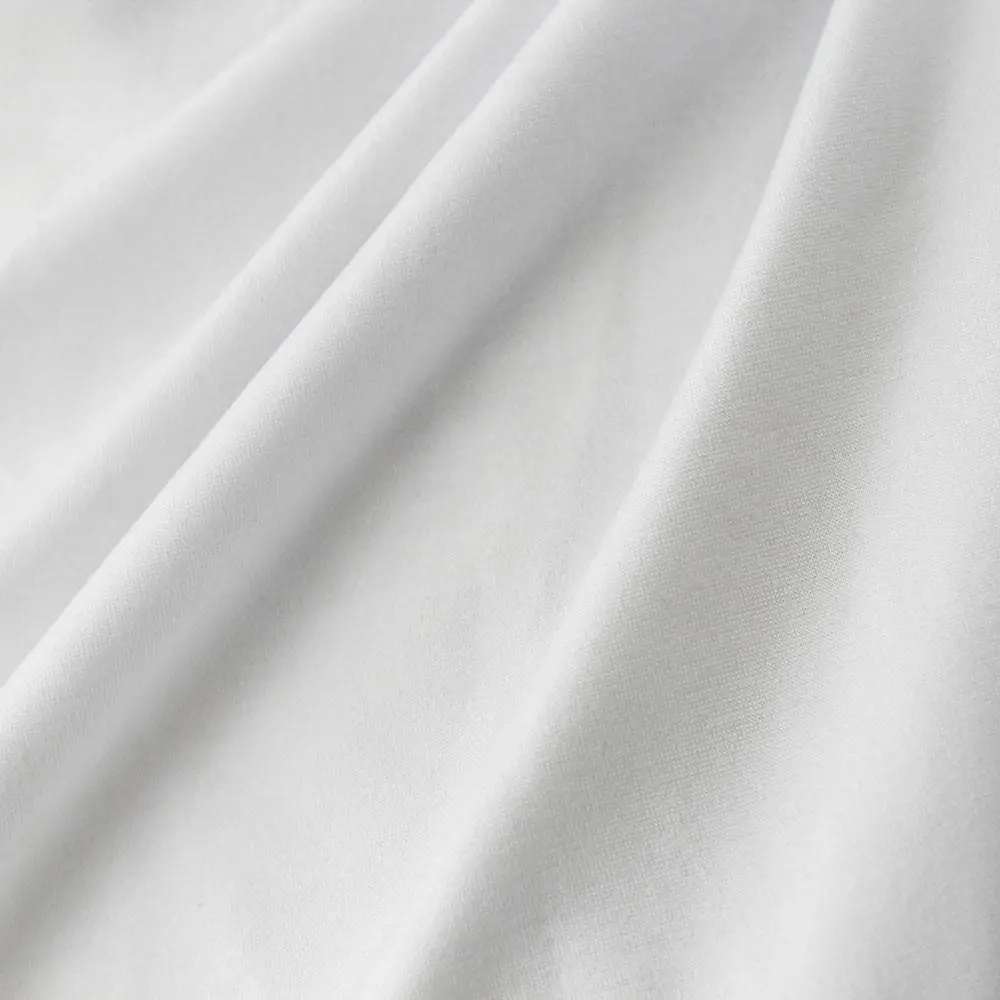
There’s a reason cotton has long reigned as the world’s most popular summer fabric. It’s soft, skin-friendly, widely available at every price point, and delivers solid breathability — especially in lightweight, finely woven iterations. For casual everyday wear, a well-chosen cotton piece is nearly unbeatable for comfort, so long as you’re not facing extreme, relentless heat or high-intensity activity.
That said, cotton has one notable limitation to keep in mind: it absorbs moisture quickly, but dries extremely slowly. In other words, when you sweat, cotton fibers lock in that moisture rather than wicking it away and releasing it into the air. This is rarely an issue in dry, breezy weather, but in high-humidity environments or during prolonged physical activity, it can leave you feeling damp, cold, and weighed down by your clothing. The fix lies in the weave: fabrics like cotton voile, lawn, and gauze deliver drastically better breathability than standard cotton jersey or poplin, thanks to their looser, more open weave structure that maximizes airflow.
- Breathability: Good
- Moisture-wicking: Moderate
- Ideal GSM range: 80–160 GSM
Best for: Casual everyday summer wear, low-to-moderate activity, dry or temperate climates.
Linen
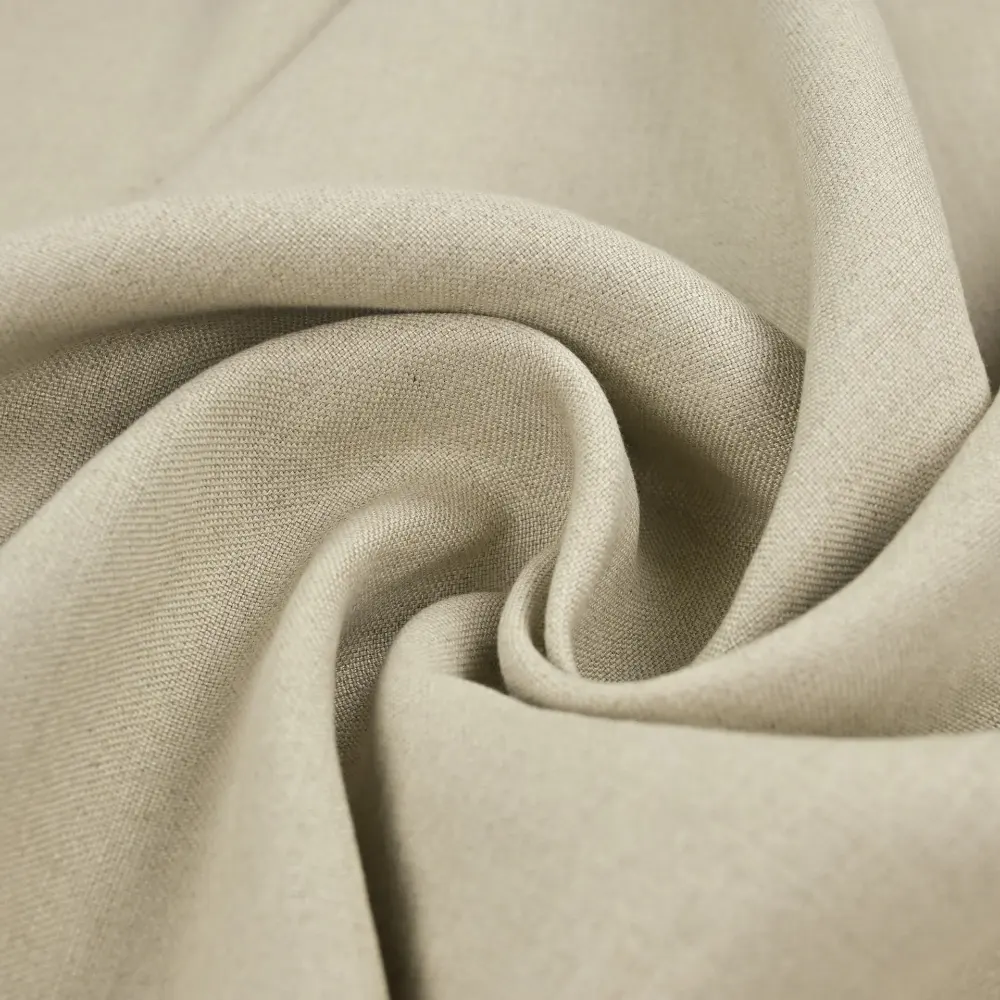
If I had to pick just one fabric to recommend for summer above all others, linen would win by a landslide. Made from the fibers of the flax plant, linen’s natural hollow fiber structure delivers unrivaled airflow — it outperforms cotton by a wide margin when it comes to pure breathability. On top of that, linen absorbs and releases moisture incredibly quickly, meaning it stays dry and comfortable against your skin even in the most unforgiving hot and humid conditions.
Admittedly, linen has a well-earned reputation for wrinkling easily. But in the context of summer dressing, the gentle crinkle of a relaxed-fit linen shirt or wide-leg pant rarely reads as unkempt — instead, it lends a deliberate, effortless laid-back charm. The textile industry has also made huge strides to address this trait through optimized finishing processes: many modern linen fabrics are treated with enzyme or stone washes, which not only create a buttery-soft hand feel, but also drastically reduce wrinkling. If you’ve written off linen in the past for feeling too stiff and rigid, it’s worth giving it a second look today. Premium washed linen feels nothing like the crisp, board-stiff linen of a decade ago.
- Breathability: Excellent
- Moisture-wicking: Moderate
- Ideal GSM range: 140–180 GSM
Best for: Hot and humid climates, all-day outdoor wear, smart casual and resort dressing.
Bamboo Viscose
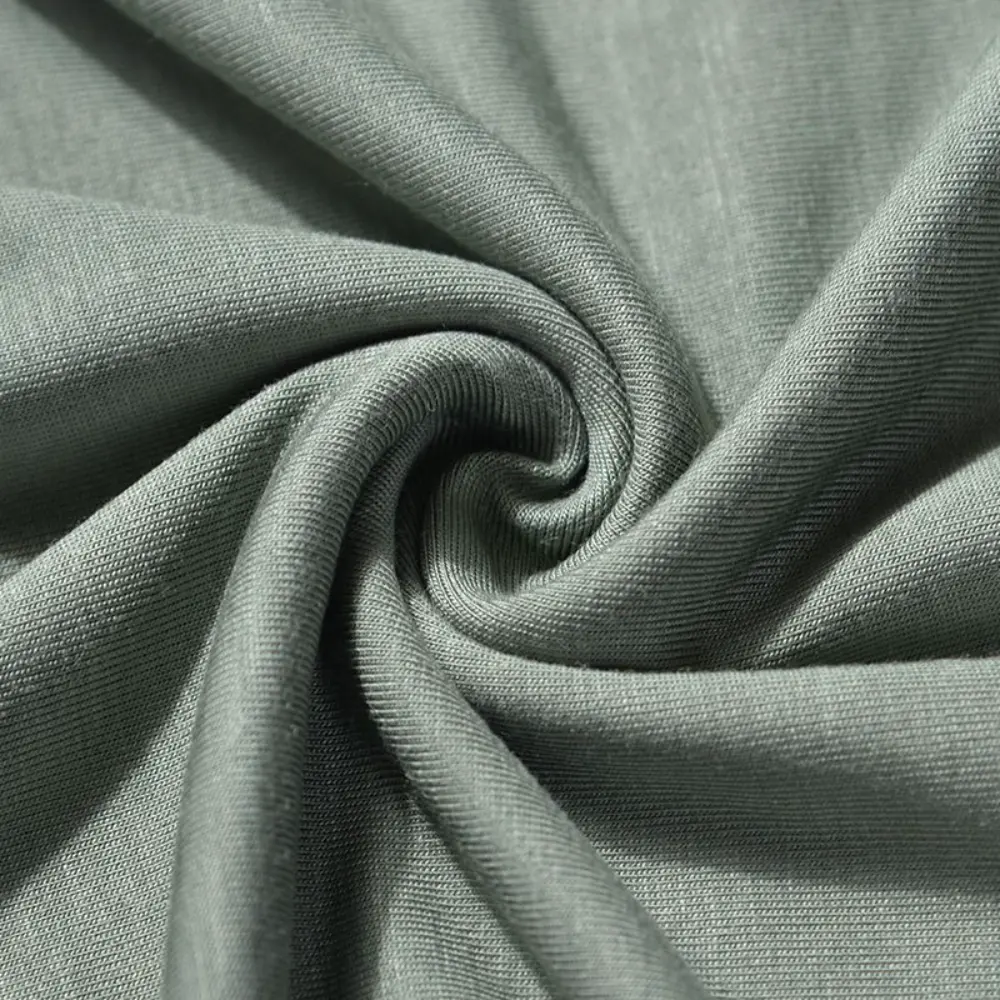
Bamboo viscose has exploded in popularity over the past decade, and for good reason: its summer comfort is undeniable. This fabric is exceptionally soft — often compared to a blend of silk and cashmere — with a beautiful drape and a cool, smooth feel against the skin. It also boasts natural moisture-wicking capabilities and mild antimicrobial properties, which help control odor in hot weather.
It’s critical to understand the difference between bamboo viscose and bamboo linen. Bamboo viscose (sometimes called bamboo rayon) is the more common variant, made by dissolving bamboo pulp into regenerated fibers via a chemical process. The end product delivers exceptional performance, but its manufacturing is far more complex than its “natural” marketing label would suggest. Bamboo linen, by contrast, retains more of the original fiber’s physical structure and is processed primarily through mechanical means. It’s far rarer and typically more expensive, but it’s the closer to a truly sustainable option if eco-friendliness is your top priority.
- Breathability: Very Good
- Moisture-wicking: Very Good
- Ideal GSM range: 100–170 GSM
Best for: Loungewear, sleepwear, light summer layers, and sensitive skin.
Tencel & Modal
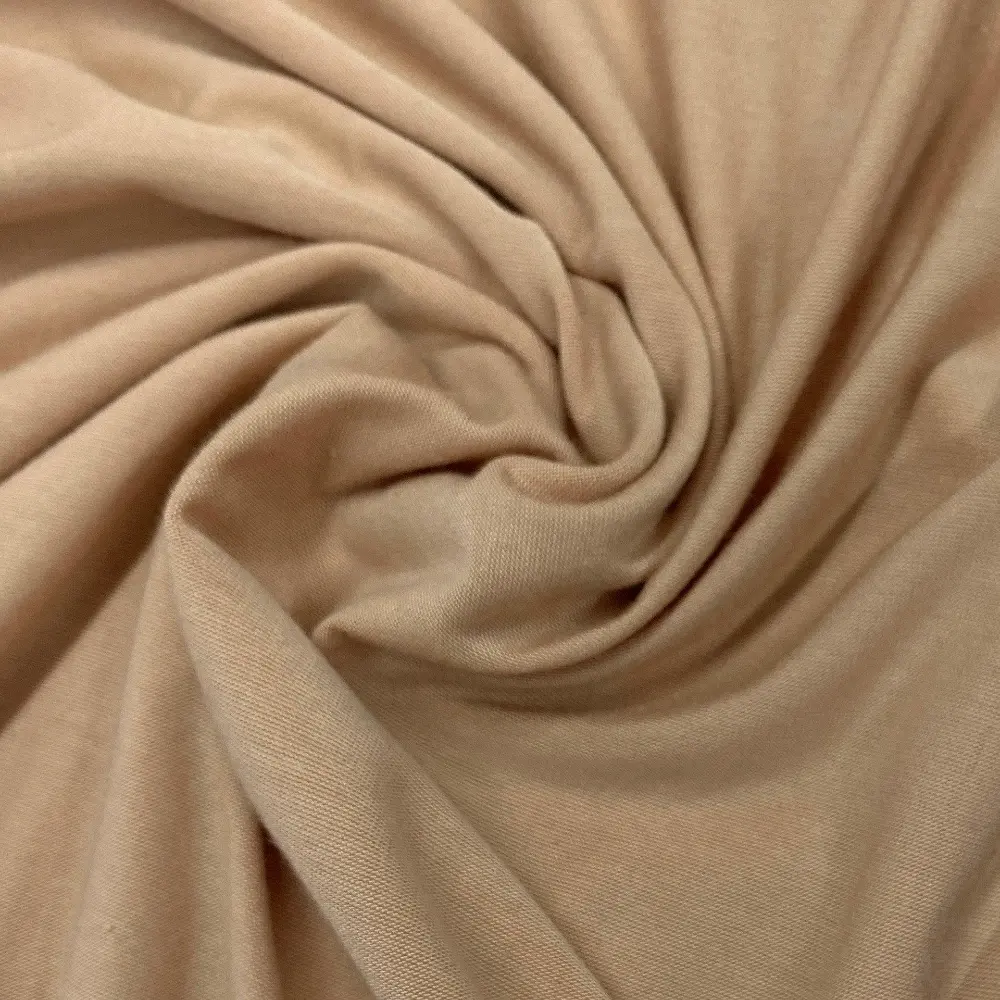
Tencel (the branded trade name for lyocell fiber) and Modal are both wood-based cellulosic fibers manufactured by Austrian textile giant Lenzing AG, and they represent some of the most impressive advancements in summer fabric technology over the past two decades. Both fabrics are incredibly smooth, breathable, and highly moisture-wicking, with a subtle, elegant sheen that feels elevated yet approachable. Their hand feel falls somewhere between cotton and silk, and they outperform both by a wide margin in warm weather.
What makes Tencel particularly stand out, both in terms of performance and sustainability, is its closed-loop manufacturing process. Over 99% of the solvents used to break down the wood pulp are recovered and reused, making it one of the most resource-efficient fabric production methods in commercial use today. Modal is produced with a similar process, but is made exclusively from beech wood, and typically delivers an even softer, silkier hand feel. If you’re building a sustainability-focused summer wardrobe, both fabrics offer that rare perfect combination: minimal environmental impact, and tangible, real-world comfort.
- Breathability: Excellent
- Moisture-wicking: Excellent
- Ideal GSM range: 110–180 GSM
Best for: Smart summer dressing, travel, sustainability-conscious shoppers, and mixed indoor-outdoor wear.
Hemp
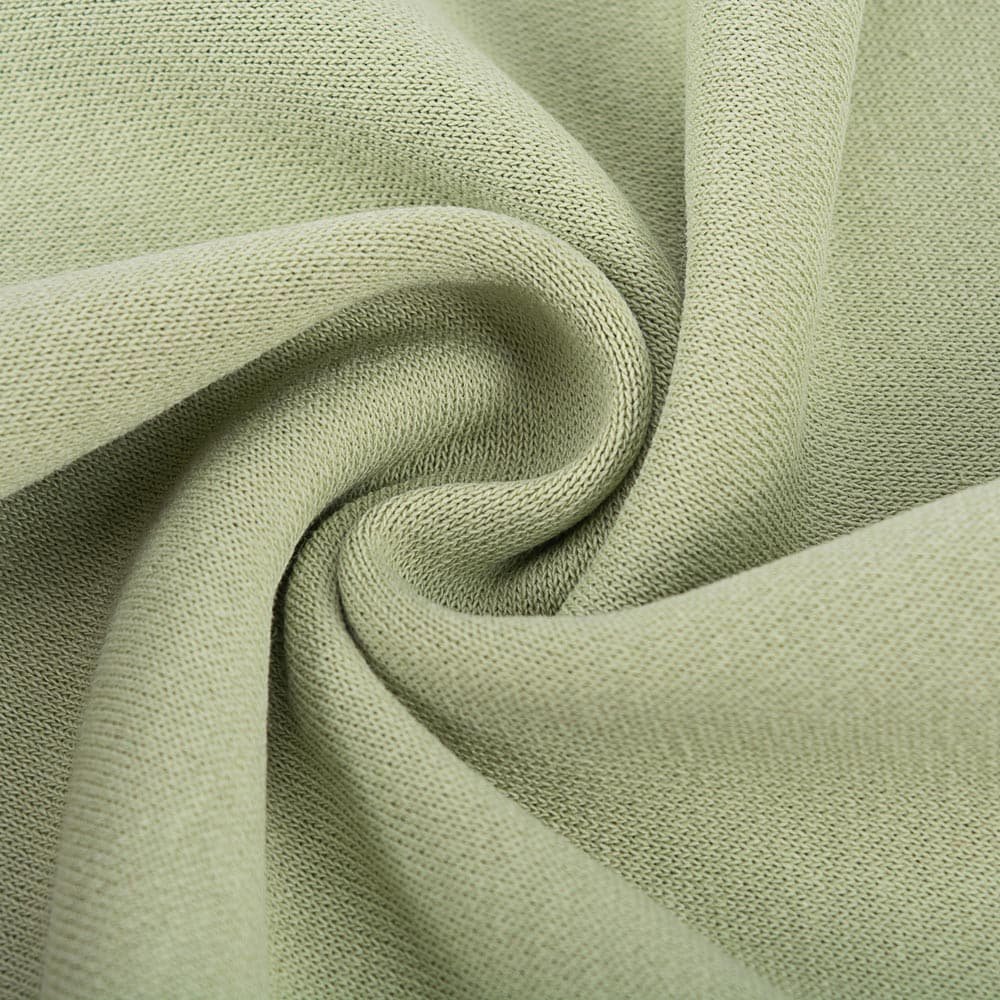
Hemp is one of the most underrated fabrics for summer clothing — and within the textile industry, it’s increasingly recognized as one of the most promising fabrics on the market. Modern, refined hemp fabric is breathable, lightweight, and incredibly durable, with a hand feel closer to soft linen than the coarse, scratchy hemp many people picture. It also boasts natural UV-resistant properties, a major advantage for outdoor summer wear.
From a performance standpoint, hemp shares many of linen’s best qualities: exceptional breathability, reliable moisture absorption, and a hand feel that gets softer and more comfortable with every wash. It also has impressive thermoregulatory properties — it stays cool in sweltering heat, yet provides a light layer of warmth when temperatures drop after sunset. Where hemp truly outshines most other summer fabrics, however, is in its unmatched durability. Hemp fibers are among the strongest natural fibers in existence; a well-made hemp garment will often last years longer than its cotton equivalent. For that reason, while it typically comes with a higher upfront cost, it’s an incredibly worthwhile investment in the long run.
- Breathability: Very Good
- Moisture-wicking: Good
- Ideal GSM range: 150–200 GSM
Best for: Outdoor and active summer use, eco-conscious shoppers, and anyone building a low-maintenance, long-lasting wardrobe.
Best synthetic and blended fabrics for summer
Discover the top synthetic and blended fabrics for summer, balancing budget-friendly softness, targeted active performance, and reliable all-day warm-weather comfort for every occasion.
Rayon and Viscose: Soft, Flowing, and Budget-Friendly
Rayon and viscose are popular summer choices for a reason. They feel soft, light, and comfortable against the skin, and they drape beautifully, which gives clothes that relaxed, effortless look that works so well in warm weather. If you want something that feels a little more polished than basic cotton but still looks easy and unfussy, this is usually where I would start. Rayon and viscose are regenerated cellulose-based fibers, and lightweight versions are widely used in dresses, tops, and other warm-weather pieces.
What I like about these fabrics is that they can look dressed up without feeling heavy. That is why you see them so often in summer dresses, skirts, shirts, and loose blouses. They move well, they feel airy when the fabric weight is right, and they usually offer a lot of visual softness for the price. They are not the toughest fabrics in a hard-wearing sense, but for easy summer dressing, they do a lot very well. Lightweight rayon and viscose fabrics are commonly found in the roughly 80–150 GSM range used for tops, skirts, and summer dresses.
- Breathability: Good
- Moisture-wicking: Moderate
- Ideal GSM range: 80–150 GSM
Best for: Summer dresses, blouses, skirts, loose tops, and relaxed warm-weather outfits.
Moisture-Wicking Polyester Blends: Built for Active Summer Days
Moisture-wicking polyester blends are a smart option for summer, especially if you spend a lot of time outdoors or tend to stay active throughout the day. These fabrics are engineered to move sweat away from the skin and spread it across the outer surface so it can evaporate faster. That is what helps them feel dry and practical, even when the weather is hot and you are constantly on the move. Nike describes this process as capillary action, and REI also highlights polyester’s quick-drying, moisture-wicking performance for outdoor use.
In my view, polyester blends often outperform many natural fabrics when the priority is function rather than pure hand feel. For workouts, travel, or any summer day that involves a lot of movement, they are simply more practical. They dry fast, hold their shape well, and do not feel as weighed down by sweat. When blended with fibers like spandex or cotton, they usually become more comfortable and flexible while still keeping that performance edge. That balance is exactly why they work so well for people who want clothes that can keep up with a busy day.
They may not be the softest fabrics in your wardrobe, but on hot, high-energy summer days, they are often the ones that make the most sense.
- Breathability: Moderate to Good
- Moisture-wicking: Excellent
- Ideal GSM range: 120–180 GSM
Best for: Activewear, workout tops, outdoor clothing, travel outfits, and anything you would wear for a hot day with a lot of movement.
Fabrics to Avoid Wearing in the Summer Heat
Fabrics that trap heat, block airflow, or feel heavy against the skin can turn even the most stylish summer outfit into an unbearably uncomfortable experience. If your goal is to stay cool and comfortable all summer long, these are the materials you’ll almost always want to avoid.
100% Non-Performance Polyester & Nylon
100% non-performance polyester and nylon are fully synthetic fibers with a dense, non-porous structure that blocks nearly all airflow. These fabrics are engineered first and foremost for durability and water resistance, not breathability or hot-weather comfort.
Why It Fails in Summer Heat
These fabrics can neither absorb sweat nor allow excess body heat to escape. Instead, they trap moisture against your skin, creating a sticky, clammy barrier that leads to discomfort and unwanted body odor. On top of that, they absorb and retain heat from direct sunlight, driving your perceived skin temperature far higher than the actual air temperature.
Heavy Denim & Non-Breathable Tight Knits
Heavy denim and dense, non-breathable knits are thick, tightly constructed fabrics with almost no room for air to circulate through their weave. These materials are built to deliver structured shape retention, long-term durability, and insulation — not heat dissipation or cooling.
Why It Fails in Summer Heat
Their ultra-tight weave blocks airflow and effectively locks body heat against your skin. Heavy denim not only restricts your range of motion, but also builds up and holds heat throughout the day. Non-breathable knits, meanwhile, cling tightly to the skin the second they come into contact with sweat. Both fabrics disrupt your body’s natural cooling mechanism, and can even increase your risk of overheating or heat exhaustion, especially in direct, intense sunlight.
Acrylic
Acrylic is a low-cost synthetic fiber designed to mimic the look and soft feel of wool. While it can feel lightweight to the touch, it has a completely closed fiber structure with zero inherent breathability.
Why It Fails in Summer Heat
Acrylic has extreme heat-trapping capabilities and no moisture-wicking functionality whatsoever. It locks sweat against your skin, creating a sticky, damp, deeply uncomfortable sensation against your body. It’s also highly prone to odor buildup and completely non-breathable, making it a poor choice even on mild spring days — and entirely unsuitable for the sweltering heat of mid-summer.
Standard Heavyweight Wool
Standard, heavyweight wool is a natural insulating fiber, with a unique crimped structure that traps air to lock in and preserve body heat. While there are exceptions (most notably ultra-fine, lightweight merino wool, which we highlighted as a summer-ready pick), the vast majority of everyday wool garments are thick, dense, and built for maximum heat retention.
Why It Fails in Summer Heat
Wool’s core function is to trap heat close to the body — a feature that becomes a major liability in hot weather. It absorbs moisture slowly and dries at an extremely low rate, leaving you feeling damp, muggy, and uncomfortable for hours after you sweat. On top of that, standard wool often feels itchy and restrictive in high temperatures, making it unsuitable for all-day everyday summer wear.
How to Choose the Right Summer Fabric for Every Scenario and Lifestyle
Choosing the ideal summer clothing material is not just about what feels nice in theory. It also depends on how you live, how much you move, and what kind of climate you deal with day to day. If you match your fabrics to your routine, whether that means office hours, workouts, travel, or tropical humidity, staying cool and looking put-together becomes much easier.
Summer Fabrics for Office and Business Wear
For office dressing, the goal is usually to stay polished without feeling trapped in your clothes. The best options are fabrics that still look refined but allow enough airflow to keep you comfortable through a full day.
- Lightweight cotton blends are a strong choice for shirts and tailored trousers because they hold their shape well and still feel breathable.
- Linen-cotton blends are another smart option. They give you the cooling benefits of linen but tend to wrinkle less, which makes them easier to wear in meetings or more formal work settings.
- TENCEL™ and modal also work beautifully for office wear. They feel smooth, drape well, and usually resist wrinkling better than many purely natural fabrics, which makes them a great fit for office dresses, blouses, and other pieces that need to look a little more polished.
Summer Fabrics for Outdoor and Active Use
If you are spending a lot of time outdoors or staying active in the heat, performance matters more than appearance alone. In that case, fabrics that dry quickly and move moisture away from the body are usually the best choice.
- Moisture-wicking polyester blends are one of the most reliable options for hiking, training, and other high-movement activities because they pull sweat away from the skin and dry fast.
- Nylon-spandex blends are also excellent for active summer wear. They are lightweight, stretchy, and quick-drying, which makes them ideal when you need comfort and freedom of movement at the same time.
- Bamboo viscose can also work well here, especially if softness matters to you. It feels smooth against the skin and has decent moisture management, which makes it a comfortable option for lighter outdoor use.
Summer Fabrics for Humid and Tropical Climates
Hot, humid weather is its own challenge. In those conditions, the best fabrics are usually the ones that let heat escape quickly and do not stay wet for long.
- Linen and hemp are two of the strongest choices here. Both offer excellent airflow and help moisture leave the body more easily, which makes them especially useful when the air already feels heavy and sticky.
- Bamboo viscose is another good option for humid climates because it feels cool, dries relatively quickly, and is often chosen for its softness in close, muggy weather.
- Loose-weave cotton can also work very well, as long as the fabric is light enough. When cotton is woven openly, it allows much better airflow and is far less likely to cling uncomfortably to the skin.
Summer Fabrics for Casual Everyday Wear and Travel
For daily wear and travel, comfort is only part of the equation. You also want fabrics that are easy to pack, easy to wear, and not too demanding to maintain.
- Wrinkle-resistant TENCEL™-linen blends are especially useful for travel because they pack more easily than pure linen and do not require as much fuss once you arrive.
- Lightweight jersey cotton is a dependable option for casual wear. It is soft, breathable, and easy to throw on, which is exactly what most people want from everyday summer clothing.
- Polyester-viscose blends are also worth considering for travel. They tend to resist wrinkles better, wear well over long days, and work nicely for sightseeing or any trip where comfort and practicality matter just as much as appearance.
Summer Fabric Myths Debunked: What Most People Get Wrong
A lot of “rules” regarding good fabrics for summer are only partly true. In real life, comfort depends on more than fiber alone. Fabric weight, weave, moisture management, and fit all play a role, which is why many common fabric tips can be misleading.
Myth 1: 100% Cotton Is Always the Best Summer Fabric
Cotton is a strong summer option because it is soft, breathable, and easy to wear. For casual outfits in warm weather, it often works very well.
However, it is not always the best choice. Since cotton absorbs sweat and dries slowly, it can feel damp and heavy in humid weather or during long hours outdoors. Lightweight cotton usually performs much better than heavier cotton fabrics.
Myth 2: All Synthetic Fabrics Are Bad for Summer
This idea is too broad. Some synthetic fabrics do feel hot and uncomfortable, especially when they are thick, cheap, or poorly ventilated.
That said, not all synthetics are the same. Many modern performance fabrics are designed to wick moisture and dry quickly, which makes them a practical choice for sports, hiking, and other active summer use.
Myth 3: Linen Is Too High-Maintenance for Everyday Wear
Linen wrinkles easily, and that is the main reason many people think it is hard to wear. But that reputation is often overstated.
In reality, linen is one of the most useful summer fabrics because it is breathable, airy, and quick to dry. And for many people, those natural creases are part of its relaxed charm. If pure linen feels too fussy, linen blends are usually much easier to manage.
Myth 4: Dark Fabrics Are Always Hotter Than Light Ones
Dark colors do absorb more heat in direct sunlight, so this idea is not completely wrong. Light colors generally reflect more heat and can feel cooler outdoors.
Still, color is only one factor. Fabric type, thickness, and fit often matter more. A loose dark linen shirt can still feel cooler than a tight light-colored top made from a heavy synthetic fabric.
Keep Your Kids Safe and Comfortable in Summer Clothes
When it comes to keeping your kids cool, comfortable, and happy all summer long, the right fabric makes all the difference. Lightweight, breathable, buttery-soft materials don’t just prevent overheating — they make every moment of everyday wear feel effortless and enjoyable.
For parents, fabric quality should always come before style when shopping for summer kids’ wear. Well-constructed summer garments lock in all-day comfort, give kids total freedom of movement, and hold up to the rough-and-tumble of active summer play, wash after wash.
HAPA is a children’s apparel manufacturer built entirely around premium, purpose-built fabrics for warm weather. By prioritizing buttery softness, unbeatable breathability, and practical, all-day comfort in every piece we make, HAPA crafts kids’ wear designed specifically to thrive in the heat of summer.
With the right fabric choices and thoughtful, kid-first design, summer clothes don’t just fit well — they keep kids comfortable, energized, and ready for every adventure the season has to offer, from backyard play to beach days and beyond.
Conclusion
Choosing the right summer fabrics is non-negotiable when it comes to all-day comfort, reliable breathability, and a positive everyday wear experience. Whether you’re shopping for office wear, travel outfits, or kids’ clothing, the best fabric choice always comes down to the specific occasion, weather conditions, and how the material performs in real-world high-heat environments.
Lightweight, breathable, well-constructed fabrics keep everyone cool and comfortable through the hottest months of the year. For kids, fabric quality is even more critical: it directly impacts how soft the garment feels against their sensitive skin, how much freedom of movement they have, and how comfortable they stay from morning playtime to bedtime.
That’s exactly why partnering with a trusted children’s apparel manufacturer like HAPA makes all the difference. At HAPA, we center every design around premium, high-quality fabrics, building kids’ wear that’s purpose-built for warm weather, uncompromising on safety, and made to stand up to everyday, all-summer use, always utilizing the Best Fabrics to Wear in the Summer.
FAQ
What is the coolest fabric to wear in hot weather?
Linen is widely considered the coolest fabric to wear in hot weather because it is lightweight, breathable, and quick to dry. Lightweight cotton, rayon, and bamboo blends can also work well, but linen is often the best choice for staying cool and comfortable in summer heat.
Is silk good for summer or too hot?
Silk can be good for summer because it feels light and smooth, but it is not always the best fabric for very hot or humid weather. Some silk fabrics can show sweat easily, so linen and lightweight cotton are often more practical for everyday summer wear.
What fabric is best for summer in humid climates?
The best fabric for summer in humid climates is usually linen or lightweight cotton because both allow better airflow and feel less sticky in damp heat. Rayon and bamboo blends can also be comfortable, but breathable, loose-fitting fabrics are usually the best option for hot and humid weather.
Why is cotton the best summer fabric?
Cotton is one of the best summer fabrics because it is soft, breathable, and comfortable for daily wear. It helps air circulate and feels gentle on the skin, although lightweight cotton works better than heavy cotton fabrics in very hot or humid summer conditions.
Is bamboo fabric good for summer?
Bamboo fabric can be good for summer because it is soft, lightweight, and often comfortable against the skin. Many bamboo fabrics also feel breathable, making them a popular option for casual summer clothing, although performance can vary depending on the fabric blend and construction.
How does linen keep you cool?
Linen keeps you cool by allowing heat to escape and air to move more freely through the fabric. It also dries quickly and feels light on the skin, which is why linen is often seen as one of the best fabrics for hot weather and summer clothing.