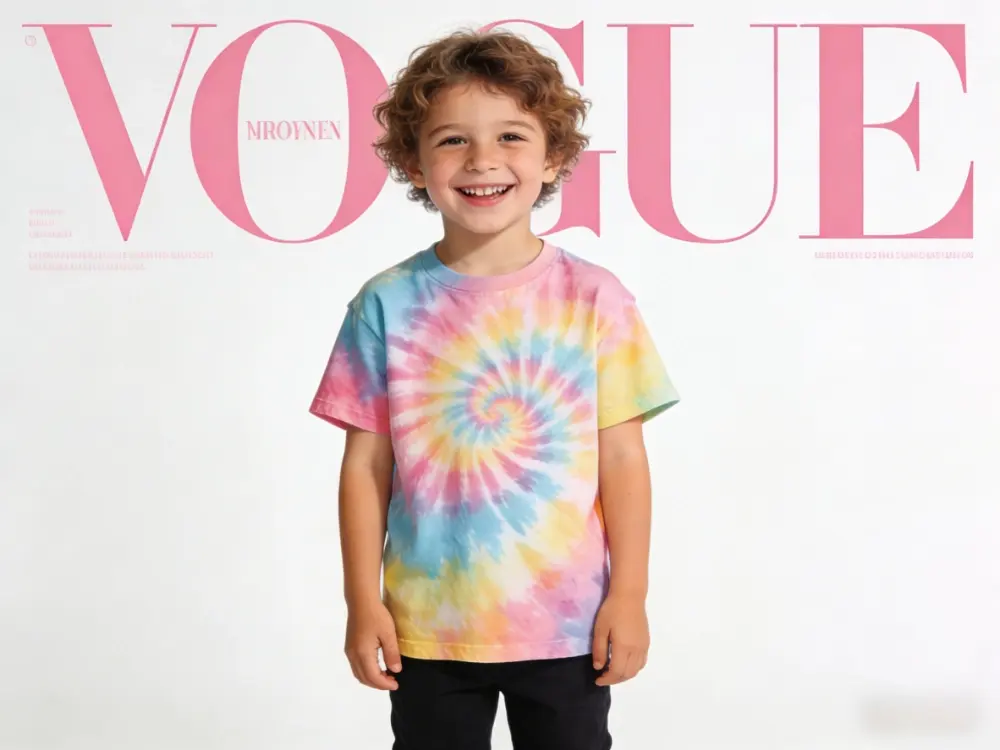
What kid can resist the magic of bright, bold, bursting color? Slip one of their favorite kids tie dye shirts on your little one, and their whole face lights up instantly — they’re giddy, over the moon, and can’t wait to run off and show off their new favorite top to every friend they meet.
Long before I became the founder of a children’s apparel manufacturing brand, my love for the art of tie-dye started when I was just a kid myself. From the very first time I twisted up a plain white T-shirt, dipped it in dye, and unfurled it to see those swirling, unexpected color shifts, I had a dream: to bring that same joy and magic to kids everywhere, by bringing my own tie-dye designs to life across T-shirts, pants, socks, and every piece in a child’s wardrobe.
Today, tie-dye is still as beloved as ever — it never really went out of style. All the biggest, most trusted names in kids’ fashion keep rolling out fresh, innovative designs year after year, and it’s no surprise why. It’s a timeless staple of childrens tie dye clothing, and more than that, it is the heart of tie dye fashion for kids, serving as a fun, vibrant way for kids to express their one-of-a-kind personalities.
In this guide, we’re breaking down the 15 must-have tie dye patterns for kids that will dominate kids’ wardrobes and fly off your shelves as top sellers in trendy kids apparel 2026.
Why Tie-Dye for Kids Is Trending in 2026
Tie-dye is so much more than just a nostalgic craft. It isn’t magic — but it sure feels like it. With just a few simple steps, it takes a blank T-shirt and turns it into a totally one-of-a-kind piece, with a pattern no one else in the world can replicate exactly.
Between the playful fun of the making process and the endless variety of finished designs, exploring different tie dye patterns for kids has exploded into one of the biggest trends in kids’ fashion and family DIY activities. Parents and kids create pieces together, share their bright, joyful finished projects all over social media, and that viral momentum has helped more and more people fall in love with this art form — while also weaving in fresh, on-trend twists to the classic technique.
Tie-dye pulls double duty for families, too. For one, it’s an incredible creative outlet for kids: they get to express their one-of-a-kind personality by wearing a totally exclusive, self-made garment, and show it off with endless pride. It also aligns perfectly with the widely celebrated eco-friendly ethos of today’s market — by using natural, non-toxic dyes or upcycling pre-loved clothing, it nurtures a lifelong understanding of sustainable living in children from a young age.
Tie-dye has seen skyrocketing growth in popularity over recent years, with major retail giants including Macy’s and Old Navy naming tie-dye as a hero element in their 2026 kids’ apparel lines and back-to-school trend collections.
15 Trending Tie Dye Patterns for 2026 Kidswear Collection
1.The Classic Spiral (Reimagined with Pastel Tones)
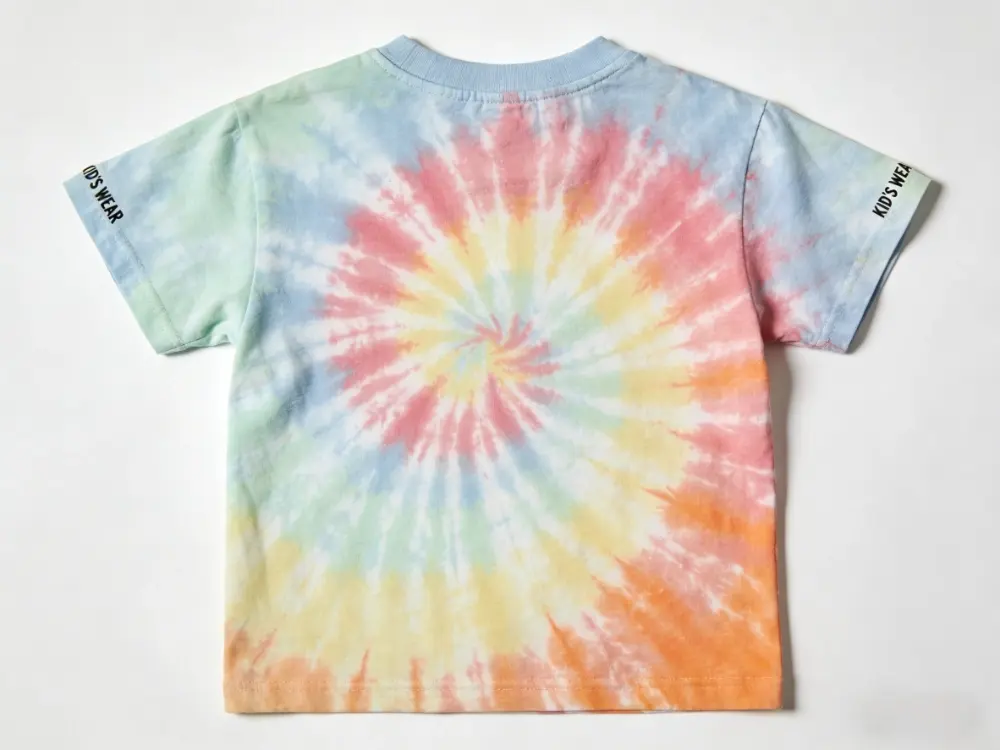
The classic spiral tie dye remains a favorite, but in 2026 it’s all about soft pastel tones like lavender, mint, and peach. This updated version feels more modern and kid-friendly compared to traditional rainbow styles. It’s easy to create and delivers consistently beautiful results. Perfect for beginners and trendy kidswear collections.
2.The Crumple / Scrunch Technique
The crumple (or scrunch) technique is one of the easiest tie dye patterns for kids. Fabric is randomly scrunched and dyed, creating a unique, abstract look every time. It’s forgiving, fun, and ideal for younger children. No two pieces will ever look the same, making it perfect for creative expression.
3.Bullseye Target
The bullseye pattern creates bold concentric circles that resemble a target. Kids love the symmetry and the way colors radiate outward from the center. It’s a great design for experimenting with bright color combinations. This pattern stands out on T-shirts, hoodies, and even tote bags.
4.Sunburst / Starburst
The sunburst pattern features small focal points that radiate outward like rays of sunlight. It’s created by pinching sections of fabric and applying dye in bursts. This design gives a dynamic and energetic look that’s perfect for kids. It works especially well with vibrant or contrasting colors.
5.Horizontal & Vertical Stripes
Striped tie dye designs offer a clean and structured alternative to more chaotic patterns. By folding fabric in straight lines, you can create bold horizontal or vertical stripes. This pattern is simple yet stylish, making it a highly requested look in trendy kids apparel 2026. It’s also a great introduction to controlled tie dye techniques.
6.Shibori-Inspired Indigo Folds
Inspired by traditional Japanese dyeing, this pattern uses folding and binding techniques to create geometric designs. Indigo blue is the most popular color, giving it a timeless and calming aesthetic. It’s a great way to introduce kids to global art styles. The results feel more refined and artistic than typical tie dye.
7.Ombre / Dip-Dye
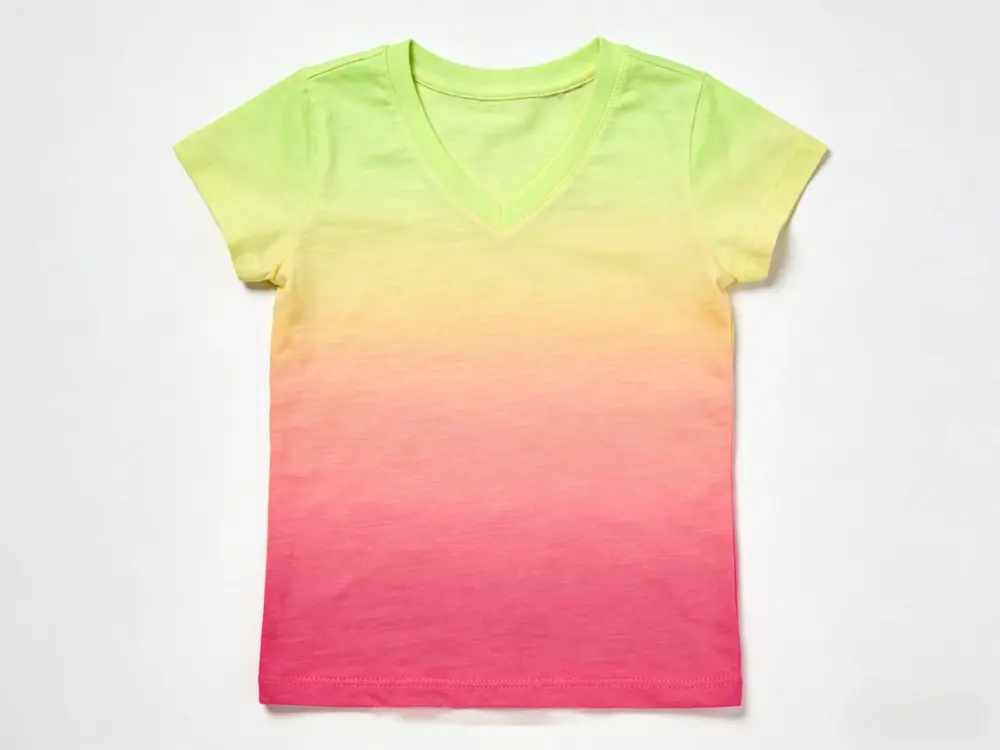
Ombre tie dye features a smooth gradient from light to dark shades. This technique is achieved by dipping fabric gradually into dye. It creates a soft, modern look that’s very popular in 2026 fashion trends. It’s perfect for kids who prefer subtle and stylish designs.
8.Ice Dyeing
Ice dyeing is one of the most viral tie dye trends right now. Ice is placed on fabric and dye is sprinkled on top, creating unpredictable, watercolor-like effects as it melts. The results are stunning and completely unique. Kids love the surprise element of this technique.
9.Bleach / Reverse Tie-Dye
Reverse tie dye uses bleach instead of dye to remove color from dark fabrics. This creates high-contrast, edgy designs that stand out. It’s especially popular on black or dark-colored clothing. Older kids and teens tend to love this bold style.
10.Geode Tie-Dye
Geode tie dye mimics the look of natural crystals and stones. It uses multiple tight bindings and layered colors to create ring-like formations. The result is intricate and eye-catching. This pattern is perfect for kids who love detailed and artistic designs.
11.Heart Shape Tie-Dye
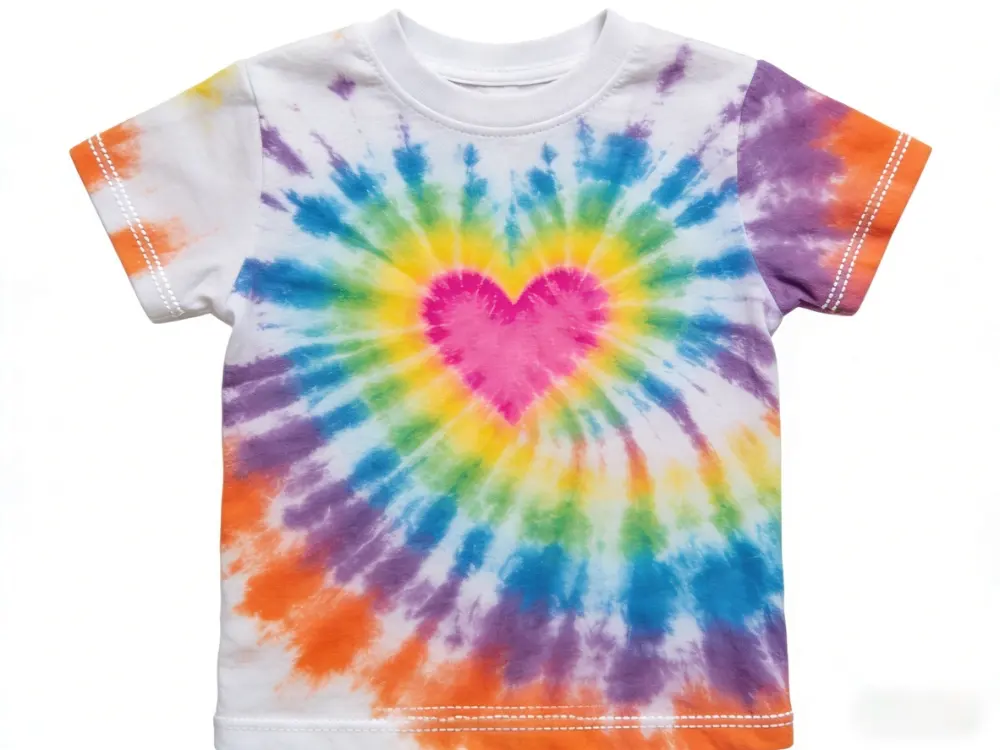
The heart pattern is a favorite for kids due to its cute and playful look. It involves folding fabric carefully to form a heart shape before dyeing. This design is perfect for gifts, holidays, or themed outfits. It combines creativity with a personal touch.
12.Spider Web
The spider web pattern creates a radiating web-like effect from a central point. It’s made by twisting fabric tightly and applying dye along the folds. The result is bold and slightly edgy, making it popular for Halloween or themed designs. Kids enjoy the dramatic visual impact.
13.Mandala Symmetrical Designs
Mandala tie dye patterns focus on symmetry and intricate designs. They require careful folding and precise dye placement. The finished look is balanced, detailed, and visually stunning. This pattern is great for older kids who enjoy more advanced projects.
14.Two-Tone Split / Color Block
This modern design divides fabric into two or more bold color sections. It’s simple yet very trendy in 2026 kids fashion. The clean contrast makes it highly wearable and stylish. It’s perfect for achieving a minimalist tie dye look.
15.Reactive Dye Splatter
This pattern creates a playful “paint splatter” effect using reactive dyes. Colors are applied in a freeform, splashed style for a fun and energetic look. It’s one of the most expressive and unpredictable techniques. Kids love the freedom and creativity it allows.
Easy Tie Dye Patterns for Beginners (Ages 5–8)
When introducing the art of tie-dye to young kids, simplicity is everything. For children ages 5 to 8, the best tie dye patterns for kids are easy to execute, require zero precise folding, and still deliver fun, vibrant, showstopping finished pieces. The goal here isn’t perfection — it’s about sparking your child’s creativity, building their confidence, and letting them have pure, unfiltered fun along the way.
The Crumple (Scrunch) Pattern
The crumple (or scrunch) pattern is one of the absolute easiest tie-dye techniques for total beginners. All kids need to do is crumple the fabric into a loose, messy ball with their hands, then dab or squirt different dye colors all over the surface. No precise folding is required, making this technique perfect for little hands to master.
This pattern creates a soft, beautiful marble-like texture with seamless, natural color blends. What’s more, it’s incredibly forgiving — no matter how messy it looks during the process, the finished piece almost always turns out amazing and full of surprise. It’s the ultimate confidence-builder for kids trying tie-dye for the very first time.
The Classic Bullseye
The classic bullseye is a fun, instantly recognizable design that kids go crazy for. It’s incredibly simple to make: just pinch the center point of the fabric and pull it straight up, then wrap rubber bands tightly around the fabric at different intervals down the length. Each banded section can be dyed a different color, creating bold, bright, eye-catching circular rings.
This technique isn’t just easy to pick up — it also helps kids grasp the basic fundamentals of how fabric manipulation creates pattern structure. The finished result is bright, bold, and visually striking, making it the perfect next step for kids who’ve mastered freeform styles like the crumple pattern and want to try a slightly more structured technique.
Sunburst (Starburst) Mini-Circles
The sunburst (or starburst) mini-circles pattern works on a simple principle: pinch and tie off tiny sections of the fabric all over the garment, creating dozens of little “color burst” points across the surface. Each tied mini section blooms with bright, brilliant color like a tiny firework, creating a playful, lively, upbeat visual effect.
This design is perfect for kids who want to experiment with multiple small patterns across a single piece of clothing. It encourages kids to let their wild, creative imaginations run free, without requiring them to master any strict, technical skills. The finished piece is bright, vibrant, and full of one-of-a-kind personality — making it the perfect choice for creating fun, kid-focused apparel.
What Types of Items Are Best for Kids’ Tie-Dye Projects?
Tie-dye is no longer confined to just t-shirts — in 2026, this craft is being used across a huge range of pieces, especially in childrens tie dye clothing lines and at-home DIY projects. The best pieces for tie-dye are almost always made from highly absorbent, light-colored fabrics (like cotton), with enough surface area to showcase your tie-dye patterns clearly and vibrantly.
- Premium Tees & Oversized Hoodies
These are the absolute non-negotiable staples of any tie-dye collection. Oversized, drop-shoulder hoodies paired with modern techniques like bleach/reverse tie-dye and cloud tie-dye are dominating the streetwear trend space for older kids and teens. - Matching Loungewear & Tracksuit Sets
Matching coordinated sets (think hoodie and jogger combos) are wildly popular with parents, who are looking for easy-to-style pieces for their kids that balance on-trend style and all-day comfort. A matching tie-dye set instantly elevates a basic loungewear style into a high-value, retail-ready product. - Baby Rompers & Bodysuits
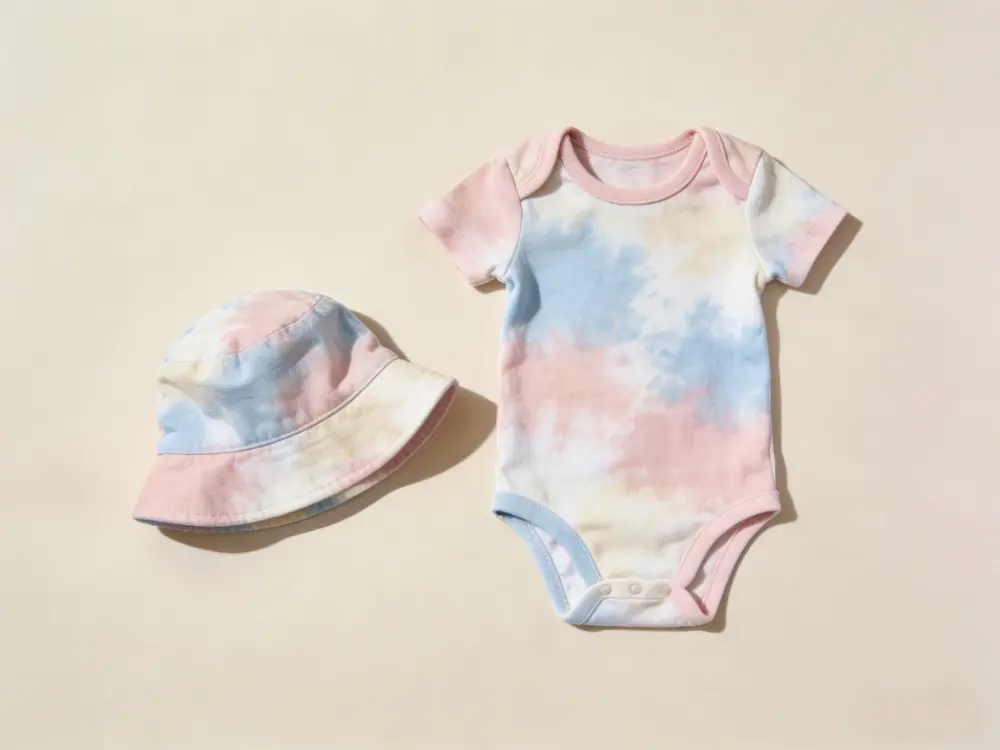
Parents can’t get enough of bright, vibrant pieces for their little ones. Rompers made from buttery-soft organic cotton, finished with soft pastel spirals or ombre dip-dye effects, are consistent bestsellers in baby boutiques worldwide. For this age group with delicate skin, ensuring these pieces hold GOTS certification is absolutely critical. - Summer Dresses & Vacation Wear
For spring and summer collections, highly breathable bamboo fiber fabric showcases the art of tie-dye perfectly. Lightweight summer dresses, beach cover-ups, and styles finished with sunburst patterns or traditional Shibori dyeing are must-have pieces for building a vacation capsule collection. - High-Margin Accessories (Bucket Hats & Socks)
Never overlook the power of accessories! Tie-dye bucket hats and crew socks are perfect add-on items at checkout for customers. They let parents easily add a fun, on-trend pop of color to their kid’s outfit, without committing to a head-to-toe tie-dye look.
Easy 5-Step Tie-Dye Tutorial for Beginners
Even total beginners can create stunning, showstopping tie-dye pieces by following these five simple, foolproof steps:
Step 1: Gather Your Materials
Before you start, prep all your must-have supplies: a 100% cotton t-shirt (the perfect blank canvas for kids tie dye shirts), kid-safe non-toxic dye, rubber gloves, rubber bands, and a work surface covered with a plastic drop cloth. Always pre-wash your fabric first to remove any chemical residues that could prevent even dye absorption.
Step 2: Fold & Bind Your Fabric
Pick a simple, beginner-friendly pattern (like the crumple method, classic bullseye, or stripe pattern), and help kids fold or scrunch the fabric into their chosen shape. Secure the fabric tightly with rubber bands to hold the form in place. This step is what defines your final pattern, so keep the process fun and simple for little hands.
Step 3: Apply Your Dye
Use squeeze bottles to apply dye to different sections of the fabric. Encourage kids to stick to 2-3 complementary colors to avoid muddy, muddled results when the hues blend. Make sure the dye fully saturates the fabric, but don’t apply so much that it drips excessively.
Step 4: Let the Dye Set & Cure
Place the dyed fabric into a sealable plastic bag, or wrap it tightly in plastic wrap, to keep it damp. Let it sit for a minimum of 6 to 8 hours (or leave it overnight) to let the dye fully develop and set into the fabric.
Step 5: Rinse & Dry
Rinse the fabric repeatedly under cold running water, until the water runs completely clear. After that, wash the tie-dye piece on its own in a cold wash cycle, then hang it up to air dry. Once it’s fully dry, your one-of-a-kind tie-dye creation is ready to wear and show off!
Is the text too dry? No worries—you can watch this video and follow along step-by-step.
Kids’ Tie-Dye Safety Tips
While tie-dye activities are generally safe for children, taking a few simple precautions is absolutely critical — especially when working with younger kids.
- Adult Supervision Is Required At All Times: Make sure a responsible adult is present to guide every step of the process, particularly when children are handling dye, tying rubber bands, or working with any other crafting materials.
- Wear Gloves and Protective Clothing: Dye can permanently stain skin and clothing. Kids should always wear disposable gloves, and put on old clothes or a craft apron to avoid staining their everyday outfits and prevent potential skin irritation.
- Ensure Proper Ventilation: Always work in a well-ventilated area, especially when using powdered dye or bleach for reverse tie-dye projects. Working outdoors is the ideal choice to keep the air fresh and avoid inhaling any fumes.
- Keep Young Children Away From Irritating Chemicals: Always select non-toxic, kid-friendly tie-dye kits for all children’s crafting projects. For kids under the age of 8, bleach tie-dye should be avoided entirely unless under extremely close, constant adult supervision.
The Right Way to Set Color and Dry Your Tie-Dye Creations
Getting the color setting and drying steps right is make-or-break for your tie-dye pieces — it’s what keeps your colors bright, bold, and long-lasting wash after wash.
- Let the Color Set Fully — Don’t Rush the Process
Don’t cut corners or hurry this critical step! Always leave enough time (a minimum of 6 to 8 hours) for the dye to fully bond with the fabric. - Rinse With Cold Water First
Always start your rinse with cold water to wash away excess dye without causing unwanted color bleeding or fading. If needed, you can gradually switch to lukewarm water as the rinse water runs clearer. - Wash Separately
For the very first wash, always launder your tie-dye garment on its own. This stops any leftover loose dye from bleeding onto and staining your other clothing. - Air Drying Gives the Best Results
Air drying your tie-dye piece is the best way to lock in and preserve the brightness and vibrancy of the colors. For the first few washes after the initial rinse, avoid using a high-heat dryer, as high temperatures can cause colors to fade prematurely.
Choosing the Right Fabric for High-Quality Tie-Dye Projects
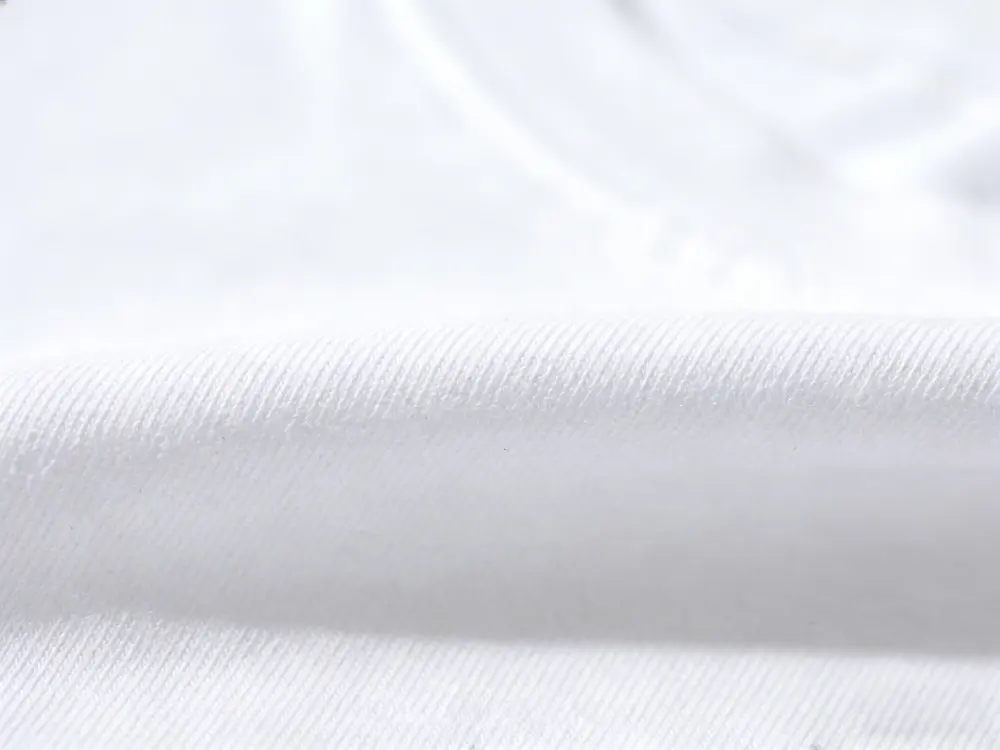
To create vibrant, long-lasting tie-dye designs, fabric selection is just as critical as the dye itself. The right material doesn’t just make your colors pop and sharpen the clarity of your patterns — it also ensures a professional, polished finish, rather than a faded, mottled end result.
Whether you’re creating tie-dye pieces for a kids’ craft project, or building out your 2026 children’s apparel collection, a deep understanding of different fabric properties is the foundation of a high-quality finished piece.
Why Fabric Choice Matters for Tie-Dye
Not all fabrics absorb dye the same way. Some materials deliver rich, saturated color payoff, while others can leave your design looking dull, faded, or unevenly pigmented.
Choosing the right fabric will help you:
- Boost color vibrancy
- Sharpen pattern clarity
- Improve wash-fastness and long-term durability
- Cut down on dye waste and frustration during the creation process
- For beginners and kids, the right fabric is often the difference between a stunning, showstopping finished piece and a disappointing, lackluster result.
The Best Fabrics for Tie-Dye
100% Cotton
100% cotton is the undisputed gold standard for tie-dye fabric. It absorbs dye effortlessly, delivers exceptional color retention, and creates bright, even, consistent tie-dye results every single time. This makes it the perfect choice for kids’ t-shirts, hoodies, and all kinds of everyday apparel.
Rayon (Buttery-Soft Hand Feel, Ultra-Vibrant Color)
Rayon also has exceptional dye absorption capabilities, and often delivers even more vivid, eye-catching color payoff than cotton. With a buttery-soft, smooth texture and beautiful fluid drape, it’s the ideal fabric for dresses and lightweight garments.
Linen (Natural Texture, Unique Organic Style)
Linen also absorbs dye well, but it delivers a softer, more muted tie-dye finish with a one-of-a-kind earthy texture. It’s the perfect choice if you want to create a natural, rustic, organic aesthetic in your tie-dye pieces.
Bring Your 2026 Tie-Dye Collection to Life
In 2026, tie-dye is so much more than just a fun craft activity — it’s a powerful form of creative expression, a bold fashion statement, and a deeply meaningful way for kids and their families to build heartfelt, lasting bonds.
With the perfect fabric in hand, safe, easy-to-master crafting techniques, and the confidence to experiment with a wide range of tie dye patterns for kids, you have everything you need to build a spectacular, colorful collection that parents and kids will absolutely love.
FAQ
What are the best tie dye patterns for kids?
When it comes to kids, simple and colorful tie dye patterns work best. Spiral, heart, and rainbow patterns are popular choices. These designs are easy to create and give vibrant results that children love.
How can I make safe tie dye patterns for kids at home?
To make tie dye patterns for kids, use non-toxic, washable dyes. Pre-wash the fabric, use rubber bands to create designs, and let kids participate under adult supervision. Choosing cotton fabrics also helps the colors appear bright and safe.
What materials do I need for kids’ tie dye patterns?
For tie dyeing with kids, you need white cotton shirts, non-toxic dye, rubber bands, plastic gloves, and squeeze bottles. Optional items include aprons, plastic table covers, and ziplock bags for setting the dye.
How long does it take for kids’ tie dye patterns to set?
After applying the dye, let the fabric sit for 6–8 hours (or overnight) to fully set the colors. Rinse with cold water first, then wash separately in warm water. This ensures bright, long-lasting tie dye patterns for kids.
Can kids make their own creative tie dye patterns?
Absolutely! Kids can explore their creativity by twisting, folding, and scrunching fabric. Encouraging them to mix colors and experiment with shapes helps them create unique tie dye patterns for kids, making it a fun and educational activity.