The global children’s clothing market is in the middle of an unprecedented boom — and the UK is no exception. As of 2025, the UK kids’ apparel market was valued at an estimated $9.91 billion. For startups, private label brands, and retailers of all sizes, this isn’t just a passing trend — it’s a massive, game-changing opportunity.
If you look at the playbook of any leading global kids’ clothing brand, one core truth stands out: to build a brand with real staying power, you can’t rely on stocking generic, cookie-cutter wholesale pieces. Long-term success comes from partnering with a trusted manufacturer to create high-quality garments that fit your brand’s unique style and vision perfectly.
Unlike large-scale overseas manufacturing that prioritizes rock-bottom costs above all else, UK-based factories bring irreplaceable advantages to the table — especially when it comes to intricate construction techniques and high-end niche product categories.
If you run a kids’ clothing brand or online boutique targeting the UK market, save this guide. It’s your step-by-step roadmap to finding the ideal children’s clothing manufacturer in the UK for your business.
What Defines a Top-Tier Children’s Clothing Manufacturer in the UK?
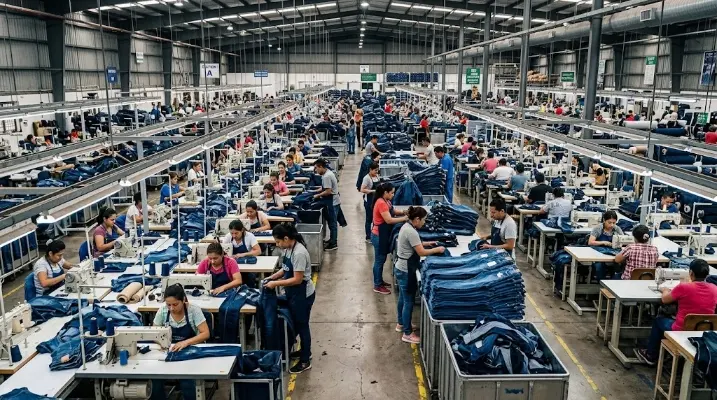
Not every factory slapping a “Made in the UK” label on its products can actually meet the needs of modern children’s clothing brands. As someone who’s spent years specializing in the kids’ apparel space, I believe a truly great children’s clothing manufacturer in the UK needs to excel across five non-negotiable pillars: sustainability, technical expertise, production flexibility, in-house design support, and radical transparency.
Sustainability & Eco-Friendly Fabric Sourcing
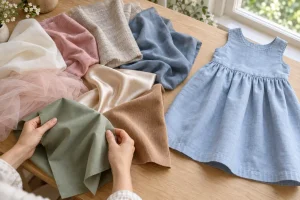
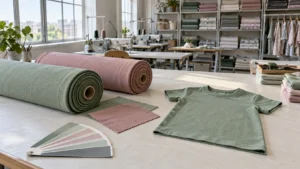
Leading UK clothing manufacturers go beyond standard cotton, linen and polyester, with consistent, reliable access to premium organic cotton, bamboo fiber and recycled materials.
They hold rigorous, industry-recognized certifications including GOTS (Global Organic Textile Standard) and OEKO-TEX® Standard 100, guaranteeing fully non-toxic, child-safe fabrics from raw material through to the finished garment.
Specialized Craftsmanship & Custom Design Capabilities
Superior manufacturers deliver masterful craftsmanship for one-of-a-kind, intricate designs — from tulle, sequins, and detailed embroidery to hand-applied beading — far beyond mass-produced basic tees and leggings.
Their ability to flawlessly bring your custom design vision to life, without cutting corners on safety or durability, is what sets seasoned expert manufacturers apart from low-cost assembly lines.
Flexible MOQs & Scalable Production Capacity
Top-tier manufacturers understand the crippling inventory pressure on apparel brands, especially new startups. This is why searching for low MOQ children’s clothing manufacturers UK is a top priority for emerging labels. The best partners offer flexible minimum order quantities to grow alongside your brand, supporting your long-term scaling journey.
They also maintain robust, scalable production capacity, able to quickly reallocate resources to meet tight deadlines for sudden surges in viral orders or large wholesale requests, with guaranteed on-time bulk delivery.
In-House Design Support & Private Label Services
The best kids clothing manufacturers UK employ in-house teams of expert designers, pattern makers and technical development specialists, delivering full end-to-end services and premium private label solutions.
They support brands at every stage: refining tech packs, converting rough sketches into precise CAD drawings, and providing expert size grading guidance. For startup brands, this support drastically cuts product development costs and shortens time-to-market.
Transparent Pricing, No Hidden Fees
Reputable top-tier UK factories provide a clear, fully itemized quote upfront. Every single expense — from sampling fees, per-unit production costs and pattern development fees to final delivery costs — is fully laid out before production begins.
This radical transparency is the absolute foundation for building a long-term, trust-based supply chain partnership.
Top 10 Best Children’s Clothing Manufacturers in the UK
- Hawthorn
- Fashion-Enter
- Bridge & Stitch
- White2Label Manufacturing
- Hook & Eye UK
- Trotters Childrenswear
- Clothing Manufacturers UK
- LS Manufacturing
- Reshore Apparel
- Unlimited Fashion
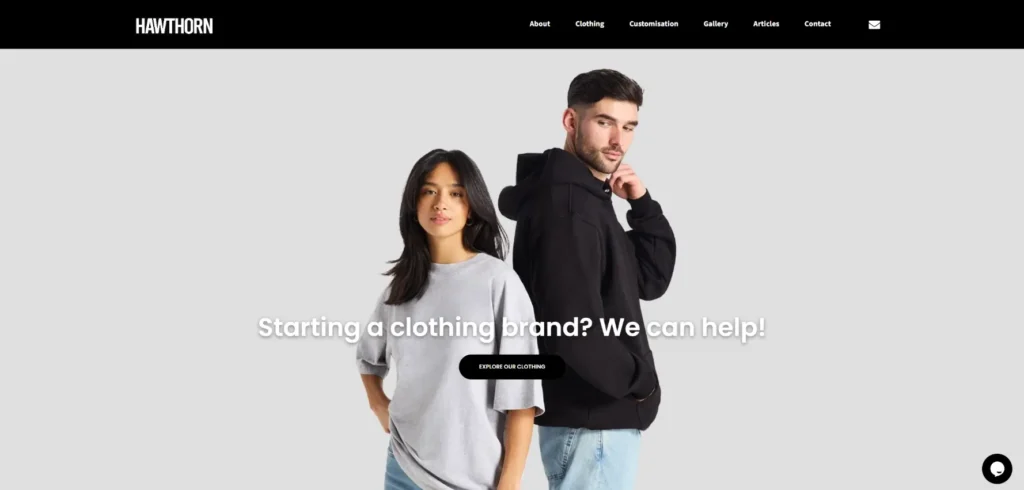
Hawthorn — Best for High-Quality Screen Printing & Low MOQ Requirements
Website: hawthornintl.com
Overview:
Hawthorn is a highly regarded children’s clothing manufacturer in the UK, renowned for supporting startup brands through its Full Production Service (FPP). With a highly established global supply chain network, they’re the perfect partner to ensure your garments meet the strict compliance standards required for export to the U.S., EU, and Australian markets.
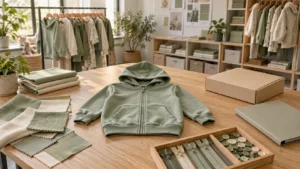
Product Range: Casual children’s wear, t-shirts, hoodies, and baby rompers.
Minimum Order Quantity (MOQ): Starts at 50 units per design/color.
Ideal For: Emerging brands looking for top kids clothing manufacturers UK to provide a low-risk market entry point, and founders needing a reliable FPP.
- Advantages: Highly competitive low MOQs; exceptional expertise in high-precision screen printing and custom embroidery; fully transparent communication workflow throughout the entire production process.
- Disadvantages: As they primarily cater to small-batch orders, their per-unit pricing for very large wholesale orders (in the tens of thousands of units) may not be as competitive as traditional large-scale overseas factories.
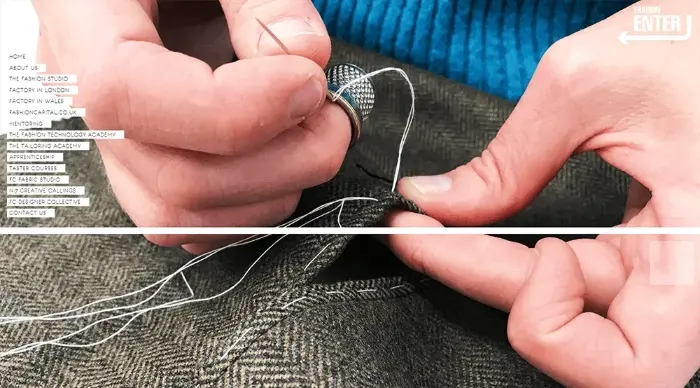
Fashion-Enter — Best for Sustainable & Eco-Friendly Garment Manufacturing
Website: fashion-enter.com
Overview:
This award-winning, London-based social enterprise is widely regarded as the gold standard for ethical manufacturing in the UK. Backed by rigorous industry certifications including SMETA and Fast Forward, they’ve become an approved supplier for major high-street retailers including ASOS.
Product Range: High-end knitwear, woven children’s apparel, and garments made from sustainable/organic fabrics.
Minimum Order Quantity (MOQ): Fully flexible — they handle everything from single sample runs to bulk production of up to 10,000 units per week.
Ideal For: Mid-to-high-end brands prioritizing ESG (Environmental, Social, and Governance) values, and brands needing consistent, reliable sourcing of organic cotton, bamboo fiber, and OEKO-TEX certified fabrics.
- Advantages: Industry-leading sustainable production lines; fully transparent factory tours available to clients; perfectly aligned with the strict environmental and labor rights expectations of Western markets.
- Disadvantages: Their production schedules often run at full capacity, meaning new clients may face longer lead times for their initial orders.
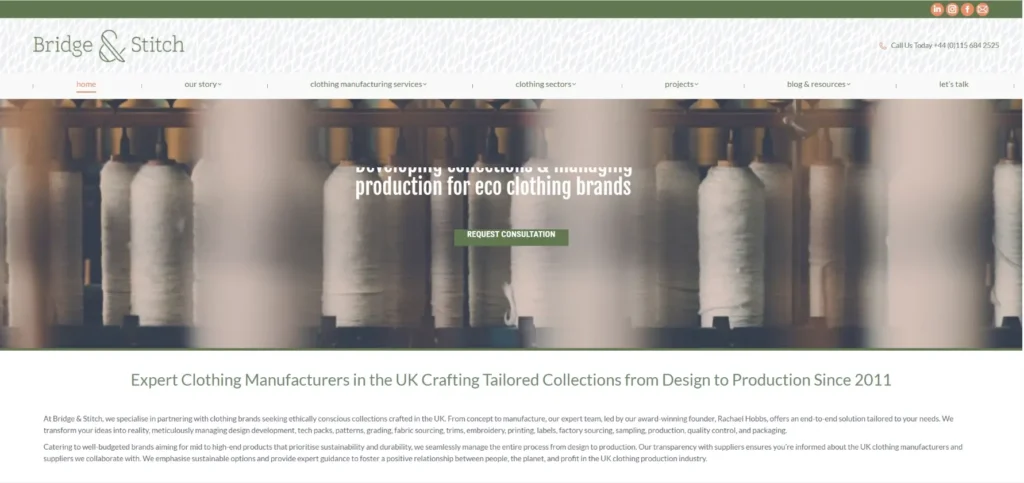
Bridge & Stitch — Best for Intricate Party Dresses & Sequin Detail Work
Website: bridgeandstitch.com
Overview:
Technically speaking, Bridge & Stitch is a highly specialized sourcing and production management agency with an extensive network of specialist UK factories. They take your completed Tech Pack, and precisely match you with the factory facility best equipped to handle your product’s specific niche and technical requirements.
Product Range: Full garment range, with a particular specialty in technically demanding girls’ party dresses, complex sequin application, tulle dresses, and functional outerwear.
Minimum Order Quantity (MOQ): Typically between 150 and 300 units, depending on the matched factory.
Ideal For: Brands with no in-house supply chain management experience, or brands with highly complex product lines requiring multiple specialty fabrics and custom construction techniques.
- Advantages: Flawless end-to-end project management; proven ability to handle highly complex Tech Packs; strict adherence to the physical safety testing required by international child safety standards (such as pull testing for sequins and buttons).
- Disadvantages: You will need to pay an additional project management fee on top of the actual factory production costs.
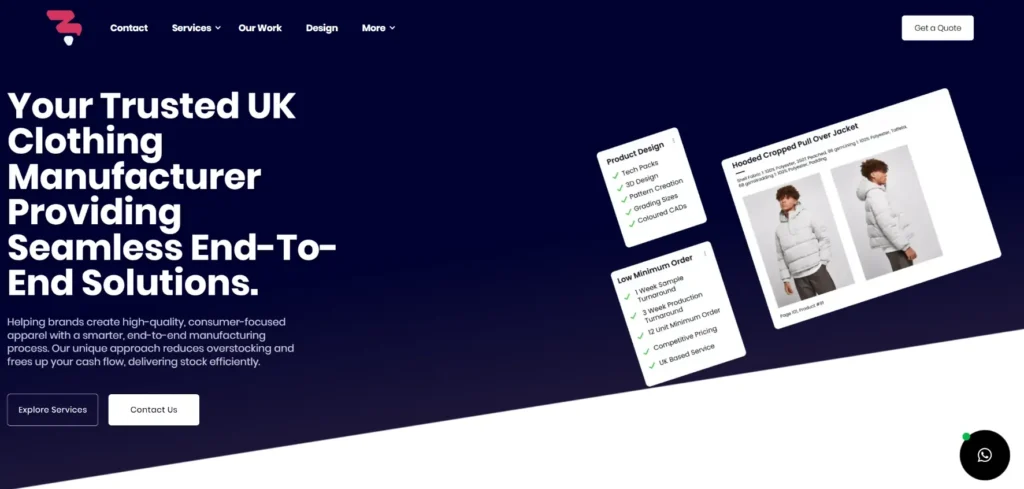
White2Label Manufacturing — Best for Fast Blank Apparel Customization
Website: white2labelmanufacturing.com
Overview:
This UK-based company specializes in blank apparel and fast-response supply chains, allowing brands to add their own branding, neck labels, and print designs to existing high-quality ready-made garments.
Product Range: Basic children’s apparel, activewear, and school uniforms.
Minimum Order Quantity (MOQ): Extremely low; some in-stock private label products have no strict MOQ requirements at all.
Ideal For: B2B sellers needing to quickly test market trends, event organizers, or brands needing ready in-stock items for secondary print processing.
- Advantages: Ultra-fast turnaround times; deep expertise in water-based screen printing and heat transfer processes; very low upfront financial investment required.
- Disadvantages: Customization is limited to visual elements on existing garment patterns; they cannot handle complex structural cuts or create fully original garment patterns from scratch.
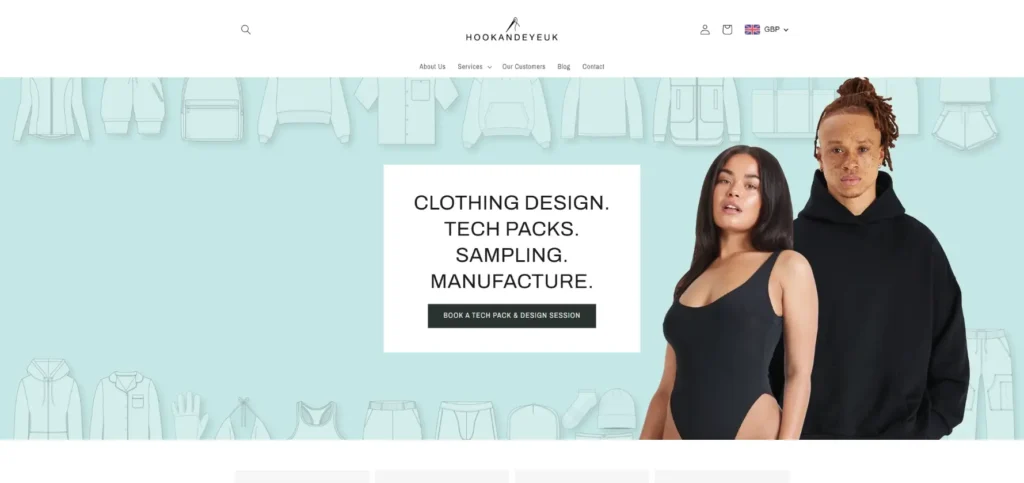
Hook & Eye UK — Best for Premium Streetwear & Tech Pack Design
Website: hookandeyeuk.com
Overview:
Originally deeply rooted in high-street fashion and urban streetwear culture, Hook & Eye UK now also specializes in creating premium, contemporary children’s wear. They hold an almost obsessive focus on garment fit and modern design, and offer in-depth, meticulous Tech Pack development services.
Product Range: Trend-led children’s wear, high-end streetwear matching sets, and custom jackets.
Minimum Order Quantity (MOQ): 30 units per design/color.
Ideal For: Children’s wear boutiques and brands focused on on-trend styles and premium quality; especially well-suited for clients who prioritize unique silhouettes and contemporary aesthetic design.
- Advantages: Boasts an exceptional in-house design support team; specializes in complex fabric blocking and modern detail work; delivers precise, accurate size grading services.
- Disadvantages: It sits at a higher price point, making it unsuitable for merchants focused on low-cost, high-volume retail models.
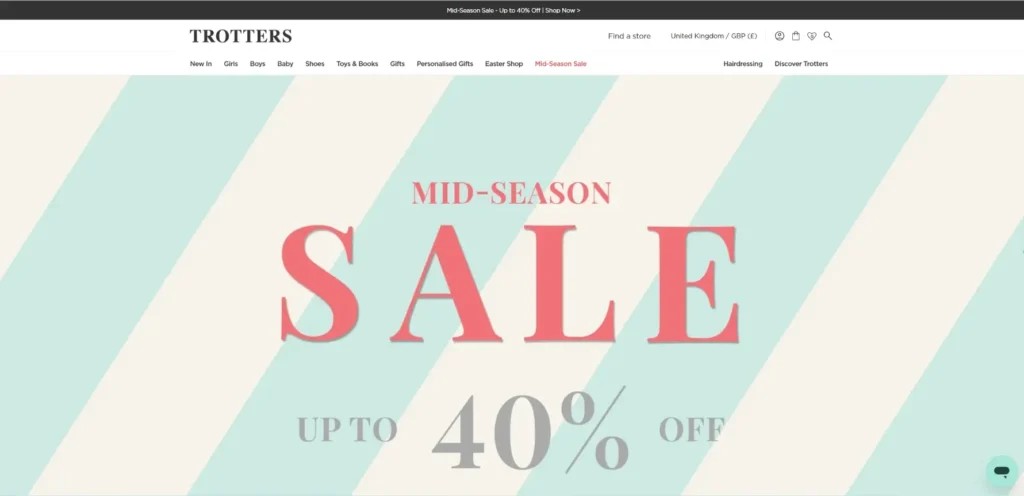
Trotters Childrenswear — Best for Traditional British Style Wholesale & Boutique Distribution
Website: trotters.co.uk
Overview:
Trotters itself is a well-established retail brand, not a traditional CMT contract factory, but it is highly relevant for users with B2B sourcing needs. Founded in 1990 and favored by the British Royal Family, the brand has long been synonymous with classic, traditional British design.
Product Range: Classic British-style children’s wear, premium footwear, and smocked dresses.
Minimum Order Quantity (MOQ): Subject to specific B2B wholesale agreements.
Ideal For: Department stores and international boutique buyers looking to source and sell this prestigious high-end British brand via B2B wholesale channels.
- Advantages: The brand carries an exceptionally strong premium reputation and built-in consumer trust; its product quality and safety have passed rigorous audits, fully meeting the entry standards of top-tier global markets.
- Disadvantages: The brand does not offer OEM (Original Equipment Manufacturing) or private label contract manufacturing services; you may only sell its products as an authorized distributor or stockist.
Clothing Manufacturers UK — Best for End-to-End CMT & FPP Services
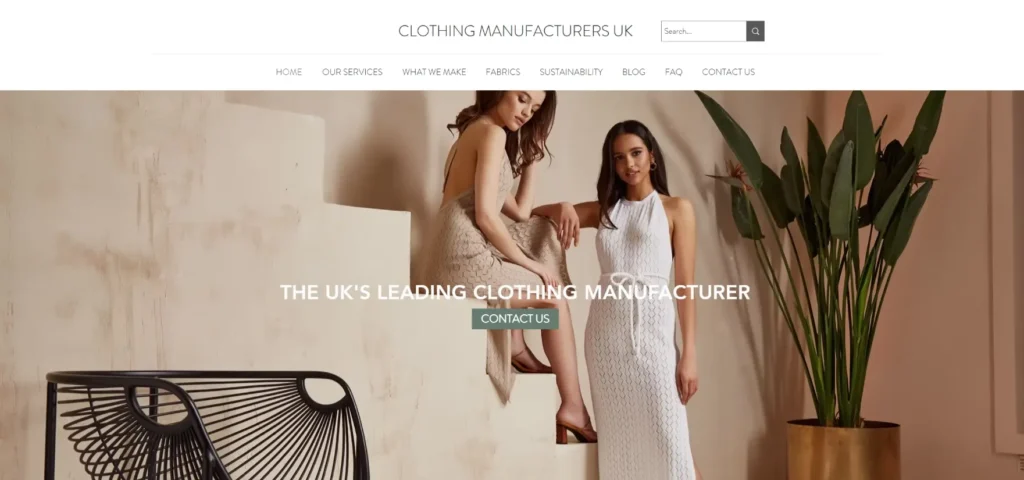
Website: clothingmanufacturersuk.com
Overview:
A London-based, full-service manufacturing facility offering comprehensive Cut, Make & Trim (CMT) and Full Production Package (FPP) services. With over 20 years of in-depth industry experience, their team brings together a full spectrum of specialists from pattern makers to master tailors, with every production step completed efficiently under one roof.
Product Range: Everyday basic children’s wear, woven shirts, and infant apparel, making them one of the notable baby clothes manufacturers UK brands rely on.
Minimum Order Quantity (MOQ): Flexible and negotiable; for Full Production Package (FPP) services, the MOQ typically starts at 100 units.
Ideal For: Brands that have sourced their own fabrics and only require CMT processing services, or brands looking to build a local, one-stop production base in London.
- Advantages: 100% UK-based manufacturing, ensuring zero language barriers and minimal communication costs; strict, robust quality control is enforced across every production stage.
- Disadvantages: As a generalist full-service factory, compared to highly specialized niche facilities, it may have slightly less depth of expertise in certain ultra-niche children’s wear production techniques, such as complex formal wear construction.
LS Manufacturing — Best for Large-Scale Wholesale & Knitwear Production
Website: lsmanufacturing.com
Overview:
Based in Leicester, the historic heart of the UK’s textile industry, LS Manufacturing operates large-scale production facilities. They deliver not only the premium quality synonymous with “Made in the UK”, but also highly competitive pricing for high-volume orders.
Product Range: High-volume casual children’s wear, knitwear, and thermal underwear.
Minimum Order Quantity (MOQ): Geared primarily towards medium to high-volume orders (typically 300 units and above).
Ideal For: Established wholesale distributors or large retail chains needing consistent, high-volume production supply with a core focus on cost efficiency.
- Advantages: Boasts massive production capacity; holds significant cost advantages in knitwear manufacturing and bulk fabric sourcing.
- Disadvantages: The entry barrier is prohibitively high for startups only needing dozens of sample units; it offers slightly less flexibility for highly customized, design-heavy styles.
Reshore Apparel — Best for 3D Digital Design & Fabric Waste Reduction
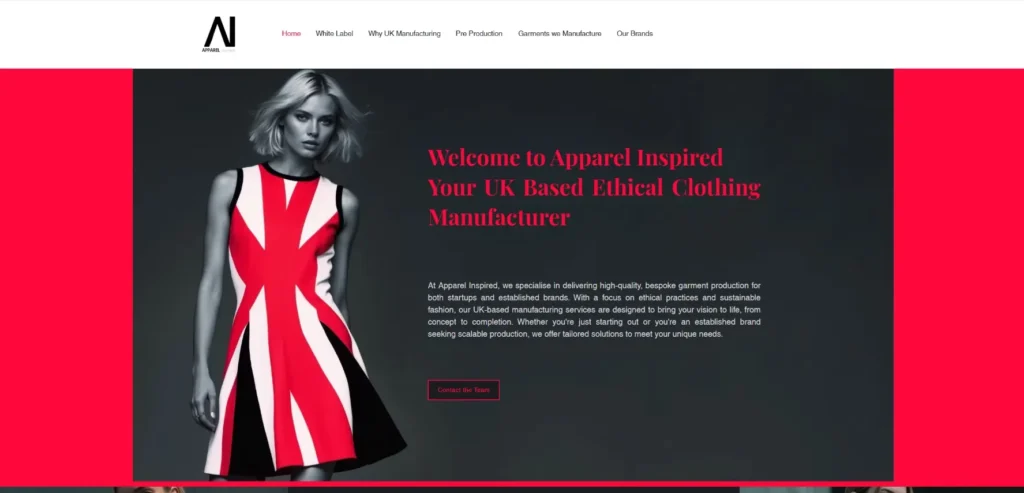
Website: reshoreapparel.com
Overview:
True to its name, this company is dedicated to reshoring apparel manufacturing back to the UK. It deeply integrates cutting-edge 3D garment design software to drive full digitalization and optimization of the entire production workflow.
Product Range: Contemporary children’s wear and kids’ athleisure.
Minimum Order Quantity (MOQ): Varies based on specific fabric and garment construction requirements.
Ideal For: Tech-forward apparel brands looking to embed sustainability through reduced fabric waste, while minimizing physical sampling costs as much as possible.
- Advantages: 3D rendering technology drastically cuts down product development timelines; it delivers hyper-accurate visual previews of print placements and size grading before a single piece of fabric is even cut.
- Disadvantages: For traditional buyers accustomed to tactile fabric experiences, in-person material selection, and physical sampling, there may be a noticeable learning curve to adapt to its digital-first workflow.
Unlimited Fashion — Best for Luxury Children’s Wear & Formal Occasion Dresses
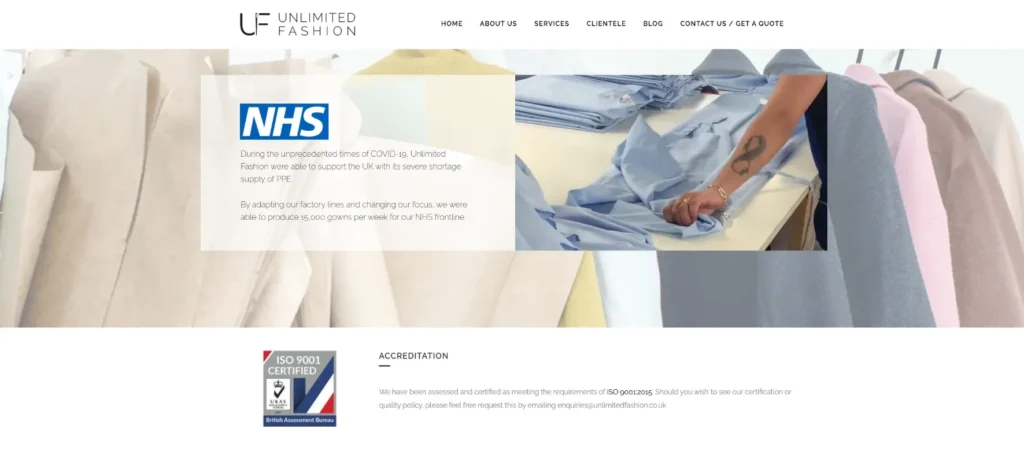
Website: unlimitedfashion.co.uk
Overview:
This London-based high-end manufacturer has been a cornerstone of luxury fashion production since the 1960s. It is renowned across the industry for its exceptionally stringent sewing standards and near-obsessive quality control.
Product Range: Haute Couture children’s wear, tailored formal wear, and exquisite evening gowns for girls.
Minimum Order Quantity (MOQ): Typically starts at 100 units.
Ideal For: Luxury-tier children’s wear brands with the highest standards for sewing craftsmanship, garment finishing, and intricate detail work.
- Advantages: Houses master-level tailoring and garment construction expertise; perfectly handles delicate, hard-to-work-with luxury fabrics including silk, taffeta, and fine tulle.
- Disadvantages: Its production costs are the highest among all suppliers featured in this guide, making it completely unsuitable for fast fashion models, or brands operating on a high-volume, low-margin business model.
Step-by-Step Guide to Partnering with UK Children’s Wear Manufacturers
Finding the right factory on paper is just the first hurdle to clear. To build a profitable, long-term wholesale or private label business, you need a structured, step-by-step process to vet factories, run sampling, and lock in your production line.
Step1. Finalize Your Product Specifications, Target Audience, and Budget
Before you reach out to any factory, you must lock in a clear internal roadmap. Manufacturers will almost always ignore vague, generic inquiry emails. You’ll need to prepare a detailed Tech Pack that includes:
- Full product specifications (style, sizes, colorways)
- Technical drawings or completed Tech Packs
- Fabric type and trim requirements
- Target age group (infant, toddler, kids, teens)
- Safety considerations (for example, eliminating choking hazards for products intended for children under 3)
- Target retail price and profit margin goals
- Per-unit production budget
The children’s wear industry is heavily regulated, so safety standards must be built into your design decisions from the very start. What’s more, clear, detailed specifications will help you avoid costly rework and revisions later in the production process.
Step2. Shortlist Manufacturers That Align Closely With Your Brand Positioning
Don’t send mass generic emails to every factory you find online. As we highlighted in our top 10 manufacturers list, UK factories are highly specialized. If your new line centers on sequined tulle dresses, a factory specializing in traditional knitwear simply isn’t the right fit — no matter how stellar its reputation. Narrow your shortlist down to three to five factories, making sure their core expertise (whether that’s sustainable fabrics, low MOQs, or complex formal wear construction) perfectly matches the requirements in your Tech Pack.
Step3. Request Physical Samples and Conduct a Full Quality Audit
Never commit to bulk production without reviewing physical samples first. Physical samples reveal critical details that photos and spec sheets simply can’t capture.
When inspecting samples, focus on these key areas:
- Fabric hand feel and softness (critical for children’s delicate skin)
- Stitch strength and consistency
- Sizing accuracy
- Color fastness and print durability
- Safety of trims, buttons, and zippers
- Overall craftsmanship and finish
If possible, we recommend an in-person factory tour or hiring a third-party quality inspection agency to conduct an audit on your behalf. This is especially critical if any part of the production process takes place outside the UK.
Step4. Verify All Mandatory Compliance Certifications and Supporting Documentation
This is the single most critical step in children’s wear manufacturing. If you plan to expand your brand to international markets, your UK manufacturing partner must be able to meet the strict safety standards of your target regions. Common compliance requirements include:
- Chemical safety testing (such as OEKO-TEX® Standard 100)
- Flammability standards for sleepwear
- Drawstring safety regulations
- REACH chemical regulation compliance
- CPSIA compliance for exports to the U.S.
- Full documentation for end-to-end product traceability
Step5. Negotiate MOQs, Pricing, Lead Times, and Payment Terms
Once your samples are approved, it’s time to lock in the numbers. Always confirm that the quote you receive covers your full landed cost — that is, manufacturing costs + packaging costs + shipping costs — not just the base CMT (Cut, Make & Trim) fee.
Ask the factory about a tiered pricing structure: what’s the per-unit cost for the 100-unit MOQ, compared to the per-unit cost for a 1,000-unit bulk order?
In addition, always lock in confirmed production lead times to avoid missing critical seasonal retail windows, such as the back-to-school period or holiday shopping season.
Step6. Sign a Legally Binding Contract With Intellectual Property Protection Clauses
A formal agreement protects both parties and sets clear expectations and responsibilities for everyone involved. Intellectual property (IP) protection is especially critical for items with proprietary designs.
Your contract should cover:
- Product specifications and quality standards
- Delivery timelines and penalties for late delivery
- Payment terms
- Non-Disclosure Agreement (NDA)
- Ownership of designs, samples, and brand assets
- Dispute resolution mechanisms
- Compliance obligations and liabilities
It’s strongly recommended to consult a legal professional with expertise in manufacturing contracts, especially for large-volume orders.
Step7. Approve Pre-Production Samples and Conduct a Final Quality Inspection Before Bulk Production
Before the factory cuts hundreds of yards of fabric for your bulk order, always request a Pre-Production (PP) Sample, often referred to as the Golden Sample. This sample represents the final, perfect version of your finished garment, and every piece in the subsequent bulk production must match this standard exactly.
Once your bulk order is fully completed, always arrange a final quality inspection before authorizing the final balance payment and shipping. You can either conduct this inspection in person or hire a third-party quality inspection agency to carry it out against AQL (Acceptable Quality Limit) standards.
UK-Made vs. Overseas Manufacturing: Which Is Right for Your Brand?
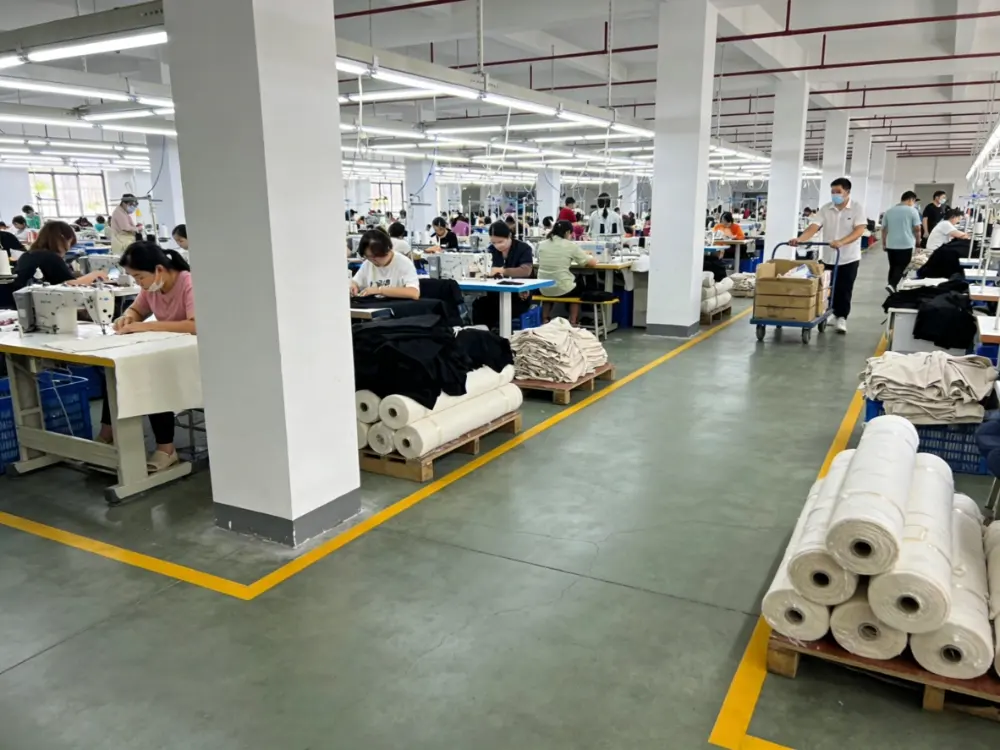
This isn’t just a decision about cost — it’s a holistic call based on your brand’s growth stage, production scalability, and fabric sourcing capabilities. Below, we break down the core differences between the two options:
| Evaluation Factor | UK Local Manufacturing | Top-Tier Overseas OEM/ODM |
| Production Cost (Unit Price) | Higher (Best suited for high-margin boutiques or luxury brands) | Highly Competitive (Ideal for brands requiring healthy profit margins for wholesale distribution) |
| Minimum Order Quantity (MOQ) | Generally Lower (Typically 50-100 pieces per style/color) | Moderate to High, but bulk unit costs are significantly lower, maximizing scale and profitability |
| Lead Time & Logistics | Shorter (Zero cross-border shipping or customs clearance delays) | Longer (Requires factoring in sea/air freight transit and customs clearance times) |
| Fabric & Craftsmanship Variety | Limited, often reliant on imported materials or a smaller pool of local suppliers | Limitless, backed by massive industrial clusters, offering unlimited access to eco-fabrics (organic cotton, bamboo) and advanced specialized techniques |
| Scalability & Capacity | Limited; can easily hit production bottlenecks as your brand experiences rapid growth | Exceptional; engineered to seamlessly handle sudden scaling from hundreds of units to massive runs of hundreds of thousands |
While UK clothing manufacturers offer clear communication and shipping benefits, they face persistent, critical challenges: severe skilled labor shortages, prohibitive production costs, and lagging technical craftsmanship. For both startups seeking low-cost upfront product testing and established brands ready to scale, we strongly recommend partnering with an overseas contract manufacturer.
High-quality overseas factories — especially leading apparel manufacturers in China — have long outgrown their outdated low-end reputation, now forming the backbone of the global premium children’s wear supply chain, with unrivaled core strengths:
- Unmatched Fabric & Craft Expertise: Backed by fully mature, integrated industry clusters, they rapidly source cutting-edge sustainable fabrics. From ultra-soft organic cotton and breathable bamboo fiber to intricate hand-sewn details and high-precision custom printing, their sophisticated production systems deliver flawless, efficient execution of every design detail.
- Full OEM/ODM Customization: Top-tier overseas manufacturers provide more than just contract production. With in-house R&D and design teams, they deliver end-to-end ODM solutions tailored to your vision, from fabric planning and pattern making through to final production.
- Global Gold-Standard Compliance: Reputable overseas manufacturers have deep expertise in the strict entry requirements of the U.S., European, and Australian markets. They consistently meet mandatory children’s apparel safety standards and hold internationally recognized certifications including OEKO-TEX® Standard 100, GOTS, and WRAP, ensuring compliance with the highest global benchmarks for sustainable, ethical manufacturing.
Choose HAPA: Enhance Efficiency and Quality
Partnering with HAPA for your children’s wear line delivers an instant dual boost to both your product quality and production efficiency. HAPA creates tailored, custom solutions for both emerging designers and established, well-known brands alike.
We offer highly cost-effective services, with volume-based discounts available for bulk orders. Every step of production is completed in-house using state-of-the-art equipment, to guarantee unwavering precision and consistent quality across every piece. Our lead times are among the fastest in the industry, with standard delivery windows of 7 to 20 working days. For rush orders, we can turn full production around in as little as 3 days.
As one of China’s leading children’s wear manufacturers, HAPA houses a team of highly skilled R&D specialists, master craftspeople, and designers, all dedicated to bringing your unique brand vision to life. When you partner with us, you get a reliable, premium, fully customized production solution built to set your brand up for long-term success.
Conclusion
As we’ve explored throughout this guide, the UK is home to a wide array of apparel manufacturers, each with its own distinct specializations and competitive strengths. That said, once your brand is ready to move into the scaling phase — the point where protecting your profit margins and fulfilling large-volume B2B wholesale orders become non-negotiable — partnering with a specialist children’s wear manufacturer in China will almost always be the right strategic move.
Selecting the right children’s clothing manufacturer in the UK—or a specialized global partner—is, without question, the most pivotal business decision you will make for your brand’s long-term success.
FAQ
What safety standards must a children’s clothing manufacturer meet for the UK market?
UK-bound children’s wear must pass mandatory testing in 3 core areas: physical safety (anti-choking small parts/drawstrings), UK REACH chemical compliance, and flammability safety. This is the legal customs requirement and core to building brand trust.
What is the typical MOQ for custom children’s clothing from UK factories?
MOQ varies by fabric and design complexity. The industry average MOQ for UK children’s wear factories is 30–300 units per style, per color.
Why choose an overseas manufacturer over a UK local children’s clothing manufacturer?
UK factories offer time zone and communication perks, but top overseas manufacturers deliver decisive advantages: mature industry clusters, better pricing, stronger scalable capacity, UK-compliant sustainable materials & global certifications, higher profit margins, and stable quality control.
Do you provide OEM and ODM services for UK-based children’s wear brands?
Yes. We provide full OEM/ODM services for UK and global children’s wear brands, with end-to-end tailored solutions covering pattern making, sustainable fabric sourcing and bulk production.
Why are unit costs higher with a kid manufacturer in UK?
Domestic production offers fast shipping and easy local communication. However, a kid manufacturer in UK faces higher labor and operational costs. For growing children’s wear brands, scaling bulk orders often requires shifting OEM production to established global hubs to maintain retail profit margins.