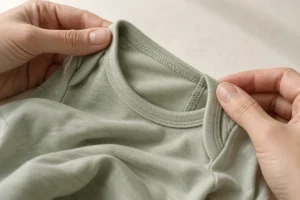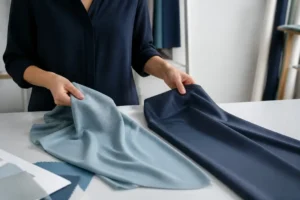
In the world of children’s fashion, natural fabrics aren’t just a preference—they are the gold standard.
While synthetics have their place, parents today are increasingly turning away from “plastic” fibers. They know that natural materials breathe better, feel softer, and are far safer for sensitive skin. Simply put: if you want to build a premium brand that parents trust, you prioritize nature over nylon.
To help you elevate your product line, we have curated a list of the 12 essential natural fabrics every high-quality manufacturer needs to know. These are the building blocks of a safe, comfortable, and sustainable collection.
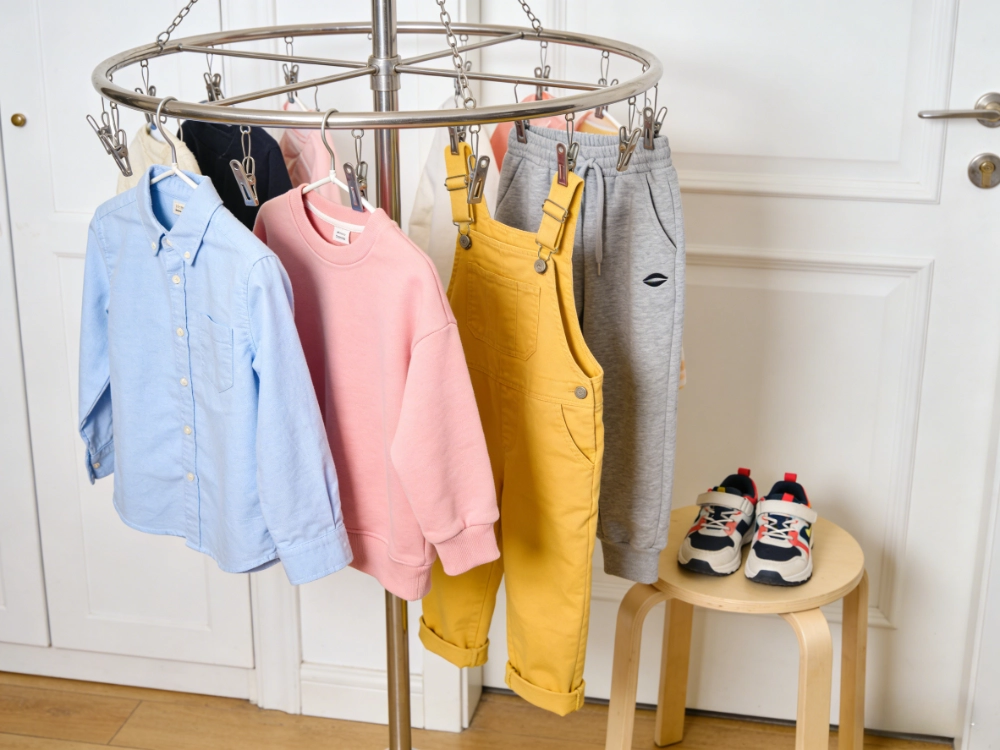
What are Natural Fabrics?
Natural fabrics are textiles made from raw materials—natural fibers—that are directly obtained from nature and processed through physical or simple chemical means. In simple terms, their raw materials are produced in the natural environment, rather than being chemically synthesized by humans.
Natural fibers are primarily divided into two categories:
Plant Fibers: Derived from the roots, stems, leaves, or seeds of plants, such as:
- Cotton (seed fiber)
- Linen / Ramie / Hemp (bast fibers)
- Natural bamboo fiber (bast fiber)
Animal Fibers: Derived from animal hair or secretions, such as:
- Wool / Cashmere / Angora / Camel / Yak hair (animal hair)
- Mulberry silk / Silk noil (animal secretion fibers)
With their characteristics of being lightweight, biodegradable, and renewable, natural fibers serve as a “second skin” connecting us to the natural world.
12 Common Types of Natural Fabrics
| Fabric | Main source | Features |
| Cotton | Cotton plant | Skin-friendly and breathable, durable but prone to wrinkling. |
| Linen | Flax plant stem | High strength, fast heat dissipation, and unique texture. |
| Silk | Silk | Soft luster, smooth feel, and high strength. |
| Hemp | Hemp plant stem | Tough and durable, antibacterial and UV-resistant. |
| Jute | Jute plant stem | Coarse and stiff fibers, commonly used in burlap sacks and carpet backing. |
| Bamboo | Bamboo | Soft and breathable, naturally antibacterial. |
| Tencel | Wood pulp (regenerated fiber) | Good drape, strong moisture absorption, and environmentally friendly process. |
| Wool | Sheep wool | Good warmth retention, excellent elasticity, and adjustable humidity. |
| Cashmere | Cashmere | Extremely soft and delicate, with excellent warmth retention. |
| Mohair | Angora goat wool | Silky luster, tough and elastic, and resistant to pilling. |
| Angora | Angora rabbit hair | Fluffy texture, lightweight and ultra-warm. |
| Alpaca | Peruvian alpaca fur | Lighter, softer, and warmer than wool, and free of lanolin. |
Cotton
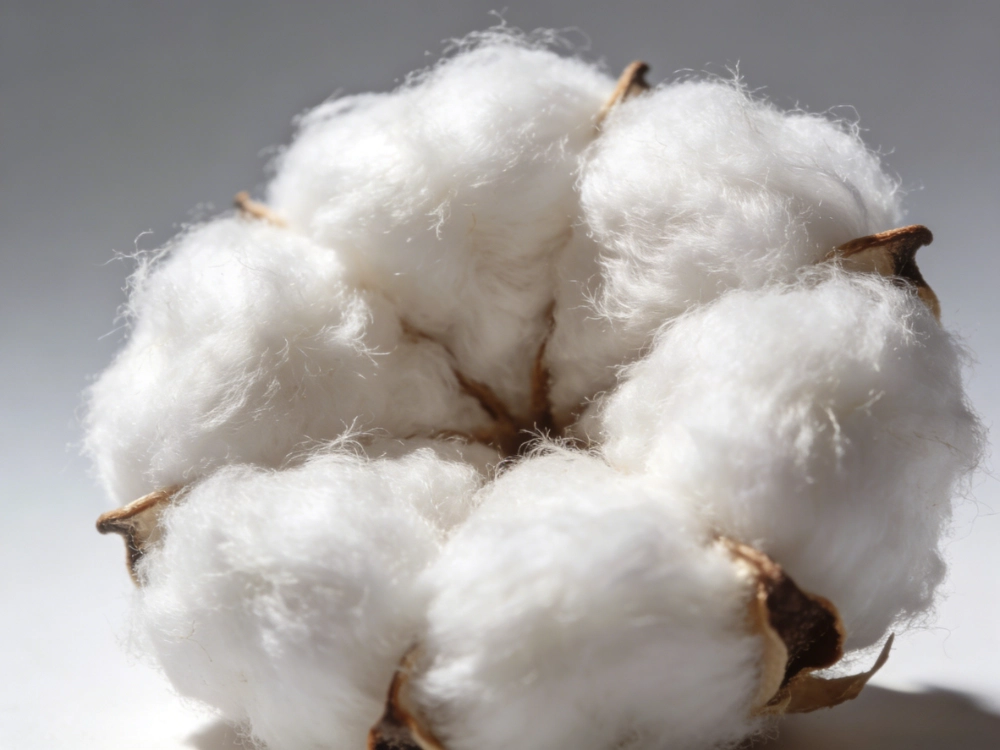
Cotton is one of the most popular natural fabrics. Sourced from the fluffy bolls of the cotton plant, this is the fabric that sets the standard for comfort. Its “superpower” is breathability. Cotton fibers are naturally thirsty—they can absorb up to 27 times their weight in water—which means they pull sweat away from the skin, keeping active kids cool and dry.
Understanding the Grades: Not all cotton is created equal. In the industry, we categorize it by fiber length (staple):
Long-Staple (Premium): Think Pima or Egyptian cotton. These fibers are longer and smoother, making them the luxury choice for newborn onesies and high-end dresses.
Standard / Upland (The Workhorse): This accounts for most of the world’s supply. It’s what your durable everyday tees and playwear are made of.
In daily wear, it does not easily generate static electricity, making it adaptable to children’s clothing designs for all seasons.
Linen
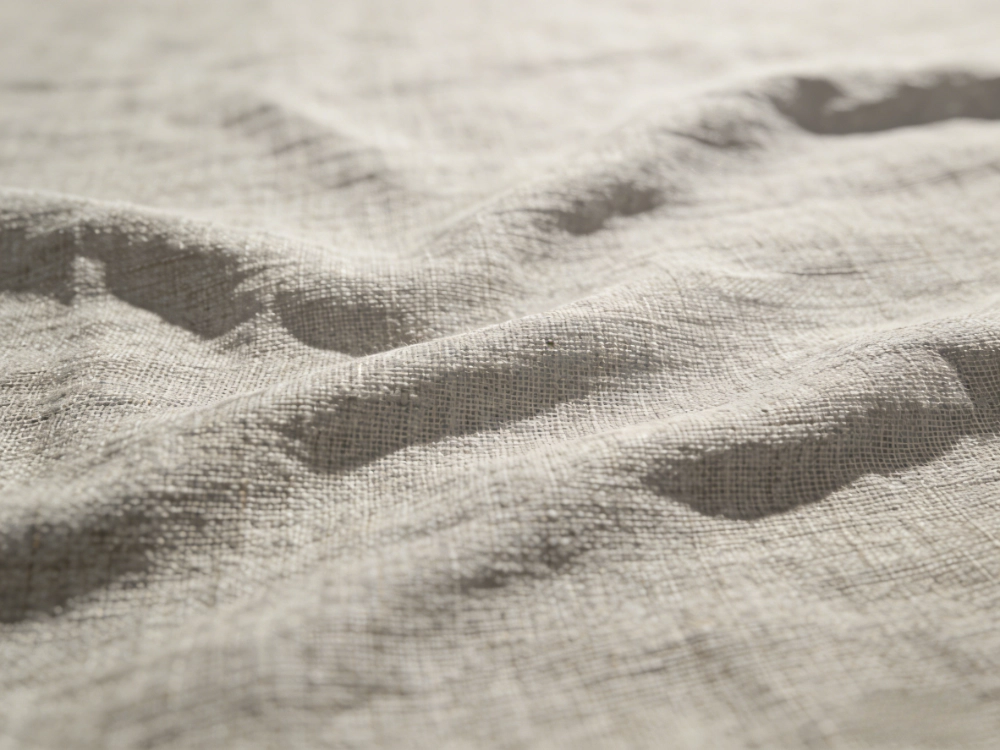
Linen comes from the stalks of the flax plant. It is one of the oldest textiles in human history. The production process is labor-intensive because the plant stems must be rotted, dried, and crushed to release the fibers. These fibers are thicker and stronger than cotton.
People value linen for its exceptional coolness and freshness in hot weather. It is very absorbent and dries faster than cotton. The fabric has a crisp, textured feel and gets softer with every wash. However, linen fibers have low elasticity, which means the fabric wrinkles very easily. This natural wrinkling is often considered part of its charm.
Silk
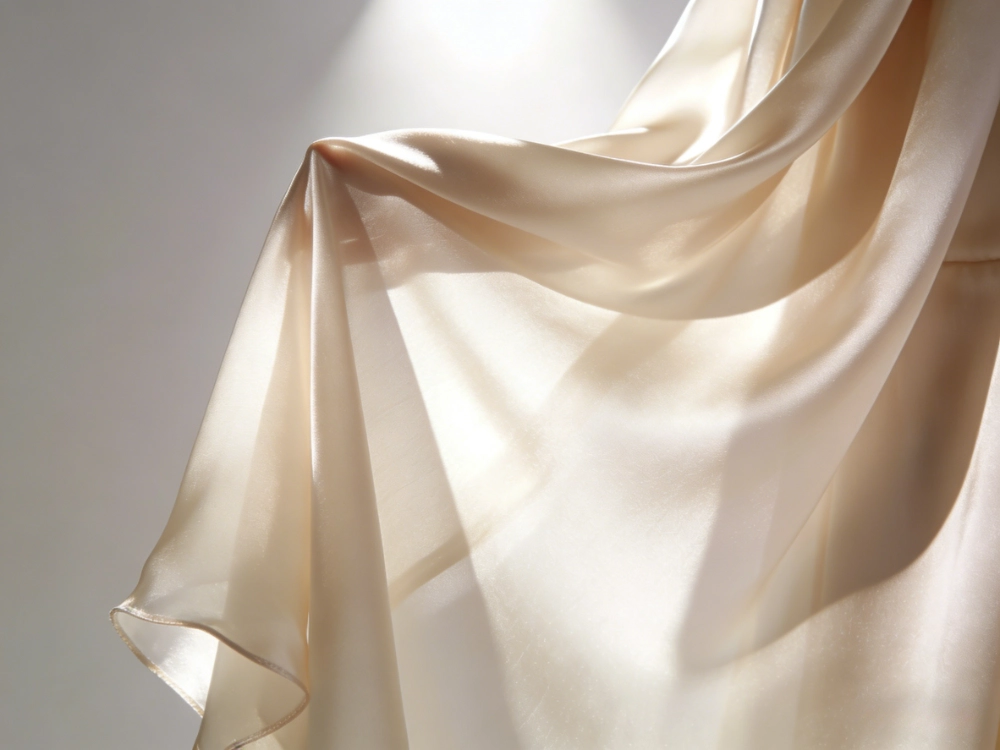
Silk is a protein fiber produced by silkworms to form their cocoons. Sericulture is the practice of raising these worms on a diet of mulberry leaves. Once the cocoon is complete, the long, continuous filament is carefully unraveled. This single strand is incredibly strong for its thinness.
The resulting fabric is prized for its shimmering appearance and smooth texture. It creates a triangular prism structure that refracts light, giving silk its natural shine. It is lightweight but surprisingly insulating, keeping you warm in winter and cool in summer. Silk is synonymous with luxury and requires delicate care.
Hemp
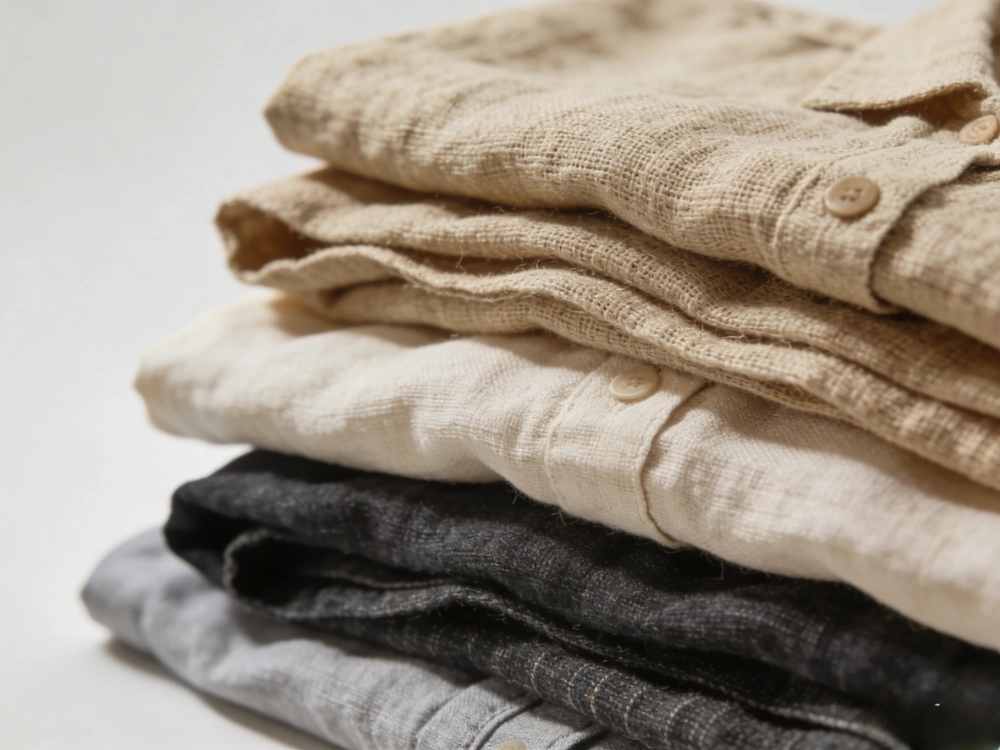
Hemp fabric comes from the stalks of the Cannabis sativa plant. It is one of the most eco-friendly fibers available. The plant grows quickly, requires very little water, and improves the soil it grows in. Unlike many other crops, hemp does not need synthetic pesticides or herbicides to thrive.
The fabric is extremely durable and resistant to ultraviolet light and mold. It has a texture similar to linen but is often stronger. While new hemp fabric can feel stiff, it softens significantly with use and washing. It is highly breathable and insulates well, making it suitable for all seasons.
Ramie
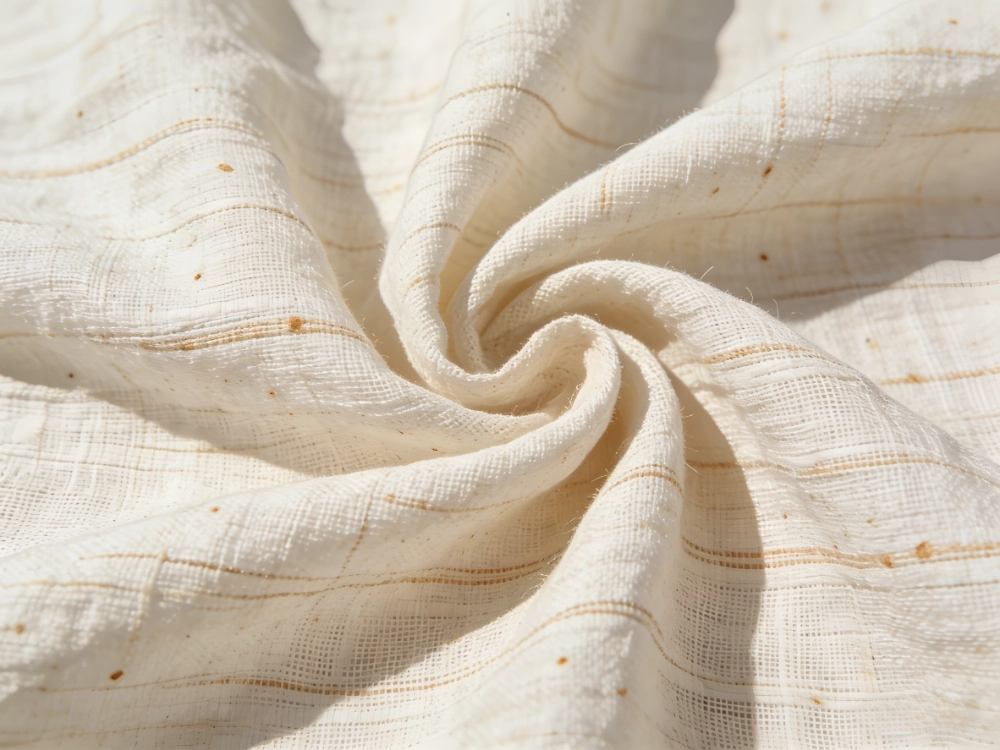
Ramie comes from the stalks of a flowering plant in the nettle family, often called “China grass.” The extraction process is complex because the fibers are gummy and require chemical treatment to separate. The resulting fiber is white, lustrous, and looks similar to silk.
This fabric is known for its ability to hold its shape and resist wrinkling better than linen. It is extremely absorbent and dries quickly. Ramie is resistant to bacteria, mildew, and insect attacks. However, the fibers can be brittle and stiff, so it is often blended with softer fibers like cotton or wool to improve comfort.
Bamboo
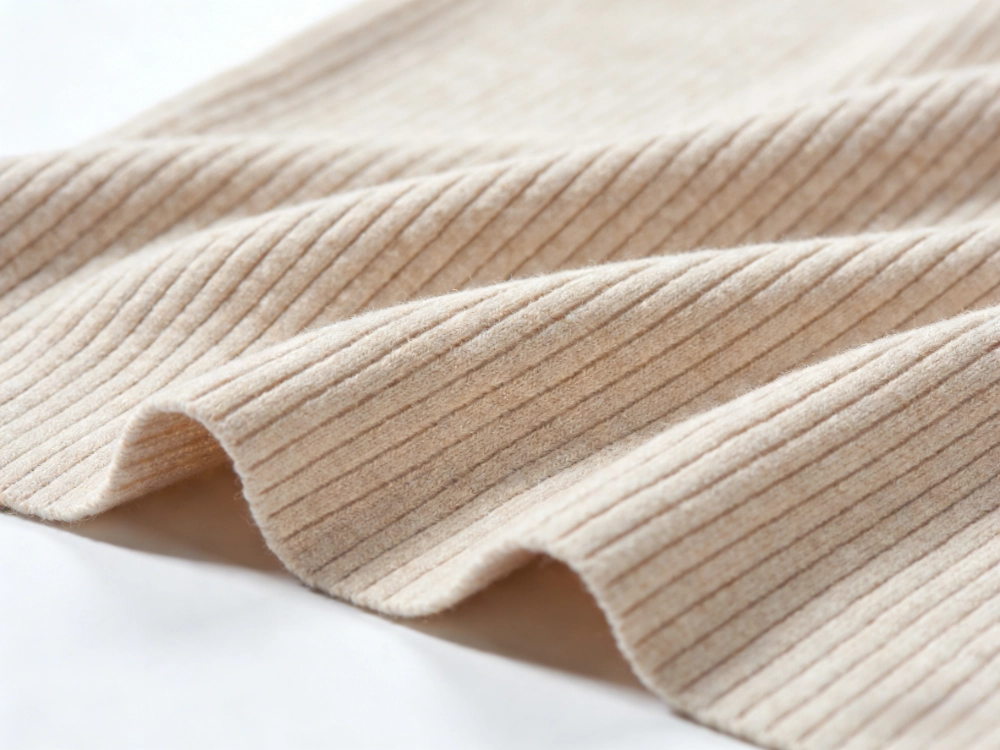
Bamboo fabric starts as the pulp of bamboo grass, which is a fast-growing and renewable resource. Most bamboo fabric on the market is actually “bamboo viscose.” This means the hard bamboo stalk is broken down with chemicals and regenerated into a soft fiber. There is also a mechanical method to process it like linen, but this is rare and expensive.
The resulting fabric is incredibly soft and feels silky against the skin. It is highly absorbent and wicks moisture away from the body faster than cotton. Many people love bamboo for its breathability and temperature-regulating properties. It drapes beautifully, making it popular for activewear, bedding, and underwear.
Tencel
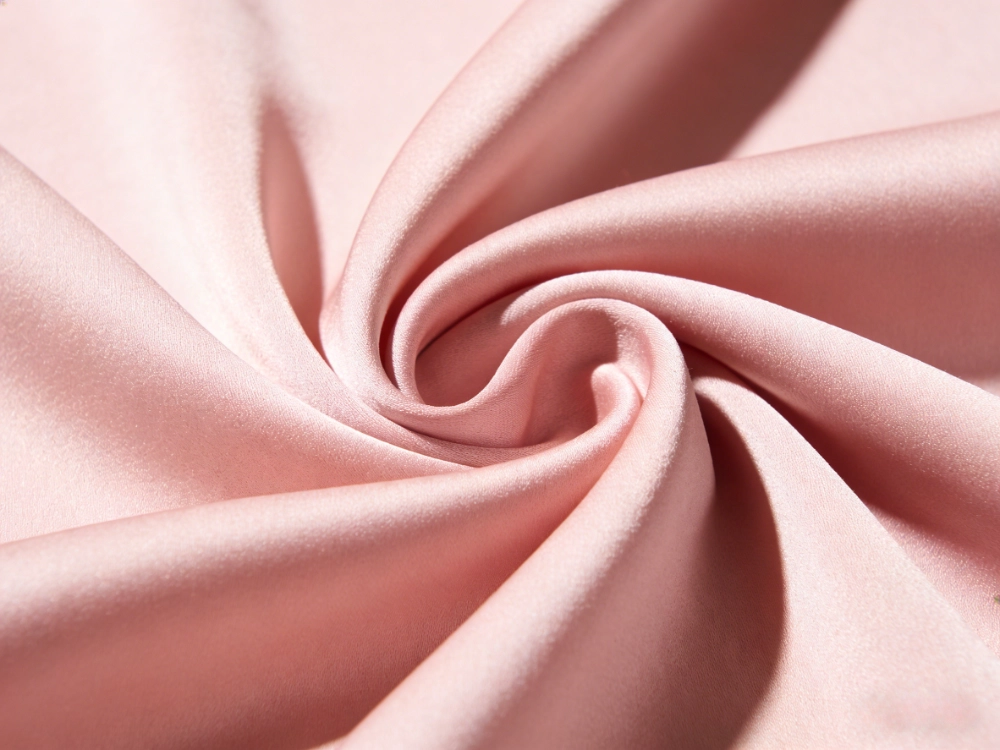
Tencel is a brand name for a fiber called lyocell, which is made from wood pulp. The wood usually comes from sustainably farmed eucalyptus or beech trees. It is produced in a “closed-loop” system, meaning the water and solvents used to turn the wood into fiber are recycled and reused. This makes it a very sustainable choice among regenerated fabrics.
Tencel fabric is famous for being incredibly smooth and gentle on the skin. It absorbs moisture efficiently, which prevents bacterial growth and keeps the fabric smelling fresh. It is strong, durable, and biodegradable. The fabric has a fluid drape and a luxurious sheen that resists wrinkling.
Wool
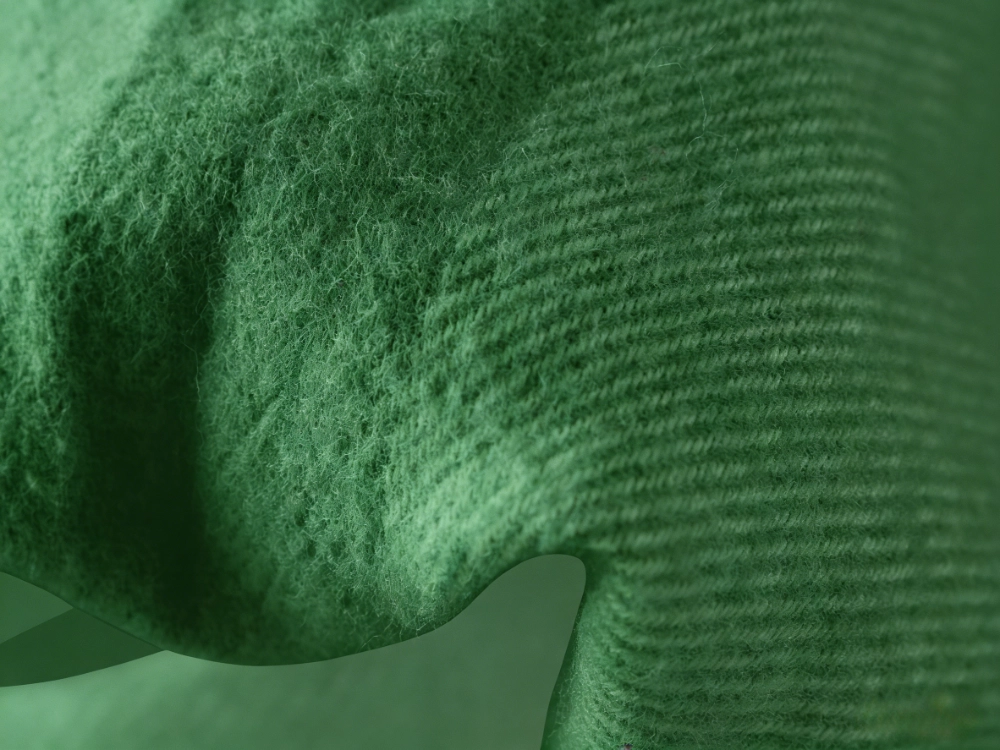
Wool is the textile fiber obtained from sheep and other animals. It is composed of a protein called keratin and has a scaly surface texture. These scales allow the fibers to lock together, which helps in spinning yarn and felting. Wool is naturally crimped, giving it elasticity and bounce.
This fabric is an excellent insulator because it traps air within its fibers. It keeps the wearer warm even when the fabric is damp. Wool is also flame-resistant and naturally repels static. While coarse wool can be itchy, finer varieties like Merino are soft and comfortable for direct skin contact.
Cashmere
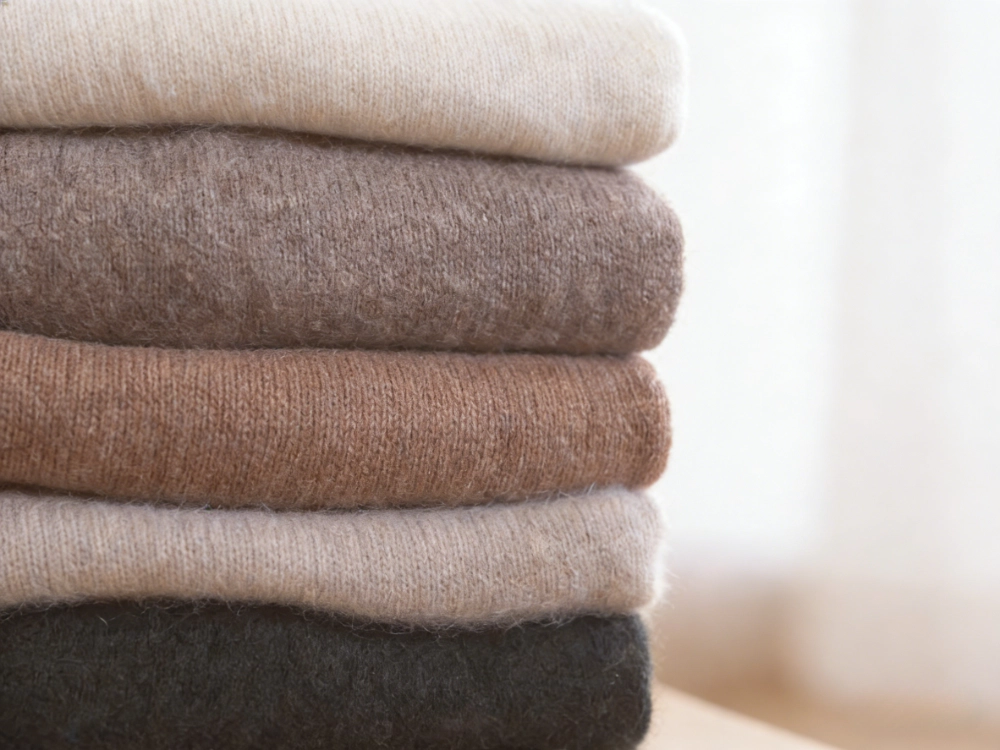
Cashmere comes from the soft undercoat of cashmere goats. These goats live in extremely cold climates like Mongolia and the Himalayas. In spring, herders comb the goats to harvest the fine, downy undercoat. It takes the hair from several goats to make just one sweater, which makes it very expensive.
The fibers are extremely fine, much thinner than human hair. This fineness makes cashmere incredibly soft and not itchy. It provides superior warmth without being heavy or bulky. The fabric is delicate and requires careful washing to maintain its shape and texture.
Mohair
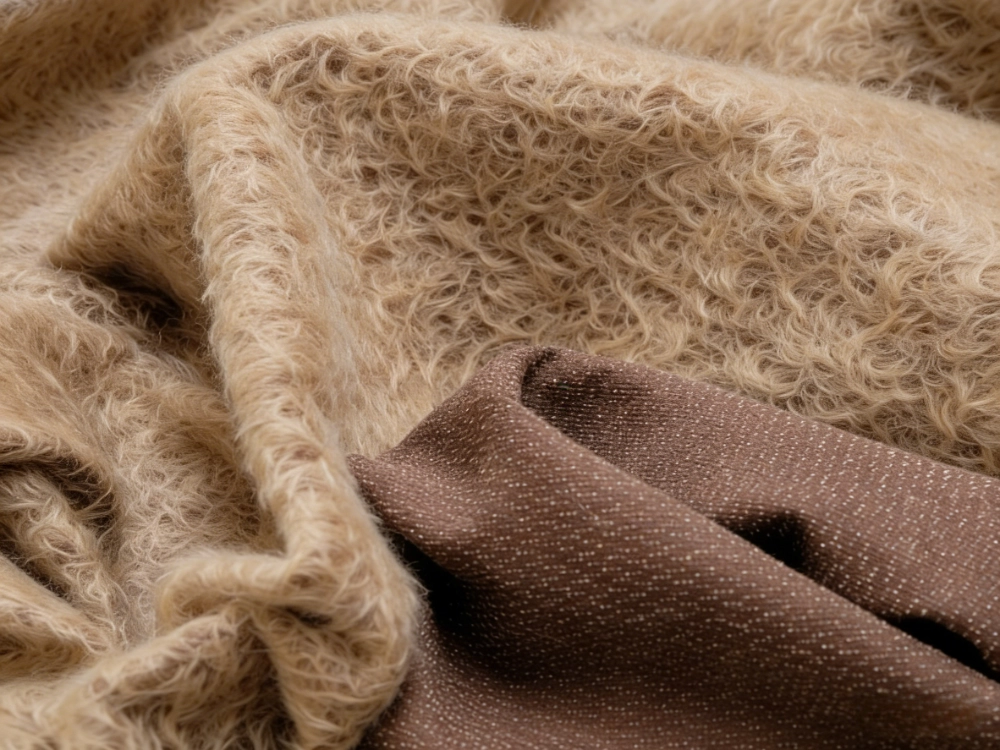
Mohair is a distinct fiber that comes from the Angora goat. It should not be confused with angora wool, which comes from rabbits. Mohair is known as the “diamond fiber” because it has a distinct luster and sheen. It is durable and resilient, often used in blends to add strength to other fabrics.
Mohair does not felt or mat as easily as sheep’s wool. It takes dye exceptionally well, resulting in brilliant, deep colors. The fabric is warm in winter due to its insulating properties but stays cool in summer by wicking away moisture. It has a slightly fuzzy texture but feels smooth and luxurious.
Angora
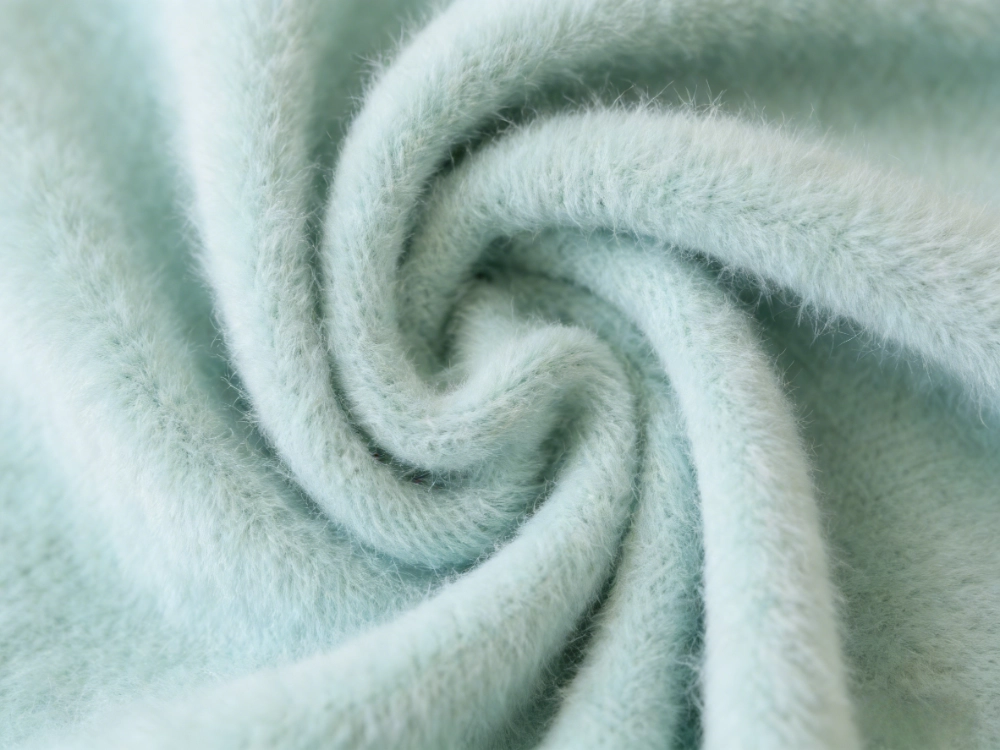
Angora wool comes from the soft coat of the Angora rabbit. The fibers are hollow, which makes them lighter and warmer than standard wool. Because the rabbits must be groomed or sheared carefully to harvest the fur, the production is labor-intensive. It is known for its “halo” effect, where fluff floats around the yarn.
This fabric is incredibly silky and soft to the touch. It is often blended with other fibers like sheep’s wool to add elasticity, as pure Angora has no natural stretch. It provides immense warmth and is commonly used for thermal clothing and accents. However, it can felt easily if exposed to moisture and friction.
Alpaca
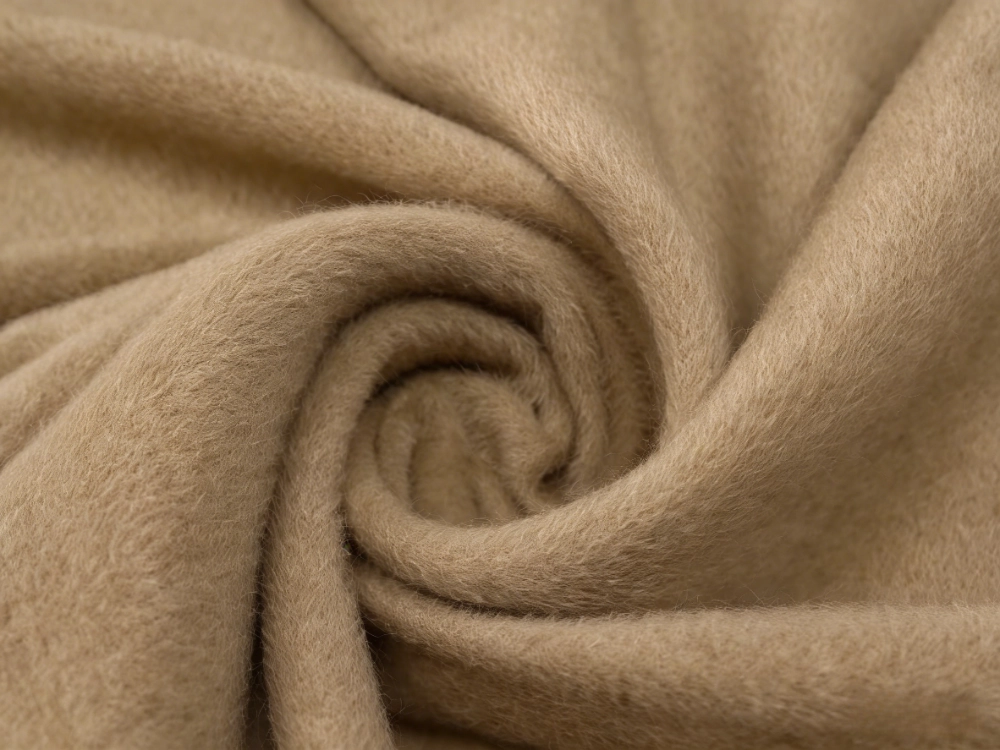
Alpaca fiber comes from the alpaca, a domesticated animal native to the South American Andes. These animals live in high altitudes in Peru, Bolivia, and Chile. Farmers shear their fleece once a year, usually in the spring. Unlike sheep’s wool, alpaca fiber contains no lanolin. This makes it naturally hypoallergenic and safe for sensitive skin.
The fabric is famous for its incredible warmth and light weight. The fibers have a hollow core that traps air for superior insulation. It is significantly warmer than sheep’s wool but much lighter to wear. Alpaca is also durable, water-repellent, and less likely to pill than cashmere. It has a soft, silky feel and comes in over 20 natural colors.
What Is The Healthiest Fabric for Skin?
Fabric quality directly affects a child’s health. Prioritize quality over price. The best fabrics share three core traits:
- Skin-Friendly: Soft and non-irritating. It causes no friction or allergic reactions.
- Breathable: Wicks sweat and absorbs moisture. This keeps skin dry and inhibits bacteria.
- Clean & Natural: Eco-friendly production. No harmful chemicals like formaldehyde or azo dyes.
For children, Cotton is the superior choice. It is widely recognized as the safest everyday fabric.
Organic Cotton is the premium standard. It is grown without pesticides and processed without toxic dyes. It meets Class A safety standards suitable for infants.
Cotton is versatile and perfect for babies. For a healthy, natural solution, cotton is the best option.
Why Are Natural Fabrics So Popular?
Parents prioritize natural fabrics for children’s clothing. They offer five key advantages.
Comfort: Natural fibers have a porous structure. They absorb and evaporate sweat instantly. This keeps the skin dry and comfortable.
Health: These fabrics are free from harmful chemicals like formaldehyde and azo dyes. They are non-irritating and safe for the body.
Sustainability: Natural fibers are biodegradable. They have a lower carbon footprint and support eco-friendly trends.
Durability: The material is sturdy and long-lasting. It withstands daily wear and washing well.
Temperature: Regulation The fabric adapts to the environment. It naturally regulates body temperature for consistent comfort.
Conclusion
Natural fabrics are the top priority for children’s clothing. They bring nature into daily life.
HAPA uses premium natural materials. We manufacture diverse clothing lines for brands worldwide. Our products balance high fashion with absolute safety and comfort.
Looking for a reliable partner? Contact us via email today.
FAQ
Is 80% cotton 20% polyester bad?
No, it is not “bad,” but it serves a different purpose than 100% cotton. This specific blend is actually the industry standard for hoodies and sweatshirts because the polyester adds necessary durability, warmth, and resistance to shrinking, while the high cotton content keeps it soft. However, for a light summer t-shirt, this blend might feel too hot or “sweaty” compared to pure cotton.
What are the main natural fabrics?
The “Big Four” natural fabrics are Cotton (from cotton plants), Linen (from flax plants), Wool (from sheep), and Silk (from silkworms). Other common natural fibers include Hemp, Jute, and Cashmere. Unlike synthetics (like polyester), these are all biodegradable and breathable.
Is 100% cotton actually 100% cotton?
Legally, yes—but this label refers specifically to the fabric body of the garment, not the entire product. It is industry standard for “100% cotton” clothes to still be sewn together with polyester thread for strength, and they often include synthetic labels, buttons, or elastic bands that do not need to be listed on the main content tag.