The main types of hoodies include pullover, full-zip, half-zip, oversized, boxy, cropped, longline, sleeveless, short-sleeve, and raglan styles. These names describe different features, so one garment can be a cropped, boxy, full-zip hoodie at the same time.
For your clothing brand, the useful question is which combination belongs in your collection. A style name gives you a starting point. Fabric, measurements, pockets, and decoration turn it into a product you can discuss with a manufacturer. Those decisions deserve as much attention as the reference photo.
What Is the Difference Between a Hoodie and a Sweatshirt?
A hoodie is commonly understood as a sweatshirt with a hood. Sweatshirt is the broader term and includes hooded and non-hooded garments. A zipper doesn’t determine the difference: a hoodie can have a full front opening, a partial opening, or no opening at all.
For development purposes, write the structure as well as the name. “Full-zip hooded sweatshirt with split front pockets” says more than “sweatshirt.” If your collection also includes knitwear, understanding the difference between a sweatshirt and a sweater helps keep those product descriptions clear. Retail naming varies, so pair the wording with a front and back drawing.
Why Understanding Hoodie Types Matters for Clothing Brands
Knowing the different hoodie styles helps you make specific choices before sampling. It gives your design, sourcing, and merchandising teams something concrete to discuss:
- Match the product to its purpose. A customer who wants an easy removable layer has a different need from someone choosing a bold, roomy silhouette.
- Explain the proportions you want. “Oversized” leaves the body length, shoulder position, and sleeve volume open to interpretation. A reference image with measurements narrows that gap.
- Give each style a reason to exist. Two hoodies in different colors might serve the same customer perfectly well. Developing a second pattern makes more sense when you want a meaningful difference in shape or function.
I’d settle those questions before choosing extra trims. They’re harder to resolve once several versions are already in development.
Common Types of Hoodies Explained
The ten styles below cover closures, body shapes, lengths, and sleeve designs. Treat them as descriptions you can combine. When comparing products, notice which part of the garment each name describes; an oversized hoodie and a zip-up aren’t competing categories.
1.Pullover Hoodies
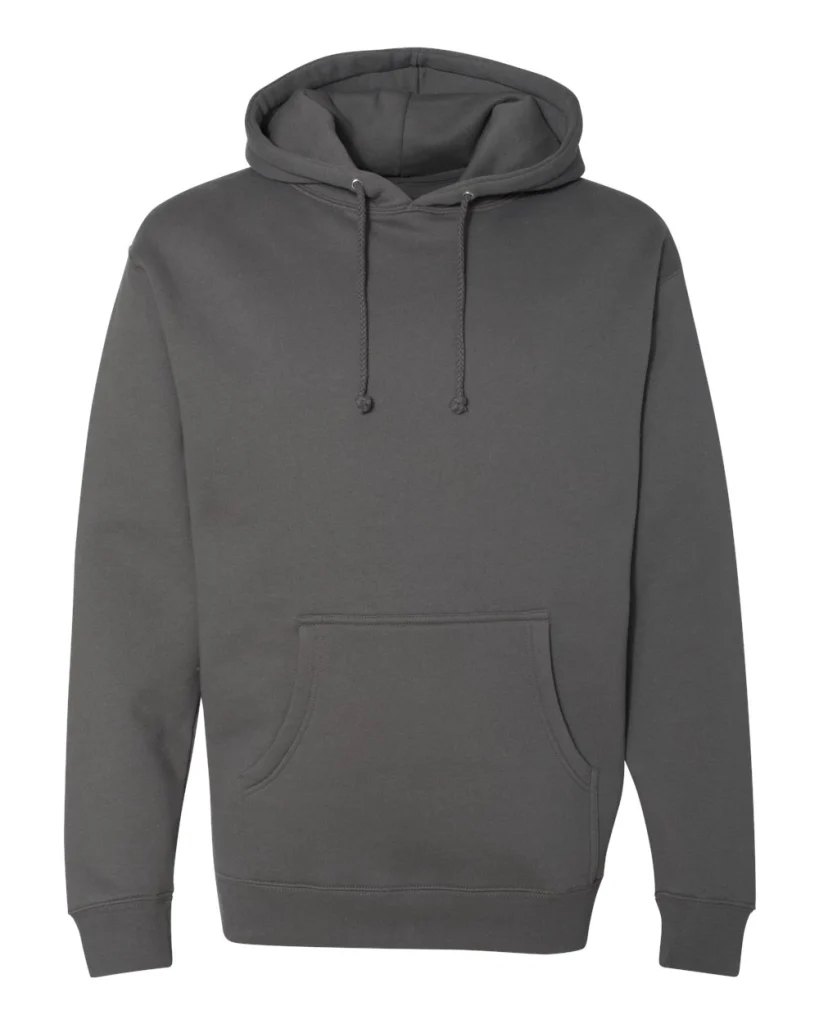
A pullover goes over the head and has no full front opening. It often has a kangaroo pocket, although pocketless versions also exist. The continuous front gives your artwork a relatively uninterrupted area, which is useful when a chest graphic is central to the design. You still need to account for the pocket and neckline.
For a graphic-led collection, I’d start by placing the artwork on a garment drawing at its intended size. Check the smallest size you plan to offer, too. A print that fits comfortably above the pocket on a large sample may need adjustment elsewhere in the size range.
2.Full-Zip Hoodies
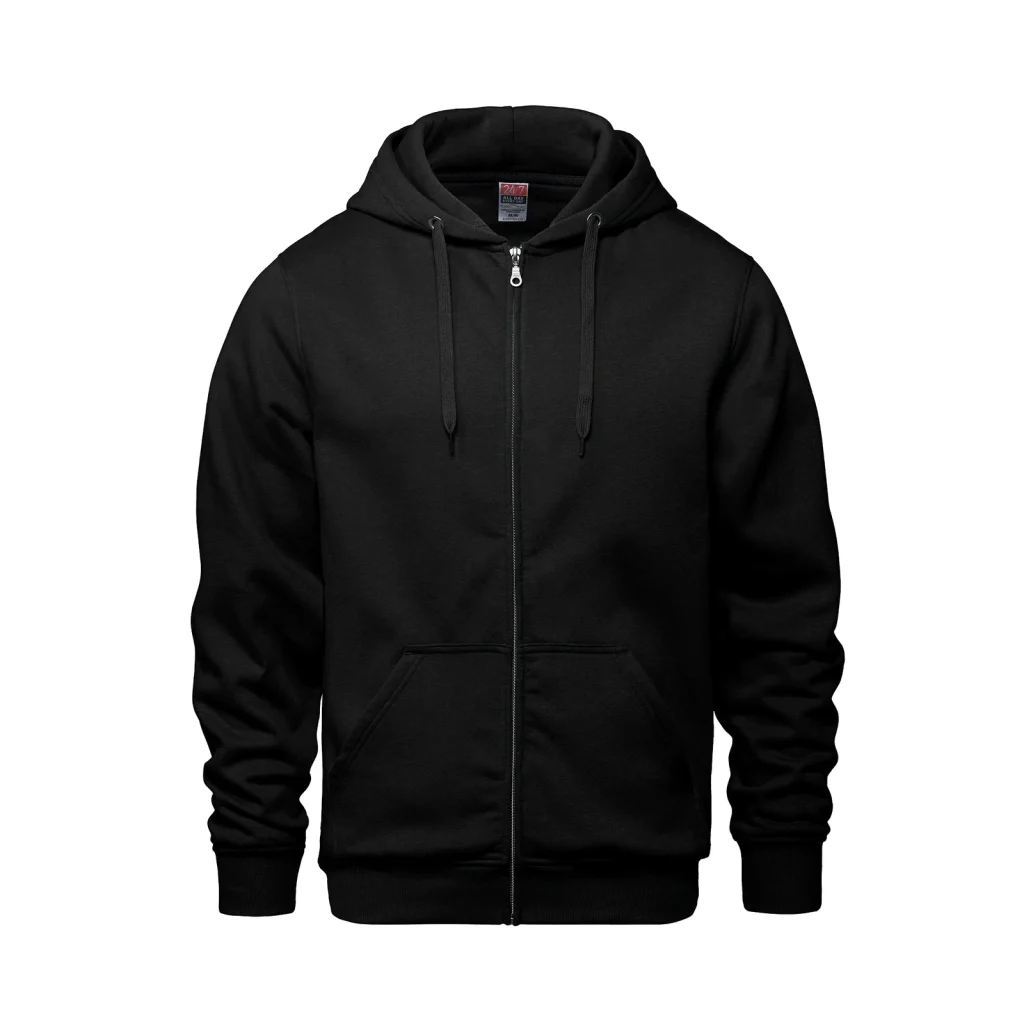
A full-zip hoodie opens from the neckline to the hem, allowing the wearer to remove it without pulling it overhead. It can work as a separate layer over another top. The front opening also becomes part of the design, even when the zipper and fabric share the same color.
Decide whether the hoodie should look complete when worn open, closed, or both. If artwork crosses the zipper, request a sample that shows the alignment. Specify the zipper and puller rather than approving them from a distant photo, and check how the front hangs after the zipper has been sewn in.
3.Half-Zip Hoodies
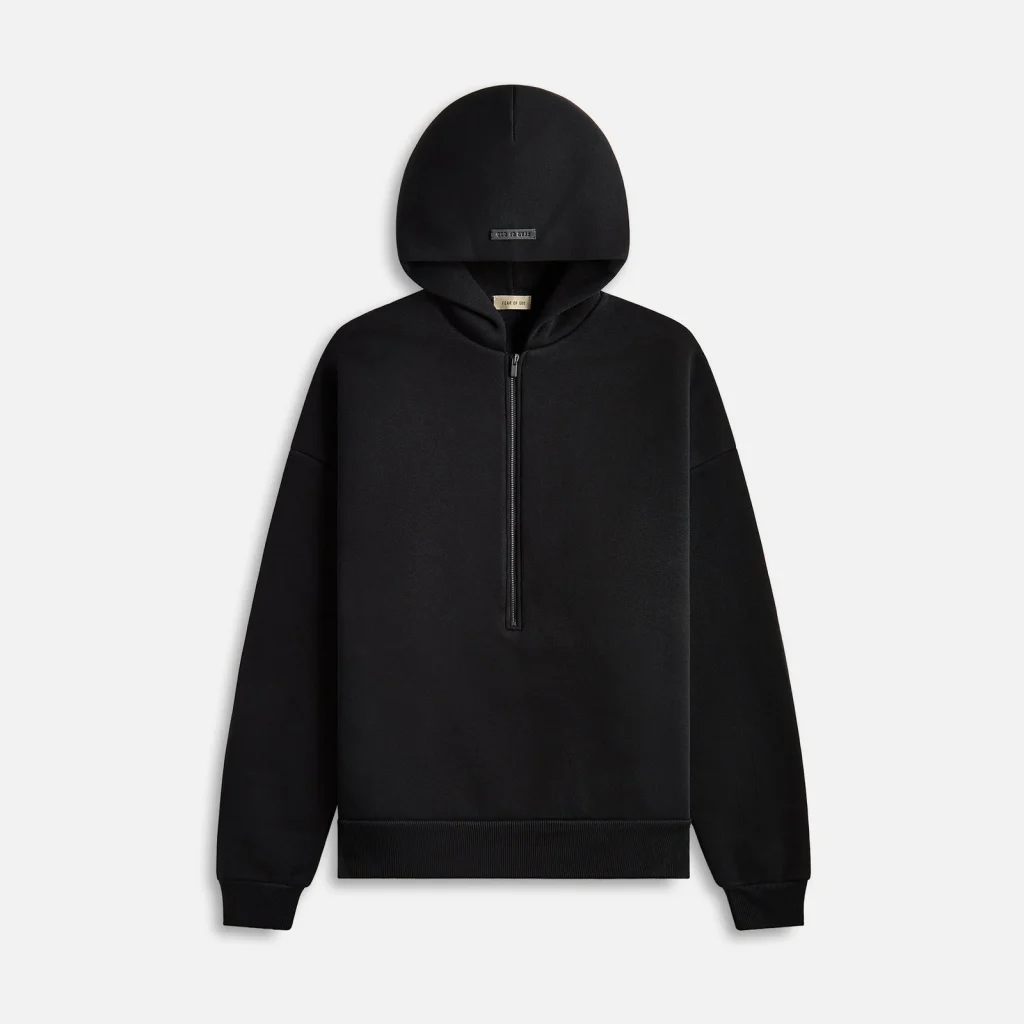
A half-zip hoodie has a partial front opening and still goes over the head. Quarter-zip hoodies follow the same general idea with a shorter opening, though brands use these names somewhat differently. An actual opening measurement is more useful to a pattern maker than the label alone.
Consider this style when you want some neckline adjustment without splitting the entire front. Try the sample with the opening zipped and unzipped, checking the collar and the point where the zipper ends. Make sure your reference garment has a hood; a half-zip sweatshirt without one is a different product.
4.Oversized Hoodies
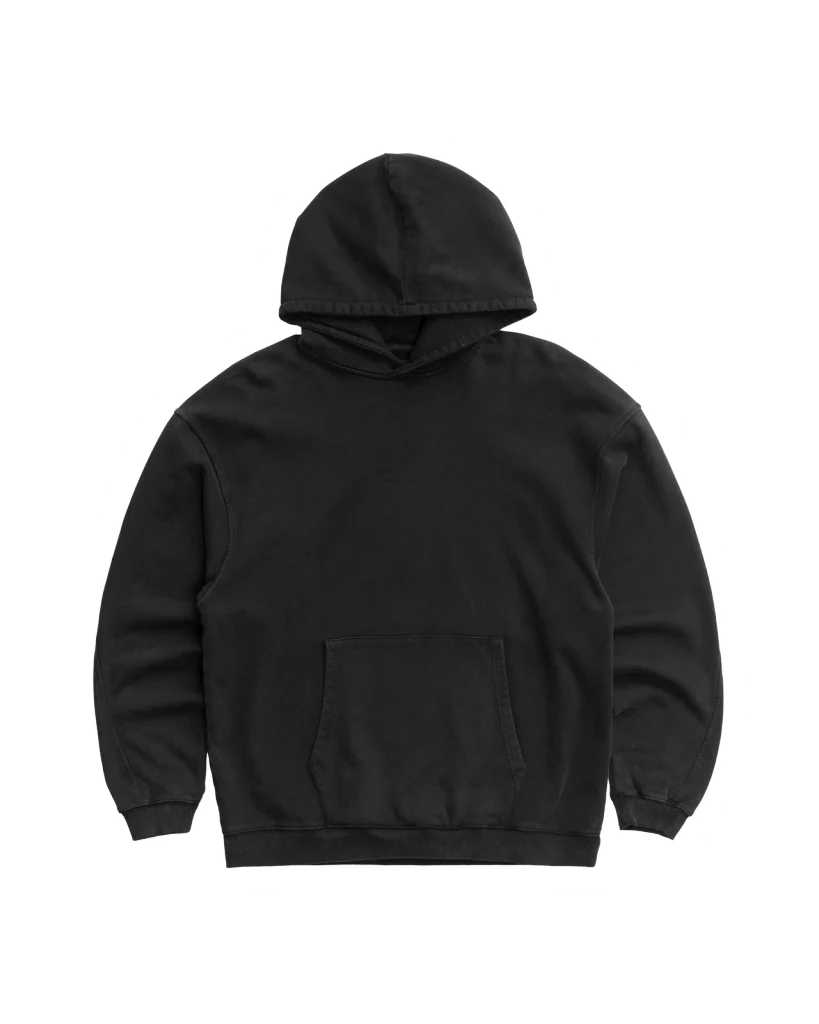
Oversized hoodies have deliberately generous proportions. That can involve a wider body, dropped shoulders, fuller sleeves, or a combination of changes. An oversized pattern isn’t simply a regular pattern in a larger size. The intended wearer may need extra width without extra sleeve or body length.
For your brief, identify where you want the volume to sit. Suppose you want a wide chest and generous sleeves but a fairly conventional hem length. Calling it “oversized” won’t communicate all of that. Mark the reference image and provide the measurements that matter, especially if the product will be sold as unisex.
5.Boxy Hoodies
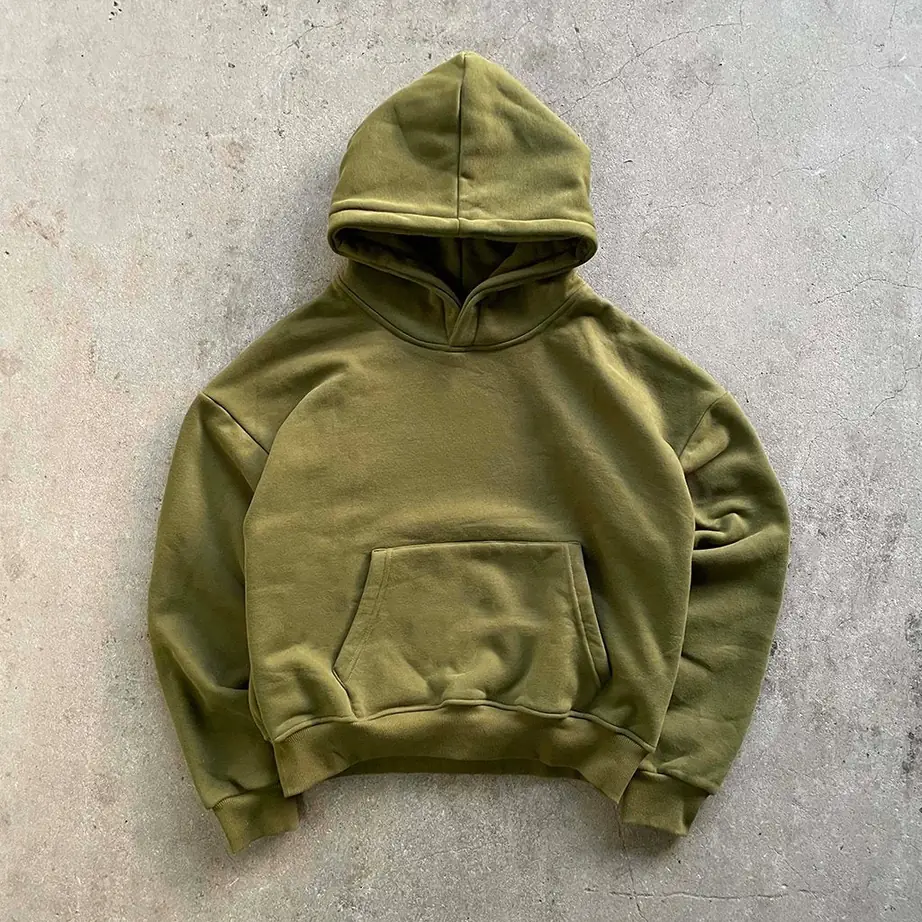
A boxy hoodie has a broad, relatively square body shape. Compared with a longer silhouette, the emphasis is on width in relation to length. It can also be oversized or cropped, but neither is required. There isn’t one universal measurement that makes every brand’s hoodie boxy.
When comparing boxy vs oversized hoodies, look at the hem position as well as the width. For a brand that wants a broad shape without a long body, a boxy direction is worth sampling. Check the garment on a person rather than judging only a flat drawing; the fabric and hem finish affect how that shape hangs.
6.Cropped Hoodies
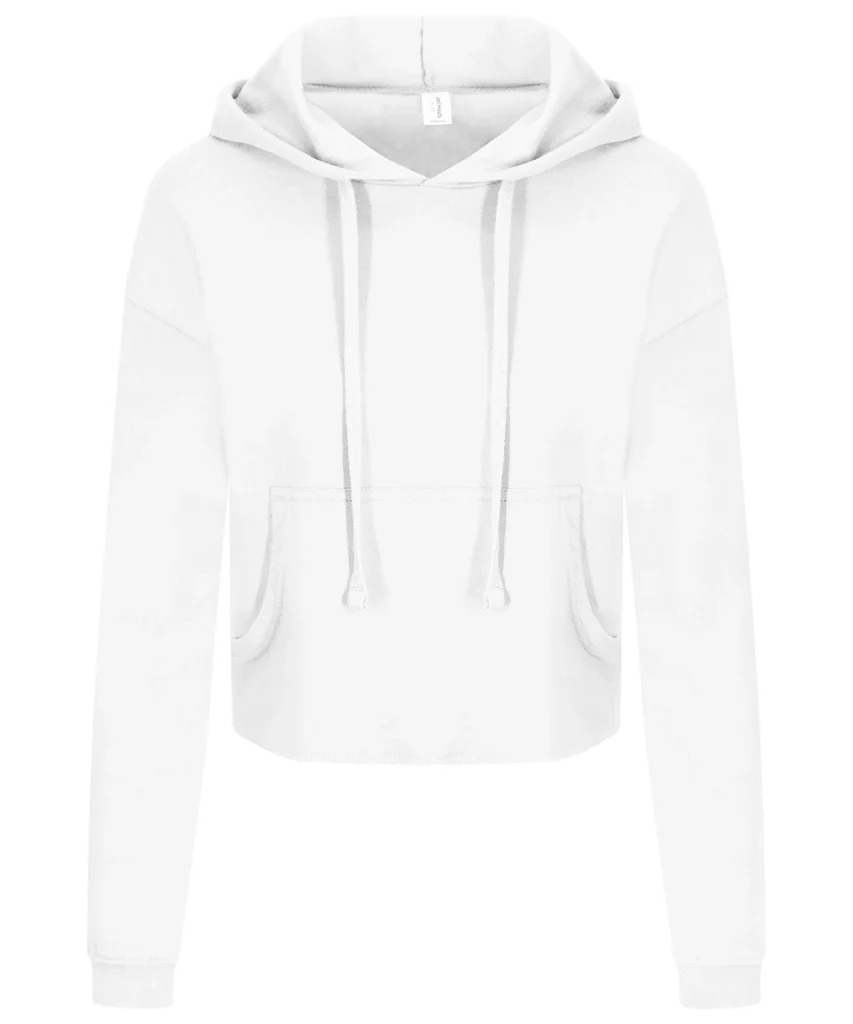
Cropped hoodies finish higher on the body than a conventional full-length design. They can be fitted, loose, or boxy, and can use different closures. “Cropped” describes the length, so it doesn’t tell a manufacturer how wide the body should be or where the hem should finish on your intended wearer.
Set that coverage target before adjusting the pattern. Review pocket height, the amount of space available for artwork, and how the hem behaves when the wearer reaches upward. If you’re developing several sizes, check the proportions across that range. Cutting length from an existing hoodie can also leave its other details in awkward positions.
7.Longline Hoodies
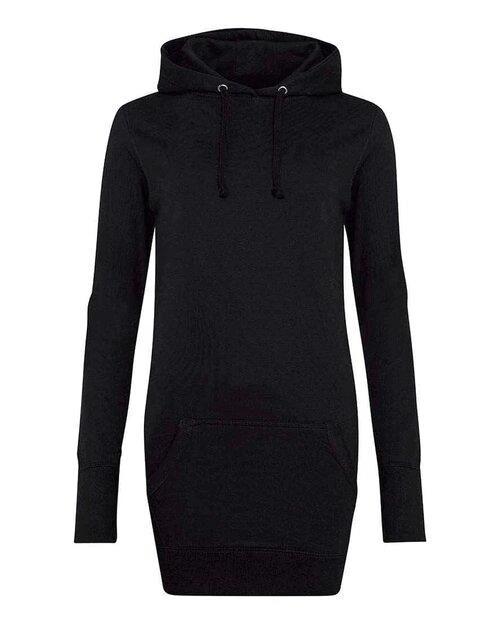
A longline hoodie extends the body below the length of a more conventional hoodie. It doesn’t automatically need a wider chest or longer sleeves. The longer outline can be useful in a collection built around layered lengths, provided it works with the bottoms and outer layers you expect customers to wear.
Check where the pockets fall and whether the wearer can reach them comfortably. Sit down in the sample and look at how the hem gathers. A longline hoodie also isn’t automatically a hoodie dress: if you’re developing a dress, specify its intended coverage and use rather than relying on a longer top to do that job.
8.Sleeveless Hoodies
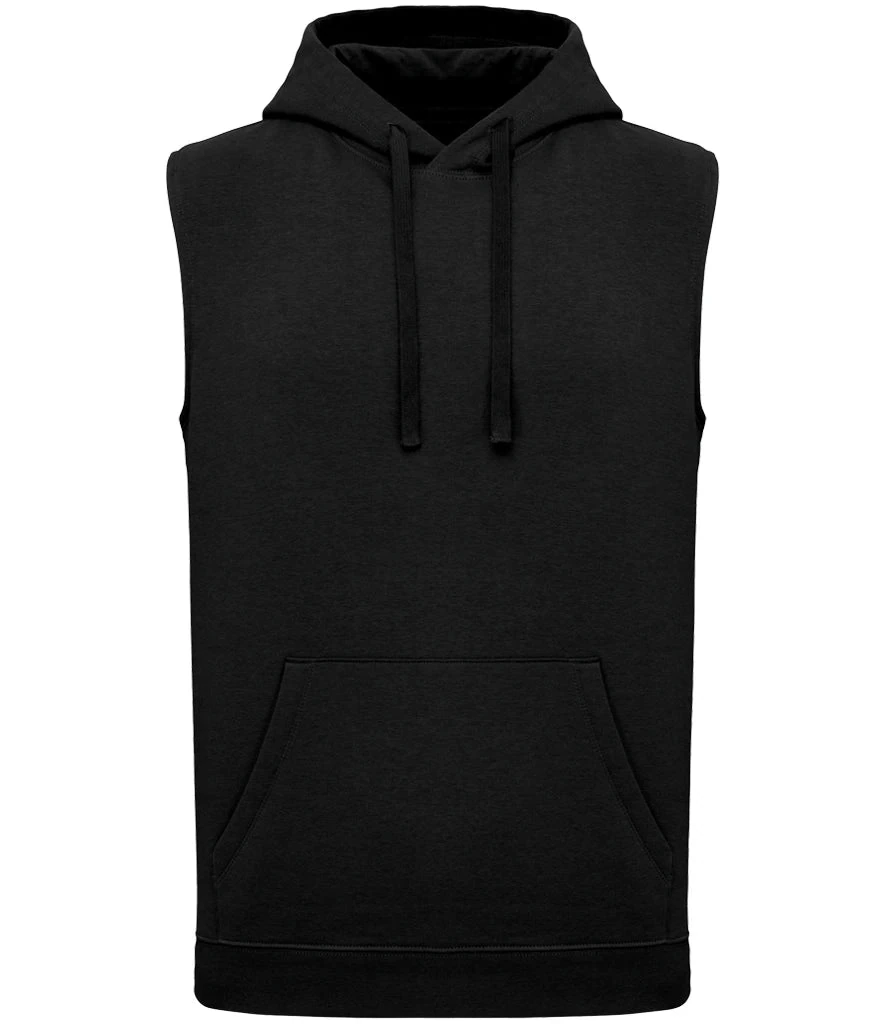
Sleeveless hoodies remove the sleeves while retaining the hood and body. They can be designed as a layer over a T-shirt or as a top worn on its own. Those two uses need different decisions about the armhole and how much of the body remains covered during movement.
Ask for a sample review with the intended underlayer, if there is one. Check the armhole depth, edge finish, and the way the hood sits against the back. A sleeveless shape alone doesn’t establish moisture-wicking or other sports performance. If your product page will make those claims, request evidence for the actual fabric or garment.
9.Short-Sleeve Hoodies
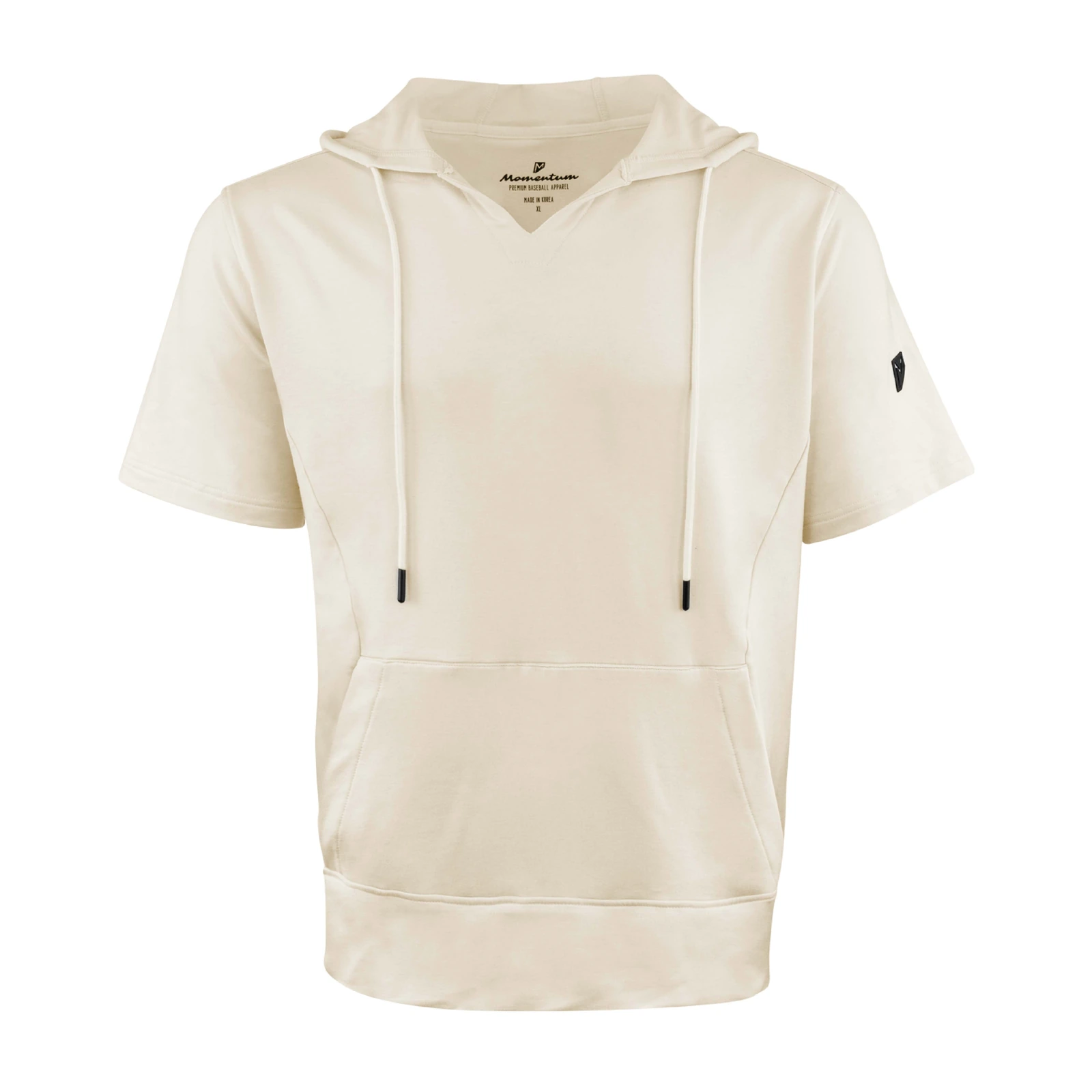
Short-sleeve hoodies retain a sleeve but shorten it, giving you another way to change coverage and proportion. A wide sleeve ending near the elbow looks quite different from a shorter, closer sleeve. Specify the finished length and opening instead of leaving “short sleeve” as the entire instruction.
For a casual or pre-workout collection, compare the sleeve shape with the body volume and fabric weight. Heavy fabric can still make a short-sleeve hoodie feel substantial. Before positioning it for summer, review the complete sample. If you intend it to go over a T-shirt, check where the two sleeve hems meet.
10.Raglan Hoodies
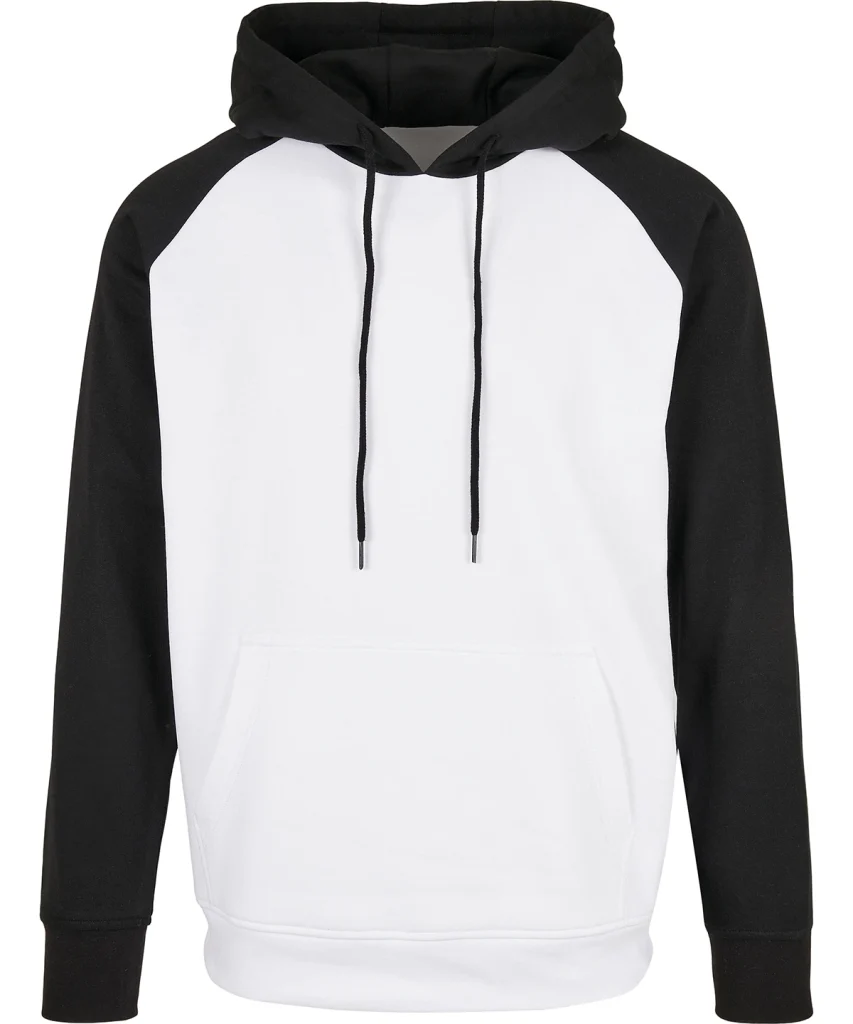
Raglan hoodies have diagonal sleeve seams running from the neckline toward the underarm, rather than a conventional shoulder seam. This construction gives you a distinct panel layout for contrast sleeves or color blocking. It can work with pullover or zip-up designs, so specify the opening and body shape separately.
For your brand, I’d use a raglan cut when that sleeve line adds something to the design. Check how the seams meet the neckline and whether they interfere with planned artwork. Then try the sample with arms reaching forward and overhead. A raglan sleeve alone doesn’t guarantee comfortable movement; the pattern and fabric still matter.
Use this table to turn the names into development questions:
| Hoodie style | What identifies it | What your brand should clarify |
|---|---|---|
| Pullover | No full front opening | Neck opening and artwork-to-pocket spacing |
| Full-zip | Zipper opens the entire front | Zipper specification and front alignment |
| Half-zip | Partial neckline opening | Opening depth and collar-to-hood construction |
| Oversized | Deliberately generous proportions | Where the extra width and volume belong |
| Boxy | Broad body relative to its length | Body width, hem position, and drape |
| Cropped | Shortened body length | Coverage and detail placement across sizes |
| Longline | Extended body length | Pocket reach and hem behavior |
| Sleeveless | No sleeves | Armhole coverage and edge finish |
| Short-sleeve | Sleeves end higher on the arm | Sleeve length and opening width |
| Raglan | Diagonal seams from neckline to underarm | Neckline joins, artwork placement, and arm movement |
How Do You Choose Fabrics for Your Hoodies?
Choose hoodie fabrics by the feel, shape, and use you want, then record the composition and construction that produce that result. Cotton and polyester describe fibers. French terry and brushed fleece describe fabric structures or finishes. A cotton-polyester blend, by itself, doesn’t tell you which surface, weight, or drape you’re buying.
GSM means grams per square meter: fabric mass per unit area, not the weight of the finished hoodie or a quality score. ASTM D3776/D3776M addresses this measurement. Use GSM alongside a fabric reference, composition, and finish. If you want a standing, structured hood but a softer body, note those requirements separately rather than expecting one weight number to explain both.
French Terry
French terry has an unbrushed looped back and a smoother face. CottonWorks describes the construction as an un-napped fleece and notes that it comes in different weights. That variation matters when you’re comparing samples: the name doesn’t establish a single thickness or season. Its knitting guide explains the distinction between French terry and brushed sweatshirt fleece.
I’d compare swatches against the silhouette you want. Hold the fabric so it hangs, fold it at the proposed hem, and examine both faces. If a supplier offers a substitute, ask what changed besides the price. Record the fabric reference so later samples can be compared with the same material, rather than another fabric also described as French terry.
Brushed Fleece
In sweatshirt fabrics, brushing or napping raises fibers on the inside to create a soft surface. That treatment distinguishes a brushed back from an unbrushed one. The word fleece doesn’t, on its own, mean the fabric is entirely polyester; you still need the fiber composition.
Compare the face as carefully as the soft interior. Your chosen surface needs to work with the design and decoration. Ask to review the agreed care performance as well as the new sample’s hand feel. A soft first impression doesn’t establish how the garment will look after use, and a supplier’s general fabric description isn’t a wash-test result.
Sherpa and Other Linings
Sherpa describes a fleece-like pile appearance rather than a guarantee of wool content. A lined hoodie also needs more detail than “sherpa lining”: identify whether the lining covers the hood, body, sleeves, or only selected areas. Different components can have different compositions and finishes.
Review the assembled garment with your intended underlayer. Check the room inside the sleeves, the bulk at the cuffs, and whether the lining pulls at openings. Confirm that the complete garment has a workable care instruction. I’d resolve those points before approving the outer appearance, because a lining changes what the wearer experiences inside the hoodie.
How Should Brands Define Hoodie Fit?
Define hoodie fit through the intended wearer, the underlayers, and a measurement specification. Slim, regular, and relaxed are useful descriptions, but their dimensions vary between brands. Unisex also doesn’t remove the need to decide whose proportions and preferences you’re designing around.
Give your sample team a clear set of instructions:
- Describe the wearer and usual layers. A hoodie intended over a fitted T-shirt needs a different review from one expected to fit over several layers.
- Record the measurement points. Include body width, shoulder construction, sleeve length, and body length, with drawings showing exactly where each is measured.
- Check the connected details. The hood, neckline, cuffs, and hem should work with the body. Ask the wearer to reach forward and sit, rather than checking only a standing pose.
- Review the size range. Agree how measurements change between sizes, a process called grading. Assess representative sizes instead of assuming one approved sample settles the whole range.
A clothing tech pack gives you somewhere to record those decisions. Separate body measurements from finished garment measurements, and agree acceptable variation with the manufacturer. The same number can mean something very different if one person is measuring a body and another a garment laid flat.
Make feedback specific enough to act on. “The sleeves feel wrong” leaves several possibilities. “The cuff covers the knuckles when the arms hang naturally” describes the problem without dictating an untested fix. Add a photo, identify the sample size, and ask the pattern team to propose the adjustment.
How to Choose the Right Hoodie for Your Brand
Start with the customer’s use and the hoodie’s role in your collection. A core style that you plan to repeat needs a clear, reproducible specification. An experimental silhouette needs a reason to sit alongside it. You don’t need to develop every type just because each appears in a supplier catalog.
I would make four decisions before requesting several samples: who will wear it, what they will wear it for, what shape and material express your brand, and which detail deserves the development effort. If two proposed styles answer those questions in the same way, consider whether a color or graphic variation would do the job.
These are planning examples, not predictions of what will sell:
| Collection direction | Styles worth considering | Decision to make before sampling |
|---|---|---|
| Everyday basics | Pullover or full-zip | Whether easy removal or an uninterrupted front matters more |
| Streetwear silhouette | Oversized, boxy, or cropped | Where volume should sit and where the hem should finish |
| Layered casualwear | Full-zip, half-zip, or longline | Which underlayers and outer layers the hoodie must work with |
| Before or after exercise | Full-zip, sleeveless, or short-sleeve | Coverage, movement, and any performance claims requiring evidence |
For example, imagine a brand choosing between a full-zip and a pullover for customers who frequently move between indoor and outdoor settings. Easy removal could favor the zip-up. If a large centered graphic is the main product idea, the pullover deserves a closer look. Decide which need comes first rather than asking one design to satisfy both equally.
Which Hoodie Details Should You Customize?
Customize the details that support your product idea and survive scrutiny on the finished garment. A digital mockup can show placement, but it can’t establish how an embroidered area feels or how a pocket opening behaves. Approve decoration on the intended material, with the construction around it considered.
Work through these choices with your developer:
- Place artwork at its finished size. Show its position relative to seams, pockets, and closures. Review the smallest and largest garments before assuming one layout suits the entire range.
- Match the technique to the design. Fine lettering that reads clearly on a screen may need changes for embroidery. Request a stitched or printed sample rather than approving only the artwork file.
- Decide which structural details matter. Hood shape, pocket access, zipper pullers, and ribbed finishes deserve attention when they affect the design or use. Extra details also create extra items to approve.
- Plan labels and information placement. Decide where brand, size, and care information belong, and review the result inside the garment as well as outside.
Printful’s embroidery preparation guidance explains why fine lines, lettering, and gaps need attention when artwork becomes stitches. Its numerical requirements apply to its own service; ask your chosen decorator for the limits relevant to your project.
For a children’s collection, HAPA’s private label kidswear development covers options such as labels, printing, embroidery, and packaging. Bring the garment direction and artwork together when discussing the project, so those choices can be reviewed as parts of the same product.
What Affects the Cost of Different Hoodie Styles?
The cost of a hoodie depends on its complete specification and order conditions. Comparing a basic pullover with a lined, embroidered zip-up won’t tell you what the zipper alone costs. Before comparing quotes, give suppliers the same information about the garment and what the price should include.
The main variables to clarify are:
- Fabric and usage: composition, construction, finish, garment dimensions, and lining requirements.
- Trims and assembly: zipper specification, pockets, panels, hood construction, and other operations.
- Decoration: artwork size, positions, technique, and preparation requirements.
- Order breakdown: quantity by style, color, and size, plus labels and packing requirements.
Ask suppliers to identify assumptions and exclusions. A quote based on available fabric may differ from one that includes a specially developed material. Confirm sampling charges and shipping terms separately if they aren’t included. For minimum quantities, ask which constraint applies to the style, fabric, or color; don’t assume different hoodie styles can always share one MOQ.
What Should You Check Before Approving Hoodie Samples?
Check the sample against your agreed requirements, then record what is approved and what still needs work. A sample that looks convincing in a photograph can leave measurements, interior finishes, and care performance unresolved. Keep the review tied to a named sample version so the next person knows which garment you’re discussing.
You can use this hoodie sample checklist as the basis of a development brief:
- Product purpose: intended wearer, market, use, and usual underlayers.
- Style: front and back references, closure, body shape, sleeve design, and pocket positions.
- Material: fabric reference, composition, weight, color, finish, ribbing, and lining areas.
- Fit: sample size, measurement points, finished dimensions, agreed tolerances, and sizes still requiring review.
- Branding: approved artwork, placement, trims, labels, and packaging requirements.
- Order conditions: quantities, requested timing, and supplier assumptions still awaiting confirmation.
- Approval record: sample version, photos, changes requested, care checks, and responsibility for the next action.
For laundering checks, agree the method and acceptance criteria before interpreting results. AATCC’s test-method directory distinguishes garment dimensional change from appearance and seam-twist evaluations. You don’t need to turn a first conversation into a testing manual, but “wash tested” needs an explanation of what was checked and under which conditions.
Keep approval specific. If you approve the shape but request a different fabric or print, record those items as outstanding. Visual approval doesn’t establish performance, and sample approval doesn’t replace checks during bulk production. Resolve the open points before treating the sample as the reference for the order.
Conclusion
Understanding the types of hoodies helps you choose a direction; a clear specification lets your team develop it. Start with the customer and the product’s role, then confirm fabric, proportions, and details through sampling. Keep unresolved requirements visible rather than approving the whole garment too early.
If you’re building a children’s range, you can share that brief with HAPA’s kidswear OEM team to discuss development. Include reference images, your size range, material preferences, and quantities so the conversation starts with a defined product.
Frequently Asked Questions
Is a Graphic Hoodie a Separate Hoodie Type?
Graphic describes the decoration rather than the underlying construction. A graphic hoodie can also be a pullover, full-zip, cropped, or oversized style. For development, specify both the garment and the artwork, including placement and finished dimensions.
Can You Use One Hoodie Pattern for Different Fabrics?
Possibly, but review the result in each proposed fabric. Differences in stretch, thickness, drape, and response to care can change the fit or appearance. Treat a fabric substitution as a development decision and confirm whether the pattern needs adjustment.
Should You Start With Blank or Cut-and-Sew Hoodies?
Start with blanks if an existing garment already meets your requirements and you mainly need decoration or branding. Consider cut-and-sew development when you need a different pattern, construction, or material combination. Compare the available options against your design and budget.
Can Different Hoodie Styles Share the Same Fabric?
Yes, when that fabric suits each style’s construction and intended result. Confirm the specification and color requirements, then ask the supplier whether orders can be combined. Shared fabric doesn’t automatically mean that separate styles share the same production minimum.
Can Reference Photos Replace a Hoodie Tech Pack?
Photos are useful for starting a discussion, but they don’t reveal all the measurements, internal construction, or approval requirements. If you don’t have a tech pack, identify what is still undecided and ask what development support is available before requesting a firm production quote.
References & Sources
These sources support the fabric, decoration, and testing explanations. The selection examples and review checklists are editorial recommendations, not results from a HAPA wear test or customer study.
- CottonWorks: Single & Double Knits. French terry and brushed sweatshirt fleece construction.
- ASTM D3776/D3776M: Mass Per Unit Area of Fabric. The scope of fabric-weight measurement; no hoodie quality rating is implied.
- Printful: Preparing Designs for Embroidery. Artwork considerations, with service-specific requirements.
- AATCC: Standard Test Methods and Procedures. Separate methods for garment dimensional change, appearance, and seam twist after laundering.