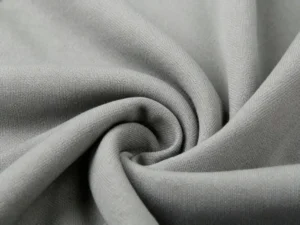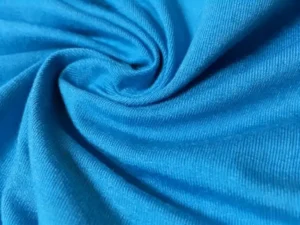
After a long day’s work, slipping into comfortable pajamas is the most pleasant moment of the day for many people. A high-quality Pajamas can not only care for the skin but also improve the overall quality of sleep.
As a professional with ten years of experience in the clothing industry, I will analyze from multiple dimensions for everyone : Which cloth is best for a Pajamas?
What Kind of Cloth is Suitable for Making Pajamas?
The ideal pajamas usually need to have three key features: moisture absorption, breathability and skin-friendliness.
Pajamas accompany us for nearly one-third of our time, so choosing the right cloth is of vital importance.
If you are a consumer, pajamas made of high-quality cloth can bring you an ultimate comfortable experience.
If you are a clothing brand, choosing high-quality cloths to design pajamas can significantly increase the repurchase rate and enhance market competitiveness.
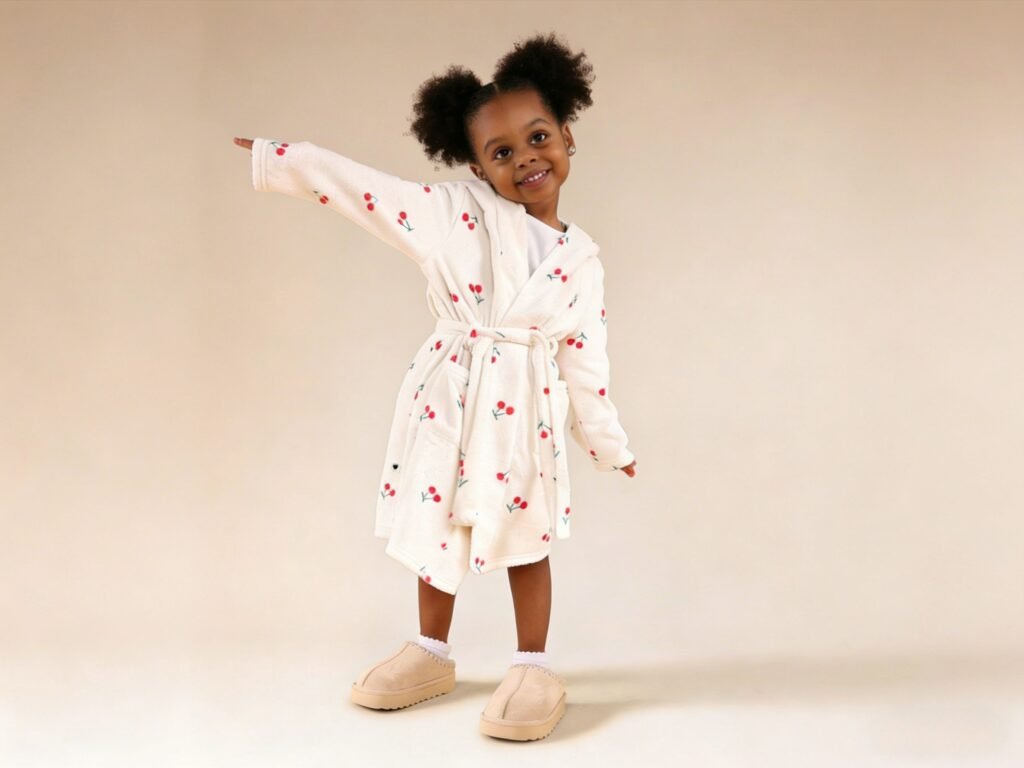
The Best Cloth Types For Pajamas
Pure cotton
Pure cotton is the mainstream choice for pajama cloth. It is affordable, breathable, and soft. According to market research, its usage proportion in pajama cloth is expected to reach 42% by 2025(Source:Industryresearch), making it the most ideal cloth.
It is made of natural plant fibers and has excellent skin-friendliness and breathability. The loose fiber structure can quickly absorb sweat and evaporate it, avoiding a sticky feeling.
For a premium experience, it is recommended to choose combed cotton or pima cotton. They have removed short fibers, providing a smoother touch and are less prone to pilling.
Applicable season: Suitable for all seasons
Silk
Silk is a luxurious cloth for pajamas. Its protein fibers are similar in structure to human skin, with a friction coefficient of only 7.4%. It feels smooth and soft to the touch, reducing the pulling on the skin, and also has excellent moisture absorption and breathability.
If you are in pursuit of ultimate luxury and a skin-friendly experience, silk is undoubtedly your top choice.
Purchasing suggestion: When making a purchase, choose a thickness of 19 mm or more, which is both durable and has a high-end drape.
Applicable season: Spring and summer
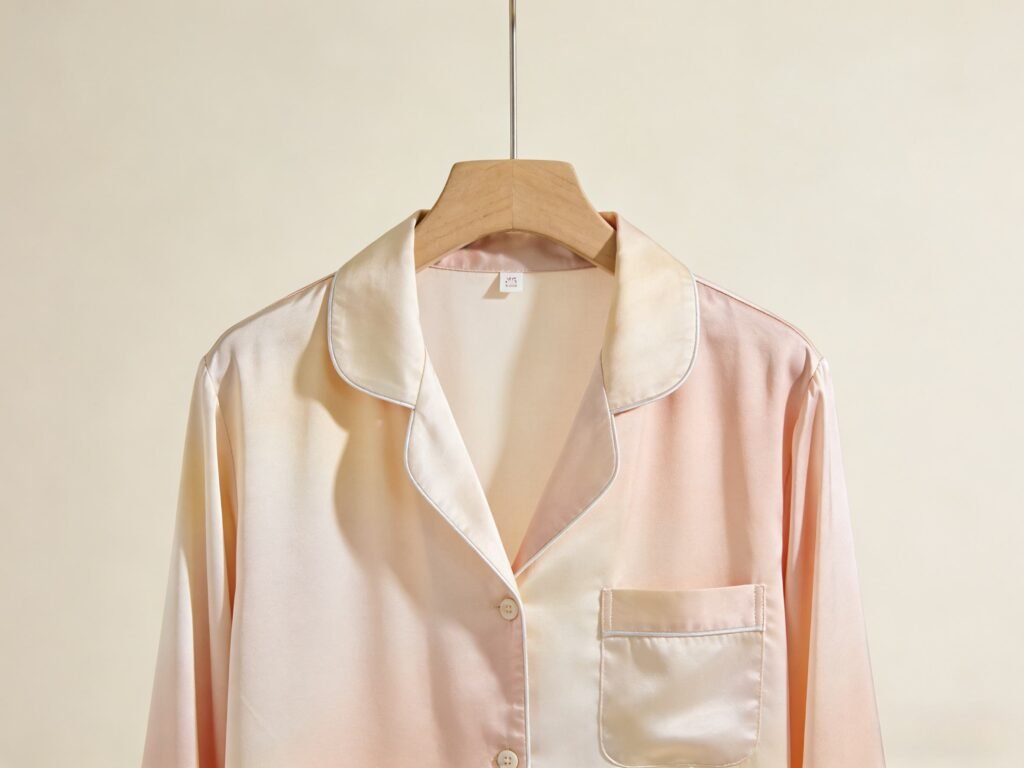
Modal
Modal is made from natural wood pulp and belongs to regenerated cellulose fibers. It combines the breathability of cotton with the softness of silk. Its moisture absorption is 50% higher than that of pure cotton, which can keep the body surface dry. It also has good elasticity and is not easy to deform. Even after repeated washing, it still maintains a soft hand feel.
Although modal has many advantages, its service life is relatively short. It is prone to loosening and deformation after multiple washes or stretches, especially at the collar, cuffs and hem.
If you are a fashion designer, you can choose the cloth of “cotton + modal blend”, which has the softness and smoothness of modal and the toughness of cotton. It not only improves the wrinkling property of pure cotton but also makes up for the disadvantage of modal being prone to deformation, and is also more convenient to maintain.
Applicable season: Suitable for all seasons
Bamboo Fiber
In recent years, bamboo fiber has evolved from a niche cloth to a leader in the textile industry, mainly due to its strong alignment with environmental standards, functional benefits, and policy support.
Bamboo fiber is derived from bamboo and comes in two forms: raw bamboo fiber and bamboo pulp fiber. Its unique porous structure gives it natural antibacterial, cooling, and breathable properties. It helps inhibit bacterial growth and is ideal for making pajamas.
In line with trends such as carbon neutrality, sustainable fashion, and green consumption, bamboo fiber is increasingly seen as a key alternative to cotton and synthetic fibers.
Clothing brands can prioritize bamboo fiber and promote it as a key feature. This not only supports sustainable development but also meets consumers’ growing demand for comfortable, healthy, and functional textiles.
Applicable season: Spring and summer
Linen
Linen is a natural fiber commonly used in summer clothing for its breathability and moisture-wicking properties.
Linen offers three key advantages when used for pajamas:
- Excellent breathability: Linen fibers are hollow, allowing for excellent air circulation. This prevents a stuffy, hot feeling, making linen ideal for summer wear.
- Superior moisture absorption: Linen has excellent hygroscopic properties, quickly drawing sweat away from the skin to maintain a dry and comfortable sleep environment.
- Natural and eco-friendly:As a natural fiber, linen is non-irritating and gentle on sensitive skin.
For linen pajamas, a 55% linen and 45% cotton blend is ideal. This combination offers the breathability of linen, the softness of cotton, and is less prone to wrinkling, providing better cost performance.
Applicable season: Summer
Flannel
Flannel is the mainstream choice for winter pajamas. It is a cloth treated with brushing or pile raising processes. The raw materials of flannel include but are not limited to:
- Cotton
- Polyester fiber
- Cotton/polyester blend
- Wool or wool blends
Flannel vs. coral fleece
Many people can’t tell these two materials apart. In fact, there are subtle differences between them:
- Flannel: The fleece is finer and flatter, the cloth weight is usually higher, it looks more upscale, and has better warmth retention.
- Coral Fleece: The down is in clusters like coral, with larger pores and slightly better breathability, but it is not as fine as flannel.
Applicable seasons: Autumn and winter
Is Silk or Cotton Better for Pajamas?
Although cotton pajamas perform well in all aspects, in spring and summer, silk can always better lock in skin moisture and provide a more comfortable wearing experience.
In autumn and winter, cotton pajamas have better warmth retention and are more worth choosing than silk pajamas.
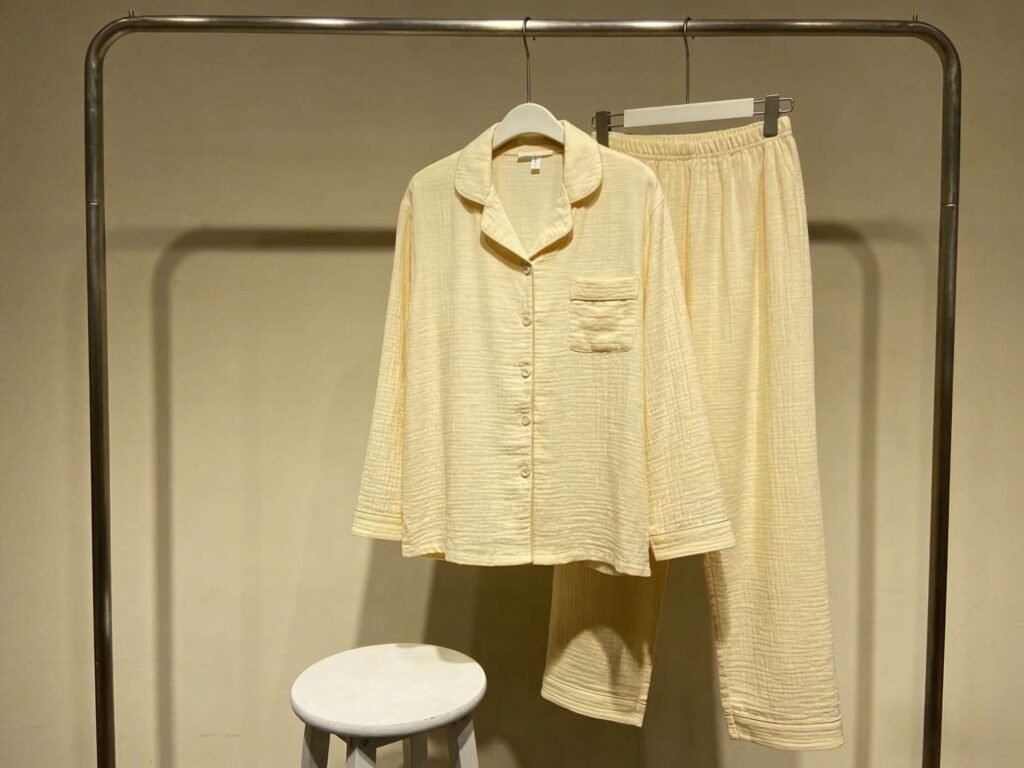
Is Polyester Good for Pajamas?
Avoid 100% Polyester.I do not recommend 100% polyester pajamas, especially if you have sensitive skin or sweat easily.
The Pros Polyester is a common synthetic fiber. It is famous for being durable, cheap, and low-maintenance. That is why it is used everywhere in clothing production.
The Cons However, it lacks breathability. It traps heat and stops your skin from breathing normally.
The Solution If you suffer from night sweats, breathable fabrics like cotton or bamboo are much more comfortable.
Still Want Polyester? If you prefer polyester, try a blend. A poly-cotton blend offers the best of both worlds: durability and comfort.
Tips for Choosing the Right Pajama Fabric
Choose fabrics based on the season
In spring and summer, opt for breathable, moisture-wicking fabrics like pure cotton, bamboo fiber, silk, and linen to keep cool. For autumn and winter, choose thicker materials like flannel or thickened cotton to ensure warmth.
Market Positioning
While most fabrics offer similar functionality, your product’s positioning should guide your fabric choice. For high-end summer pajamas, consider silk, known for its luxury. For the mass market, cotton or linen is a cost-effective option. If you’re targeting eco-conscious consumers, bamboo fiber can serve as a strong selling point.
Consider the fabric’s functionality
Pajamas serve different needs for different people. When choosing fabric, consider the following four factors:
- Thermal insulation: The fabric’s ability to retain heat, or its weight per gram.
- Washability: Fabrics that resist deformation, shrinkage, or color fading after frequent washing.
- Anti-static: Fabrics that prevent static, especially in autumn and winter.
- Antibacterial and mite-proof: For sensitive skin, choose fabrics that have been specially treated.
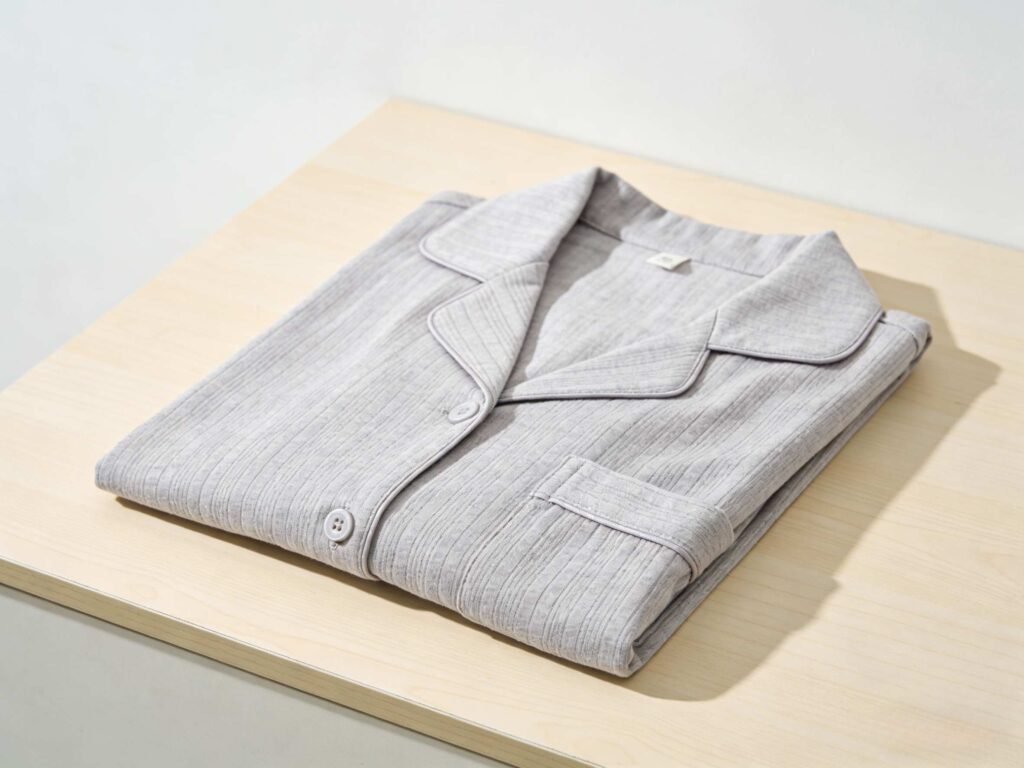
Which Pajama Cloth is Best for People Who Experience Night Sweats?
Suffering from Night Sweats? If you deal with night sweats, fabric choice is critical. You need three things: moisture absorption, sweat-wicking, and breathability.
Top Recommendations I recommend Cotton, Modal, Bamboo, and Silk. These fabrics absorb sweat effectively. They keep you breathable and comfortable all night.
- For Heavy Sweating: Choose Bamboo Do you sweat heavily? Do you need something that dries quickly and stays cool? Bamboo is your best bet.
- For a Smooth Feel: Choose Tencel If you love a smooth, soft touch, try Tencel. It prevents pajamas from sticking to your damp skin.
What Kind of Cloth is Good for Children’s Pajamas?
Children’s skin is more delicate than that of adults and their ability to regulate body temperature is weaker. If the cloth of their pajamas is uncomfortable, it will directly affect their sleep and eventually lead to adverse consequences.
When choosing children’s pajamas, safety and comfort are at the core. The focus of cloth selection varies according to different seasons and demands. You can refer to the following table:
| Type | Advantage | Shortcoming | Applicable scenarios |
| Cotton | It’s sweat-absorbent, breathable, anti-static, naturally hypoallergenic, and offers great value for money. | It wrinkles easily, tends to become stiff after repeated washing, and has only average elasticity. | Suitable for all seasons, the safest and most reliable choice. |
| Modal | It is softer and smoother than pure cotton, has excellent drape, and its moisture absorption is 50% higher than cotton. | The fabric is thin, fits closely to the body, offers poor support, and is prone to deformation. | Suitable for children with extremely sensitive skin. |
| Bamboo | Naturally antibacterial and odor-resistant, with a cool feel and excellent breathability. | Its durability is slightly inferior to pure cotton, and its price is usually higher. | Suitable for children who tend to get overheated and sweat a lot. |
| Combed Cotton | By removing the short fibers, it is smoother, less prone to pilling, and more durable than ordinary cotton. | The price is slightly higher than that of regular pure cotton. | For spring, autumn, and winter, this is the top choice for those who value quality. |
| Flannel | Extremely warm, lightweight, and soft. | It easily generates static electricity, has poor breathability, and the synthetic fiber material may cause allergies in some children. | During the harsh winter months, it is recommended to wear a thin cotton jacket as an inner layer. |
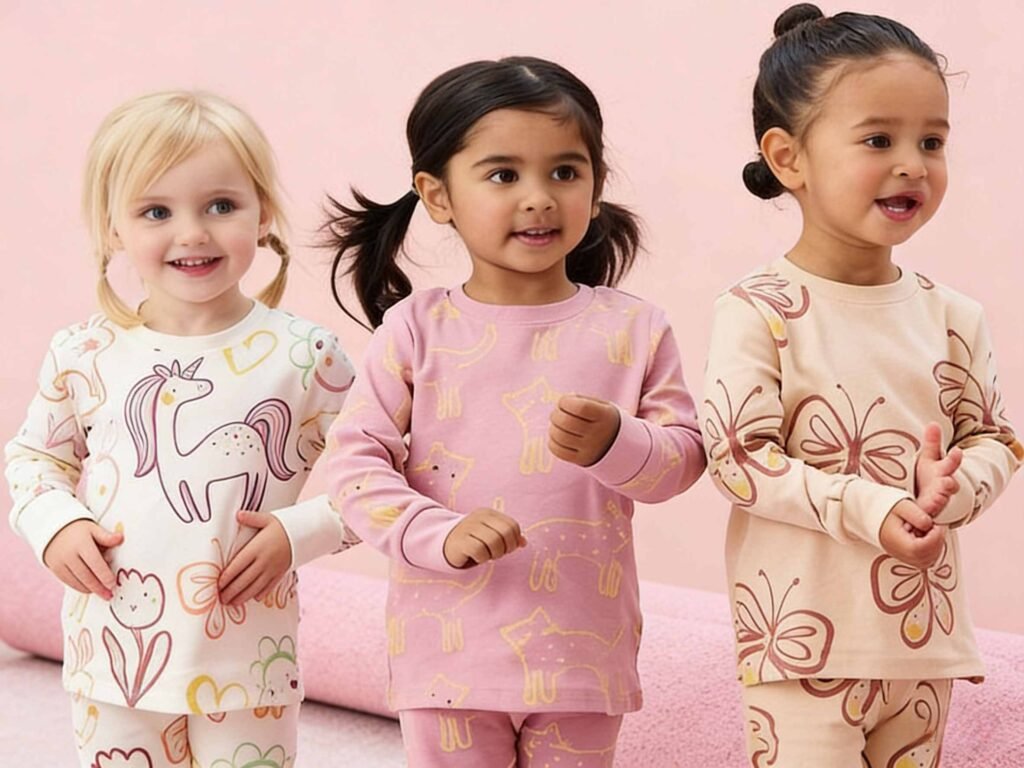
How Does HAPA Support the Selection and Development of Pajama Cloths?
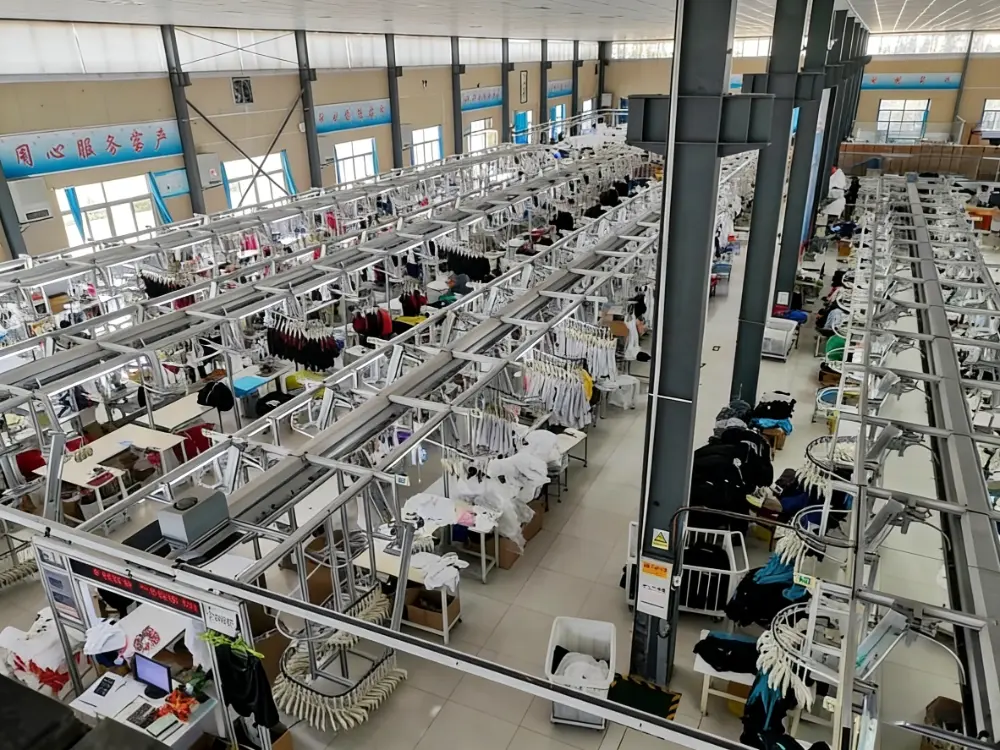
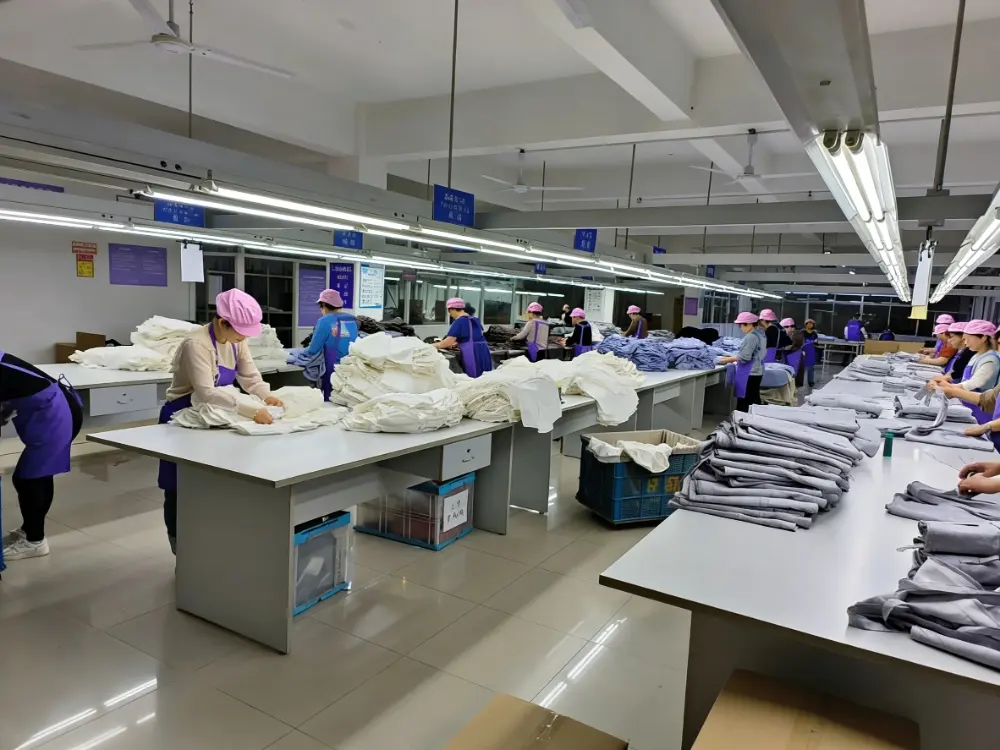
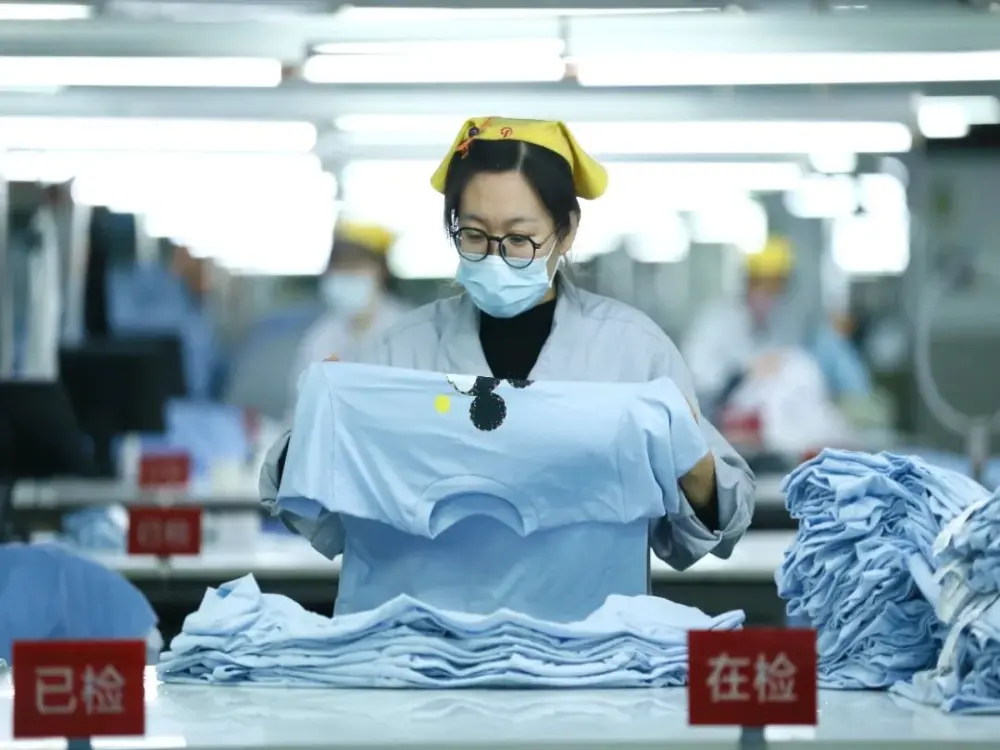
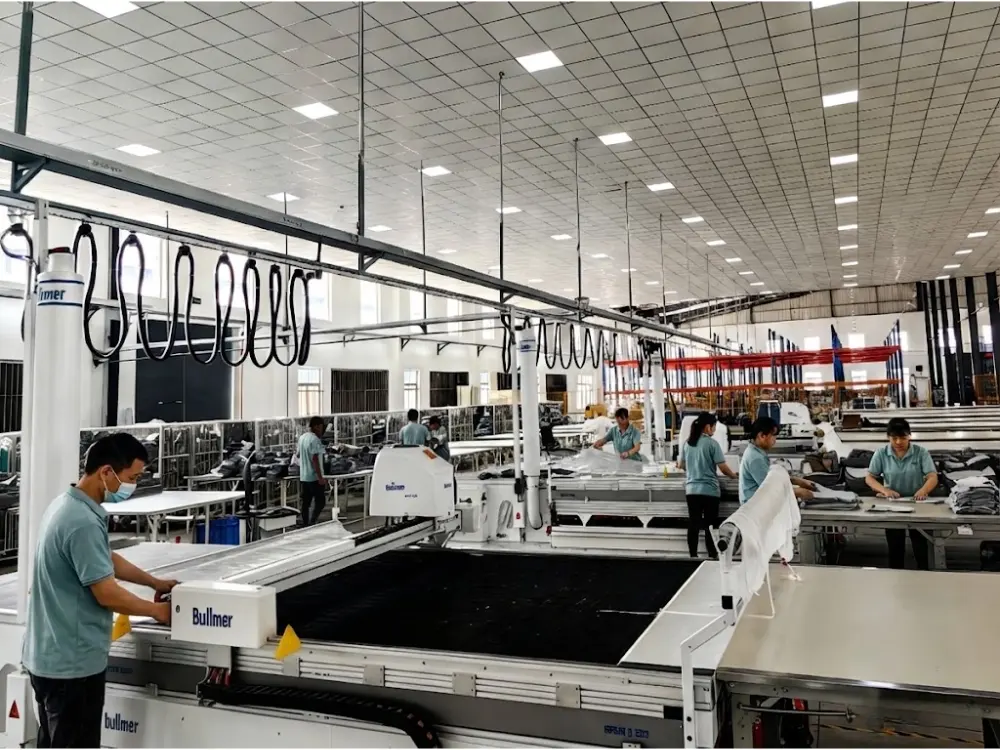
At HAPA, we are well aware of the significance of cloth, and thus source high-quality cloths globally to create the most comfortable children’s pajamas. Our professional expertise ensures that every fabric selected not only meets quality standards but also aligns with your target market and collection goals.
Over the years, we have collaborated with numerous children’s clothing brands. Our accumulated experience in various cloths and production challenges enables us to share practical insights, helping brands select the right cloths and avoid common problems, thereby creating high-quality and successful product lines.
Conclusion
Every cloth offers unique properties, and selecting the right one is essential to creating pajamas that are comfortable, durable, and aesthetically pleasing. Whether for adults or children, comfortable sleepwear ensures the restful, high-quality sleep you deserve.
With deep expertise in textiles, a trusted network of suppliers, sustainable eco-friendly solutions, and dedicated R&D, HAPA is committed to helping children’s apparel brands develop the highest-quality kids’ sleepwear.
FAQ
What is the best material for pajamas?
Cotton is the best overall choice for comfort. It is soft, natural, and allows the skin to breathe. Bamboo is also excellent for regulating body temperature. For cold weather, cotton flannel is the best option to keep warm.
What are most pajamas made of?
Most pajamas are made of cotton, polyester, or a blend of both. Cotton is the standard for everyday comfort. Polyester is often used for fleece pajamas or safety-compliant children’s sleepwear. Premium brands may use silk or modal.
Is 100% cotton or Organic cotton better?
Organic cotton is better than standard cotton. It is grown without toxic chemicals or pesticides. This makes it hypoallergenic and safer for babies with sensitive skin. It is also softer and more durable than regular cotton.
Is 100% polyester good for pajamas?
Polyester is good for durability and warmth. It does not shrink or wrinkle easily. It is widely used in children’s sleepwear because it is naturally flame-resistant. However, it is less breathable than cotton and can trap heat.
What is the most breathable fabric for pajamas?
Bamboo, modal and lightweight cotton are the most breathable fabrics. They allow excess heat to escape from the body. These materials wick moisture away to prevent night sweats. They are the ideal choice for hot sleepers or summer nights.