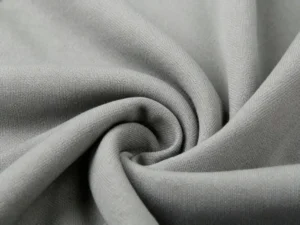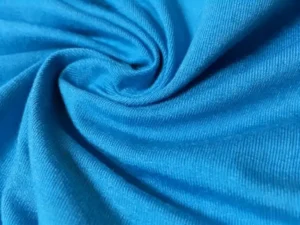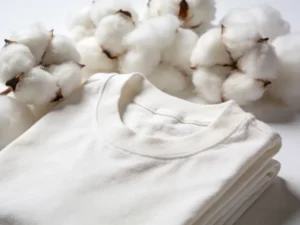
Have you ever looked at a garment’s wash label while shopping and wondered: What is polyamide?You may not know much about it, but chances are, this incredible fabric is already in your closet.
In the textile industry, polyamide is famous for its exceptional strength, flexibility, and soft hand feel.It’s one of the most transformative yet underrated materials of modern times, first synthesized in the 1930s by DuPont chemist Wallace Carothers.
In this complete guide, we’ll dive deep into everything you need to know about polyamide fabric.We’ll explore how it’s made, its key advantages and disadvantages, how it compares to other common fabrics like polyester, and why it has become a top choice for high-quality apparel.
What is Polyamide?
Polyamide is commonly known as nylon in daily life.Items like nylon socks, Velcro, and nylon brushes are all polyamide fiber products.
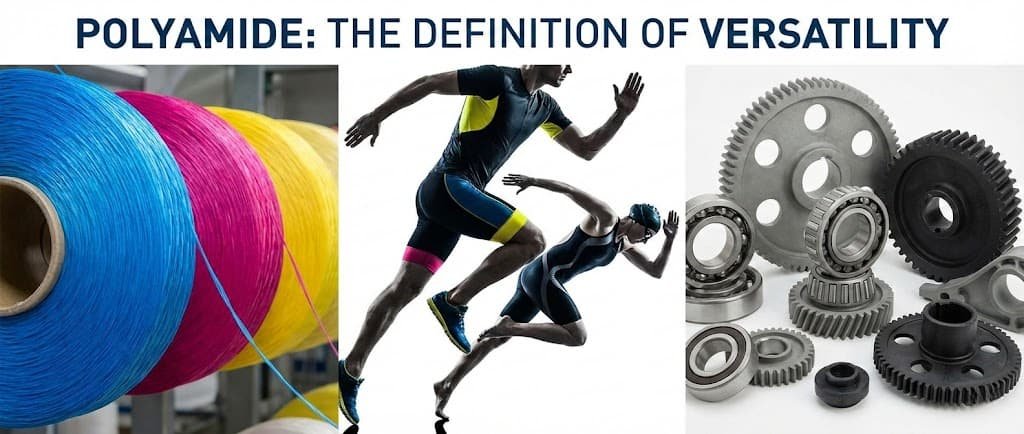
It is a family of polymers containing amide groups in their molecular backbone, usually produced by the polycondensation of dibasic acids and diamines.It is one of the most widely produced and versatile engineering plastics in the world.Thanks to its well‑rounded performance, polyamide is used across many industries: textiles and apparel, engineering plastics and automotive manufacturing, machinery and electronics, packaging, and daily necessities.
Polyamide falls into two categories:
- Naturally occurring — such as human proteins, wool, and silk
- Synthetic — various types of nylon
Natural polyamides are nature’s “luxury materials,” valued for comfort, natural origin, and skin‑friendliness.Synthetic polyamides are products of the industrial age, prized for durability, functionality, and cost‑effectiveness.
In modern fashion design, the two are often blended with each other or with other fibers to combine their best qualities.
How Is Polyamide Fabric Made?
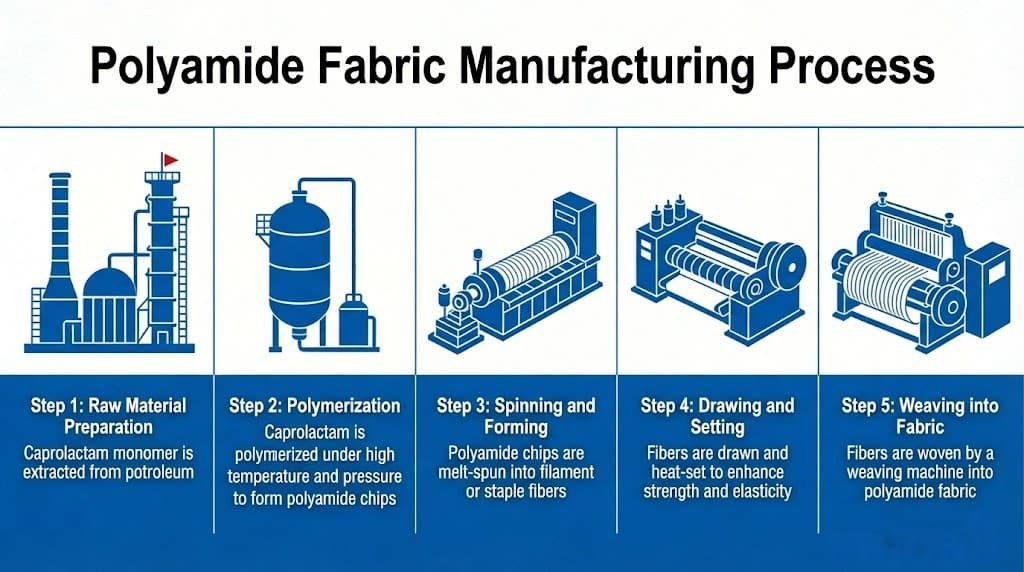
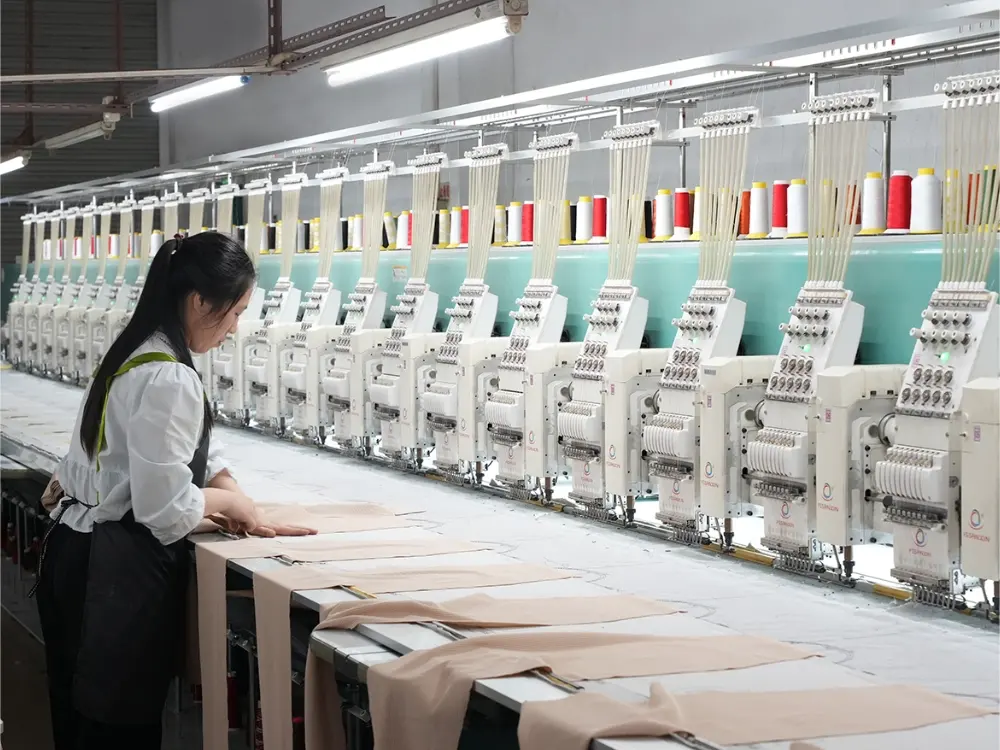
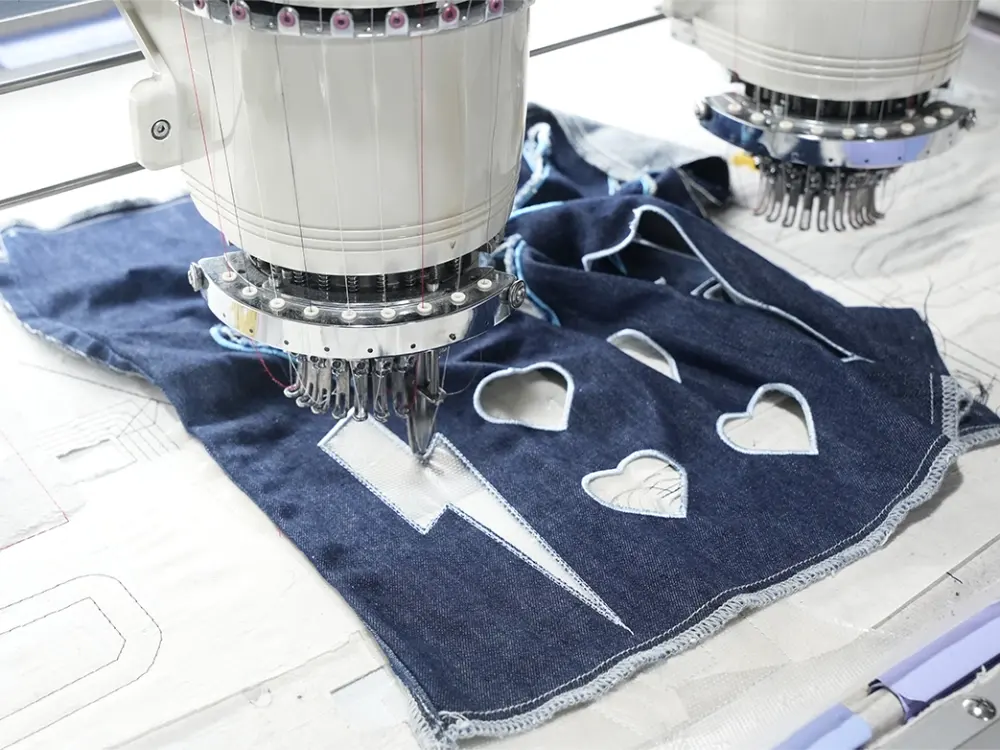
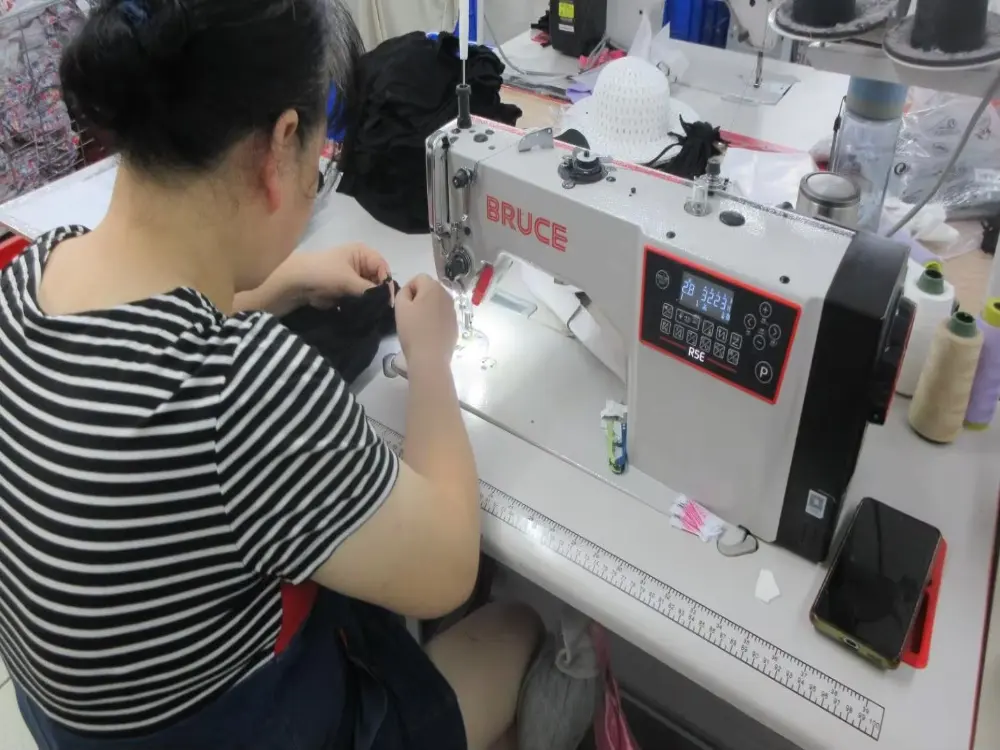
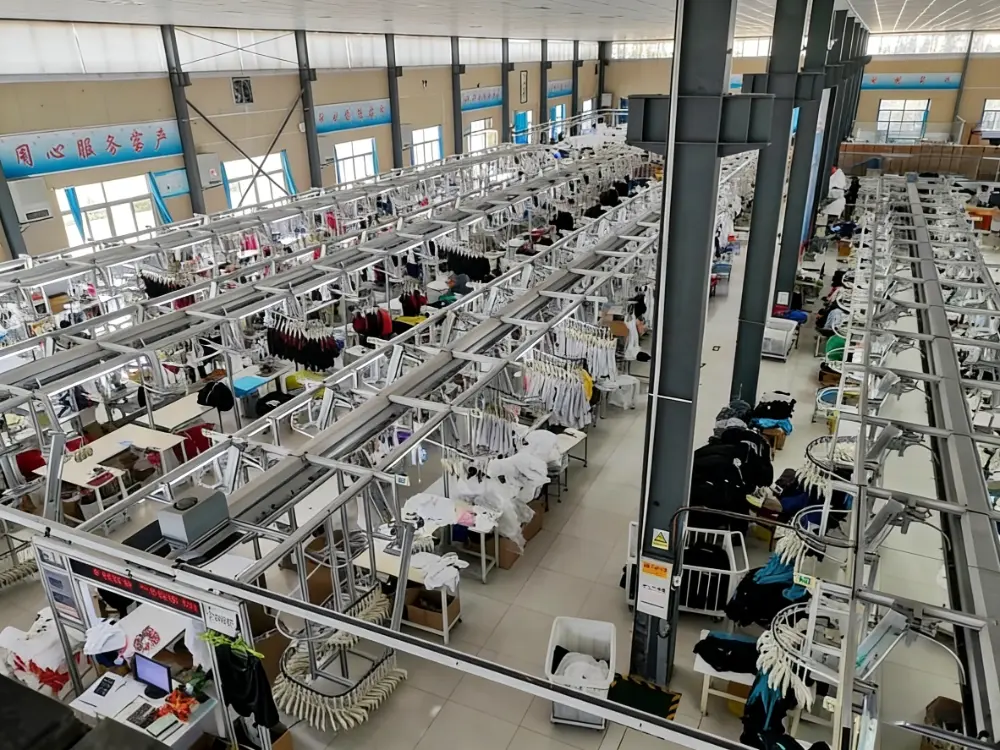
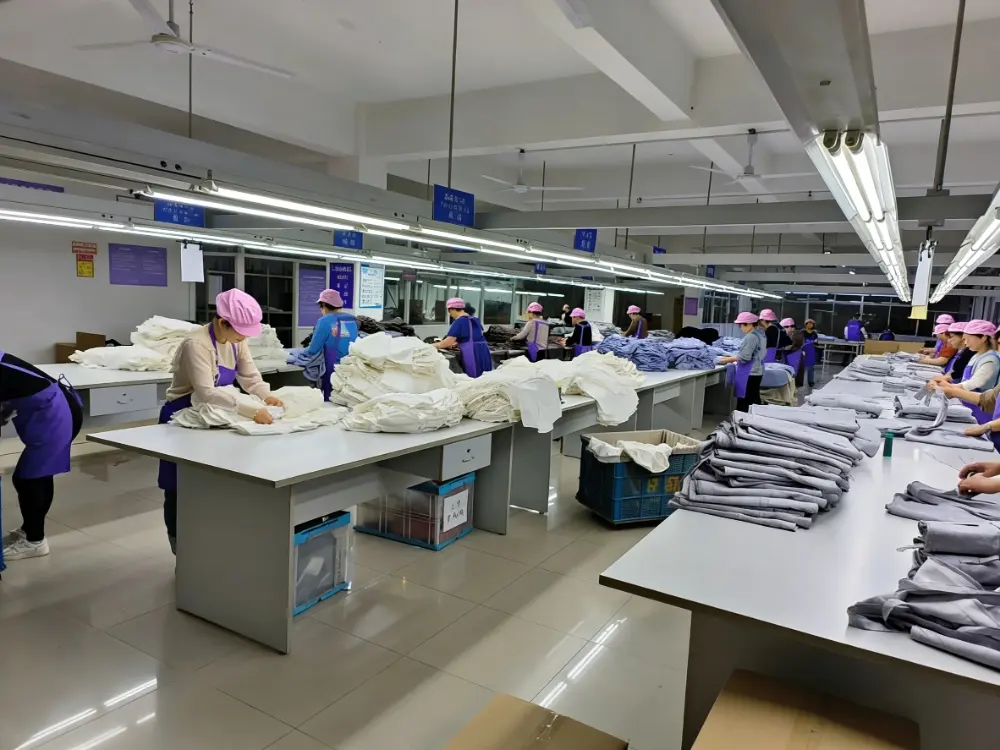
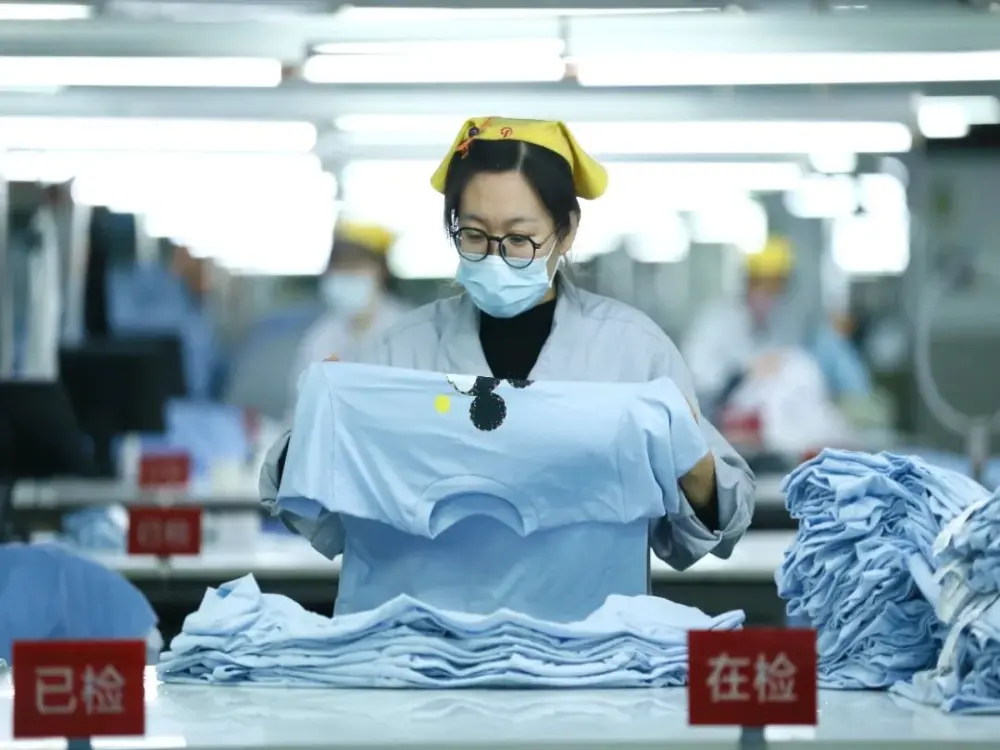
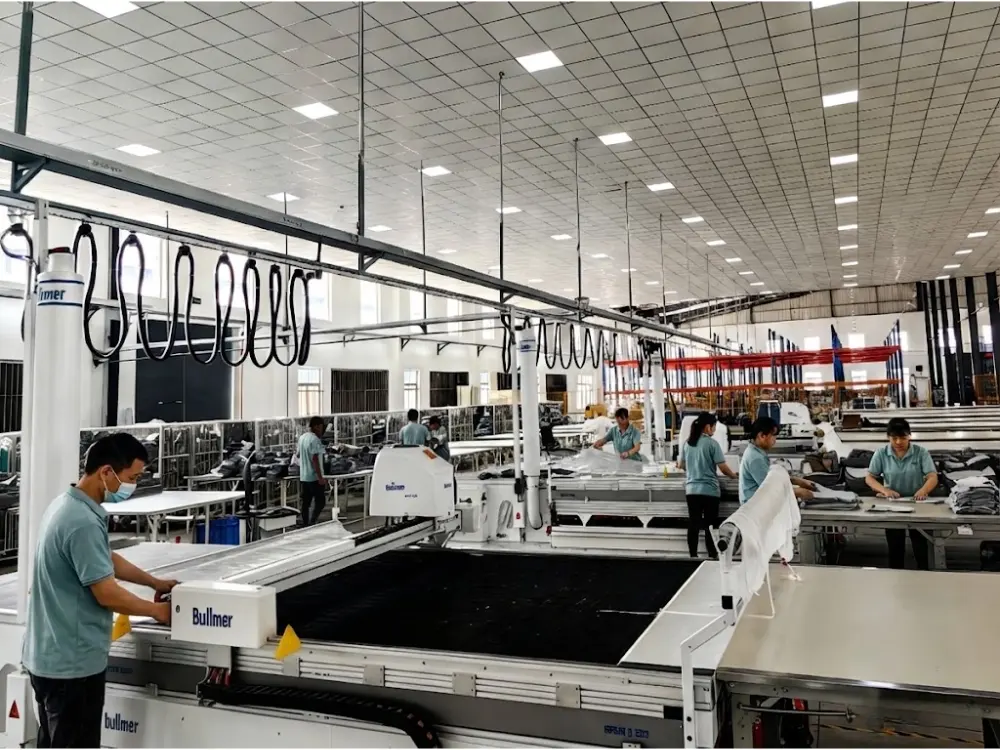
The production of polyamide (nylon) fabric is a fascinating process that transforms chemical raw materials—often petroleum-based—into the clothing and everyday products we use.
Control at every stage directly determines the fabric’s final strength, elasticity, softness, color fastness, and functional performance. This is what makes polyamide ideal for activewear, jackets, swimwear, hosiery, and children’s clothing.
Understanding this sophisticated manufacturing process helps explain why polyamide fibers are so highly valued in the textile industry.
The drawing and heat-setting stage (Step 4) is what gives high-quality polyamide blends excellent tear resistance and structural stability. This ensures garments can withstand active play, frequent wear, and countless machine-wash cycles.
Common Types of Polyamide Fabrics
| Types | Characteristics | Common Uses |
| Nylon 6 | Features a softer touch and good elasticity. It is exceptionally easy to dye, allowing for highly vibrant and saturated colors. Relatively cost-effective. | Activewear, lightweight base layers, brightly colored kids’ t-shirts, leggings, and hosiery. |
| Nylon 6,6 | Has a tighter molecular structure, providing higher tensile strength, tear resistance, and abrasion resistance than Nylon 6. Offers a firmer drape and better heat resistance. | Outdoor jackets, windbreakers, durable trousers, and high-end kids’ outerwear that requires extra toughness. |
| Taslan | The yarns undergo a special air-texturing process that removes the traditional “plastic shine,” giving it a soft, cotton-like feel. Wind-resistant, breathable, and wrinkle-resistant. | Casual jackets, board shorts, lightweight summer shorts, and children’s sun-protective outdoor clothing. |
| Nylon Taffeta | A crisp, plain-weave fabric with a smooth, flat surface and a subtle sheen. Lightweight and often treated with a Durable Water Repellent (DWR) coating. | Lightweight windbreakers, raincoats, outer shells for puffer jackets, and premium, smooth linings for girls’ dresses. |
| Cordura | A patented, high-tenacity nylon fabric renowned for its extreme resistance to tears, scuffs, and abrasions. Highly durable and rugged. | Outdoor backpacks, footwear, heavy-duty workwear, and reinforced splicing (like knee or elbow patches) on children’s play pants. |
| Nylon-Spandex Blend | A blend of nylon and elastane (spandex). It combines the smooth durability of nylon with extreme elasticity (4-way stretch) and excellent shape retention after washing. | Swimwear, athletic leggings, high-stretch quick-dry kids’ t-shirts, and knit dresses designed for high activity. |
For everyday garments like T‑shirts and dresses, pure nylon is generally used for outer protective pieces such as windbreakers.For skin‑friendly, everyday wear, the industry standard is to blend nylon with other fibers to balance durability and comfort.
Common blends include:
- Nylon + spandex: adds stretch and shape retention
- Nylon + cotton: improves breathability and softness
This way, the fabric remains long‑lasting while feeling comfortable against the skin.
The Top Advantages of Polyamide Fabric
When it comes to manufacturing and sourcing high-quality apparel, polyamide consistently ranks as a top-tier material. Here is why this synthetic fiber is highly favored in the textile industry and loved by consumers:
1、Exceptional Durability and Abrasion Resistance
One of the biggest pros of polyamide is its incredible strength. The fibers are highly resistant to wear, tear, and abrasion. For everyday garments that see a lot of action—like kids’ t-shirts and activewear—this means the fabric won’t easily pill or break down, even after countless playground adventures. It is a key reason why brands like HAPA prioritize resilient materials to ensure clothing lasts season after season.
2、High Elasticity and Shape Retention
Does polyamide stretch? Yes, beautifully! It possesses excellent natural elasticity. More importantly, it has excellent “recovery,” meaning it snaps back to its original shape after being stretched. This makes it an ideal choice for fitted garments, activewear, and comfortable girls’ dresses that require freedom of movement without becoming baggy over time.
3、Lightweight and Supremely Soft
Despite its tough durability, polyamide fabric is incredibly lightweight and exceptionally soft to the touch. It drapes elegantly and feels smooth against the skin, providing maximum comfort without weighing the wearer down.
4、Moisture-Wicking and Quick-Drying
Polyamide does not absorb water easily, which allows it to dry much faster than natural fibers like cotton. This moisture-wicking property keeps the wearer dry and comfortable, making it a staple in sportswear and a highly practical choice for parents who appreciate easy-care, quick-drying laundry.
5、Wrinkle and Crease Resistance
Nobody loves ironing! Polyamide is naturally resistant to wrinkling and creasing, meaning garments look fresh, neat, and ready to wear straight out of the closet or the suitcase.
Disadvantages of Polyamide Fabric You Should Know
While polyamide is ideal for durable clothing, no fabric is perfect. Understanding its limitations is key to proper garment care and smart purchasing decisions. Below are the key drawbacks and easy solutions:
High Heat Sensitivity
Polyamide does not withstand high temperatures. Hot water washing or high‑heat ironing can melt, shrink, or damage fibers.
Solution: Always follow the care label! Wash kids’ T‑shirts and dresses in cold or warm water and air‑dry to preserve the fabric.
Prone to Static Electricity
As a synthetic fiber, polyamide easily builds up static, causing clothes to cling to the body, especially in dry or cold weather.
Solution: Use a mild fabric softener during washing, or choose blends with natural fibers.
Less Breathable Than Natural Fibers
Although 100% polyamide has good moisture‑wicking performance, it is less breathable than natural cotton or linen and may trap heat in extreme heat.
Solution: Premium brands rarely use 100% polyamide for daily wear. Blending with cotton or spandex creates fabrics that are durable, stretchy, soft, and breathable — perfect for high‑quality girls’ dresses.
Environmental Impact
Traditional polyamide is petroleum‑based, non‑biodegradable, and energy‑intensive to produce.
Solution: Eco‑conscious brands now use recycled polyamide, often made from discarded fishing nets and industrial plastic, offering the same performance with a much lower environmental footprint.
Higher Cost Than Other Synthetics
Producing polyamide (nylon) is more complex and resource‑heavy than polyester, so it usually costs more.
However, for buyers and parents seeking long‑lasting kids’ wear, the extended lifespan makes the initial investment highly cost‑effective.
Uses of Polyamide: Top Applications Across Industries
Polyamide combines exceptional tensile strength, flexibility, and light weight, making it extremely versatile. It can be found everywhere, from the clothes we wear to the cars we drive. Let’s explore its amazing applications in two major fields.
Polyamide in Textiles & Fashion
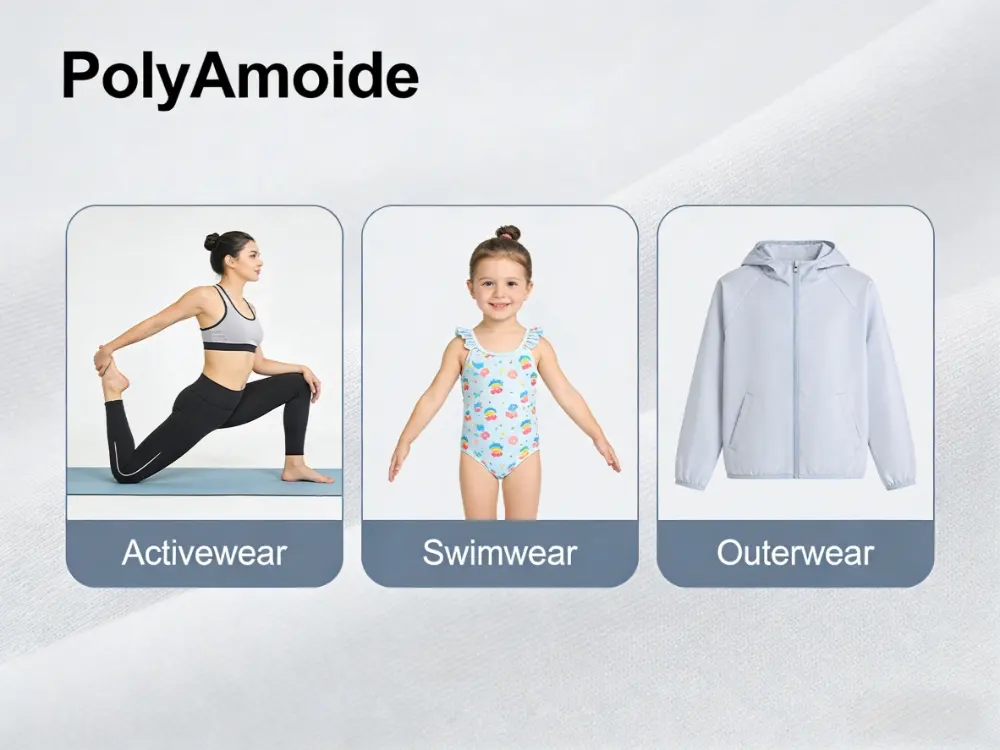
In apparel, polyamide (nylon) is an essential fabric. It is rarely used alone for everyday clothing; instead, it is often blended with fibers like cotton, wool, or spandex to improve overall quality.
Here are its main fashion applications:
- Activewear: Lightweight, stretchy, and moisture-wicking, polyamide is ideal for yoga pants, athletic shorts, and high-performance sports bras.
- High-end children’s clothing: Kids are highly active, so their clothes need extra durability. Adding polyamide to girls’ dresses or boys’ T-shirts greatly improves wear and tear resistance. At HAPA, we know high-strength synthetic fibers help clothes withstand playground use and repeated washes while retaining shape and color.
- Swimwear: Low water absorption and fast drying make polyamide the industry standard for swim and beachwear.
- Hosiery & lingerie: Nylon’s ultra-smooth feel and excellent elasticity make it perfect for sheer stockings, tights, and soft seamless underwear.
- Outerwear: Its tightly woven structure provides wind and water resistance, ideal for windbreakers, lightweight raincoats, and winter jacket linings.
Industrial & Automotive Applications
Beyond fashion, polyamide’s toughness makes it a top-performing engineering plastic. Industrial-grade polyamide (such as Kevlar or high-grade PA66) withstands heavy mechanical stress.
Common heavy-duty uses:
- Automotive parts: Used widely to reduce weight without losing strength, in engine covers, radiator grilles, intake manifolds, and even tire cords.
- Life-saving equipment: Its incredible tensile strength makes it essential for airbags, seat belts, climbing ropes, and parachutes.
- Everyday household items: It’s the standard material for toothbrush and comb bristles. It’s also used in fishing line, heavy-duty umbrellas, and luggage.
- Industrial machinery: Used in durable gears, bearings, and conveyor belts due to self-lubricating properties and high wear resistance.
Polyamide vs. Polyester: What’s the Difference?
When sourcing fabrics or shopping for durable clothing, you’ll often encounter two main synthetic materials: polyamide (nylon) and polyester.
Both are petroleum-based synthetic polymers, so they share key similarities:they’re lightweight, wrinkle-resistant, and more durable than many natural fibers.
However, they are produced using different processes and perform very differently when worn.
Below is a clear comparison of these two high-performance fabrics.
| Feature | Polyamide / Nylon | Polyester |
| Durability & Strength | Extremely high (Exceptional abrasion resistance) | High (Good durability, but less resistant to abrasion) |
| Stretch & Elasticity | Excellent (High stretch and superior shape recovery) | Low to Moderate (Retains shape well but less stretchy) |
| Softness & Feel | Very soft, smooth, and silky to the touch | Can feel slightly rougher or stiffer |
| Water Absorbency | Absorbs some moisture (but still dries quickly) | Highly hydrophobic (Repels water almost entirely) |
| Heat Resistance | Low (Can melt or shrink under high heat) | High (Handles hot washing and ironing better) |
| Cost | Generally more expensive to manufacture | Highly cost-effective and affordable |
Which Fabric is Better for Your Needs?
Choosing between polyamide and polyester depends entirely on the purpose of the garment.
When to Choose Polyamide
Polyamide is the clear winner when it comes to stretch, softness, and superior durability.With an incredibly smooth feel, it’s ideal for high-quality garments that need to support active movement.
For activewear, premium hosiery, or beautifully designed girls’ dresses, polyamide blends offer unbeatable elasticity and natural drape, without irritating the skin.Its excellent tear resistance also makes it perfect for children’s clothing—especially garments meant to withstand intense play.
When to Choose Polyester
Polyester excels in water resistance, heat resistance, and affordability.Thanks to its high hydrophobicity, it’s great for heavy outerwear, raincoats, and budget-friendly sportswear.It also has excellent color fastness, so bright shades stay vibrant longer.Additionally, it can withstand higher washing temperatures, making it a practical, easy-care choice for everyday economical clothing.
The Ultimate Solution: Blending
In modern textile manufacturing, you don’t have to pick just one fabric.Many high-quality garments combine polyamide and polyester—often with a small amount of cotton or spandex—to get the best of both worlds:the softness and stretch of polyamide, plus the heat resistance and color stability of polyester.
Is Polyamide Suitable for Children’s Clothing?
Yes, polyamide is not only suitable for kids’ wear—it’s a widely used, high-performance fabric in the children’s apparel industry.Many well-known brands rely on polyamide for functional, durable children’s clothing.

However, we do not recommend 100% pure polyamide for daily kids’ wear.Instead, it should be blended with natural fibers like cotton, or with a small amount of spandex, to create the ideal fabric for children.
Here’s why it has become a top choice for kids’ clothing:
- Exceptional durability: Kids are highly active and hard on clothes.Polyamide’s excellent wear resistance means elbows on T‑shirts and hemlines on girls’ dresses won’t easily fray or tear, even after frequent playground use.
- Stretch and comfort: Children need full freedom to move.Polyamide’s natural elasticity allows garments to stretch comfortably with movement and retain their shape—without sagging at the knees or neckline.
- Easy for parents to care for: Kids get messy, but polyamide is fast‑drying and wrinkle‑resistant, making laundry simpler for busy parents.
At HAPA, we understand that children’s wear requires careful balance.A beautiful girls’ dress must not only look perfect but also stand up to daily life.We thoughtfully use polyamide blends in our collections to ensure garments are soft and comfortable for kids, while delivering the durability parents expect.
Environmental Impact: Is Polyamide Sustainable?
Traditional polyamide is a petroleum‑based synthetic material.This means it is not biodegradable, and its production consumes large amounts of energy. However, with the rise of recycled polyamide — such as ECONYL® — the textile industry is actively moving toward a more eco‑friendly future.
By recycling ocean plastic, discarded fishing nets, and industrial waste, manufacturers can now produce fabric with the same high strength and silky softness as virgin polyamide, while greatly reducing greenhouse gas emissions and minimizing the overall environmental footprint.
Beyond production, polyamide’s exceptional durability offers a very practical way to support sustainability:fighting the waste caused by fast fashion.When you invest in high‑quality children’s clothing — like a durable kids’ T‑shirt or a beautifully designed girls’ dress — polyamide ensures the garment resists tearing and can withstand hundreds of washes.
At HAPA, we believe that creating long‑lasting, wearable pieces that can be passed down through generations is a key step in reducing textile waste.Ultimately, buying higher‑quality garments means buying less often — and that is the true meaning of sustainability.
How to Wash & Care for Polyamide Clothing
Whether you’re cleaning a delicate girls’ dress or a well-loved kids’ T‑shirt, follow these simple rules to keep polyamide garments looking like new:
Wash in cold or warm water
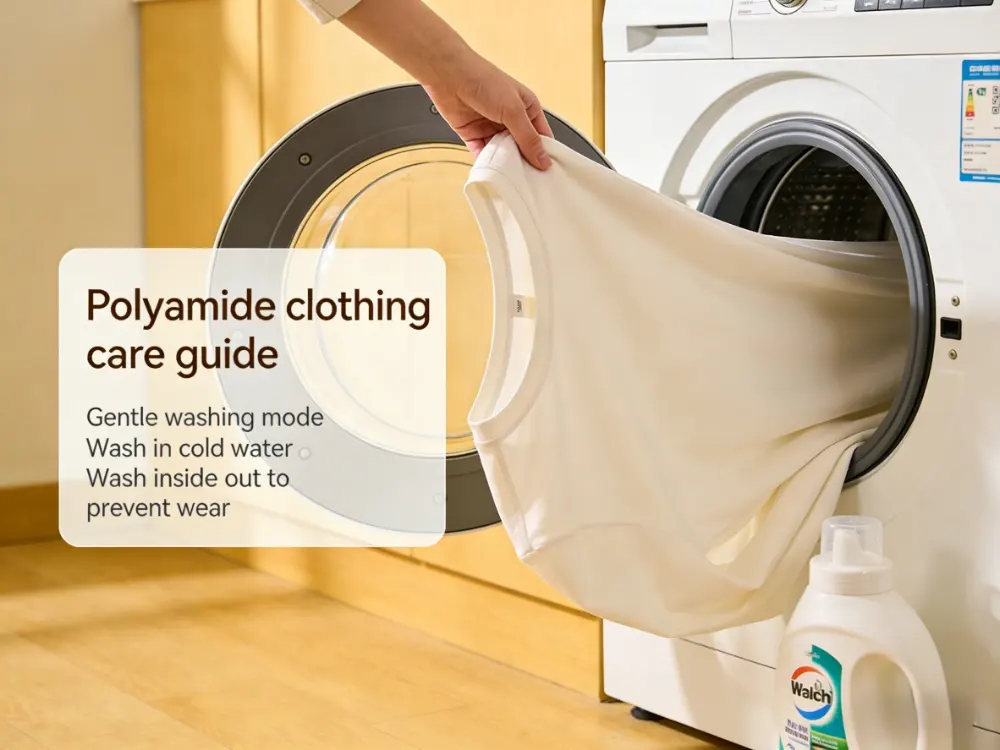
Always check the care label first. As a general rule, wash polyamide in cold or warm water (max 30°C / 86°F).Hot water can melt synthetic fibers, causing shrinkage and loss of elasticity.
Use the gentle cycle
To prevent snags or pilling — especially with blended or delicate fabrics — wash polyamide on the gentle or delicate cycle.Use mild detergent and avoid bleach or harsh chemicals, which can damage the fibers.
Air dry whenever possible
Polyamide is low-absorbent and dries very quickly.The safest and most eco-friendly method is to hang or lay flat to dry.If you must use a dryer, set it to the lowest heat setting — high heat will damage the fabric.
Iron carefully (if needed)
Polyamide is naturally wrinkle-resistant, so ironing is rarely needed — a big plus for busy parents!If wrinkles appear, use the lowest heat setting (marked “nylon” or “synthetic”) and iron inside out.A light steam iron also works well.
Reduce static
Static can occur with synthetic fabrics.Easily fix this by adding a small amount of fabric softener during washing, or using dryer sheets on low heat.
Conclusion
By reading this guide, you now have a complete understanding of polyamide — a fabric that combines durability, comfort, and long-lasting performance with unique advantages that natural fabrics cannot easily match.
Whether you’re a parent looking for hard‑wearing kids’ T‑shirts that hold their shape after countless washes, or a retailer sourcing premium girls’ dresses that blend elegant style with exceptional durability, understanding the fabrics you choose is always the smartest decision.
At HAPA, we are committed to creating high‑quality children’s clothing that is both beautiful and truly long‑lasting.We carefully select premium fabric blends — including high‑grade polyamide — to ensure every garment meets the highest standards for children’s comfort, safety, and durability.
FAQ
Is polyamide the same as nylon?
Yes, nylon is a specific type of polyamide. You can think of polyamide as the broad “family” of synthetic fibers, and nylon is simply the most famous member of that family. While all nylon is polyamide, there are other specialized types of polyamide used for industrial and high-performance wear.
Is polyamide material stretchy?
Yes, polyamide has excellent natural elasticity. It stretches easily with the body and returns to its original shape without stretching out permanently. To make it even more flexible for items like swimwear, hosiery, or athletic wear, manufacturers frequently blend it with a small amount of spandex or Lycra.
Is polyamide toxic or safe for skin?
Polyamide is completely safe for the skin and non-toxic. It is widely used in everyday clothing that sits directly against the skin, including underwear and sportswear, because it is soft and non-irritating. Because it is a synthetic fiber, people with highly sensitive skin or specific synthetic allergies might prefer natural fabrics, but it is standard and safe for the general public.
Is polyamide waterproof?
Polyamide is water-resistant, but not naturally waterproof. It repels light water, absorbs very little moisture, and dries extremely quickly. However, in a heavy downpour or when completely submerged, water will eventually soak through unless the fabric has been treated with a special chemical waterproof coating.