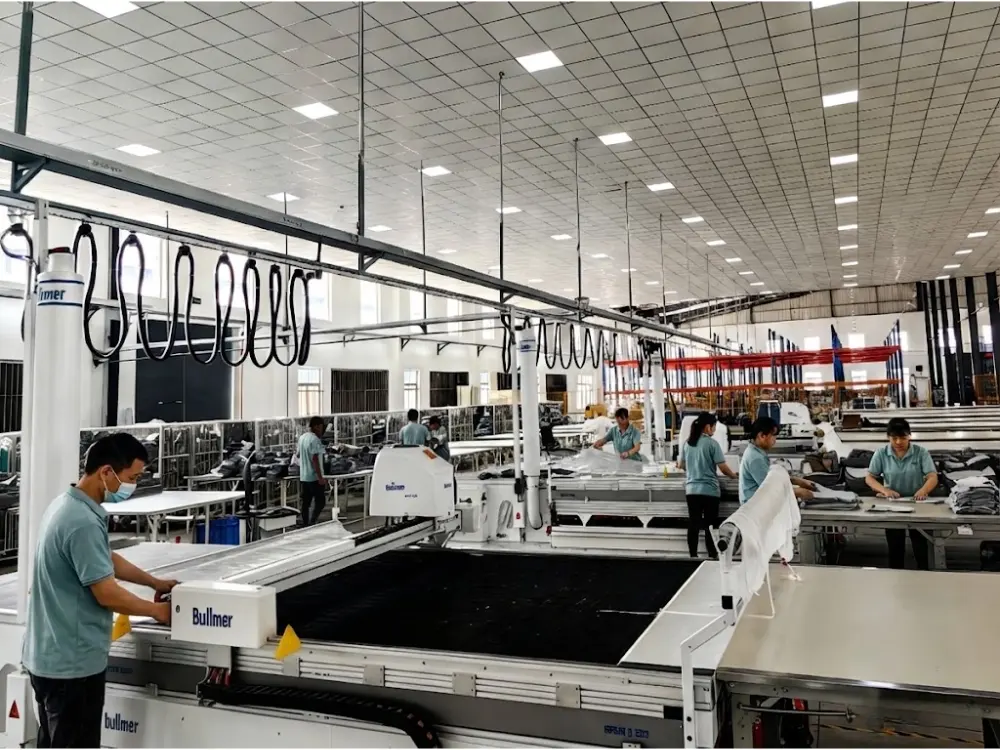
Cotton is the most popular natural fabric in the textile industry. However, traditional farming relies heavily on chemicals. It consumes about 16% of the world’s insecticides and 7% of all pesticides.
That “100% Cotton” label comes at a high price. The production process pollutes water sources and damages the soil. Worse, chemical residues often remain on the fibers. This poses a hidden risk to a child’s delicate skin. What looks safe can actually be harmful.
Organic cotton is a cleaner alternative. It is purer, softer, and more durable.
Are you ready? I will take you through the essentials of organic cotton. This guide provides a practical, deep dive into organic cotton. It covers everything you need to know to make the right choice.
What is Organic Cotton?
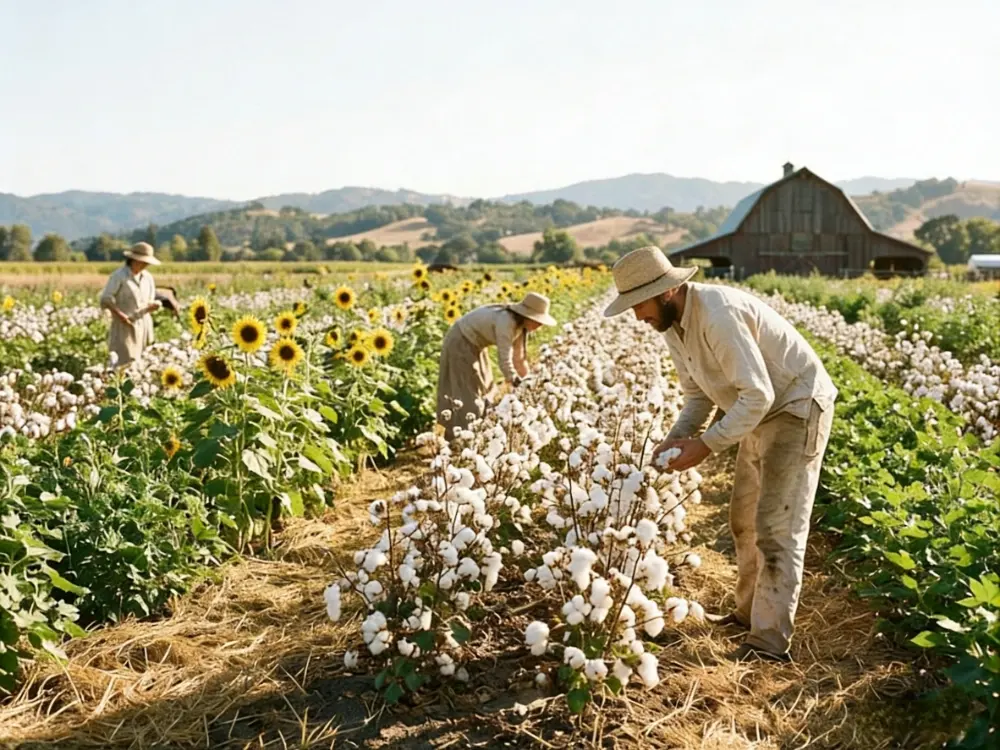
Organic cotton is not a variety of cotton, but a method of cultivation and certification standard.
It is grown without synthetic pesticides, fertilizers, or GMO seeds. It adheres to strict ecological standards from the very start.
Certification Matters To be genuine, organic cotton must pass a strict chain of supervision. Look for these two gold standards:
- GOTS (Global Organic Textile Standard): The highest standard for processing and social compliance.
- OCS (Organic Content Standard): Verifies the amount of organic material in the final product.
The Result The final fabric is durable and low-allergenic. It complies with the strictest safety regulations. For high-end markets—especially children’s clothing—this level of safety and quality is essential.
The Core Value of Organic Cotton
Organic cotton creates a sustainable loop. It benefits everyone involved: the environment, the farmers, and the consumer. It is a win-win system.
Safer for Sensitive Skin
This is the main reason people switch. Organic cotton grows without toxic pesticides. It isn’t processed with harsh stuff like formaldehyde. The result? It is hypoallergenic. If your baby fights eczema or has sensitive skin, this is a lifesaver. No chemicals means no irritation.
Softer and More Comfortable
Touch it and you’ll know. Traditional cotton gets battered by chemicals during processing. That breaks down the fibers. Organic cotton keeps its natural structure. The fibers stay thick and soft. It feels amazing against your skin and breathes better than standard fabrics.
Built to Last
Organic cotton has a unique feel. Because the fibers aren’t damaged by chemicals, they stay strong. You can wash organic cotton clothes again and again. They won’t lose their shape or get thin and ragged. It saves you money in the long run because you buy less.
Protects the Environment
It actually helps the planet. Organic farming builds up healthy soil. It also uses way less water—up to 91% less than regular cotton—because it relies mostly on rain. Plus, it keeps toxic runoff out of local rivers. It’s clean farming.
Ethical Production
Going organic supports the farmers. Standards ensure a safer working environment free from dangerous toxins.
Farmers are not exposed to hazardous chemicals. They also avoid the heavy debt often caused by buying expensive GMO seeds and synthetic sprays.
Is it healthier to wear organic cotton?
Yes,wearing organic cotton is often healthier than wearing standard cotton. This benefit isn’t just in the fiber itself. It comes from strict production standards. These standards offer extra protection for your skin.
Also, organic cotton breathes better. It allows air to circulate freely. This keeps your skin dry and comfortable. It helps prevent rashes, too. If you sweat easily, organic cotton is a great choice.
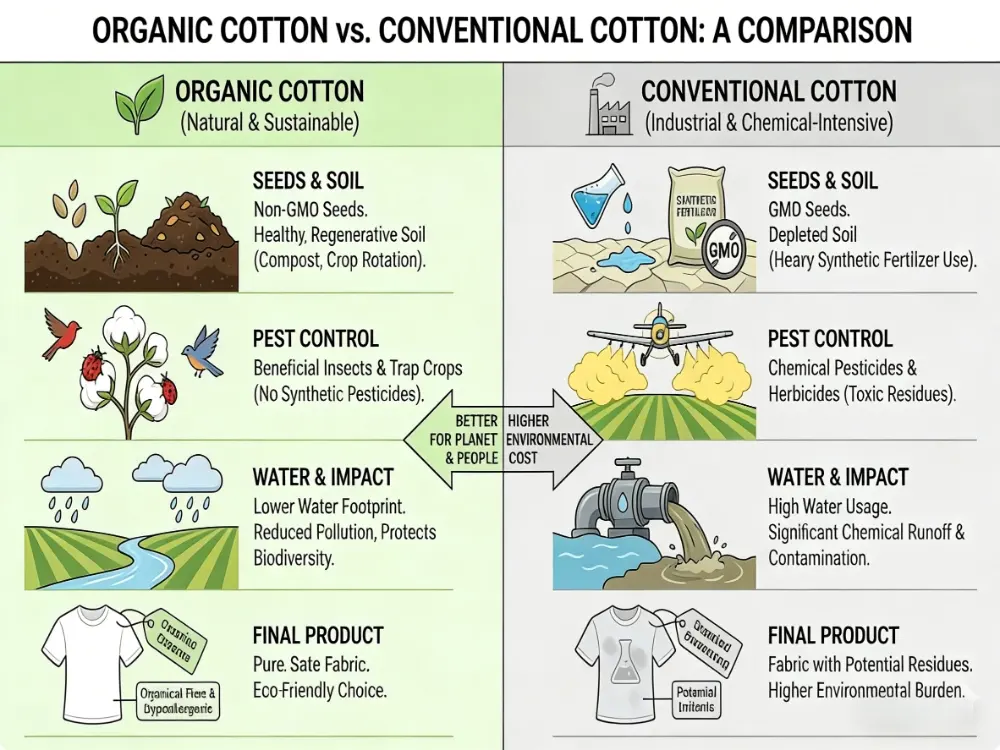
Organic Cotton vs. Conventional Cotton: The Key Differences
| Feature | Organic Cotton | Conventional Cotton |
| Seeds | Natural, Non-GMO Seeds Grown from untreated seeds. | Genetically Modified (GMO) Modified to resist pests/chemicals. |
| Chemical Use | No Toxic Chemicals Uses natural pest control (insects, trap crops) and organic fertilizers (compost). | Heavy Chemical Use Relies on synthetic pesticides, herbicides, and artificial fertilizers. |
| Water Usage | 80% Rain-Fed Healthy soil retains water better, reducing irrigation needs significantly. | Intensive Irrigation Damaged soil requires massive amounts of pumped water. |
| Soil Health | Builds Soil Quality Crop rotation and composting keep soil nutrient-rich and carbon-absorbing. | Degrades Soil Monoculture farming strips nutrients and leads to erosion. |
| Processing | Safe Manufacturing No toxic bleaches, formaldehyde, or heavy metals. Low-impact dyes only. | Chemical Processing Often treated with chlorine bleach, harsh dyes, and softeners. |
| Impact on Skin | Hypoallergenic & Soft Safe for sensitive skin and babies. Fiber remains strong and pure. | Potential Irritant Chemical residues can cause rashes or eczema. Fabric may feel rougher. |
The Global State of Organic Cotton
According to the latest report from the Textile Exchange, global organic cotton production has hit approximately 772,000 tons (based on the 2022/23 harvest).
This is a solid increase compared to previous years. However, here is the reality check: it still accounts for just 3.2% of the total global cotton supply.
You might see stats saying “sustainable cotton” holds a 34% market share. But strictly certified organic cotton? That remains a very niche category.
Where is it grown?
Surprisingly, over 95% of organic cotton comes from just a handful of countries.
- India is the top producer, growing nearly half of the world’s supply.
- Turkey and China are next in line.
- Countries like Kyrgyzstan and Tanzania also contribute.
This geographic concentration creates risks. It can lead to sudden swings in the supply chain.
Because of this, brands need to pay attention. It is vital to use standards like GOTS to trace the origin of materials and verify they are the real deal.
The Uses of Organic Cotton
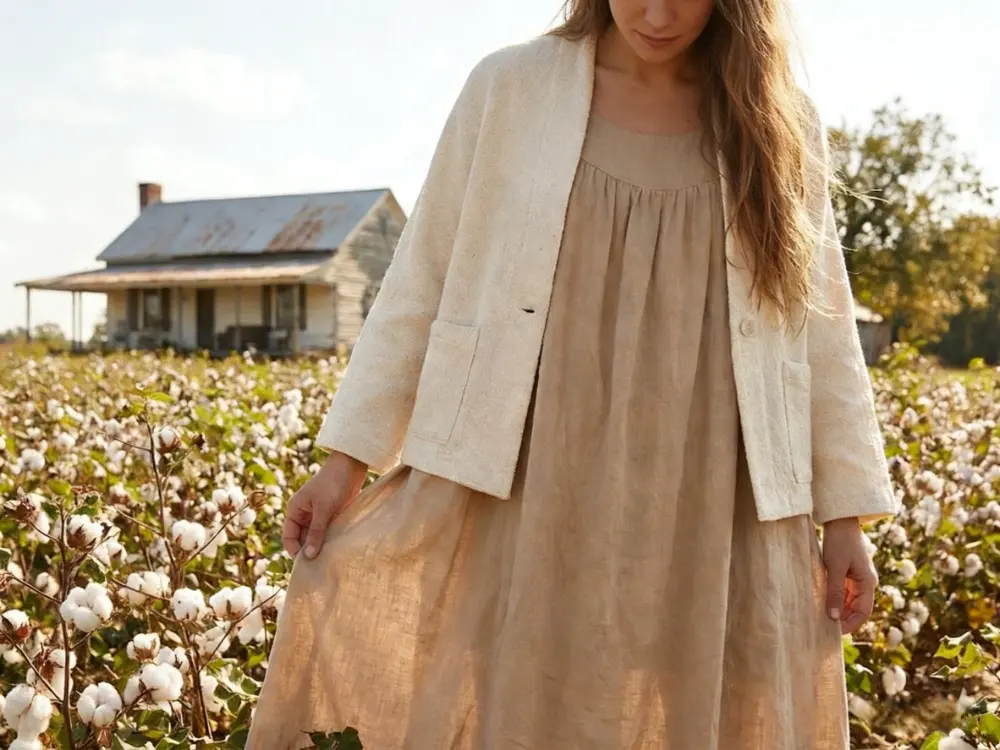
Organic cotton is incredibly versatile. You can find it in almost every type of clothing.
Farmers do not use harmful chemicals to grow it. This makes it perfect for items that touch your skin directly. Because of this, it is the top choice for baby clothes, such as:
- Onesies
- Bibs
- Pajamas
Parents often prefer organic options. It simply feels safer for a child’s delicate skin.
It is not just for fashion. You will see organic cotton widely used in home textiles and personal care products too.
Check your bedroom. It is very popular for bed sheets and duvet covers. You can also find it in soft bath towels and robes. Even in the kitchen, the material is durable enough for everyday items like aprons and napkins.
The growing use of organic cotton shows a real change in how we live.
It is more than just a product on a shelf. It represents a shift toward sustainable living. Choosing organic connects eco-awareness with a focus on personal health and care.
Is Organic Cotton Expensive?
Organic cotton is undoubtedly a great choice, but we have to talk about the cost. Whether you are a shopper or a clothing brand, you will notice that organic cotton is generally more expensive than regular cotton.
In fact, the raw material alone often costs 20% to 30% more, and this naturally leads to a higher price tag on the final garment.
So, why is there such a price difference? Here are the three main reasons.
It Requires More Labor
Farming organic cotton is labor-intensive because farmers cannot use chemical herbicides or synthetic fertilizers to take shortcuts.
Instead, they often have to weed fields by hand and use natural methods to fight pests. This manual process takes significantly more time and physical effort than conventional farming.
Lower Crop Yields
Since organic farmers don’t use chemical boosters to speed up growth, their farms naturally produce less cotton per acre.
This means they need more land to harvest the same amount of fiber compared to regular crops, which drives up the cost.
Strict Certification Costs
Selling cotton as “organic” isn’t free; it requires proof. The cotton must undergo strict testing and inspections to get certified, such as meeting GOTS standards.
On top of that, organic cotton must be stored and processed separately from regular cotton to avoid contamination. This extra care adds to the logistics and storage costs.
Is Organic Cotton Worth the Investment?
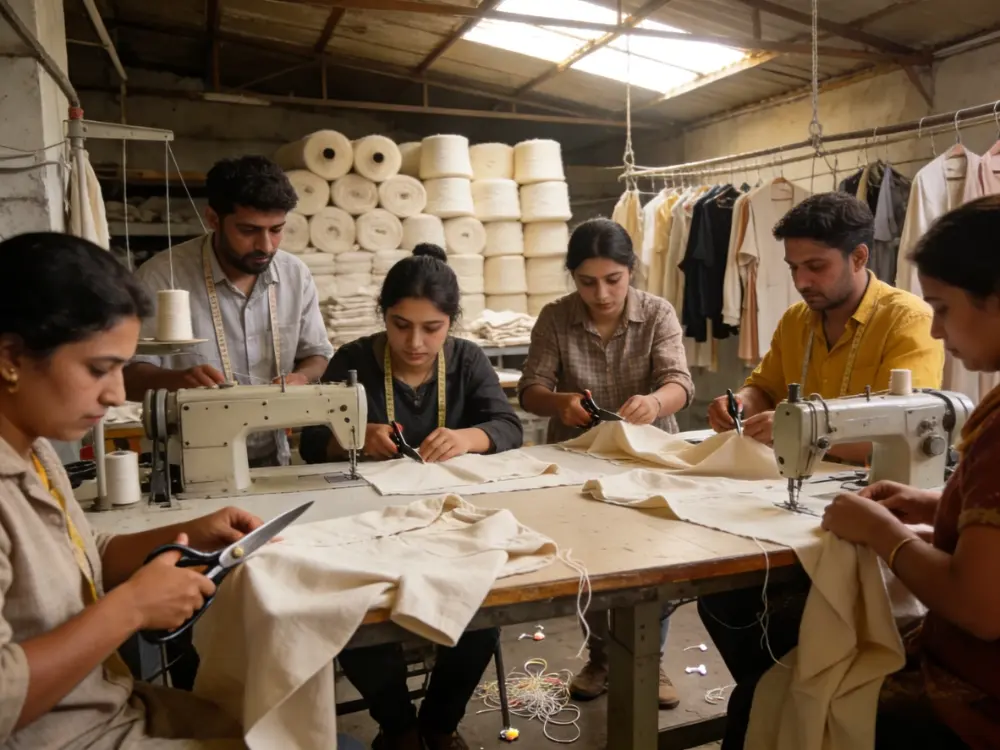
Switching to organic cotton is more than a trend. It changes your entire business model. It impacts everything from your reputation to your bottom line. Here is why it matters.
Win the Trust of Parents
Modern parents obsess over safety. They check labels. Organic cotton immediately signals that your clothes are safe and chemical-free. This is a massive selling point. It builds instant trust. That trust turns new customers into loyal, repeat buyers.
Enter the Premium Market
Yes, organic fabric costs more to source. However, it allows you to charge premium prices. Parents will pay extra for the “peace of mind” that comes with a GOTS certification. Focus on the durability and softness of the fiber. This strategy protects your profit margins.
Clear Up Your Supply Chain
Using organic cotton requires strict certifications like GOTS or OCS. This forces you to track your fiber from the farm to the finished garment. It creates a standardized, transparent supply chain. This protects you from “greenwashing” claims. It also keeps you compliant with global sustainability laws.
Stand Out from the Crowd
The children’s clothing market is crowded. Fast fashion dominates the low-price sector. Don’t fight a price war you can’t win. Use organic cotton to differentiate your brand. Compete on quality and values, not just price. You will attract customers who actually value what you make.
Final Thoughts
Organic cotton is no longer just a trend. It is the mark of quality in children’s wear. Today, parents prioritize safety and sustainability above all else. Organic cotton is the perfect solution for these demands.
For brands, this material builds a strong reputation. It also sets you apart from generic fast fashion.
HAPA supports new children’s clothing brands. We provide professional OEM/ODM services and design support. We strictly select durable, non-toxic, and eco-friendly fabrics that parents trust.
Is your brand ready to enter the organic market? Contact us today. Get your free design plan and customized samples.
FAQ
Is organic cotton better than pure cotton?
Yes, organic cotton is generally better than standard pure cotton. It is grown without harmful pesticides or synthetic fertilizers. This makes the fiber softer and more durable. It is also hypoallergenic, making it the safest choice for babies with sensitive skin.
What is 100% organic cotton?
100% organic cotton is cotton grown from non-GMO seeds. The farming process uses natural methods to control pests instead of toxic chemicals. It requires less water than conventional cotton farming. To be certified, it must meet strict global standards like GOTS.
Is 100% organic cotton non-toxic?
Yes, certified 100% organic cotton is non-toxic. It is free from formaldehyde, heavy metals, and harsh bleaches often found in regular cotton. The manufacturing process avoids toxic dyes. This ensures the fabric is safe for direct contact with delicate skin.
Does organic cotton shrink?
Yes, organic cotton can shrink. It does not contain synthetic anti-shrink chemicals or resin finishes. You should expect about 5% to 10% shrinkage after the first wash. To minimize this, wash in cold water and air dry or tumble dry on low heat.