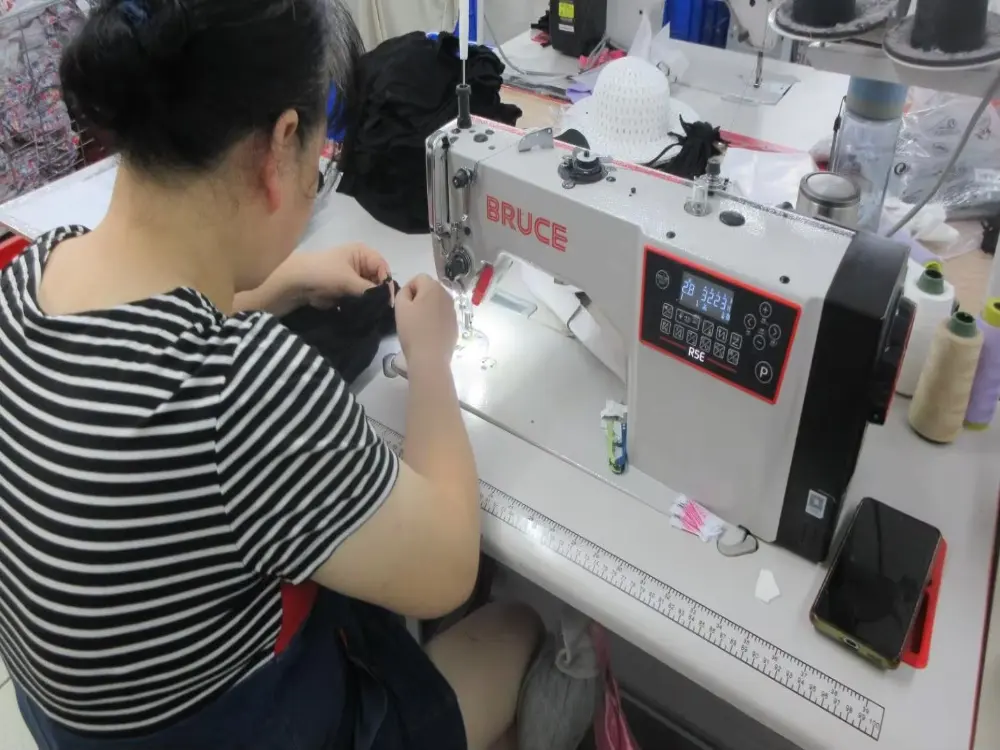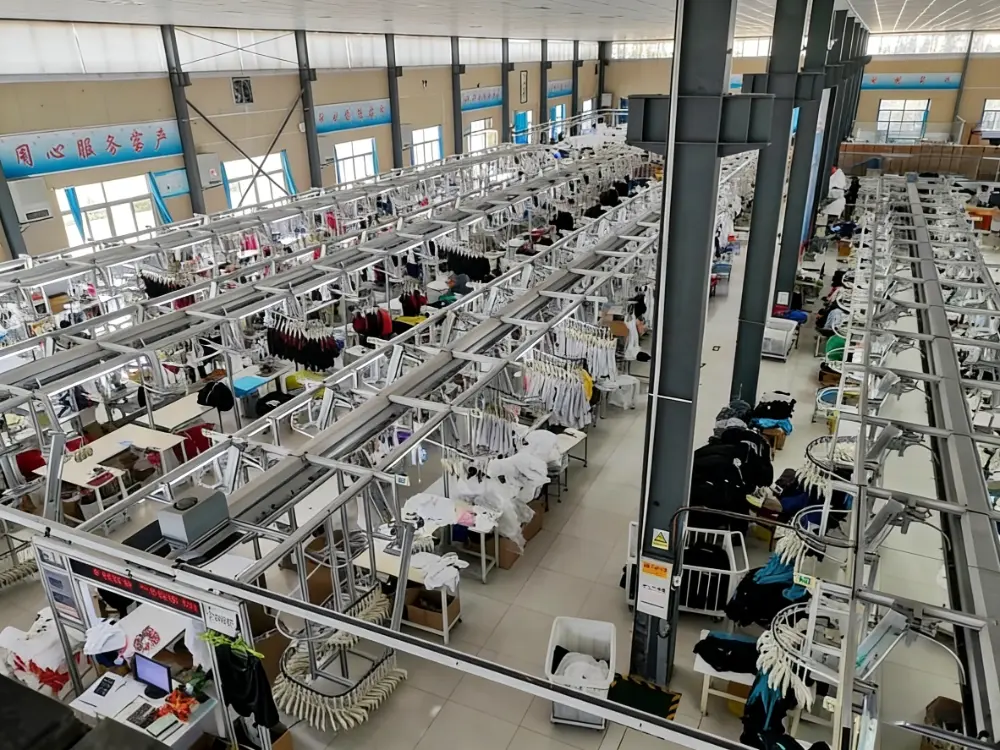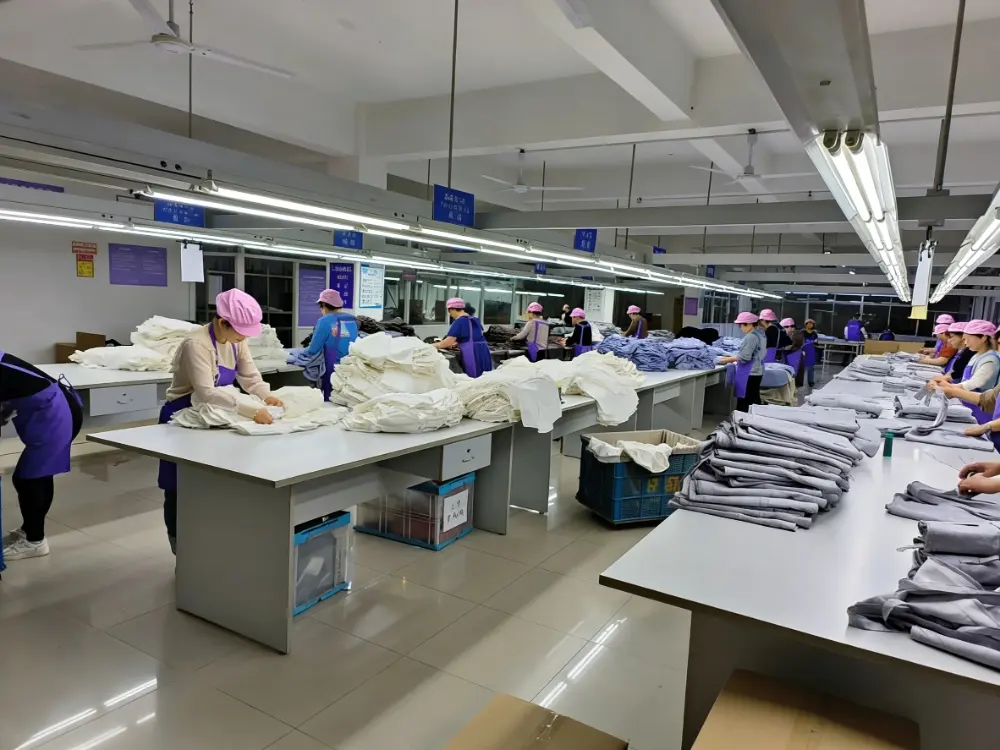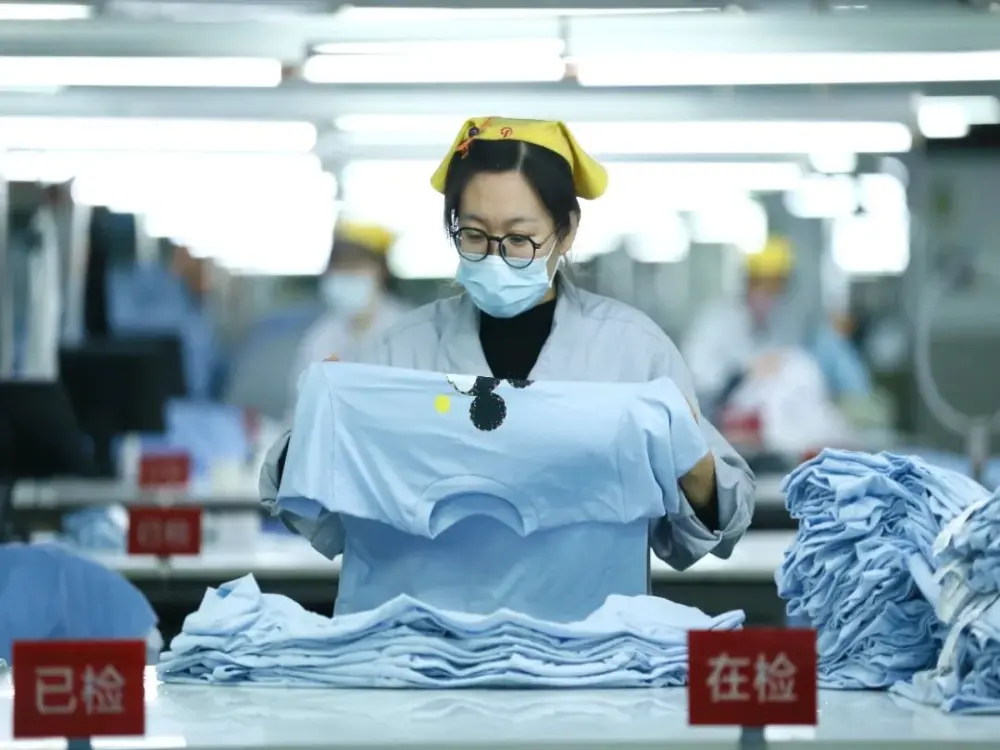
The global apparel market is booming, with a staggering market size of $1.8 trillion — and it’s no surprise if you’re eager to seize this opportunity. But whether you’re launching a new apparel brand or scaling an existing one, you need a garment factory that truly understands and can bring your creative vision to life.
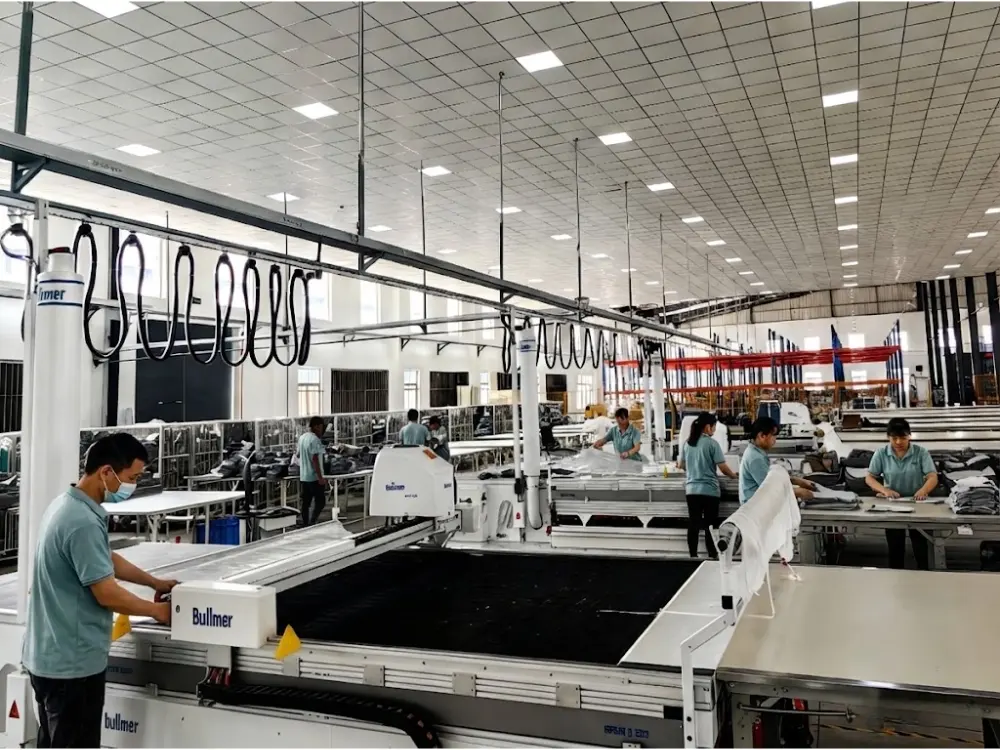
A garment factory is a specialized manufacturing facility where textile raw materials and various trims and accessories are efficiently transformed into finished apparel.
Compared with other regions, China is home to the world’s top-tier apparel manufacturers. They deliver not only unparalleled production speed but also an extensive range of fabric options and exceptional manufacturing flexibility.
Whether you’re exploring the CMT (Cut, Make, Trim) model or looking for a full-service turnkey production solution, this guide will give you a complete grasp of the core fundamentals of apparel manufacturing.
What Is a Garment Factory?
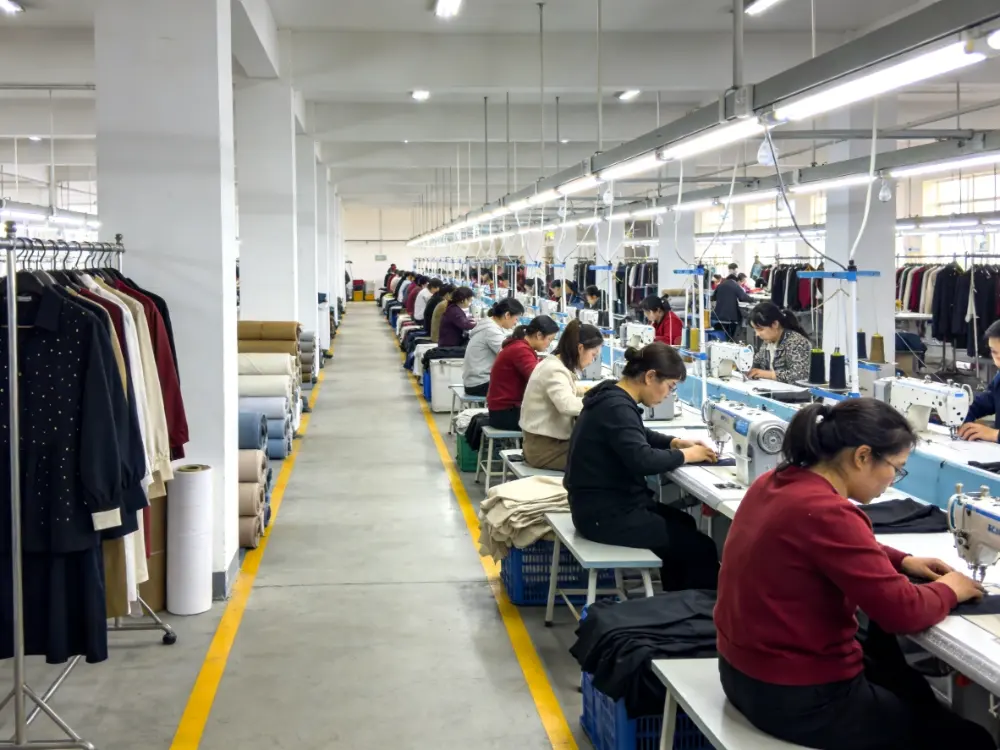
If you are wondering exactly what is a garment factory, at its core, it is a specialized manufacturing facility dedicated to the mass production of apparel. It transforms textile raw materials, threads, and a full spectrum of trims and accessories into the finished garments you see on retail shelves. Its core client base is apparel brands, retailers, and wholesalers, not individual consumers.
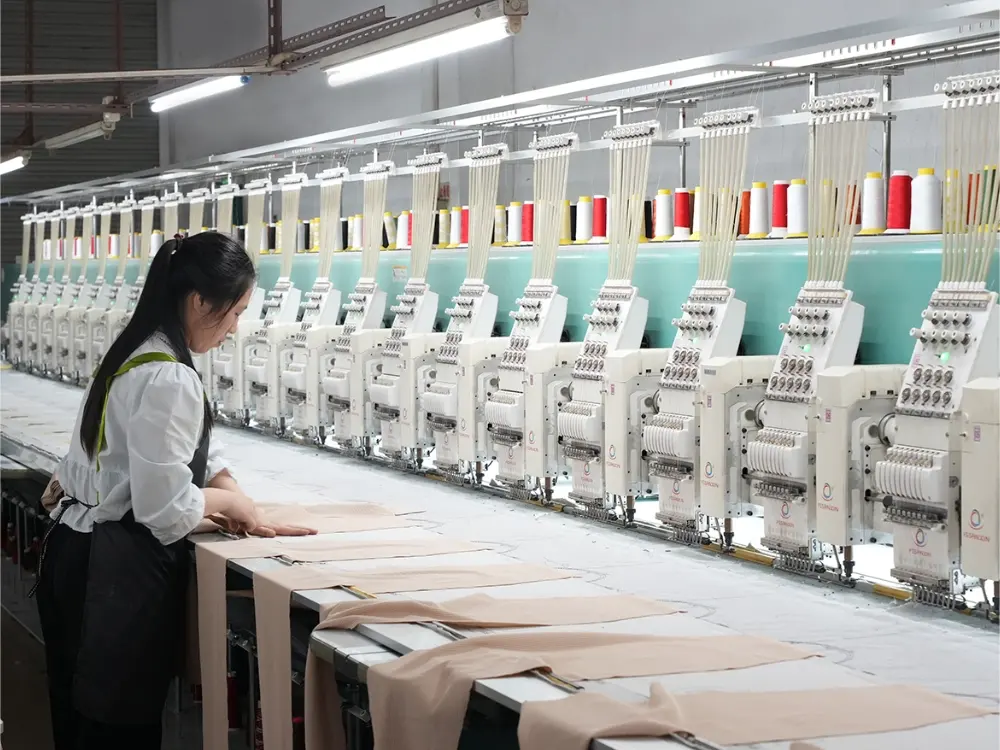
Garment factories vary widely in scale. Smaller facilities typically specialize in boutique-level, precision sewing craftsmanship. Large-scale factories, by contrast, operate with assembly line production models, state-of-the-art professional equipment, and a highly coordinated workforce to efficiently mass-produce hundreds or thousands of identical garments.
Put simply, if you run an apparel brand, your manufacturing factory is your core engine. The quality of the garments it produces, the stability of its supply, and its production costs are all make-or-break factors for your brand’s survival and long-term success.
Types of Garment Factories
Not all garment factories operate with the same production model. Choosing the right manufacturing partner depends on your level of experience, budget, and specific business needs. Below is a clear breakdown of the 5 main types of garment factories:
| Factory Type (Model) | Core Definition & How It Works | Best Suited For |
| CMT (Cut, Make, Trim) | Labor-Only Service: You must provide all raw materials, including fabrics, trims (buttons, zippers, thread), and detailed tech packs. The factory only provides the labor to cut the fabric, sew the garments, and add the final trims. | Experienced clothing brands with established fabric suppliers who want strict control over material costs. |
| FPP (Full Production Package) | All-Inclusive Production: The factory handles everything from start to finish. You provide design concepts or mood boards, and the factory takes care of fabric sourcing, pattern making, sample creation, and bulk production. | Startups, new brands, or founders who want a hassle-free process so they can focus on marketing and sales. |
| Private Label | Ready-Made Customization: The factory produces high-quality, pre-designed blank garments (often basic styles). You choose the items you like, and the factory simply sews in your custom brand labels and tags before shipping. | Brands with limited budgets that want to enter the market quickly without the complexities of custom design. |
| OEM (Original Equipment Manufacturer) | Custom Manufacturing: You own the complete design and intellectual property (including detailed tech packs). The factory acts purely as the manufacturer, producing the garments strictly according to your specific measurements and design standards. | Established brands with in-house designers that require highly unique, custom-made styles. |
| ODM (Original Design Manufacturer) | Factory-Designed Apparel: The factory has its own R&D team that designs trendy, market-ready styles. You can select these designs, make minor tweaks (like changing colors), and sell them under your own brand name. | Retailers who want to quickly update their inventory with new trends but lack a large in-house design team. |
How are clothes produced in a factory?
Understanding the production workflow is critical for any apparel brand. While the exact steps may vary slightly depending on the factory’s facility setup and the complexity of the design, the end-to-end journey from raw materials to finished garments generally follows a standardized process.
Below is a detailed, step-by-step breakdown of the apparel manufacturing process:
Step 1: Pattern Making & Grading
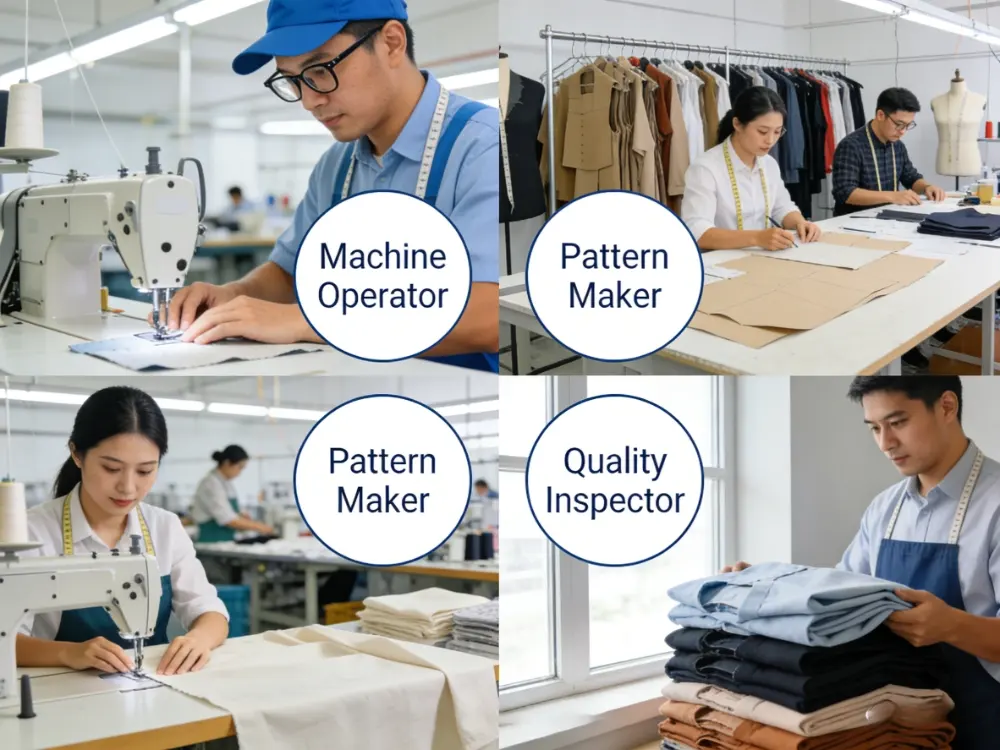
Before any fabric is cut, the factory must first create a physical or digital blueprint (pattern) based on your design. A pattern maker will translate your tech pack into actionable pattern templates. Once the pattern for the base size is approved, the pattern goes through grading to generate the full size range required for the order (e.g., XS, S, M, L, XL).
Step 2: Fabric Inspection & Preparation
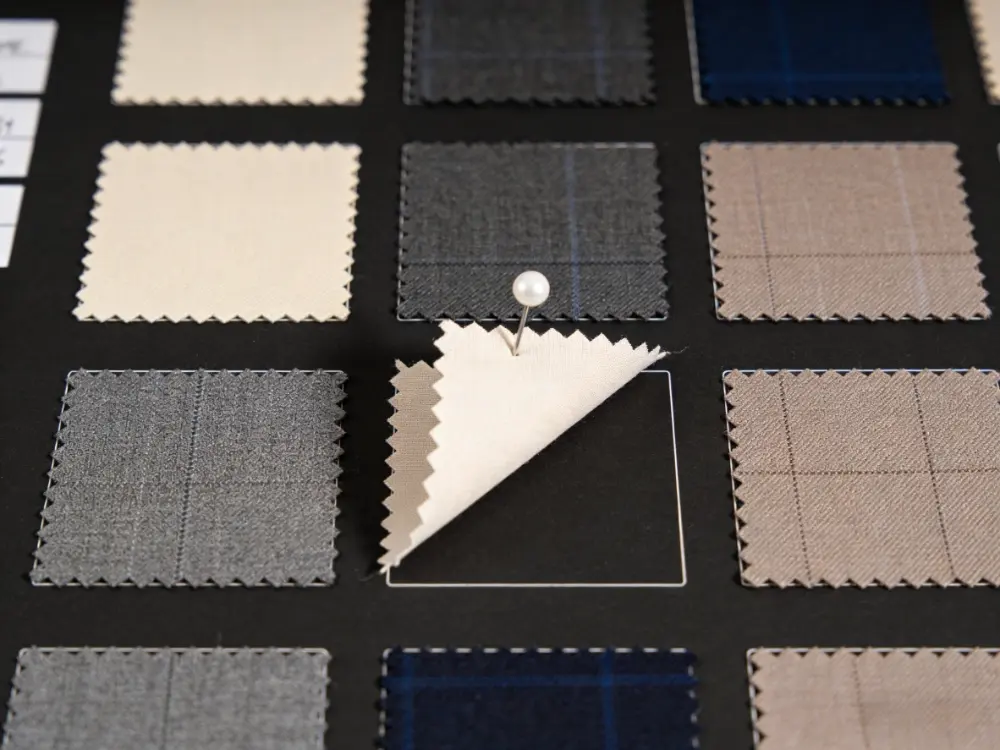
Quality starts with raw materials. When bulk fabric rolls arrive at the garment factory, they go through a rigorous inspection process to flag defects, color shading, or weaving flaws. The fabric is then laid flat for a relaxation process to prevent shrinkage.
Step 3: Cutting Stage
Precision is critical in this phase. The graded patterns are arranged in a highly optimized layout on the relaxed fabric, designed to minimize fabric waste. A range of industrial-grade cutting equipment — from straight knife cutting machines to advanced laser cutters — can cut through dozens of layers of fabric at once with perfect accuracy.
Step 4: Sewing & Assembly (the Cut & Make Phase)
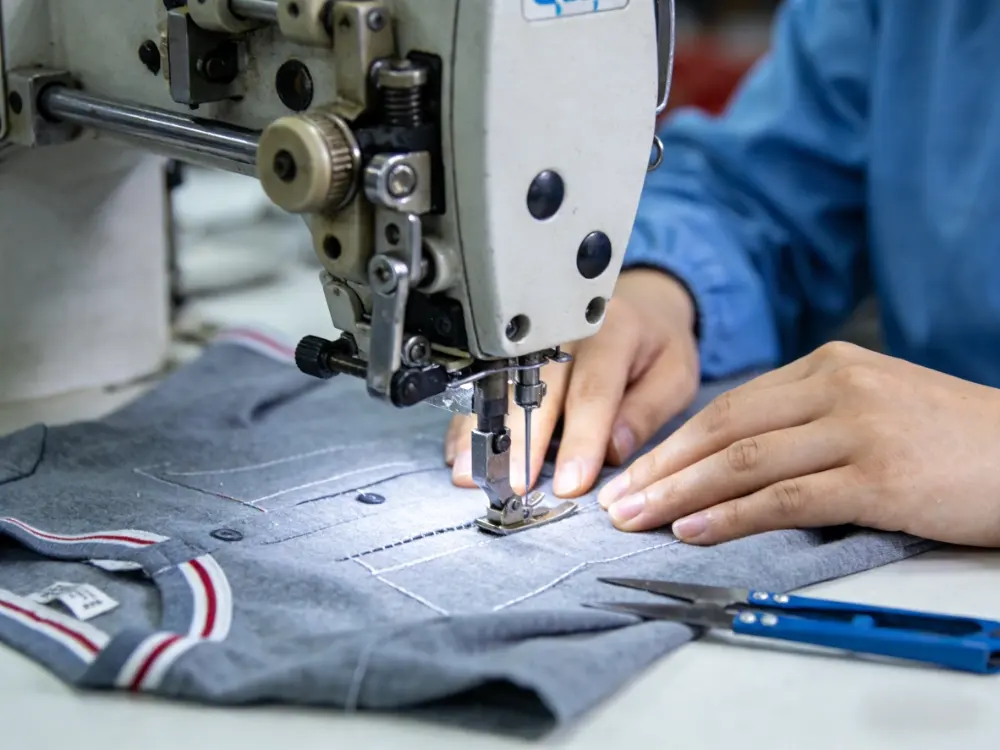
This is the heart of a garment factory’s production floor. The cut fabric pieces are bundled in batches and then sent to the sewing assembly line. Unlike the traditional model where one person sews an entire shirt from start to finish, the production process here is broken down into a granular assembly line. One operator may only sew the collar, the next operator attaches the sleeves, and another handles sewing on buttons or installing zippers. This specialized division of labor ensures maximum production efficiency and consistent product quality across every piece.
Step 5: Quality Control (QC) & Finishing
Once the garment is fully assembled, it moves to the finishing department.
- Finishing: Workers trim excess loose threads and perform professional ironing or steam setting on the garment to eliminate wrinkles.
- Inspection: The QC team inspects each finished garment one by one, verifying it against the original tech pack. They check for even and straight stitching, securely fastened buttons, accurate measurements, and the overall construction and workmanship quality of the garment.
Step 6: Packaging & Shipping
Garments that pass the final inspection are carefully folded, fitted with brand tags and labels, and packaged according to your exact specifications. They are then packed into shipping cartons, ready to be transported via freight to your warehouse or distribution center.
Where to Find Apparel Manufacturers
Finding the right manufacturing partner is a make-or-break step in building your apparel brand. It requires patience, thorough research, and a clear understanding of exactly where to look. Below are the most effective channels to source reliable apparel manufacturing partners:
B2B Sourcing Platforms
This is the most widely used approach. Through platforms like Alibaba and Global Sources, you can quickly filter suitable suppliers by region, production capacity, and minimum order quantity (MOQ). The key downside, however, is that a large number of trading companies on these platforms pose as direct factories, so you must conduct careful due diligence to verify their credentials.
Industry Trade Shows
Attending trade shows lets you feel fabric samples in person, inspect sewing workmanship, and build trust face-to-face with factory representatives. You can focus on top global industry events that bring together thousands of manufacturers, including MAGIC, Texworld, and Premiere Vision.
Targeted Advanced Google Search
Reputable, capable apparel factories almost always have an official website, making Google searches a powerful way to find genuine manufacturers. We recommend using highly specific long-tail keywords (such as “low MOQ organic cotton apparel factory“) to precisely locate specialized, professional manufacturers.
Industry Networks & Word-of-Mouth Referrals
Word-of-mouth recommendations from fellow brand founders are one of the most effective ways to avoid pitfalls and cut down on costly trial and error. You can join niche Facebook groups, Reddit communities (such as r/streetwearstartup), or fashion incubators, actively engage with industry peers, and access vetted, reliable factory resources.
How Startups Pick the Right Apparel Factory
For apparel startups, choosing the right manufacturing partner is make-or-break. Here are the non-negotiable factors to evaluate:
- Low MOQ Fit: Prioritize partnering with a low MOQ manufacturer to protect cash flow and reduce inventory risk, even if it means a slightly higher unit cost.
- Matching Production Model: Opt for Full Production Package (FPP) factories if you lack experience sourcing materials or creating technical patterns, freeing you to focus on branding and marketing.
- Rigorous Sample Review: Never lock in bulk production without inspecting physical prototypes to confirm workmanship, fabric durability, and sizing accuracy.
- Clear, Transparent Communication: Prioritize factories with timely, thorough responses and full transparency around delays, progress, and costs to avoid costly missteps.
- Verified Niche Expertise: Confirm the factory has relevant certifications (safety, sustainability, etc.) and proven experience manufacturing your specific apparel category, with the right equipment and technical team.
Why Do Children’s Clothing Factories Require Stricter Standards?
The hyper-competitive apparel market drives many brands to the children’s wear niche, where manufacturing has zero margin for error—children face heightened risks from physical hazards, chemical exposure, and skin irritation. Your selection must center on two non-negotiable requirements:
Strict Safety Compliance and Certification Requirements
Children’s clothing factories must strictly comply with international safety regulations such as the U.S. CPSIA, and conduct extensive mechanical performance testing to eliminate physical hazards. This rigorous approach to safe clothing manufacturing ensures that details like buttons and zippers pass tensile strength tests to prevent choking hazards, alongside strict flammability testing for items like sleepwear.
Eco-Friendly Fabrics and Non-Toxic Dyes
Due to the highly sensitive nature of children’s skin, a professional children’s clothing manufacturer strictly prohibits irritating chemicals, heavy metals, and toxic dyes. They prioritize breathable, hypoallergenic materials, ensuring all components pass authoritative certifications like OEKO-TEX® Standard 100.
Key Considerations When Establishing a Partnership with a Garment Factory
Once you’ve identified potential garment manufacturing partners, don’t rush to place an order or pay a deposit. Instead, you should ask targeted questions to secure the most accurate information and optimal pricing for your upcoming project.
Do they specialize in your specific product category?
Not all garment factories have the same capabilities. A factory that excels at producing high-quality men’s formal tailored suits may completely lack the specialized machinery or technical expertise needed to sew stretchy activewear or delicate children’s apparel. You should ask if they have dedicated production lines for your specific niche.
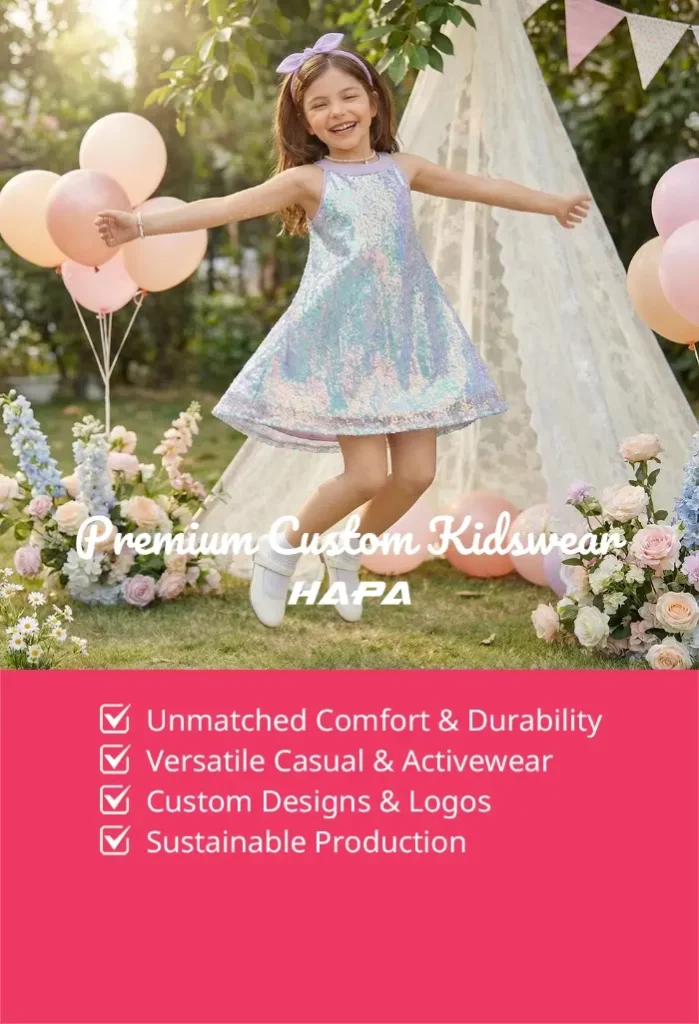
If you manufacture children’s apparel, partnering with a professional kids clothes manufacturer in china, like HAPA, ensures you have access to deep, long-standing expertise in the kids’ wear sector. We know every detail of children’s clothing production, from ensuring full compliance with relevant safety standards and implementing proper fabric handling processes, to delivering specialized sewing techniques tailored to children’s garments.
What is their Minimum Order Quantity (MOQ)?
For emerging startup brands, this is often the most critical consideration. The Minimum Order Quantity (MOQ) refers to the lowest number of garments a factory is willing to produce in a single production run. You need to ask for their specific MOQ requirements per style, per color, and per size. Clarifying these figures upfront will save you from wasting time negotiating with large-scale factories that require a minimum 5,000 pieces per order, when your startup budget only allows for a 300-piece run.
What specific production techniques and processes can they provide?
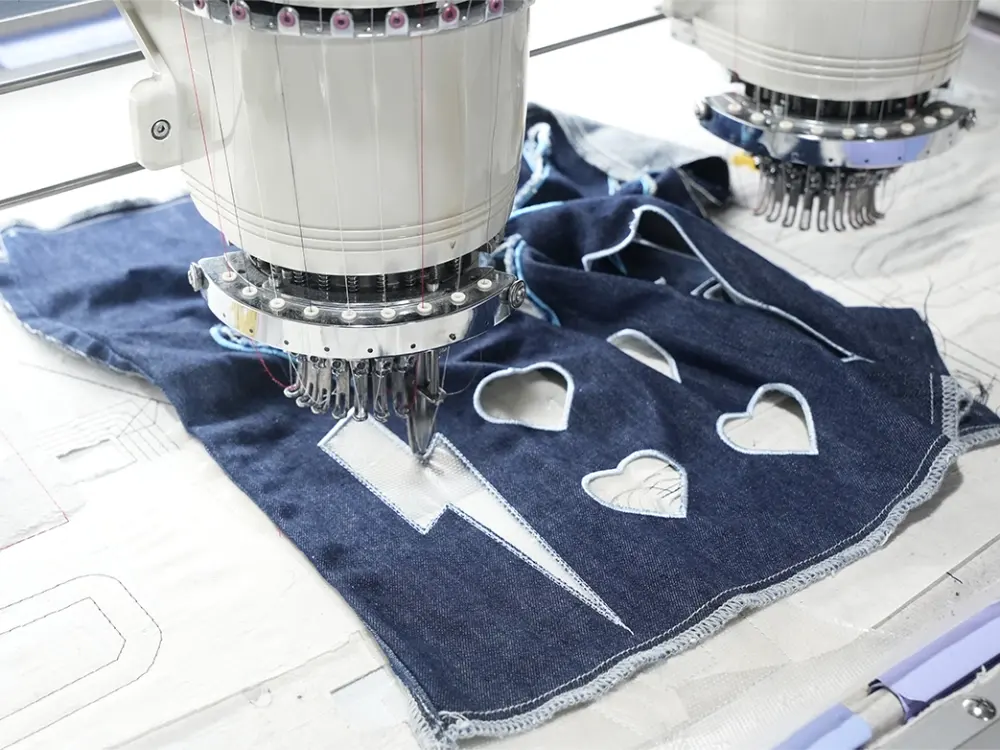
You must verify the factory’s technical capabilities. Beyond basic cutting and sewing, ask if they can deliver the specific finishing processes required by your design. Do they have the capacity to handle custom embroidery, screen printing, or specialty garment dyeing? For example, HAPA specializes in sequin and beading techniques for children’s apparel and has built a large, loyal client base of brands with these exact design needs.
Sustainable and Ethical Garment Manufacturing Trends
Driven by rising consumer demand for environmental protection and human rights accountability, the global apparel industry is fully shifting to sustainable and ethical manufacturing.
Environmentally, the sector advances circular fashion via recycled, biodegradable and deadstock materials, closed-loop water systems and waterless dyeing, to cut waste, water use and chemical pollution. On social governance, the industry eliminates sweatshops through Fair Trade/SA8000 certifications to protect workers’ rights, while leveraging software and blockchain for end-to-end supply chain transparency and traceability.
To deliver on our sustainability and ethical commitments, HAPA rejects high-energy materials, strictly sources low-footprint eco-friendly fabrics, partners only with compliant, worker-friendly factories, and builds fully transparent production—weaving sustainable and ethical manufacturing into every premium garment we produce.
Your Next Steps in Apparel Production
Garment factories are specialized manufacturing facilities that transform fabrics and raw materials into finished apparel. They take your detailed tech packs and design artwork, and turn your creative vision into tangible, physical products.
A clear, thorough understanding of what a garment factory is and how it operates is the critical first step to bringing your apparel brand from concept to reality. Whether you’re planning to launch a specialized children’s wear line, or build a sustainable fashion startup, your manufacturing partner will stand as the absolute core pillar of your business.
FAQ
What is the meaning of garment factory?
A garment factory is a manufacturing facility where textiles and fabrics are cut, sewn, and assembled into finished clothing items. These factories range from small-scale workshops specializing in boutique runs to large industrial plants capable of producing thousands of identical garments daily.
How to find a reliable garment factory?
Start by searching reputable B2B directories like Alibaba, attending industry trade shows like the Canton Fair, or consulting with specialized sourcing agents. To ensure reliability, always verify their business licenses, ask for references, request physical samples to check stitching quality, and ensure their capabilities align with your specific product (e.g., woven vs. knitwear).
What is the difference between CMT and FPP?
CMT (Cut, Make, Trim) means you provide the factory with the fabric, patterns, and trims, and they only handle the physical cutting and sewing.
FPP (Full Production Package) means the factory handles everything from start to finish, including sourcing the fabric, developing patterns, and manufacturing the final garment, which is ideal for brands without supply chain experience.