In the fashion world, sequin fabric offer a sparkling effect and a distinctive visual impact, making them an indispensable element in design. Whether used as delicate accents on evening gowns or creatively incorporated into everyday apparel, sequins add unique charm and value to any piece.
Staying up-to-date with the latest trends in sequin fabric can help you stand out in a competitive market. In this blog, we will explore the uniqueness of sequin fabric and uncover why they have become a focal point in the fashion industry.
Introduction to Sequin Fabric
Sequin fabric is a special textile created by attaching small, shiny decorative discs—known as sequins—onto a base fabric such as chiffon, mesh, or knit.
Origins of Sequin Fabric
The history of sequins dates back to ancient Egypt, where they were made from metals or precious metals to signify wealth and social status. Over time, it was not until the 20th century that modern sequins emerged as we know them today, gradually becoming an integral part of fashion expression and bringing innovative design elements to both fitted and functional garments.
Materials
Sequins are typically made from plastic, metal, or PET, with strong reflective properties that make fabrics shimmer under light.
Advantages
With their unique shine and dynamic effects, sequined clothing are the ultimate tool for capturing attention and creating a luxurious atmosphere. For fashion designers, sequins offer endless possibilities in terms of color, shape, size, and arrangement, providing a broad canvas for creative expression.
Why Sequins Are Timeless in Fashion
The enduring popularity of sequin fabric, especially in clothing, is no accident. Their timeless appeal stems from a perfect combination of dazzling visual effects, emotional value, and consistent market demand. Key reasons include:
Visual Appeal and Dynamic Beauty
Sequins bring a strong visual impact to garments, creating a sparkling, eye-catching effect. In any setting—especially parties, evening events, or festive gatherings—wearing sequined clothing ensures you become the center of attention. For those naturally drawn to shimmer and brightness, this allure is simply irresistible.
Versatility in Design
Sequin fabric allow for a wide range of designs and can be combined skillfully with different materials to create unique styles. They can be used as the main fabric for an entire garment or as accents on pockets, collars, cuffs, and other details, greatly enhancing the flexibility and creativity of clothing design.
Symbol of Joy and Celebration
Sequins represent joy, festivity, and a sense of ceremony, making them perfect for birthdays, holidays, and other special occasions. Imagine wearing a glamorous sequin dress during Christmas or Halloween—sequins instantly create a festive atmosphere, making them one of the most effective fashion elements for celebration.
Broad Applicability
Today, sequins have extended from the stage to everyday wear, especially in children’s and women’s fashion. Even small sequin accents can make ordinary clothing shimmer in the sunlight, easily integrating into daily outfits. With minimal embellishment, garments can still radiate brilliance and charm.
Manufacturing Process of Sequin Fabric for Apparel
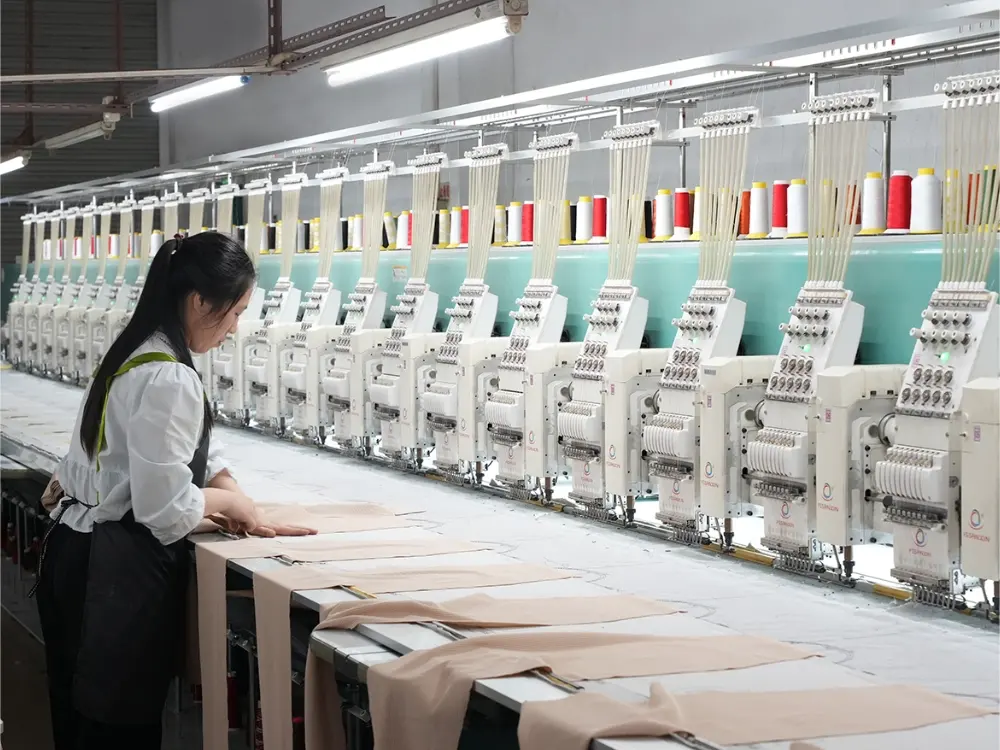
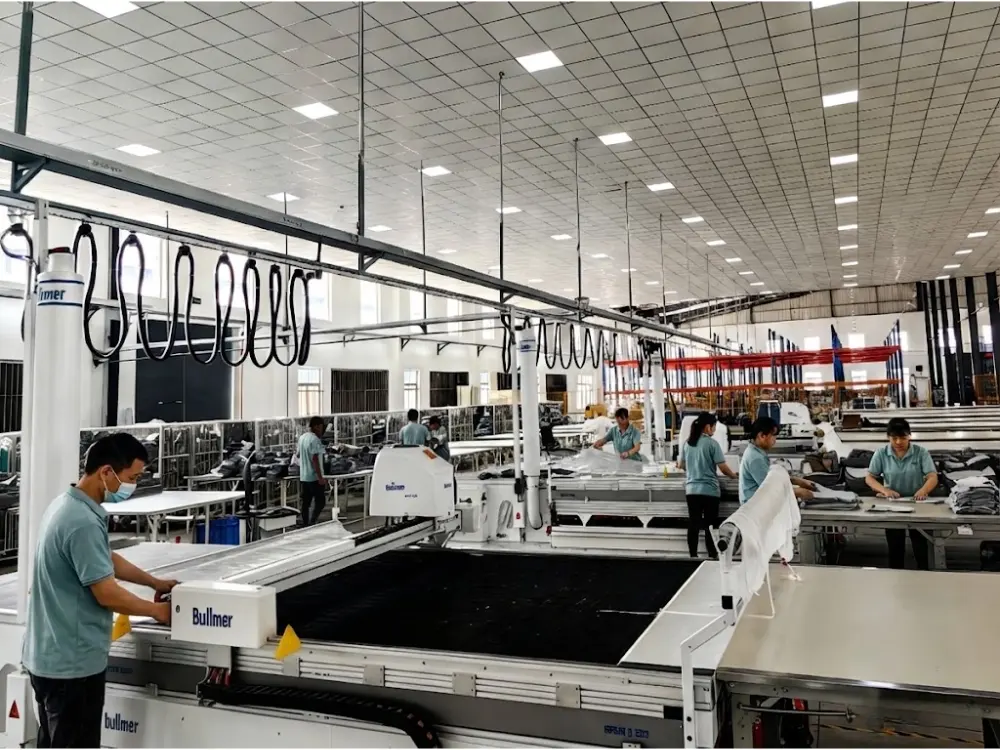
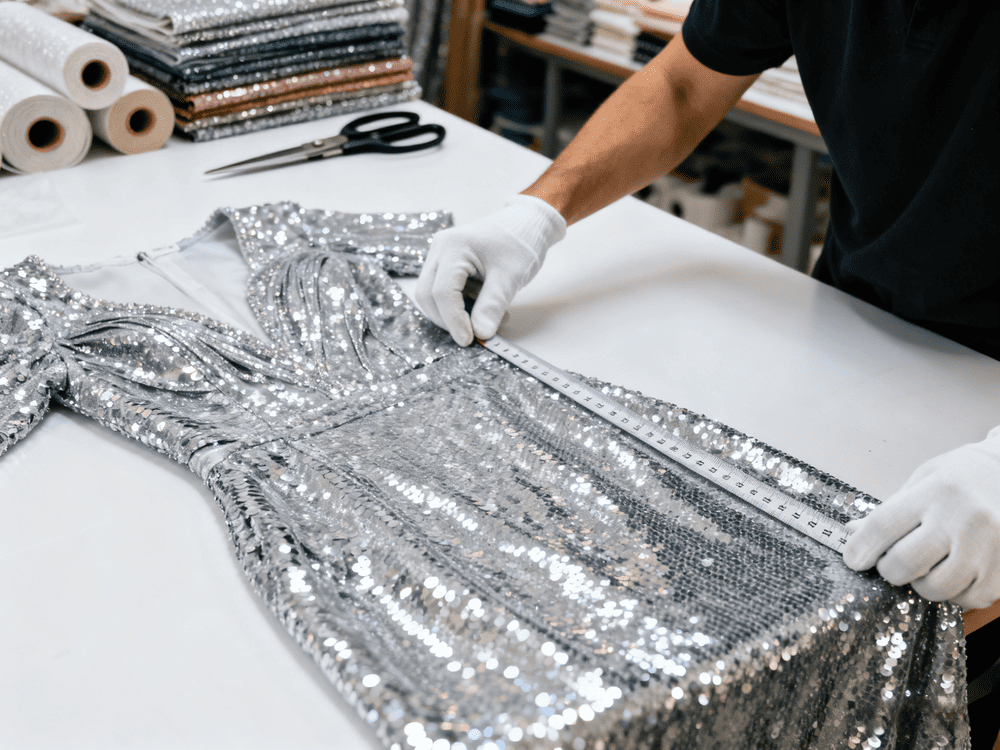
The production of sequin fabric for clothing is a precise, multi-step process. Traditional sequins are typically made from PVC, PET, or metallic films and are produced through coating, calendaring, slitting, and punching processes. With advances in equipment, modern sequin production has achieved higher levels of automation in material handling, die-cutting speed, and waste management.
Currently, the mainstream method in the apparel industry still centers on thin-film punching. This process uses precision die-cutting equipment to shape coated films into sequins of various sizes and forms. High-precision molds reduce burrs and ensure smooth, consistent edges.
For sequins requiring three-dimensional shapes or special thicknesses, injection molding techniques may be employed. However, this method is primarily used for specialized applications and is not the mainstream production approach in the apparel industry.
Types of Sequin Fabric
Sequins are an indispensable sparkling element in fashion design, and they come in a wide variety of types. They can be classified based on shape, material, and sewing technique.
By Shape
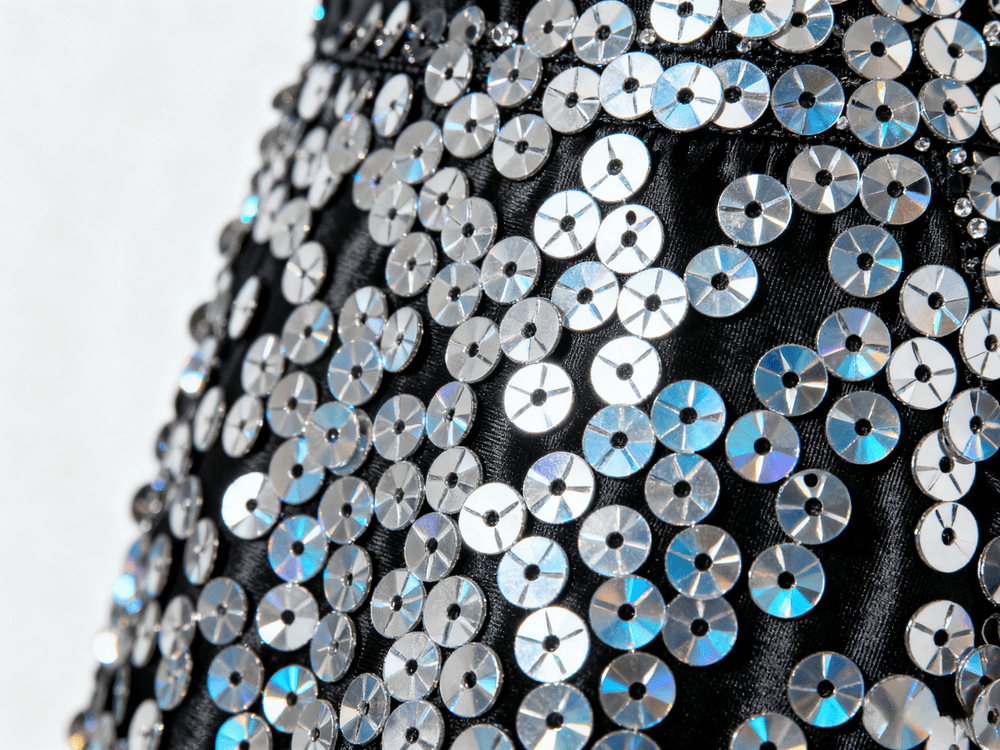
Round Sequins: The most common shape, featuring smooth edges that create a soft and uniform shimmer on garments. Ideal for evening gowns, performance outfits, and everyday fashion pieces.
Square Sequins: With sharper edges and stronger reflective effects, these are perfect for creating geometric or futuristic looks. Often used in stage costumes or fashion-forward items.
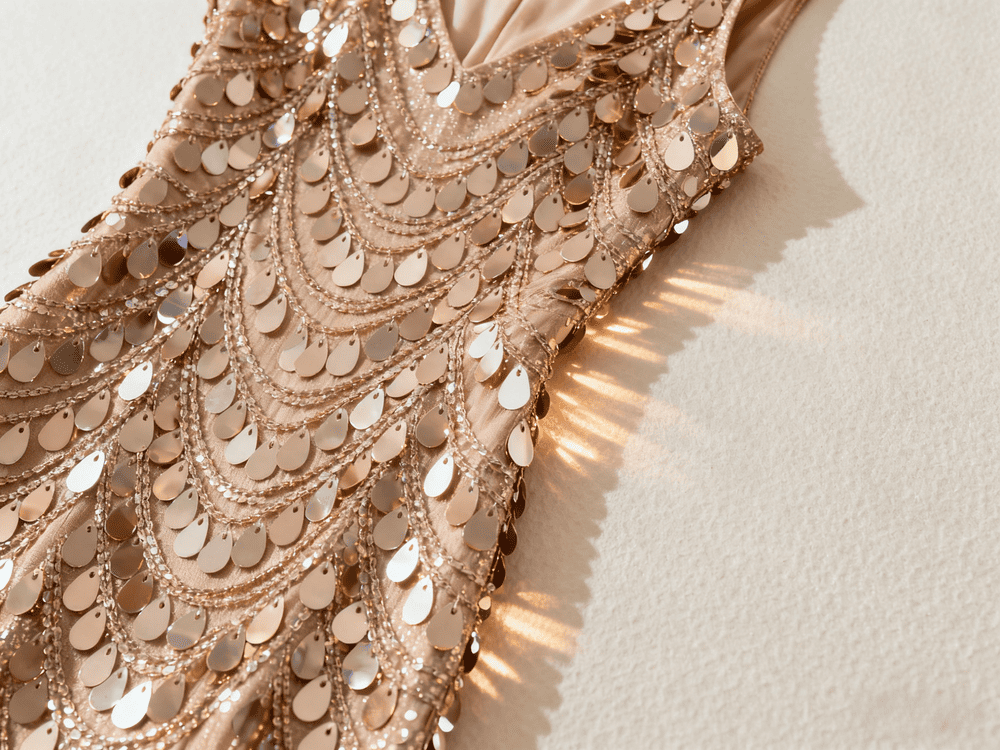
Novelty Shapes: Beyond standard shapes, sequins can also come as fish scales, petals, stars, and other unique designs. These add richness and visual interest, commonly seen in high-end custom gowns or exaggerated fashion pieces.
By Material
PVC Sequins: The most widely used traditional material, offering moderate cost and a variety of colors. Commonly applied in various garments and accessories.
PET Sequins (Eco-Friendly): Made from environmentally friendly materials, lighter and thinner than PVC, heat-resistant, and safer to use. Increasingly popular for export products or eco-conscious collections.
Metal Sequins: Provide a strong shine and luxurious texture, but are heavier. Typically used as accents or to emphasize design in high-end fashion.
By Sewing Technique
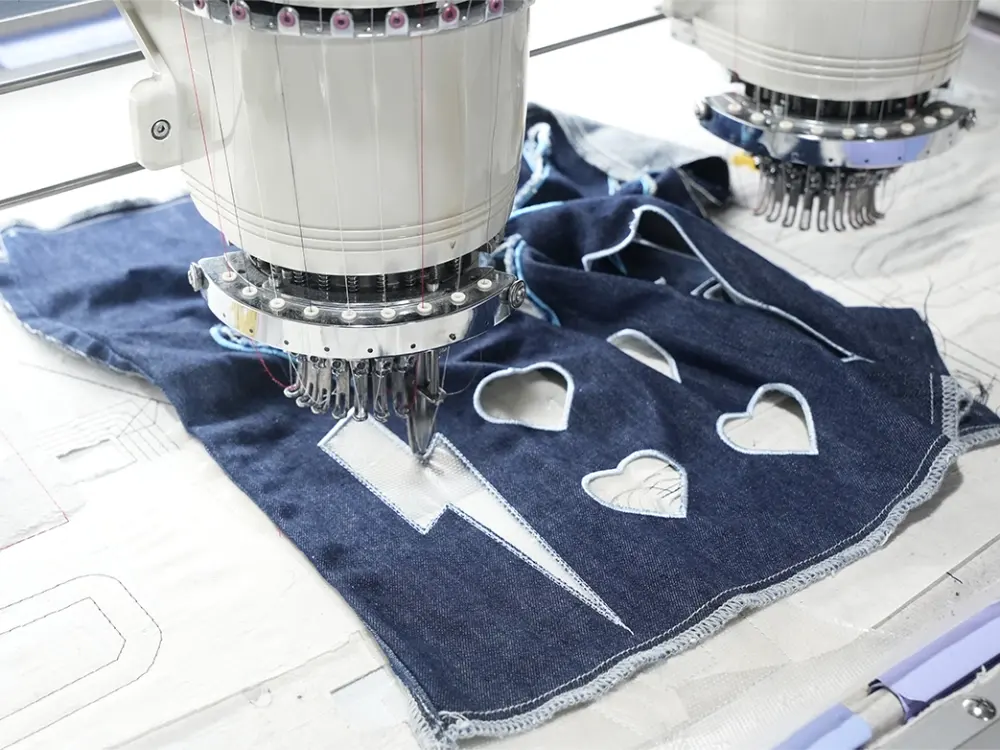
Flat/Single Sequins: Machine-stitched individually onto the fabric in a dense and uniform arrangement. Common for everyday wear and gowns. Offers stable brightness, good durability, and is suitable for large-area sequin designs.
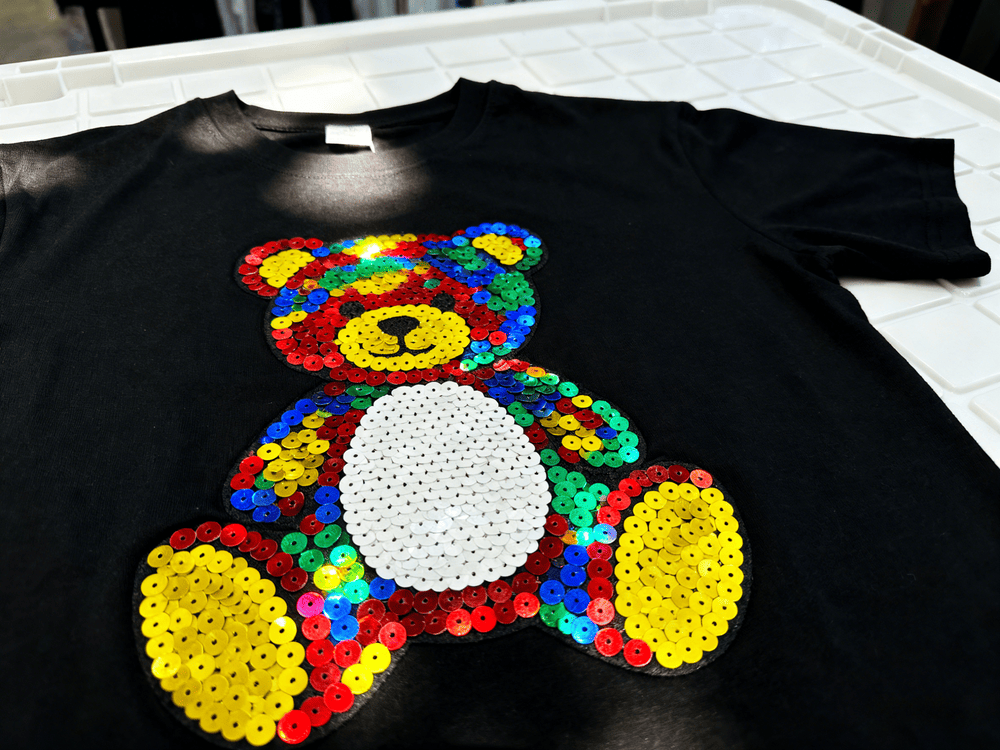
Reversible Sequins (Magic/Flip Sequins): Also known as “two-sided sequins,” each sequin has different colors on both sides. Flipping them with a finger creates two distinct color effects. Popular in dresses, T-shirts, bags, and other eye-catching items, offering interactivity and fun—one of the trending sequin techniques in recent years.
Beaded/Hand-Embroidered Sequins (High-End Custom): A premium technique where sequins are hand-stitched along with beads, crystals, or threads. Produces intricate patterns, layered textures, and a three-dimensional, light-and-shadow effect. Commonly used in haute couture, wedding gowns, and luxury dresses.
The Fashion Appeal of Sequin Fabric
Stage Performances
Whether it’s a concert, dance recital, or theatrical production, sequined outfits are indispensable on stage. Their inherent sparkle ensures performers remain eye-catching even from a distance. With every movement, light shifts across the sequins, creating dynamic visual effects that enhance the performance’s impact and dramatic tension. High-reflective materials like silver and gold, in particular, interact beautifully with stage lighting to deliver a spectacular visual experience.
Evening Events and Red Carpets
At upscale dinners, award ceremonies, and red carpet events, sequin fabric remain a favorite among celebrities and fashion icons. A dazzling outfit instantly elevates the wearer’s presence, lending sophistication and refinement. From classic sequin mermaid gowns and fringe dresses to stylish sequin suits, these designs repeatedly dazzle on the red carpet. Sequins also offer a wide palette of colors, from understated black and gold to vibrant rainbow shades, catering to diverse stylistic expressions.
Parties and Festive Occasions
During New Year celebrations, themed parties, or festive events, sequined garments are the ultimate way to create a celebratory atmosphere. A sequin dress, matching set, or jacket allows you to stand out in the crowd, radiating joy and energy, effortlessly becoming the center of attention.
Everyday Fashion
With evolving fashion trends, sequins have quietly entered everyday wear. Practical sequin pieces such as T-shirts, skirts, bags, and accessories have emerged, with designers simplifying cuts, materials, and shine to make sparkle more wearable. Mixing sequins with knits, cotton, denim, and other fabrics creates a casual yet stylish streetwear aesthetic, offering fashion enthusiasts a unique way to express their personality.
Durability and Maintenance
While sequins add dazzling sparkle and dramatic effects to garments, they are relatively delicate. Improper care can lead to sequin loss, scratches, localized fading, or even heat deformation in high-temperature environments, affecting both appearance and longevity.
Therefore, careful attention is required during daily cleaning and maintenance. Hand washing gently is recommended to avoid the pulling and friction caused by machine washing. After washing, lay the garment flat in a well-ventilated area to air dry. Avoid direct sunlight and tumble dryers to preserve the sequins’ shine and integrity.
How to Choose High-Quality Sequins
HAPA is committed to creating the highest standard sequin garments for children, ensuring they are stylish, comfortable, and eco-friendly. We focus on providing sequin clothing that meets both the daily wear needs of children and the requirements of a sustainable future.
Durability: High-quality sequins should be firmly attached and resistant to falling off, with long-lasting shine to ensure garments remain vibrant and wearable over time.
Comfort: Since sequins often come into contact with the skin, pay attention to smooth edges and a soft, skin-friendly base fabric to ensure comfortable wear.
Certifications and Compliance: Fabrics should ideally be OEKO-TEX® Standard 100 certified or compliant with relevant ISO standards, guaranteeing safety and environmental responsibility.
Future Trends of Sequin Fabric
The sequin apparel market is booming alongside the rise of visually-driven fashion trends. According to Global Growth Insights, the market is projected to reach approximately $39.4 billion by 2033. Sequins are no longer limited to festive outfits—they are gradually making their way into everyday fashion, indicating vast market potential.
Driven by technology and sustainability, the future appeal of sequins will not only come from their sparkling appearance but also from their environmental responsibility, technological innovation, and capacity for personal expression. For example, Stella McCartney collaborated with Radiant Matter to launch “BioSequins,” made from plant fibers without metals, minerals, or synthetic dyes, aligning with sustainable fashion principles.
Clearly, the future of sequin fabric goes beyond decoration; it represents a fusion of technology, sustainability, and style. Sequins are moving from the stage to everyday wear, becoming a unique fashion language for self-expression.
What is Sequin Fabric Used For?
Sequin fabric is the ultimate “statement” material. Known for its ability to catch and reflect light, it has long been the industry standard for designs meant to turn heads—from formal evening gowns and performance costumes to high-fashion runway looks.
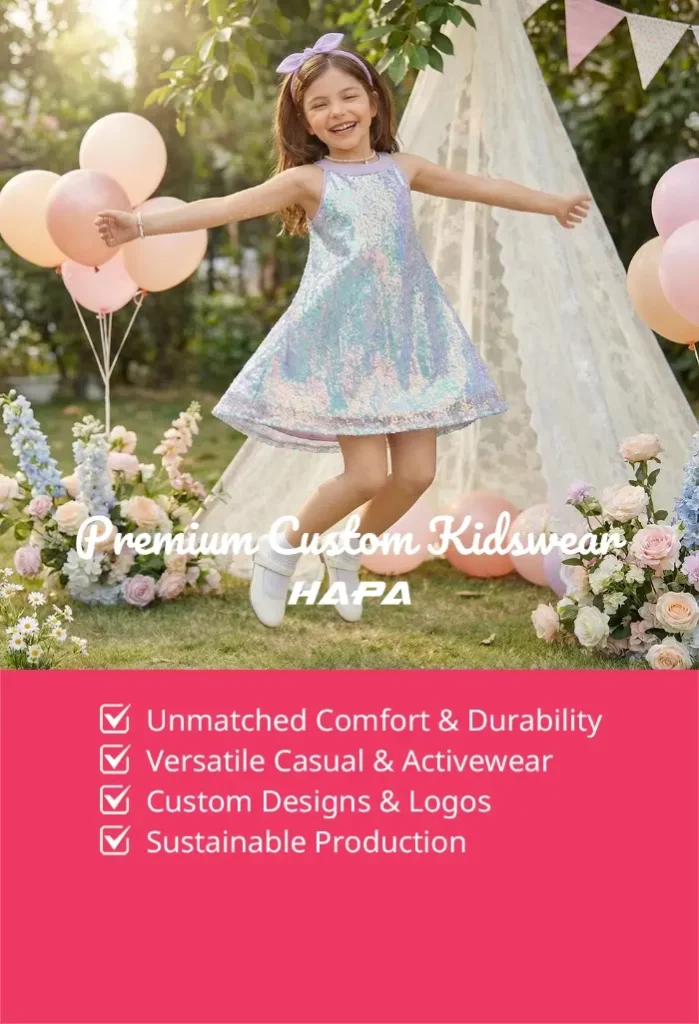
In the world of children’s wear, this magnetic appeal is even stronger. Kids are naturally obsessed with anything that sparkles. HAPA taps into this by incorporating sequins to create those “dreamy,” high-energy pieces that children instantly fall in love with because they feel special just wearing them.
While you will also see this fabric used to add texture to home decor (like accent pillows), it is important to view it through the right lens: this material is chosen for its “wow factor,” not its utility. It is designed to deliver visual impact rather than rugged durability.
Application of Sequin Fabric in Children’s Wear
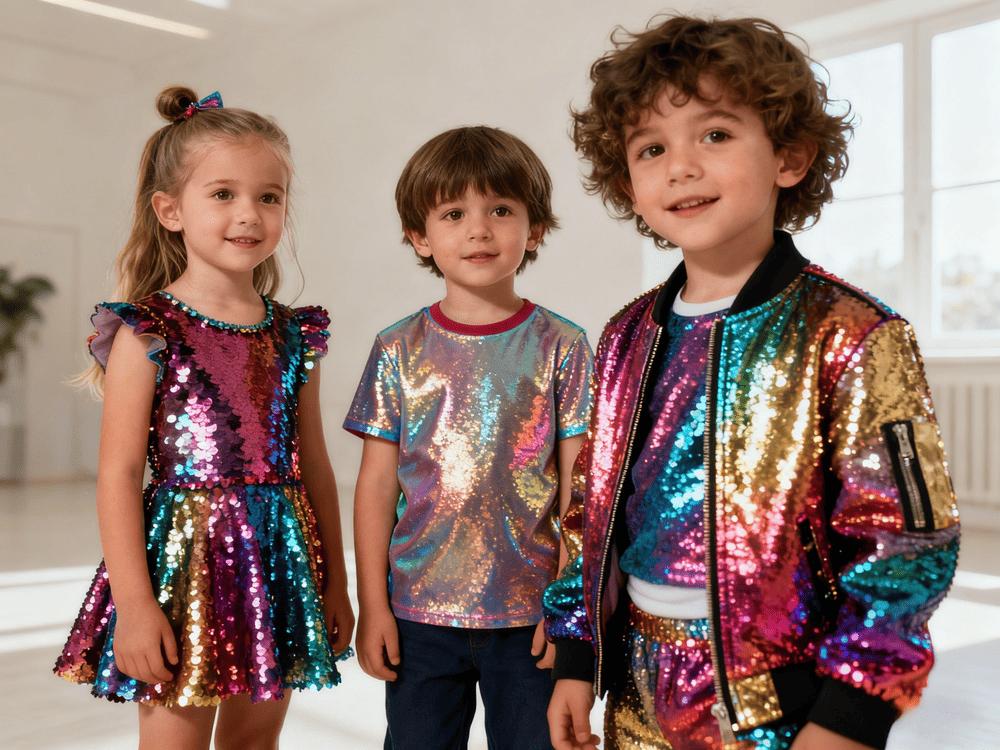
In children’s fashion, sequin fabric add a sense of playfulness and fantasy while complementing a child’s lively personality. Designers typically choose bright colors and moderately sized sequins, avoiding overly heavy or stiff materials to ensure comfort and safety.
Sequins are commonly used on dresses, tops, jackets, and other garments, as well as on accessories such as backpacks and hats. The sparkling effect of sequins captures children’s attention and makes outfits more vibrant and fun.
Additionally, sequins are often combined with soft fabrics like cotton or knits, creating clothing that is both dazzling and comfortable. Such designs are suitable not only for festive occasions and parties but also for everyday wear, allowing children to enjoy the playful charm of sequins during daily activities.
High-Quality Sequin Children’s Clothing Manufacturer
HAPA specializes in high-quality children’s clothing, with sequin apparel as one of our key strengths. Leveraging advanced techniques and extensive design experience, HAPA perfectly combines sequins with soft, comfortable fabrics to create garments that are safe, durable, and full of playful, magical charm.
We use premium sequin materials that comply with OEKO-TEX® Standard 100 and ISO standards. Advanced technology ensures sequins are securely attached while remaining soft to the touch, never scratching children’s delicate skin.
By prioritizing certifications and sustainable practices, HAPA ensures that our sequin clothing delivers elegance and quality while supporting eco-friendly fashion values.
Conclusion
With its unique charm and versatility, sequin fabric has become a core element in both fashion and stagewear. Whether used in high-end gowns, dazzling performance costumes, or distinctive accessories, sequins effortlessly capture attention, enhance brand value, and offer endless creative possibilities for designers and consumers alike.
FAQ
What are the different types of sequins?
Sequins are primarily categorized by their shape and finish, with the most common being flat (smooth surface) and cupped (faceted to catch more light). Other popular variations include holographic sequins that reflect multiple colors, matte finishes for a subtle look, and reversible (or “flip”) sequins that change color when brushed in the opposite direction.
What is the best fabric for sequins?
Since sequins add significant weight, the base fabric must be strong and stable to prevent sagging. Nylon mesh or tulle are the industry standards because they are durable yet lightweight, though sturdy knits or jersey are often used in casual wear to provide stretch and comfort.
What are the disadvantages of sequins?
The main drawbacks are that sequins can be scratchy and uncomfortable, often necessitating a full inner lining to protect the skin. They are also delicate, typically requiring hand washing or dry cleaning, and are generally made from non-biodegradable plastics, which raises environmental sustainability concerns.