Most new owners of children’s clothing boutiques make the same mistake: they search for “kids’ clothing wholesale” on major B2B directories, filter by the lowest price, and end up choosing the cheapest supplier available instead of properly vetting kids wholesale clothing suppliers.
The result is often disappointing: poor-quality kids’ clothes with inconsistent sizing, cheap, uncomfortable fabrics and unpleasant odors. This leads to sky-high return rates and eventually drives loyal customers away.
If you’re a startup children’s apparel brand or run an online kids’ clothing store, choosing among reliable children’s apparel manufacturers is absolutely critical.
In this guide, I’ll show you how to vet and pick a trustworthy kids’ clothing wholesale vendors, so you can source best-selling, high-quality garments with peace of mind—and build a base of repeat, satisfied customers.
Why Choose Wholesale Children’s Clothing
Before diving into the specifics, it’s essential to understand why sourcing children’s clothing directly from manufacturers via wholesale is the most profitable and sustainable model for your boutique.
Unlike dropshipping — which leaves you with zero control over product quality or shipping timelines — wholesale puts you firmly in charge.
- Wholesale children’s clothing dramatically lowers your procurement cost, leaving room for much higher profit margins and more competitive, appealing pricing for your customers.
- Partnering directly with reliable children’s apparel manufacturers allows for strict quality control and builds long-term, stable relationships, ensuring consistent and reliable inventory.
- Wholesale suppliers usually offer a huge variety of designs and styles. You can start with small-batch wholesale orders to test the market until you lock in your bestsellers.
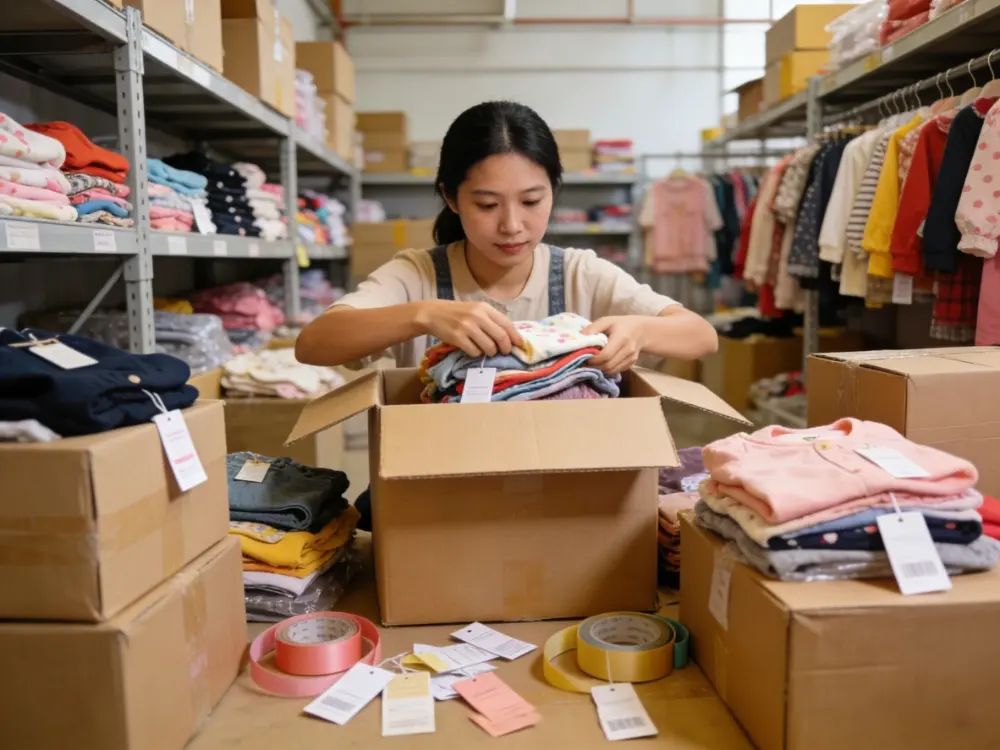
Choosing the Right Wholesale Supplier Is Critical
There are many children’s clothing wholesale suppliers on the market. You should not focus only on price, but evaluate a full range of factors — this is the foundation of your success.
- Reliable Quality: Reliable children’s apparel manufacturers put quality at the top of their priorities. They never use fabrics that irritate or itch children’s delicate skin. This helps you build a loyal base of repeat customers and maintain long-term, stable cooperation.
- Strict Compliance: Children’s clothing is not simply a smaller version of adult apparel — it follows extremely strict safety regulations. Excellent manufacturers fully understand how to eliminate choking risks and can provide official certifications such as CPSC or OEKO‑TEX®, so you can sell wholesale kids clothes with no compliance worries.
- Growth Together:Do you think wholesale suppliers only provide goods? That’s a common mistake. Reliable suppliers track the latest market trends and are willing to share valuable insights with you — this is especially supportive for startup brands.
Know Your Exact Sourcing Needs Before Placing Orders
Before you shoot off an inquiry to a potential kidswear supplier, you need a crystal-clear picture of your own business model.
Going to the negotiating table with exact specs doesn’t just save weeks of back-and-forth emails; it instantly signals to the factory that they are dealing with a serious, professional buyer.
Define Your Niche: Baby, Toddler, or Sustainable?
“Kidswear” is way too broad. You need to align your specific niche with a factory’s core strengths:
- Baby & Infant Wear: The absolute priority here is extreme safety and skin-friendly comfort. You are hunting for factories that specialize in ultra-soft fabrics (like combed cotton or modal), master seamless stitching (flatlock seams), and have zero tolerance for choking hazards.
- Toddler & Kids: These kids play hard. The focus shifts to fabric durability and trend-driven designs (think sequins, tie-dye, and streetwear aesthetics).
- Sustainable Kidswear: High profit margins, but a high barrier to entry. You must demand eco-friendly fabrics (like bamboo or recycled materials) backed by rock-solid certifications (like GOTS for organic cotton).
Distributors vs. Direct Manufacturers: Who to Choose?
Clarifying your supply chain level directly decides your profit margin and brand control:
Distributors (Wholesalers): The pros? Fast, ready-to-ship inventory and rock-bottom MOQs. This is perfect for beginner boutiques with tight budgets just testing the waters. The cons? Razor-thin margins and the constant risk of selling the exact same styles as your competitors.
Direct Manufacturers: This is how you unlock true “factory-direct pricing” and maximize your margins. They support OEM/ODM kids wear production (Private Labeling), allowing you to build your own exclusive brand tag. This is the endgame for sellers with an established customer base who want to build long-term brand equity.
Lock in Your MOQ & Budget
Minimum Order Quantity (MOQ): This is the most brutal reality check in sourcing. If you are launching a new line, don’t bang your head against the wall trying to work with massive factories. Seek out high-quality, mid-sized manufacturers that offer “Low MOQs.” It is the smartest way to mitigate the risk of dead stock.
Smart Budget Allocation: Never blow 100% of your capital on your first inventory run. A healthy financial model looks like this: 40% for product sourcing, 40% for marketing and ads, and 20% reserved for logistics and emergency cash flow.
Top Channels to Find Wholesale Children’s Clothing Vendors
Many startup brands have a clear idea of their needs, yet have no clue where to start. In this era of digitalization and globalization, you can discover top-tier kids wholesale clothing suppliers through online channels — here are the three most mainstream and effective approaches.
Utilizing Online B2B Marketplaces (and How to Filter Them)
Online B2B platforms (such as Alibaba, Global Sources, or Faire for boutiques) are undoubtedly the most convenient gateway to global supply chain resources. However, the most critical mistake new buyers make on these platforms is mistaking trading companies for direct factories. To accurately filter out genuine high-quality children’s clothing manufacturers from the massive database, you need these core filtering strategies:
- Filter for mandatory certification tags: Always check “Verified Supplier” and “Trade Assurance” when searching. This protects your payment security to the greatest extent and confirms the supplier’s real production qualifications via third-party verification.
- Check product catalog specialization: Top children’s clothing factories are highly focused. If a company sells auto parts, women’s wear, and baby onesies all at once, it is almost certainly a middleman. Reliable manufacturers dedicate 100% of their capacity to kids’ apparel.
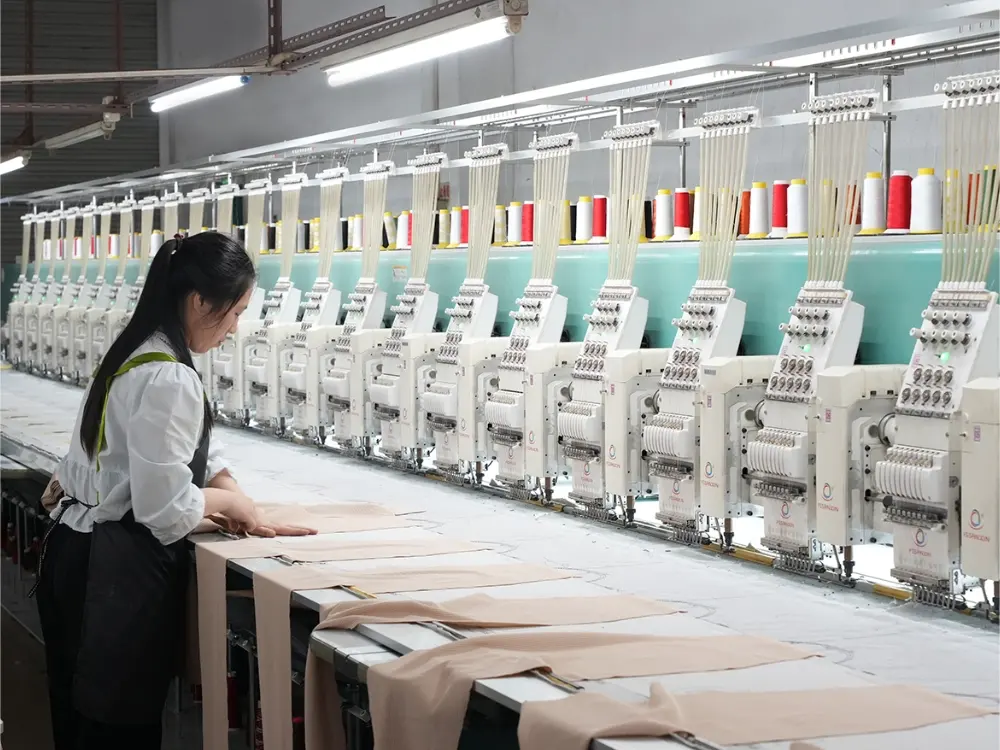
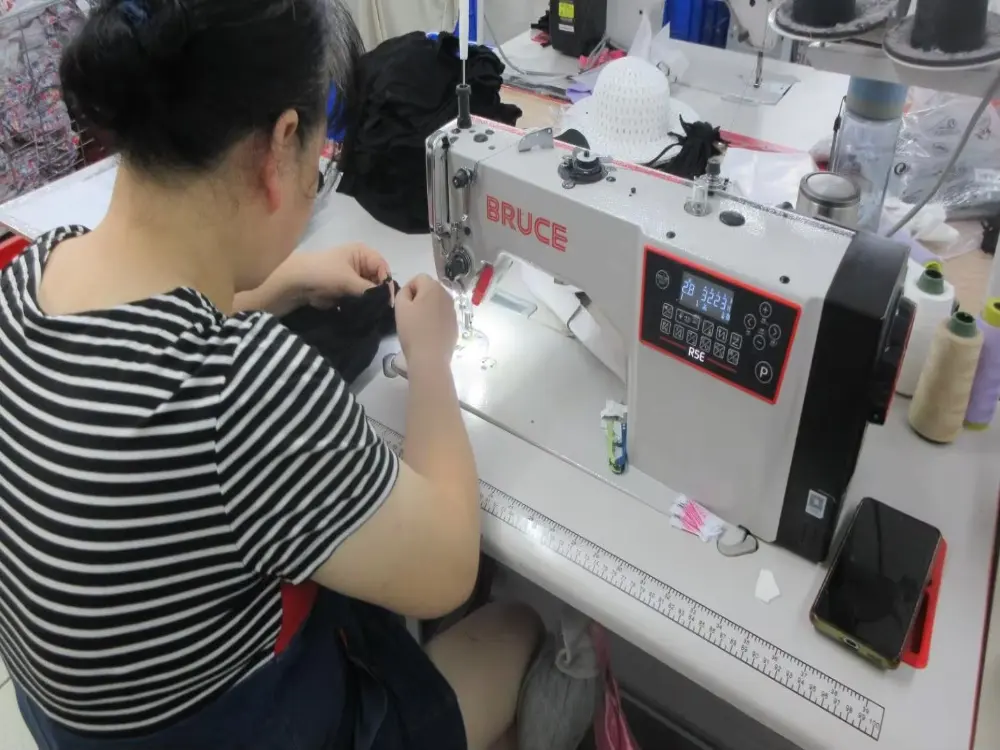
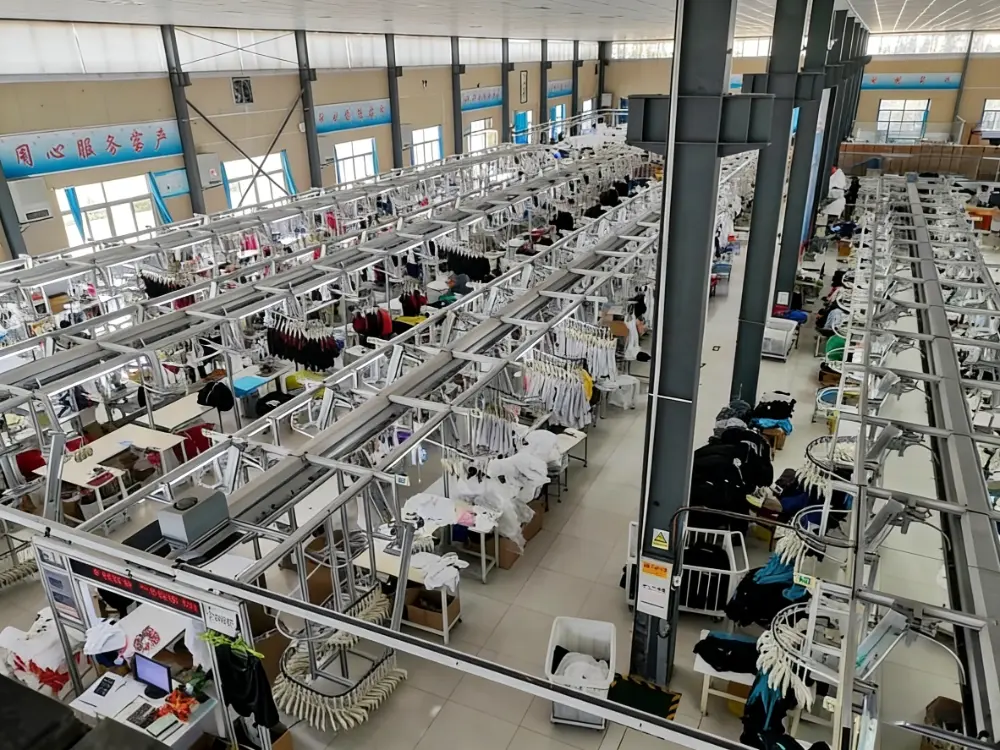
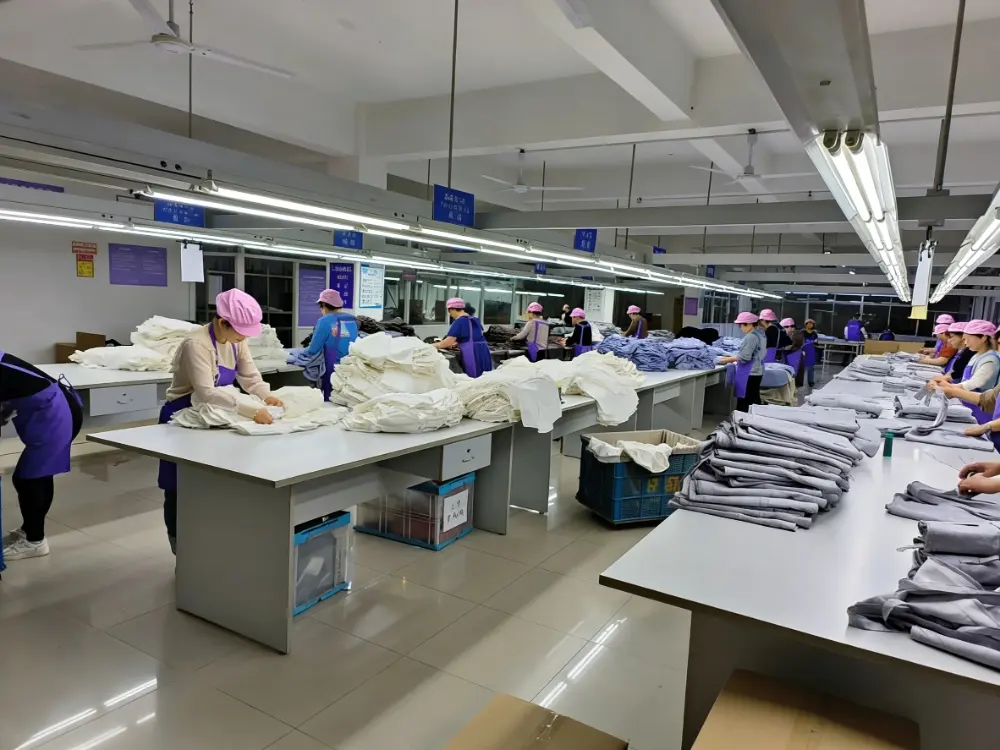
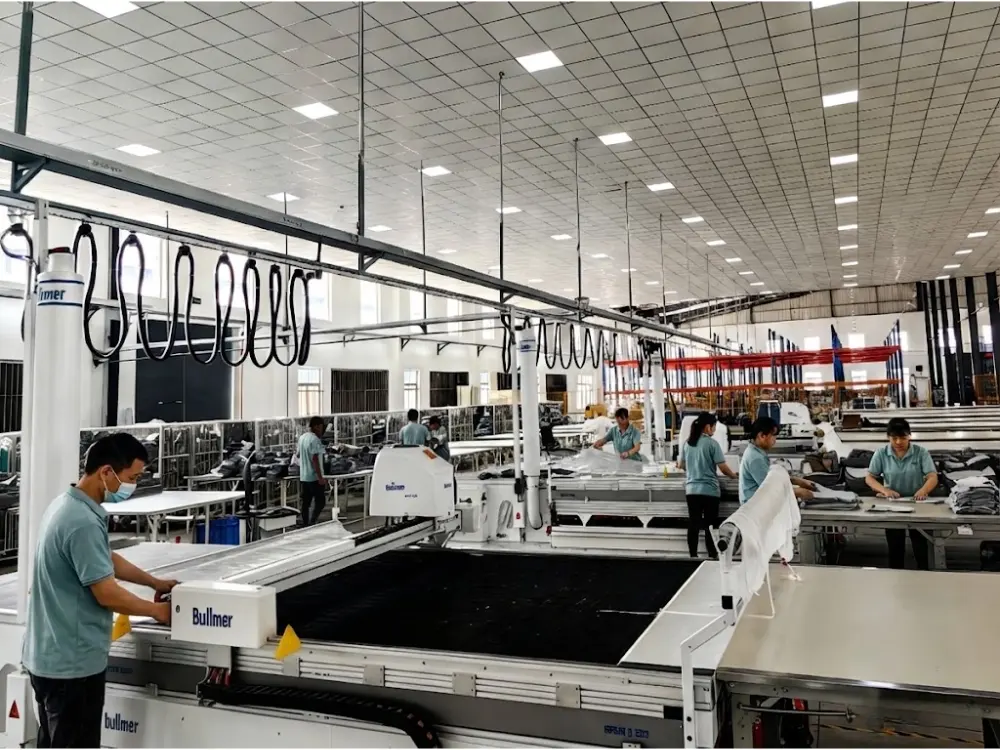
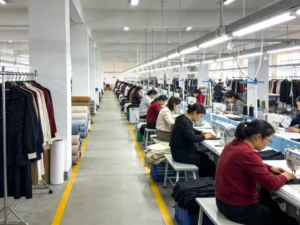
- Verify factory real-scene videos: Don’t rely only on polished product photos. Ask for live production line videos or a video factory tour to check if their cutting workshops, sewing equipment, and quality control (QC) processes are professional and standardized.
Using Advanced Google Search Queries to Find Direct Factories
Compared with B2B directories, this method is simpler and more direct. Just search relevant keywords on Google, and plenty of children’s clothing wholesale suppliers will appear. You just need the right tactics to find reliable ones:
- Skip the “marketing traps” on the first few pages: The top search results are usually large B2B directories, retailers, or overpriced trading companies good at SEO. Be patient and dig deeper on page 3 or even page 5.
- Use precise long-tail keyword combinations: Avoid vague search terms; use targeted phrases to narrow down results. Examples: “Organic baby clothing wholesale supplier”, “custom children’s wear supplier” + “low MOQ”
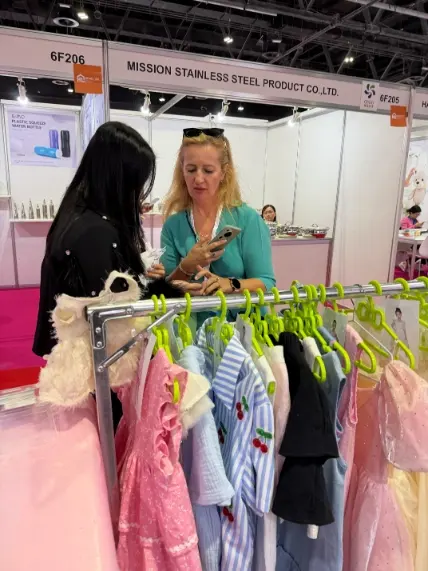
Attending International Kids Apparel Trade Shows & Exhibitions
The two methods above are fully online. Many buyers still feel uneasy without face-to-face communication and fabric testing. For boutique owners building long-term brands, offline trade shows are the best choice.
Build trust & negotiate deeply: Talking directly with factory managers or key sales staff helps build strong business trust. This is the best opportunity to negotiate a lower MOQ or better tiered pricing.
Target top-tier industry shows: Focus on leading exhibitions:
- Playtime (Paris / New York): for high-end & sustainable kids’ fashion
- CBME (Shanghai): the world’s largest maternity, baby & children’s show
- MAGIC Kids (Las Vegas): focused on the North American market
4 Steps to Find Affordable & Stylish Wholesale Children’s Clothing
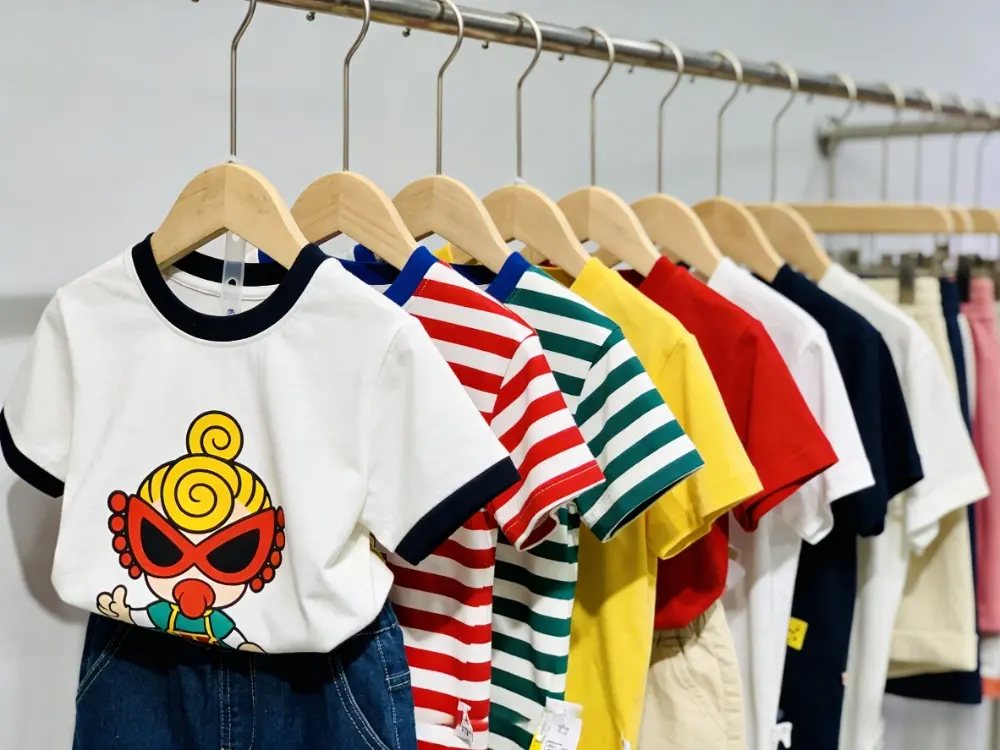
In the children’s clothing retail market, the hardest balance to strike is between trendy styles and healthy profit margins. Many boutique owners often face a dilemma: cutting-edge branded styles come with high wholesale prices that crush profits, while cheap wholesale goods are usually outdated and fail to attract young parents.
With the right sourcing strategy, you can actually have both. Below is a 4-step practical guide to help you source cost-effective, fashionable wholesale kids clothes.
Step 1: Spot Social Media Trends & Shop with a “Bestseller Profile”
Don’t browse B2B platforms blindly — it will only overwhelm you. Before approaching suppliers, you must first become a trend expert.
- Use visual social platforms: Spend 20 minutes each day browsing kids’ fashion hashtags on Instagram, Pinterest and TikTok, such as #kidsfashiontrends, #toddlerootd.
Lock in key elements: Note down the most popular details right now, such as vintage tie-dye, Morandi colors, or bold sequin details. - Targeted inquiries: Ask wholesalers for quotes with these specific “style tags” — this is not only more efficient, but also immediately shows you’re a knowledgeable buyer.
Step 2: Combine Sourcing Channels & Avoid Overpriced Middlemen
The key to “affordable pricing” is shortening the supply chain and reaching the source directly.
- Overseas boutique wholesale platforms (e.g. Faire, FashionGo): Styles here are usually very trendy, great for finding the latest seasonal designs with low MOQs. The downside is that prices may include platform premiums.
- Direct manufacturers: This is the core strategy to minimize costs. Use advanced Google searches to skip trading companies and work directly with factories that have independent design capabilities. Many of our partners found us through Google — we’re always happy to share market insights and provide highly stylish garments for them.
Step 3: Evaluate Samples Wisely & Watch Out for “Cheap Vibes”
“Affordable” should never mean “low-quality”. Fashionability often comes down to fabric texture and workmanship details.
- Fabric testing: When you receive samples, don’t just look at the style. Check if the fabric is scratchy? Does it shrink or fade easily after washing?
- Details make all the difference: Check if stitching is neat and buttons are secure. No matter how stylish a design is, loose threads will ruin its premium look and lead to high return rates.
Small-batch testing: Always ask suppliers for a small number of samples for physical evaluation before placing a bulk order.
Step 4: Master Negotiation Skills & Unlock the Lowest Price with Tiered Pricing
Once you find the right supplier, the final key is negotiation. Don’t push for rock-bottom prices right away — reliable factories need profit to support R&D and quality control.
Negotiate tiered pricing: If you can only meet the minimum order quantity (MOQ) now, take goods at the base price first. But be sure to agree with the factory in advance: what percentage will the unit cost drop when your single-style sales reach 500 or 1,000 pieces?
Build long-term relationships: Stable, consistent reorders are your strongest bargaining chip to get factory bottom prices and priority access to the latest trendy styles.
5 Critical Questions You Must Ask Potential Children’s Clothing Manufacturers
Once you’ve shortlisted a few promising children’s clothing factories on B2B platforms or at trade shows, never rush to place an order. At this stage, you need to conduct thorough due diligence through an in-depth conference call or a detailed email inquiry.
To ensure your future supply chain is safe and efficient, here are the 5 critical questions you must ask before finalizing cooperation:
Question 1: What is your exact Minimum Order Quantity (MOQ)?
MOQ is the practical threshold for cooperation. But you need to ask in greater detail — is the MOQ per style, or per color/size? This directly affects your inventory pressure.
We understand the capital constraints of startup brands. As a manufacturer, we support low-MOQ orders, allowing you to test the market at a low cost.
Question 2: Do you hold relevant children’s safety compliance certifications (such as CPSC or OEKO‑TEX®)?
Regulations in the children’s clothing industry are extremely strict. If chemical dyes exceed limits, or buttons fall off easily and pose a choking hazard for infants and toddlers, your brand will face catastrophic legal lawsuits and product recalls.
Professional children’s clothing factories maintain strict control over fabric color fastness, formaldehyde content, and physical safety. Do not only rely on verbal promises — you must require them to provide up-to-date third-party lab test reports.
Question 3: What is your sampling process, and is the sampling fee refundable against bulk orders?
Sample making before mass production is the only standard to test a factory’s craftsmanship.
Clarify the sampling lead time (usually 7–14 days) and fee breakdown. It is standard industry practice for factories to charge a sampling fee higher than the bulk unit price (to cover separate production setup costs), but this fee should be refundable or deductible from the payment when you place a bulk order of a specified quantity later.
Question 4: Do you provide OEM/ODM services, and do you support custom hang tags and packaging?
If you aim to build a truly independent brand rather than just reselling off-the-shelf goods, the factory’s customization capability is core.
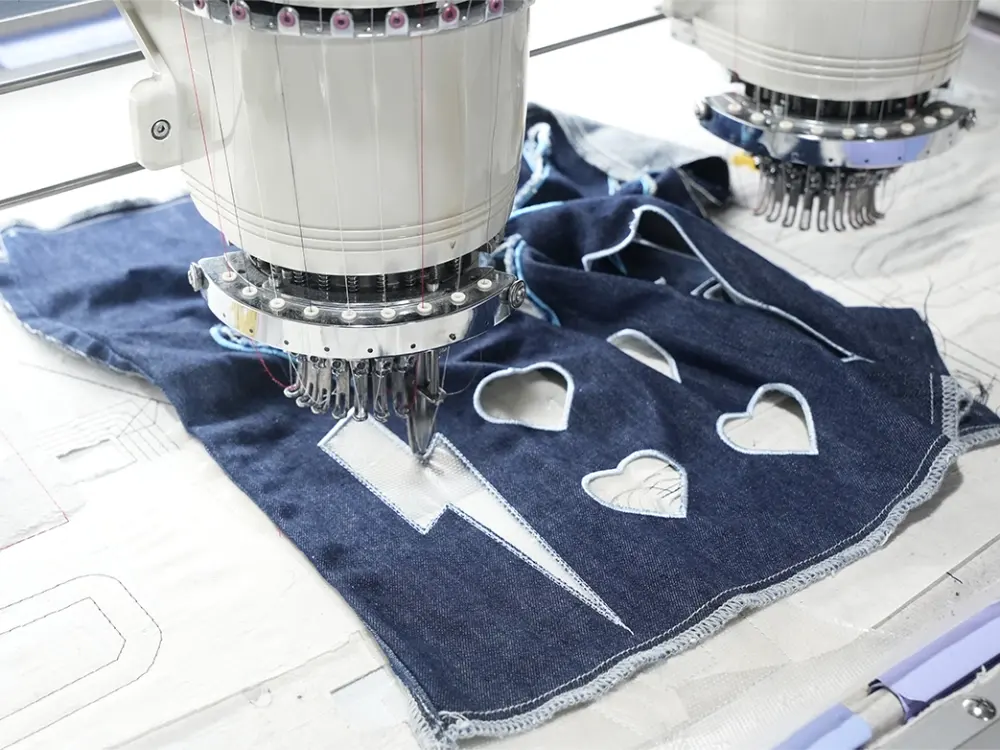
Confirm whether the factory can interpret your tech packs, source specific fabrics as required, and support custom brand care labels, neck labels, and customized packaging. A high-quality factory should offer complete white-labeling and full customization capabilities.
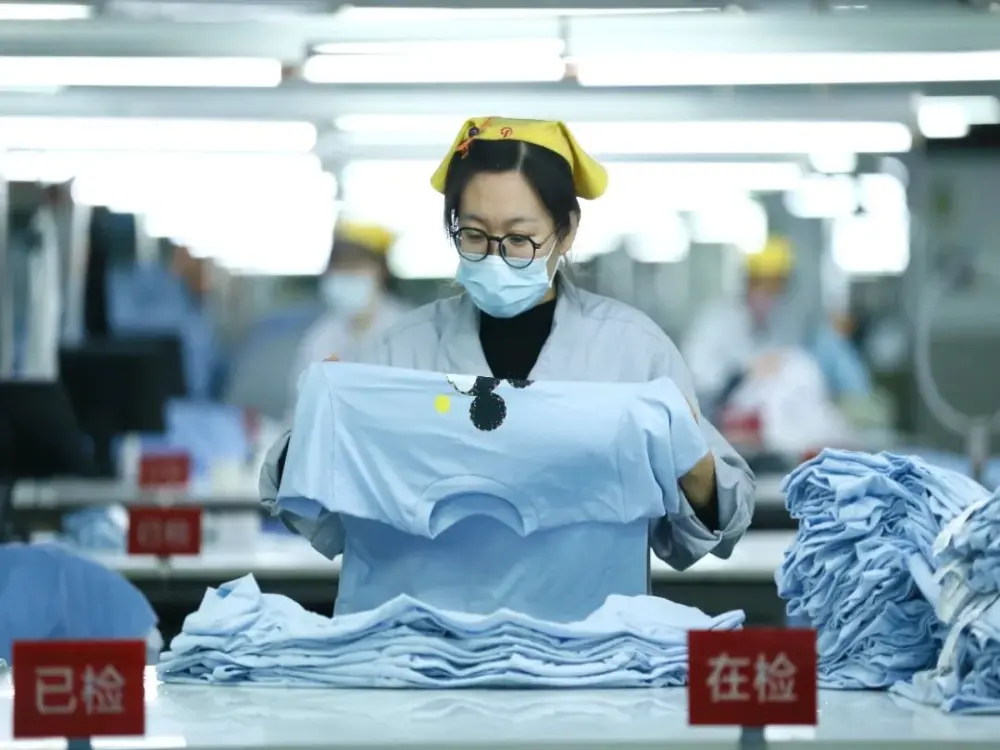
Question 5: What is your Quality Control (QC) process, and how do you handle defective products?
No factory can guarantee 100% perfection, but you must know their bottom line and who is responsible for issues when they arise.
Ask whether they conduct inspections before production, during production, or before packaging. More importantly, require the factory to clearly specify the acceptable defect rate in the contract. If 5% of the bulk goods have issues like loose stitching or obvious stains, will the factory offer a refund, replacement, or deduction for your next order?
Common Red Flags to Avoid When Sourcing Children’s Clothing
Before finalizing any partnership, watch out for these warning signs that can lead to heavy losses:
- Prices far below the market average: Unreasonably low prices almost always mean severe cost-cutting on fabric safety and workmanship, which will eventually result in disastrously high return rates.
- Extremely poor communication & deliberate evasion of questions: Slow responses to inquiries or avoidance of key details (such as lead times and quality inspection) are red flags that mass production will easily spiral out of control later on.
- Refusal to provide samples or charging exorbitant sample fees: Reluctance to make samples, or charging sky-high non-refundable sample fees, almost always indicates a middleman profiting from price gaps.
- No return or refund policy for defective products: Refusing to take after-sales responsibility for defective goods (such as severe color differences or broken stitching) in the contract shifts all inventory and financial risks entirely to you.
Conclusion
In this guide, we’ve not only shown you where to find children’s clothing suppliers, but also walked you through every step of vetting reliable ones.
If you’re a newly launched retailer or children’s apparel brand, take supplier selection seriously — it is easily one of the most high-return investments you will ever make for your brand.
A great children’s clothing wholesale supplier is far more than just a “vendor”; they are a strategic partner that grows alongside your brand.
If you want to build a genuine, long-lasting kids’ fashion brand, we recommend choosing a manufacturer like HAPA. We are a trusted, direct-source factory that supports low MOQs, strictly follows international safety standards, and has extensive experience in OEM & ODM customization.