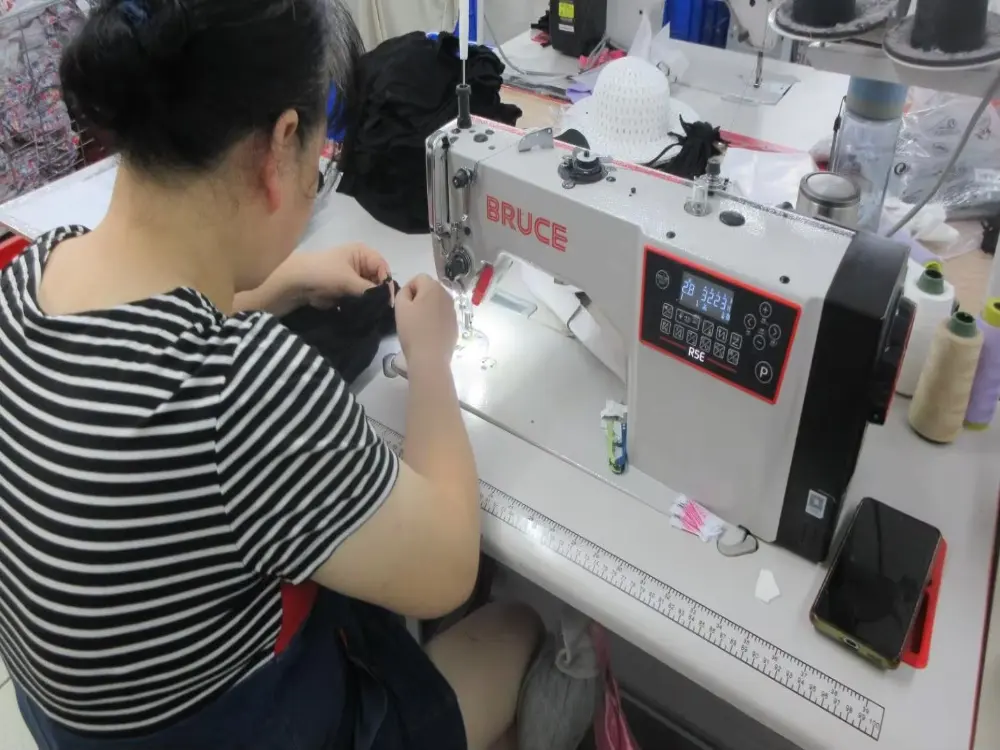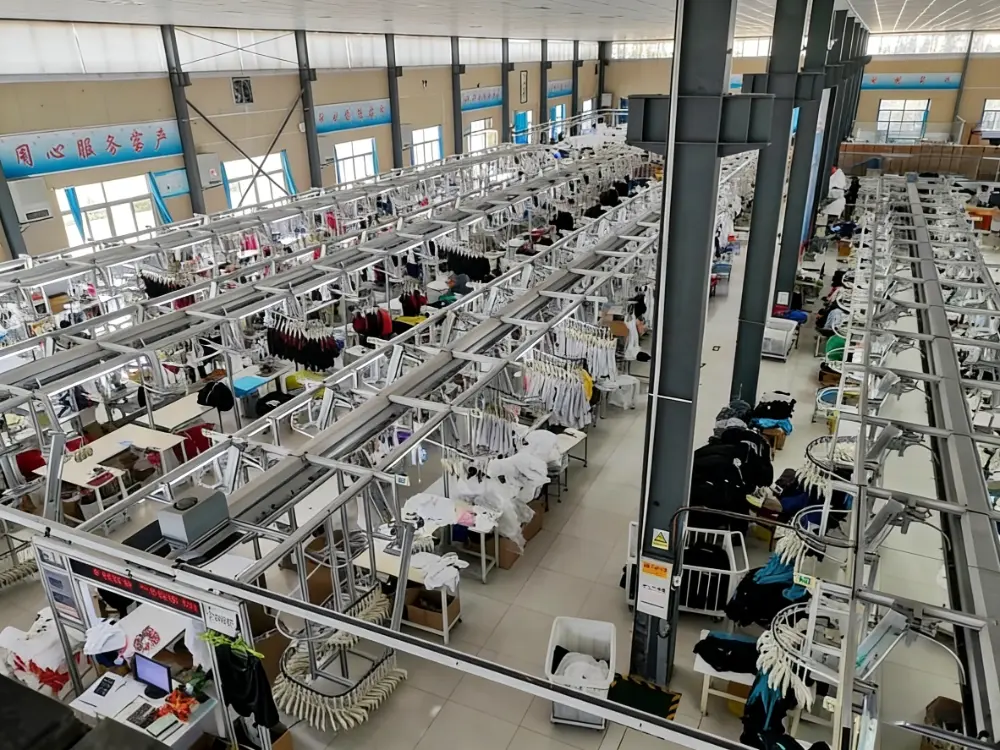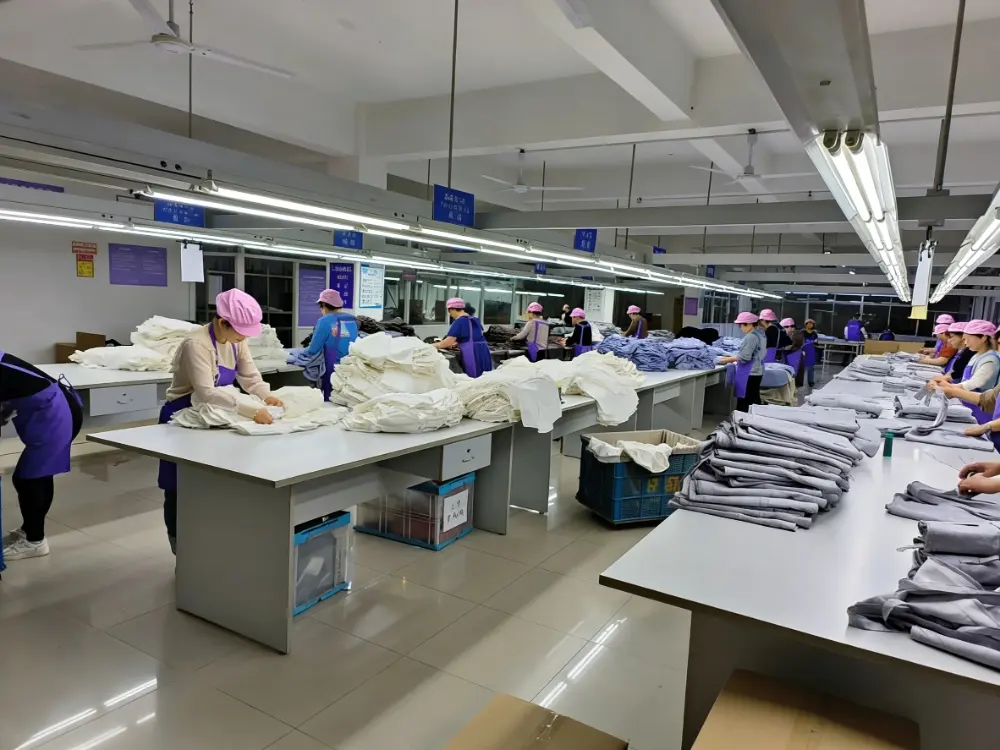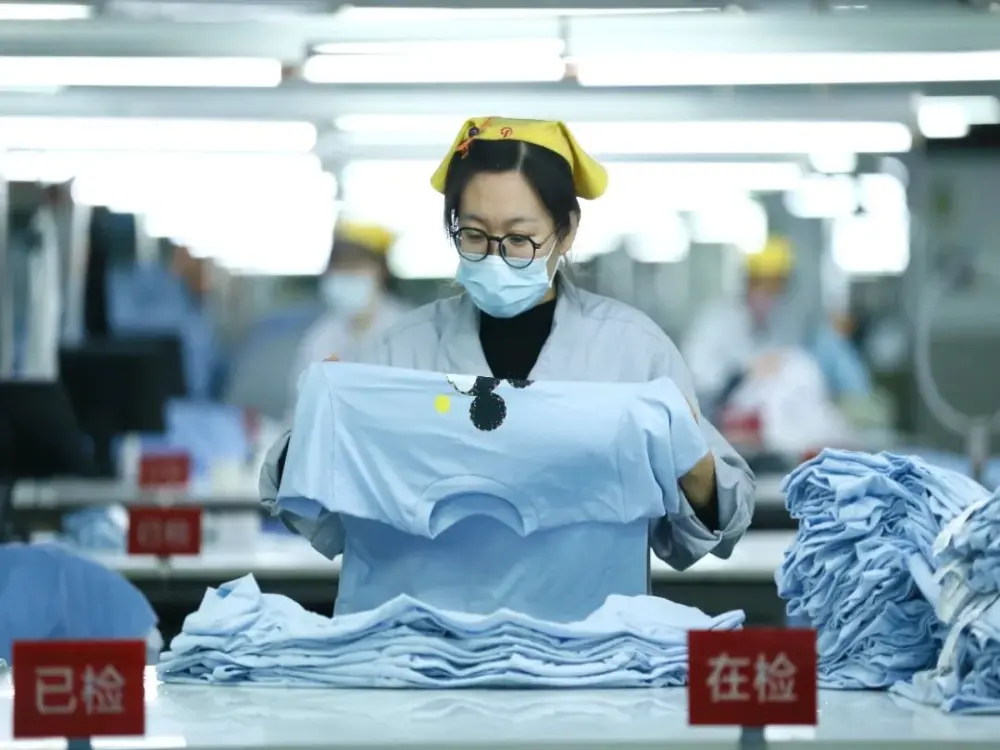
For children’s apparel retailers, finding a reliable manufacturing partner is by no means a simple task. Many brands prioritize price above all else during the vetting process, only to be plagued by delayed lead times, inconsistent product quality, and a string of after-sales problems down the line.
This is especially true for children’s apparel brands in Australia, which is home to some of the world’s strictest safety standards for children’s clothing. Partnering with local manufacturers ensures your garments are fully compliant with these standards, in turn safeguarding both your young customers and your brand reputation.
In this guide, we have carefully curated the top 10 kids clothing manufacturers in Australia,, with a focus on key factors including production capacity, minimum order quantity (MOQ) and quality control, to help you quickly screen and select high-quality partners for your business.
Strict Safety Standards: What You Need to Know
Australia enforces some of the world’s strictest safety standards for children’s apparel, under the rigorous regulation of the Australian Competition and Consumer Commission (ACCC). Local manufacturing within Australia ensures your brand automatically complies with the following key regulations:
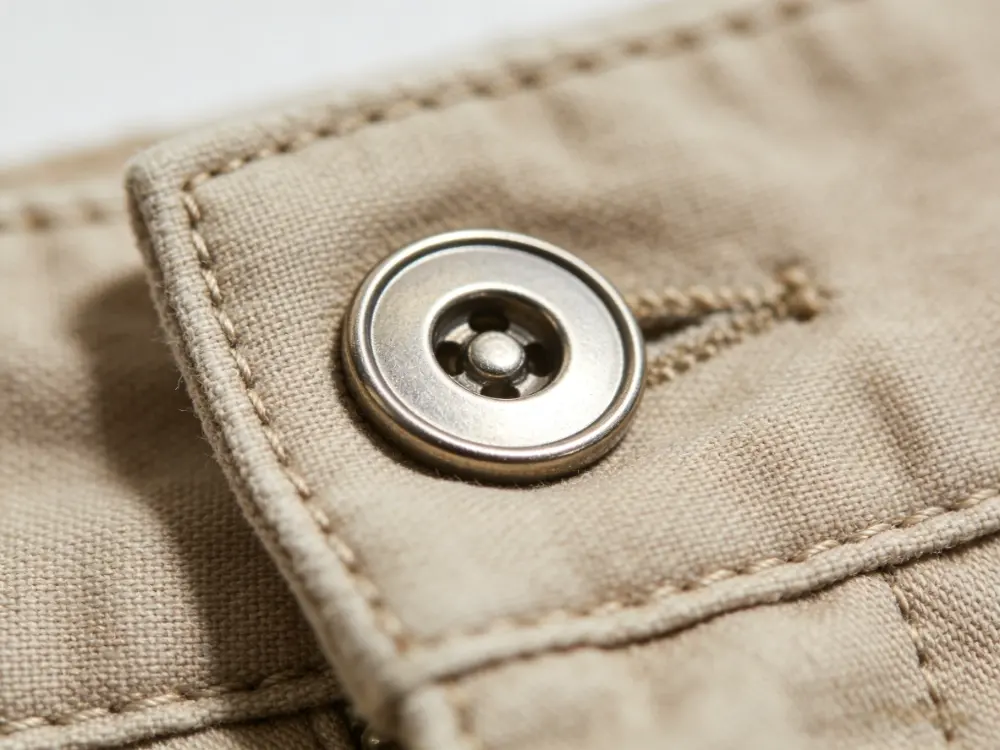
- Choking Hazard & Physical Safety: Stringent quality control guidelines that guarantee the secure fastening of small components such as buttons, press studs and drawstrings.
- Chemical Restrictions (Skin-Friendly Requirements): Mandatory use of non-toxic, azo-free dyes to protect the highly sensitive skin of infants and young children from harmful chemical exposure.
- Mandatory Nightwear Standard (AS/NZS 1249): Strict flammability testing requirements, coupled with mandatory fire hazard labelling in accordance with the garment’s specific fire risk rating.
For this reason, as a responsible children’s apparel brand, your chosen manufacturer must fully meet Australian standards. This not only shields your business from costly product recalls and heavy financial penalties, but also ensures the absolute safety of your young customers.
The Top 10 Kids Clothing Manufacturers in Australia
1.Baby Blanks
Baby Blanks is a well-known premium children’s and infant apparel manufacturer based in Melbourne, specialising in high-quality blank clothing for brands. They understand the stringent demands of the children’s apparel market for comfort and durability, which is why their entire product range is crafted from top-tier combed cotton. This fabric is not only soft and skin-friendly, but also retains its original colour and shape after repeated washes, with minimal shrinkage and pilling.
In addition to providing off-the-shelf wholesale baby clothes Australia, Baby Blanks offers comprehensive private label and relabelling services. Brand founders can use these high-quality basics as a canvas for secondary processing, including tie-dye, embroidery, and printing. Their flexible service model and keen grasp of the latest children’s wear trends have made them a highly popular supply chain partner across Australia.
Why it made the list: It earns its place through deep vertical specialisation in blank children’s apparel, extremely low MOQ thresholds that seamlessly accommodate startup brands, and an outstanding reputation among customers across Australia.
- Pros: Premium top-tier fabric (combed cotton, resistant to pilling and shrinkage); extremely brand-friendly minimum order quantities; end-to-end services from wholesale to relabelling.
- Cons: Styles are primarily focused on basics (T-shirts, onesies, hoodies, etc.), and cannot provide complex custom fashion cuts (such as elaborate princess dresses or specialised outerwear).
- Best for: Startup brands looking to quickly launch a printed/embroidered children’s wear line, streetwear-focused kids’ brands, and independent website sellers prioritising high-quality fabrics.
2.Qualitops
Founded in 1978, Qualitops is a long-established apparel manufacturer headquartered in Melbourne, and a certified member of Ethical Clothing Australia (ECA). They operate extensive local production lines, specialising in custom made apparel including children’s wear.
Qualitops allows clients to mix and match fabrics, colours, panel designs and trims based on their specific requirements. For brands that want to proudly display “100% Made in Australia” on their hang tags and uphold strict ethical manufacturing standards, Qualitops delivers highly reliable local Cut, Make, Trim (CMT) services as a premier custom kids clothing manufacturer Australia.
Why it made the list: As a well-established factory with over 40 years of history, its ECA ethical certification delivers powerful trust and credibility for children’s apparel brands.
- Pros: Holds official ethical manufacturing certification; supports highly customised cuts and colour blocking; zero barriers to local communication.
- Cons: Due to its strict adherence to Australian local labour standards and high-quality manufacturing, overall production costs and cost per unit (CPU) are relatively high.
- Best for: Mid-to-high end mainstream children’s apparel brands that position “Ethical Australian Made” as a core selling point.
3.CB Clothing Co.
CB Clothing is a highly eco-conscious local Australian apparel supplier, best known for its unwavering commitment to using 100% Australian Grown Cotton across its entire product range. Australian cotton is renowned for its world-leading water-saving technologies and minimal pesticide use, resulting in an exceptionally pure fabric perfectly suited to the sensitive skin of babies.
They offer exceptional heavyweight knit fabrics for their Kid’s & Youth Wear lines. More than just a manufacturer, CB Clothing is a long-term partner of Cotton Australia. Partnering with them means your brand’s supply chain meets world-leading standards for environmental protection and sustainability.
Why it made the list: At a time when sustainability has become a mainstream trend, its dedication to 100% Australian-grown pure cotton perfectly aligns with modern parents’ demands for safety and environmental responsibility in children’s clothing.
- Pros: Exceptionally transparent and pure supply chain; fabric with outstanding breathability and hypoallergenic properties; deep ties to local agriculture, delivering an excellent brand story.
- Cons: Specialises exclusively in cotton knit fabrics; cannot accommodate woven fabrics or specialised technical fabrics for your children’s wear line.
- Best for: Eco-friendly baby and children’s apparel brands that prioritise sustainability above all else, and specialise in all-natural, hypoallergenic fabrics.
4.Dusty Road Apparel
Based in Sydney, Dusty Road Apparel is both a highly successful local Australian baby and children’s brand, and a benchmark for high-standard manufacturing across the industry. It is a registered member of the Australian Made Program, with production lines dedicated exclusively to 100% GOTS Certified Organic Cotton.
Its production process strictly excludes all pesticides and harmful chemical dyes, ensuring every garment is cloud-soft and completely non-toxic. In Australia’s fast-growing luxury baby apparel market, Dusty Road Apparel’s manufacturing standards represent the highest level of purity and safety in the industry.
Why it made the list: It sets the benchmark for high-end organic children’s apparel manufacturing in Australia, with its strict controls over non-toxic dyes and organic certification serving as an industry gold standard.
- Pros: Top-tier organic cotton certification; extremely stringent controls over toxic chemicals; products deliver an inherent luxury hand feel.
- Cons: Operates a boutique model with relatively limited production capacity; sourcing and processing lead times for organic fabrics can be lengthy.
- Best for: Luxury newborn apparel brands targeting boutique retailers, with a focus on uncompromising safety and premium positioning.
5.Sample Room
Based in Melbourne, Sample Room is not a traditional large-scale production factory, but Australia’s leading apparel development and pattern making hub. Before moving into bulk production of children’s apparel, brands must complete the rigorous pattern making and sampling stages – and this is exactly where Sample Room excels.
Size grading for children’s apparel is far more complex than for adult clothing, due to the dramatic changes in children’s body proportions as they grow. With its professional tech pack creation and precise size grading services, Sample Room has helped countless emerging children’s wear designers turn sketches on paper into industrial-grade samples that can be perfectly replicated by any factory, drastically reducing the risk of costly production errors.
Why it made the list: It is the essential first stop for any brand looking to launch a children’s line with original, custom cuts, bridging the most critical technical gap between design and bulk production.
- Pros: Exceptional pattern making accuracy; provides expert guidance on children’s wear size grading; perfectly crafted tech packs that integrate seamlessly with any major domestic or international factory.
- Cons: Does not offer bulk production services for orders of hundreds of pieces or more, focusing exclusively on sample development and very small-batch test runs.
- Best for: Emerging children’s wear designers, and founders with complex original designs (rather than off-the-shelf patterns) who need to create accurate production samples.
6.Merino & Co
Merino & Co is a premium apparel manufacturer based in Western Australia (WA), specialising in production using Australia’s iconic national natural fibre: 100% pure Merino Wool. In children’s apparel – particularly winter warmers and sleepwear – Merino wool is highly prized for its natural thermoregulation and inherent flame-resistant properties.
They combine traditional wool processing techniques with modern design to create children’s garments that are not only warm, but also completely non-itch with next to no irritation. For children’s wear brands looking to add high-value products to their autumn/winter collections, Merino & Co delivers world-class materials and manufacturing expertise.
Why it made the list: It dominates the high-margin niche of Merino wool children’s apparel, leveraging Australia’s abundant local supply of premium natural Merino wool.
- Pros: World-class wool processing technology; inherent flame resistance of Merino wool (perfectly aligned with Australia’s children’s sleepwear safety standards); significant margin potential for products.
- Cons: Significant material limitations, not suitable for summer or tropical climate children’s wear lines; raw wool material costs are extremely high.
- Best for: High-end children’s apparel brands specialising in high-margin autumn/winter collections, premium children’s thermal underwear, and natural sleepwear.
7.CGT Australia
Founded in 1983, CGT Australia is widely recognised as one of Australia’s leading ethical apparel manufacturers. Based in Melbourne, it operates extensive local production facilities, providing comprehensive CMT (Cut, Make, Trim) services for men’s, women’s and children’s apparel.
Unlike small workshops that only handle micro-orders, CGT has the production capacity to manage medium-to-large volume orders, while maintaining strict compliance with Australian local labour laws. Its experienced workshop management and quality control (QC) systems ensure a high level of consistency across bulk children’s apparel production, particularly for physical safety metrics such as seam strength and pull testing.
Why it made the list: It fills a critical gap in the Australian local market for medium-to-large scale, compliant manufacturing, serving as a reliable partner for established brands looking to localise production.
- Pros: Robust bulk production capacity; extremely consistent quality control system; deep industry manufacturing expertise.
- Cons: Has higher minimum order quantity (MOQ) requirements compared to small startup-focused factories.
- Best for: Established children’s apparel businesses with a proven sales volume, looking to reshore their supply chain from overseas to Australia to enhance their brand image.
8.KJ Production House
Based in Sydney, KJ Production House is a boutique apparel manufacturer with an unwavering commitment to craftsmanship. While they specialise in complex women’s high fashion and swimwear, they also deliver an exceptional level of workmanship in children’s wear manufacturing.
KJ Production House is particularly well-suited for children’s wear collections with intricate design details and complex fabric construction. Whether it’s layered children’s tulle gowns, or kids’ sun-safe swimwear with strict requirements for stretch and stitching, they also deliver an exceptional level of workmanship compared to other Australian kids fashion manufacturers.
Why it made the list: It delivers exquisite local manufacturing solutions for design-driven children’s apparel, with particular excellence in the children’s swimwear and complex dress categories.
- Pros: Specialises in complex construction techniques and specialised fabrics (such as swimwear Lycra); provides in-depth customised consulting; delivers exceptionally fine workmanship.
- Cons: Its boutique model means production lead times can be lengthy, making it unsuitable for sellers operating a fast-fashion model.
- Best for: Niche designer brands specialising in high-end children’s swimwear/sun-protective clothing, girls’ occasion wear, and heavily designed statement pieces.
9.Manufacture My Product Pty Ltd
This Melbourne-headquartered company offers a comprehensive Full Package Production (FPP) manufacturing experience. As the name suggests, they don’t just manufacture children’s apparel – they also support brands in producing complementary textile products including children’s bed linen, bibs and more, delivering a one-stop sourcing solution.
For brand founders who don’t want to get bogged down in the complexities of fabric sourcing, pattern adjustments, and factory negotiations, Manufacture My Product acts as a full-service end-to-end partner. Leveraging its extensive network of resources, it turns a client’s concept directly into shelf-ready finished products, drastically simplifying supply chain management.
Why it made the list: It offers a rare full package production service, while also supporting category expansion (from children’s apparel to kids’ home textiles).
- Pros: A true turnkey, one-stop service; eliminates the hassle of multiple vendor liaisons for brands; supports the development of diverse children’s textile products.
- Cons: With a broad scope of business, it may not have the same level of specialisation as single-category factories for highly niche items (such as highly technical waterproof performance children’s wear).
- Best for: Cross-sector entrepreneurs with limited supply chain management experience, and lifestyle brands looking to launch both children’s apparel and complementary kids’ home goods.
10.DR Manufacturing
Based in Brisbane, Queensland, DR Manufacturing’s core team boasts a combined 150+ years of industry experience. They are unmatched in their rigour and precision in garment engineering, with services covering the entire production process, from precision pattern making and detailed technical specification (Tech Pack) development through to final manufacturing.
In children’s apparel manufacturing, safety is paramount (for example, button pull testing and zipper design). DR Manufacturing’s extensive experience allows them to proactively identify potential safety hazards or shrinkage risks in design drafts before production begins, saving brands from potentially significant financial and reputational losses.
Why it made the list: Backed by Queensland’s deep manufacturing heritage and a highly experienced technical engineering team, it safeguards the fit science and safety of children’s apparel.
- Pros: Deep technical expertise and scientifically rigorous pattern development; excels at pre-emptive risk mitigation (safety and fabric shrinkage warnings); professional and clear communication.
- Cons: Compared to fashion-focused factories in Sydney and Melbourne, its approach is more traditional and industrial, and it may be less responsive to the latest social media viral styles.
- Best for: Professional baby and children’s apparel brands that prioritise exceptional fit, product safety and comfort engineering above all else, with a focus on steady, reliable growth.
Key Factors When Choosing an Australian Manufacturer
Partnering with the right factory means more than just finding a garment production facility—it means securing a strategic long-term partner. Before signing a contract or paying for your first sample, you should evaluate potential kids clothing manufacturers in Australia against these four key criteria to ensure they align with your brand’s strategic goals and budget.
Minimum Order Quantity (MOQ)
The Minimum Order Quantity (MOQ) is the lowest number of units a factory is willing to produce in a single order. Understanding a manufacturer’s MOQ is usually the first step in determining whether they are a good fit for your business.
- Low MOQ: Ideal for startups and businesses testing new designs with minimal risk. Be aware that a lower MOQ typically results in a higher Cost Per Unit (CPU).
- High MOQ: Best for established brands looking to maximize profit margins through economies of scale.
- Pro Tip: Always confirm whether the factory’s MOQ is calculated per style, per color, or per size.
Custom Design (OEM) vs. Private Label (ODM)
When launching your brand, you need to decide how much control you want over the design and construction of your garments. Australian manufacturers typically offer two distinct pathways:
- Custom Design (OEM): You create one-of-a-kind garments from scratch using your own tech pack. While more time-consuming, it guarantees 100% design exclusivity for your OEM kids clothing Australia line.
- Private Label (ODM): The fastest and most cost-effective route to market for private label kids clothing Australia. You purchase high-quality blank garments and add your brand identity. This is the preferred choice if you are seeking premium, ready-made basics.
Fabric Quality & Certifications (GOTS & OEKO-TEX®)
For infant and children’s clothing, parents are especially concerned about the fabrics that touch their kids’ skin. Choosing a manufacturer that uses premium, safe fabrics is a powerful Unique Selling Proposition (USP) for your marketing. Look for factories that hold globally recognized certifications:
- GOTS (Global Organic Textile Standard): The gold standard for organic fibers, ensuring no toxic pesticides are used in production and strict ethical labor standards are met.
- OEKO-TEX® Standard 100: Guarantees that every single component of the garment—including the fabric, sewing threads, zippers, and buttons—has been rigorously tested and is 100% free from harmful substances.
Lead Times & Logistics
One of the biggest advantages of manufacturing in Australia is the significantly reduced logistical hassle, but you still need a clear timeline.
- Faster Turnaround: Local Australian production typically takes 4 to 8 weeks, drastically cutting down the months-long wait times common with overseas sourcing.
- Lower Shipping Costs: You avoid expensive international sea/air freight and unexpected customs delays, allowing for much tighter budget control and faster inventory restocks.
Why Most Australian Kids Brands Manufacture Overseas
While the appeal of “Made in Australia” is undeniable, with its promise of rigorous production standards, the vast majority of successful local Australian children’s wear brands choose to partner with an overseas kids clothing manufacturer for Australian brands — primarily based in China and Southeast Asia. The core reasons are outlined below:
- Unmatched Cost Efficiency and Profit Margins
Australia has some of the highest minimum wage rates and manufacturing costs in the world, which severely squeezes the profit margins of local brands. By partnering with an overseas children’s wear manufacturer, you can drastically cut production costs, maintain highly competitive retail pricing, and preserve healthy profit margins at the same time. - Advanced Manufacturing Capabilities and Technical Expertise
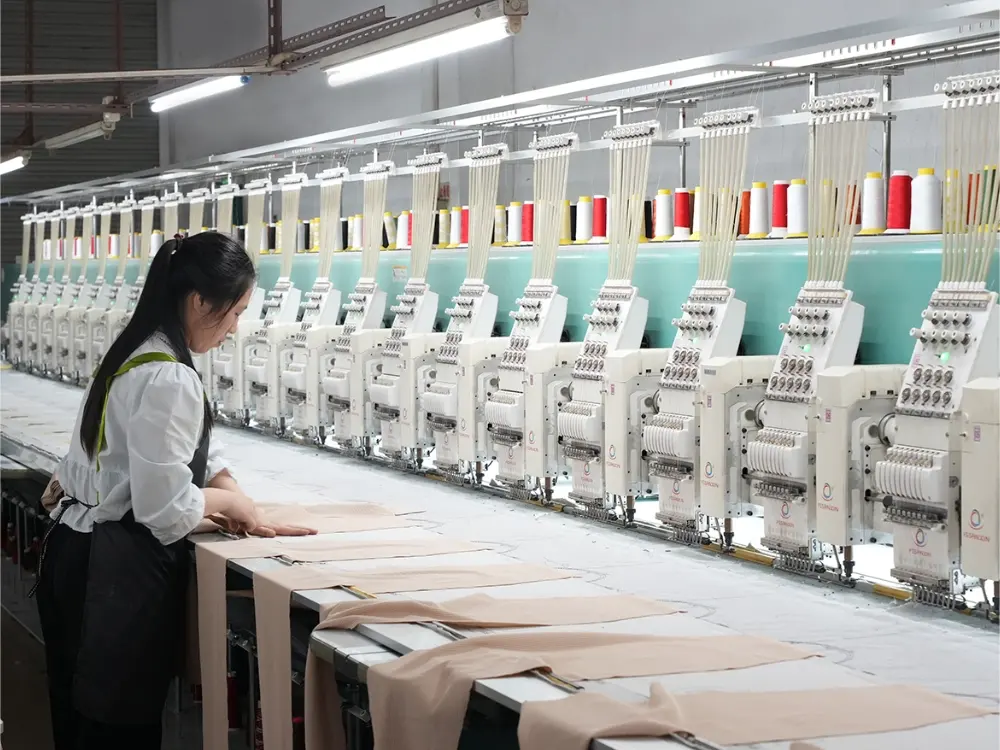
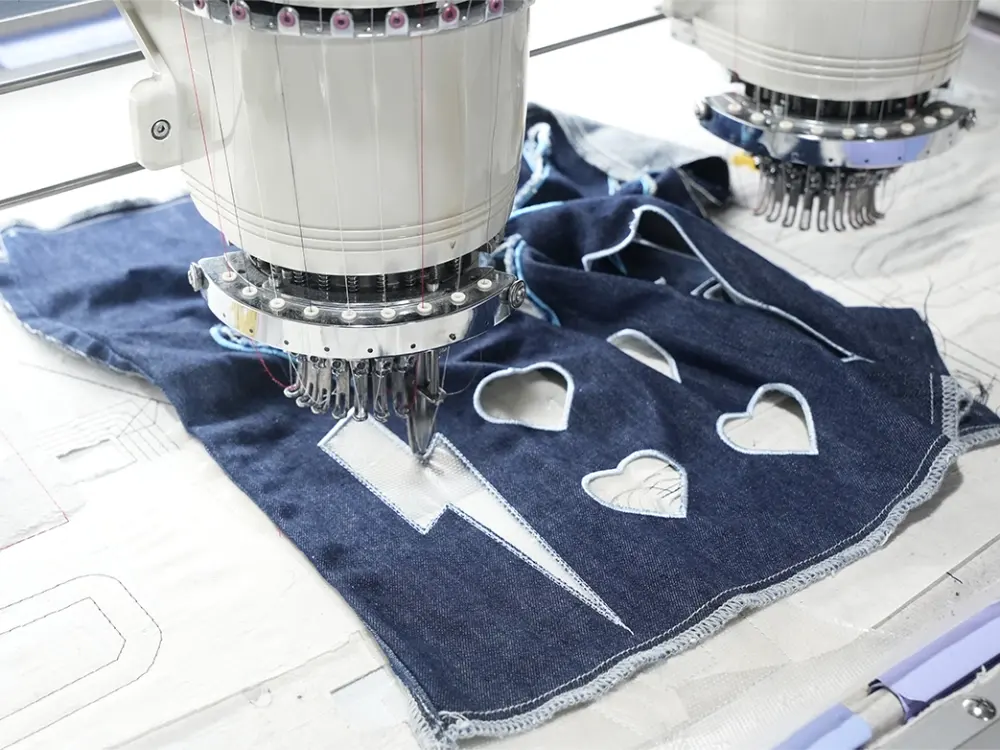
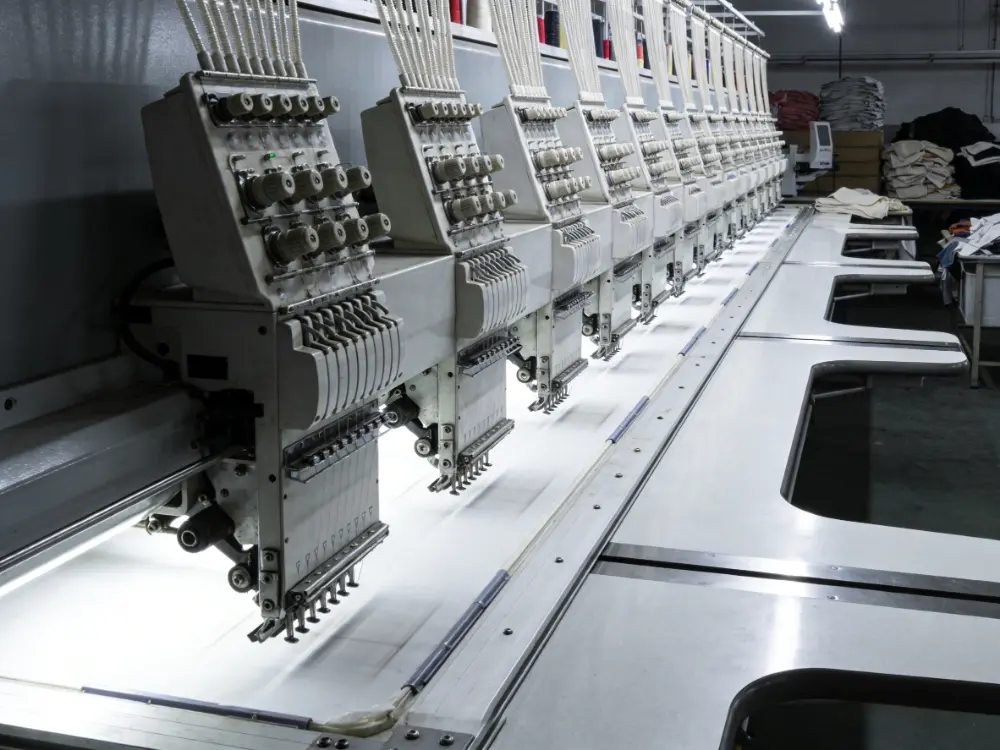
Local Australian factories often lack the experience and specialized equipment to produce complex styles, a challenge that manufacturers in China readily solve. Whether you need intricate embroidery, custom waterproof outerwear, elaborate sequin or beading work, or performance fabrics for advanced activewear, overseas supply chains have the specialized machinery and skilled workers to perfectly execute even the most complex tech packs. - End-to-End Supply Chain Integration
Sourcing fabrics, zippers, buttons, and custom labels in Australia typically requires liaising with multiple separate middlemen, which complicates procurement and lengthens production lead times. In contrast, key manufacturing hubs in China have fully integrated, localized supply chains. For example, fabric sourced in the morning can be delivered to the factory the very same afternoon, enabling seamless, rapid progress across nearly every stage of production. - Full Compliance with Australian Safety Standards
There is a common misconception that overseas production means compromised quality. However, manufacturers like HAPA hold full industry qualifications and operate modern, state-of-the-art production facilities, with the ability to manufacture products that fully comply with Australian local regulations. We can provide complete certification including SGS, ISO, CPC, CE, AZO, GPSR and BSCI, and welcome you to visit our factory in person, to give you complete peace of mind when partnering with us.
2026 Australian Children’s Apparel Market Key Trends
Finding the right manufacturer is only the first step. Accurately grasping Australia’s local market trends will align your 2026 collection planning and tech pack development with consumer needs, and significantly boost sales conversion. The two dominant trends below cannot be overlooked.
UPF 50+ Sun Protective Wear: Non-Negotiable Australian Staple
Australia has some of the world’s highest UV radiation levels, making sun protection the top priority for local parents shopping for kids’ clothing. Apparel with an official UPF 50+ protection rating is the core selling point to break into the Australian market.
Must-have categories: Long-sleeve rash guards, one-piece sun-safe swimwear, wide-brim sun hats, and lightweight long-sleeve outdoor activewear are essential for Australian kids’ brands.
Critical requirement: Request UPF 50+ certification for fabrics and finished goods from your manufacturer, to ensure your sun protection claims are compliant and trusted by consumers.
Booming Neutral & Earth Tone Collections
Neutral and earth tones are in a golden age in Australia’s children’s apparel market. Young parents have abandoned traditional gendered colour designs, favouring minimalist, sophisticated neutral palettes. For the Australian market, we offer 3 core design recommendations:
- Prioritise breathability: Pair neutral tones with natural fabrics (organic cotton, linen blends, muslin) to meet local parents’ core demand for breathability.
- Enhance colour fastness: For Australia’s high-UV environment, upgrade UV-resistant colour fastness in the dyeing process to solve sun-induced fading pain points.
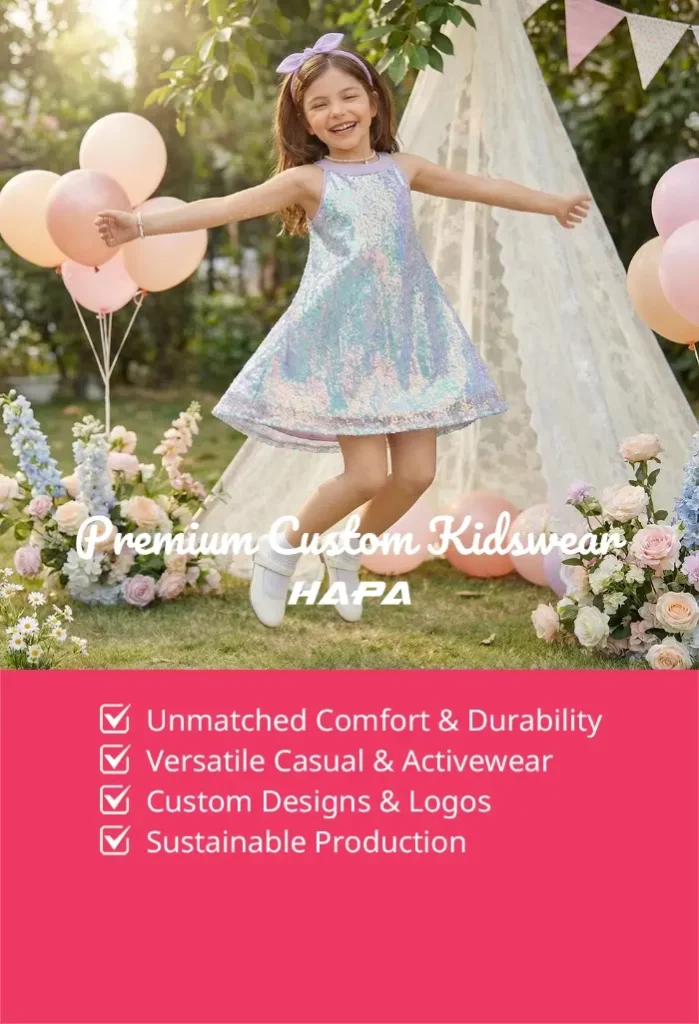
- Differentiate with details: Use tone-on-tone matte sequins as subtle accents on neutral pieces, balancing understated texture and unique design.
Our in-house team of 20+ specialist children’s wear designers has provided services for over 1000 brands worldwide. If you have custom design needs, or want to learn about cutting-edge kids’ fashion trends, welcome to contact us anytime.
How to Start Your Own Children’s Clothing Brand in Australia: A Step-by-Step Guide
Launching a children’s clothing brand is an exciting journey full of opportunity. However, turning your initial design sketches into profitable, market-ready products requires meticulous planning. Whether you plan to manufacture locally in Australia or source from an overseas supply chain, following these key steps will set your brand up for success in Australia’s highly competitive market.
Step 1: Niche Down and Define Your Target Audience
Australia’s children’s apparel market is large and saturated. To stand out, selling “general kids’ clothes” is not enough — you need a highly defined niche. Will you specialise in gender-neutral linen casualwear, UPF 50+ sun-safe beach and activewear, or GOTS-certified organic cotton newborn sleepwear?A clear market positioning will not only help you reach your ideal parent customers, but also determine which manufacturing partners are the right fit, as factories typically specialise in specific fabrics and product categories.
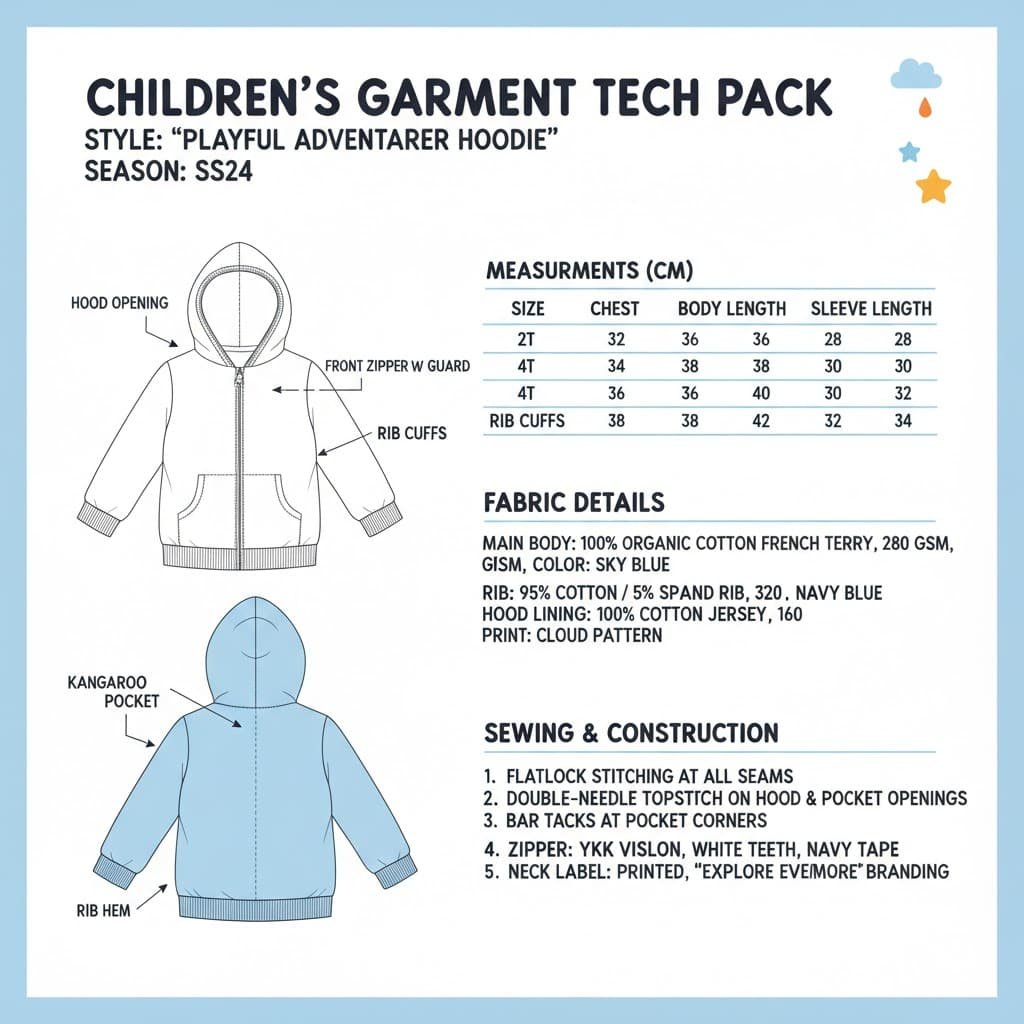
Step 2: Create a Professional Tech Pack
A Tech Pack (Technical Specification Pack) is the architectural blueprint for your garments, and the single most critical document you will hand over to your clothing manufacturer. To avoid costly production mistakes, your tech pack must be comprehensive and error-free.It should clearly outline:
- Technical Flat Sketches: Front and back technical drawings of the garment, with clear annotations for key construction details
- Bill of Materials (BOM): Exact fabric composition, fabric weight (GSM), and dye colours (Pantone colour codes)
- Hardware & Trims: Specific details such as YKK zippers, nickel-free press studs, and care labels
- Size Grading: Size specifications across all age groups (e.g., from 0-3 months up to size 5), with clear grading rules for each measurement
Step 3: Prototyping and Sampling Process
Never jump straight into bulk production. The sampling phase is a critical opportunity to test your manufacturer’s craftsmanship, quality, and communication capabilities.
- Fit Sample: First, request a fit sample to test sizing and silhouette on a child. Kids are constantly on the move, so verifying the garment’s functionality, stretch, and mobility is essential.
- Pre-Production (PP) Sample: Once the fit and sizing are perfected, request a final PP sample made with your final selected fabrics, colours, and brand labelling. This is your gold standard; bulk production must match this sample exactly.
Step 4: Secure Your Supply Chain and Legal Compliance
Before your official launch, ensure the back-end of your business is secure and compliant. Register for your Australian Business Number (ABN), and consider trademarking your brand name.
Most importantly, confirm that your chosen manufacturing partner guarantees full adherence to the regulations set by the Australian Competition and Consumer Commission (ACCC). Ensure they have strict quality control measures in place to mitigate choking hazards, and are fully equipped to apply the mandatory fire hazard labelling required for the Australian market.
The Smart Overseas Alternative: Partnering with HAPA for the Australian Market
Whether you’re a new Australian startup or an established boutique looking to scale, HAPA delivers robust supply chain support for your children’s apparel brand. Based in Guangzhou, China, we’re a professional OEM factory with 16 years of specialist kids’ wear manufacturing experience, and deep expertise in creating high-quality, on-trend, compliant children’s clothing for the Australian market.
Our Tailored Support for Australian Brands
- Full Australian Safety Compliance: Rigorous controls over fabrics, trims and production to meet ACCC mandatory children’s wear safety rules, including non-toxic dyes, lead-free hardware and anti-choking designs.
- Flexible MOQs & Strict Quality Control: We support both large-scale bulk orders and startup-friendly low minimums, with multi-stage quality inspections for every garment, no compromise on craftsmanship.
- One-Stop Private Label Services: Full custom branding solutions, including personalised main labels, care tags, hang tags, plus Australian retail-standard eco-friendly packaging and individual bagging.
- Seamless Australia-Tailored Logistics: Decades of export expertise in China-Australia shipping and customs clearance, delivering efficient, cost-effective logistics to cut delays and unexpected costs.
Conclusion
This guide has curated 10 top children’s apparel manufacturers in Australia, catering to the needs of brands across all growth stages. For startups, the initial steps can feel overwhelming — but as we’ve outlined, mastering key industry fundamentals, from MOQ rules to selecting the right fabrics (skin-friendly modal, durable blends, etc.), every informed decision paves the way for your brand’s success.
If you have questions about the production process, or are ready to turn your design sketches into high-quality finished garments, contact us anytime. Let’s bring your brand vision to life together.
FAQ
What is the average MOQ for clothing manufacturers in Australia?
For startup brands and small-batch production, the average Minimum Order Quantity (MOQ) in Australia typically ranges from 50 to 100 units per style. However, this can vary; some specialized cut-and-sew factories offer micro-runs for prototypes, while others require around 200 pieces for fully custom designs.
Do I need specific licenses to sell children’s clothing in Australia?
While you do not need a specialized “children’s clothing license” beyond standard business registrations (like an ABN), you are legally required to comply with strict mandatory safety standards enforced by the ACCC. This includes adhering to rigorous regulations regarding flammability, choking hazards (like buttons or drawstrings), and correct care labeling under the Australian Consumer Law.
Can Australian manufacturers help with clothing tags and packaging?
Yes, many Australian clothing manufacturers and apparel finishing studios offer comprehensive “relabelling” and packaging services. They can remove generic factory tags and sew in your custom woven neck labels, attach branded swing tags, and provide professional folding and bagging (including eco-friendly options) before shipping.