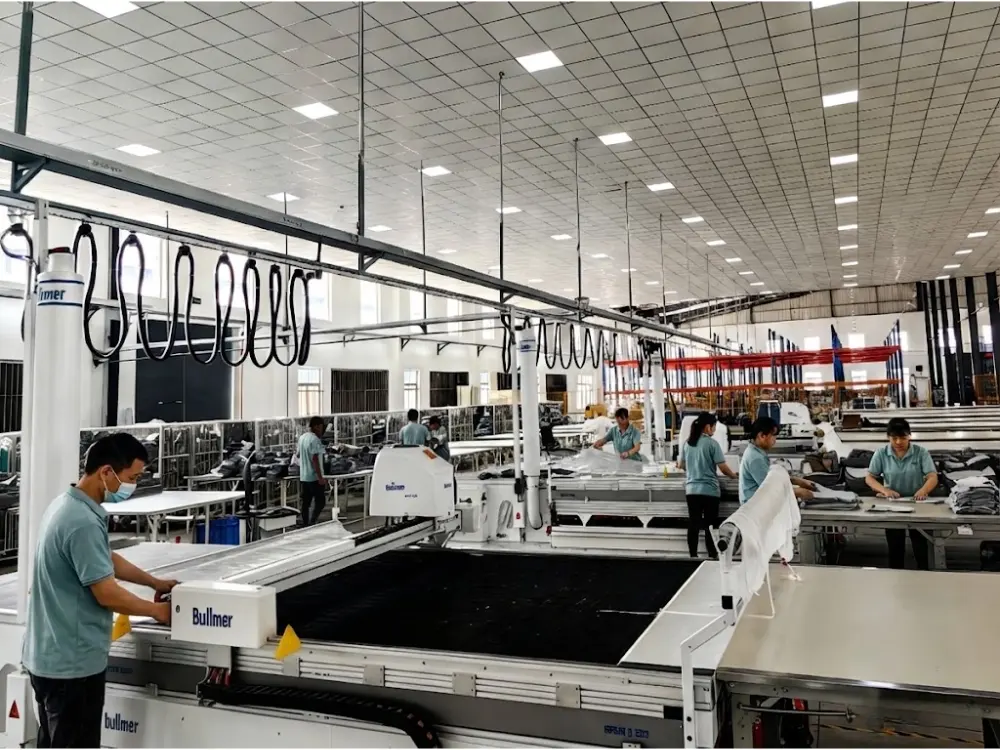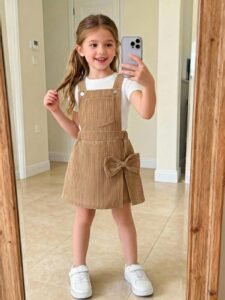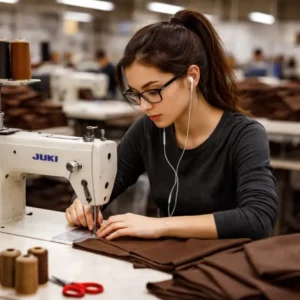
Safe clothing for children is the top priority for every parent. Choosing clothes for your kids should be a joy, not a headache. As shopping malls and the Internet become more accessible, understanding how to pick safe, high-quality apparel has never been more critical.Children have much more sensitive skin than adults, and they like to run, climb and play all day long. Poor-quality, unsafe children’s clothing can cause skin irritation, allergies, choking risks, and even accidental injuries during routine play. Unlike adult fashion, children’s clothing is always about comfort and safety-stylish design and low prices are never worth the risk to children’s health and safety. In this step-by-step guide, we’ll show you how to choose safe clothing for your child. You’ll learn how to read labels, which fabrics are really right for kids, and practical tips for shopping for newborns and bubbly toddlers alike.
Why safe baby clothes are more important than you think
As parents, we tend to spend a lot of time studying the ingredients of powdered milk and crash tests for car seats, but it’s easy to overlook the clothes our children wear every day, in close contact 24 hours a day. In fact, the definition of“Safe children’s clothing” is far more than soft fabric, it is directly related to the healthy development of children.
Children wear clothes all the time, sometimes even in bed. What you may not know is that the skin barrier in children is not fully developed and is only about 1/3 as thick as in adults. This means that the skin, the body’s largest organ, absorbs chemical residues in clothing far more quickly and sensitively than in adults. Poor quality clothing can cause skin rashes, allergies, and even certain chemicals that can interfere with hormone balance. In addition to health problems, unsafe designs, such as loose hat cords or small buttons, can also cause accidents. Choose safe children’s clothing, not to worry too much, but to give the whole family a sense of security, while still allowing the child to dress beautifully.
Common pitfalls in children’s clothing (and how to identify them)
Give priority to non-toxic fabrics: A Guide to chemical safety
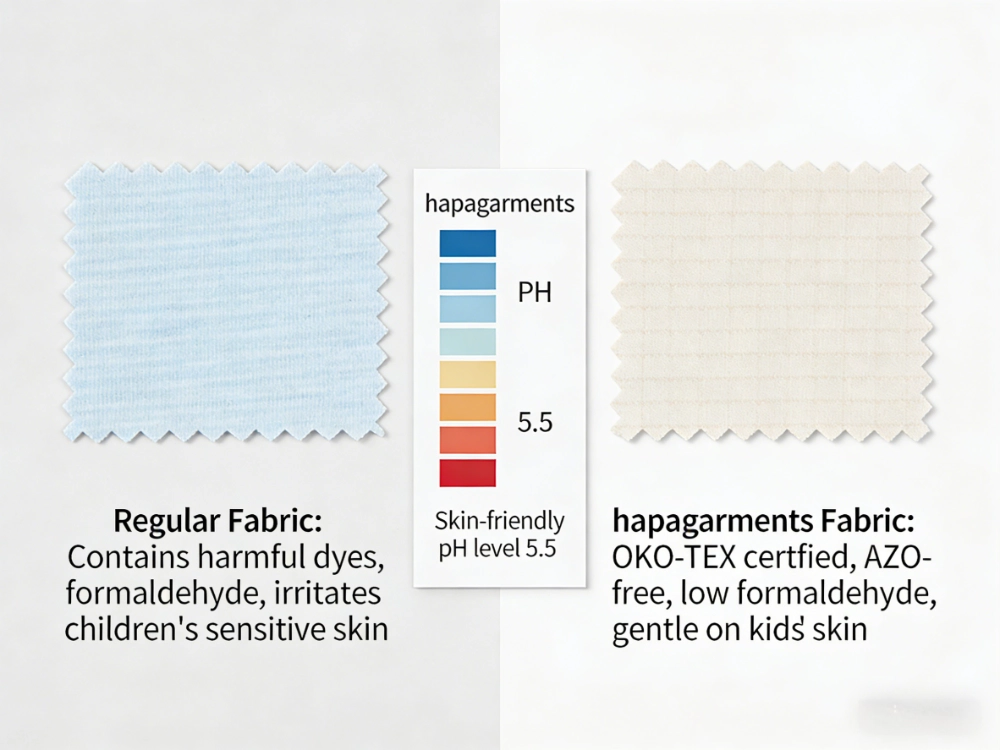
Many ordinary children’s clothing will use flame retardants, dyes or finishing agents, which may contain phthalates, formaldehyde or heavy metals. These substances can irritate the skin and can affect health if accumulated over time. The good news is that you don’t need a phd in chemistry to avoid them, just know what to pick.
• The dangers of synthetic dyes and chemicals
Many parents will smell a pungent“New clothes smell” when they open a new clothes package, which is usually a sign of excessive Formaldehyde. Manufacturers use it to prevent wrinkles and fix colors, but it’s a recognized allergen.
In addition, Phthalates (commonly used in offset prints) and heavy metal dyes, often found in cheap children’s clothing, can interfere with a child’s hormone levels over time. Non-toxic baby clothes aren’t just for allergies, they’re for these deeper health risks.
• Identify the oeko-tex and GOTS
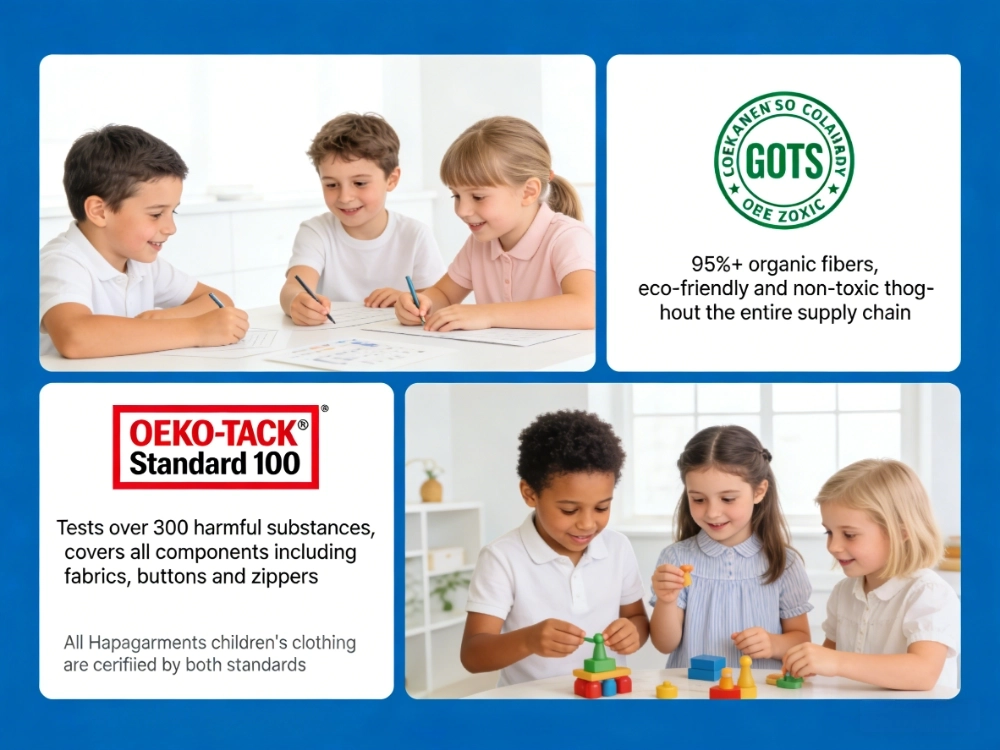
Faced with a complex list of ingredients, how can the average parent tell the difference? Look for these two“Gold standards”: OEKO-TEX Standard 100 and Gots (Global Organic Textile Standard) .
Physical Security: notable design details
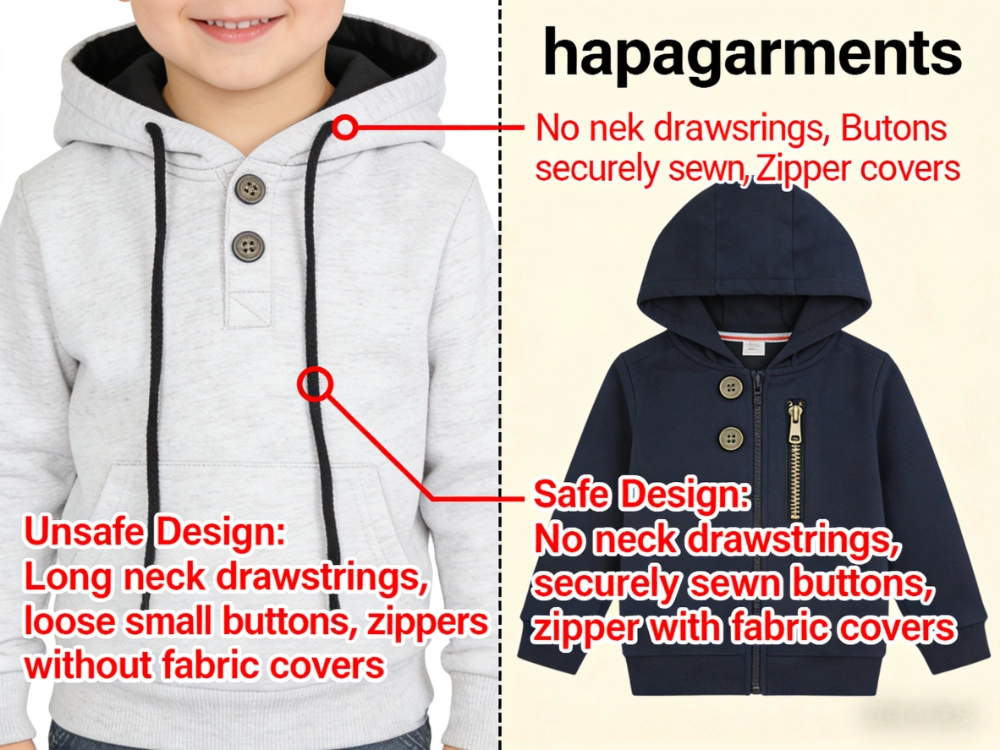
The hat cords, small decorative buttons and loose ribbons on children’s clothes are a big risk for babies and toddlers. Even older children can get tangled up in play. Be sure to check the neckline, cuffs, and all trimmings before choosing.
• Choking hazard: buttons, embroidery and small parts
For children under 3 years of age, any ornament less than 3 cm in diameter is a potential choking risk. Do a simple“Pull test” when choosing to buy. Pull hard on buttons, sequins and embroidered appliqués. If it shakes or falls off easily, the dress will fail.
• Neck-tightening risk: reject overly long drawstrings
Long drawstrings at the waist and cuffs of children’s hoodies can be dangerous for active children-they can get caught in playground equipment, doorknobs or furniture, posing a risk of entanglement. When choosing children’s clothing, look for styles with short fastenings or no drawstrings.
International safety regulations specifically prohibit the use of drawstrings on the neck of children under 12. When shopping, be sure to use elastic or snaps instead of cords on hoodies or collars. If the waistband of a long drawstring, the length should not exceed 7 cm, and must be reinforced in the middle of the suture, to prevent accidental extraction caused by strangulation.
· Snaps and zippers: avoid skin irritation and pinches
Make sure the zippers on the kids’ clothes slide smoothly and don’t get caught in the fabric, and that there’s a safety feature on the top of the zippers to keep them from getting caught in the chin and neck. Children’s clothing should have snaps and hooks that are firm, snap easily, and don’t have sharp edges. Avoid children’s clothing rust, sharp or fragile metal closures, such parts easily break, may hurt children
Safe and comfortable fabric for children
Why organic cotton and natural fibers are better
Organic Cotton is grown without the use of harmful pesticides. It is soft to the touch and very friendly to sensitive skin. It is breathable, doesn’t cause eczema, is washable and durable, and doesn’t fade. Priority is given to GOTS certified organic cotton, which is currently the most reliable standard for clean fabrics.
Properly treated low-sensitivity synthetic fibers
Not all synthetic fibers are bad. Some of the use of recycled polyester or bamboo fiber blended fabric, if through the OEKO-TEX certification, can also be gentle pro-skin. The key is to see if the label says“Low sensitivity” and“No added harmful chemicals.”.
Safety certification of children’s clothing
1. OEKO-TEX Standard 100
This is the certification you should watch out for. It tests each layer of clothing for more than 300 harmful substances. If you see the OEKO-TEX sign, you can rest assured that the garment is safe to wear from day one.
2. CPSIA, Gots and other international organic textile standards
In the United States, the CPSIA (Consumer Product Safety Improvement Act) is mandatory for children 12 and younger. It strictly limits the amount of lead, phthalates and other harmful substances in children’s clothing, at the same time, clear safety requirements are put forward for the flame retardancy of clothing and the design of small parts, which can effectively prevent poisoning and accidental injury.
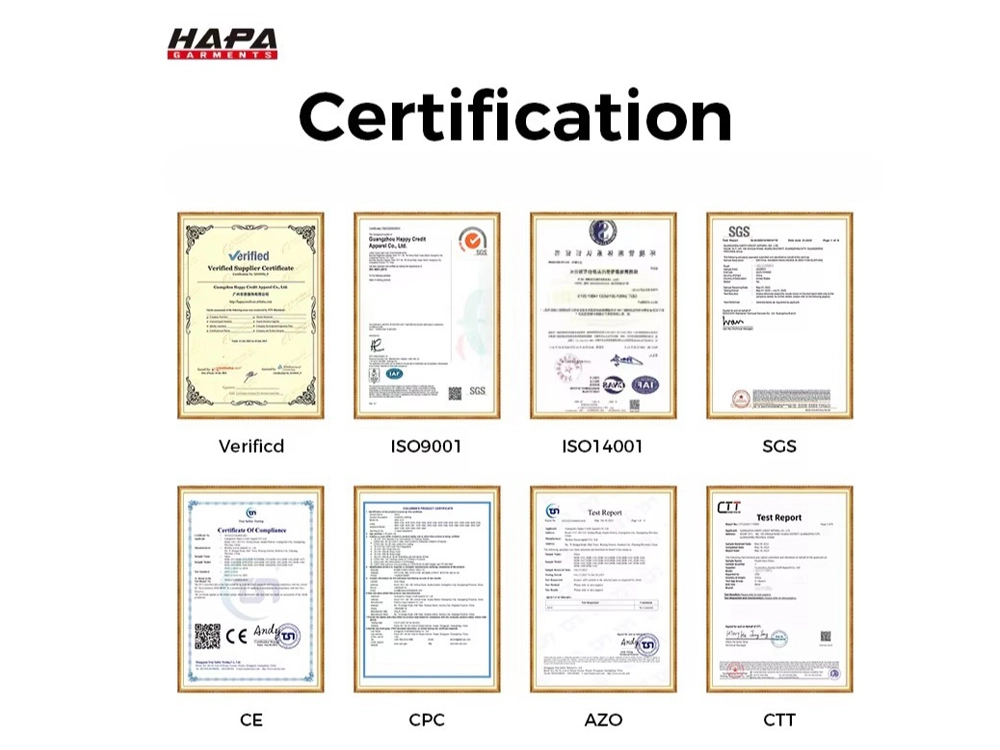
Many specialist children’s wear manufacturers, such as HAPA, also receive additional certification from authorities such as SGS, ISO, CPSIA, CE, AZO, GPSR and BSCI, further improve the protection of products in terms of quality control, chemical restrictions and social responsibility.
Gots (the global standard for organic textiles) goes further, requiring not only the use of organic fibres but also the entire supply chain from the time cotton is grown and processed to the time the finished product leaves the factory, to ensure that the whole process is environmentally friendly, non-toxic and socially responsible. These international certification marks can greatly reduce parents shopping speculation and concerns, let you feel more confident for their children to choose both safe and high-quality clothing.
Size and fit: the key to avoiding accidents
Clothes that are too tight can constrict breathing or affect blood circulation, while clothes that are too loose can trip or get stuck on rides. It is recommended to choose a suitable size or slightly loose style, and check whether the collar and cuffs fit but not tight. Pajamas, in particular, should be close-fitting, not baggy, so they’re safer in case of fire.
Age-specific Safety Considerations
1. Safety options for infants aged 1.0-12 months
Newborns need a particularly soft, label-free one-piece garment that has no small parts. It is recommended to choose foot-cap pajamas without a hat cord. Give preference to 100% organic cotton with snap-on design for easy diapering.
2. Clothing for toddlers and school-age children
Children are very active. It is recommended to choose clothes with elastic and firm seams, and pants with elastic waist instead of buttons. For school wear, choose non-toxic, flame-retardant styles and check hoodies for a helmet cord design (which automatically disconnects) .
Wash new children’s clothing before putting it on
Brand-new children’s clothing may contain residual chemicals, dyes, or dust from production, packaging, and transportation. Even if it is a safe, high-quality children’s wear, it should be gently washed with a gentle, child-friendly detergent before first wearing. This step can remove residual irritant substances, so that children’s clothing fabrics become soft, clean, more suitable for children’s skin.
Common mistakes to avoid when buying children’s clothing
Many parents are easily attracted by the low price or cute design, thus ignoring the core safety risks of children’s clothing. Don’t buy no brand, ultra-low price and no safety label children’s clothing, don’t pursuit of fancy decoration, at the expense of practical safety of children’s clothing, don’t choose too tight or too loose style; Don’t go for the fashionable look at the expense of the feel of the fabric. Make safety a priority so your child is comfortable and protected every day.
Final quick checklist for choosing safe baby clothes
Before buying baby clothes, a quick check of this simple checklist: Clear Safety Labels and certification, soft natural fabrics, no small loose parts or overly long cords, neat stitching and seams, fit and stretchy styles. Following these principles, we can choose safe, durable and popular children’s clothing, to help children grow up healthy and happy to play.
| Safety Category | What to Look For | How to Verify |
| Authenticate tags | Look for OEKO-TEX or GOTS tags | View Wash label or product description details page |
| Attachment strength | Check buttons, sequins, and zipper tips for looseness | Gently pull the attachment to make sure it doesn’t come off within 10 seconds |
| Rope design | Children 2-12 years of age should not have drawstrings on neck and back | Check the brims and waists for cords longer than 7cm |
| Chemical Smell | Does it smell like plastic, kerosene, or mold | Smell close to the fabric, the smell usually represents excessive formaldehyde |
| Skin Care | Is there a“Mouth guard” at the top of the zipper | Touch the end of the zipper and make sure it is covered with fabric to prevent pinching |
Bottom line: it’s easy to pick out safe clothes for your child
Choosing safe clothing for children doesn’t have to turn every shopping trip into a research project. Once you get the key points right — clean fabrics, reliable certification, the right size, and clean design — it becomes easy and natural. If your child dresses healthy, comfortable, and cute, you’ll have less to worry about. Starting this season, try to buy one or two pieces from a trusted brand and build up experience. Your baby deserves the best, and now you know what to do.
FAQ
Q: What are the most common harmful substances in children’s clothing?
The most common hazards in children’s clothing include formaldehyde, phthalates (plasticizers) , heavy metals, and certain azo dyes. These substances can cause skin irritation, irritation of the respiratory tract, and even affect a child’s hormonal system. Choose products that are OEKO-TEX or GOTS certified to avoid these harmful substances.
Q: is organic cotton necessarily safer than conventional cotton?
Organic cotton is generally safer because it is grown and processed without harmful pesticides and chemical fertilizers and is more friendly to sensitive skin. However, not all garments labeled“Organic cotton” are created equal, and it is recommended that you choose products with GOTS certification to ensure that the entire production process meets safety and environmental standards.
Should baby pajamas be baggy or snug?
For babies and toddlers, choose snug-fitting pajamas. Undergarments are safer than loose fittings because loose fitting clothing burns more easily when in contact with fire, according to CPSC safety recommendations. If the garment is labeled“Flame retardant,” make sure it has been treated with a nontoxic process.
How Do I know if a child’s dress is right for my child?
In addition to checking materials and certification, the most important thing is to try on or carefully compare sizes. Clothes should not be too tight (affecting circulation and breathing) or too loose (prone to tripping or getting stuck) . Collar, cuffs and waistband should fit but not strangling, especially 0-3 year-old children, but also pay special attention to whether the small ornaments firmly.
Q: Is it safe to wear children’s clothing without a certification mark?
Not necessarily, but the risk is higher. Clothing without certification marks may use dyes or additives that haven’t been rigorously tested. It is recommended to choose products with OEKO-TEX Standard 100, GOTS or CPSIA certification. If there is no certification, you can smell whether the clothes have a pungent chemical smell, smelly clothes had better not buy.