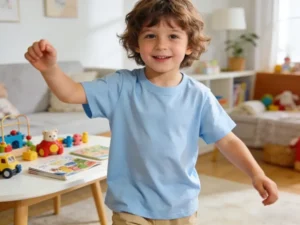
Children possess significantly more fragile skin than adults, meaning comfort must always take precedence over simple aesthetics. We should view their clothing as intimate companions that accompany them through every moment of their growth. Consequently, selecting the highest quality fabric for children’s clothing is the only way to ensure their delicate skin remains healthy.
Whether you are a concerned parent or a dedicated clothing designer, understanding fabric composition is essential. This guide explores the fundamental nature of materials from a truly professional perspective.
We will introduce you to the very best fabric options available for manufacturing children’s clothing today. Join us in selecting superior materials to create a softer, safer world for the next generation.
The Importance of Fabrics for Children
A child’s skin is naturally delicate, with a protective layer only one-third the thickness of an adult’s.
Because their skin barrier is not fully developed, they are far more sensitive to external irritants than we realize. Harsh fibers, chemical residues, and stifling heat can easily cause distress to their tender skin. Unfortunately, choosing the wrong fabric often leads directly to uncomfortable physical issues.
Poor quality materials can frequently trigger the following conditions:
- Skin Allergies: Reactions often caused by synthetic dyes or chemicals.
- Itching: Persistent discomfort that disrupts a child’s peace.
- Eczema: Flare-ups triggered by rough textures rubbing the skin.
- Prickly Heat: Rashes caused by fabrics that trap too much humidity.
Therefore, when selecting clothing for your children, the fabric’s quality is non-negotiable.
Materials must be skin-friendly, offering excellent breathability and moisture absorption to keep the body dry. These essential qualities help minimize friction against the skin and effectively prevent these common health problems.
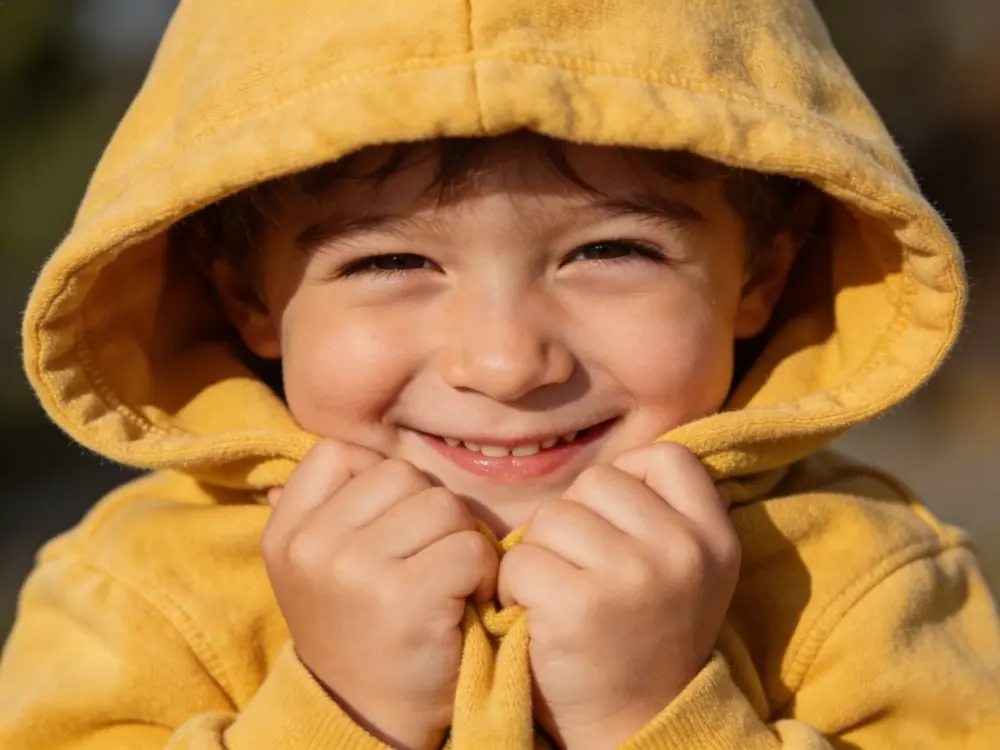
Natural vs. Synthetic: Which One to Choose?
In children’s clothing, fabrics generally fall into two camps: natural and synthetic. Let’s compare them from a professional standpoint.
- Natural Fabrics: Cotton, linen, wool, and silk. They breathe well and absorb moisture. Most importantly, they feel gentle and friendly to the skin.
- Synthetic Fabrics: Polyester, nylon, and spandex. These excel in stability. They are tough and durable.
From a health perspective, natural fabrics have the edge. They suit the needs of a child’s delicate skin, making them ideal for underwear and daily outfits.
Functionally, however, quality synthetics play a key role. Provided they meet safety standards, they improve wear resistance, elasticity, and help clothes keep their shape.
These two don’t have to compete. Modern technology allows us to blend them. A smart mix retains that skin-friendly touch while adding necessary durability and function.
7 Best Fabrics for Children’s Clothing
Pure Cotton & Organic Cotton
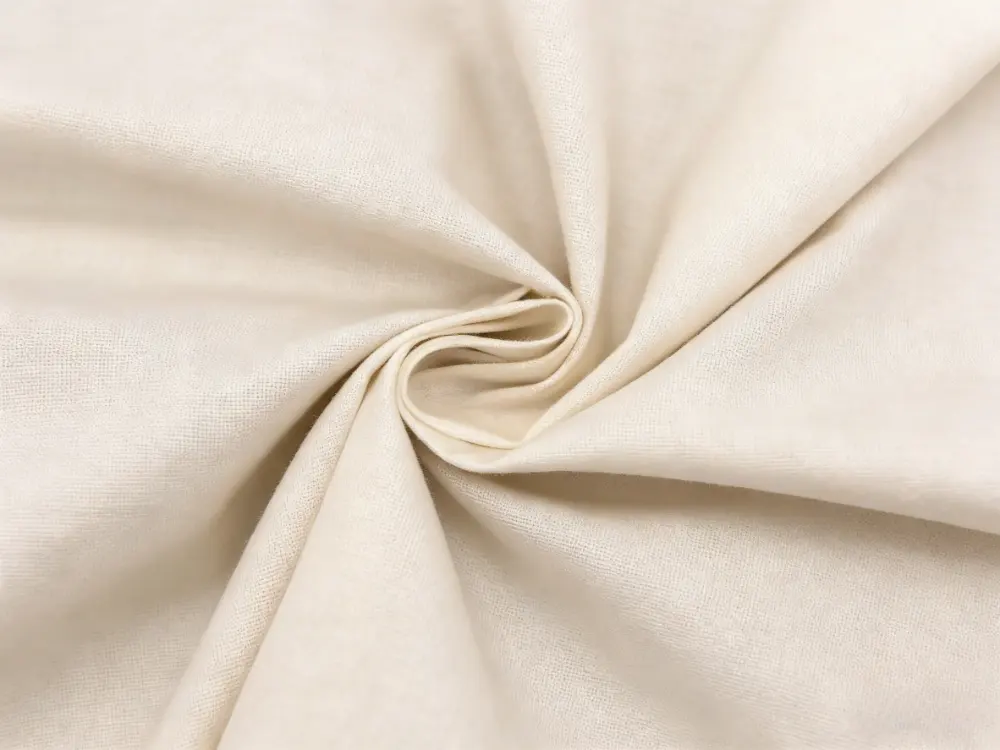
Cotton remains the ultimate choice for comfortable and safe children’s clothing. Its naturally hollow fibers offer exceptional breathability and moisture absorption. The fabric quickly wicks away sweat to prevent uncomfortable skin rashes. This makes it the perfect material for active and energetic children.
For an upgrade in safety, choose Organic Cotton. Organic cotton elevates safety standards by strictly excluding chemical pesticides. This cultivation method prevents harmful residues from touching delicate skin. The softer, thicker texture gently protects babies with eczema conditions. The significant health value justifies the slightly higher material cost.
Bamboo
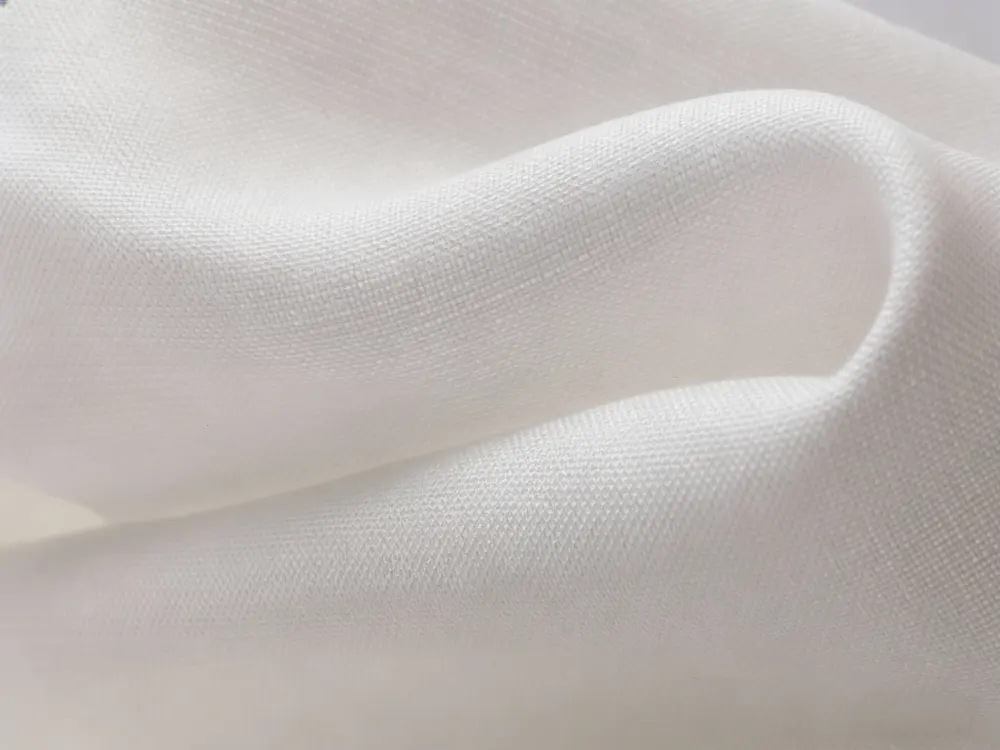
Bamboo fabric is the new favorite. It is famous for superior wicking and breathability. The fabric pulls sweat off the skin instantly, keeping kids dry and cool. For hot summer days? It is the ultimate choice.
It also has a natural defense. Bamboo contains “Bamboo Kun,” a natural bio-agent that fights bacteria and dust mites. It keeps the fabric fresh and reduces allergy risks. For sensitive skin, it is a game changer.
Linen
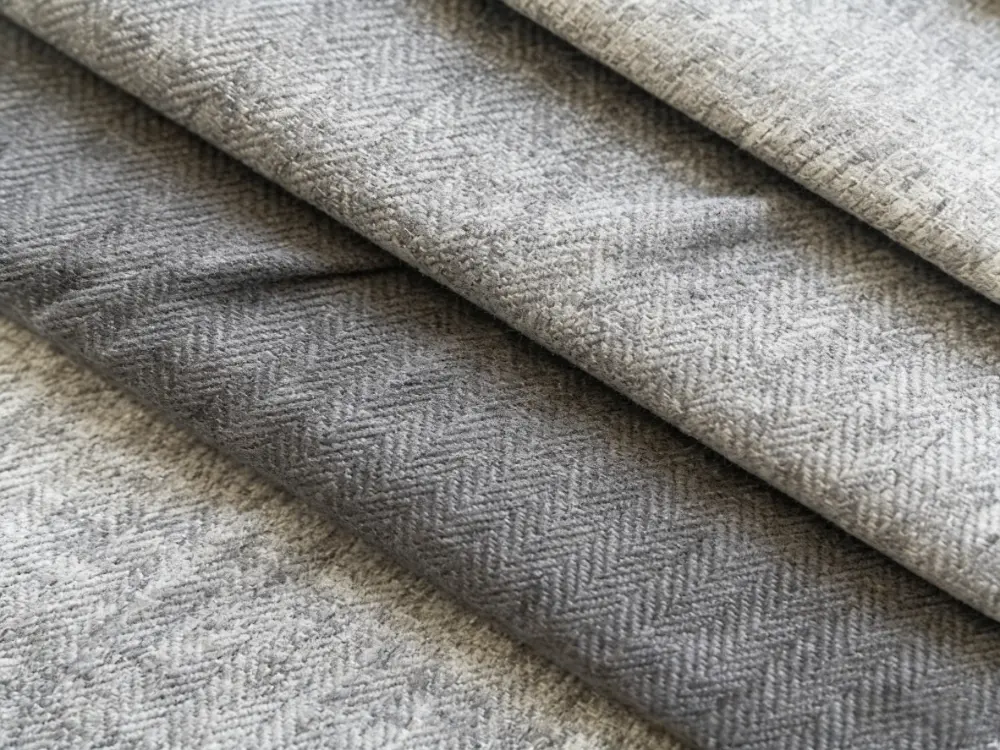
Linen is widely celebrated as the ultimate natural air conditioner. It offers superior heat dissipation and natural anti-allergic properties.
The fabric rapidly absorbs sweat to keep the skin dry. This characteristic makes it an excellent choice for summer clothing.
Manufacturers frequently blend linen with cotton to improve the texture. You get the cooling power of linen, but with the gentle touch of cotton. It is the ideal choice for breezy dresses and play shorts.
Modal
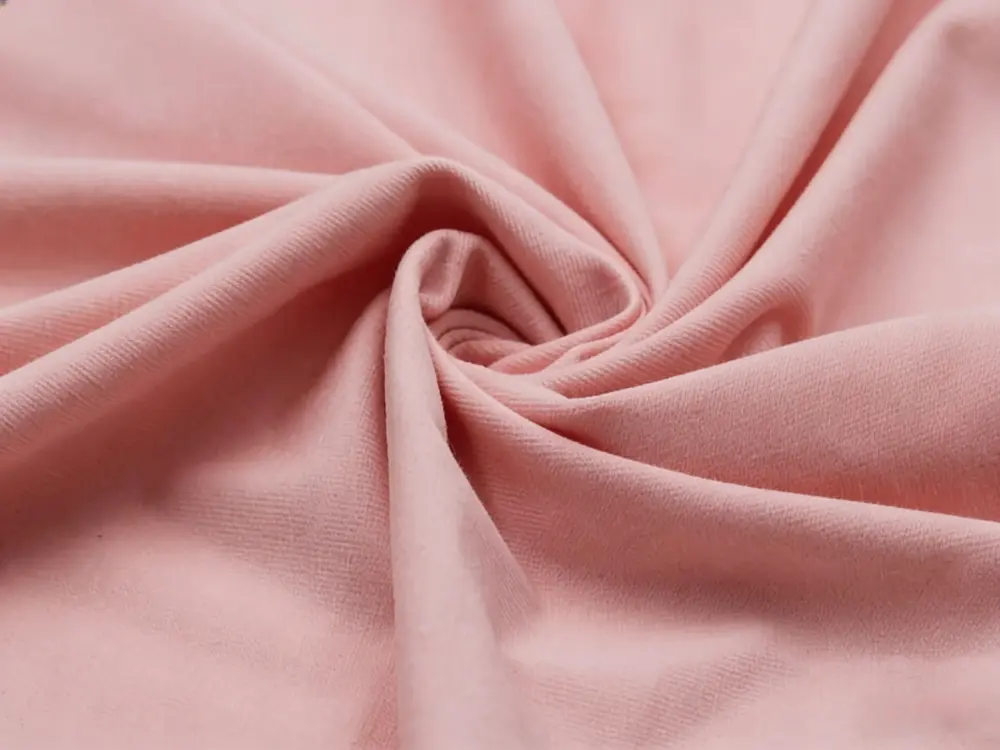
Modal is all about that silky touch. As a regenerated fiber, it is famous for its stunning, silk-like sheen. The hand feel is incredibly smooth, and the fabric has a beautiful drape. It is lightweight, soft, breathable, and feels luxurious against a child’s skin.
It also outlasts cotton. The fiber structure is highly stable, meaning excellent color retention. Wash it as much as you want—it resists shrinking and keeps that brand-new shine long after cotton would have faded.
Merino Wool
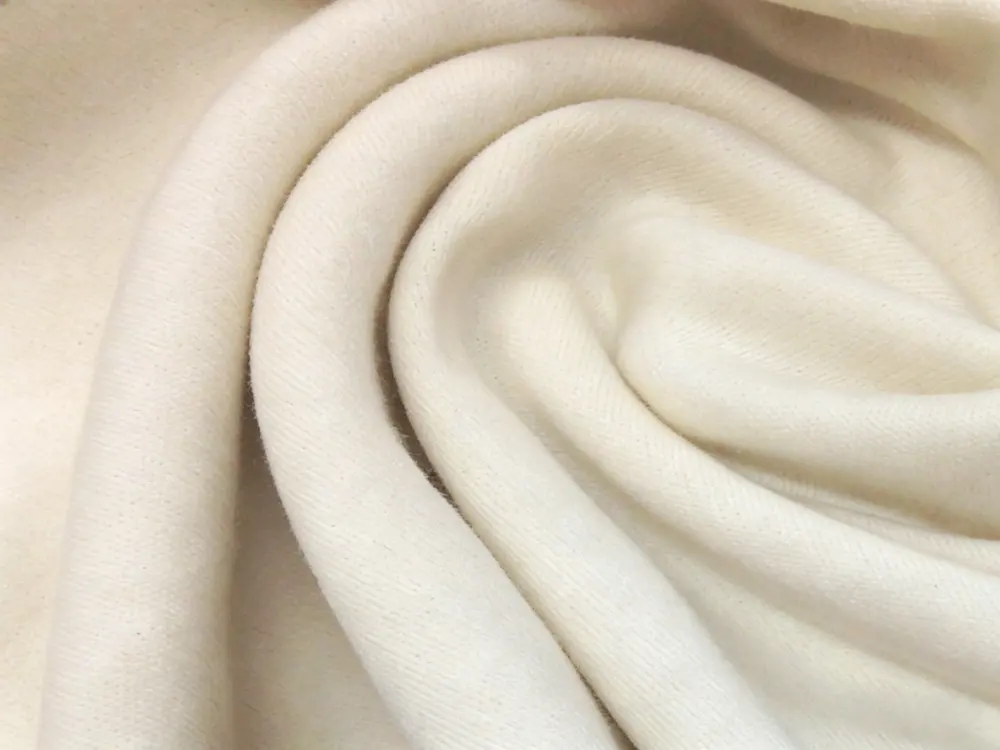
We must discard the stereotype that wool feels rough or scratchy. Merino wool functions as a brilliant natural thermostat for the body.
These ultra-fine fibers feature incredibly thin and smooth surface scales. This delicate texture feels perfectly comfortable directly against sensitive skin. It remains the ultimate fabric choice for autumn and winter seasons.
Premium Fleece
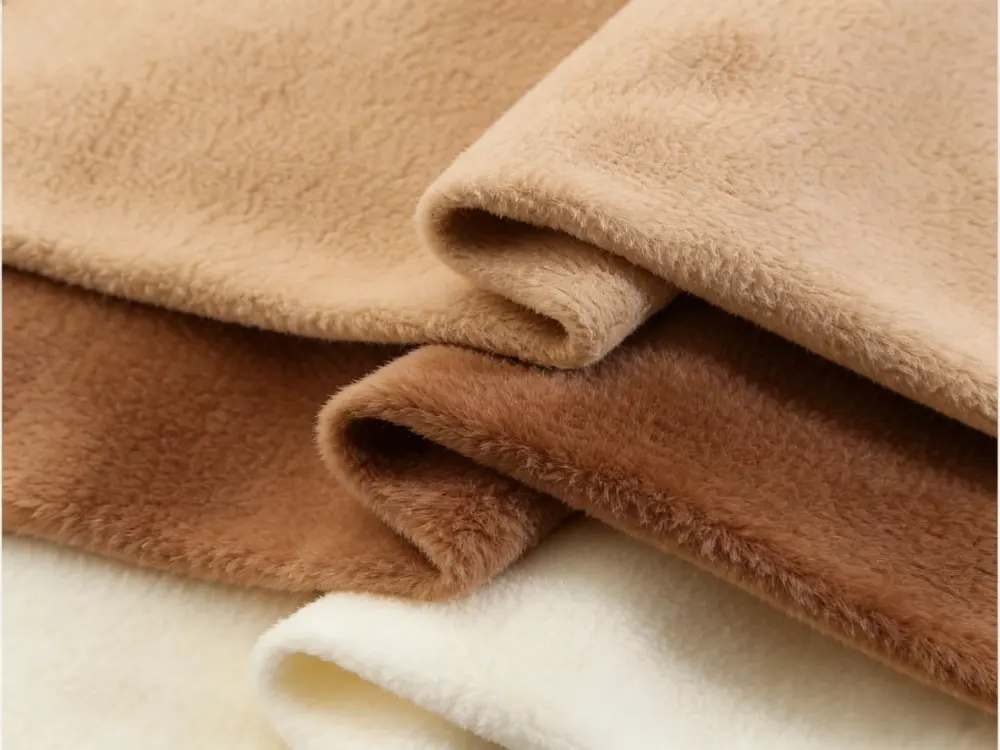
Fleece is typically manufactured using durable polyester synthetic fibers. Parents need not worry about the synthetic nature of this material. High-quality fleece undergoes advanced anti-static and anti-pilling treatments. The fabric feels incredibly soft and non-irritating against delicate skin.
It represents a highly cost-effective choice for winter thermal protection. The dense fiber pile on the surface traps warm air layers. This structure provides excellent insulation while maintaining a lightweight profile. Children enjoy unrestricted movement compared to bulky traditional cotton clothing.
Silk
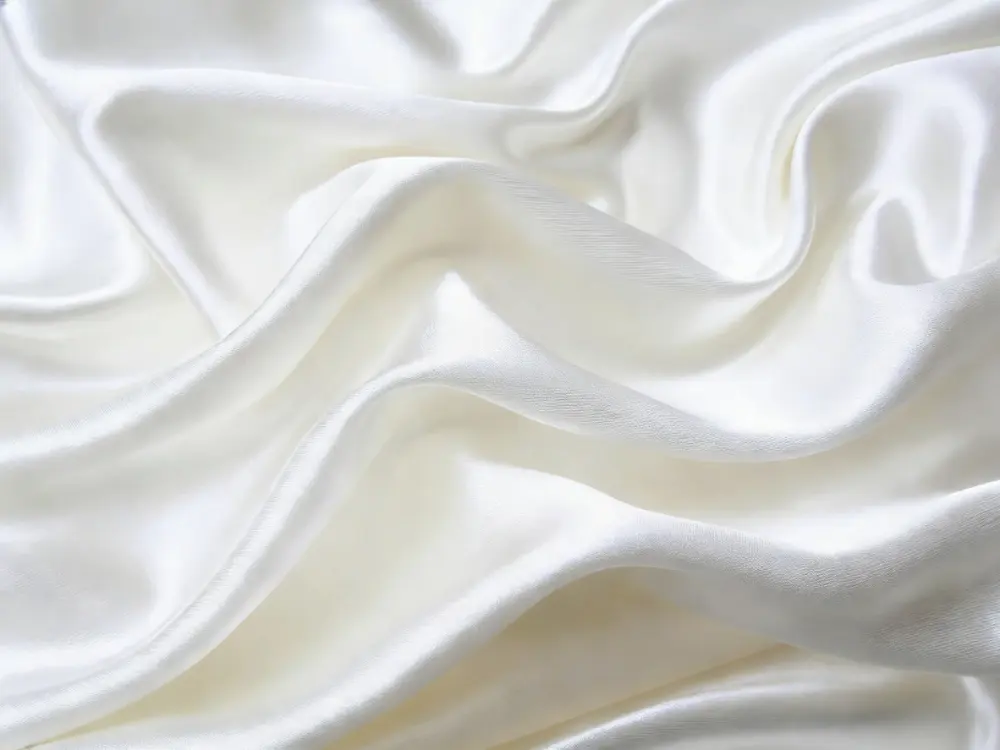
We frequently describe natural silk as a perfect second skin for the body. This protein fiber contains eighteen distinct amino acids beneficial to human health. Its unique porous structure closely mirrors the natural properties of human skin. The material actively breathes to wick moisture and release excess heat instantly.
The fabric offers an incredibly smooth and friction-free physical sensation. It functions as the ultimate gentle touch for delicate skin types. Silk represents an ideal solution for children with severe eczema or hypersensitivity. It serves as a necessary protective layer rather than just a luxury item.
Beyond Soft Fabrics – Key Factors to Consider in Children’s Apparel
Picking the right kidswear is an art. It goes beyond just touching the fabric. You need to keep these practical, hidden details in mind:
- Physical Safety Safety is just as important as comfort. Pay close attention to attachments. Buttons, sequins, and bows must pass high-intensity “pull tests.” Curious kids love to tug on things. If these parts aren’t secure, they become loose and turn into serious choking hazards.
- Stitching & Seams A child’s skin has zero tolerance for friction. Don’t just look at the outside. Flip the garment inside out. Are the seams flat and smooth? Rough stitching or messy threads are “hidden enemies” that cause constant irritation and scratching.
- Fit & Freedom Kids are born to move. Clothes that are too tight don’t just restrict play—they can actually hinder physical development. Always check for a “relaxed fit” with enough room to breathe. Stretchy fabrics are your best friend; they move with the child, not against them.
- Durability & Care Kids’ clothes hit the laundry loop constantly. Durability is non-negotiable. High-quality garments are “pre-shrunk” at the factory. This ensures the perfect fit you buy today doesn’t shrink two sizes after the first wash.
Fabrics You Should Avoid
Avoiding the wrong materials is just as important as selecting the right ones. We strongly advise against purchasing children’s clothing made from the following fabrics.
Low-Quality Polyester
Inexpensive polyester fibers lack the technical performance of high-end synthetics. This material essentially functions like a layer of plastic. It has almost zero breathability and traps moisture completely. Wearing this fabric is comparable to wrapping a child in plastic wrap. It prevents body heat and sweat from escaping naturally. This suffocation of the skin often leads to heat rash and inflammation.
Untreated Coarse Wool
You must distinguish clearly between fine Merino and common coarse wool. Standard wool fibers have a much larger diameter and rougher texture. The surface scales are hard and will rub aggressively against the skin. This friction causes immediate redness, itching, and painful stinging sensations. You should only choose ultra-fine Merino wool that has undergone softening treatments.
Leather and Synthetic Leather
Leather jackets may look stylish, but they offer poor functionality for children. Neither natural nor synthetic leather is suitable for daily children’s wear. Natural leather is heavy and significantly restricts a child’s freedom of movement. Synthetic alternatives like PU or PVC often release irritating chemical odors. These materials lack the necessary breathability for active, growing bodies.
Acrylic Synthetic Fibers
Manufacturers often use acrylic as a cheap substitute for natural wool. However, this material has significant performance flaws and quality issues. It is highly prone to unsightly pilling and generates strong static electricity. Children often feel uncomfortably hot and clammy rather than pleasantly warm. Acrylic fibers completely fail to absorb moisture when the child sweats. The cold sweat remains on the skin and can easily cause chills.
Comfortable Fabric Children’s Clothing Manufacturer
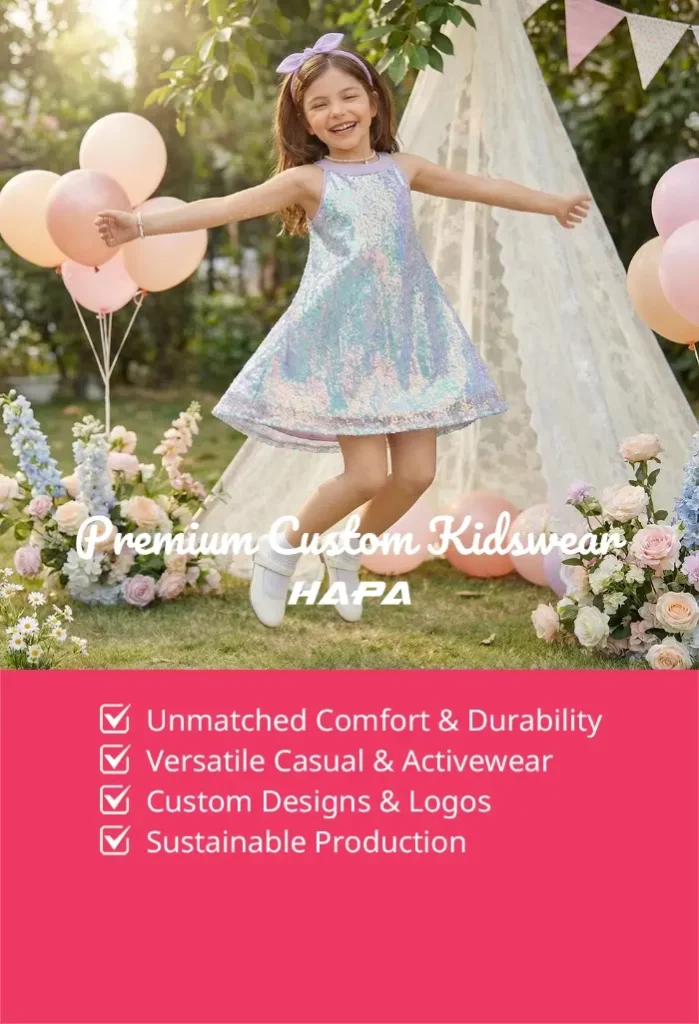
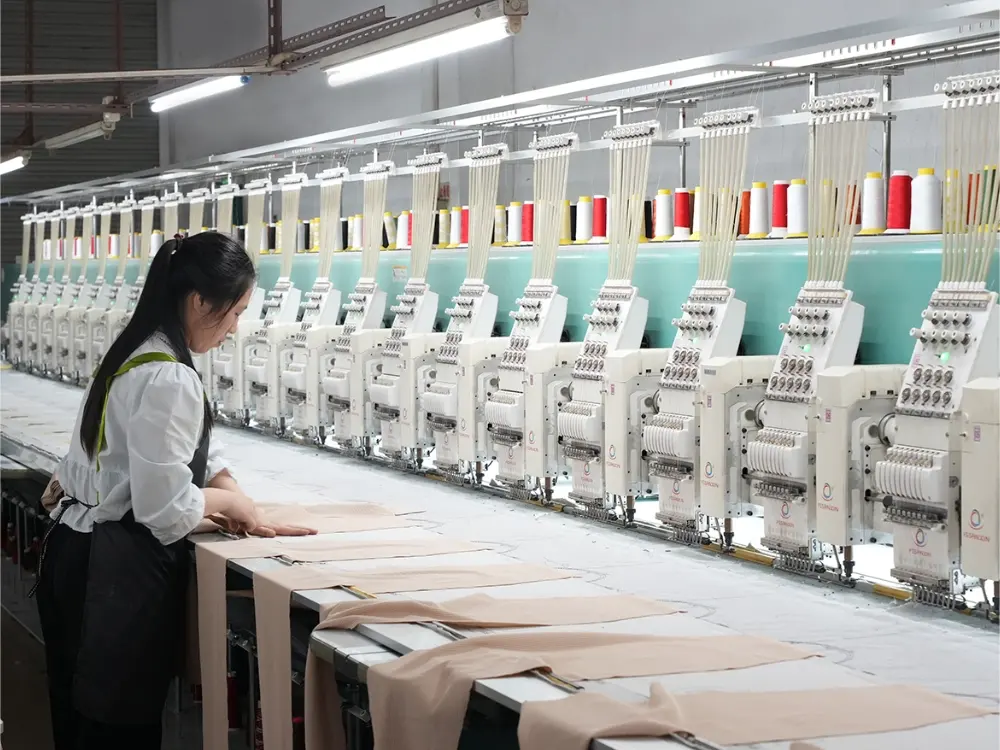
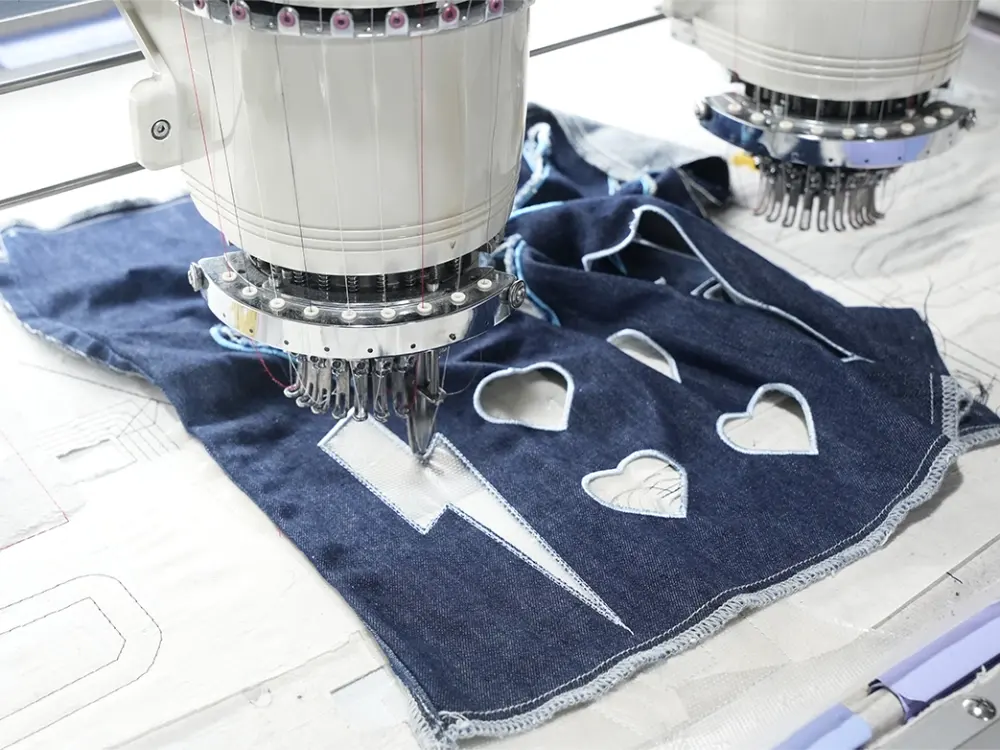
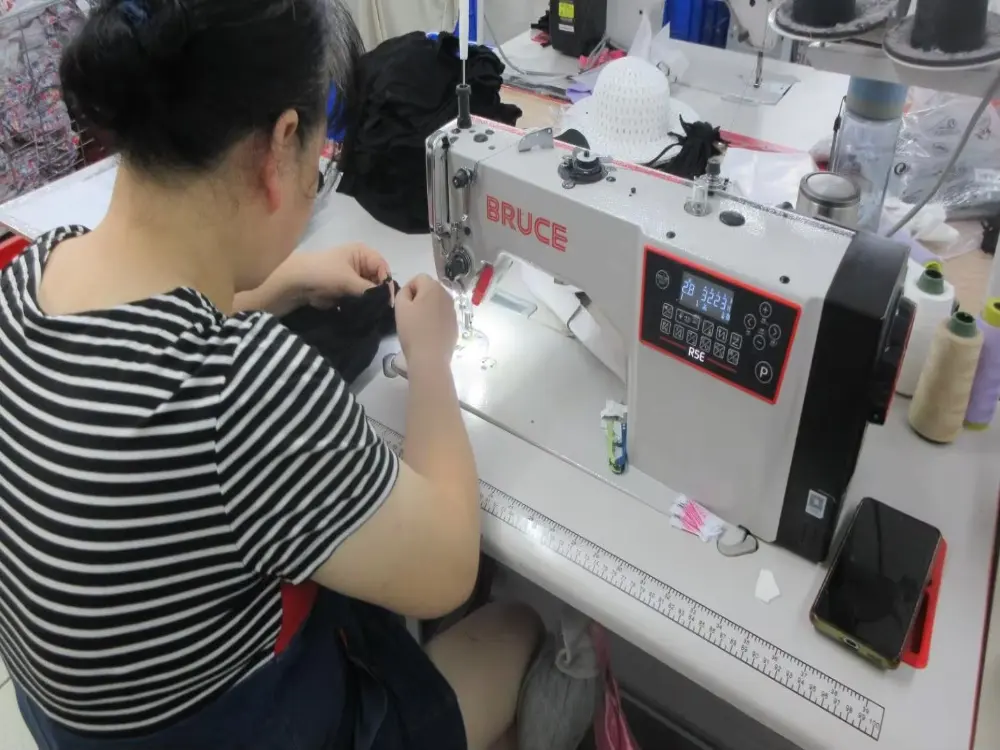
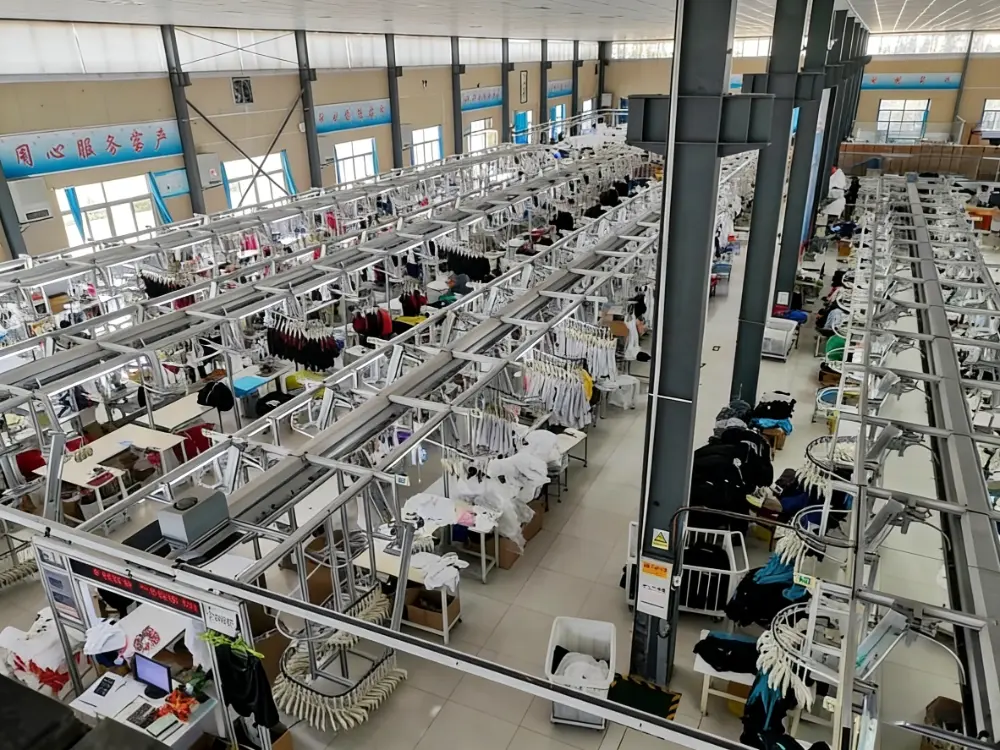
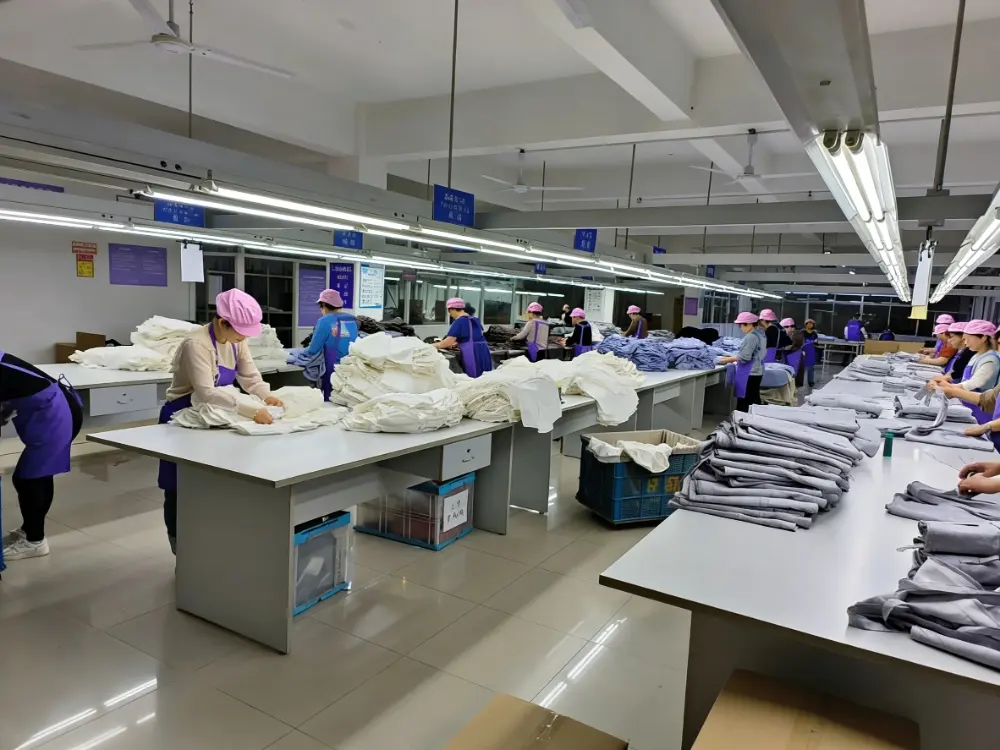
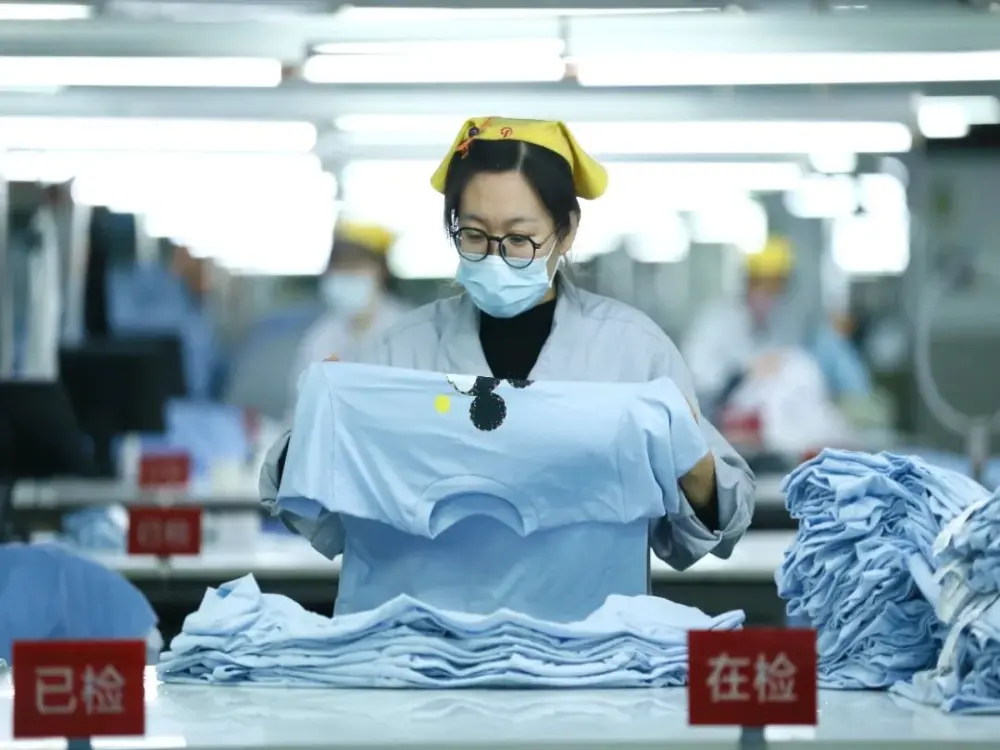
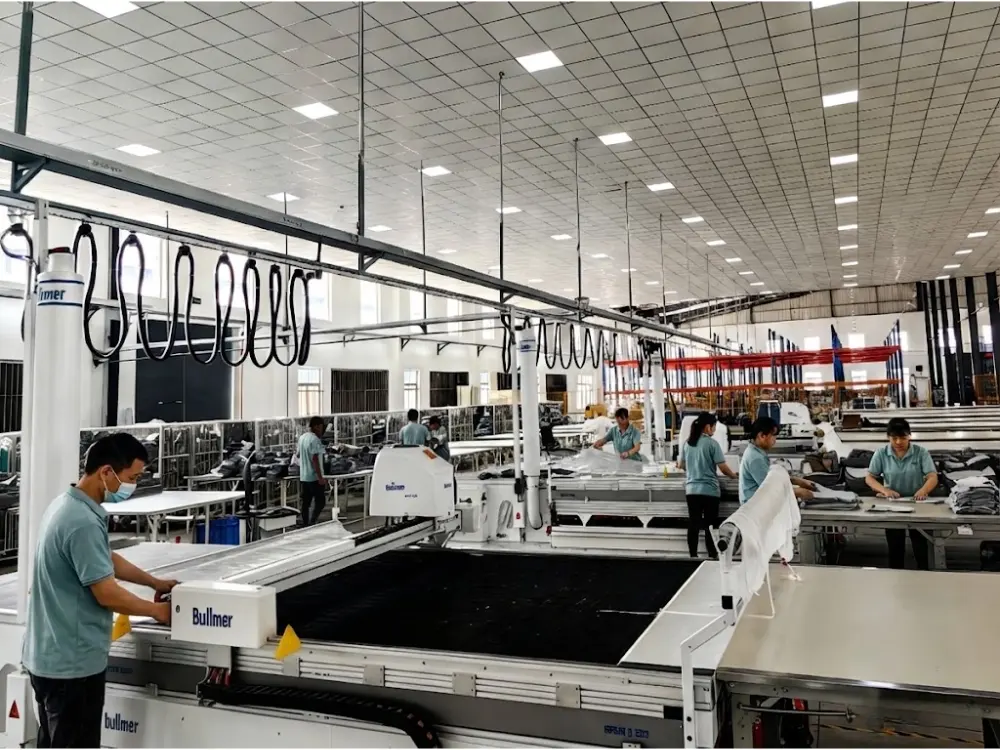
HAPA- 16 Years of Mastery in Kidswear. We are more than just a kidswear manufacturer; we are specialists. Unlike general apparel factories, we focus 100% on children’s clothing. We understand every nuance of the industry. From initial sampling to production—whether small batches or massive orders—we guarantee perfection and on-time delivery.
Struggling with Competition? Stay ahead with HAPA. We launch over 10,000 new styles every year, all crafted from the premium fabrics we discussed. This massive design capacity ensures your product line stays fresh, trendy, and fierce.
More Than a Supplier—Your Strategic Partner. We don’t just ship clothes; we help you grow. Leveraging our deep insights into the global kidswear market, we provide expert sales strategies and marketing advice to boost your business.
Final Thoughts
We strongly recommend that any clothing touching a child’s skin must be made from completely safe materials. You should prioritize fabrics that meet the rigorous OEKO-TEX or GOTS international certification standards. These labels serve as a clear and positive sign of responsibility towards child health.
Ready to elevate your business? If you are looking for a reliable manufacturer who refuses to compromise on fabric quality, reach out to HAPA today. Let’s explore the future of premium kidswear together.
FAQ
What fabric is used for kidswear?
Manufacturers use a variety of fabrics based on the garment’s purpose. Cotton is the most common choice for everyday wear. Jersey knit is popular for t-shirts and leggings because it stretches. Fleece and wool are often used for winter clothing. Polyester is frequently used for swimwear and outerwear.
What fabric is best for children?
Cotton is widely considered the best fabric for children. It is soft, absorbent, and breathable. It prevents overheating and is gentle on delicate skin. For active children, a cotton-blend is also excellent because it resists wear and tear. High-quality brands like HAPA prioritize these soft, durable materials.
Is polyester or cotton better for kids?
Cotton is better for comfort and daily wear. It allows the skin to breathe and reduces irritation. Polyester is better for durability and color retention. It is ideal for jackets or sports uniforms that need to stay dry. The best choice depends on whether the child is sleeping, playing, or exercising.
What is the healthiest fabric for skin?
Organic cotton and linen are the healthiest choices. These natural fibers are hypoallergenic and free from toxic chemicals. They allow air to circulate, which keeps the skin dry and healthy. Silk is also a healthy option because it is naturally smooth and does not cause friction rashes.