Industry reports confirm the children’s apparel market is in a booming growth era—but market potential means nothing without solid execution. For brands seeking lasting success in this competitive space, your supply chain is make-or-break.
A trusted manufacturing partner is far more than a routine checkbox: it defines whether your business merely survives, or scales into a thriving, beloved brand. It protects your margins, delivers consistent premium quality, and drives repeat parent customer loyalty.
This guide cuts through industry jargon to deliver actionable, proven strategies for startups and established boutiques alike: how to find children’s clothing wholesale supplier, and build long-term partnerships that fuel sustainable business growth.
Market Trends and Opportunities
Today, the global children’s clothing market has become one of the most steadily growing segments in the apparel industry. In recent years, the market has reached hundreds of billions of dollars and is expected to maintain a robust compound annual growth rate in the coming years. This growth is largely driven by stable birth rates worldwide and rising disposable incomes, especially in emerging economies.
Currently, several key trends are shaping the international children’s apparel market:
Balance Between Comfort and Style
Consumers increasingly prefer clothing that blends comfort with innovative technology, such as temperature-regulating and UV-protective (UPF) fabrics, as well as seamless or ergonomic designs. Digital tools like AR try-ons and data-driven personalized recommendations are also reshaping the online shopping experience for kids’ apparel.
Rise of Sustainable Fashion
As environmental awareness grows, demand for organic and eco-friendly children’s clothing continues to rise. Brands using natural, non-irritating fabrics, chemical-free dyes, and ethically responsible manufacturing processes are gaining increasing popularity.
The Real Challenges in Procurement & Supply Chain Management
For Children’s clothing brand, the global market isn’t just changing—it’s becoming an obstacle course. Here are the three biggest hurdles you are likely facing right now:
Navigating the Compliance Minefield
Kidswear is the most regulated sector in fashion, and for good reason. You aren’t just dealing with design; you are dealing with strict laws like the EU’s REACH and the US’s CPSIA. It’s not just about checking a box. From chemical testing and flammability to ensuring buttons (small parts) don’t pop off, the standards are incredibly high. Getting this wrong isn’t just expensive—it can lead to recalls that destroy a brand.
The Squeeze on Costs and Stability
Stability feels like a thing of the past. Between geopolitical trade wars, unpredictable shipping rates, and the yo-yoing prices of raw materials (like cotton and polyester), predicting your final landed cost is a nightmare. The challenge now is finding the sweet spot: how do you protect your margins without sacrificing quality or missing your delivery window?
The “Speed vs. Sustainability” Crunch
Here is the paradox: customers want eco-friendly products, but they also want the latest trends now. Even with the push for sustainability, the pressure of the Fast Fashion cycle hasn’t gone away. Buyers are forced to forecast trends and turn production around on incredibly tight deadlines. It requires a supply chain that isn’t just fast, but hyper-agile.
Key Factors to Consider Before Choosing a Supplier
When selecting a children’s clothing supplier, it’s crucial to conduct a thorough, multi-dimensional evaluation. This decision has a direct impact on your product quality, market response, and long-term brand development. You can begin by focusing on the following four aspects:
Fabric Quality and Safety Standards
Examine how well the supplier controls fabric quality and product safety. Check whether they are familiar with and strictly adhere to relevant safety standards—such as OEKO-TEX, GOTS, and limits for formaldehyde, heavy metals, and other harmful substances. Reliable suppliers proactively provide test reports and maintain consistent oversight of upstream material sources.
Size Range and Style Alignment
Your supplier should offer the size ranges your brand requires (e.g., baby, toddler, kids, pre-teens) and possess the proper pattern-making expertise for each. Children’s apparel demands comfort, ease of movement, and safety, while larger sizes require proper structure and support.
Additionally, confirm whether the supplier is experienced in your product categories and understands your brand’s aesthetic so they can provide professional advice on fabrics, trims, and construction techniques during development.
Minimum Order Quantity (MOQ) and Restocking Speed
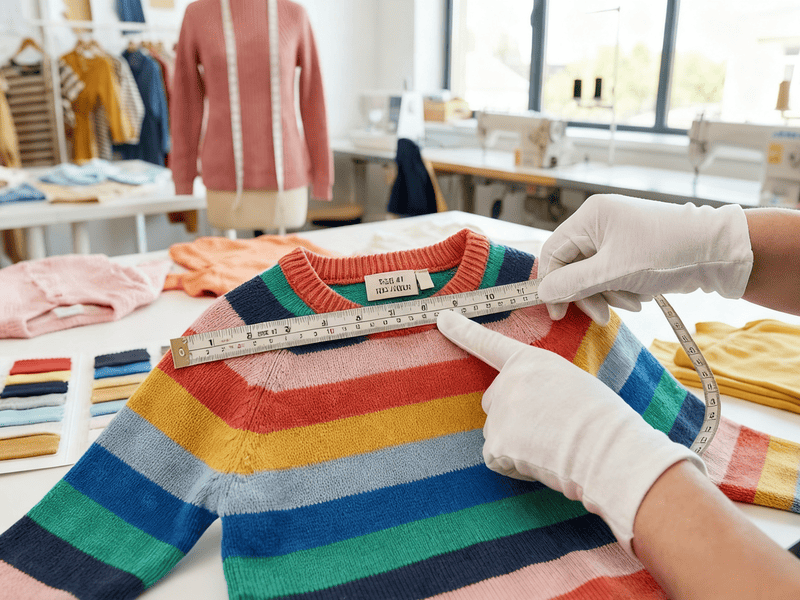
MOQ directly affects your inventory levels and cash flow. Quality suppliers usually offer flexible MOQ options, such as small test runs or mixed-color orders.
Restocking speed is equally important: fast-fashion businesses require quick turnarounds, while premium brands need stable production capacity and transparent scheduling to keep their sales rhythm uninterrupted.
Are You Positioning Your Brand as Premium, Mass Fast Fashion or Themed Kidswear?
Different market positions require different supplier strengths:
Premium Collections: Emphasis on refined craftsmanship, custom materials, strict quality control, and strong pattern-development capabilities.
Mass Fast Fashion: Focus on cost control, stable large-scale production, and rapid response.
Themed Kidswear: Prioritize safety compliance, comfortable fabrics, and specialized children’s pattern design.
Why Finding the Right Supplier Is Essential
For a kidswear brand, picking a supplier isn’t just a “task”—it’s the foundation of your entire business. Your supplier can be your biggest asset or your biggest liability. Here is why getting it right matters:
1.Quality Control
In children’s clothing, quality equals safety. You can’t afford to work with a factory that cuts corners. A top-tier supplier is obsessed with the details—from ensuring raw materials are chemical-free to double-checking that buttons are secure. They catch issues at the source so you don’t end up with a warehouse full of unsellable defects (or worse, a product recall).
2.Supply Stability
The best marketing in the world doesn’t matter if you have nothing to sell. Reliable partners hit their deadlines, period. But more importantly, they are flexible. When a style goes viral and you need a rapid restock, a good supplier finds a way to make it happen. They eliminate the uncertainty, so you can focus on selling rather than chasing late shipments.
3.Pricing Power & Partnership
It’s not just about the lowest price today; it’s about the relationship value tomorrow. Once you build trust, everything becomes negotiable. A committed supplier will grow with you, offering better unit costs, favorable payment terms, and optimized shipping rates as your volume increases. They understand that your growth is their growth.
Where to Find Suppliers
Once you have clarified your own needs, you can start looking for children’s clothing suppliers. Common sourcing channels include online platforms, industry trade shows, social media, and local wholesale markets.
Online Platforms
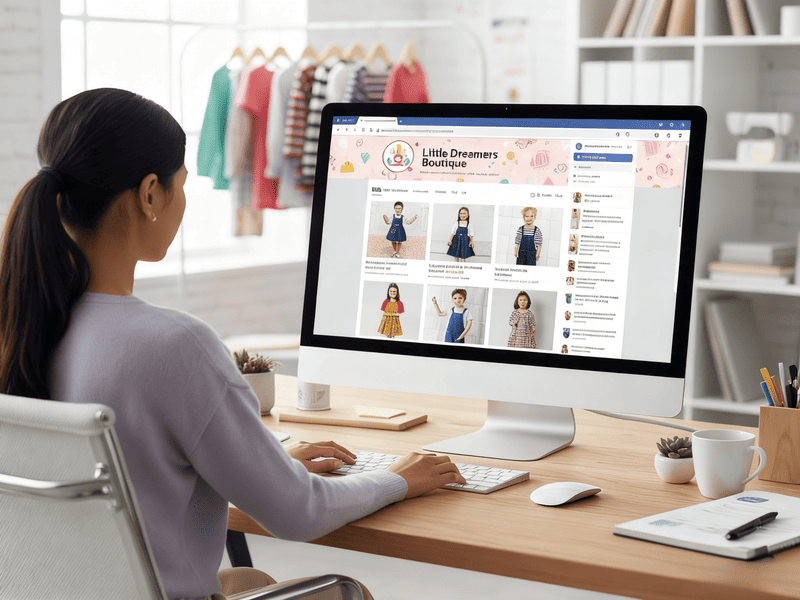
In the digital age, online platforms are one of the most efficient and convenient ways to find children’s clothing wholesale suppliers. You can use platforms like Alibaba, ThomasNet, or independent B2B websites to search for suppliers. These platforms allow you to filter suppliers by location, business model, certifications, product categories, and customer reviews. You can also communicate directly online, request samples, and compare quotes, greatly reducing the time and cost of initial sourcing.
Trade Shows
Attending children’s clothing trade shows provides an excellent opportunity to establish deeper communication and trust with suppliers. These events usually gather high-quality manufacturers from various regions, allowing you to see the actual products, assess craftsmanship, and evaluate the overall professionalism of the company. Face-to-face interactions help you better understand key details such as production capacity, lead times, and customization services.
Social Media
Social media platforms have become a growing channel for supplier development. Platforms like LinkedIn, Facebook, and Twitter allow you to gain insights into a supplier’s market activities, client interactions, and industry standing. By following suppliers on professional networks, you can track updates, review client cases, and access industry feedback, giving you a clearer picture of the supplier’s reputation and capabilities.
Local Wholesale Markets
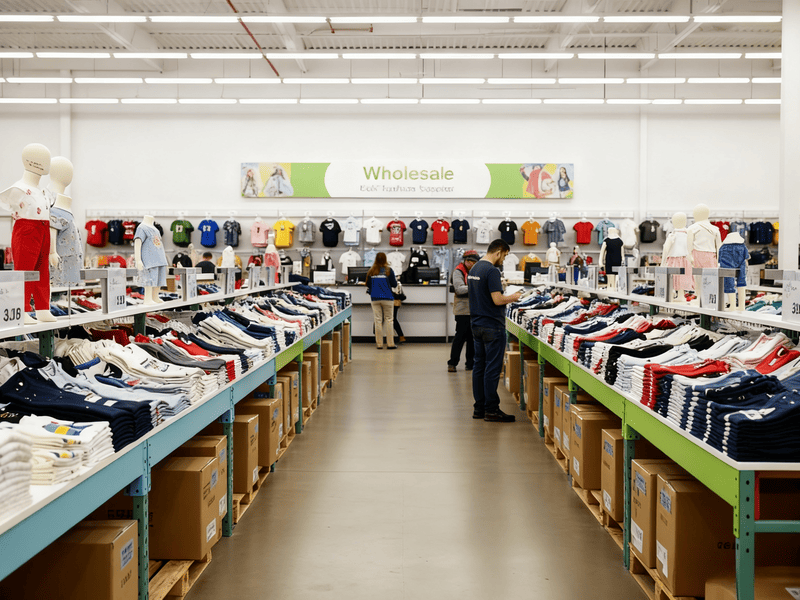
For startups, small-batch orders, or businesses requiring rapid response, local wholesale markets remain an essential source of suppliers. Here, you can inspect, touch, and even test products firsthand, giving you the most direct control over quality.
5 Best Children’s Clothing Wholesale Suppliers
Penguin Kids Wear (The PKW Group)
- Core Focus: A veteran US-based apparel wholesaler founded in 1996. Beyond everyday staple kids’ wear, their biggest differentiator is their massive catalog of officially licensed IP apparel — including Disney, Marvel, PAW Patrol, Lilo & Stitch, and kids’ lines from premium name brands like Tommy Bahama.
- Wholesale Advantages: Extremely friendly to small and mid-sized retailers, with no minimum order value (no MOQ) restrictions and lightning-fast shipping. Their product line spans infant, toddler, and tween sizes, plus complementary accessories and backpacks. They’re the go-to choice for brick-and-mortar and ecommerce sellers looking to drive foot traffic and sales with high-demand, name-brand IP products that sell themselves.
Rioco Kidswear
- Core Focus: A specialized wholesaler dedicated to delivering on-trend, high-value apparel for independent children’s wear boutiques. They boast an extensive product catalog, with styles spanning everyday casual wear, streetwear-inspired designs, bohemian collections, and seasonal holiday and themed lines.
- Wholesale Advantages: They have an ultra-fast new product rollout cadence, consistently staying ahead of the latest kids’ fashion trends across North American and European markets. They offer flexible low-volume wholesale options and full dropshipping support, making them the perfect fit for small to mid-sized independent Shopify stores and boutique owners who need wide style variety to test market demand quickly.
Kelli’s Gift (Kelli’s Gift Shop Suppliers)
- Core Focus: A highly specialized, full-service wholesaler built exclusively for gift-focused retail spaces, including hospital gift shops, hotel gift stores, pharmacies, and high-end boutiques. While they carry a curated selection of children’s apparel, their core strength lies in premium baby gift sets, plush toys, newborn accessories, and complementary baby lifestyle goods.
- Wholesale Advantages: They’re the ideal one-stop sourcing partner if your business goes beyond apparel alone, and you want to build out a curated gifting-focused product line with baby essentials. They offer robust B2B logistics support (including next-day shipping on most orders), and every product comes fully UPC-coded, ready for immediate shelf stocking and warehouse intake with zero extra work for your team.
Honeydew USA
- Core Focus: A premium US-based boutique children’s wear wholesaler, with in-house proprietary brands including Abby & Evie and Cotton Castle. Their product line is built around skin-friendly bamboo fabric, vintage intricate smocked designs, and their wildly popular Game Day collections, a top-selling category in the US market.
- Wholesale Advantages: They offer industry-leading B2B support for retailers. This includes no MOQ restrictions, full dropshipping capabilities, and free access to high-resolution professional product imagery for you to use directly on your website and sales channels. They process orders with exceptional speed, and offer flexible payment terms and installment plans — making them the ideal partner for building out a mid-to-high-end boutique product line.
Little One USA
- Core Focus: A large-scale online boutique children’s wear wholesaler headquartered in California, USA. Their product catalog is heavily focused on girls’ apparel and infant/toddler pieces, with an enormous selection of tutus, twirl dresses, rompers, and matching hair bows and accessories.
- Wholesale Advantages: Renowned for unbeatably competitive low pricing and extensive in-stock inventory. They have an in-house design team, creating exclusive styles with an unmatched range of colorways. Most orders ship within 1-2 business days, and they also allow retailers to use their official product imagery for sales and marketing free of charge. They’re the perfect fit for children’s wear retailers looking to rapidly stock their stores and expand their SKU offerings with minimal lead time.
How to Screen High-Quality Suppliers
Once you know where to find children’s clothing manufacturers, the next step is to learn how to evaluate suppliers for bulk procurement. In most cases, you’ll need to request quotes and contact multiple wholesalers before deciding which one to partner with.
Minimum Order Quantity (MOQ) and Pricing
First, confirm whether the supplier’s MOQ aligns with your business scale. Startups or brands testing the market should prioritize suppliers with low MOQs and flexible pricing based on order volume. It’s also important to understand whether pricing is transparent—covering unit costs for different quantities, taxes, and shipping fees—to ensure overall costs remain manageable.
Product Range
A good children’s clothing wholesaler should not only offer a diverse range of products but also keep up with market trends. Check whether their products cover multiple age groups, whether seasonal collections are complete, and whether styles are updated regularly. Suppliers with fast product iterations and a wide selection are better able to support your brand’s style needs and launch schedule.
Production Capacity and Lead Times
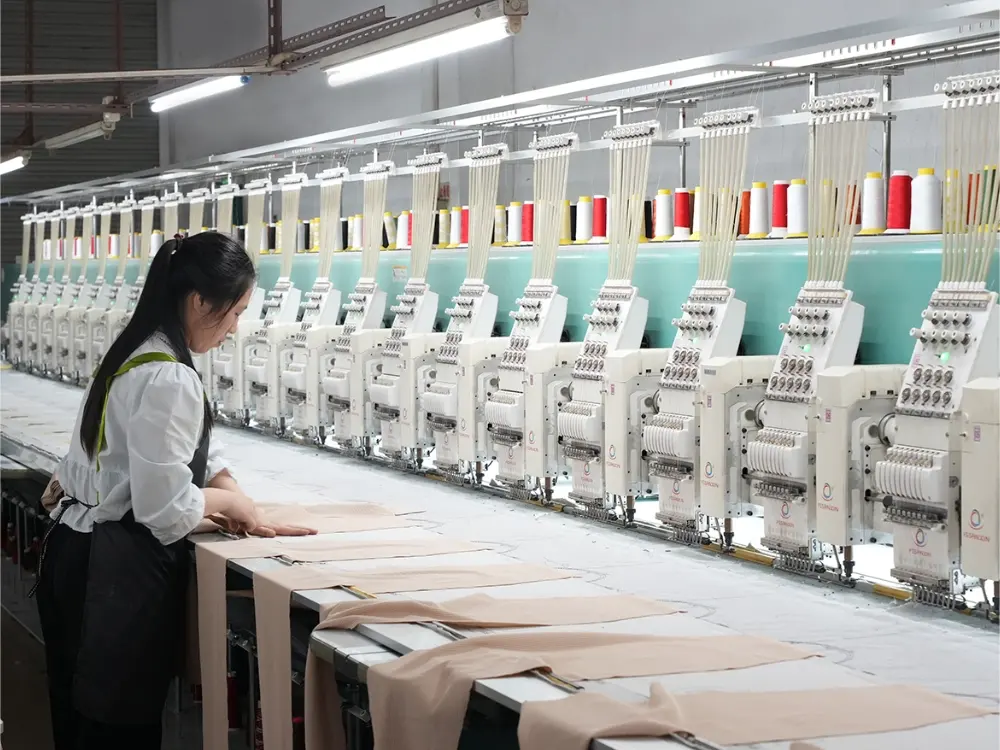
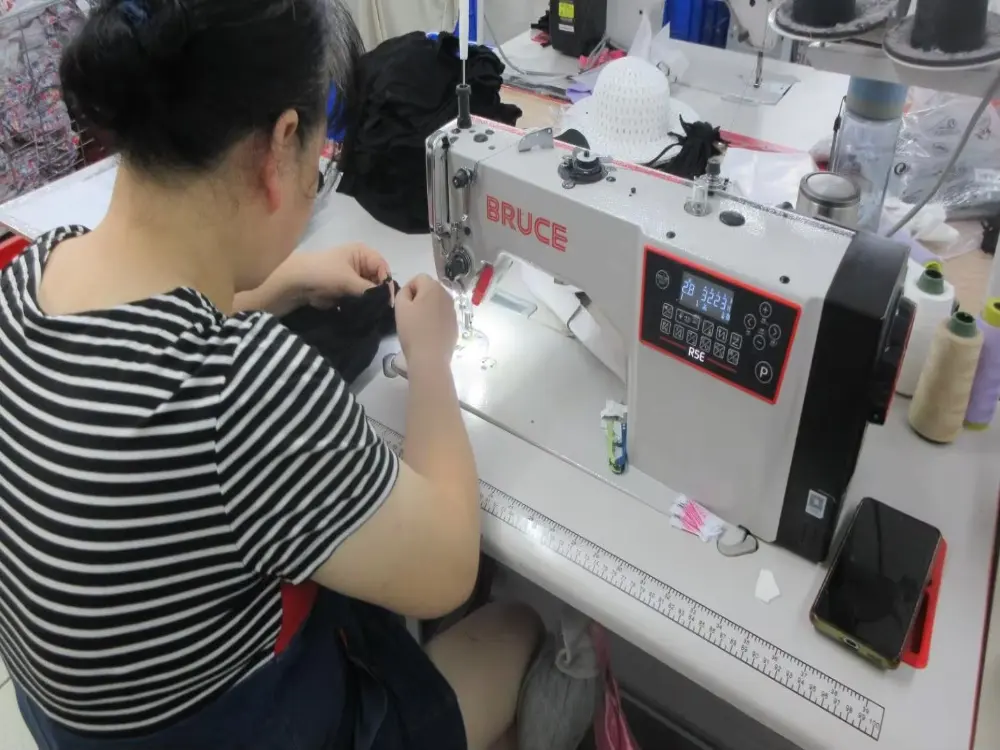
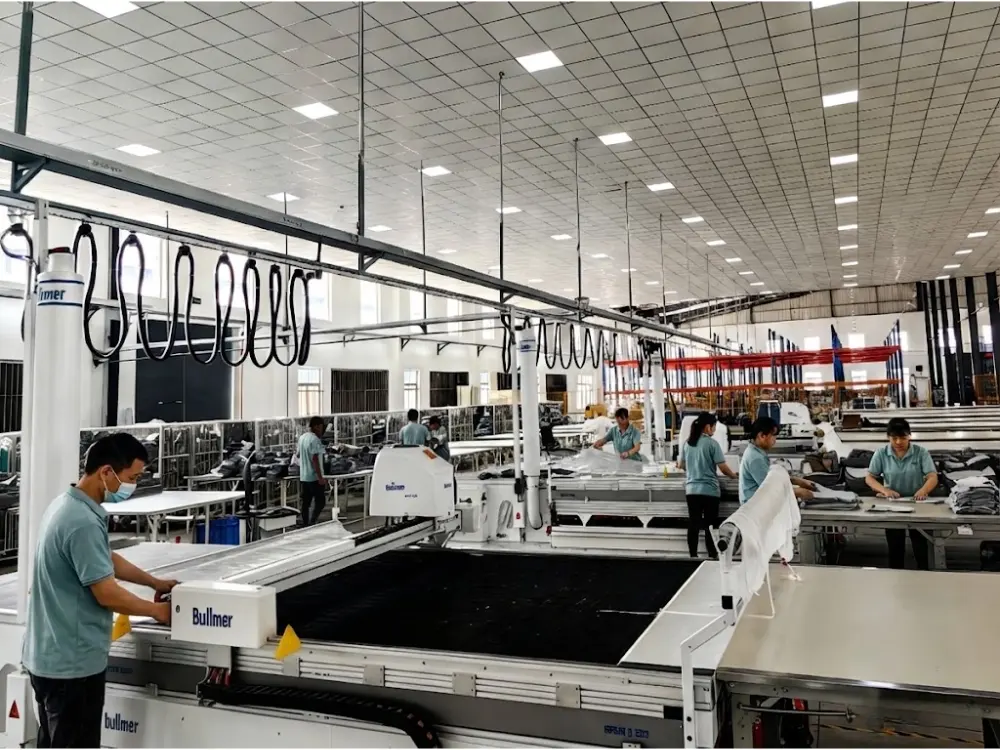
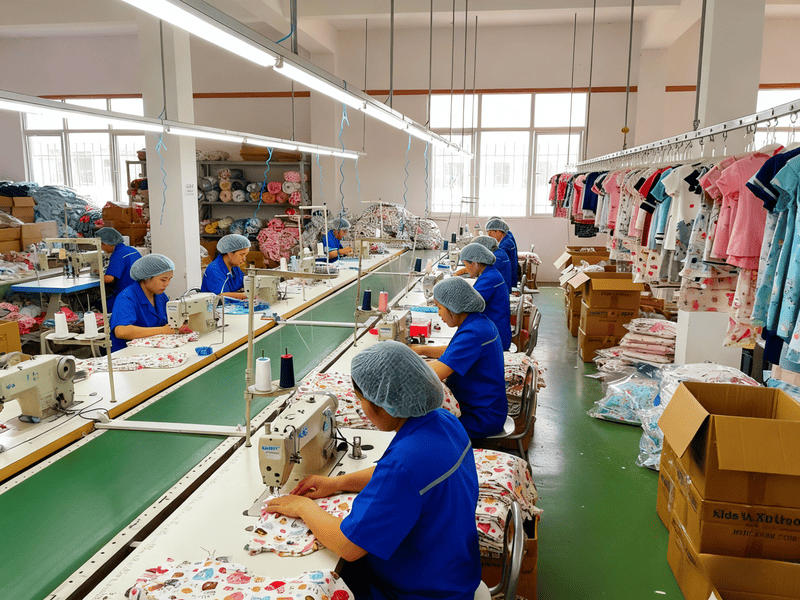
Evaluate the supplier’s production capacity, equipment, and scheduling system. This is especially important during peak seasons—confirm that they can deliver on time. Check whether they have mechanisms to handle rush orders or emergency restocks, as stable production capacity is key to maintaining a smooth sales cycle.
Compliance Checks
Before entering into a partnership, it’s recommended to review the supplier’s social responsibility audit reports (e.g., BSCI, Sedex) to ensure compliance with labor standards, safety regulations, and environmental policies. Working with compliant suppliers reduces risk and is more suitable for long-term business development.
From Sample Testing to Bulk Cooperation
Before committing to a children’s clothing supplier, start with sample testing. Whether your brand is premium or mass-market, samples are the best way to assess fabric, workmanship, size accuracy, color, and overall quality.
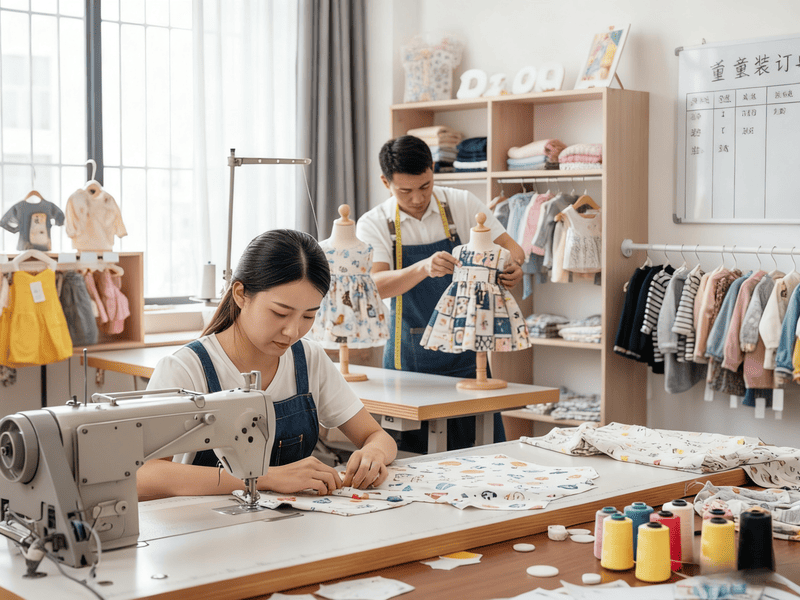
Don’t rush into large orders. Request samples first, inspect them, and only proceed to bulk production when the quality consistently meets your standards. This prevents rework, delays, and extra costs, ensuring a reliable and sustainable partnership.
Partnering with HAPA
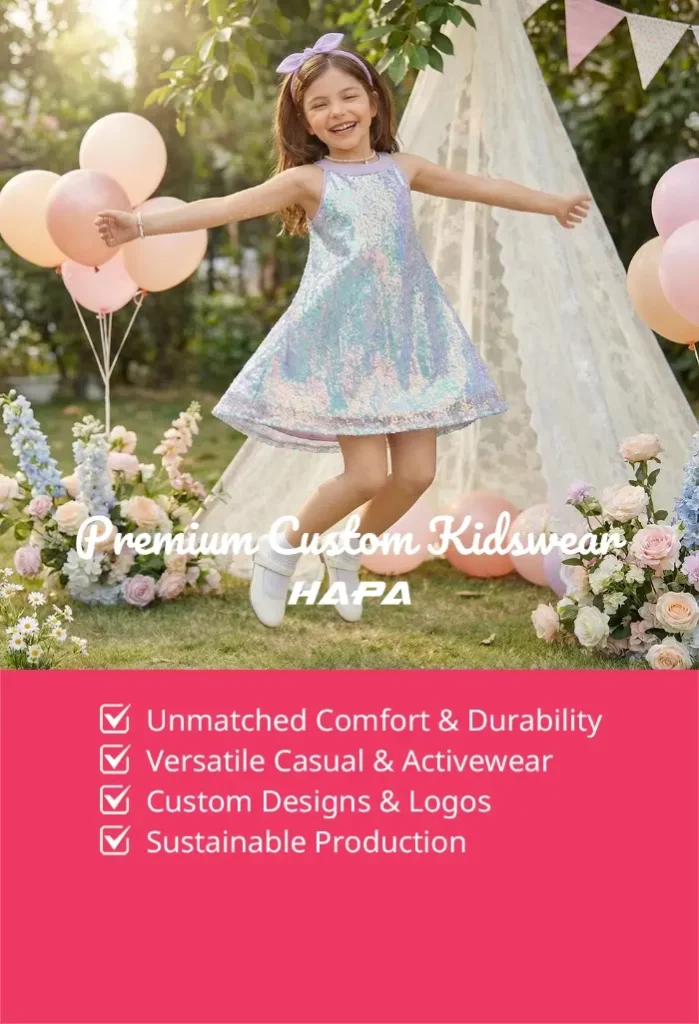
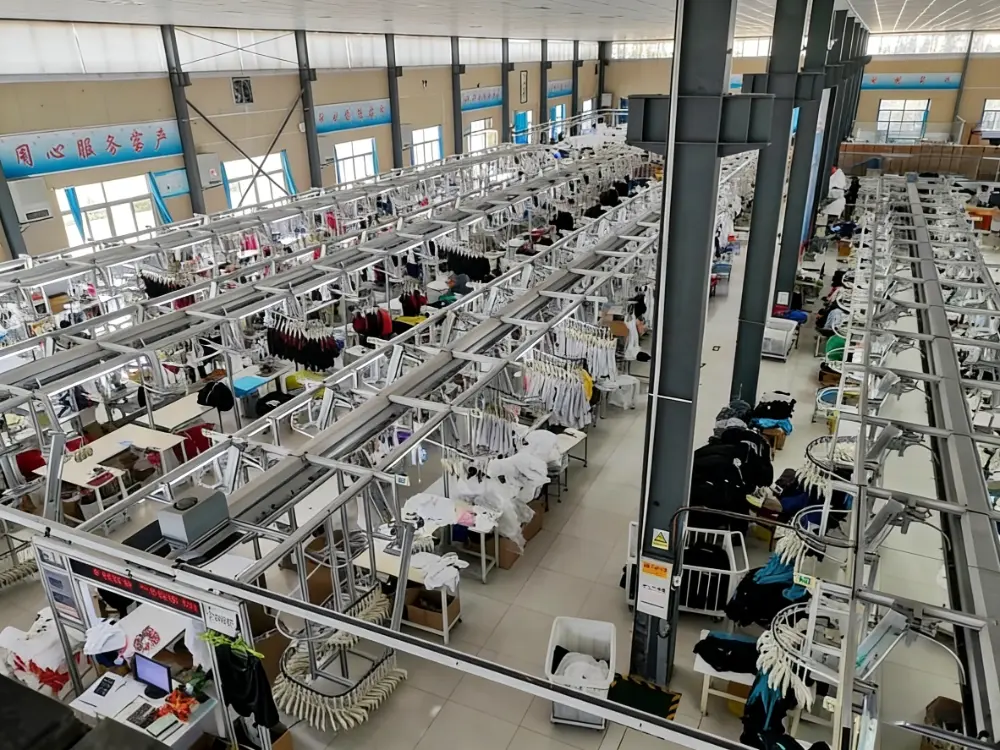
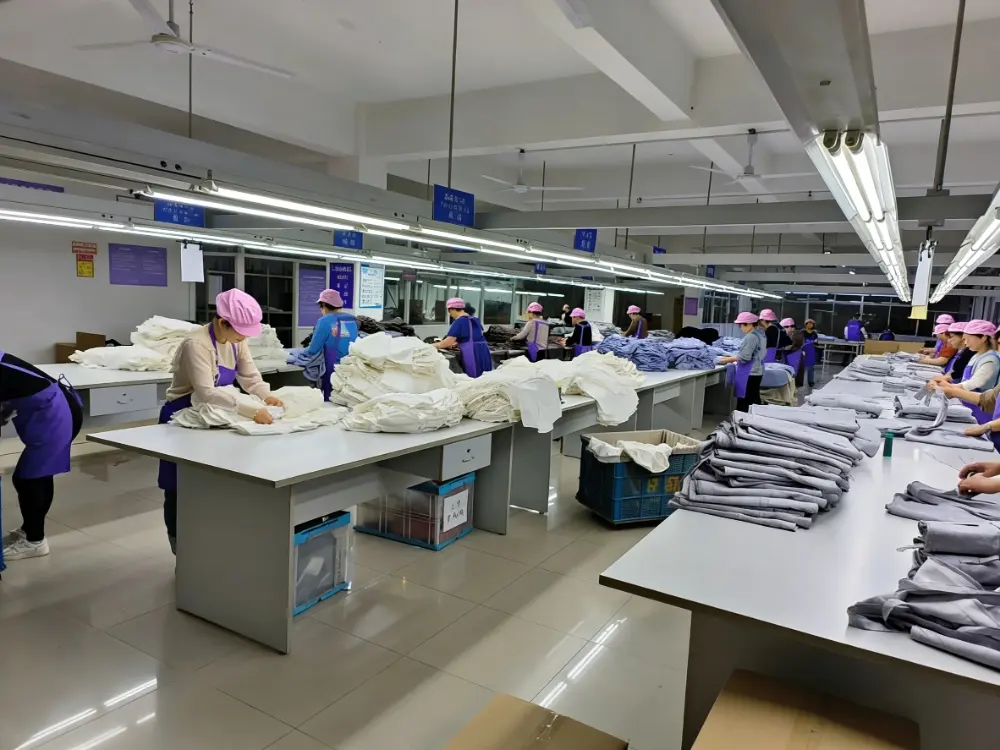
HAPA is a high-quality, diversified children’s Clothing Manufacturers and Wholesalers, specializing in design and production. Their products include T-shirts, hoodies, jackets, sportswear, dresses, and more.
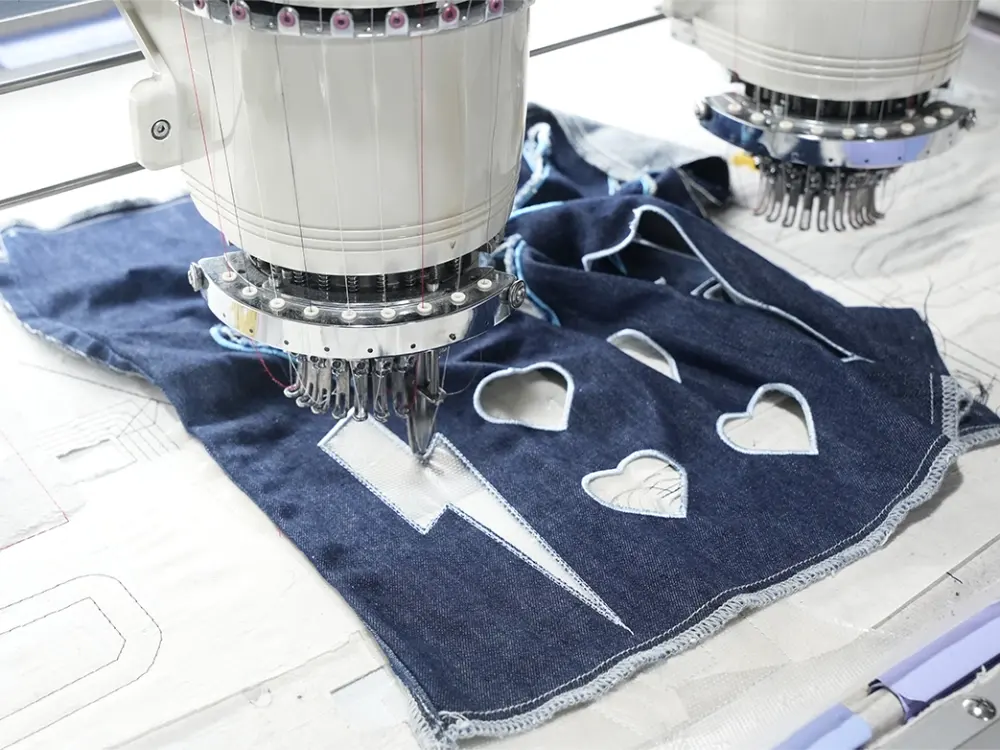
Since its founding, HAPA has been dedicated to the children’s apparel industry and serves many well-known kidswear brands. They use soft, comfortable fabrics and pay close attention to design details, with sequin clothing being one of their signature offerings. For retailers looking to sell unique children’s apparel, HAPA is a reliable choice. Their designers can also collaborate with your business to create custom designs.
In addition, HAPA is a sustainable manufacturer, minimizing the environmental impact of its production processes. No matter what type of clothing you’re looking for, you can be confident that you’ll receive ethically made, high-quality children’s apparel.
Frequently Asked Questions
Q1: What is the minimum order quantity (MOQ)? Can I mix styles or colors?
A: Our typical MOQ is 100 pieces per style per color. If you need multiple styles or colors in a single order, we can arrange flexible solutions based on the specific designs and quantities to accommodate small-batch customization. Please contact us with your requirements, and we will provide the most suitable plan.
Q2: Are your prices tax-inclusive? How is shipping calculated?
A: Our quoted prices usually exclude VAT, but we can provide tax-inclusive quotes upon request. Shipping costs are calculated separately based on the delivery method (sea, air, or express), destination, and order weight/volume. We can offer multiple logistics options to optimize both cost and delivery time.
Q3: How do you ensure bulk order quality? What about defective products?
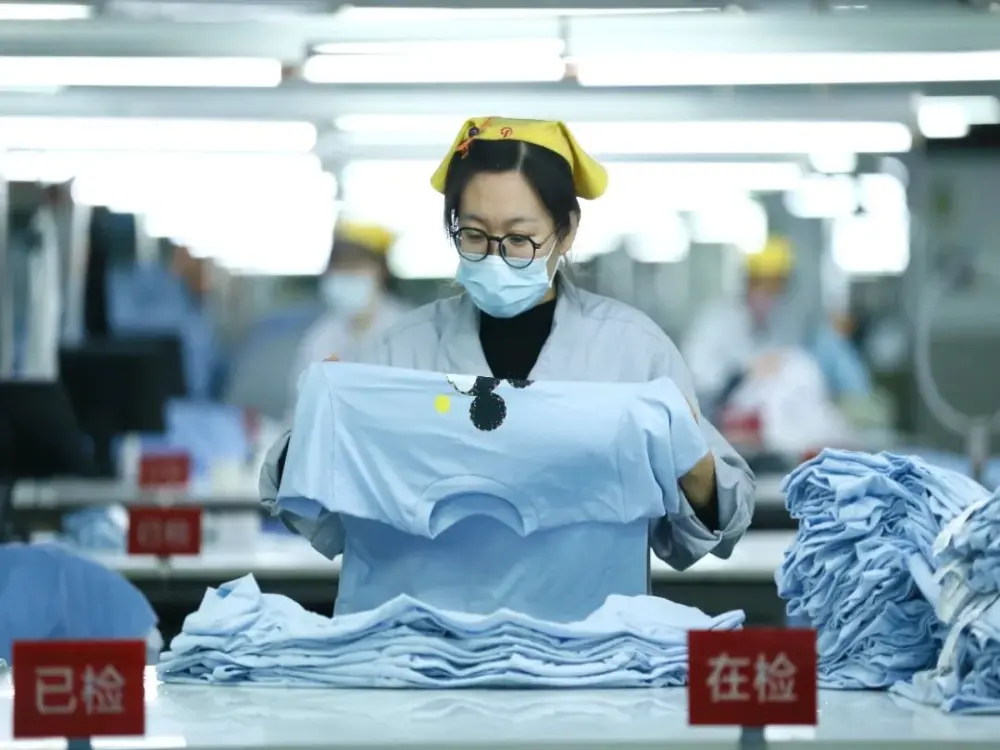
A: We strictly follow production and quality control procedures, including raw material inspections, in-process sampling, and final product checks. The defect rate is generally kept within 1%-3%. In case of defective batches, we will provide replacements or refunds according to the contract to protect our clients’ interests.
Q4: What is the production lead time? How much does sampling cost and how long does it take?
A: Production usually takes 4–6 weeks. Sampling typically requires 1–3 days, depending on style complexity and order quantity. A detailed production schedule will be provided once the order is confirmed.
Conclusion
Finding a reliable children’s clothing wholesale supplier can be a challenging task, especially for new brands. Choosing the right supplier is the first step toward successful business operations. If you’re looking for a trustworthy partner, contact us today to explore our children’s clothing collection and discover how our products can help your business thrive.
Related reading
The 15 Best Children’s Clothing Manufacturers
How to Find Reliable and High-Quality Children’s Clothing Manufacturer
12 Best Kids Clothing Wholesale Manufacturers for Retailers