Here’s the truth: if you want to scale your business, learning to buy apparel direct from the factory is essential, as nearly every major brand gets their garments straight from clothing manufacturers. From a business perspective, this approach lets you cut out the middleman completely, driving down your company’s sourcing costs. On the quality side, it puts you in full control right from the source, and gives you the freedom to build out your very own original designs.
Whether you’re at the helm of a clothing brand, or run a niche children’s wear boutique,this direct factory sourcing model is absolutely worth getting familiar with. Partnering with a dependable, trusted manufacturer doesn’t just lock in higher profit margins and far more consistent inventory for your business — it gives you everything you need to grow your operation rapidly and take it to new heights.
Can I Buy Clothes Directly from the Manufacturer?
The short answer is yes, you absolutely can source apparel directly from manufacturers. Whether you’re an established household brand or a small boutique just getting off the ground, this is almost always the most powerful sourcing strategy to maximize your profits.
Clothing factories are built and run for large-scale production, not one-off or small individual orders. That’s why, before you place any order, you’ll want to reach out to their team to get clear on their production requirements, order minimums, and lead times.
Direct factory sourcing is an absolute game-changer for businesses with any of the following goals:
- Boost your profit margins by cutting down sourcing costs
- Create one-of-a-kind products, instead of just selling generic wholesale items everyone else carries
- Build your own in-house or private label brand
- Guarantee consistent, reliable quality across every large production run
- Scale up your production seamlessly as your market demand grows
Minimum Order Quantity (MOQ): What You Need to Know
MOQ, or Minimum Order Quantity, is the lowest number of units a factory requires for each order you place. Manufacturers run their operations on economies of scale, and small-batch production is often inefficient and costly for them. For this reason, nearly all clothing factories set an MOQ to make sure every production run they complete is profitable.
When it comes to factory production, MOQs can vary wildly based on the product type, complexity of the garment construction, and level of customization required:
- Basic everyday pieces (T-shirts, leggings): 100–500 units per style
- Mid-range garments (dresses, matching sets): 300–1,000 units per style
- Highly customized pieces: 1,000 units or more per style
- Ready-to-ship pieces with pre-existing designs: 5–50 units per style (typically much lower)
A handful of key factors directly impact a factory’s MOQ requirements:
- Minimum order thresholds for fabric sourcing
- Production line setup and calibration costs
- Costs for custom printing or embroidery work
- Specific custom packaging requirements
- Overall size and specialization level of the factory
That said, startups and small businesses don’t have to be locked out. Many China-based clothing manufacturers now offer flexible MOQs to accommodate smaller, growing brands. For example, if you’re looking to build a custom children’s wear line, you can partner with us here at HAPA. Our standard MOQ is just 100 units per style or per color, with mixed sizing available — a setup that drastically cuts down inventory pressure for our sourcing partners.
Custom Clothing vs. Ready-to-Ship Goods
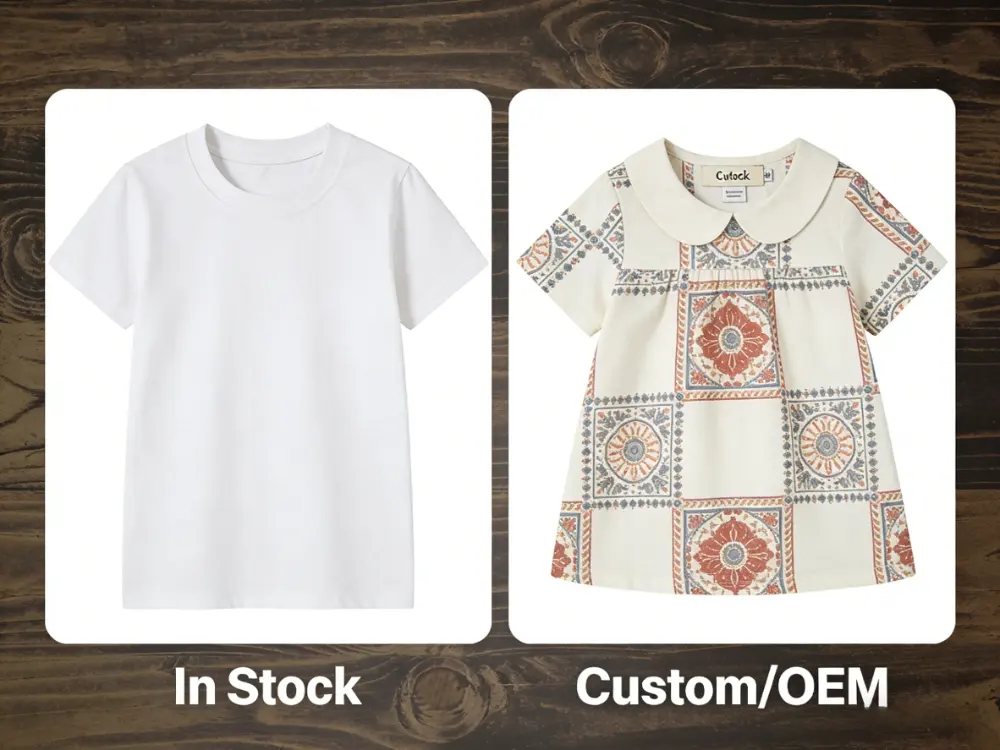
When you source directly from a factory, you’ll generally have two distinct sourcing paths to choose from. Understanding the difference between the two is make-or-break for your business model and your bottom line.
1.Ready-to-Ship Goods (In-Stock / Wholesale)
These are garments that have already been fully designed and manufactured and are sitting in the warehouse ready to ship out immediately.
- Pros: Ultra-fast turnaround times and typically very low MOQs (sometimes as low as 5–10 units).
- Cons: You won’t be able to make any changes to the garment’s design, fit, or fabric. Most importantly, your competitors can easily stock and sell the exact same products, making it incredibly hard to stand out in the market or command a premium price.
This option is perfect for:
- New startups testing the waters of the market
- Retailers needing to speed up their delivery timelines
- Businesses looking to keep their upfront investment low
- Small-batch order needs
2.Custom Clothing (OEM & ODM Services)
This is where direct factory sourcing can truly transform your business. By partnering with top-tier custom clothing manufacturers, you can build a completely unique brand identity that sets you apart from the crowd.
- OEM (Original Equipment Manufacturing): You provide the full tech pack, design sketches, or reference samples, and the factory brings your exact vision to life.
- ODM (Original Design Manufacturing): You choose from the factory’s pre-developed, ready-made designs, with the option to request modifications and add your own custom brand labels and tags.
The core benefits of the custom production model include:
- Exclusive designs that your competitors simply can’t access
- Working with private label clothing manufacturers provides full branding capabilities to build a recognizable, memorable brand identity
- Precise alignment with your specific target market’s needs
- Greater product differentiation and far more control over your pricing strategy
This model is ideal for businesses focused on building a long-term, sustainable brand, or serving a specific niche market.
The Step-by-Step Guide to Ordering Clothes Directly from the Factory
Ordering clothes directly from a manufacturer can feel overwhelming, especially if you’re a first-time buyer. Unlike ordering from a standard clothing wholesaler, factory sourcing follows a structured production workflow — one designed to guarantee precision, efficiency, and strict quality control, even for large-scale runs.
Step 1: Prepare Your Tech Pack or Reference Sample
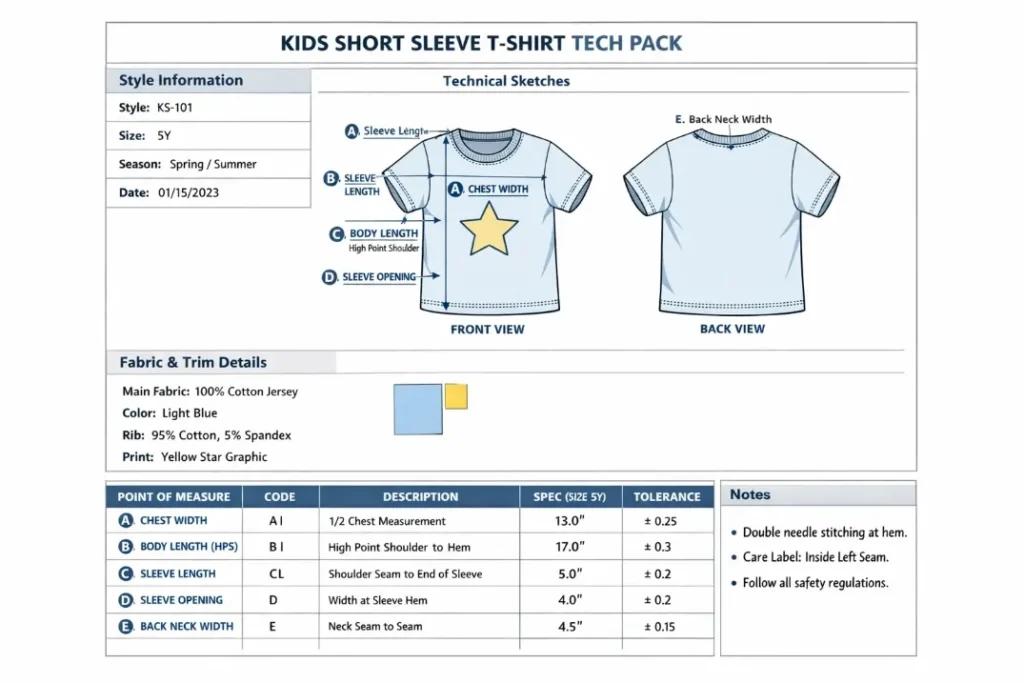
Before a factory can start producing your garments, they need a crystal-clear understanding of exactly what you want to make. This is almost always done by submitting a Tech Pack or a physical reference sample.
A tech pack is a comprehensive document that covers every technical detail needed for production. In our years of partnering with brands, we always ask clients to include these key details in their tech pack:
- Front and back design sketches of the garment
- Full measurement specs and size grading details
- Fabric type and exact fiber content
- Color references (such as Pantone color codes)
- Trims and hardware (buttons, zippers, labels, etc.)
- Print or embroidery artwork and production specs
- Construction and stitching requirements
- Packaging instructions and guidelines
If you haven’t put together a full tech pack yet, a well-made physical reference sample works perfectly too. The factory will analyze and deconstruct the sample to replicate your design, but keep in mind this reverse-engineering process often adds extra time to the product development phase.
As an experienced children’s clothing manufacturer, we can’t stress this enough: the more detailed your submission, the better. It eliminates miscommunication right from the start and avoids costly mistakes like botched samples, wasted materials, and unexpected production cost hikes down the line. Vague, unclear instructions almost always lead to delays and extra expenses.
Step 2: Request a Quote and Fabric Swatches
Once the factory fully understands your product requirements, you can officially request a detailed quote. Your final pricing will depend on a range of variables: order quantity, fabric costs, design complexity, print or embroidery requirements, and packaging specs, to name a few.
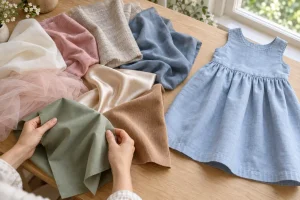
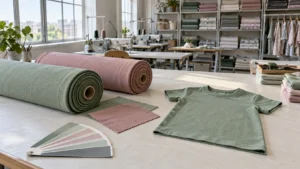
At the same time, you should ask the factory for fabric swatches and color cards to evaluate the texture and quality in person. This step is non-negotiable for kids’ clothing, where comfort, durability, and safety are always the top priorities. When reviewing fabric swatches, here are the key factors to assess:
- Softness and comfort against delicate skin
- Thickness and long-term durability
- Color accuracy and consistency
- Stretch and shape recovery
- Compliance with required safety standards
Comparing fabric swatches from multiple suppliers will help you find the perfect balance of cost and quality before you move into the sampling stage.
Step 3: The Sampling Process
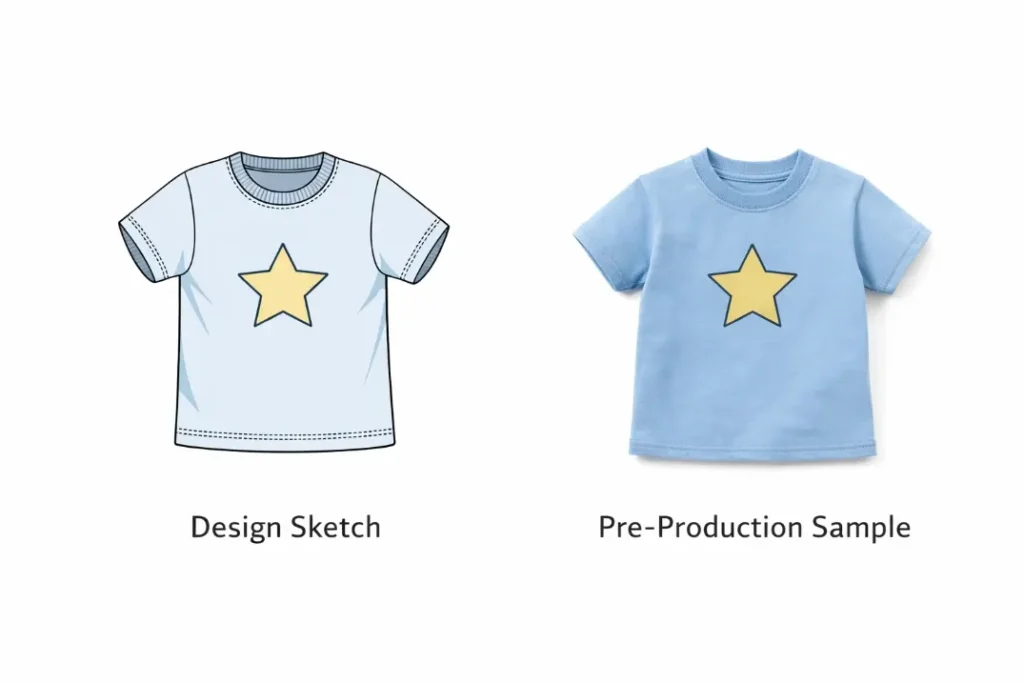
Pictures can be misleading, but a physical sample never lies. This is hands down the most critical step in the entire sourcing process — never skip it. Before full mass production kicks off, the factory will create a pre-production sample based on your tech pack.
You’ll want to thoroughly evaluate this sample, with a close eye on these key areas:
- Fit and sizing accuracy across all sizes
- Fabric performance after washing and drying
- Stitching quality and overall construction
- Placement and finish of any print or embroidery
- Safety elements (especially critical for kids’ apparel)
- Overall look and feel compared to your original vision
Sample revisions are completely normal. Most projects require two or even more rounds of tweaks before the sample is fully signed off. As a kids’ clothing manufacturer, we take this step extremely seriously — cutting corners here almost always leads to costly, large-scale quality issues in mass production.
Step 4: Mass Production and Shipping
Once you’ve officially signed off on the pre-production sample and paid the deposit, mass production begins. The factory will handle the full production process: fabric cutting, garment sewing, application of your custom brand labels, and a final round of rigorous quality control (QC) inspections.
Once production is complete, the finished goods will be packed and shipped. You’ll typically have two main shipping options to choose from:
- Ocean freight: The most cost-effective choice for large bulk orders, with a longer transit time, usually 30 to 45 days.
- Air freight/express courier: Blazing-fast delivery (usually just 5 to 10 days), but at a significantly higher cost. This is ideal for small batch orders, or when you’re up against a tight product launch deadline.
When you partner with an experienced manufacturer, they’ll typically handle the logistics for you, helping your inventory clear customs smoothly and arrive safely at your warehouse or physical store.
How to Find a Reliable Apparel Factory
Understanding the sourcing process is only half the battle. Finding the right manufacturing partner is where many new brands end up struggling. It’s easy enough to find apparel factories online, but distinguishing genuine manufacturers from unreliable ones is no simple task. That’s why you need a practical strategy to help you filter through the options and pick out truly great manufacturers.
Sourcing Channels for Finding Apparel Factories
Online directories – Kompass, ThomasNet, Maker’s Row (US).
B2B sourcing platforms – Alibaba, Global Sources, Fibre2Fashion.
Trade shows – Canton Fair (China), Magic Las Vegas (USA), Texworld Paris (Europe).
Google Search & Independent Factory Websites – HAPA,Appareify,Steve Apparel.
A word of caution: you must vet suppliers carefully to spot real factories. One of our current clients had this exact experience. They found a supplier on Alibaba that advertised itself as a children’s apparel factory, only to later find out it was just a trading company. Eventually, they discovered us through our independent website and visited our facility in person. They’ve been working directly with us on production ever since.
How to Verify a Supplier’s Reliability
Once you have a shortlist of potential factories, thorough due diligence before placing any order is absolutely essential. A manufacturer you can trust will show real strength in transparency, compliance, and proven production ability.
- Check Certifications and Compliance Credentials: Pay close attention to widely recognized international certifications for quality management systems, corporate social responsibility, and product safety standards. For children’s apparel, adhering to strict regulations in your target markets like the U.S. or EU is especially important.
- Evaluate Industry Experience: Factories with years of focused experience in your product category usually have mature production systems, skilled workers, and a steady supply chain. By looking at their portfolio and past client projects, you can judge whether they can deliver what you need.
- Assess Communication Quality: Professional manufacturers typically respond quickly, explain things clearly, and ask detailed questions about your specifications. Smooth, efficient communication early on is usually a good sign that production collaboration will proceed smoothly down the line.
- Request Samples and Conduct Testing: Samples let you evaluate fabric quality, workmanship, sizing accuracy, and overall finish. Consistent sample quality is strong evidence that a factory can deliver reliable bulk production.
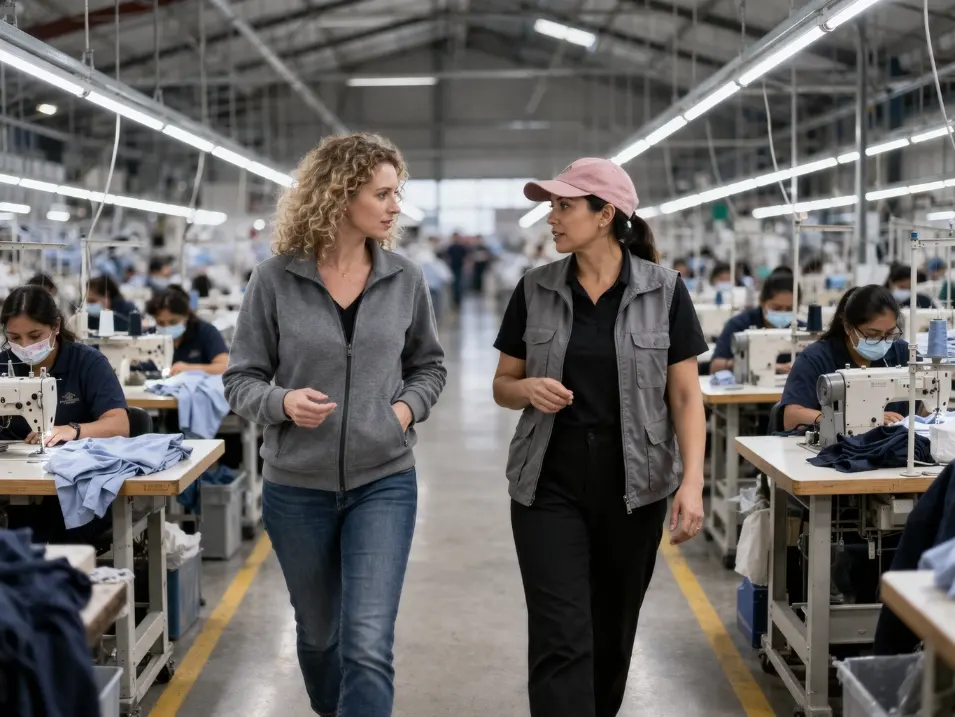
- Consider Factory Audits or Virtual Tours: If conditions allow, an on-site audit or video tour will help you confirm the factory’s facilities, team size, and operational standards. This step is especially important for large orders or long-term partnerships.
Who Should Actually Buy Clothes Directly From Factories?
Sourcing clothes straight from factories isn’t just for big-box retailers or huge household brands. Many people assume it is, but that’s simply not the case. In fact, businesses of almost any size can get real, tangible benefits from going direct to factory — as long as you know what’s required, what you stand to gain, and how the whole process works.
If you fall into any of these groups, direct factory sourcing is absolutely worth looking into:
Independent Brand Founders & Brand-New Startups
If you’ve got a one-of-a-kind design vision, fleshed-out tech packs, or a highly specific idea for a kids’ clothing line, you don’t just need a supplier — you need a factory partner. Going direct lets you use OEM services to handpick fabrics that meet strict child safety standards, take full control of every detail of your garment’s fit and cut, and bring your exclusive designs to life exactly how you imagined them, with no compromises.
Boutique Owners Ready to Grow Past Generic Wholesale
Most local boutique owners start out buying ready-to-sell pieces from wholesale suppliers. It’s easy, low-risk, and works perfectly when you’re just getting off the ground. But as your shop grows, you’ll almost certainly run into a problem: your competitors are selling the exact same dresses, onesies, and basics as you. There’s nothing to set you apart.
When you switch to direct factory sourcing — especially with ODM services — you can add your own private label to every piece, customize exclusive colorways and make minor design tweaks, and significantly boost your profit margins.
E-Commerce Sellers (Shopify, Amazon, and Beyond)
Anyone who’s sold online knows how fast things move. One day your product is a slow seller, the next it’s going viral — and if you’re relying on third-party wholesalers, that’s when stockouts happen. And stockouts kill your sales, platform rankings, and customer trust — fast.
Partnering directly with a manufacturer fixes this. You lock in a stable, scalable supply chain, can reorder your top-selling styles quickly, and arrange for goods to ship straight to your fulfillment center with no middleman slowing things down.
Established Wholesalers & Distributors
When you’re sourcing in massive bulk, every single cent counts. Even a $0.50 difference per piece adds up fast when you’re ordering thousands of units at a time. Sourcing straight from overseas manufacturing hubs lets you lock in the most competitive bottom-line pricing available. You keep full control over the quality of your high-volume orders and maintain a serious competitive edge in your local market.
Tips for Negotiating With Manufacturers & Building Long-Term Partnerships
Your first order with a factory is just the start of a working relationship, not the finish line. When you build a solid, trusting bond with your manufacturer, you’ll unlock better pricing, faster production turnaround, tighter quality control, and priority service you’ll never get from one-off transactions. Below are practical, field-tested tips to negotiate effectively and build a lasting, mutually beneficial partnership.
Put Crystal-Clear Communication First
Poor communication is the #1 cause of costly mistakes in custom production — no exceptions. To build trust and avoid expensive, time-consuming do-overs, you need to be explicit about every single one of your expectations and requirements from day one.
Lean on detailed tech packs for everything. Never leave critical details up to guesswork. Your tech pack should cover every last specification: size grading rules, exact zipper and trim requirements, fabric fiber content, stitch types, print placement, you name it. If it matters to your final product, write it down clearly.
Negotiate for a Win-Win, Not Just the Lowest Price
A lot of new buyers fixate only on squeezing the lowest per-unit cost, and that’s a short-sighted mistake. You can negotiate far more than just price, and often those extra terms deliver more value to your business than a $0.50 price cut.
If a factory can’t lower the unit cost — say, because they’re sticking to high-quality, eco-friendly organic fabric that’s non-negotiable for kids’ clothes — ask for other wins instead. Can they lower the MOQ for your first order to reduce your inventory risk? Throw in free custom branded labels and tags? Waive sampling fees for your initial run? There’s always room to negotiate terms that benefit both sides, not just the bottom line.
Be open about your growth plans, too. Factories care far more about long-term, consistent business than a single one-off order. If you’re building a brand with real scalable potential, and you can lay out your plan for larger, steadier orders in the coming quarters, they’ll be far more willing to offer preferential pricing, cover sampling costs, or add in extra perks to lock in your business.
Be Honest and Upfront About Your Expectations and Challenges
Radical transparency is the foundation of earning a factory’s respect and trust. This isn’t about being overly demanding — it’s about being clear and fair.
- Proactively share your market plans, target audience, and where quality sits on your priority list (especially critical for kids’ apparel, where safety is non-negotiable)
- Talk through potential roadblocks upfront, whether that’s a tight product launch deadline or fluctuating order volumes as you test the market
- Collaborate to set terms that work for both sides, from payment schedules to delivery timelines, no last-minute surprises
Great long-term partnerships don’t happen overnight — they’re built with consistent, thoughtful effort over time:
- Place regular, consistent orders to show you’re serious about the partnership, not just shopping around for the cheapest deal
- Give the factory as much advance notice as possible if you need to change designs, order quantities, or delivery dates
- Celebrate small wins together, like a successful product launch, a big bulk order, or hitting a sales milestone. Small, genuine gestures go a long way to build rapport.
At the end of the day, a garment factory that trusts you and values your business won’t just check the boxes on your order. They’ll prioritize your production runs, flag potential issues before they become costly problems, and collaborate with you to develop new products that help your brand grow. That’s the power of a real partnership, not just a transaction.
Common Pitfalls in Factory Direct Garment Sourcing
Sourcing garments directly from factories can boost profit margins, customization flexibility, and quality control, but it also carries risks. Here are common mistakes and how to avoid them:
Choosing suppliers based solely on price —— Low-cost factories often hide extra costs: poor quality, inconsistent sizing, delayed delivery, and regulatory non-compliance.
Overlooking safety and compliance —— This is critical, especially for children’s wear. You must pay attention to flammability, small parts, restricted chemicals, and more.
Skipping or rushing sample approval —— Skipping the sampling stage to save time or money often leads to: sizing or pattern issues, and sewing defects.
Underestimating lead times and complexity —— Production time is influenced by order volume, fabric availability, seasonality, and other factors.
Poor communication and lack of relationship building —— Treating the factory purely as a transaction can result in: slow responses, obstacles to customization, and low-priority handling.
Conclusion
At the end of the day, every business — from large, established apparel brands to small, niche children’s wear boutiques — can source clothing directly from manufacturers. That said, successful factory sourcing is never a simple, set-it-and-forget-it process. It takes thorough preparation, in-depth research, and consistent, intentional work to nurture your manufacturing partnerships over the long term.
Mastering the ins and outs of direct factory sourcing for children’s wear isn’t just a useful skill — it’s one of the most impactful, strategic decisions you can make to set your brand up for lasting success.
FAQ: How to Buy Apparel Direct from the Factory
What are the main benefits of buying apparel direct from a factory?
The primary benefits include lower unit costs by eliminating middlemen, direct quality control, and faster communication for custom designs. It also ensures transparency in ethical manufacturing and fabric certifications (like OEKO-TEX®), which is crucial for children’s wear.
What is the typical Minimum Order Quantity (MOQ) when buying direct?
MOQs vary by manufacturer and design complexity. While large factories may require 1,000+ units, many flexible OEM factories offer lower MOQs (e.g., 100-300 units) to support growing brands and specialized collections.
How can I verify a clothing factory’s reliability?
Always request a physical sample to test fabric and sizing. Additionally, check for industry experience (e.g., 15+ years), verified certifications (GOTS, CPSIA), and their track record in your target markets like the USA, Europe, or Australia.
Can I customize my own designs (OEM/ODM) when buying direct?
Yes. Buying direct allows for full OEM (Original Equipment Manufacturer) services, where you provide tech packs, and ODM (Original Design Manufacturer), where you select from factory designs and add your private label and custom prints.
How long does the production and shipping process take?
Generally, sampling takes 7–14 days, while bulk production takes 30–45 days depending on order volume. Shipping takes 3–7 days via air freight or 30+ days via sea freight, depending on your budget and urgency.