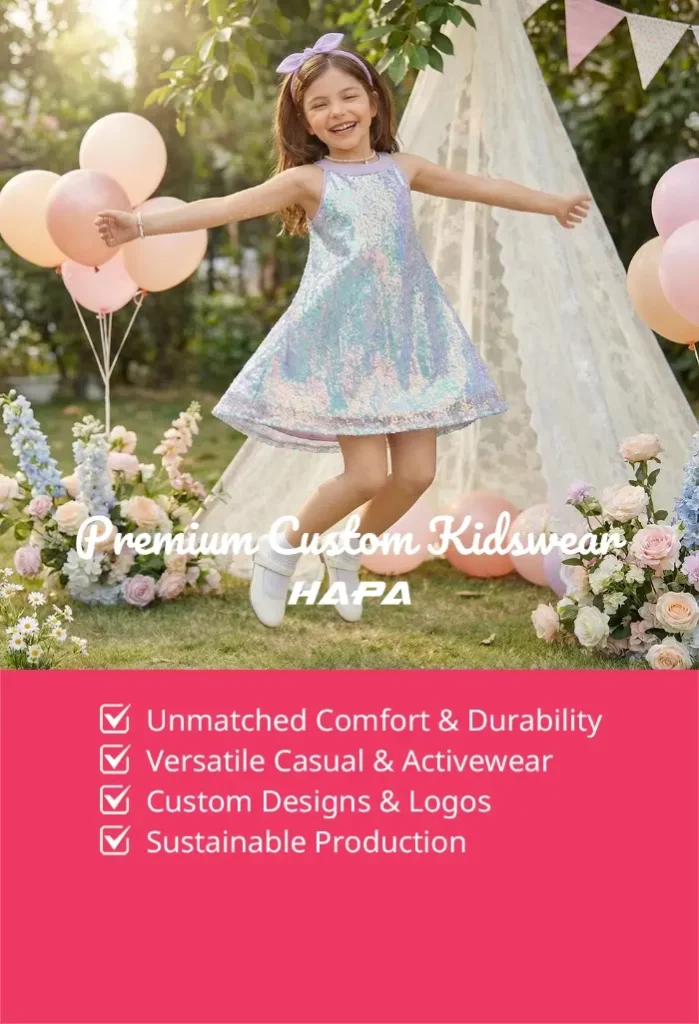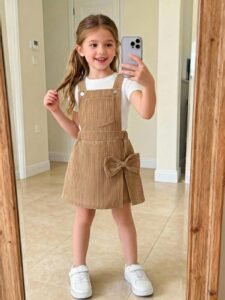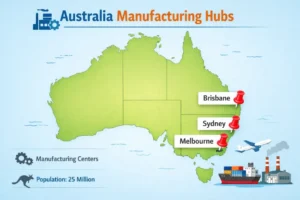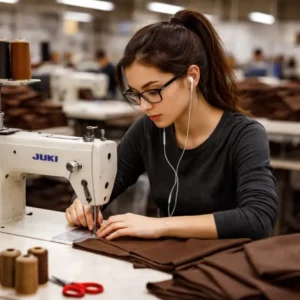
Today, the consumer mindset of young parents has shifted dramatically compared to that of parents in the early 2000s. When they shop for children’s clothing, they are not just purchasing garments — they prioritize premium, skin-friendly fabrics, stylish one-of-a-kind prints, and a sustainable production ethos above all else.
Whether your customer base is primarily located in the United States, Europe, or Australia, market demand for distinctive, high-quality children’s fashion pieces has reached an all-time high.
If you are still sourcing generic, uninspired, mass-produced items that are readily available everywhere online, your boutique is on the brink of being eliminated from the market.
As experts in the children’s apparel industry, we can say frankly that the biggest barrier to running a successful children’s clothing boutique is not marketing — it’s sourcing. In this guide, we will take an in-depth look at how to leverage the latest and most effective sourcing strategies, answer the burning question of where to buy wholesale children’s boutique clothes, accurately assess a supplier’s fabric quality, and build an exclusive, high-quality apparel collection that parents will fall in love with.
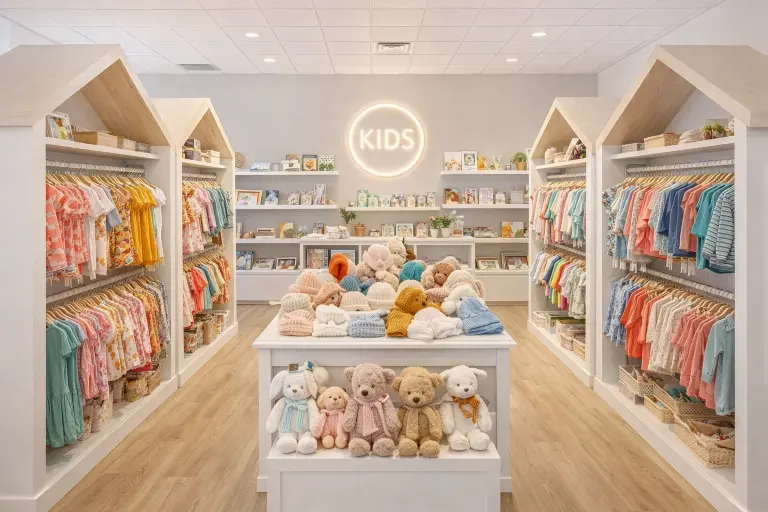
Why Choosing the Right Wholesale Supplier Is Critical
For children’s apparel boutique owners, selecting a wholesale supplier is about far more than just restocking inventory. They are, at their core, a strategic partner in your brand’s growth. The right supplier directly impacts:
- Your brand reputation
- Your boutique’s repeat purchase rate
- Your store’s unique competitive edge
- Your profit margins
- The stability of your store’s new product launches
- Your business’s risk resilience
- Your overall customer satisfaction levels
For boutique owners, a trusted wholesale partner is the cornerstone of success. They solve your core pain points and drive sustainable growth across every aspect of your business.
According to Statista research, the average gross profit margin for children’s clothing stores in the U.S. sits at 39.5%. However, boutiques that partner with established, compliant wholesale suppliers achieve gross profit margins between 45% and 55% — a difference that can determine whether your boutique thrives, or merely survives.
Top Channels to Source Wholesale Kids’ Boutique Clothes
Are you still searching for wholesale boutique children’s apparel and feeling overwhelmed by the options? As industry specialists in this space, we’ve broken down the mainstream sourcing channels into three core categories, with an in-depth analysis of their respective advantages and disadvantages, to help you make the most informed decision for your business.
Online Wholesale Directories & B2B Marketplaces
For newly launched children’s apparel boutiques, online wholesale directories and B2B marketplaces are almost always the first stop. Acting as digital intermediaries between manufacturers and retailers — think of them as the “B2B version of Amazon” — these platforms let boutique owners browse thousands of children’s apparel lines from countless brands all in one unified interface.
They enable seamless one-stop price comparison, order placement, and payment, making them ideal for sourcing in-stock items when you want to buy children’s boutique clothes wholesale with low minimum order quantities (MOQs).
Popular platforms include:
- Faire
- Tundra
- FashionGO
- OrangeShine
- Ankorstore
- Alibaba
- Kiskissing
- Kiddies World
Advantages: Low barrier to entry and user-friendly operation. You can easily browse thousands of in-stock styles, and some platforms even offer flexible payment terms such as Net-60, which greatly eases cash flow pressure during the startup phase.
Disadvantages : Severe product uniformity and squeezed profit margins. If you can easily find these styles, so can your competitors. When you’re selling the exact same garments as the store across the street, you’re forced into a race to the bottom on price. In addition, many sellers on these platforms are themselves second-tier distributors (middlemen), and the layered markups that come with these intermediaries will ultimately eat heavily into your retail profit margins.
Attending International Children’s Apparel Trade Shows
If you want to see and feel the quality of garments in person, large-scale offline children’s apparel trade shows are a timeless, classic sourcing channel. These shows offer boutique owners invaluable hands-on experience: you can feel the softness of the fabrics firsthand, assess stitching and construction quality, and get a jump on emerging trends months before they hit the mass market. Beyond placing purchase orders, trade shows are a core platform for building global supplier connections and uncovering exclusive designs that have not yet become oversaturated online.
Popular trade shows include:
- Playtime & Kid’s Hub (New York/Paris/Shanghai: the world’s most recognized professional boutique children’s apparel trade show)
- ABC Kids Expo (USA: a comprehensive large-scale show focused on maternity, baby, and teen products)
- Kind + Jugend (Germany: the world’s largest maternity and baby industry expo)
- CBME (China/Turkey: a massive trade hub connecting Asian and global supply chains)
Advantages: Authentic, tactile product evaluation. You can personally test the softness of fabrics and inspect detailed craftsmanship such as stitching and button fastenings, which is critical for high-end boutiques focused on premium quality. At the same time, face-to-face interactions help build initial trust and rapport with suppliers.
Disadvantages: High costs and limited agility. Cross-border flights, accommodation, and the significant time investment make frequent show attendance unrealistic for small and medium-sized boutiques. Additionally, shows typically follow a seasonal release schedule (twice a year), making it difficult to keep up with the fast reorder needs and sudden viral trend cycles of today’s children’s apparel market.
Partnering Directly with OEM/ODM Manufacturers
As your boutique business matures, partnering directly with a direct factory manufacturer enables you to maximize profit margins, achieve true design differentiation, and maintain full end-to-end quality control — from fabric safety to tailoring and construction. This is the exact supply chain model used by the world’s leading children’s apparel brands.
Leading children’s apparel manufacturers include:
- HAPA
- Thygesen Textile Vietnam
- Siukid
- Royal Apparel
- Appareify
- Steve Apparel
Why Is This the Best Sourcing Option?
Partnering directly with a factory eliminates all middleman layers, giving you access to true ex-factory bottom-line pricing for your wholesale children’s boutique clothes. More importantly, professional children’s apparel manufacturers like HAPA offer not just in-stock wholesale, but also robust OEM (Original Equipment Manufacturing) and ODM (Original Design Manufacturing) capabilities.
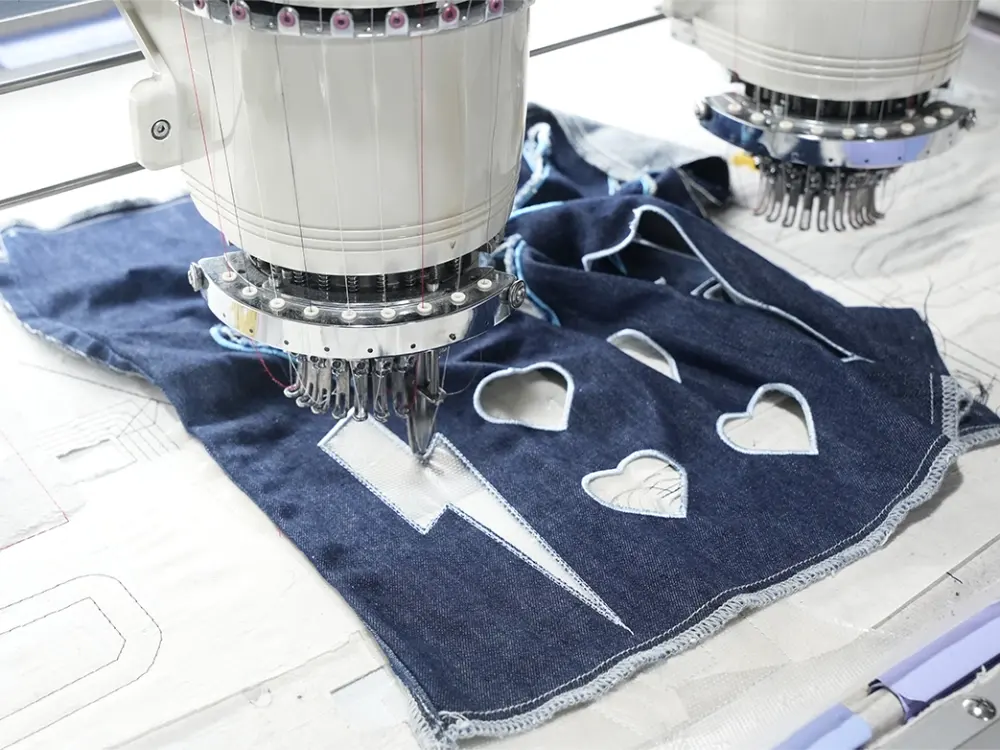
By partnering with an established, end-to-end factory, you can easily execute light customizations — such as swapping in your own main brand labels and care labels, or adjusting fabrics and colorways to align with the needs of your local market (for example, sun protection requirements in Australia, or vintage fashion trends in Europe and the U.S.).
This kind of exclusive inventory is simply unavailable on any public online wholesale platform. With rigorous quality control and an in-depth understanding of international market standards, direct factory partnerships ensure every new collection you launch becomes a bestseller for your boutique.
How to Vet Reliable Apparel Suppliers Online
When you search for “children’s boutique clothing wholesale” online, you may get millions of results. But not every supplier will act as a catalyst for your business growth. Choosing the wrong supplier will not only cost you money, but also damage the hard-earned reputation of your boutique. Below are the core strategies and a pitfall-avoidance guide you must master when vetting reliable apparel suppliers.
Hallmarks of a Reputable Supplier
- In-depth understanding of target market compliance: They have a clear grasp of the stringent requirements for infant and children’s apparel in the U.S. (CPSC), Europe (REACH), and Australia, and can proactively provide fabric certifications for non-toxicity, flame retardancy, or environmental compliance (such as Oeko-Tex or organic cotton certifications).
- Brand growth enablement: They do more than just sell garments — they also support light customization. For example, they allow you to swap in your exclusive private labels, or make minor design adjustments tailored to your target audience.
- Flexible supply chain capabilities: They offer tiered pricing and relatively flexible minimum order quantities (MOQs), helping boutiques strike the perfect balance between testing new styles and controlling inventory risk.
How to Screen Reliable Vendors Online
To identify trustworthy, factory-direct suppliers amid the overwhelming volume of information online, you need to follow a standardized due diligence process:
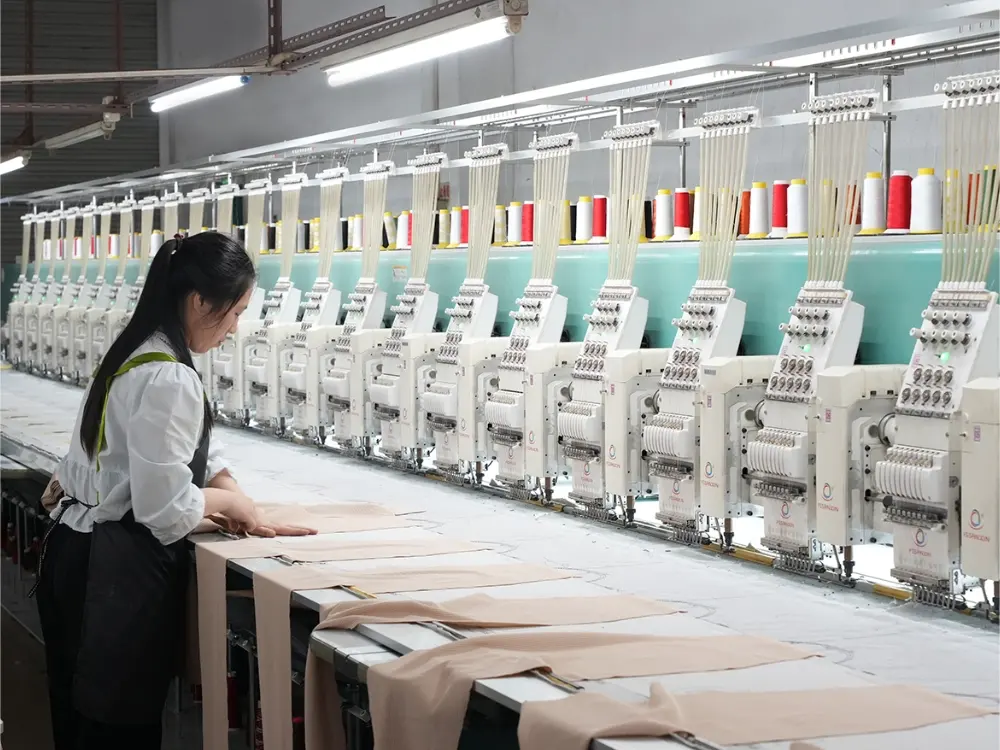
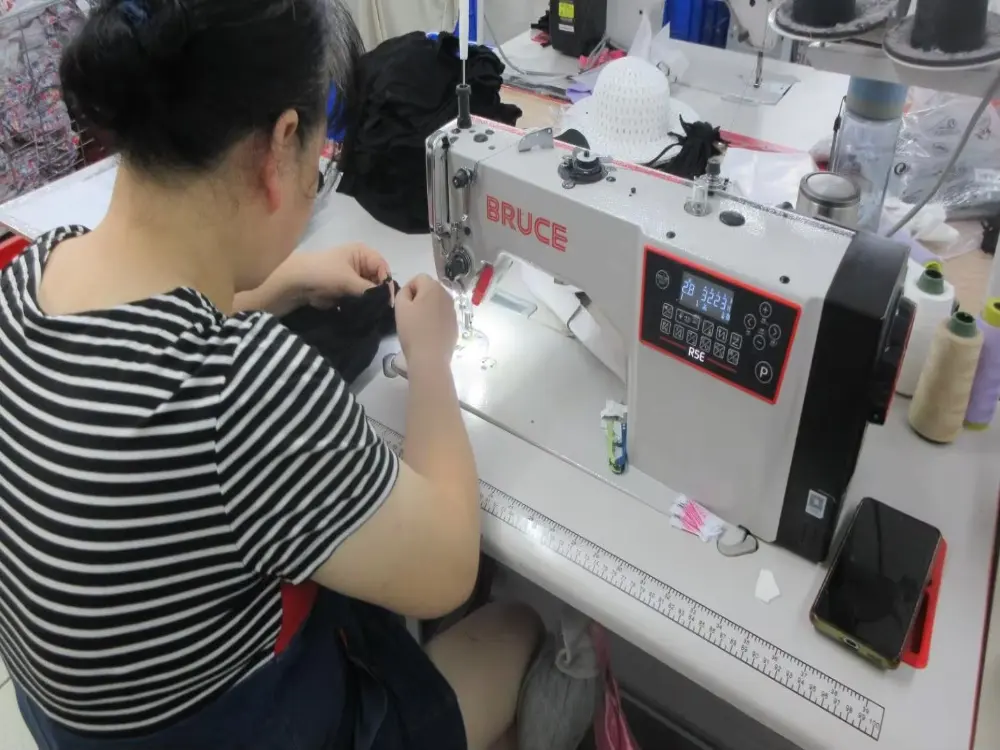
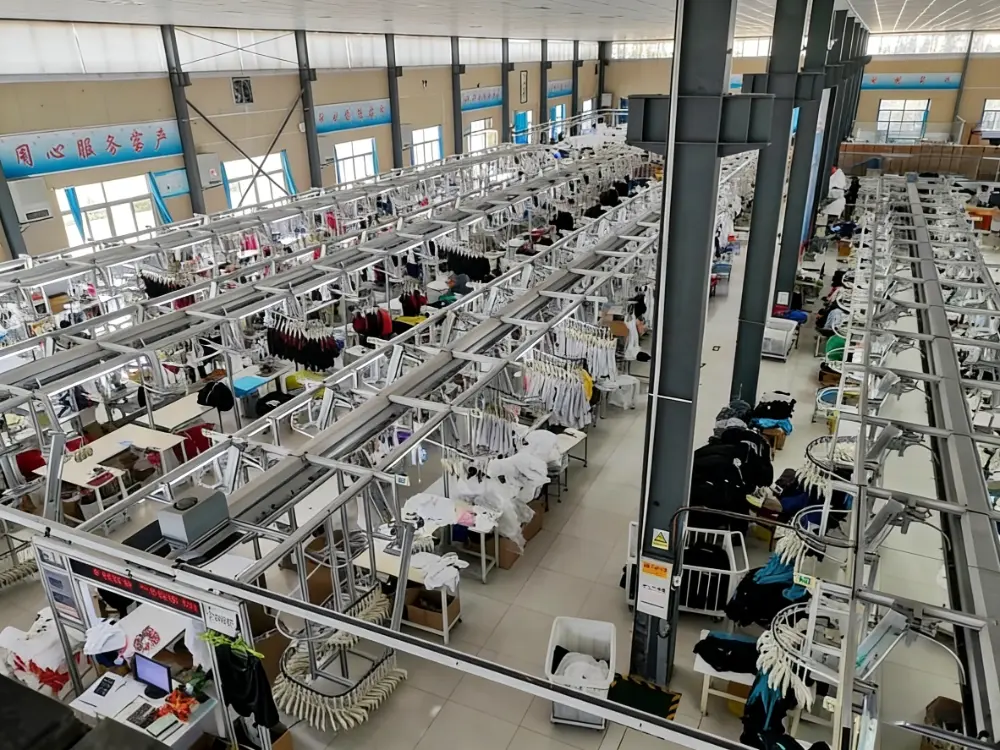
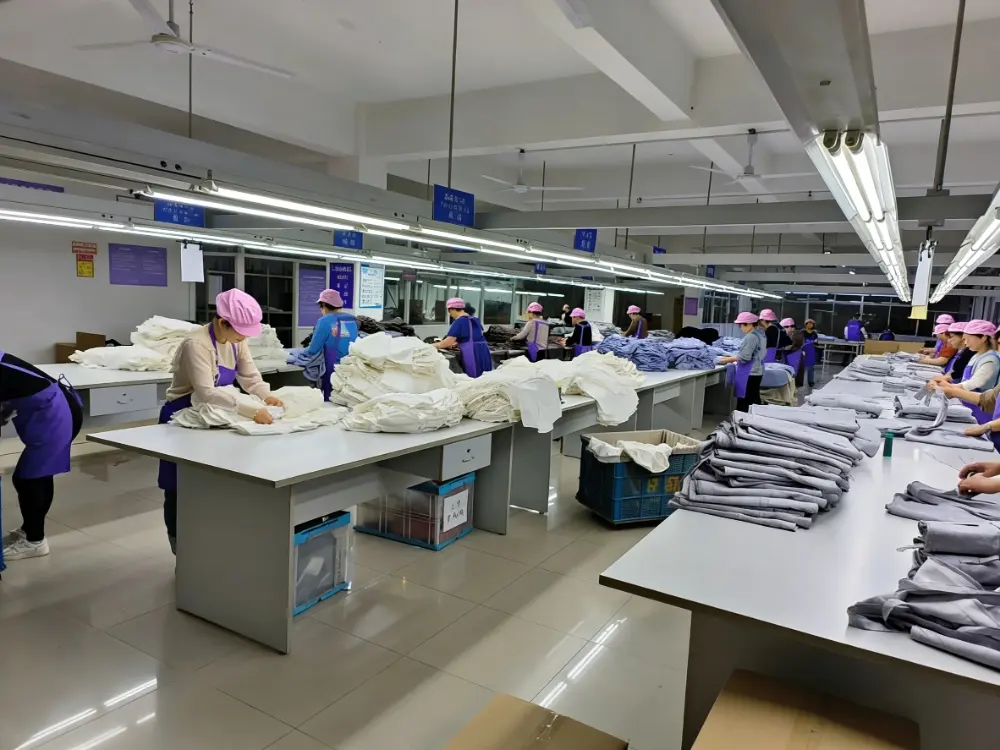
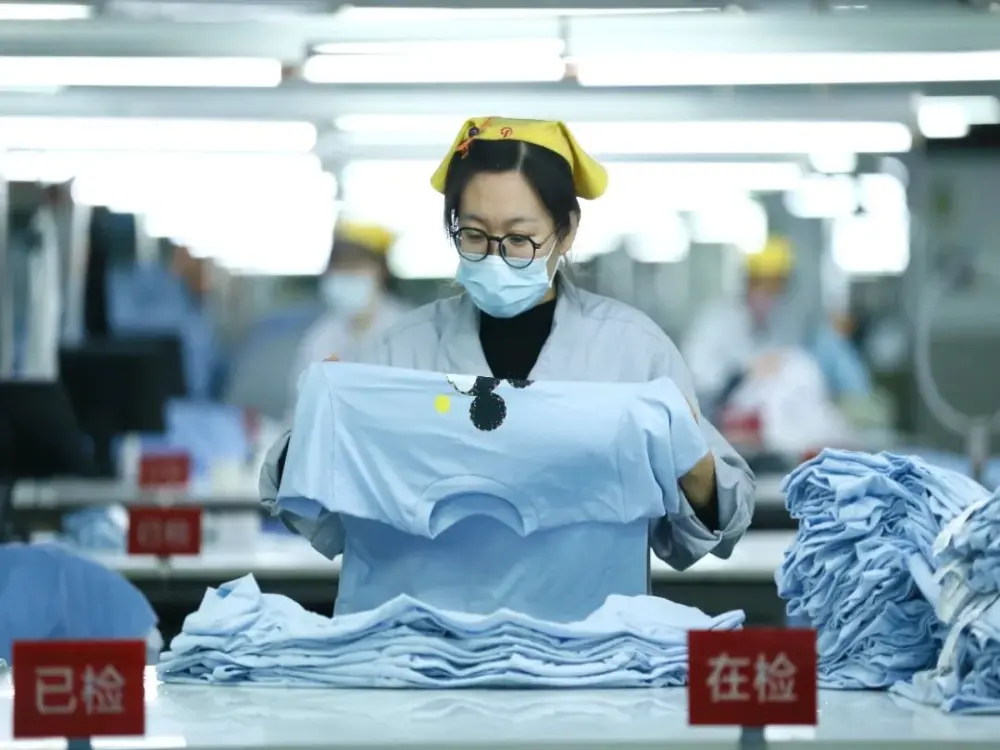
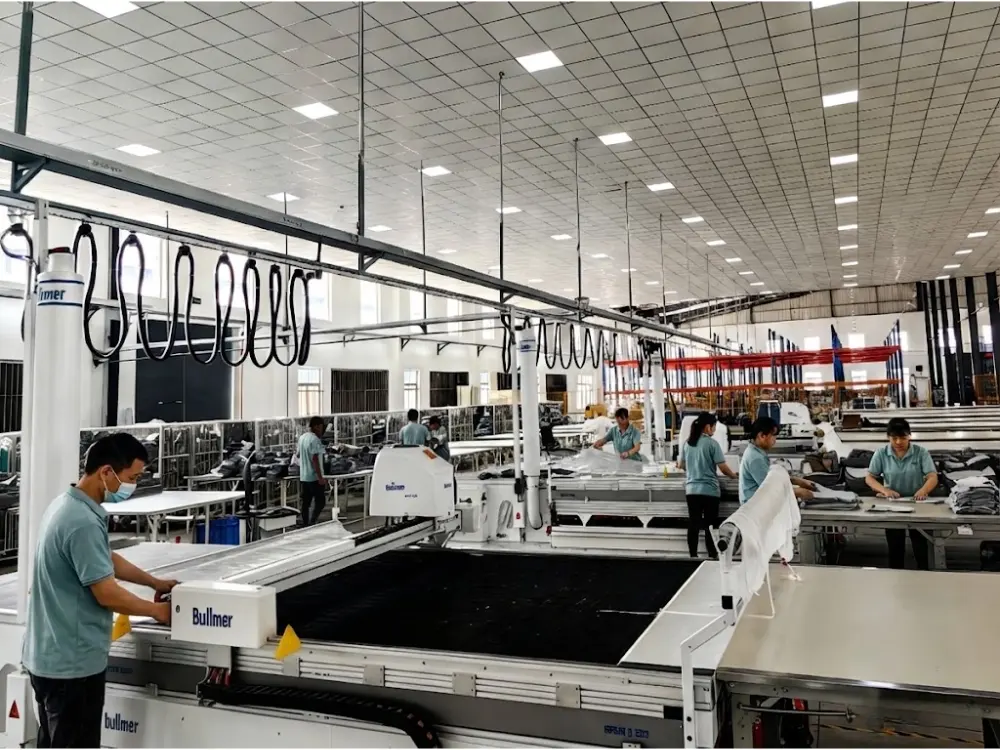
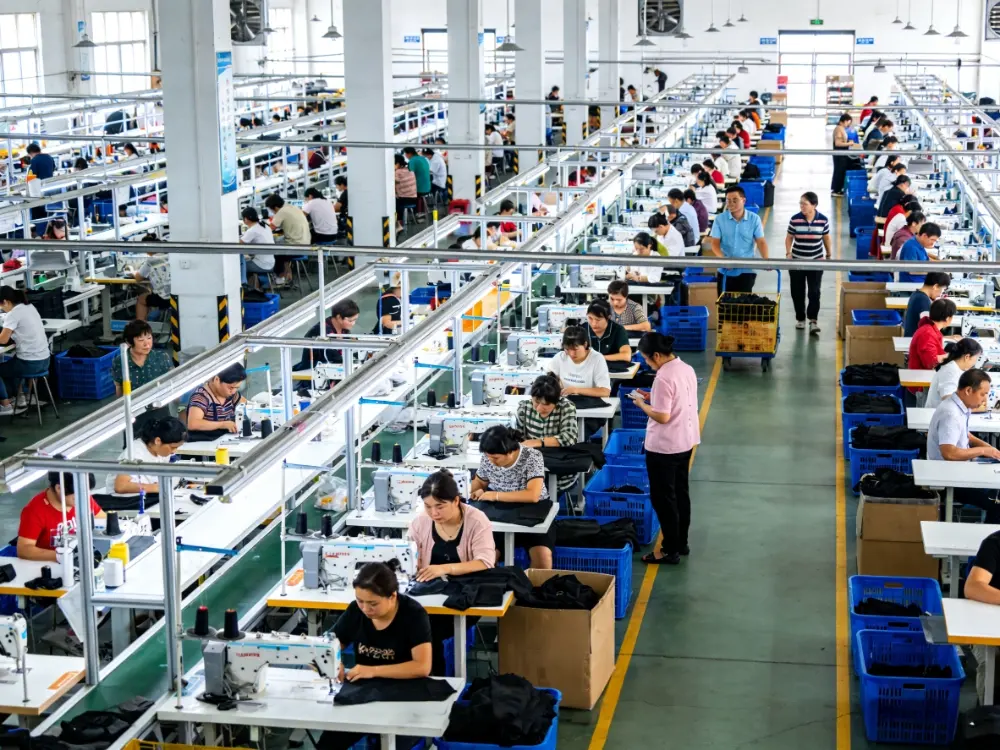
- Conduct a deep dive into their digital footprint: Don’t just stop at their polished homepage. Visit their “About Us” page and look for real photos or videos of their factory. A reliable manufacturer (like HAPA) will typically showcase their production lines, cutting rooms, and quality control processes with complete transparency.
- Test their communication efficiency and professional expertise: Send an inquiry email with specific technical details (for example, asking about the shrinkage rate of a specific GSM cotton fabric). A high-quality supplier will respond to your pain points promptly and professionally in fluent English, rather than just replying with a generic price list.
- Always start with a sample order: Before placing a bulk production order, be sure to purchase samples first. You need to personally assess the skin-friendly hand feel of the fabric, inspect the evenness of the seams, and verify the safety of snap buttons and zippers. When it comes to children’s apparel quality, photos can be misleading — the hand feel is what tells the truth.
Red Flags: How to Spot a Problematic Wholesaler
In the early stages of communication, if you spot any of the following red flags, halt the partnership immediately. These are almost always indicators of a low-quality supplier or an outright scam:
- Inability to provide product safety test reports: Children’s apparel safety is non-negotiable. If a supplier is vague about chemical residue testing or physical tensile strength testing, your boutique will bear the full consequences if the products are detained at customs in the U.S., Europe, or Australia, or trigger customer complaints.
- Promises of “too-good-to-be-true” rock-bottom prices: High-quality fabrics and compliant sewing craftsmanship come with hard, non-negotiable costs. If a supplier’s prices are far below the market average, they are almost certainly cutting corners on fabric quality, eco-friendly dyes, or worker welfare.
- Hidden fees and punitive return and exchange policies: A reputable supplier will have clear, explicit terms for shipping fees, tariffs, and production delays. If the other party refuses to provide a clear contract, or evades responsibility for the return of defective products, this is an absolute danger sign.
- Refusal to host a virtual factory tour or lack of transparency: Any confident factory-direct manufacturer will not refuse a customer’s request for a simple virtual factory tour via WhatsApp or Zoom. If they make repeated excuses to avoid this, they are most likely just a middleman, or even a shell company with no actual production capacity.
If you’re new to the children’s apparel industry or a startup brand still navigating uncertainties, worry not. In this guide, we’ve curated 12 market-vetted children’s clothing wholesale manufacturers, so you can prioritize this list to screen and shortlist your potential partners. — 12 Best Kids Clothing Wholesale Manufacturers for Retailers
Key Considerations When Selecting a Wholesale Apparel Supplier
Compiling a shortlist of potential suppliers is only the first step. Before signing a procurement contract and rushing to pay a deposit, be sure to rigorously evaluate the four core business criteria outlined below.
Minimum Order Quantities (MOQ) and Pricing Tiers
For boutique owners, healthy cash flow is the lifeblood of the business. Sourcing a factory-direct manufacturer that offers flexible pricing tiers and reasonable minimum order quantities (MOQs) allows you to avoid tying up large amounts of capital in excessive inventory, while also significantly reducing per-unit costs as your order volume increases — ultimately maximizing your retail profit margins.
Fabric Quality, Sustainability, and Safety Certifications
Parents in the U.S., European, and Australian markets hold a zero-tolerance stance on fabric safety for infant and children’s clothing. A reputable supplier must strictly adhere to the compliance standards of your target market (such as CPSC in the U.S. or REACH in the EU), and consistently provide skin-friendly, eco-friendly fabrics with Oeko-Tex or GOTS certifications. This factor directly defines the premium positioning of your store and drives your customer repeat purchase rate.
Supply Chain Reliability and Shipping Times
Children’s apparel sales are heavily reliant on holiday seasons and seasonal transitions, and missing a delivery deadline means missing out on an entire season’s profits. You need a manufacturing partner that not only provides transparent production lead times, but also has mature cross-border logistics capabilities to ensure your bulk order arrives at your overseas warehouse safely and on time via air or sea freight.
Trend Forecasting & ODM Design Capabilities
Boutique owners don’t have to navigate complex Pantone color cards and trend forecasting alone. Top-tier apparel wholesalers should inherently act as your “trend partner.” By partnering with a factory like HAPA, which boasts deep roots in the global market and robust ODM (Original Design Manufacturing) capabilities, you can directly translate their sharp, up-to-the-minute insights into cutting-edge designs that become exclusive bestsellers for your store, keeping you one step ahead of your competitors at all times.
2026 Must-Stock Fashion Trends for Children’s Apparel Boutiques
In the fast-paced fashion industry, stocking up on outdated styles is tantamount to digging your own grave, and will inevitably lead to the nightmare of stagnant, excess inventory. Below are the forecasted breakout fashion trends perfect for boutique inventory planning in 2026:
1. Sustainable & Eco-Friendly Materials: Non-Negotiable for Premium Boutiques
Rising global environmental awareness is surging demand for sustainable kids’ apparel. In 2026, garments made with GOTS-certified organic cotton, recycled polyester, and natural plant-based dyes will go fully mainstream in premium US, EU, and Australian markets, becoming a core purchase driver for Gen Z parents. This trend lets you target high-net-worth eco-conscious consumers, while ensuring end-to-end regulatory compliance to eliminate customs seizure and product recall risks.
Stocking Guide: Prioritize core basics, loungewear, and matching family sets with OEKO-TEX® Standard 100 Class 1 or GOTS certification. Low-saturation earth tones and minimalist designs are proven bestsellers; position sustainable materials as your store’s core differentiator.
2. Personalized & Customizable Designs: Escape Homogeneous Price Wars
Demand for personalized kids’ apparel will keep soaring in 2026. Gen Z parents reject generic mass-produced styles, prioritizing unique, expressive clothing for their children. Custom name embroidery, exclusive prints, and in-store limited editions will be critical differentiators for your boutique.
Stocking Guide: Reserve customization space in core basics (hoodies, tees) for name embroidery. Launch monthly small-batch exclusive limited editions, with low-MOQ trials and fast reorders for bestsellers, to build your store’s exclusive identity while avoiding overstock risk.
3. Technical Athleisure & Light Utility: Year-Round Cross-Age Bestsellers
Athleisure will continue to dominate the kids’ apparel market in 2026, evolving into a technical light utility aesthetic that blends sports functionality with casual design, balancing daily comfort and outdoor practicality. Must-have seasonless, evergreen pieces include UPF 50+ sun protection sets, quick-dry sport hoodies, anti-bacterial mosquito-repellent pants, versatile crewnecks, and cuffed joggers, suitable for school, daily outings, and outdoor play.
Stocking Guide: Split core pieces by season: spring/summer focuses on sun-protective, quick-dry, cool-touch fabrics; autumn/winter on fleece-lined, 3-proof (water/stain/wind-resistant) fabrics. Stick to black/white bases with seasonal accent colors, and choose gender-neutral styles to minimize stocking risk.
4. Bold Colors & Playful Prints: Visual Customer Acquisition Tool
2026 will bring bolder, more diverse color and print trends for kids’ apparel. Core design inspirations include classic cartoon IP collaborations, hand-drawn geometric graphics, and nature-inspired motifs (forests, oceans, animals). Fluorescent neon tones, dopamine color blocking, and metallic iridescent gradients will dominate, amplifying playful kids’ fashion energy.
Stocking Guide: Use high-saturation dopamine colorways and trending IP/nature prints for customer acquisition pieces, and low-saturation premium prints with delicate embroidery for high-margin styles. Avoid over-saturated generic prints; opt for niche hand-drawn designs to create exclusive in-store pieces.
5. Streetwear-Inspired Styles: High-Growth for School-Age Kids
Adult streetwear trends will continue to deeply penetrate the kids’ apparel market in 2026. Child-sized versions of adult streetwear staples — oversized tees, wide-leg cargo pants, camo sets, utility hoodies — will surge in popularity among school-age kids and young parents. In US and EU markets, streetwear kids’ apparel is outpacing the growth of traditional categories.
Stocking Guide: Focus on the 6-14 year old school-age demographic, with gender-neutral oversized silhouettes blending retro Y2K, utility, and graffiti print elements. Trial small batches of multiple styles to quickly capture local market preferences, and build a dedicated “trendy kids” identity for your boutique.
6. Smart Technical Functional Fabrics: High-Margin Premium Differentiator
Technological innovation will unlock new growth for smart kids’ apparel in 2026. Garments with thermo-regulating, permanent anti-bacterial, UPF sun-protective, and quick-dry cool-touch fabrics will hit the mainstream, adapting to variable weather and meeting parents’ core demands for functional, safe kids’ clothing.
Stocking Guide: Focus on multi-use functional pieces, such as thermo-regulating jackets, anti-bacterial skin-friendly underwear sets, and full-spectrum sun protection hoodies. Target high-net-worth premium customers, position functionality as your core selling point, and create high-margin bestsellers that stand out from generic mass-market goods.
7. All-Occasion Matching Family Sets: High-AOV Bestsellers
The matching family apparel market will maintain rapid growth in 2026. More brands will launch minimalist, size-inclusive kids’ collections that coordinate seamlessly with adult styles, meeting families’ demand for cohesive outfits for holidays, vacations, and daily outings.
Stocking Guide: Focus on minimalist matching family pieces with identical fabric and design across all sizes, covering 4 core categories: tees, hoodies, dresses, and loungewear. Stock up ahead of key holiday periods to boost average order value (AOV) and basket size, while driving organic customer acquisition via family social sharing.
8. Full-Scale Retro Revival: Timeless, Low-Risk Category
The enduring retro trend from adult fashion will fully sweep the kids’ apparel market in 2026. Iconic 1960s–1990s design elements — retro polka dots, Y2K silhouettes, oversized American vintage fits, classic plaid, and corduroy fabrics — will be widely adopted, creating looks that balance nostalgic charm and modern style.
Stocking Guide: Focus on two core aesthetics: 1990s American vintage and Y2K sweet-and-edgy styles. Core bestsellers include retro knit cardigans, corduroy overalls, plaid dresses, and washed denim pieces. These timeless, universally flattering styles resist obsolescence, drastically reducing dead inventory risk.
Beyond Wholesale: The Power of HAPA Private Labeling
Are you tired of slashing your profit margins to compete in race-to-the-bottom price wars? Building your own exclusive private label not only grants you ultimate pricing power, but also nurtures genuine, long-term customer loyalty. Many retailers assume launching their own brand is an unattainable goal, but in reality, the returns it delivers far exceed expectations — this is the very foundation of what makes leading apparel brands successful.
As a specialist manufacturer dedicated exclusively to children’s apparel, HAPA delivers a comprehensive, end-to-end service, from initial concept sketches to finished, retail-ready garments. Whether you only have a rough inspiration draft, or a fully finalized tech pack, our seasoned pattern makers and technical team will transform your vision into premium, high-quality sample garments. You can focus entirely on your front-end marketing and brand growth, while we take care of all the complex, labor-intensive manufacturing processes.
Partnering with us is simpler than you ever imagined:
- Consultation: Share your target audience, design vision, and budget with our expert team.
- Sampling: We produce and ship custom sample garments to you, refining every detail until you are 100% satisfied with the fit, fabric, and overall finish.
- Production: Once the contract is signed, we move into an efficient, fully transparent mass production cycle, with regular updates to keep you informed every step of the way.
- Quality Control & Delivery: After rigorous, multi-stage quality inspections, the finished, professionally packaged garments are shipped directly to your specified destination.
With HAPA, you don’t just receive a batch of clothing — you get a complete, cohesive brand identity brought to life.
Conclusion
In the ever-evolving children’s apparel landscape, the success of your boutique no longer hinges solely on what you sell — it depends even more critically on where you source your inventory. Partnering with a trusted, reliable children’s apparel supplier is the fundamental cornerstone of your brand’s sustained profitability and long-term reputation building.
Don’t let a mediocre supply chain cap your store’s growth potential. If you’re ready to leave the generic mass wholesale market behind in 2026, and deliver an exclusive, premium experience with top-tier wholesale children’s boutique clothes for your customers, there has never been a better time to upgrade your supply chain.
FAQ About Sourcing Boutique Kids’ Clothes
Is it cheaper to manufacture my own kids’ clothes or buy from a wholesale marketplace?
While wholesale marketplaces offer convenience for small, immediate orders, they often include middleman markups. Partnering directly with an OEM/ODM manufacturer is significantly more cost-effective as you scale. You get genuine direct-from-factory pricing (often saving 30-50%), allowing for higher retail profit margins, even when factoring in international shipping.
Can I add my own brand label to wholesale children’s clothing?
Yes, but it depends on the vendor. Standard wholesalers usually sell off-the-rack items with their own tags. If you want to build brand recognition, you need a manufacturer that offers “Private Labeling” or ODM services. This allows you to customize the main tags, wash care labels, and packaging with your boutique’s logo, ensuring your customers remember your store, not a generic wholesale brand.
What is a normal Minimum Order Quantity (MOQ) for boutique clothing vendors?
MOQs vary wildly. Traditional large-scale overseas factories might require 1,000+ pieces per style, which is too risky for most boutiques. However, premium OEM/ODM manufacturers that specialize in supporting boutique businesses often offer flexible or tiered MOQs (e.g., 100-200 pieces per style). This flexibility allows you to test new trends without tying up all your cash flow in inventory.
What safety certifications should I look for when sourcing kids’ apparel?
Children’s clothing is heavily regulated. If you are selling in the US, Europe, or Australia, your vendor must comply with strict safety standards. Look for manufacturers who understand CPSC (US) or REACH (EU) regulations. Additionally, prioritizing fabrics with Oeko-Tex Standard 100 or GOTS (Global Organic Textile Standard) certifications ensures the clothes are free from harmful chemicals and safe for sensitive skin.
What are the best fabrics for high-quality children’s boutique clothes?
Today’s parents prioritize comfort, durability, and skin safety. The top-performing fabrics for boutique collections include combed cotton, GOTS-certified organic cotton, bamboo blends, and breathable linen for summer. A reliable manufacturer will source these premium, ultra-soft fabrics to ensure your garments withstand multiple washes without pilling or fading.