In the fashion industry, the kidswear market is still a goldmine. However, building a successful kids clothing brand is not easy. It requires strict safety compliance, an efficient supply chain, and finding the right niche.
If you are eager to launch your own label, stick to your vision.
As a professional kidswear manufacturer, I have gathered these strategies to help entrepreneurs like you. This guide will serve as your roadmap to building a brand from scratch.
Market Insights: The Growth Potential of Children’s Apparel
Before launching a kidswear brand, thorough market research is vital. You must assess profitability first. According to industry data, the global market is growing steadily. It is projected to top $260 billion by 2027.
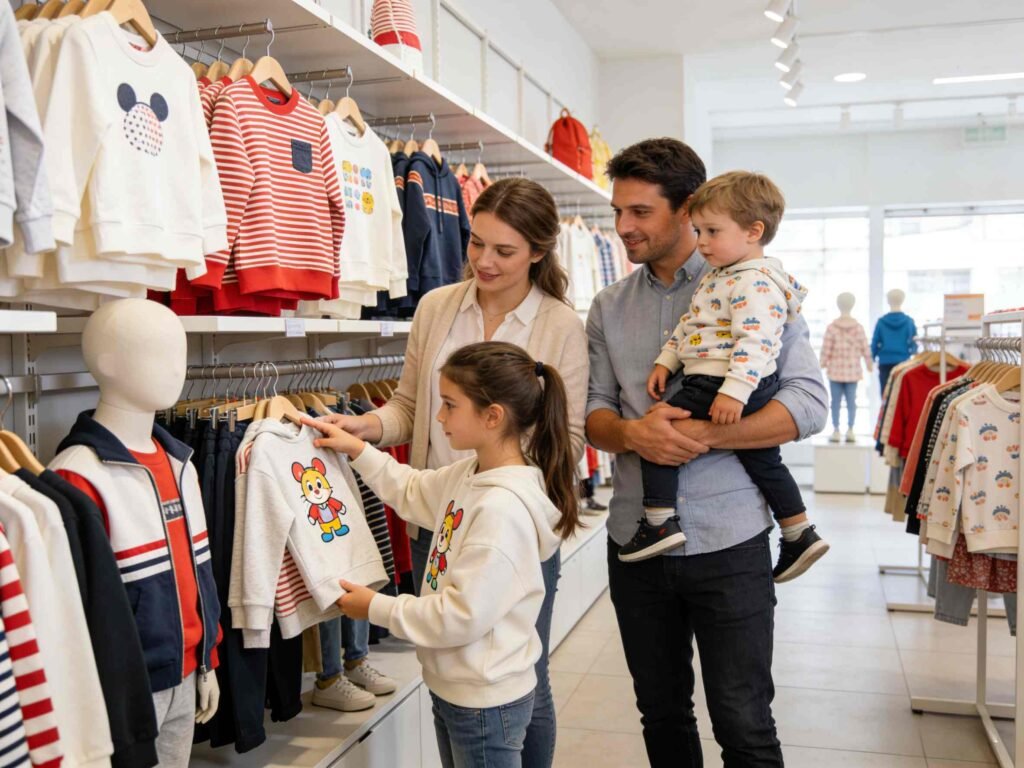
Unlike fast fashion, kidswear prioritizes quality and safety. It relies heavily on building an emotional connection with consumers.
The market potential is massive, and profit margins are healthy. For example, if an average brand sells 50 pieces a day at $30 each, monthly revenue hits $45,000. That is around $540,000 annually.
Of course, real profit requires deducting labor, manufacturing, and other overheads. To maximize earnings, choosing a reliable manufacturer is key. This secures your supply chain and helps control production costs.
Building Your Kids Clothing Brand in a Few Easy Steps
step1. Clarify Your Brand Positioning
The kidswear market is crowded but often lacks clear focus. In this fierce market, you must carve out your own unique niche. Sharp positioning helps you stand out. It wins customer attention and loyalty.
Define Your Audience First, define your target audience.
- Are you targeting trendy young families?
- Or urban parents who prioritize quality and aesthetics?
- Are you serving eco-conscious buyers?
- Or are you focused on value for money?
The answers dictate your price points, design style, and marketing strategy.
Don’t Please Everyone Successful brands serve a specific core audience. They don’t try to please everyone. The tighter your niche, the clearer your image. This makes you memorable.
step2.Brand Naming and Logo Design
Once you have a clear Kids Clothing Brand positioning, the next step is to choose a brand name and design a logo. A good brand name can quickly grab consumers’ attention and help your kids clothing brand stand out among the competition. A unique and eye-catching logo will reinforce your brand image and make it more memorable for consumers.
It’s important to note that simplicity is key when designing a logo. Look at well-known clothing brands like Uniqlo, H&M, and Zara—over time, their logos have become increasingly simple. Minimalist designs often appear more modern, are easier to recognize, and perform well across different platforms and media.
step3.Brand and Trademark Registration
After securing your brand name and logo, the next step is to register your brand and trademark to establish ownership.
Once your brand is successfully registered, it officially exists and is legally protected.
Trademark registration not only prevents others from infringing on your brand rights but also lays a solid legal foundation for future market expansion. A trademark is more than just a visual symbol of your brand; it’s a bridge that connects consumer trust and a key asset for your brand’s long-term development.
step4.Crafting an Engaging Brand Story
One of the biggest challenges for new kids clothing brands is often a lack of trust. Therefore, creating an engaging brand story that establishes an emotional connection with consumers is crucial. It allows consumers to feel the core values, mission, and emotional resonance behind the kids clothing brand.
For example, Mini Boden, a well-known British kids clothing brand, was deeply influenced by the founder’s family life. While selecting clothes for his children, he realized that the market lacked products that met his aesthetic standards. As a result, he decided to design his own, which quickly gained popularity among other parents.
Many parents who purchase Mini Boden products feel like the brand’s founder is like a father or friend, because it’s clear that he cares about children’s clothing and created high-quality, uniquely designed clothing as a result.
For any kids clothing brand, developing a brand story with depth, emotion, and a sense of responsibility not only catches consumers’ attention but also makes them more likely to choose your brand from the multitude of options available.
step5.Product Design
Once your niche is set, it is time to design. You need styles that hit the latest trends but still fit your audience’s needs.
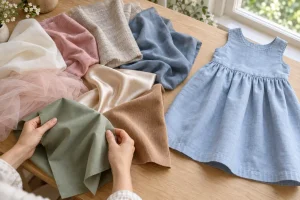
Fabric is Key Kidswear is different from adult fashion. You need fabrics that are safe, breathable, and comfortable. Protecting delicate skin is the top priority.
Fit Matters Prioritize comfort and freedom of movement. Kids need room to play. Avoid the restrictive, “slim-fit” cuts often seen in adult wear.
If you don’t have a design background, don’t try to do it all yourself. It’s usually more practical to partner with experienced suppliers or designers. And don’t obsess over being “original.” The main goal is making a product that your customers actually need.
step6.Building the Supply Chain
This is the make-or-break step. It dictates how fast your brand grows. Every move counts—from finding a factory and vetting their skills to building a long-term partnership.
There are many ways to find suppliers:
- Google: Simply search for keywords like “Kidswear Manufacturer” or “kids Clothing Supplier.”
- B2B Platforms: Browse sites like Alibaba or Made-in-China. They are full of potential partners.
- Trade Shows: Don’t forget offline events. They are excellent for meeting high-quality suppliers face-to-face.
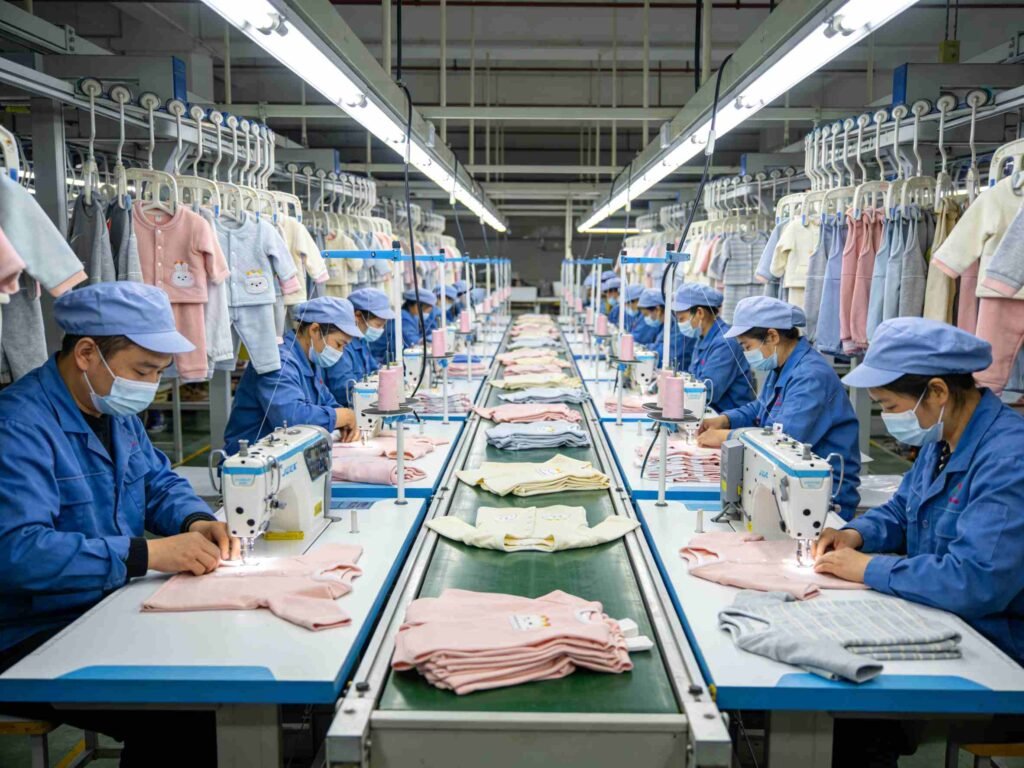
When evaluating manufacturers, several factors should be taken into consideration. A helpful resource for this is the article —— How to Find Reliable and High-Quality Children’s Clothing Manufacturers, which provides a detailed guide on how to screen suppliers, what to look out for, and the collaboration process, offering valuable insights for new entrepreneurs.
In the early stages of brand development, it’s advisable to avoid large-scale production runs. Opting for small batches with multiple rounds of testing can effectively reduce inventory risks and allow you to continuously refine product details based on market feedback.
Best Marketing Strategies for Children’s Clothing Brands
For newly established children’s clothing brands, there are various strategies you can use to promote your clothing line, including online promotion, social media marketing, content marketing, email marketing, offline retail, and localized advertising.
Online Promotion
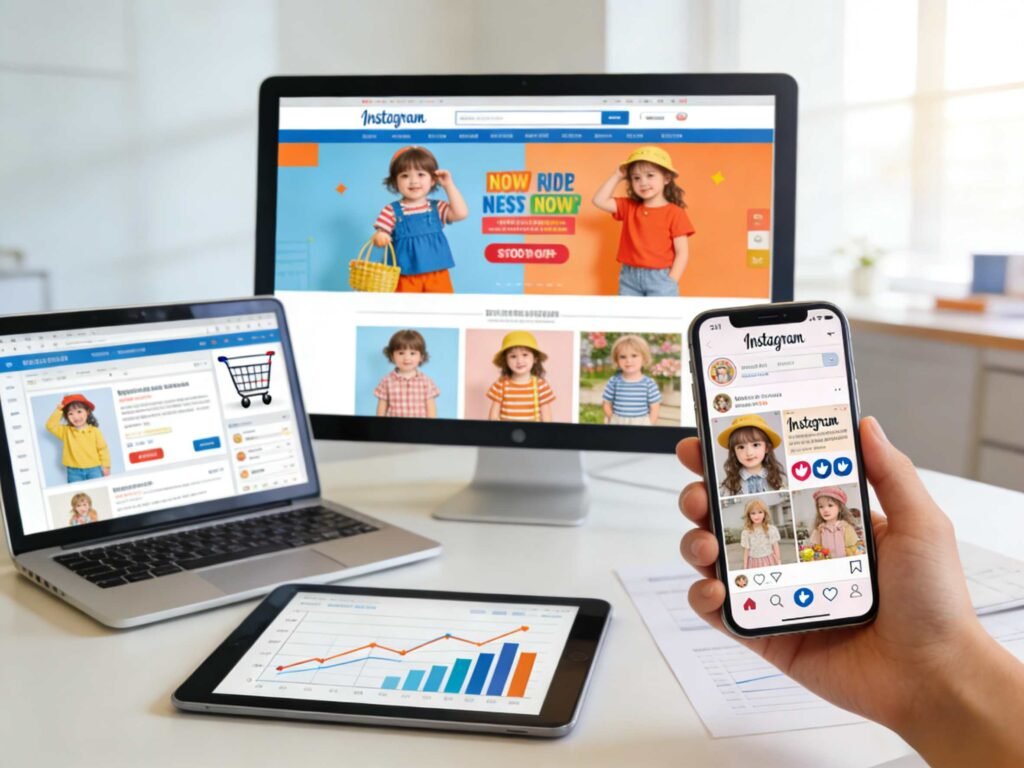
A professional website and e-commerce platforms are the foundation for brand promotion. Creating an independent website is not only your brand’s “home” but also an important platform to showcase your brand values, introduce products, and provide purchasing channels. By combining SEO (Search Engine Optimization) and SEM (Search Engine Marketing), you can increase the visibility of your website. Choosing the right e-commerce platforms like Shopify, Etsy, Amazon, etc., will help you reach a large number of potential customers.
Social Media Marketing
Social media is an excellent channel for increasing brand exposure and interacting with consumers. Platforms like Instagram, Facebook, and TikTok are ideal tools for brand promotion, especially for targeting young parents. Collaborating with mommy bloggers, parenting experts, and KOLs (Key Opinion Leaders) can help leverage their influence to promote your children’s clothing brand. Especially on social media, word-of-mouth and social recommendations can have a powerful impact.
Content Marketing
Content marketing is becoming increasingly important in brand promotion. High-quality content can not only attract potential customers but also enhance the brand’s professional image. For a children’s clothing brand, you can collaborate with popular parenting blogs and websites to share knowledge on topics like parenting tips, child psychological development, and healthy eating. This not only demonstrates the brand’s sense of responsibility but also attracts the attention of young parents.
Email Marketing
Through email marketing, you can build long-term relationships with potential customers, increasing brand loyalty and repeat purchases. It’s important to ensure that email content is concise and valuable, avoiding excessive advertisements and improving user click-through and conversion rates.
Offline Retail
Opening offline retail stores in core cities or high-traffic areas allows consumers to experience the brand directly, feel the quality and design of the products, and build a tangible connection with the brand. Additionally, offline events can help generate word-of-mouth marketing and increase brand exposure.
Localized Advertising
Localized advertising can sometimes be more targeted and effective than national campaigns, especially for consumers in specific cities or regions. You can place ads in places like bus stops, shopping malls, subway stations, and maternity stores to attract local parents. This targeted approach can lead to more immediate and relevant brand engagement.
How to Develop a Pricing Strategy
Before establishing your pricing strategy, it’s crucial to have a clear understanding of all costs related to production and operations. Only by fully understanding your cost structure can you ensure that your pricing not only covers costs but also generates profit.
- Fixed Costs: These are expenses that must be paid regardless of how many units you produce, including rent, employee salaries, and equipment maintenance.
- Variable Costs: These are costs that change based on production volume, such as raw materials, production costs, and shipping. For a children’s clothing brand, typical variable costs include fabric, printing, packaging, etc.
- Marketing Costs: These include expenses related to brand promotion, such as advertising, social media marketing, and promotional activities.
- Target Profit Margin: You need to determine a target profit margin, which is the additional profit you want to earn over and above your costs.
In addition, competitors are an integral part of any business. It’s essential to closely monitor their marketing and pricing strategies. Studying their methods and techniques will help you stand out in the competitive market. Below, I’ve outlined three pricing strategies that you can consider:
| Strategies | Core Logic | Suitable Scenarios | Application Example |
| Cost-Plus Pricing | Cost + Expected Profit Margin | Early stage, easy to calculate and guarantee profit. | Total cost is $80, markup 40%, pricing at $112. |
| Competition-Based Pricing | Focus on Competitor Prices | Market maturity, intense competition, need to quickly and steadily capture market share. | Competitor’s down jacket priced at $399, your pricing could be $389 (penetration pricing) or $419 (slightly better quality). |
| Value-Based Pricing | Based on the value created for customers | Brands with unique advantages such as design, technology fabrics, and strong aesthetic appeal. | Use top-quality materials + independent designer designs, even if production costs are high, the price can be higher due to the “safety” and “aesthetic” value. |
Create Your Own kids Clothing Line with HAPA
HAPA is a leading kidswear manufacturer in China. We take pride in seamlessly blending local and global sourcing to select only the highest quality fabrics.
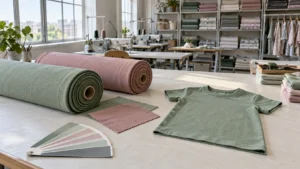
We offer the most comfortable GOTS and GRS-certified materials. These fabrics prevent chafing and irritation, protecting a child’s delicate skin while building a rock-solid reputation for your brand.
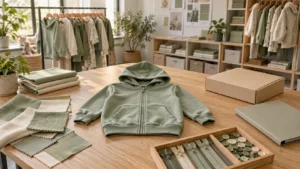
Our experienced team can bring any design to life—from vibrant sequin dresses and stylish tees to soft pajama sets, trendy outerwear, and cozy hoodies.
With diverse production capabilities, we cater to all ages, styles, and seasons. Whether you need timeless basics or fashion-forward pieces, our commitment to quality and eye for detail are stitched into every garment we make.

Start Your Journey of Creating a Children’s Clothing Brand
Launching a kids’ clothing line is a challenge, but the opportunity is huge.
Parents today expect more. It isn’t just about comfort anymore; they want style, quality fabrics, and a brand with values. Sustainability and storytelling are what drive sales now. Parents buy into brands that stand for something.
The right kids clothing manufacture partner helps you get through design, sampling, and launch without the headaches. Building a brand takes time, but if your direction is right, the results will come. Good luck with your new venture!
Conclusion
Starting a kidswear brand feels like a long journey. But after reading this guide, you should have a clear path forward.
You need smart marketing and a professional production partner. With these, your brand can stand out in a fierce market.
Contact HAPA today for production solutions. We are happy to share our expert market advice with you.
FAQ
How much does it cost to start a clothing line?
The cost varies based on your business model. A print-on-demand or dropshipping business can start with as little as $500 to $1,000 for website setup and samples. A small private label collection typically requires $2,000 to $5,000 for inventory and branding. A full custom “cut and sew” production line often requires $10,000 to $50,000+ for design, prototyping, and manufacturing.
How do you start a clothing brand from scratch?
First, identify a specific niche and target audience. Next, create a business plan and register your company legally. Source your products by finding a manufacturer or wholesaler like HAPA. Build an online store using a platform like Shopify. Finally, launch your brand with a strong marketing strategy on social media.
Where do boutiques get their inventory from?
Boutiques primarily source inventory from wholesale marketplaces like Faire or FashionGo. They also attend industry trade shows to meet suppliers in person. Many boutiques order directly from clothing manufacturers to get lower prices. Some also use local artisans for unique, handmade items.