Did you know that cotton is the most widely used fabric in the world? In fact, it forms the foundation of much of our daily wardrobe. However, not all cotton is created equal—there are numerous varieties, each with its own unique qualities.
For fashion designers, understanding these nuances is crucial. In this guide, I will walk you through the different types of cotton fabric, focusing specifically on their characteristics and ideal applications.
What is Cotton Fabric?
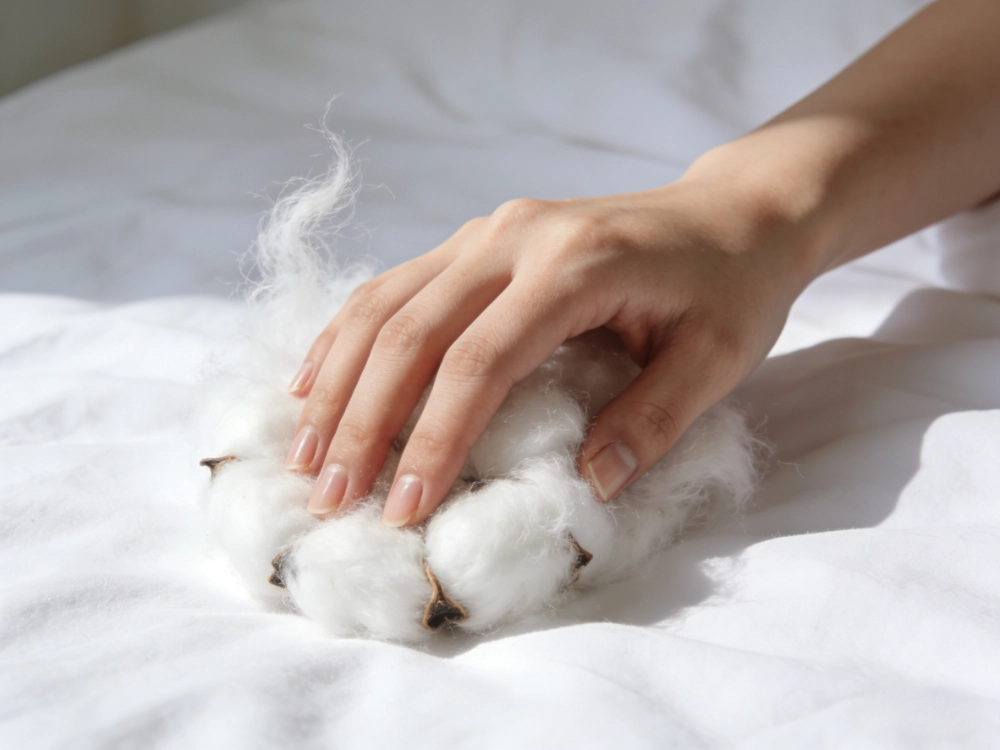
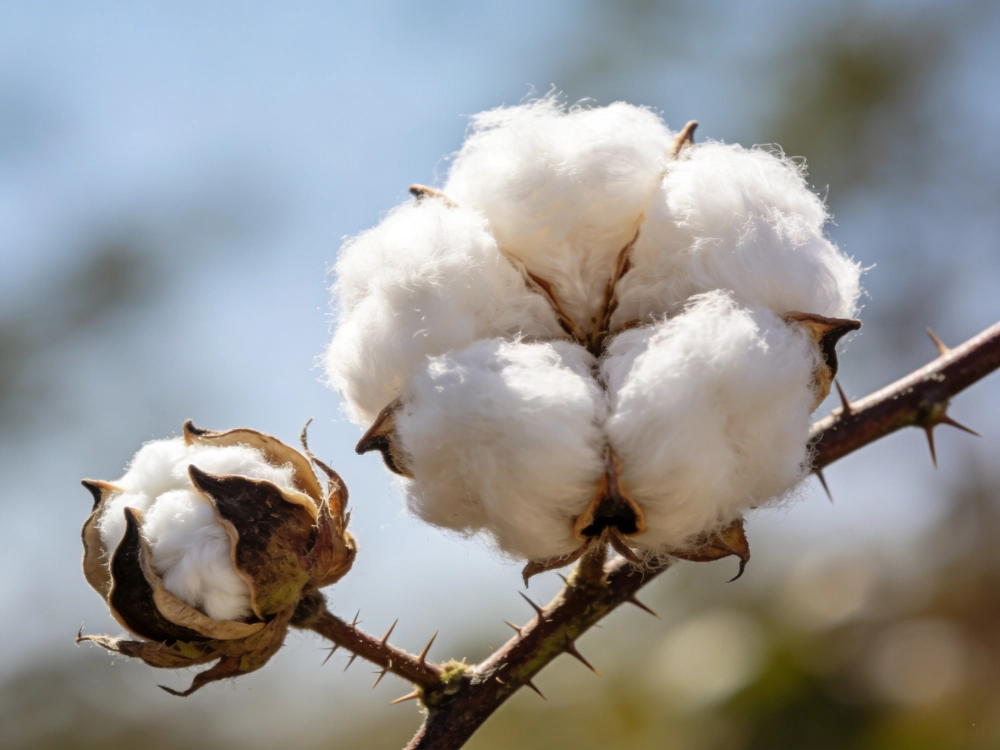
Cotton fabric is a natural textile woven from the fibers of the cotton plant. As one of the oldest and most widely used materials in the world, it remains a global standard for natural fibers.
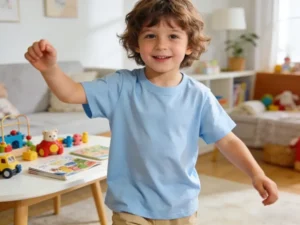
Its popularity in the fashion industry comes down to two key factors: exceptional breathability and a gentle touch against the skin. These qualities make it the ideal choice for garments worn close to the body, such as summer outfits, intimate apparel, and children’s clothing.
Beyond comfort, cotton is also highly durable. The natural fibers possess an inherent strength and resilience, allowing cotton garments to withstand the rigors of daily wear and frequent washing.
Different Types of Cotton
Over centuries of cultivation, cotton has evolved into distinct varieties, each with unique characteristics. While there are several species, commercially grown cotton generally falls into four main categories. Among them, Upland cotton dominates the global market.
Upland Cotton
Scientifically known as Gossypium hirsutum, Upland cotton is the workhorse of the textile world, accounting for roughly 90% of global cotton production. It is primarily grown in the United States, China, India, and Brazil. Because of its versatility, the jeans, t-shirts, and pajamas you wear daily are most likely made from this variety.
Characteristics: Upland fibers feature a medium staple length with balanced fineness and strength. It offers excellent consistency and maturity, making it a reliable, high-quality fabric for mass production.
For Manufacturers:If you are a children’s clothing manufacturer, Upland cotton should be your first consideration. It strikes the perfect balance between affordability and quality, resulting in garments that are both cost-effective and comfortable for kids.
Common Uses: Jeans, T-shirts, underwear, pajamas.
Organic Cotton
Organic cotton is defined not by the plant species, but by how it is grown. It strictly follows organic agricultural standards, meaning it is cultivated without toxic chemical pesticides or synthetic fertilizers. It focuses on environmental sustainability and often carries certifications like GOTS (Global Organic Textile Standard) or OEKO-TEX.
Characteristics: While typically more expensive than conventional cotton, organic cotton is healthier for the skin, environmentally friendly, and highly durable.
For Manufacturers: If your children’s clothing brand ethos centers on sustainability or “green fashion,” this is the material of choice. It appeals strongly to eco-conscious parents.
Common Uses: Baby and children’s clothing, intimate apparel, T-shirts, socks.
Pima Cotton
Often considered the premium choice among these categories, Pima cotton is primarily cultivated in the United States and Peru. It is categorized as an Extra-Long Staple (ELS) cotton, famous for being softer, stronger, and more durable than standard cottons. While organic options exist, the production costs for Pima are significantly higher.
For Manufacturers:If you aim to build a high-end children’s wear line, Pima cotton is arguably the best option. Its ultra-soft texture is exceptionally gentle, making it perfect for sensitive young skin.
Common Uses: High-end children’s wear, luxury shirts, T-shirts, underwear, pajamas, and boutique fashion.
Egyptian Cotton
Egyptian Cotton is a world-class long-staple cotton, grown exclusively in the fertile valley of the Nile River. A key differentiator is the harvesting process: Egyptian cotton is typically hand-picked rather than machine-harvested. This traditional method minimizes stress on the fibers, keeping them straight and intact rather than chopped or curled.
Characteristics: With fiber lengths typically exceeding 1.25–2 inches, Egyptian cotton is significantly longer than regular cotton. This allows for the spinning of much finer, tighter, and more consistent yarns.
Common Uses: Due to its superior quality and limited supply, it is most often found in luxury home textiles (like bedding) and high-end fashion.
Is 100% Egyptian cotton the same as 100% cotton?
They are not the same. 100% cotton is a generic label for any cotton fabric. Egyptian cotton is a specific, premium variety grown in Egypt. Its extra-long fibers create a softer, stronger material. Standard cotton often feels rougher and wears out faster.
Types of cotton fabric
1.Denim
Denim is a classic twill cotton fabric. Originally a rugged workwear staple, denim is a sturdy cotton twill (usually indigo) that has evolved into the ultimate casual fabric. It’s tough, creates a unique fade over time, and anchors any wardrobe.
2.Corduroy
Corduroy is a cotton fabric characterized by its vertical cut-pile ribs. It has a soft and substantial hand feel with good thermal insulation. Due to its rich three-dimensional appearance, it is often used for autumn/winter clothing, trousers, and outerwear.
3.Flannel
The definition of “cozy.” This cotton fabric is brushed on one or both sides to create a fuzzy, super-soft nap. It’s warm without being heavy, making it the standard for plaid shirts and winter pajamas.
4.Poplin
Poplin is a tightly woven plain weave with a smooth, almost silky surface. It holds its shape well and feels cool against the skin. It’s the “dressy” cotton—perfect for crisp button-downs and structured dresses.
5.Twill
The reliable workhorse. Recognized by its diagonal weave pattern, twill is heavier and tougher than plain cotton but still drapes beautifully. It resists wrinkles and wear, which is why it’s the go-to for Chinos (Khakis) and durable kids’ pants.
6.Oxford
The casual classic. Famous for its “basket weave” texture, Oxford cloth is sturdy yet breathable. It has a slightly rougher, more matte finish than poplin, giving it a relaxed look. It is the gold standard for casual button-down shirts.
7.Broadcloth
Broadcloth is a dense, plain weave cotton fabric known for its smooth, matte finish and soft touch. Because of its tightly woven structure, it holds dye well and is a staple for formal dress shirts, blouses, and high-quality quilting.
8.Canvas
Built to last. A heavy-duty plain weave that prioritizes structure and strength. It’s stiff, wind-resistant, and nearly indestructible. Perfect for accessories like backpacks, or rugged outerwear that needs to take a beating.
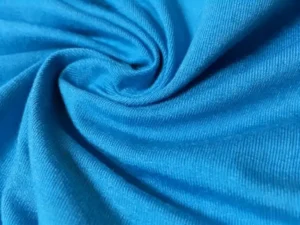
9.Jersey
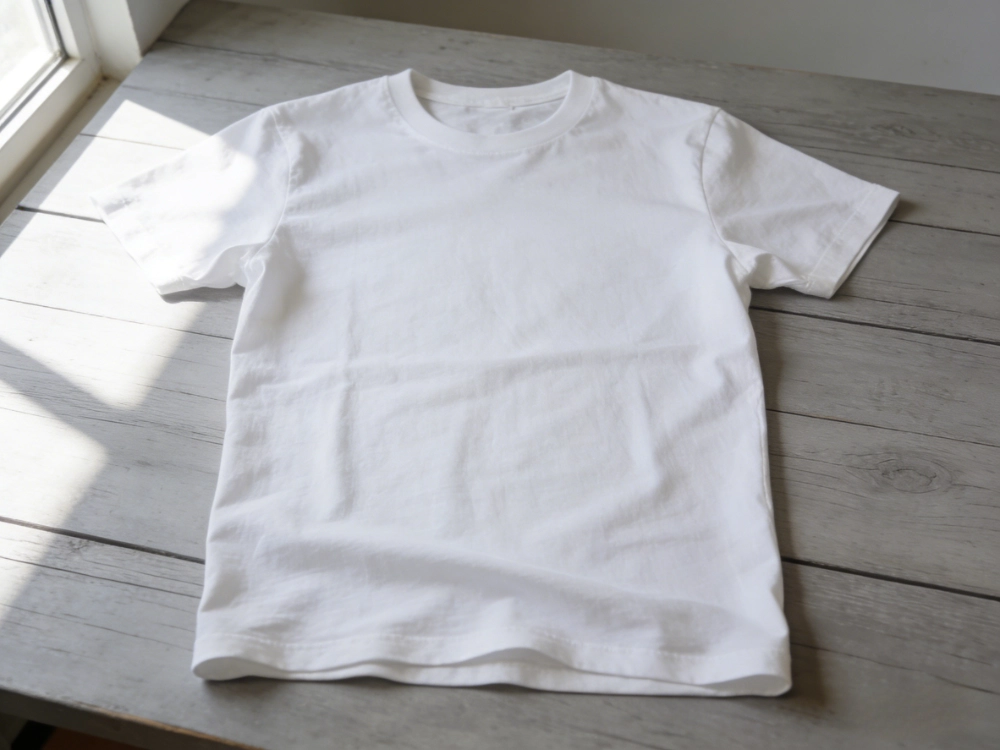
Pure comfort. Unlike woven fabrics, Jersey is knitted, giving it natural stretch and a fluid drape. It’s lightweight, breathable, and moves with the body. This is your essential T-shirt and loungewear fabric.
10.Lawn
Light as air. Made from fine combed yarns, Lawn is silky-smooth and semi-sheer. It’s polished enough for high-end summer dresses but light enough for the hottest days. It holds detailed prints beautifully.
11.Gauze
The summer essential. A loose, open weave that is incredibly breathable and soft. It has a crinkled, relaxed texture that doesn’t need ironing. Often used in layers (Double Gauze), it’s a favorite for baby clothes and beach cover-ups.
12.Velvet
A plush fabric with a short, dense pile that mimics the deep luster of gemstones. It’s softer and more “glam” than corduroy but easier to care for than silk velvet. The ultimate choice for holiday party dresses.
Which type of cotton is best
It’s important to remember that there is no single ‘best’ type of cotton. Each variety brings its own strengths to the table, excelling in different areas like softness, durability, or absorbency. Ultimately, the ‘best’ fabric is simply the one that aligns with your specific project needs.
To help you make the right choice, I’ve put together a comparison table below for a clear, at-a-glance overview.
| Factor | When to Use | Recommended Cotton Fabrics |
| Durability and Longevity | For heavy-duty items, outerwear, and garments that face frequent abrasion or washing. | – Canvas – Denim – Twill – Corduroy – Oxford |
| Softness and Comfort | For items worn close to the skin, pajamas, and sensitive skin applications. | – Jersey – Flannel – Lawn – Gauze – Velvet – Broadcloth |
| Breathability and Coolness | For hot weather, summer clothing, and lightweight layering. | – Gauze – Lawn – Poplin – Broadcloth – Jersey |
| Easy Care and Wrinkle-Resistance | For low-maintenance items or travel wear | – Jersey (naturally wrinkle-resistant) – Oxford (often hides wrinkles due to texture) – Poplin (tends to stay smoother than looser weaves) |
| Thickness and Weight | Heavyweight: For structure and warmth. Lightweight: For drape and airflow. | Medium: Twill, Oxford, Flannel, Jersey Light: Lawn, Gauze, Poplin, Broadcloth |
| Texture and Appearance | To add visual interest, depth, or specific “hand” to the garment. | Textured: Corduroy (ribbed), Velvet (pile), Flannel (brushed), Oxford (basketweave), Twill (diagonal rib), Gauze (crinkled) Smooth: Poplin, Broadcloth, Lawn, Canvas |
| Blend and Stretch | For activewear, fitted garments, or items requiring range of motion. | Natural Stretch: Jersey (due to knit structure) Commonly Blended for Stretch: Denim, Poplin, Twill, and Corduroy (often mixed with Spandex/Elastane) |
Cotton Blending Techniques
Blending cotton with other fibers allows us to engineer fabrics that possess the best qualities of both materials. Here are the four most common combinations you will encounter:
Cotton + Polyester
This is perhaps the most classic duo in the textile world. It merges the moisture-wicking breathability of cotton with the rugged durability and wrinkle resistance of polyester.
The Result: A fabric that is easy to wash, dries quickly, and resists shrinking. It’s a low-maintenance workhorse for daily wear.
Common Uses: Button-down shirts, T-shirts, and bedding.
Cotton + Acrylic
By blending cotton with acrylic, manufacturers can increase the fabric’s warmth and softness, creating a texture that closely mimics the feel of wool. Acrylic adds elasticity while keeping the garment lightweight, making it much more comfortable to wear than heavy woolens.
The Result: Cozy, warm, and soft to the touch.
Common Uses: Sweaters, knitwear, and autumn/winter apparel.
Cotton + Spandex (Lycra)
While cotton provides the base comfort and airflow, Spandex introduces superior elasticity and fit. This combination allows the fabric to stretch significantly without losing its shape (a property known as shape retention).
The Result: Clothing that hugs the body comfortably and allows for complete freedom of movement without sagging over time.
Common Uses: Sportswear (yoga pants, activewear), underwear, and form-fitting garments.
Cotton + Nylon
Mixing cotton with nylon significantly boosts the fabric’s abrasion resistance and tensile strength while maintaining a degree of softness. Nylon is naturally lightweight and resists creasing, adding a layer of durability that pure cotton lacks.
The Result: A tough, long-lasting fabric that can withstand rough use.
Common Uses: Outdoor gear, heavy-duty workwear, and performance sports equipment.
What is 100% Cotton?
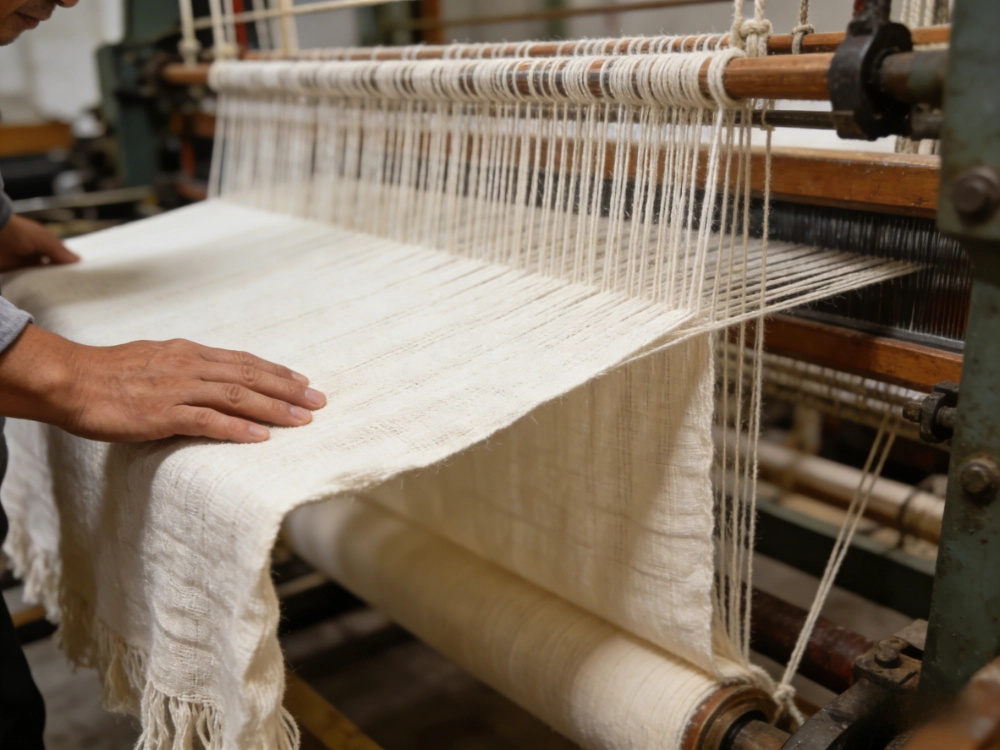
When you see a label that reads 100% Cotton, it is a guarantee of purity. It means the fabric is crafted entirely from cotton fibers, with absolutely no synthetic fillers—no polyester, no nylon, and no rayon. Every single thread woven into the fabric is pure cotton.
Thanks to its natural plant-based origins, 100% cotton is free from harsh chemical irritants. This makes it hypoallergenic and the safest choice for babies and children with sensitive skin.
Beyond its safety benefits, it is a practical choice. It is durable, easy to wash, and offers a healthier, more natural alternative to synthetic blends.
Final Thoughts
Cotton holds an undisputed place at the heart of the textile industry. Celebrated for its durability, breathability, and softness, it is a timeless fabric that forms the foundation of our daily wardrobes. From the versatile Upland cotton to the luxurious Egyptian varieties, each type offers distinct benefits tailored to specific textile needs.
HAPA is a premier manufacturer dedicated to producing high-quality, comfortable children’s wear. We prioritize safety and sustainability, strictly using cotton fabrics that are GOTS and OEKO-TEX Standard 100 certified to create garments that are safe, stylish, and unique.
If you are looking to manufacture premium cotton clothing for your brand, we are here to help. Contact us today, and let us provide the perfect custom manufacturing solution for your business.
FAQ
What is the most high quality cotton?
The highest quality cotton is Sea Island Cotton, known for being the rarest and having the longest fibers (staple length) in the world, which makes it incredibly soft and strong. However, Supima (American Pima) and Giza 45 (Egyptian Cotton) are widely considered the top commercially available “gold standards” for luxury clothing due to their exceptional durability and softness.
What is the smoothest cotton fabric?
The smoothest cotton fabric is typically Cotton Sateen made from Extra Long Staple (ELS) fibers like Pima or Egyptian cotton. The sateen weave structure places more threads on the surface of the fabric to create a silky, glass-like finish, though in knitwear (like t-shirts), Interlock knit is generally the smoothest option.
What is SuperFine cotton?
SuperFine cotton refers to fabric made from yarn that has been spun incredibly thin (high yarn count), resulting in a textile that is ultra-lightweight, dense, and feels almost like silk. Because the threads are so fine, this type of fabric must be made from high-quality long-staple fibers to prevent breakage, making it a luxury material often used in high-end shirting or premium baby clothes.
What is the most luxury cotton?
Supima and Egyptian cotton are considered the most luxurious types. They feature “extra-long staple” fibers, which makes the yarn smoother and stronger. These fabrics are incredibly soft and resist pilling better than standard cotton. They are the top choice for high-end boutique clothing.
Is 80% cotton 20% polyester bad?
No, an 80% cotton and 20% polyester blend is excellent for specific uses. It combines the softness and breathability of cotton with the durability of polyester. This blend resists wrinkles and shrinking better than 100% cotton. It is the industry standard for high-quality sweatshirts, hoodies, and fleece tracksuits.