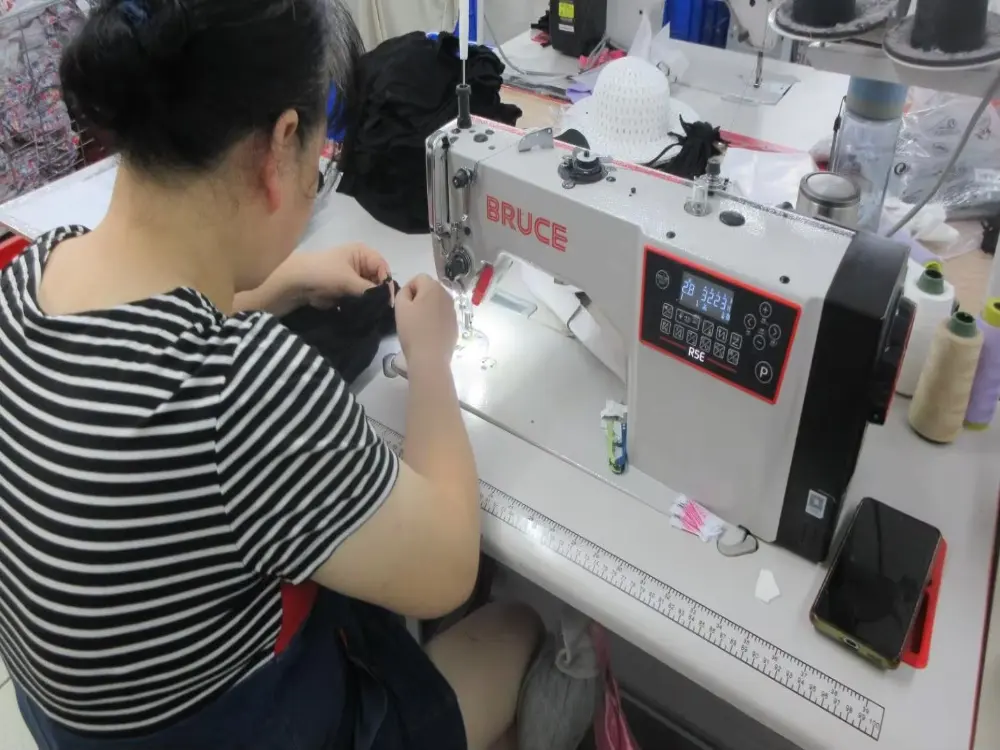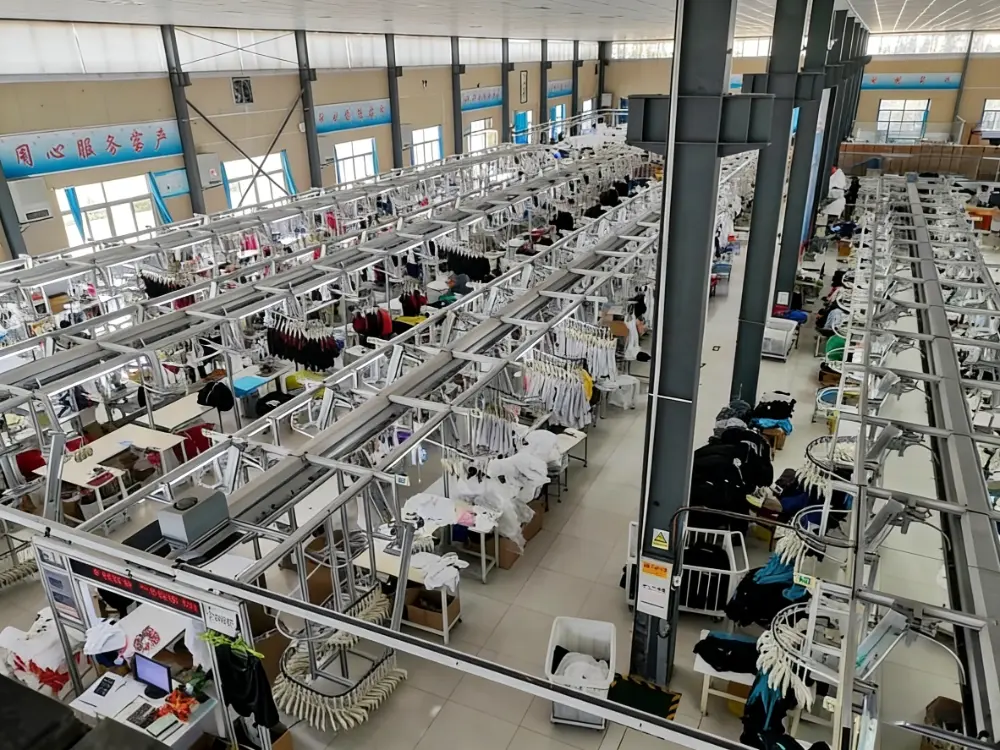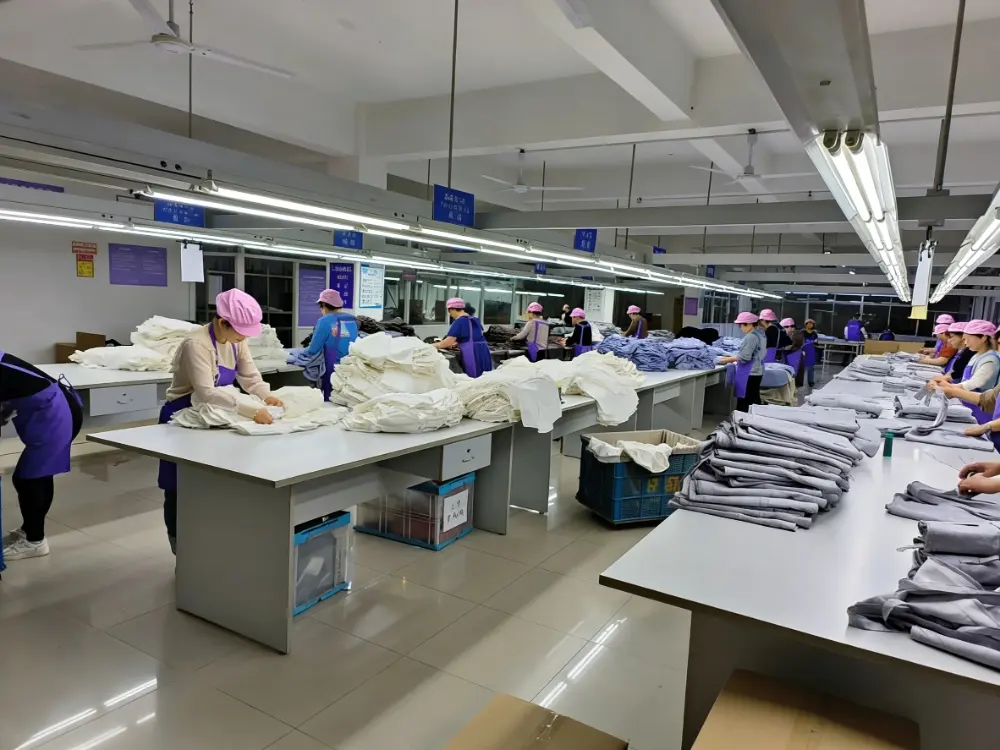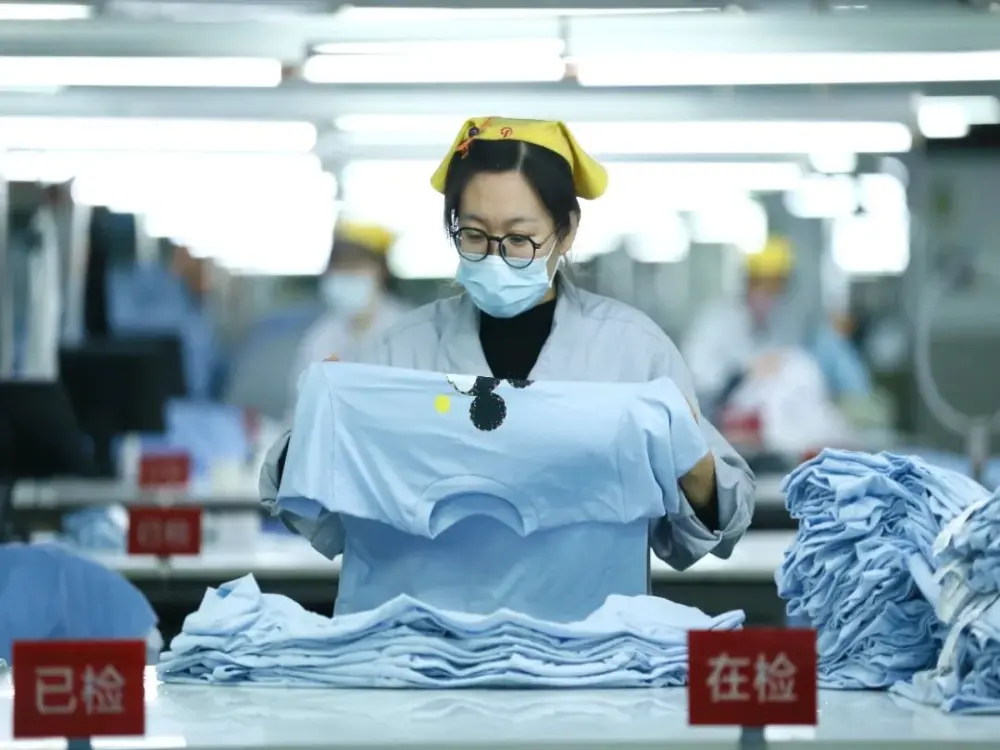
Today, the landscape of the children’s fashion industry is evolving at a breakneck pace. When it comes to long-term success, I’ll be frank: finding a reliable children’s apparel supplier matters far more than chasing after flashy, over-the-top designs.
Countless startup brands run into the same pitfalls in their early stages: inconsistent sizing, shipping delays, or physical fabrics that look nothing like the promotional photos. These issues stem from a lack of industry experience and a failure to partner with a trusted supplier — and in the end, the brand is left bearing the full financial burden and reputational damage.
Children’s clothing sets are consistently one of the best-selling, highest-margin product categories in the market. In this guide, drawing on comprehensive market feedback and verified reviews, we’ve curated a list of the top 10 most reliable children’s clothing set suppliers worth partnering with. This list is built to help your boutique stay at the forefront of the industry and keep your customers coming back season after season with products they love.
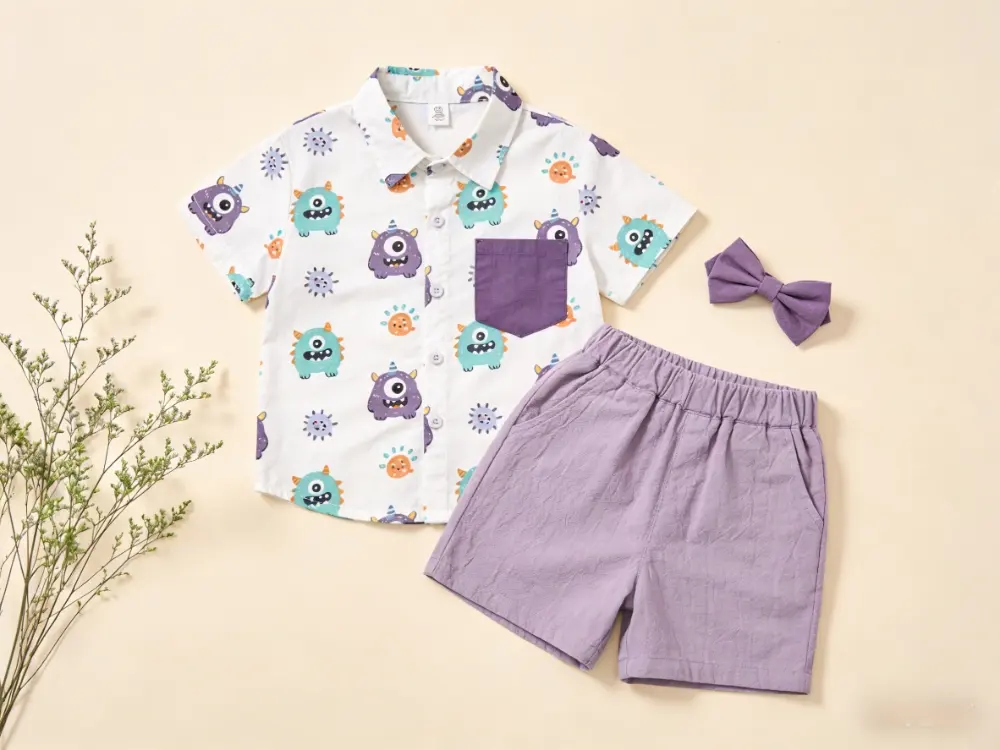
Why Selling Children’s Clothing Set Is So Popular & Profitable
As a retailer, your priority is to source products with high profit margins, strong sales momentum, and high repeat purchase rates — and wholesale children’s clothing sets check every single one of these boxes. They have continued to surge in popularity across high-demand consumer markets worldwide, including the U.S., Europe, and Australia. This is because they deliver the perfect grab-and-go solution, eliminating the daily hassle of putting together coordinated outfits for kids.
Beyond that, compared to selling individual bottoms or a single T-shirt, clothing sets carry a far higher perceived value. Boutique owners can drive up the average order value (AOV) of each transaction effortlessly. Furthermore, leading OEM/ODM manufacturers ensure perfect consistency in fabric, dye lot, and color matching between the top and bottom pieces. This premium, cohesive finished look simply cannot be replicated by piecing together separate individual garments.
Key Criteria for Evaluating Children’s Apparel Suppliers
Finding children’s apparel suppliers online is easy — but your goal is not just to check this task off your list. It is to find a supplier that is truly the right fit for your business. As you screen and vet potential partners, you can evaluate them against the following core criteria:
- Product Quality: While you cannot physically assess the fabric texture online, you can request samples from the supplier to gain a genuine understanding of the garment construction and craftsmanship. Additionally, always require them to present relevant safety and compliance certifications.
- Delivery Reliability: Timeliness is make-or-break in the apparel industry. You must confirm that the supplier’s production lead times align with your operational needs, especially for orders placed ahead of peak sales seasons and holiday periods.
- Innovation & Design Expertise: You need more than just a garment supplier — you need a partner backed by a professional design team, one that can deliver fashion-forward, innovative designs that adapt and evolve with shifting market trends.
- Sustainability Commitment: Sustainability is now a mainstream priority in the global market. You should verify whether the supplier implements eco-friendly production processes and uses sustainable materials, ensuring your brand stays aligned with global environmental and ethical standards.
Top 10 Reliable Children’s Clothing Set Suppliers
1.HAPA
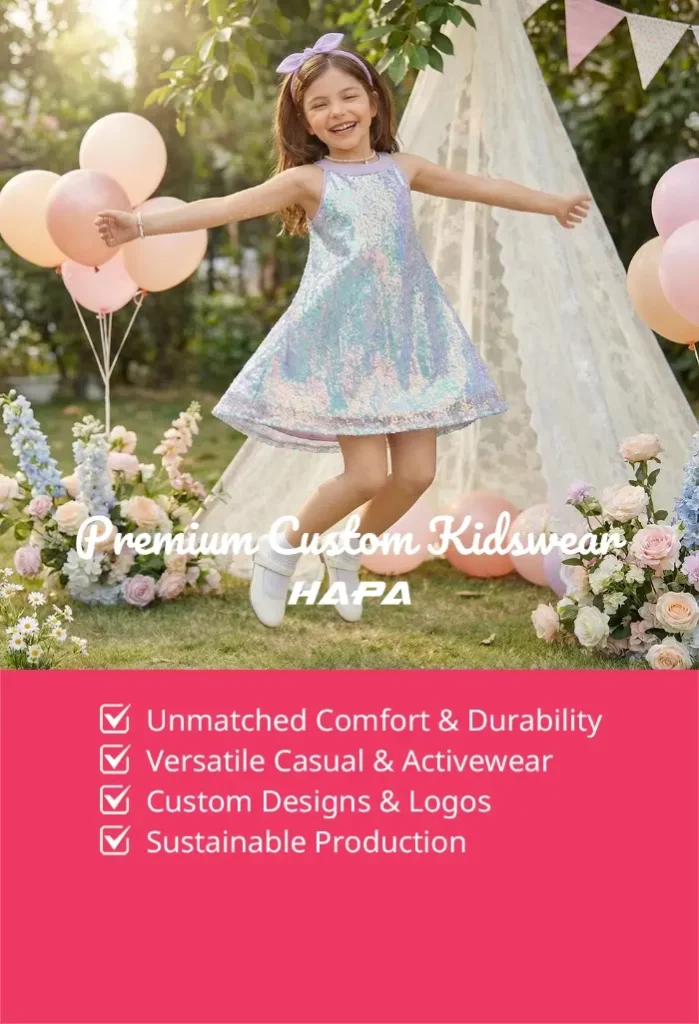
HAPA is a specialized children’s apparel manufacturing supplier dedicated to delivering custom clothing sets for clients, with an unwavering focus on stringent production standards and premium fabrics as its core pillars.
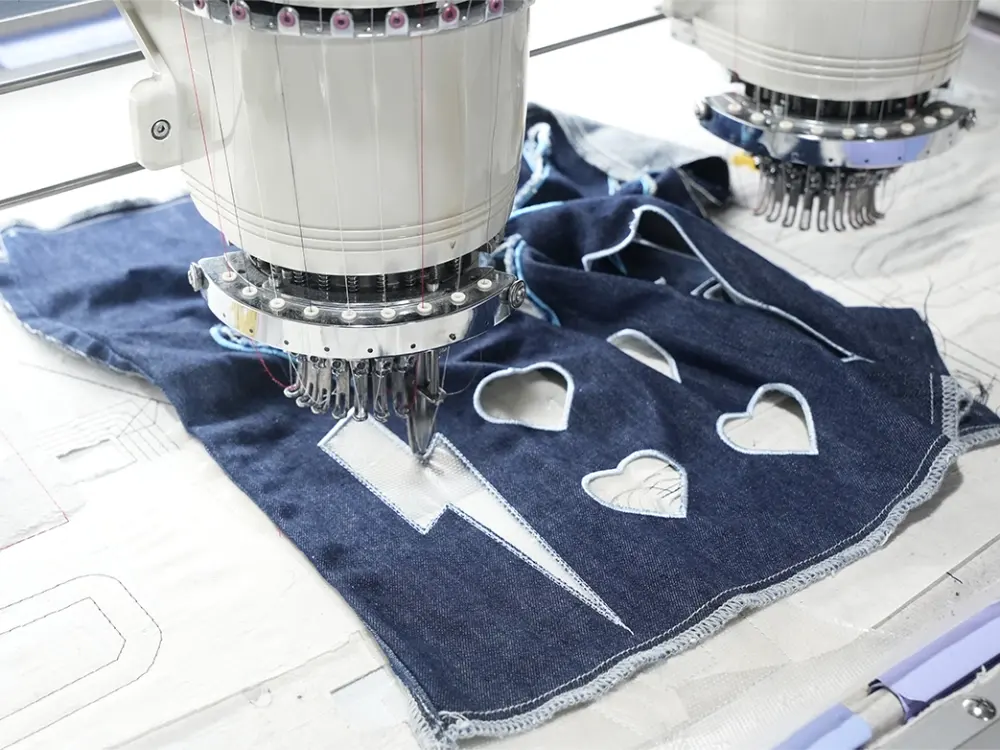
Unlike mainstream children’s apparel lines on the market, HAPA specializes in sequin embellishment and hand beading craftsmanship, lending its products exceptional recognizability suitable for both everyday wear and special occasion settings such as parties and events. If you’re tired of generic, cookie-cutter designs, HAPA is your trusted partner to help you build one-of-a-kind children’s apparel that stands out in the market.
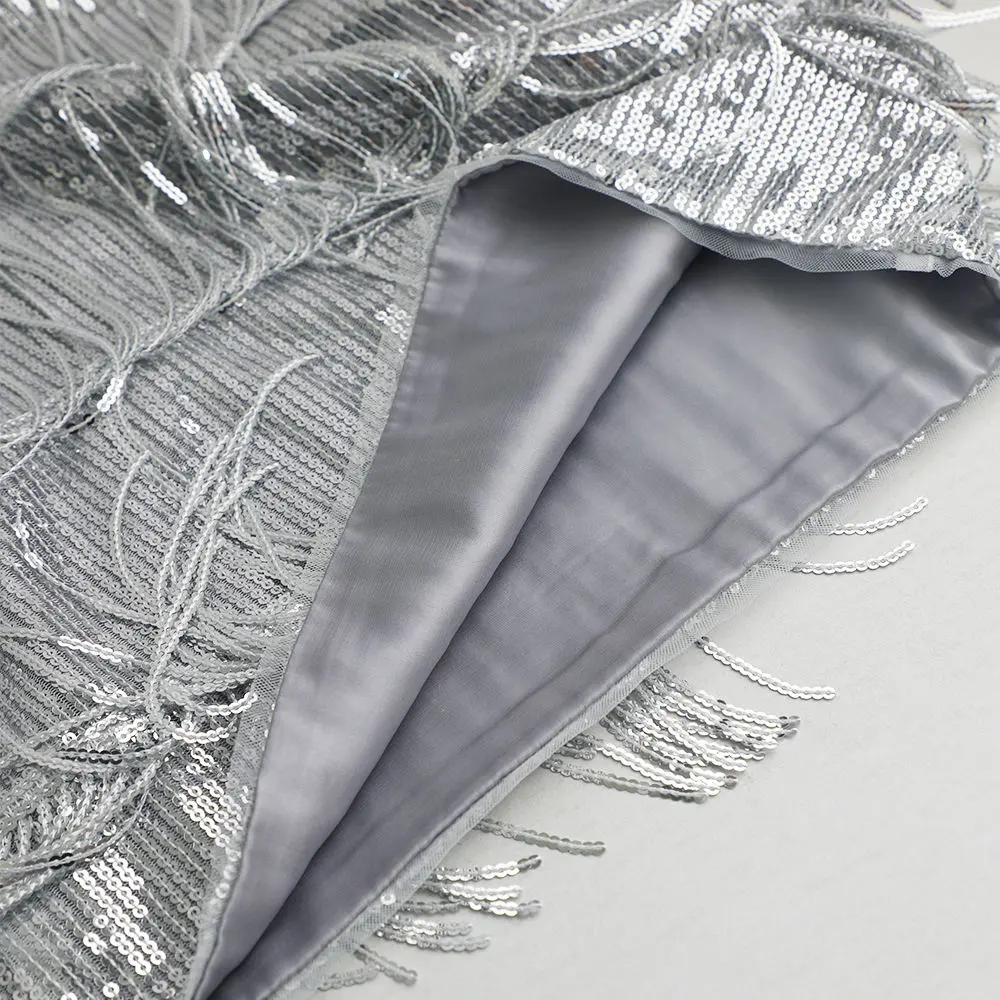
With full industry qualifications and accreditations, HAPA has partnered with over 2,000 children’s apparel brands worldwide. It boasts extensive expertise in meeting the compliance and quality requirements of the Australian, U.S., and European Union markets, and delivers scalable production solutions for growing brands.
Pros:
- Full OEM/ODM production capabilities
- Compliance with U.S., EU, and Australian standards
- Custom branding and private labeling
- Unique, proprietary design
Cons:
- Higher MOQs for custom orders
- Longer lead times for samples and production
Best Suited For: Established brands and private label brands seeking exclusive custom production and one-of-a-kind proprietary designs.
2.Faire
Faire is a prominent online wholesale marketplace that connects independent boutiques with thousands of established and emerging children’s clothing brands. The platform simplifies the buying process by allowing retailers to browse a vast array of ready-to-ship clothing sets from various designers in one centralized location. It often provides flexible payment terms and free returns on opening orders, effectively reducing the inventory risk for new buyers testing different styles.
Pros:
- Massive variety of unique brands
- Flexible payment terms (e.g., net 60)
- Easy-to-navigate platform
Cons:
- Shipping times and quality vary by vendor
- Higher pricing than direct-from-manufacturer
Best for: Small to medium-sized boutiques seeking trendy, unique clothing.
3.Kiskissing
Kiskissing operates as a professional online wholesaler specializing in baby apparel and kids boutique clothing wholesale. With decades of expertise in garment production, the company collaborates with numerous international brands to provide a diverse catalog of stylish apparel sets.
Pros:
- Wide variety of trendy clothing sets
- Low minimum order quantities (MOQs)
- Frequent inventory updates
Cons:
- Longer international shipping times
- Sizing may differ from local standards
Best for: Retailers looking for fast-fashion, stylish, budget-friendly sets.
4.Rioco Kidswear
Rioco Kidswear is an international wholesale supplier known for its rigorous quality control and stylish children’s clothing collections. They prioritize sourcing items that meet strict quality requirements, ensuring that the clothing sets are both durable and safe for children. The platform simplifies bulk ordering and even supports dropshipping, making it a highly versatile partner for various modern retail models.
Pros:
Strict quality control standards
Supports dropshipping
Large stock of trendy items
Cons:
Customer support varies by time zone
Popular items sell out quickly
Best for: E-commerce and dropshipping businesses needing trend-focused apparel.
5.FashionTIY
FashionTIY is a B2B online wholesale platform offering a vast selection of self-operated children’s clothing sets at highly competitive factory-direct prices. By eliminating the middleman, they provide cost-effective sourcing for casual wear, sportswear, and formal coordinate sets. The platform also offers customization services, such as bespoke tags and packaging, for businesses looking to build and reinforce their brand identity.
Pros:
Competitive factory-direct pricing
No MOQ requirement
Custom packaging and tagging
Cons:
Shipping costs may offset low prices
Material quality varies across price tiers
Best for: Budget-conscious retailers and startups focusing on everyday clothing.
6.Bambini Infant Wear
Based in California, Bambini Infant Wear is a long-standing wholesale supplier specializing in high-quality baby and toddler clothing. They are particularly known for their 100% cotton interlock garments, offering classic clothing sets, sleepwear, and accessories that prioritize infant comfort. Their domestic presence allows for rapid fulfillment and reliable communication for North American buyers.
Pros:
High-quality, soft cotton fabrics
Fast US-based shipping
No minimum order requirement
Cons:
Focuses on classic basics, not trends
Limited options for older children
Best for: Baby boutiques needing ultra-soft, classic infant clothing.
7.Babeeni
Babeeni is a renowned manufacturer based in Vietnam that specializes in classic, hand-smocked, and embroidered children’s clothing. Operating multiple large-scale factories, they export heavily to international markets, offering beautifully detailed tops, bottoms, and coordinated sets. They provide both ready-to-ship wholesale options and comprehensive custom OEM services for intricate, traditional designs.
Pros:
Exceptional hand-smocked craftsmanship
Large production capacity
Scaling discounts for high-volume orders
Cons:
High MOQs for specific designs
Up to 50 days for custom orders
Best for: Upscale boutiques seeking traditional, embroidered, or smocked sets.
8.Honeydew USA
Honeydew USA is a popular wholesale supplier recognized for bringing the latest children’s fashion trends to the market rapidly. Their catalog includes a wide range of trendy girls’ and boys’ clothing sets, often complete with matching accessories. With a warehouse located in the US, they offer quick shipping and consistent inventory restocks for domestic retailers to keep up with seasonal demands.
Pros:
Trend-driven, fashionable designs
Fast US-based shipping
Frequent new arrivals
Cons:
High demand leads to inventory shortages
Pricing is higher than overseas suppliers
Best for: Fashion-forward boutiques needing quick access to seasonal trends.
9.Kelli’s Gift
Kelli’s Gift operates as a large-scale wholesale distributor carrying thousands of items, including a robust selection of children’s clothing sets. With over a decade of experience, they aggregate products from hundreds of vendors, providing retailers with an efficient, one-stop-shop experience. Their distribution centers are highly optimized, often processing and shipping bulk orders within a day or two.
Pros:
Massive product catalog
Fast order processing and shipping
Seasonal promotions and bulk discounts
Cons:
Overwhelming catalog to navigate
Lack of cohesive brand collections
Best for: Gift shops and multi-category retailers sourcing kids’ clothing with accessories.
10.Alanic Clothing
Alanic Clothing is a globally recognized manufacturer and wholesale supplier offering a broad spectrum of apparel, including a dedicated line of children’s clothing sets. They are known for using high-performance, comfortable fabrics, producing everything from activewear sets to casual everyday outfits. The company also offers private label services, allowing businesses to seamlessly customize sets with their own logos and designs.
Pros:
High-quality, durable fabrics
Strong customization capabilities
Competitive pricing for bulk orders
Cons:
MOQ for custom private label runs
Limited niche children’s wear options
Best for: Activewear brands seeking customizable, durable children’s clothing.
Where Do Most Clothing Stores Source Their Inventory? (China vs. US Suppliers)
In reality, the core inventory for most clothing stores across the U.S. and around the world — especially small and medium-sized boutiques focused on maximizing their profit margins — still originates from China, as well as select Southeast Asian countries. Even if many store owners source their stock from U.S.-based domestic wholesale platforms (such as FashionGo or LA Showroom, mentioned in the previous section), the vast majority of these garments are still, in all likelihood, originally manufactured in China.
Here’s a Comparison Between China and USA Suppliers:
| Criteria | Chinese Suppliers | American Suppliers |
| Production Cost | Low cost, suitable for bulk production. | Higher cost, suited for small-batch, high-quality products. |
| Production Capacity | Strong capacity, fast for large orders. | Smaller capacity, suited for custom products. |
| Lead Time | Long logistics, typically via sea freight. | Shorter logistics, especially for domestic production. |
| Supply Chain Stability | Stable, but affected by materials and shipping. | Flexible, but limited resources. |
| Design & Styles | Variety of styles, suitable for fast fashion. | Focus on original designs, suited for premium markets. |
U.S.-based suppliers specialize in the high-end premium market, while Chinese children’s clothing suppliers are ideally suited for large-scale, low-cost, high value-for-money apparel sourcing, especially for stores catering to the mass market. They are the perfect fit for fast fashion brands, staple basics, and high-volume bulk wholesale orders.
What Sets a Great Wholesale Children’s Apparel Supplier Apart
A top-tier wholesale children’s apparel supplier possesses unique, defining strengths that allow them to stand out in the fiercely competitive marketplace.
- Superior Product Quality: Leading suppliers implement rigorous quality control protocols and use skin-friendly, durable fabrics. This not only protects children’s delicate skin, but also drastically reduces return rates for retailers.
- Extensive Product Assortment: They offer a comprehensive range of styles, from everyday casual wear to special occasion and holiday outfits. This enables retailers to complete one-stop sourcing, effortlessly meeting the diverse needs of end consumers.
- Flexible Customization Services: Top-tier suppliers boast robust OEM/ODM capabilities, with full support for custom private labeling and exclusive style development. This helps boutique owners break free from homogenized competition and build a distinctive, proprietary brand.
- Competitive Factory-Direct Pricing: By optimizing their production lines and eliminating all middleman markups, they offer highly advantageous factory-direct pricing. This ensures ample profit margins for retailers, supporting the rapid, sustainable growth of their business.
- Reliable Delivery & Inventory Management: A trusted partner operates a transparent, highly efficient supply chain system. They guarantee on-time delivery even during peak sales seasons, shielding retailers from the risks of costly stockouts or excess inventory buildup.
- Exceptional Customer Service & Support: They assign dedicated, specialized account managers to provide seamless communication and end-to-end after-sales support. Whether it’s real-time order tracking or resolving unexpected issues, every request is addressed promptly and effectively.
- Environmental & Sustainability Commitment: Aligned with the core values of modern consumers, they proactively adopt eco-friendly materials and ethical manufacturing practices. This not only ensures compliance with stringent international market standards, but also elevates the reputation and brand equity of retail partners.
- Innovative Design & Proactive Trend Tracking: They possess a sharp, intuitive grasp of the market, with the ability to quickly identify and bring to life upcoming children’s apparel trends for the next season. This ensures retailers’ shelves are always stocked with the most desirable, high-performing bestsellers.
- Global Vision & Diversified Market Expertise: Leading suppliers have an in-depth understanding of compliance requirements and aesthetic nuances across global markets. They deliver products that meet rigorous international safety standards, helping retailers expand their global footprint with complete peace of mind.
How to Communicate with Potential Wholesale Suppliers
Communicating with potential wholesale suppliers is a critical step in building a long-term collaborative partnership, ensuring the needs, expectations, and terms of both parties are clearly articulated and fully understood. If you are new to the industry, use this template to gather all the essential information you need.
1.Prepare a Clear List of Your Requirements
Before reaching out to a wholesale supplier, make sure you have a crystal-clear understanding of your requirements, including:
- Product Category: What garment styles, fabrics, sizes, and colorways do you require?
- Order Volume: What is the planned quantity for your bulk order?
- Delivery Timeline: When do you expect to receive the finished products?
- Quality Requirements: What are your product quality standards? Are there any mandatory certification requirements?
- Price Range: What is your target procurement price bracket?
2.Clearly Articulate Your Goals and Requirements
During your communication, aim to be concise and straightforward, ensuring the supplier can accurately grasp your needs. For example: “We plan to procure 5,000 T-shirts per quarter, with the goal of offering premium custom T-shirts. Our target price is capped at $10 per unit, with a required production lead time of two weeks.”
3.Verify the Supplier’s Background and Capabilities
Ask your potential supplier the following questions to gain a full understanding of their business:
- Production Capacity: What is the maximum order volume they can handle? Do they have sufficient production capacity to fulfill your ongoing requirements?
- Production Lead Time: What is their standard production lead time? Can they guarantee on-time delivery, even during peak seasons?
- Quality Control: What is their multi-stage quality inspection process? Do they offer a formal quality guarantee or refund policy for defective goods?
- Customization Services: Do they provide end-to-end custom services, including design support, private labeling, and custom packaging?
4.Request Samples and Conduct a Quality Audit
Request product samples from the supplier to inspect whether the garment construction, design, and comfort meet your established standards. If your products have special requirements (such as eco-friendly or child-safe materials), state these explicitly and confirm that the supplier can provide materials that fully comply with your specifications.
5.Clarify Payment Terms and Collaboration Details
Payment Method: Negotiate a suitable payment method with the supplier (such as letters of credit, upfront deposits, or installment plans).
- Payment Schedule: Confirm the payment timeline and process for each individual order.
- Pricing and Discounts: Inquire about the availability of bulk order discounts or exclusive long-term partnership discounts.
6.Establish a Reliable Communication Channel
Ensure you maintain clear and open communication channels with the supplier to resolve any potential issues in a timely manner:
Confirm the name, job title, and full contact details of your dedicated primary point of contact.
Maintain contact through multiple channels including email, phone calls, and instant messaging tools to ensure information is relayed promptly and accurately.
7.Discuss Shipping and Logistics Arrangements
- Shipping Method: Confirm the shipping method (ocean freight, air freight, or ground shipping) and whether they can provide end-to-end logistics support.
- Delivery Timeline: Finalize the firm delivery date and confirm that the supplier can meet the agreed delivery schedule.
- Shipping Costs: Confirm which party is responsible for shipping fees, and whether any additional surcharges or customs fees apply.
Conclusion
Sourcing the right supplier is the lifeblood of your retail business. When vetting children’s clothing set suppliers, you should never rely solely on simple search rankings or only reach out to the top-listed vendor. You need to comprehensively evaluate multiple factors, prepare a detailed tech pack and a complete pre-sales communication template, and conduct in-depth discussions and side-by-side comparisons with multiple suppliers.
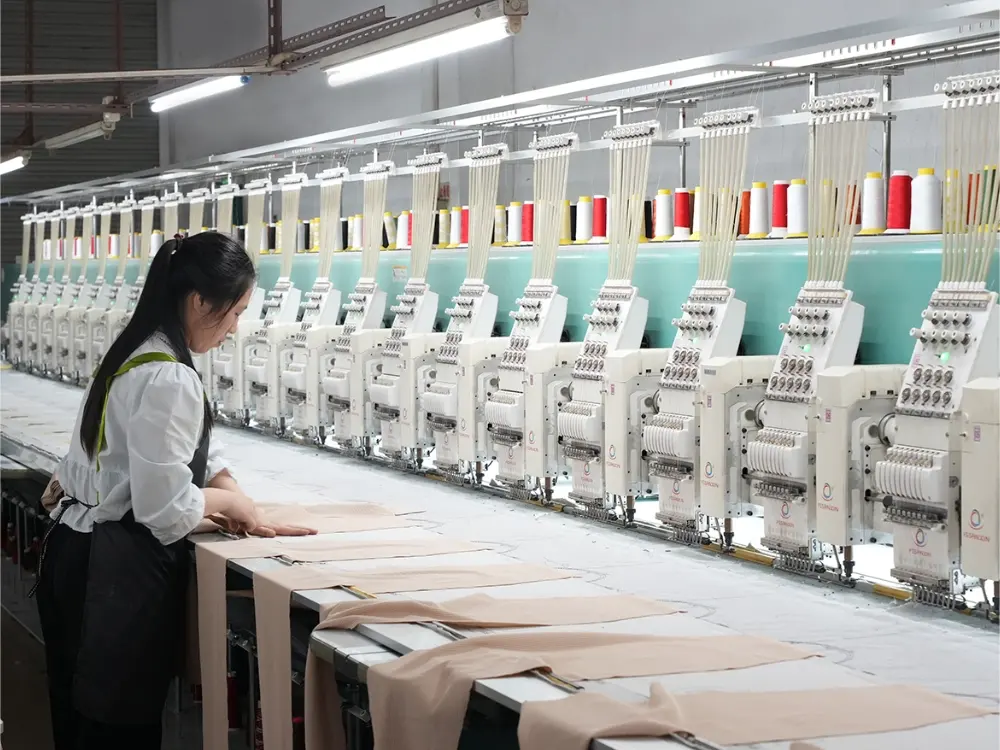
Don’t limit yourself to generic, off-the-shelf wholesale styles or let yourself get trapped in the quagmire of price wars. As one of the most reliable kids clothing manufacturers, at HAPA Garments, we specialize in delivering high-end OEM/ODM manufacturing services, with every single piece expertly tailored to meet the stringent standards of demanding markets including the United States, the European Union, and Australia. Whether you are looking to bring your one-of-a-kind design tech pack to life, or explore private label opportunities for your boutique, as your trusted direct factory, we provide comprehensive end-to-end support from sampling to full-scale mass production.
FAQ
How to find a reliable wholesale clothing supplier?
Look for a factory that specializes strictly in your niche—like children’s apparel—rather than a general trading company. Verify their legitimacy through third-party audits, request references, and prioritize partners who offer transparent communication and specialized OEM services.
What is the typical Minimum Order Quantity (MOQ) for wholesale children’s clothing sets?
For fully custom OEM manufacturing, the standard MOQ typically ranges from 200 to 500 sets per style. However, many flexible manufacturers will accommodate lower MOQs (like 50-100 sets) to help emerging boutique brands test the market using in-stock fabrics.
How can I ensure the supplier complies with US, EU, and Australian safety standards?
Always demand recent, third-party laboratory test reports proving compliance with strict regional regulations like CPSIA (US), REACH (EU), and ACCC (Australia). A trustworthy manufacturer will proactively guarantee their fabrics, dyes, and trims are completely free from lead, phthalates, and dangerous choking hazards.
Should I request a product sample before placing a bulk wholesale order?
Absolutely—this step is non-negotiable! Ordering a physical pre-production sample allows you to meticulously inspect the fabric softness, stitching durability, and sizing accuracy before committing your budget to a full bulk production run.
How long does the manufacturing and shipping process usually take?
Custom bulk production generally requires 30 to 45 days following the final sample approval. For delivery, factor in an additional 3 to 7 days for express air freight or 30 to 45 days for economical sea freight, making early seasonal planning essential for your launch.