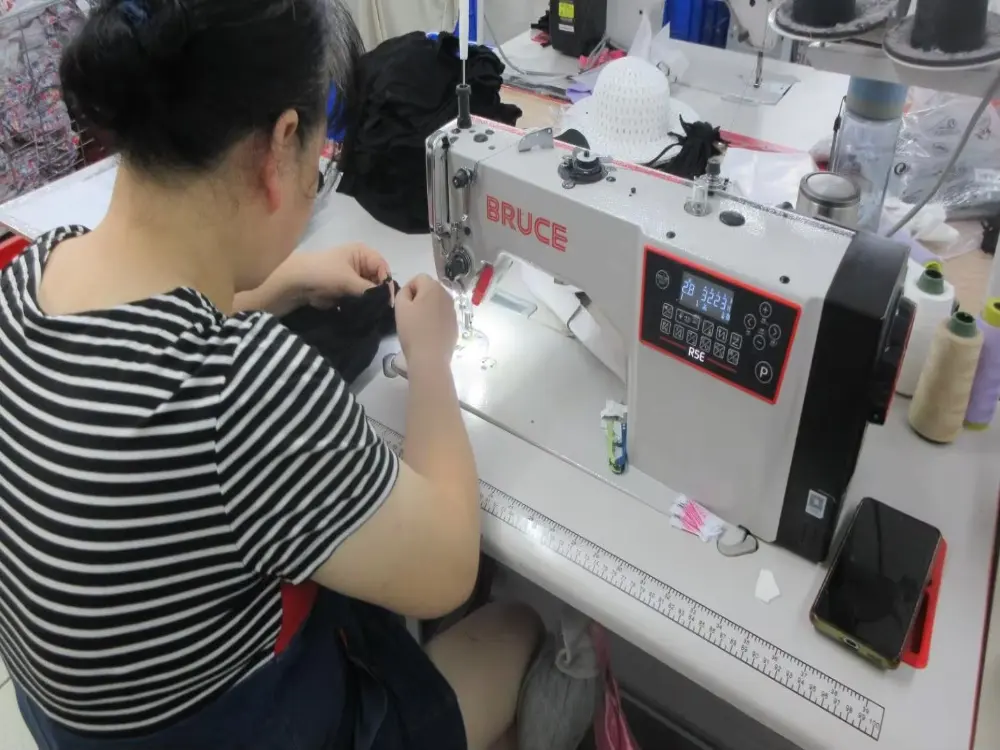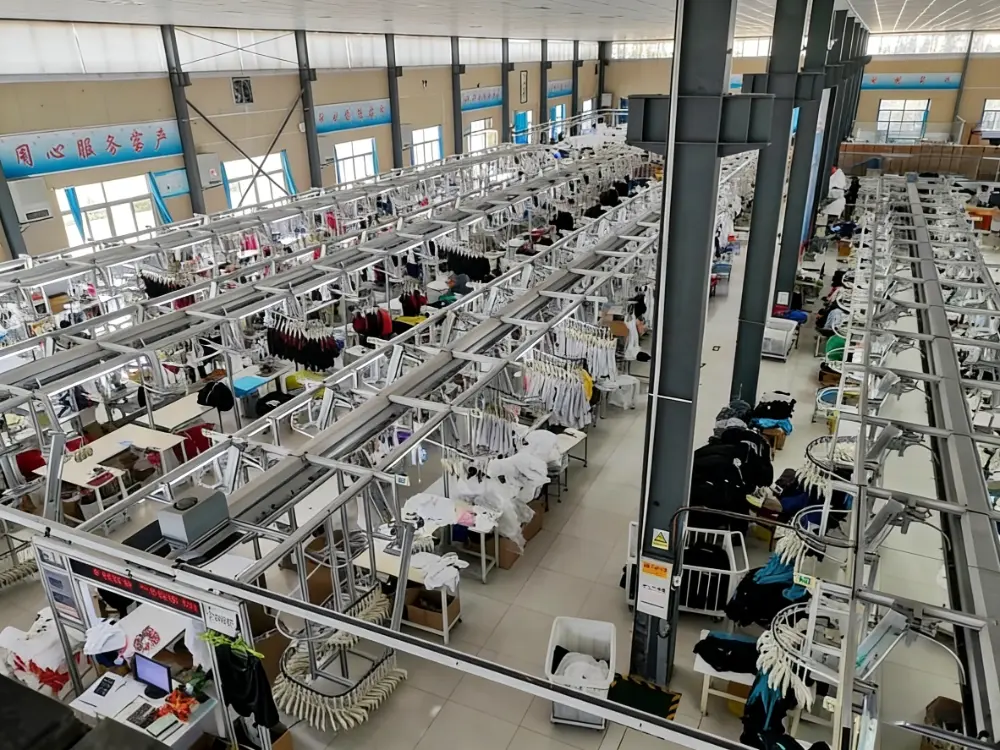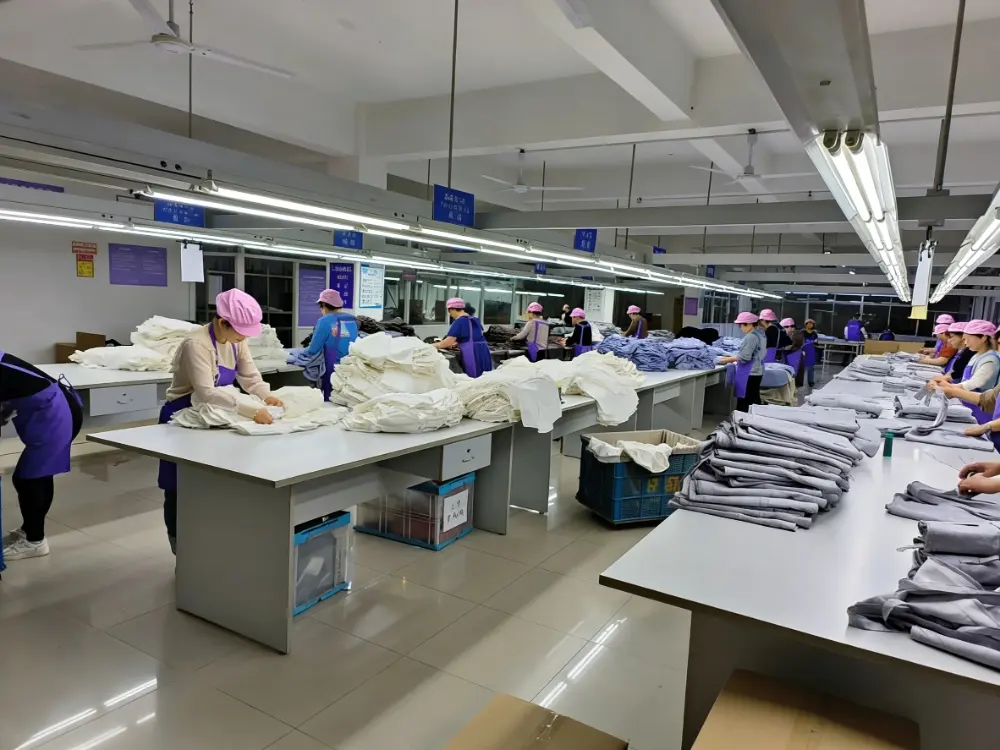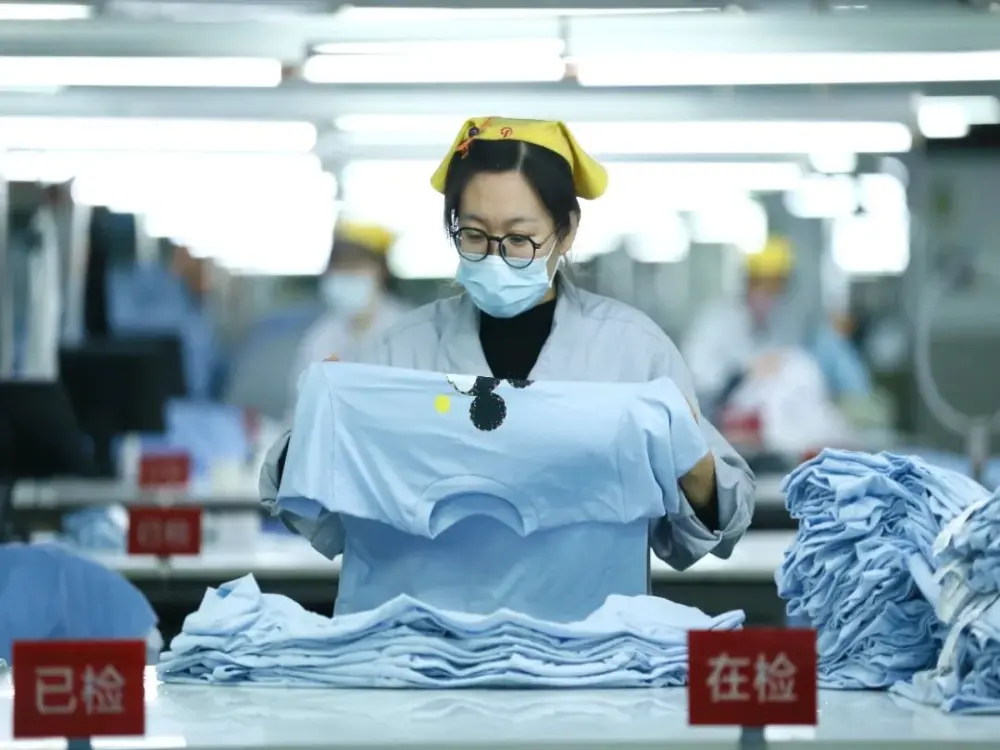
For new kidswear brands, the goal is simple: premium products, zero factory headaches.
That’s where an OEM kidswear manufacturer makes sense. It boosts quality, speeds up your timeline, and frees you to focus on growing your brand.
But the market is crowded. The hard part is finding a partner who is reliable and compliant. You need a manufacturer who truly understands textiles—especially for kids. Safety standards are strict, so you need to scale production without dropping the ball on quality.
At HAPA, we work with global brands and top retailers to craft safe, well-made, and unique kidswear.
We know this industry inside out. That’s why we wrote this guide for you. Use it to evaluate your options and find the right OEM manufacturer before you sign anything.
Understanding OEM Kidswear Manufacturing
OEM (Original Equipment Manufacturer) is a business model in which the brand owner—your company—handles the design and marketing, while the factory (OEM manufacturer) produces the garments according to your design specifications, fabric requirements, and craftsmanship standards.
The greatest advantage of OEM kidswear manufacturing is that it allows creative entrepreneurs without production experience to easily enter the kidswear industry. Beyond OEM, other common collaboration models in the apparel sector include ODM (Original Design Manufacturer) and CMT (Cut, Make, Trim).
OEM vs ODM vs CMT: Key Differences
As a children’s clothing brand, it’s important to understand the distinctions between these three collaboration models. The table below provides a clear and direct comparison:
| Dimension | ODM | OEM | CMT |
| Definition | The manufacturer handles both design and production, while the brand applies its label. | The brand provides the design, and the manufacturer handles the production. | The brand supplies the fabric and/or design, and the manufacturer is responsible solely for processing and assembly. |
| Design Ownership | Typically owned by the manufacturer (or jointly owned). | Owned by the brand. | Owned by the brand. |
| Raw Material Procurement | The manufacturer is responsible for procuring all materials. | The manufacturer procures materials according to specifications or as directed by the brand. | The brand provides the main fabrics, and the manufacturer only assists. |
| Target Audience | Companies lacking in-house R&D capabilities | Established brands with existing product designs | Large brands with a complete supply chain |
| Cost Structure | Design + Production | Production Only | The brand bears all material and logistics costs. |
| Product Differentiation | The same design may be sold to multiple brands. | Fully customized according to the brand’s unique requirements. | Both design and materials are controlled by the brand. |
The Advantages of OEM for Kidswear
- Cut Operating Costs Forget building a factory or hiring a massive production team. You don’t need that heavy capital investment. Hand the manufacturing over to the experts. This lets you focus on what really matters: design, marketing, and sales. It’s a leaner, smarter way to run your business.
- Guaranteed Quality & Efficiency Established OEM factories have the systems and experience you need. They ensure your product is reliable and delivered on time. Most importantly, you get consistent quality across every single batch—no surprises.
- Speed to Market Lean on your manufacturer for fabric sourcing and technical advice. They help you optimize costs and stay on top of trends. With their support, you can launch new styles quickly and react faster to what the market wants.
- Agility & Risk Management Production on demand means less inventory pressure. You can adjust your product lines whenever you need to. If the market shifts or your goals change, your production strategy can pivot instantly.
How to Choose a Reliable Children’s Clothing OEM Factory
When selecting an OEM Kidswear Manufacturer, it’s essential to evaluate multiple factors, including certifications, production capacity, industry experience, quality control, sustainability practices, and cost, to systematically identify high-quality suppliers.
Certifications Are Non-Negotiable
reputable factory must have the paperwork to back it up. Look for standard industry certifications like SGS, ISO, CPC, CE, AZO, GPSR, and BSCI. These prove professionalism and compliance.
But don’t stop there. Top-tier manufacturers go further with OEKO-TEX Standard 100 or GOTS. This guarantees fabrics are free from harmful chemicals—from fiber to finish. It’s not just safe; it’s a powerful marketing tool to win parents’ trust.
Capacity & Flexibility
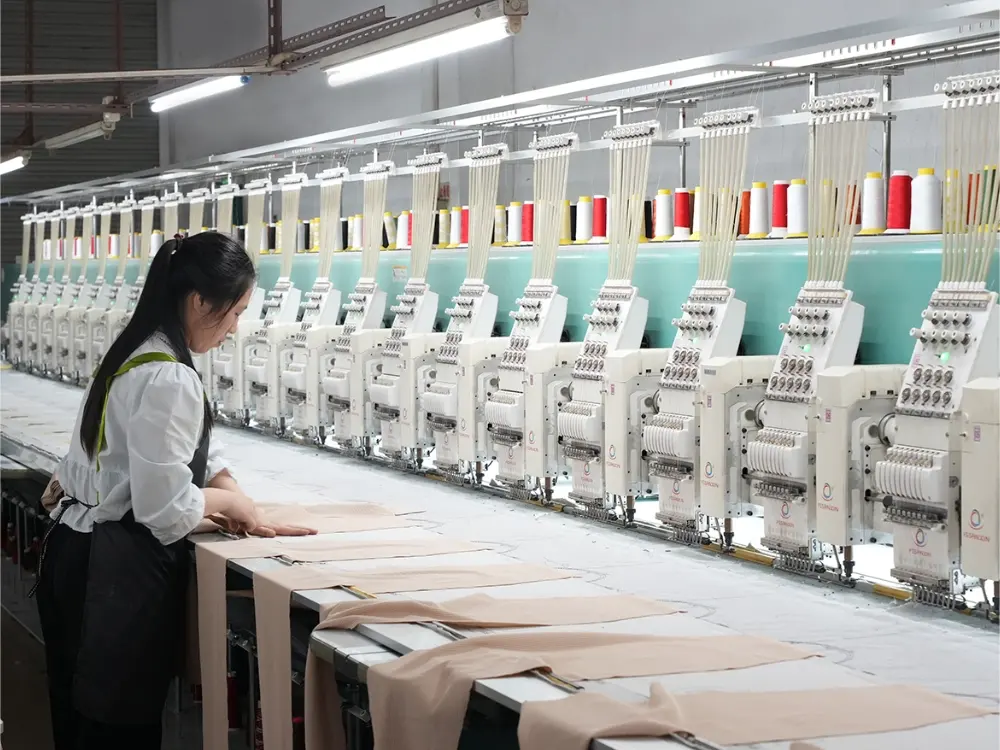
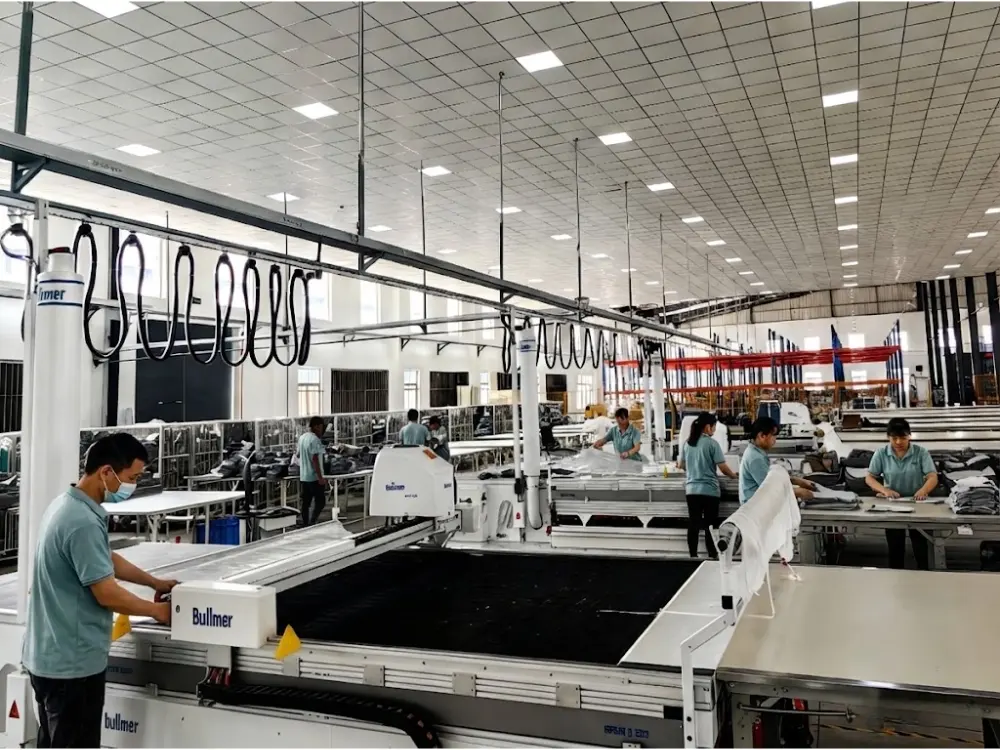
Your factory’s tech and scale determine if you get your products on time. Reliable supply is the backbone of your growth.
- For Scale: Check their machinery and automation. Can they handle a sudden spike in orders during peak season?
- For Startups: If you are testing the market, check for flexibility. Do they support low MOQs (50–100 pieces)? Top-tier partners use smart scheduling to adapt to market shifts, helping you seize opportunities fast.
Market Expertise
A great factory isn’t just a manufacturer; they are a growth partner. Experienced teams work with global brands and have insights that ordinary factories lack.
They can guide you on fabric construction, process improvements, and current trends. For a new brand, this insider knowledge is a massive shortcut to success.
Strict Quality Control (QC)
With kidswear, safety is everything. A reliable factory implements a rigorous QC system at every stage.
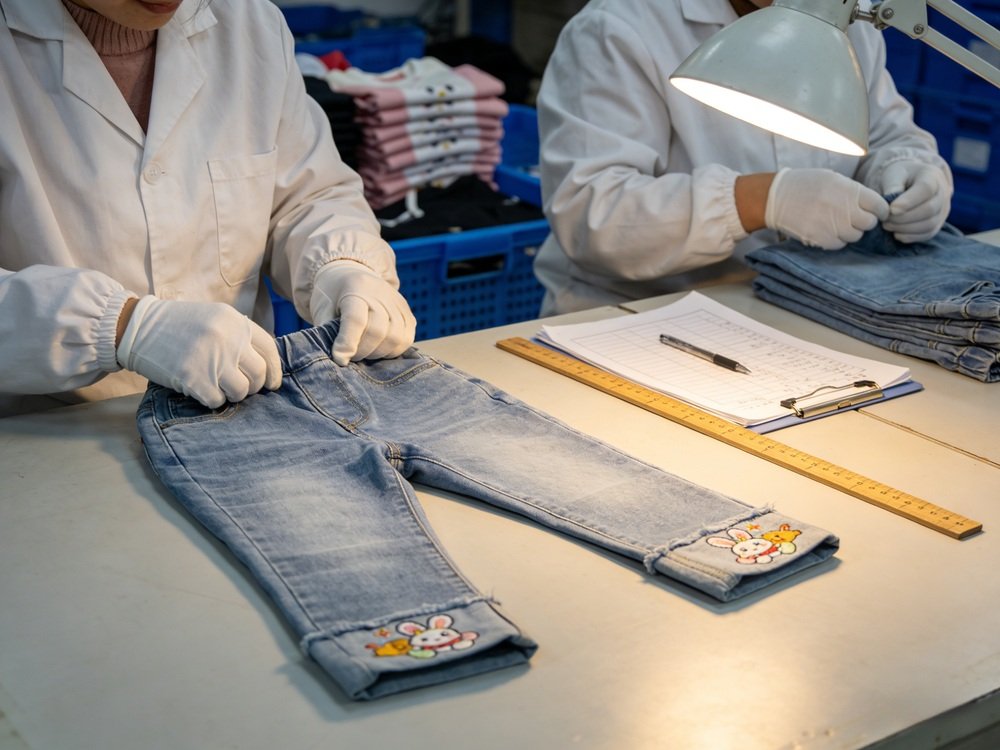
Verify they have a dedicated QC team. Do they inspect raw materials? Do they conduct in-line checks and final sampling? Pay attention to the details: stitch strength, button security, and zipper smoothness. One slip-up here can be a safety hazard. High quality means fewer returns and stronger brand loyalty.
Commitment to Sustainability
The best manufacturers are going green. Look for factories using organic cotton, bamboo fiber, and eco-friendly processes.
Check for energy-efficient equipment and wastewater treatment systems. This shows social responsibility and aligns your brand with the growing consumer demand for “green” fashion.

Cost and Payment Terms
Cost is a key consideration when selecting a Kidswear manufacturer, as it directly affects your margins. Request quotations from multiple qualified OEMs to compare and identify the most cost-effective option.
Trusted manufacturers typically offer flexible and standardized payment terms, such as “deposit + balance,” staged payments, or long-term account support. These terms reflect the factory’s financial stability and commitment to a reliable partnership.
5 Best OEM Kidswear Manufacturer
1.HAPA
HAPA stands out as a leading choice for businesses seeking comprehensive OEM and ODM services. They specialize in high-end children’s clothing with a strong emphasis on sustainable practices. Their production process is tailored for the B2B sector, offering deep customization and ensuring all products meet the strict safety and quality standards required for the North American and European markets. They are particularly well-regarded for their design-to-delivery support, making them a top-tier partner for brands building a unique identity.
2.Thygesen Textile Vietnam
Based in one of the world’s most efficient textile hubs, Thygesen is a massive OEM player with specialized lines for children’s and infants’ wear. They are highly certified (including SA8000 and ISO standards) and focus on technical fabrics and high-durability garments. Their “One-Stop-Shop” model covers everything from fabric development to final packaging, making them an excellent choice for large-scale production runs that require rigorous ethical auditing.
3.Stanley/Stella
While they are widely known for their premium blanks, Stanley/Stella offers extensive OEM-style customization for brands focusing on the UK and European markets. They are pioneers in the sustainable apparel movement, using 100% organic cotton and recycled materials. For a kidswear brand that wants to lead with an eco-friendly message, their GOTS-certified supply chain and high-quality finishes provide a significant competitive advantage.
4.Arvind Limited (India)
Arvind is one of India’s largest textile powerhouses with a dedicated division for children’s apparel. They partner with some of the world’s biggest brands for OEM manufacturing, leveraging their own massive fabric mills to control quality from the fiber level. They have significant expertise in denim and woven garments for kids, combined with a strong commitment to water conservation and sustainable cotton sourcing.
5.Wings2Fashion (India)
This manufacturer caters specifically to the boutique and high-quality export market, making them a preferred partner for brands in Australia and the USA. They excel in small to medium-batch OEM production, which is ideal for brands that need high-quality craftsmanship and intricate designs without the massive MOQs required by larger factories. They are well-versed in international shipping logistics and Western quality control expectations.
Process for Collaborating with an OEM Manufacturer
Step 1: Requirements & Selection
Know what you want before you start. Be clear about your style, fabric specs, target price, lead time, and market positioning. Clear specs allow the factory to assess feasibility and give you an accurate quote.
Vet your manufacturer carefully. Look at their certifications, experience, portfolio, and reputation. For kidswear, safety is key. Look for ISO, OEKO-TEX, and CPSIA certifications.
Verify before you commit. Do your homework through online research, site visits, or sample orders. This builds trust and lowers the risk of working with the wrong partner.
Step 2: Sampling & Design Confirmation
Turn ideas into reality. Once you agree to terms, sampling begins. Provide your sketches, fabric requirements, and trim lists. Remember: Sample quality dictates the accuracy of mass production.
Communication is vital here. Discuss the fit, sizing, stitching, and safety details thoroughly. For kids’ clothes, you must strictly verify details like button security, zipper smoothness, and stitch strength.
Listen to the experts. A pro factory will offer advice to optimize structure and craft. They help you balance cost, comfort, and durability. This is where their expertise shines.
Step 3: Contracts & Production Planning
Get it in writing. Sample approved? Time to sign. Define the price, payment terms, delivery date, quality standards, and liability in a formal contract. Transparent terms are the foundation of a long-term partnership.
Plan for success. The production plan must detail quantities, milestones, inspection schedules, and logistics. Kidswear often requires staged production and checks to ensure every batch meets strict safety standards.
Step 4: Mass Production & QC
Strict adherence to the sample. Production begins based on the approved sample and contract. Top-tier factories set QC checkpoints at every stage: raw materials, in-line processing, and final sampling.
Monitor the process. Ensure your manufacturer provides regular progress reports. Are they open to on-site supervision? Catching issues early allows for quick fixes. This is crucial for maintaining the safety and comfort standards required for children’s clothing.
Step 5: Delivery & After-Sales Support
Final checks. Once finished, the OEM delivers the goods along with inspection reports and shipping docs. Always verify quantities, packaging, and safety certificates upon arrival.
Continuous improvement. The relationship doesn’t end at delivery. A reliable partner supports returns, tracks quality issues, and offers suggestions for improvement. This helps you build consumer trust and optimize your future production runs.
Why Choose Chinese OEM Manufacturers for Development
Choosing a children’s clothing OEM factory in China offers clear advantages thanks to its complete textile supply chain, shorter production cycles, competitive costs, and strict quality management, including safety and environmental standards.
When evaluating what to look for in an OEM kidswear manufacturer, focus on factories that ensure safety, quality, and compliance while supporting flexible sampling and fast product development to bring designs quickly to market.
Top 15 kids’ clothing suppliers in China——Learn More About Reliable Children’s Clothing Suppliers in China
Why Choose HAPA’s OEM Service?
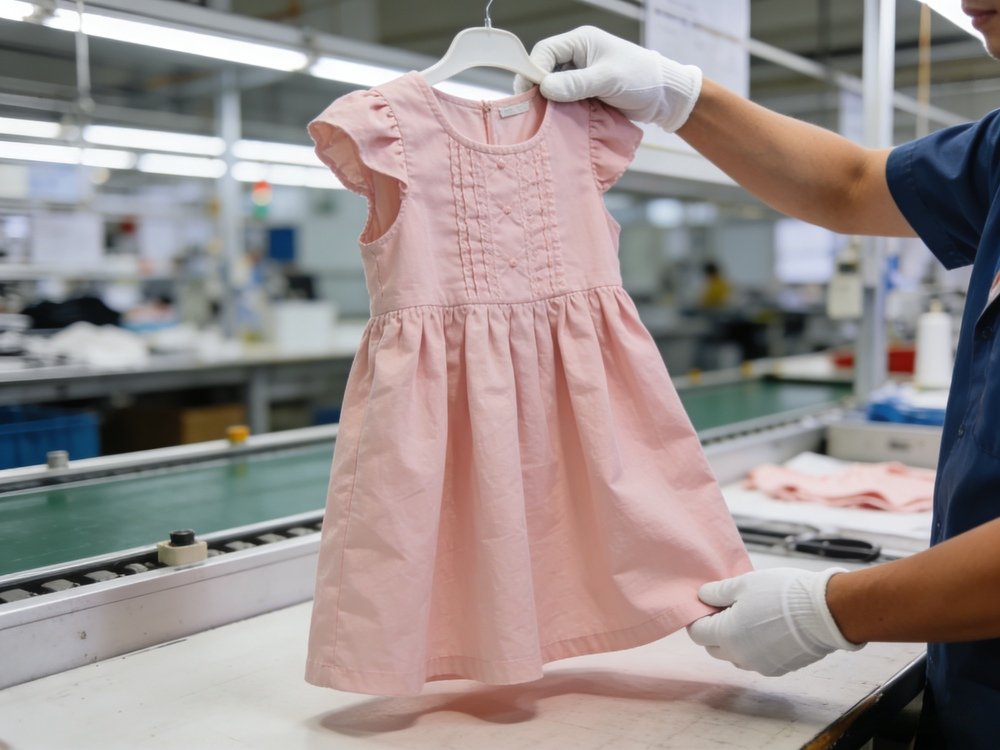
One-Stop Production Support: We specialize in children’s apparel, offering end-to-end services from fabric sourcing to production and final packaging, covering dresses, sets, jackets, hoodies, pants, and more.
Robust Supply Chain: Leveraging an extensive network of suppliers in China and worldwide, we source certified fabrics and accessories efficiently, ensuring quality and reliability.
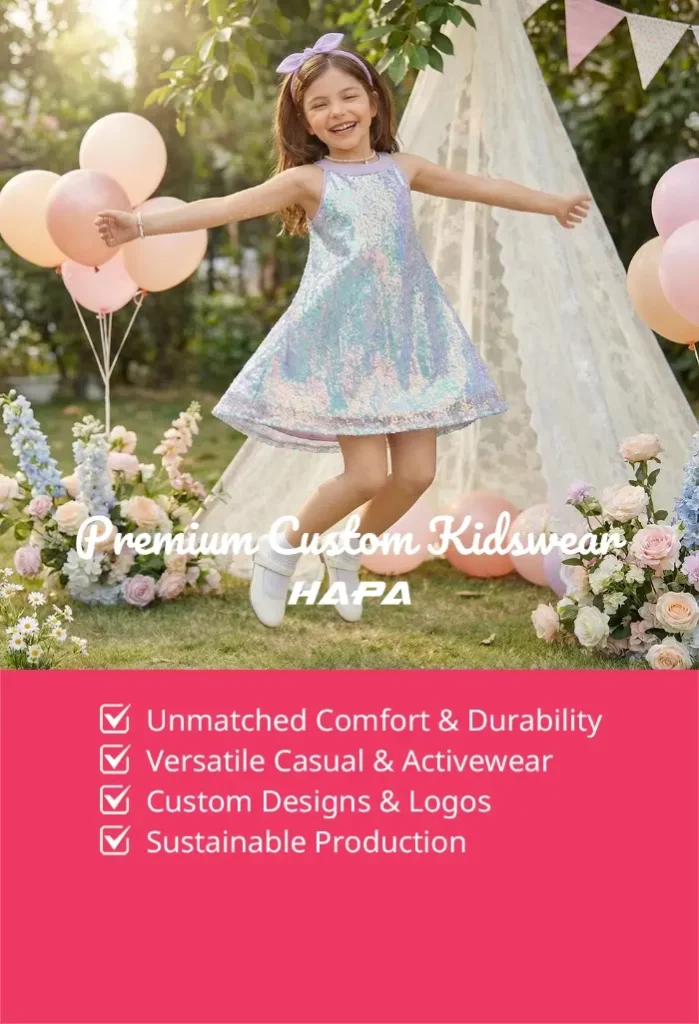
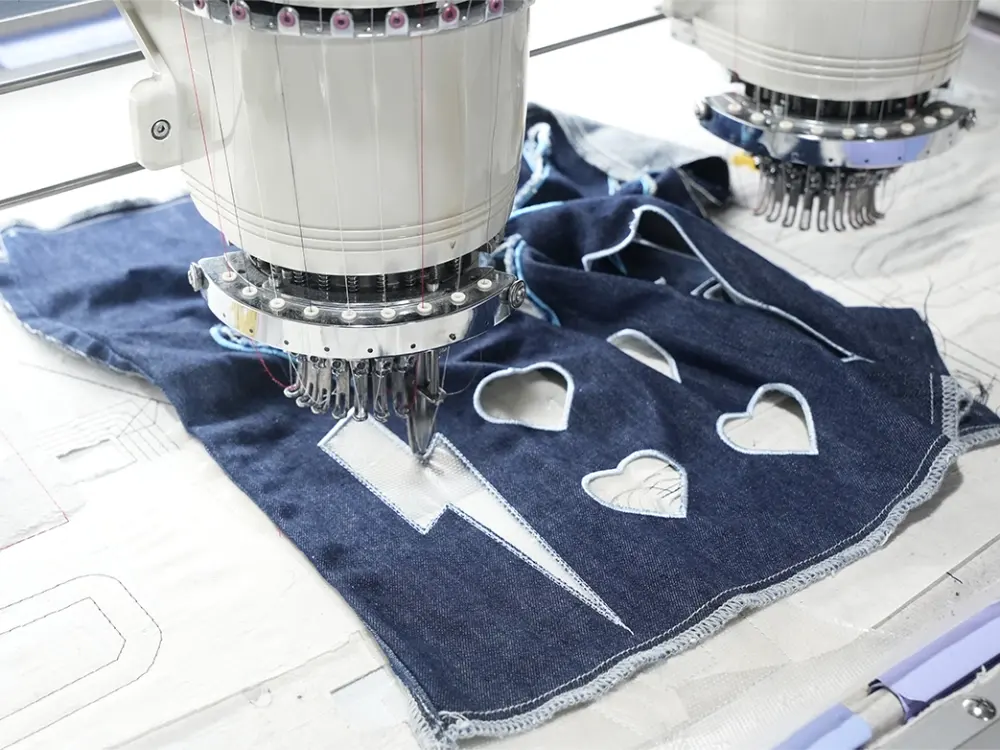
Customization Options: We provide a wide range of customization services, with signature techniques such as sequins, beadwork, and tie-dye, helping you create distinctive and fashionable children’s clothing.
Ethical and Sustainable Production: Our factories hold certifications including ISO, CPC, ISO 9001, and BSCI, guaranteeing ethical production practices and adherence to high-quality standards.
Conclusion
OEM is an efficient collaboration model. If you have creative designs but lack a production line, a suitable OEM factory can be your ideal partner, turning your sketches into finished products.
If you are looking for a reliable OEM Kidswear Manufacturer, you can reach out to HAPA. We are ready to provide tailored OEM/ODM solutions to bring your brand vision to life.
FAQ
What is your Minimum Order Quantity (MOQ) for OEM kidswear?
MOQ stands for Minimum Order Quantity. Most factories require between 100 and 500 pieces per style. This volume covers the cost of setting up the production line. However, HAPA offers flexible MOQs to support startups and small businesses.
How to find OEM kidswear manufacturer?
You can search on verified B2B platforms like Alibaba or Global Sources. Attending industry events like the Canton Fair is also effective. You can also use Google to search for specific keywords like “children’s clothing manufacturer China.” Always look for factories with clear contact information and export experience.
Is OEM the same as original?
No, but they are related. OEM stands for “Original Equipment Manufacturer.” It means a factory produces goods based on your original design specifications. The factory does not own the brand; you do. It is the standard way legitimate brands create their unique products.
How to find a reliable OEM manufacturer?
Start by verifying their business license and safety certifications (like CPSIA). Ask for a physical sample to inspect the stitching and fabric quality. A reliable manufacturer will have transparent pricing and clear communication. Partners like HAPA prioritize quality control and timely delivery.