You’ve poured endless time and effort into building and operating your online children’s apparel store. You’ve hit solid sales milestones, yet your return rate stays stubbornly high — a persistent drain putting immense pressure on your bottom line and overall business health. If your primary goal right now is to minimize returns for your online children’s clothing store, you are certainly not alone.
This challenge isn’t unique to children’s wear. Market research consistently confirms that apparel holds the highest return rates of any retail category worldwide. Every returned order hits your business with steep, avoidable costs: round-trip shipping fees, the labor burden of repackaging and restocking, and the mounting risk of stagnant, devalued inventory that ties up your working capital.
As a professional children’s apparel manufacturer, we’ve partnered with hundreds of online children’s wear retailers. Nearly all of them have grappled with the crippling impact of excessive return rates. Many of these clients have tested, iterated, and perfected targeted ecommerce clothing return solutions to drive down returns and have shared their proven, field-tested insights with us.
In this guide, we’re breaking down these actionable, results-focused strategies. They’re designed to help you drastically minimize children’s clothing returns, safeguard your profit margins, and build a more sustainable, profitable business for the long term.

4 Causes of High Online Children’s Apparel Return Rates
The persistently high return rate for online children’s clothing is a widespread pain point in the global kids’ apparel e-commerce sector. It stems from the overlap of unique children’s consumption characteristics, inherent limitations of online shopping, and product quality control issues. Only by clarifying the core causes first can brands implement targeted solutions to reduce kidswear return rate and protect brand reputation at the source.
1. Inconsistent Sizing & Fit
This is the single biggest driver of returns for online children’s apparel. Unlike in-store shopping, there is no in-person fitting experience online, so consumers can only make purchases based on size charts. However, sizing standards and fit designs for children’s clothing vary drastically between brands and countries, which frequently leads to sizing misjudgments and direct returns. Compounding this issue, children are in a period of rapid growth and development. Parents often have outdated memories of their child’s size, and the size that fit perfectly in the past may no longer be suitable when the garment arrives, further increasing sizing-related returns.
2. Underwhelming Fabric & Hand Feel
When parents shop for children’s clothing, the core decision-making factors are skin-friendliness, softness, and comfort. The inherent limitation of online shopping is that consumers cannot physically feel the texture, weight, and stretch of the fabric.Even if the product has no compliance or functional quality defects, if consumers receive the garment and find the fabric stiff, itchy, or far less breathable and soft than expected, they will not hesitate to return it.
3. Poor Quality & Durability
Children’s apparel has extremely high durability requirements due to its use case: kids are highly active, leading to faster wear and tear, and garments require frequent washing. This places strict demands on the durability of stitching, hardware, and fabrics.If a brand-new garment suffers from seam splitting, button detachment, zipper jamming, print peeling, or severe fabric shrinkage after just one wash, parents will not only initiate a return immediately, but also leave negative reviews, causing long-term reputational damage to the brand.
4. Color Discrepancy From Listing Images
Visual presentation is the core decision-making driver for online purchases, and many parents place an order solely because they are drawn to the color and design in the product images. If there is a significant color discrepancy when the product arrives — for example, the soft light pink they loved becomes a dated, dark pink in person — this huge gap between visual expectation and reality directly translates into a return.
Key Risks of High Return Rates
When looking at data for online kids clothing store returns, the industry standard return rate sits between 20% and 30%. Exceeding this range brings four critical, business-impacting risks:
- Eroded Profit Margins: The hidden costs of returns (two-way shipping, platform fees, customer acquisition costs) are substantial — a single return can wipe out the profit from multiple completed orders.
- Operational Strain: Reverse logistics is far more labor-intensive than standard order fulfillment. Inspection, repacking and restocking tie up significant warehouse and team resources, creating major operational bottlenecks.
- Inventory Depreciation: Children’s apparel is highly seasonal. Returned items often miss their peak sales window, forcing steep discounting or total write-offs, and creating costly dead stock.
- Damaged Brand Equity: Returns drive up packaging waste and carbon emissions, harming your sustainability credentials. Product-related returns also lead to negative reviews, reducing conversions and eroding long-term brand trust.
How to Minimize Returns at an Online Children’s Clothing Store
Now that we’ve identified the core drivers of high return rates in children’s apparel e-commerce, implementing these targeted, actionable strategies can significantly minimize children’s clothing returns at the source.
1. Precise Multi-Dimensional Sizing Charts
Incorrect sizing is the number one cause of returns for children’s clothing. Relying solely on vague age-based labels like “3T” or “5-6 Years” is extremely risky, as body proportions vary drastically among children of the same age.
- Replace vague age-only labelling with a dual measurement standard: Your size chart must include reference ranges for both height (cm/inch) and weight (kg/lbs), to accommodate diverse international markets including Australia, the US, Europe, and South America.
- Create fit guides tailored to each category: A size chart for relaxed-fit T-shirts cannot be used for form-fitting party wear. Prominently label whether the style is a Slim Fit, Relaxed Fit, or Regular Fit on the product detail page.
- Add visual measurement guides: Clearly illustrate how to measure key dimensions like chest width, body length, and sleeve length to reduce measurement errors for parents.
We’ve prepared a detailed children’s clothing size guide covering boys, girls, and infants: Children’s Clothing Size Guide.
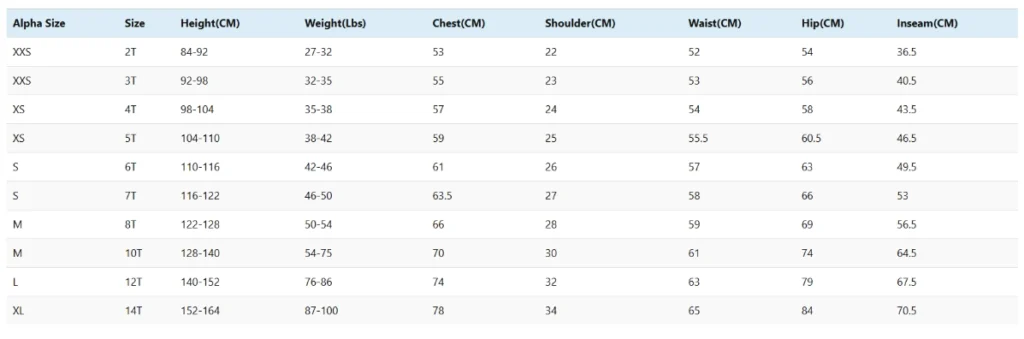
An accurate, multi-dimensional sizing system drastically improves the accuracy of parents’ size selection, reduces confusion, and directly cuts the proportion of sizing-related returns.
2. Authentic Real Child Model Displays
Relying solely on flat-lay or hanging product images not only delivers weak visual appeal, but also leads to widespread misjudgment of garment length, silhouette, and on-body fit — a frequent trigger for returns.
We recommend using real child models of different ages and body types for on-location shoots, with 360° coverage of the front, side, and back of the garment. Critically, clearly display 3 key pieces of information on the images and product page: child height, child age, and size worn in photo. Real on-body references give parents a clear benchmark for comparison, drastically reduce expectation gaps around fit and length, and help consumers make purchase decisions with greater confidence.
3.Clear & Detailed Fabric Descriptions
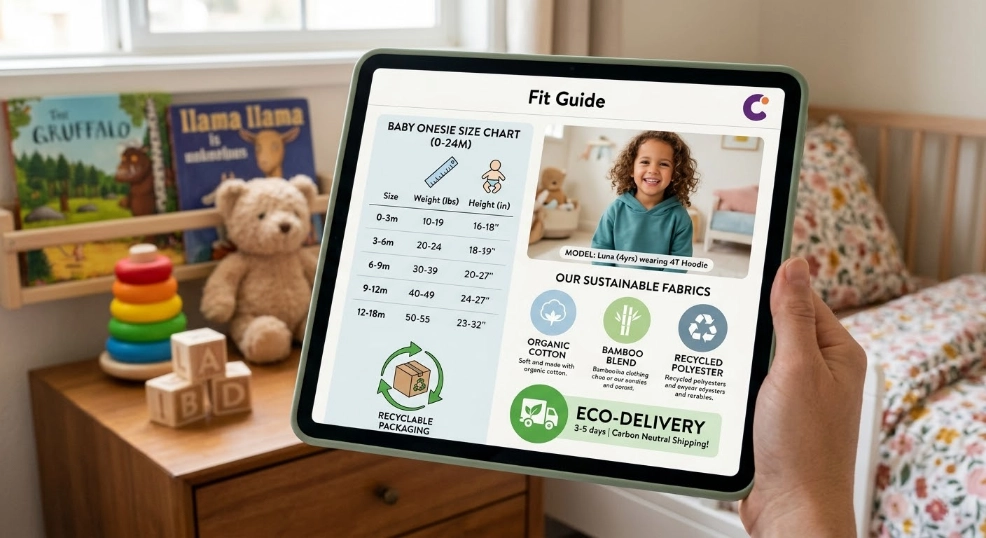
The inability to touch and feel a product in person is an inherent limitation of online shopping, and the core root cause of returns driven by unmet fabric and texture expectations. Vague descriptions like “soft fabric” can easily lead to misjudgment of fabric composition and feel — for example, a parent expecting pure cotton receiving a polyester garment, which directly results in a return.
To solve this problem, your product detail page must fully disclose all core fabric information: precise fiber composition and percentage, fabric weight (GSM), key tactile characteristics, fabric origin, and safety and sustainability certifications such as OEKO-TEX Standard 100 or GOTS. For example, instead of writing “skin-friendly fabric“, specify “200gsm GOTS-certified organic combed cotton, ultra-soft and skin-friendly, breathable and sweat-wicking, with minimal pilling and shrinkage after repeated washes”.Even without physical contact, clear, specific fabric descriptions let parents accurately judge whether the product meets their expectations, reducing fabric-related returns at the source.
4. Damage-Proof Optimized Packaging

The first touchpoint a customer has with your order is the packaging, not the garment itself. Damaged packaging during transit not only immediately lowers a customer’s brand expectations, but can also lead to moisture damage, snags, or deformation of the garment — directly triggering a return, and undoing all your prior product and operational efforts.
We recommend upgrading your shipping packaging: Use crush-resistant cartons with structural support, paired with waterproof inner bags. You can add eco-friendly desiccants and brand-customized details aligned with your positioning. Intact, premium packaging not only eliminates product damage caused by transit, but also instantly boosts the customer’s perceived value of the product, reducing impulsive returns unrelated to product quality.
5. Premium Proactive Customer Support
Attentive, timely pre and post-sales communication is a critical lever for reducing return rates. If a customer has a question about their order and receives no response for 2-3 days, they will most likely initiate a return directly. A defining trait of leading children’s apparel brands is their relentless focus on customer experience, resolving customer concerns through fast, professional responses.
- Pre-sales: Enable live chat functionality, proactively help customers select the right size, and answer questions about fabric and fit, reducing incorrect purchases at the source.
- Post-sales: Respond to customer inquiries and complaints immediately. For return requests unrelated to quality issues, reduce return rates by offering alternatives like exchanges or small store credit. Proactively address negative reviews to avoid brand damage from widespread poor feedback.
6. Showcase Customer Reviews and Real-World Photos
Proactively encourage customers to share their children’s real on-body experiences and unfiltered photos. This builds realistic expectations and trust for new shoppers, and authentic peer content resonates far more than retouched studio shots, directly cutting returns from expectation gaps.
Embrace negative reviews with an open mindset. Critical feedback offers valuable opportunities to optimize your products and services, while transparent, responsive handling helps future buyers make informed decisions, further reducing unnecessary downstream returns.
7. Optimize your ecommerce returns policy
A clear, transparent returns policy is critical to cutting after-sales disputes and curbing casual/fraudulent returns, especially in mature markets like Australia. Clearly define 3 unambiguous core terms: standard return window (e.g. 30 days post-delivery for Australia), eligible product conditions, and scenario-based return shipping liability.
Prominently display these terms on high-traffic pre-purchase pages (product detail page, checkout, help center) to set rational expectations, guide responsible buying decisions, and reduce unnecessary returns and costs at the source.
8. Set accurate shipping expectations
Logistics experience directly drives customer satisfaction, especially for time-sensitive children’s apparel (party dresses, holiday editions, back-to-school items), where shipping delays almost always trigger returns. Avoid overpromising delivery times for conversions; set conservative timelines and prioritize early delivery.
Display region-specific estimated delivery dates (not vague timeframes) prominently on product pages, and proactively share full logistics journey updates with customers. Full transparency and traceability drastically reduce returns from unmet delivery expectations.
Source Quality Control: Fix High Return Rates with Manufacturer Standardization
Front-end operational optimizations only address the symptoms of high return rates. To solve the problem at its root, brands must go deep into the supply chain, and build a standardized quality control system with premium children’s apparel manufacturers, focusing on these two critical pillars:
Strictly Control Production Line Size Tolerance to Eliminate Sizing-Related Returns
Size tolerance is the number one cause of sizing returns, and the most common pitfall for brands.
- Avoid the disconnect between front-end size charts and bulk production: Even with a hyper-precise size chart on your website, a factory with loose ±3cm+ tolerance will cause severe size mismatches and unnecessary return losses.
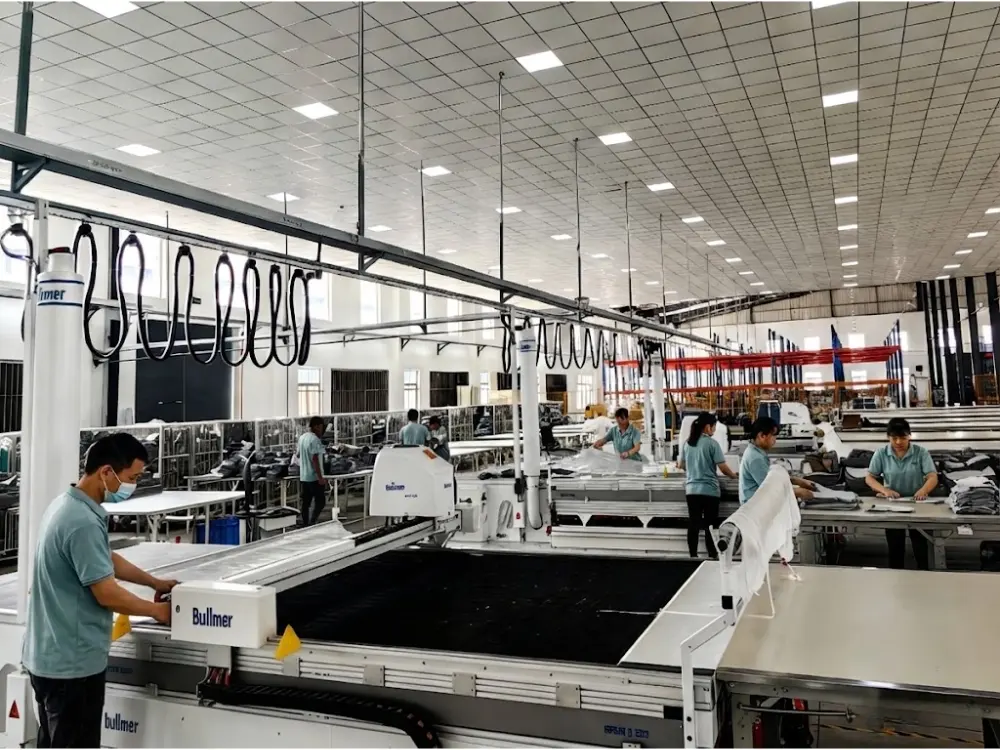
- Finalize standardized tolerance agreements: For high-standard markets like Australia, Europe and North America, lock in strict tolerance rules (within ±1cm for key measurements) with your factory, and enforce spot checks across all production nodes.
- Proactively address fabric-related sizing impacts: Professional factories pre-empt fabric shrinkage and stretch properties, with pre-shrinking treatment and pattern optimization during the development stage, ensuring finished garments match your advertised sizing perfectly.
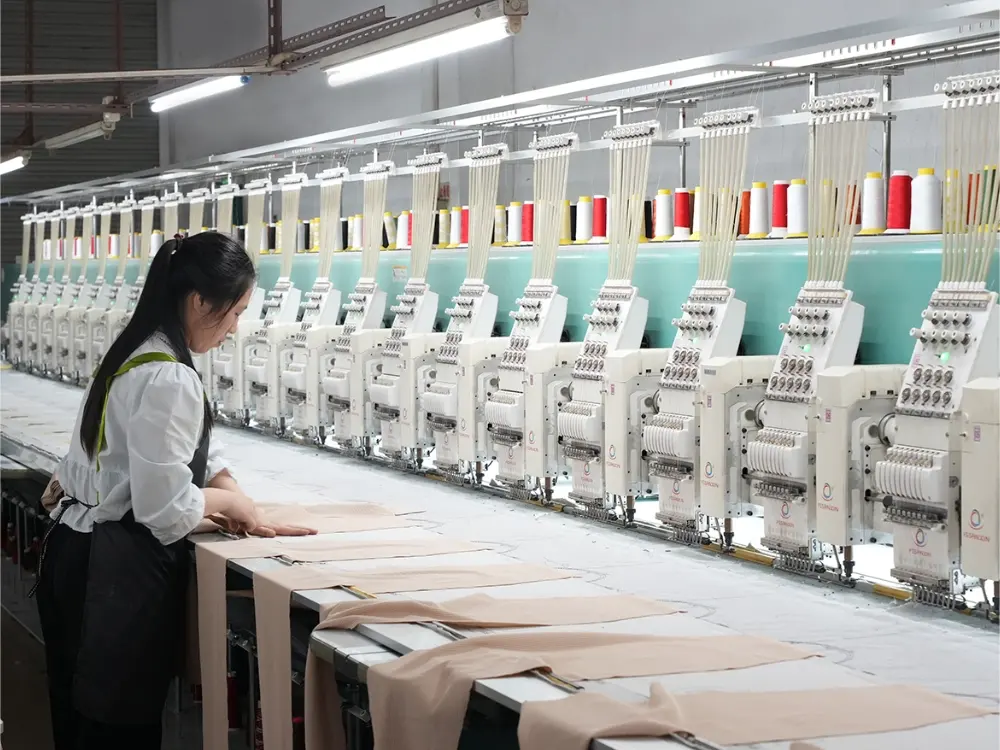
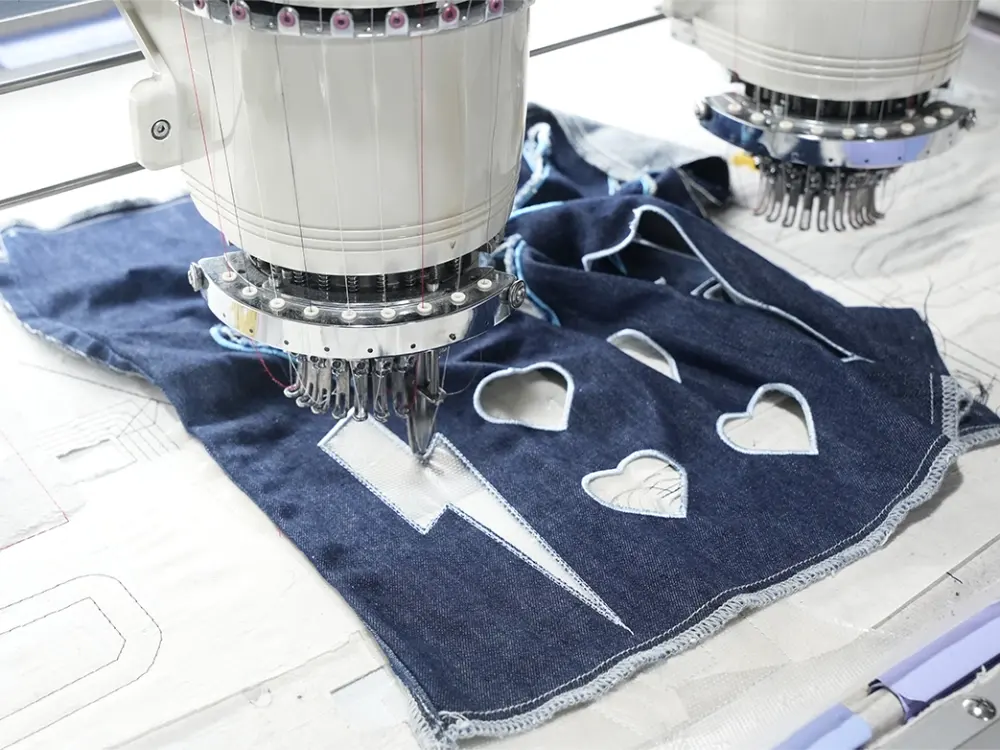
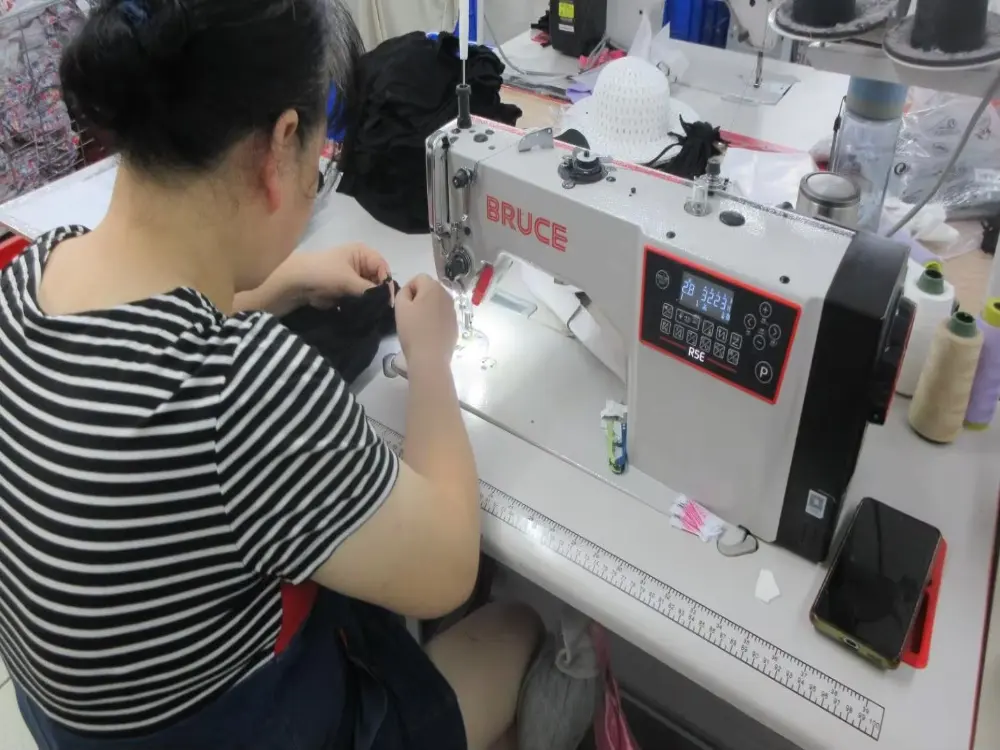
Upgrade Cut-and-Sew Craftsmanship to Eradicate Quality Defect Returns
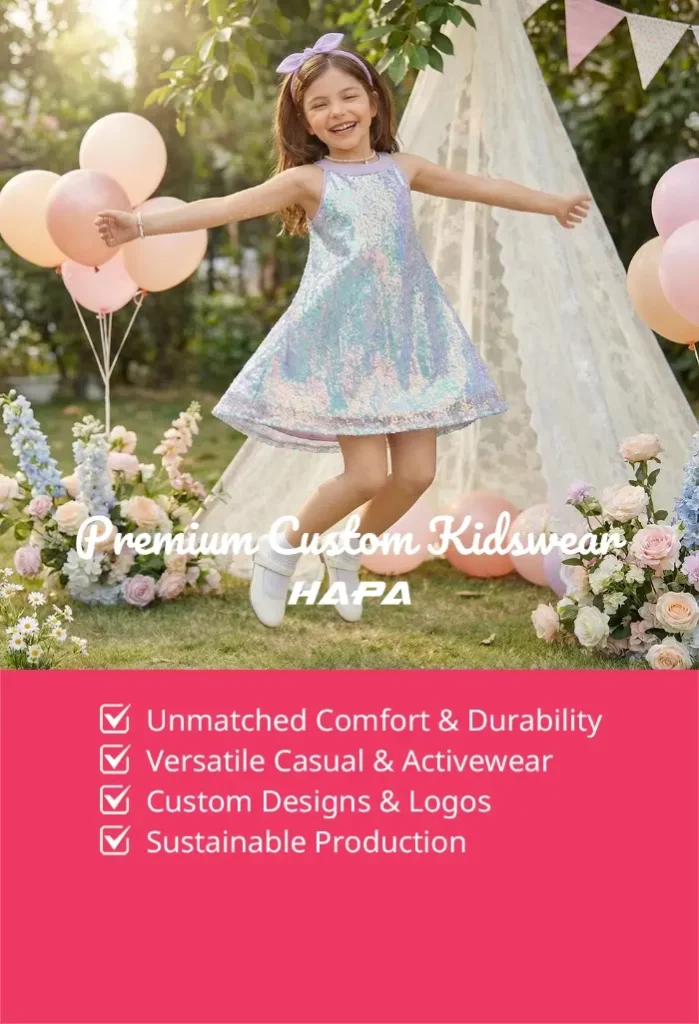
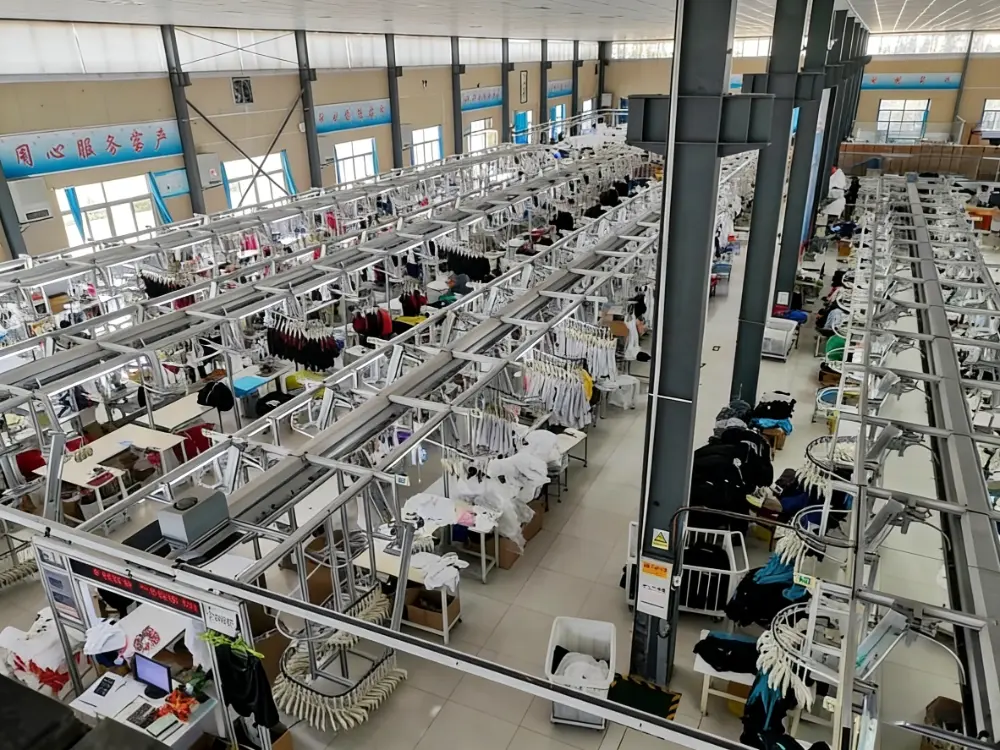
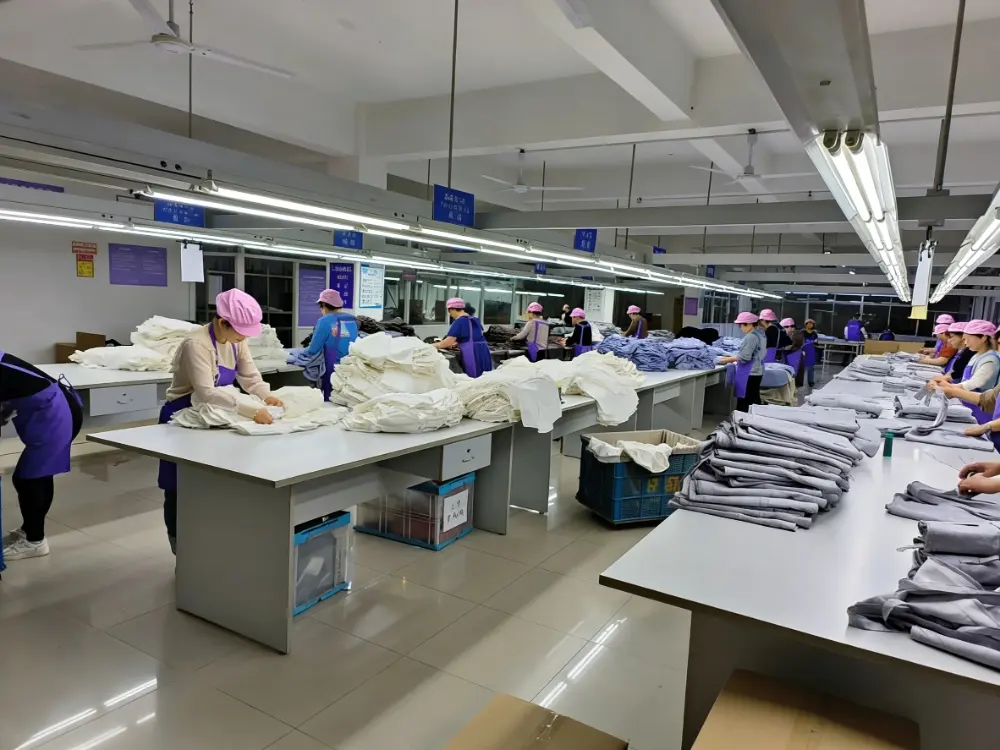
Quality defects ruin brand reputation. Premium factories use high-density overlock stitching to eliminate scratchy raw edges. For complex, high-premium pieces, partnering with a specialized sequin kids dress manufacturer ensures complex designs are accurately executed without distorted fits or falling embellishments. Mastering cut and sew children’s clothing craftsmanship is your ultimate safety net against quality-related returns.
Why Choose HAPA as Your Kids’ Apparel Manufacturing Partner?
Tweaking return policies or size charts won’t fix your high return rates — it only treats symptoms, not the root cause. With 16 years of specialized experience as a children’s clothing OEM manufacturer, HAPA delivers end-to-end custom production solutions for global kids’ wear brands, eliminating return drivers at the manufacturing source to protect your profits and reputation.
Precision Size Control, Zero Sizing Returns
We know better than anyone that incorrect sizing is the number one cause of returns for online children’s apparel. Even a few centimeters of production error translates to exorbitant return costs, reputational damage, and lost profits for e-commerce brands.
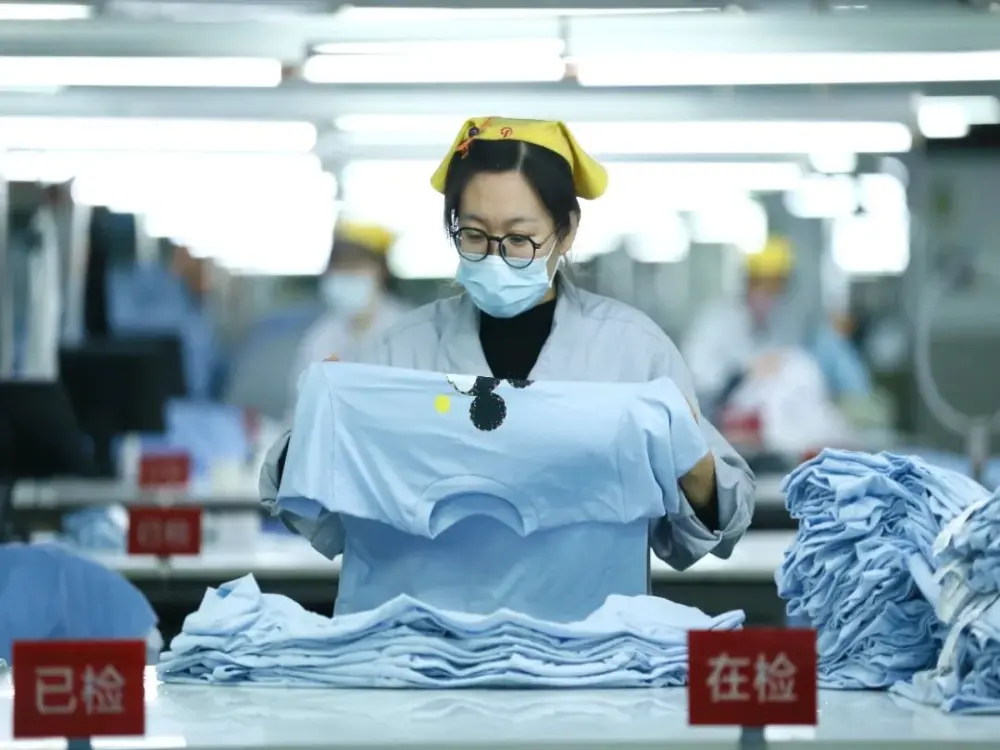
We enforce industry-leading ±1cm tolerance standards across the entire production process, ensuring 100% alignment between your size chart and bulk products. We eliminate sizing-related returns entirely before products leave the factory.
Expert Craftsmanship For High-Margin Lines
High-value party dresses and holiday editions are profit drivers, but scratchy fabrics, poor workmanship and distorted silhouettes make them return hotspots. HAPA’s premium cut-and-sew expertise solves complex production challenges: we use skin-friendly linings and seamless overlocking to eliminate fabric irritation, making your high-margin pieces comfortable and return-proof.
Global Delivery Quality, No Logistics-Related Returns
Our quality control covers the entire cross-border journey. We provide sea/air freight-compliant custom protective packaging, which is crush-resistant, moisture-proof and anti-snag. This ensures your products reach global customers in perfect, factory-fresh condition, eliminating last-mile non-quality returns.
HAPA builds your production-side quality moat to slash return rates, so you can focus on design and growth — no more stress from production failures and crippling return costs.
Conclusion
Stop letting high return rates erode your hard-earned profits. Learning how to minimize returns at an online children’s clothing store requires end-to-end optimization, from front-end presentation to back-end production, packaging, and shipping.
Whether you’re a startup launching an online children’s apparel store, or an established brand looking to switch to a reliable kidswear ODM supplier, contact HAPA’s experienced experts today. We’ll deliver an in-depth craftsmanship assessment and free production quote to help you build a high-margin, low-complaint collection.
FAQs About Reducing Returns Clothing Store
What is the average return rate for an online clothing store, and why is it so high?
The average return rate for online apparel is notoriously high, typically ranging from 25% to 40%. This is primarily driven by sizing inconsistencies and “bracketing” (buying multiple sizes to try on at home and returning the rest).
How can I improve my sizing information to reduce fit-related returns?
Ditch generic “S/M/L” charts. Provide exact garment measurements alongside the height and wearing size of the model in your photos. Encourage reviews detailing the buyer’s height and weight for real-world context.
Should I make my return policy stricter to discourage people from sending items back?
Making your policy too strict will likely cost you sales. Offer easy, self-service returns but consider implementing a small return shipping or restocking fee to gently discourage frivolous “bracketing” while keeping genuine buyers happy.
Do better product photos actually decrease return rates?
Absolutely. By providing high-resolution images from multiple angles, close-ups of the fabric texture, and short video clips, you set accurate expectations and drastically reduce the chance of buyer disappointment.