Launching a new children’s clothing brand is both exciting and challenging. Without a professional manufacturing partner, even the best brand concepts can be difficult to bring to life. For startups, choosing the right high-quality private-label kids clothing manufacturer is essential to making a rapid leap from zero to one.
If you’re planning to launch your own clothing brand, there’s no need to worry — we’ve put together this comprehensive guide to help you efficiently find a reliable children’s apparel manufacturer.
Challenges faced by kids clothing startups
Unstable Supply Chain
Startup kid’s clothing brands typically place smaller orders, making it difficult for them to gain priority with suppliers. As a result, they are more vulnerable to changes in raw material prices, delivery schedules, and other variables that can disrupt product launch timelines.
In addition, limited supply chain management experience can lead to quality issues, increased costs, and ultimately damage the brand’s reputation.
High Financial Pressure
The apparel industry requires significant upfront investment, while early-stage brands typically have unstable sales and cash flow. Startups must cover various expenses in advance, creating pressure on working capital. Inventory buildup can further strain cash flow, and additional spending on brand promotion only increases the financial burden, slowing brand growth.
Limited Design Capabilities
Startup children’s clothing brands often have limited design resources, which can result in product homogenization and a lack of distinctive style, reducing their competitiveness in the market.
A shortage of design capabilities can also lengthen development cycles and raise costs, making it difficult to balance creativity with commercial viability, ultimately hindering the brand’s long-term growth.
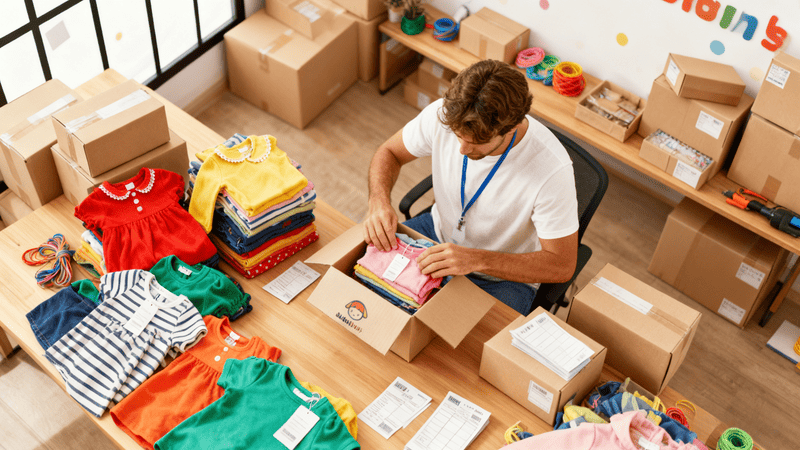
Best kids Clothing Manufacturers for Startups
HAPA
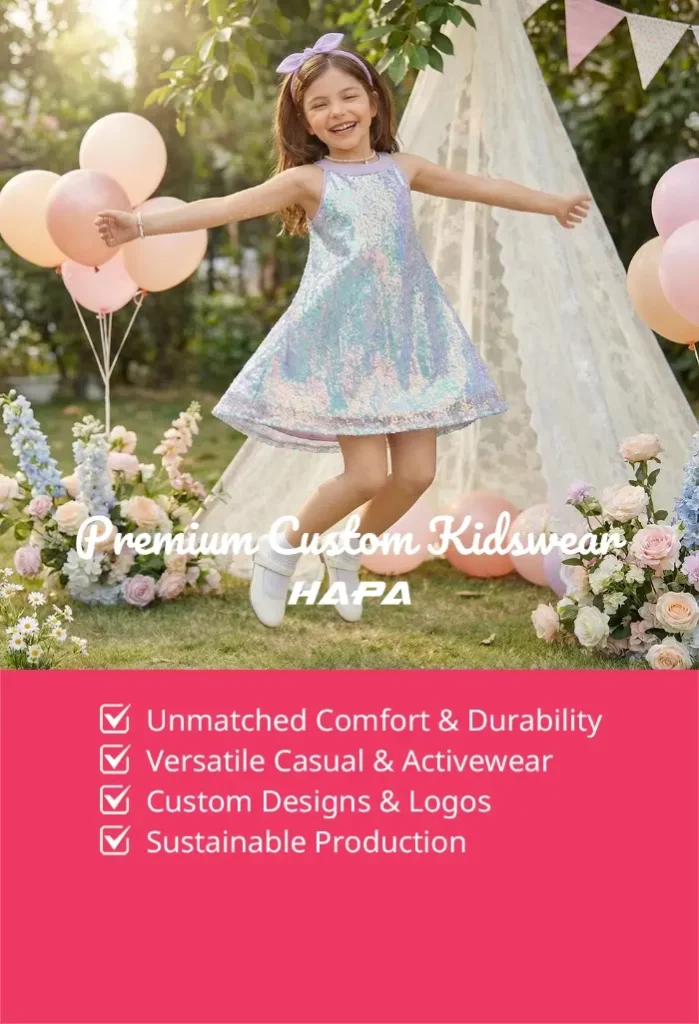
HAPA is a leading kids clothing manufacturer in China, exporting high-quality apparel to North America, Europe, South America, and the Middle East.
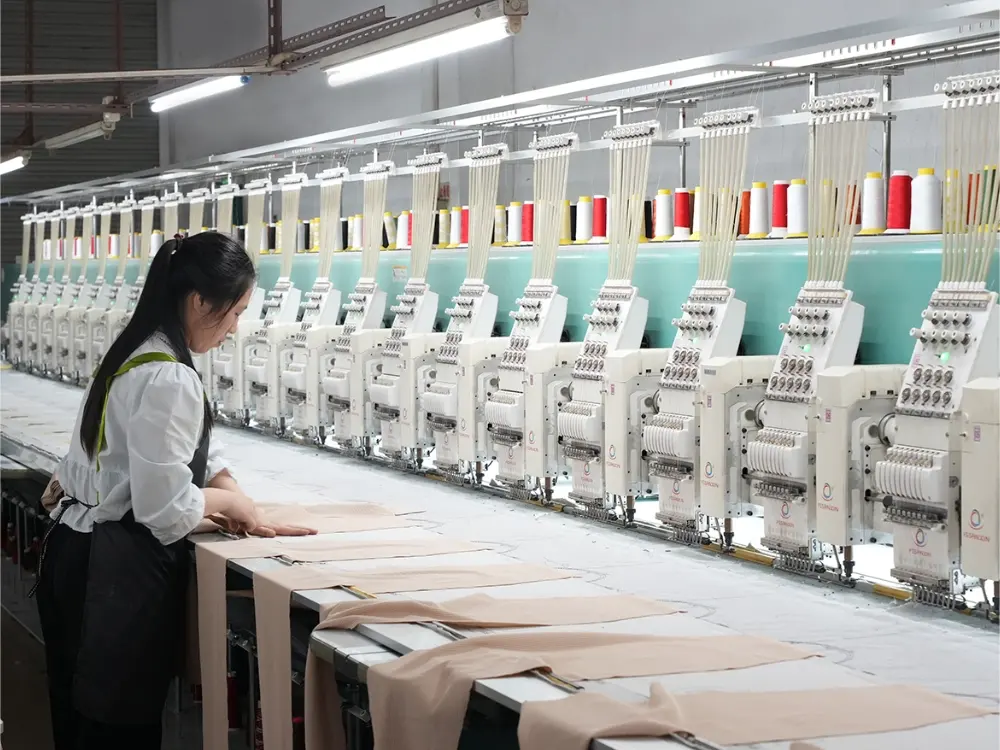
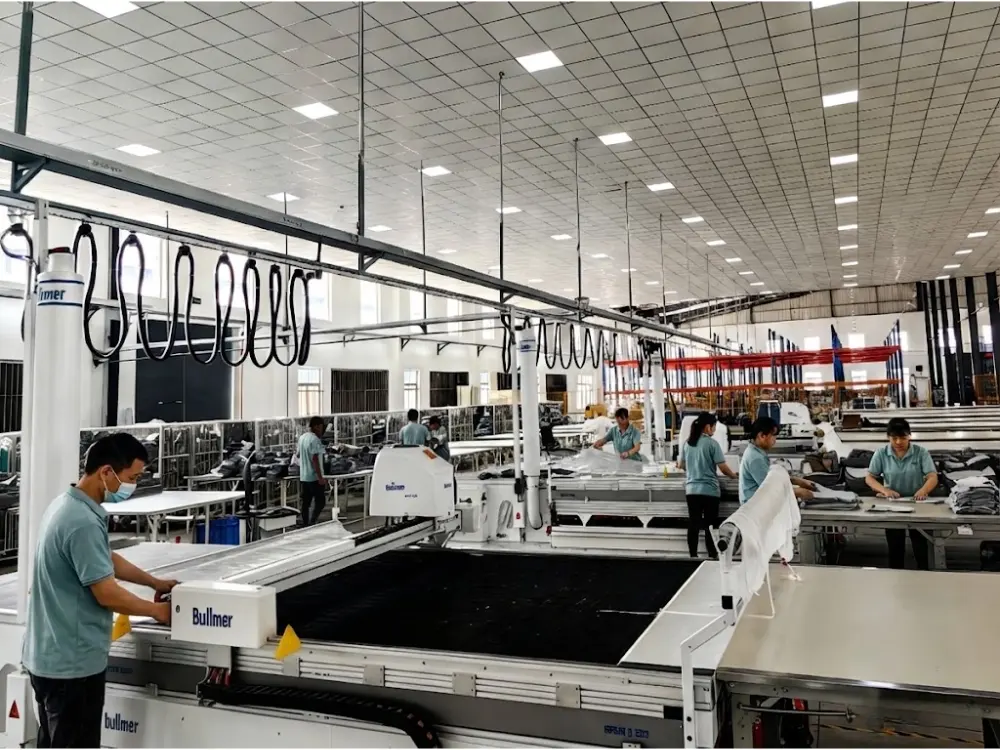
Specializing in kidswear, HAPA has a monthly production capacity of 300,000 pieces and is widely recognized as one of China’s top children’s clothing manufacturers.
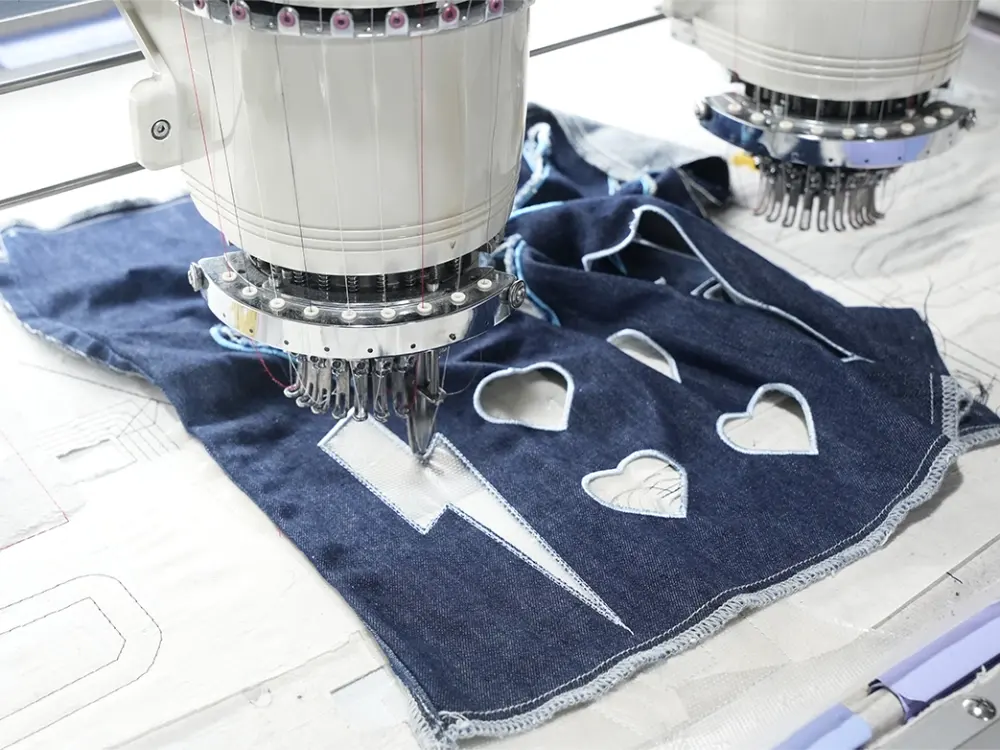
HAPA offers one-stop OEM/ODM services tailored for startup brands. Our team works closely with you throughout the entire process—from design support and sample production to mass manufacturing and fast delivery—ensuring flawless product delivery every time. Whether this is your first time customizing products or you are an experienced brand owner, we provide full support every step of the way.
Advantages
Low Minimum Order Quantity (MOQ): Suitable for children’s clothing startups
Sustainability: Uses high-quality, eco-friendly fabrics.
One-Stop Service: Offers end-to-end support from design to production, saving you time and effort.
Appareify
Appareify is a leading full-service clothing manufacturer in China, offering casual wear, denim, activewear, loungewear, underwear/swimwear, children’s clothing, and uniforms. It also supports small-batch production, ideal for emerging brands or market testing.
The company emphasizes sustainability, using biodegradable and recyclable fabrics and packaging, energy-efficient equipment, eco-friendly dyes, and low-impact processes, while minimizing carbon emissions, pollution, and ensuring ethical labor practices.
Hongyu Apparel
Based in China, Hongyu Apparel is a custom clothing manufacturer and supplier that provides end-to-end services, from design to finished garments.
For entrepreneurs, small brands, or medium-sized companies aiming to build their own clothing line, especially those needing low minimum order quantities and a one-stop solution from design to export, Hongyu Apparel is an excellent choice.
Why Choose Chinese Clothing Manufacturers?
These kids clothing manufacturers are based in China, offering startups cost-effective, scalable production and seamless supply chains for faster, more efficient delivery.
Cost-Effectiveness
China’s vast apparel industry and mature manufacturing system keep raw material, labor, and processing costs low. Startups can maintain high product quality while reducing production expenses, freeing up budget for design, marketing, and brand building.
Complete Supply Chain
China offers a full apparel supply chain, from fabric and accessory sourcing to manufacturing and logistics. Startups benefit from one-stop production, streamlined processes, and industrial clusters that ensure efficiency and faster problem-solving.
Flexibility and Speed
Chinese manufacturers excel in production flexibility, small-batch orders, and rapid response to changes. This allows startups to minimize inventory risks, quickly test new designs, and shorten the cycle from concept to finished product.
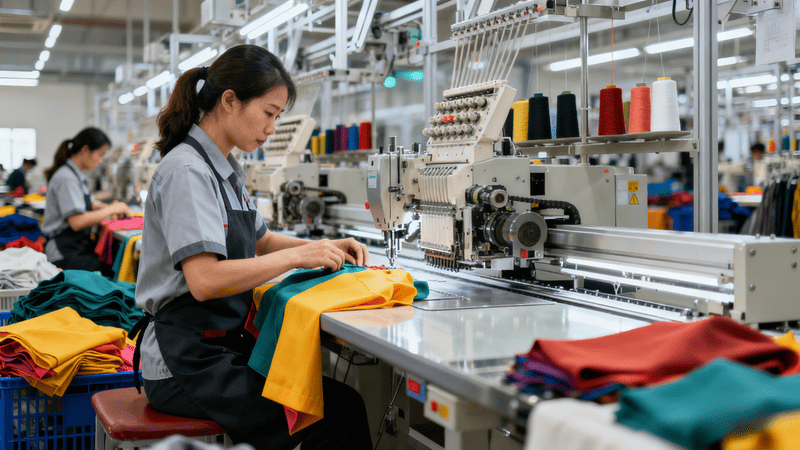
Guide to Preferred Types of Manufacturers for Startups
Support for Small-Batch Production
For startup children’s wear brands, the minimum order quantity (MOQ) is the primary threshold determining whether a project can be launched.
Flexibility for Startups
Choose manufacturers that accept low MOQs and support small-batch, multiple-run production. This greatly reduces early-stage financial pressure and inventory risks. Such flexibility allows you to quickly adjust order quantities and styles based on market feedback.
Low-Risk Market Testing
Small-batch production enables brands to test new designs in the market at a lower cost, avoiding excessive inventory and wasted capital. This approach offers startups the ideal low-risk strategy to explore market demand.
International Safety Certifications and Quality Control
Children’s clothing requires high standards for safety and quality. A manufacturer’s quality management system directly affects brand reputation and consumer trust.
Common Safety Standards (e.g., CPSIA, OEKO-TEX)
Prioritize factories with internationally recognized safety certifications. For example, the CPSIA (Consumer Product Safety Improvement Act) for the U.S. market and OEKO-TEX Standard 100 certification for textiles ensure garments are free from harmful substances and safe for children’s skin.
Quality Inspection Processes
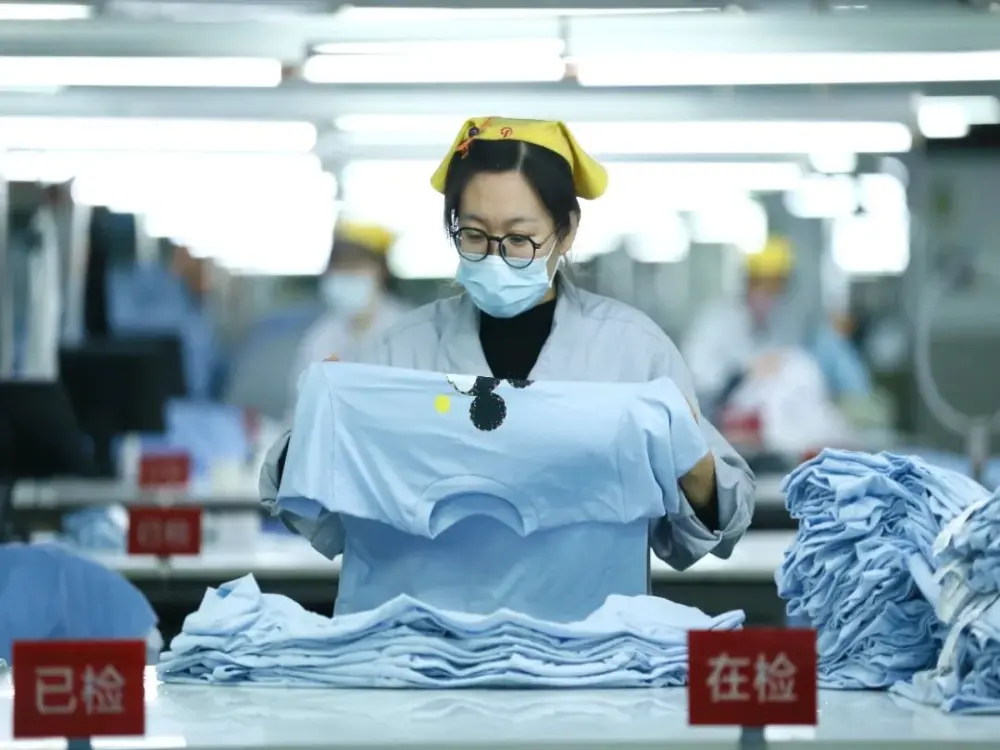
A professional manufacturer should implement comprehensive quality control procedures, including:
Pull tests on small parts (buttons, zippers) to prevent detachment.
Needle detection to ensure no broken metal fragments remain in the garment.
Rub and wash fastness testing to maintain color durability and prevent color transfer during everyday use.
Design Support (ODM / OEM)
Not all startup brands have a complete in-house design team, making manufacturer-provided design support highly valuable.
Apparel Design Consultation
Experienced manufacturers offer ODM or OEM services. ODM provides existing designs that can be customized, while OEM turns your design concepts into finished products.
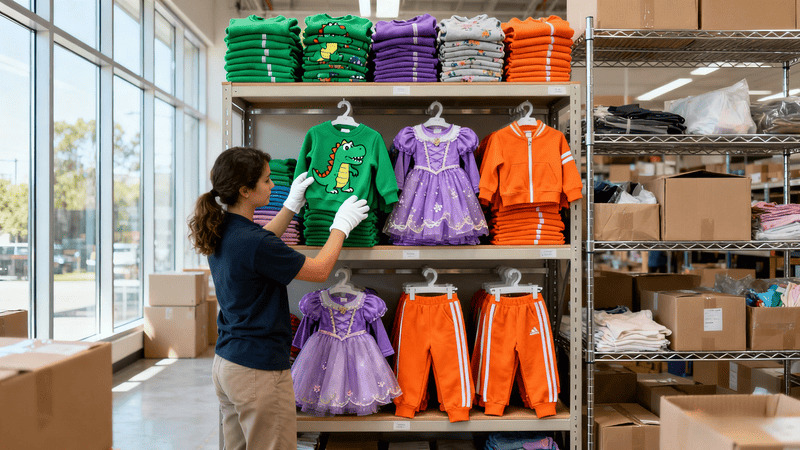
Pattern Libraries and Trend Resources
Manufacturers often maintain extensive pattern libraries, shortening sample development time and reducing costs. With years of industry experience, they can also provide the latest trend insights and fabric information, ensuring your products stay on-trend.
Full-Service Support for Startups
For inexperienced entrepreneurs, a manufacturer that offers end-to-end services—from design, sampling, and fabric sourcing to production, quality inspection, and packaging/logistics—allows you to focus on brand building and marketing. This makes such manufacturers ideal partners for first-time startup founders.
The Process of Collaborating with Children’s Clothing Manufacturers
Step 1. Requirements Discussion & Quotation
At the beginning of the partnership, the startup should clearly communicate all product requirements to the manufacturer—this includes design drafts, fabric preferences, size ranges, estimated quantities, and other details. The manufacturer will then evaluate the cost and provide a detailed quotation.
The goal of this stage is to ensure both parties fully understand the product specifications, production timeline, and estimated costs, laying a solid foundation for the collaboration.
Step 2. Sample Development & Approval
Based on the design and requirements, the manufacturer will produce a sample. The brand can then review the sample’s texture, fit, style, and workmanship.
This stage may involve several rounds of adjustments to ensure that the fabric quality, colors, patterns, and details align with the brand’s expectations. Once the sample is confirmed, both parties are aligned and ready to proceed to mass production.
Step 3. Contract Signing & Quality Standards Confirmation
After the sample is approved, a formal contract is signed. This document specifies production quantities, delivery dates, payment terms, and liability for delays or issues.
At the same time, both parties must finalize clear quality standards, including fabric testing requirements, sewing specifications, and size tolerances. These standards guide the production process and ensure product consistency and quality.
Step 4. Production Monitoring
Once mass production begins, the brand should maintain regular communication with the manufacturer to monitor progress and address any potential issues promptly.
If possible, brands can also conduct on-site or video inspections to ensure that the production process follows the agreed-upon quality standards.
Step 5. Inspection & Shipment
After production is completed, the manufacturer will perform an initial quality check. The brand should then carry out a thorough final inspection to confirm that all products meet the required standards and quantities.
Once the inspection is approved, the items can be packaged and shipped, ensuring smooth delivery to the brand or designated sales channels.
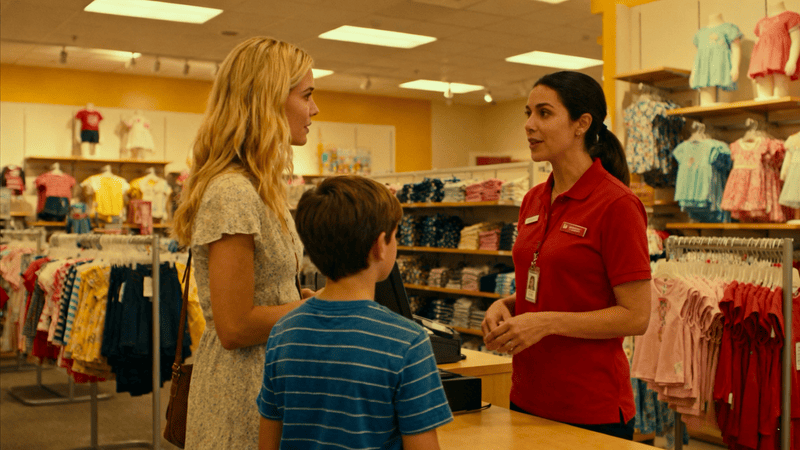
Considerations When Choosing a Manufacturing Partner
For a startup kids clothing brand, selecting the right manufacturer is crucial for brand success and product quality. Before partnering, carefully evaluate these key aspects:
Minimum Order Quantity (MOQ)
MOQs can be a major constraint for startups. Manufacturers set MOQs based on cost efficiency and production processes. Assess your financial and inventory capacity, and discuss flexibility options such as staggered orders, small-batch production, or fabric consolidation.
Extremely low MOQs may increase unit costs, so balance order size with efficiency.
Sampling and Pattern-Making
Children’s clothing has unique requirements for fit, safety, and construction. A manufacturer’s pattern-making expertise directly impacts sample accuracy and mass production quality. Review their portfolio and consider creating 1–2 samples to evaluate craftsmanship, attention to detail, and communication.
Professional Guidance
High-quality manufacturers can act as consultants, advising on fabric choice, production techniques, cost control, and industry standards (e.g., safety regulations, eco-certifications). Leveraging their expertise can reduce errors, improve compliance, and speed up market readiness.
Customer Feedback
Check past clients and case studies, especially other startups or similar brands. Key indicators include:
- On-time delivery
- Consistent product quality
- Responsiveness to issues
- Willingness for long-term collaboration
This helps gauge a manufacturer’s reliability and suitability for your brand’s specific needs.
Future Directions for Children’s Clothing
As an emerging kidswear startup, you are entering a promising market full of opportunities, but staying agile and attentive to trends is essential.
Sustainable Kidswear
In today’s eco-conscious world, sustainability is no longer just a selling point—it’s a standard. Startup brands should prioritize environmentally friendly fabrics, such as organic cotton and bamboo fiber, and incorporate durability and recyclability into design.
Examples include:
Adjustable sizing (e.g., foldable sleeves, extendable waistbands) to extend garment lifespan.
Offering old-clothing recycling or upcycling programs.
Transparent supply chains and responsible sourcing to build trust and loyalty among environmentally conscious parents who value quality and sustainability.
Functional Upgrades
Modern parents increasingly demand more than basic warmth and aesthetics; functionality across various life scenarios is key. Brands can leverage advanced materials and customization to offer “functional modules” rather than just simple embellishments like embroidery.
Examples include:
Fabrics providing sun protection, water resistance, or insect repellence for active children.
Solutions for sensitive skin, such as seamless construction and natural dyes.
Tailored options based on children’s specific lifestyle or environmental needs, transforming clothing into practical tools that address parenting pain points.
Targeted Niche Markets
Competition in the mass market is fierce. Startups can achieve faster growth by focusing on niche segments and highly specific customer needs.
Examples include:
Special occasions: children’s party dresses, performance costumes.
Cultural or thematic designs: e.g., modernized traditional attire, outdoor adventure styles.
Specific customer groups: children with allergies, plus-size children, or other unique needs.
By deeply understanding the pain points and preferences of niche audiences, brands can offer highly tailored products and services, fostering loyal, engaged communities.
conclusion
For startups, choosing a reliable children’s clothing manufacturer is crucial. Remember to conduct thorough research from multiple angles—consider factors such as garment quality, pricing, minimum order quantity, and communication—to select the right manufacturer.
If you’re looking for a high-quality manufacturer, HAPA is definitely worth considering. Partner with us to launch your brand journey and quickly build your brand!