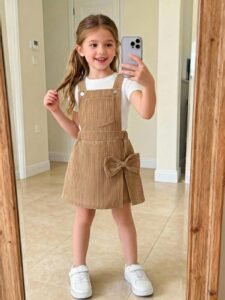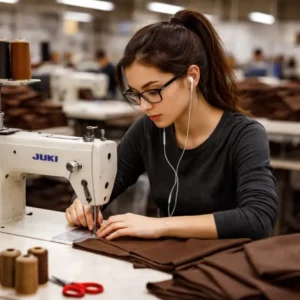
Today, parents want more than just comfort. They are looking for stylish looks and unique flair. After all, unique designs make kids stand out. They also reflect the parents’ good taste.
So, for designers, the challenge is clear: How do you create eye-catching kidswear?
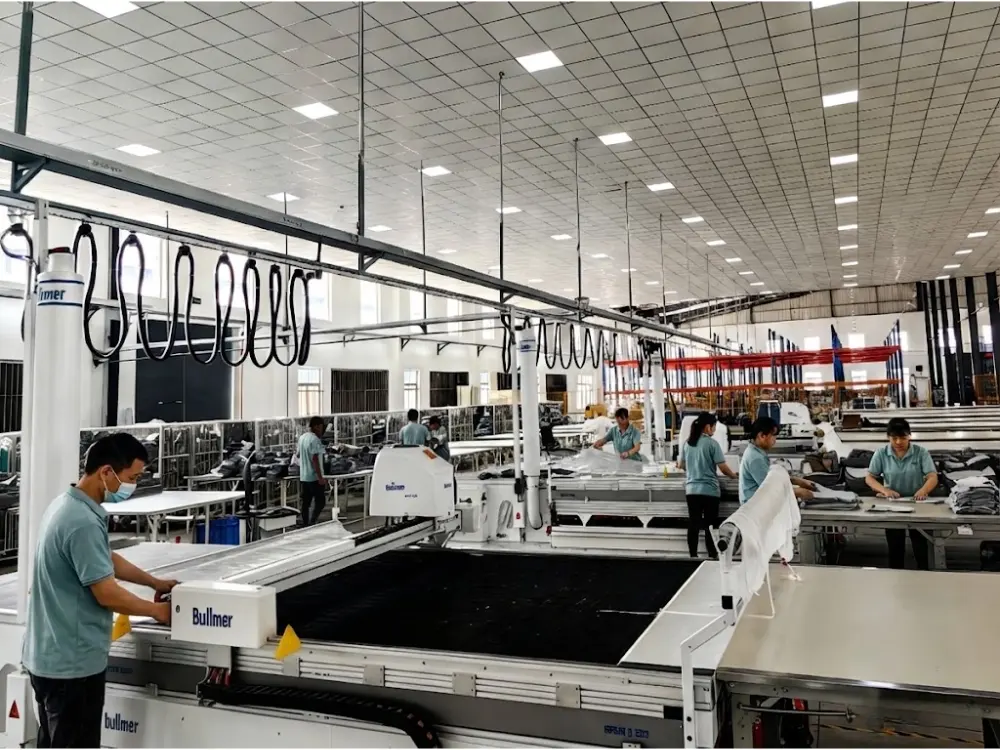
HAPA understands this demand. We have dove deep into specialty fabrics and production techniques.
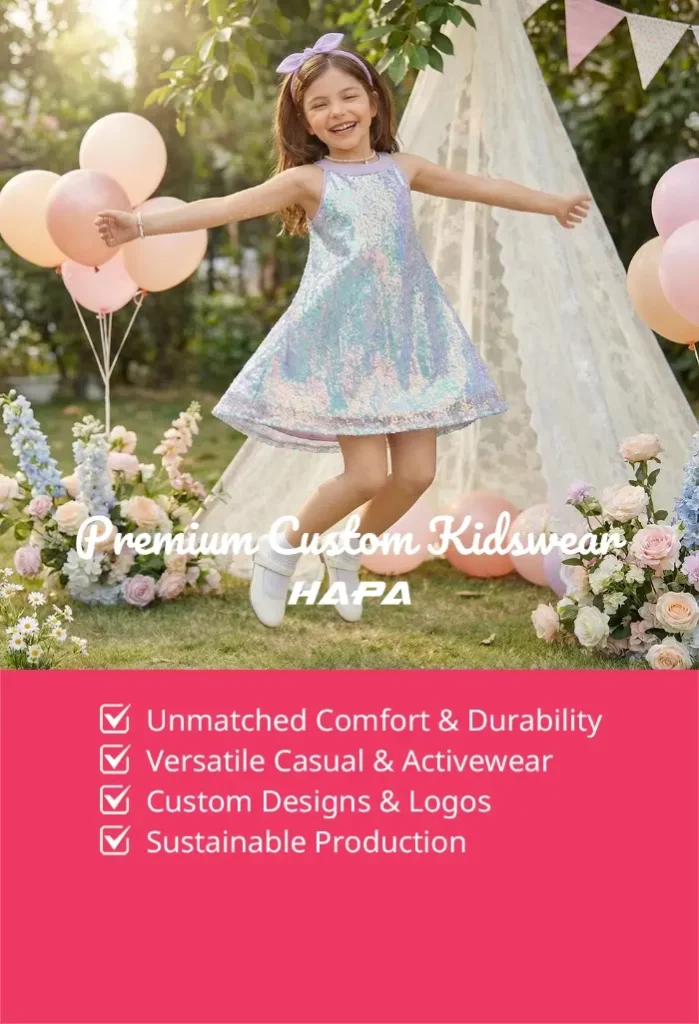
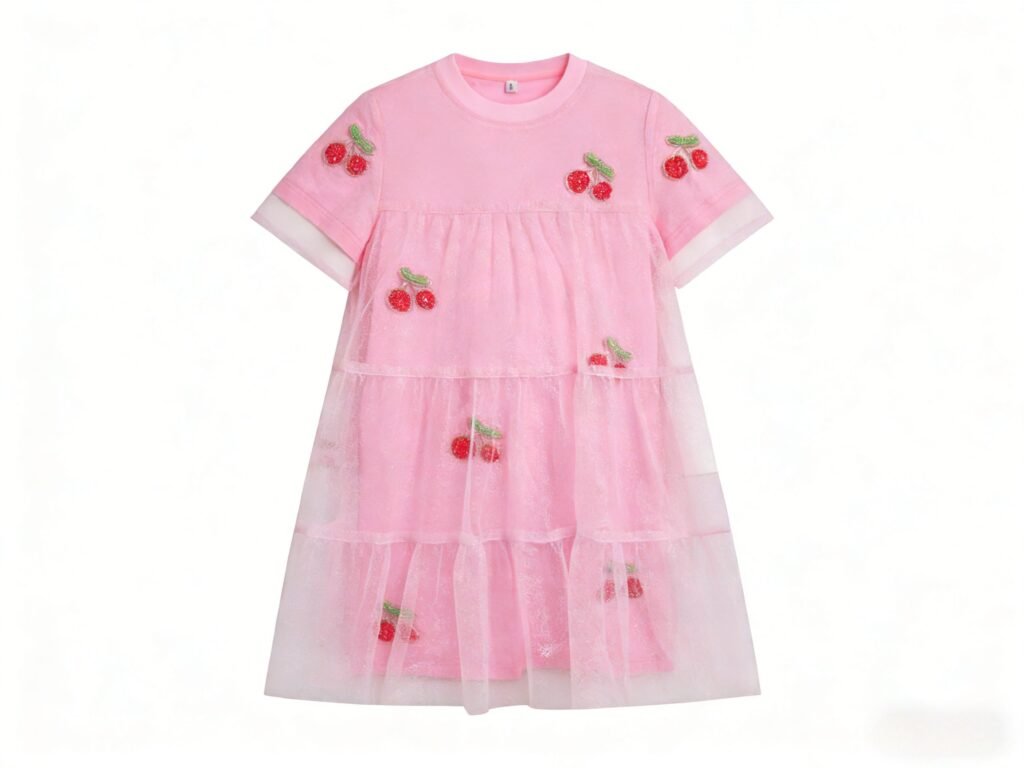
We use elements like sequins, beadwork, tie-dye, and reflective fabrics. These add a fashionable, personalized touch. We help brands build “eye-catching” bestsellers, bringing fresh inspiration to many retail brands.
Why design unique children’s clothing
Kids are full of imagination. Wearing cookie-cutter clothes stifles their unique personalities.
HAPA wants to change that. We design distinct kidswear series. Our goal is to let every child wear something different, allowing them to fully express their joy and dreams.
Why This Matters for Brands For brands, customization is a secret weapon. By offering unique, tailored collections, you meet specific customer tastes.
This helps you stand out in a sea of sameness. It builds brand loyalty. It sparks word-of-mouth marketing. This is the path to sustainable growth.
Create Unique Approaches for Children’s Clothing
Special fabric
HAPA has hand-picked two distinctive, popular fabrics. They don’t just look stunning—they prioritize practicality and safety for kids. Here is the breakdown:
| Fabric type | Features | Applicable scenarios | Highlights |
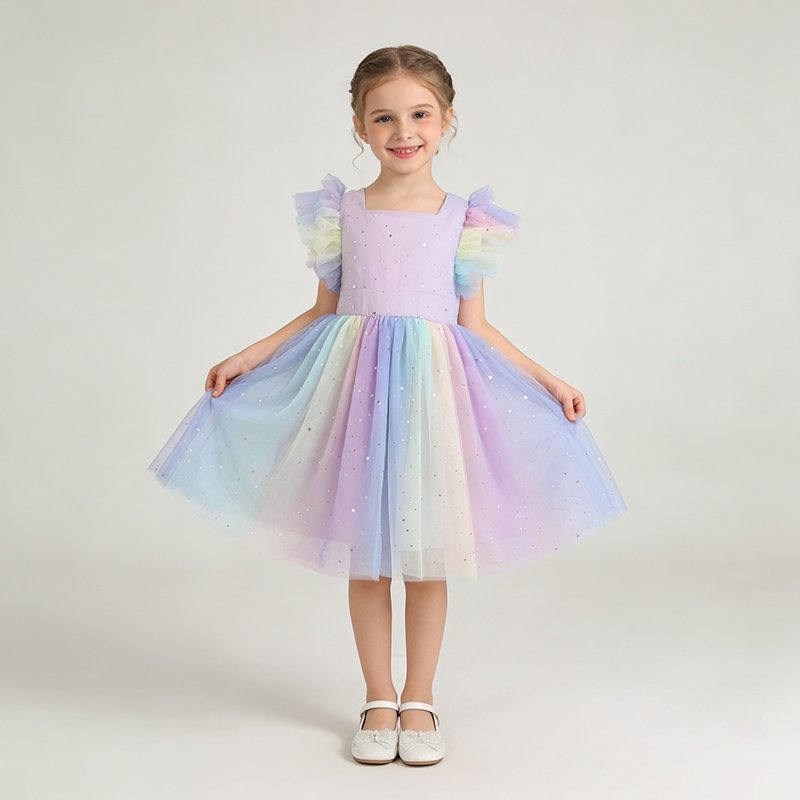
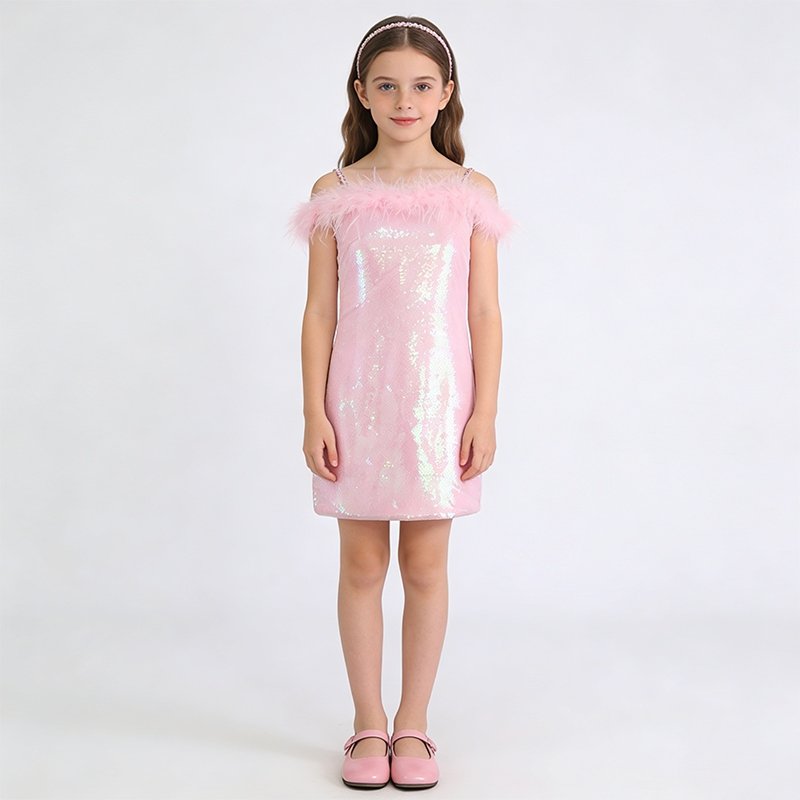
| Sequined fabric | It uses environmentally friendly PET sequins, which are highly glossy and resistant to falling off. The fabric base is soft and gentle on the skin. | Festival gowns, stage outfits, and everyday trendy styles | Enhance the elegance of children’s clothing and achieve a high success rate in taking photos. The eco-friendly material has no odor, which makes parents more at ease |
| Reflective fabric | Incorporating high refractive index reflective particles, it becomes bright upon exposure to light at night or in low-light conditions. The fabric is breathable and wear-resistant, and its reflective effect does not fade after washing | Sports children’s clothing, outdoor children’s clothing, and night wear for going out | It ensures the safety of children’s night travel, combining functionality and fashion sense. It is suitable for brands that emphasize the concept of “safety” |
Special craftsmanship
In addition to the distinctive fabrics, HAPA’ beading and tie-dyeing techniques are also highly favored by customers. Through meticulous craftsmanship, children’s clothing can break away from uniformity to the “uniformity”. The specific advantages are shown in the following table:
| Type | Process details | Presentation effect | Customization and adaptability |
| Beading | The beads are attached using a combination of hand and machine techniques.The size and color of the beads can be customized. The beads are evenly spaced and have passed tensile tests. They remain securely in place even after repeated washing. | Make children’s clothing more exquisite and high-end, suitable for creating a light luxury style or a princess style. | It can be customized based on provided images, with embellishments at the neckline, cuffs, skirt hem, and other areas. It can also be paired with patterns from the picture library to achieve a matching visual effect. |
| Tie-dye | It uses plant dyes, with soft and non-irritating colors. It Supports single-color and multi-color tie-dyeing, and can customize gradient, smudging, pattern and other effects | The pattern is unique and highly artistic, avoiding repetition. The colors are natural and in line with the current trend of “sustainable fashion” | It can be used for all types of children’s clothing such as tops, trousers and skirts, and can also be combined with the patchwork technique to create a richer visual layering effect. |
Ergonomic design
More parents are looking for ergonomic designs in kidswear. They want to ensure their children are truly comfortable.
Kids are naturally active. They love to run and jump. Plus, their bodies are growing fast. Therefore, designs need enough allowance (extra space). This allows them to stretch and move freely without feeling restricted by their clothes.
For brands, ergonomic design isn’t an extra cost. It is a key asset. It builds your reputation and effectively lowers return rates.
Before You Start Designing
Before you sketch for boys or girls, consider these key factors.
1.Safety First Never sacrifice safety for looks. Do not use harmful fabrics or dyes. Children’s skin is delicate, so safety is non-negotiable.
- Trims: Ensure buttons and decorations are secure.
- Cords: Watch the drawstring length to prevent choking risks.
- Compliance: Check flame retardancy and meet all local safety laws.
2. Occasion Matters What is the garment for?
- Party Wear: Designing for a party or prom? Add sequins. Make the child the star of the show.
- Daily Wear: Prioritize comfort and durability.
- Festive Wear: Incorporate holiday themes to boost the atmosphere.
3. Know Your Audience Designs must adapt to the child’s age.
- 0–3 Years: They are just learning to walk. They need loose fits and room to move.
- 4–8 Years: Their imagination is growing, and they are forming their own taste. Use bright colors and cute patterns to grab their attention.
- 9–12 Years: They are more mature and want to show their personality. Designs can be more stylish. Add sequins or beads to create a unique, trendy look.
What Makes a Children’s Clothing Brand Unique?
If you are a startup, partner with experts. They help you build a truly unique collection.
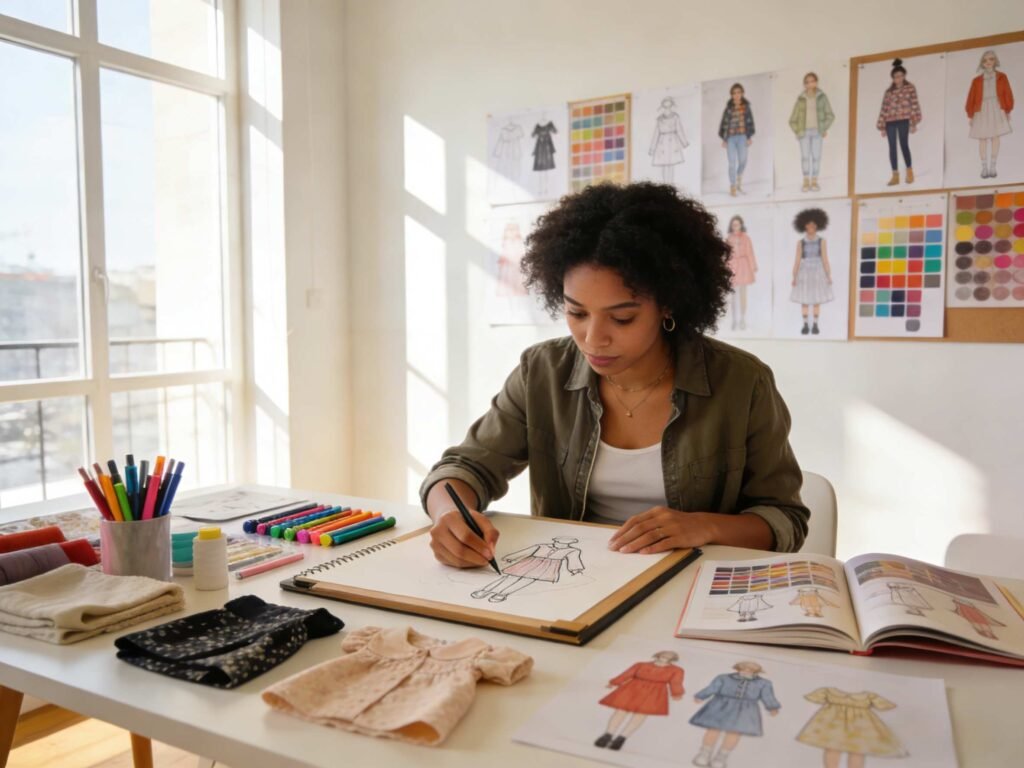
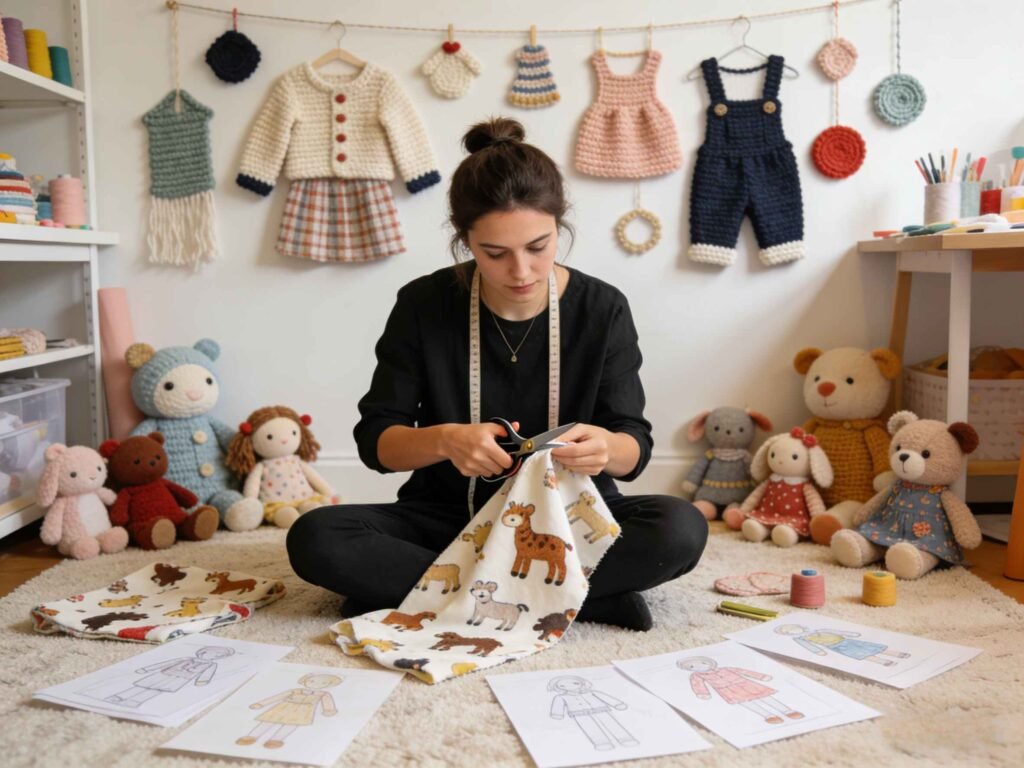
For example, HAPA has 20 professional kidswear designers. They provide critical advice on comfort, safety, and fashion.
Take one of our British clients, for example. They wanted to launch a line of girls dresses. We combined our specialized beading techniques with specific insights into the UK market to create the designs. The result was an eye-catching collection that became a huge commercial success.
The perfect combination of fashion and functionality
Kids might not care about fashion, but their parents do—especially the younger generation. Every parent wants their child to look good and feel comfortable.
As a top brand, you must focus on this balance. Your designs need to be both comfy and stylish. After all, parents are the real decision-makers at the checkout.
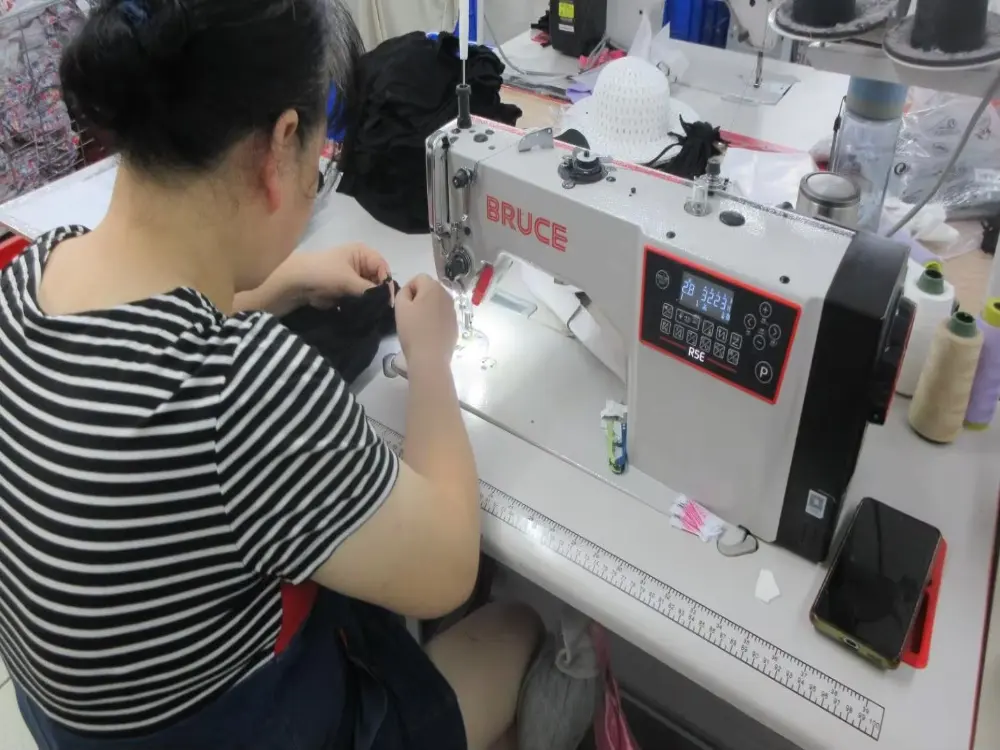
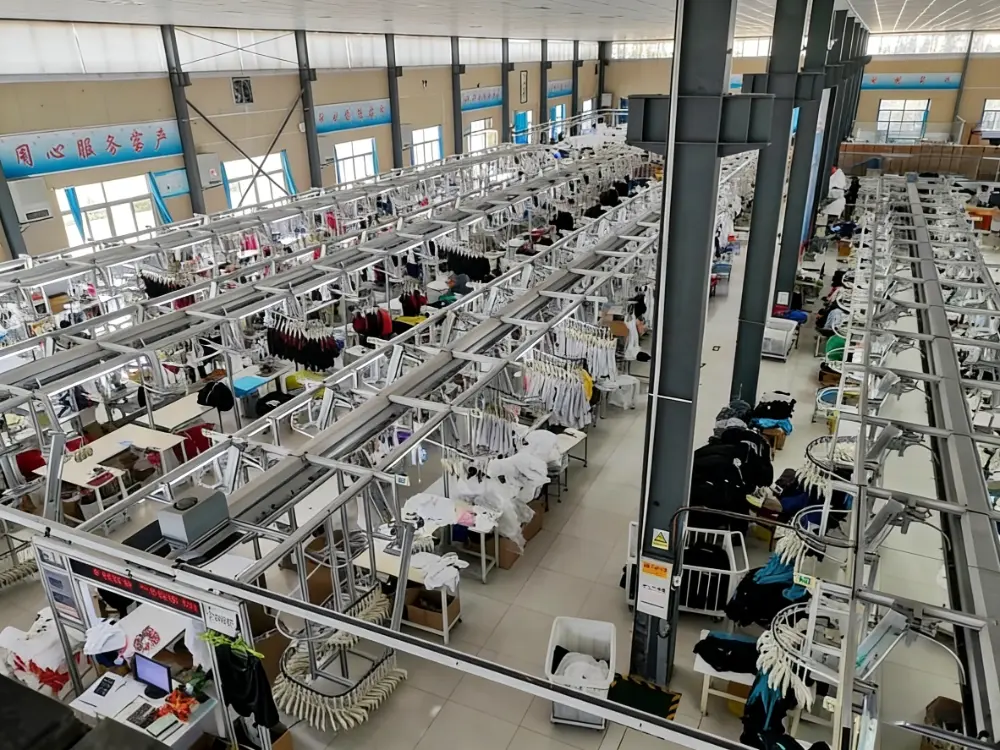
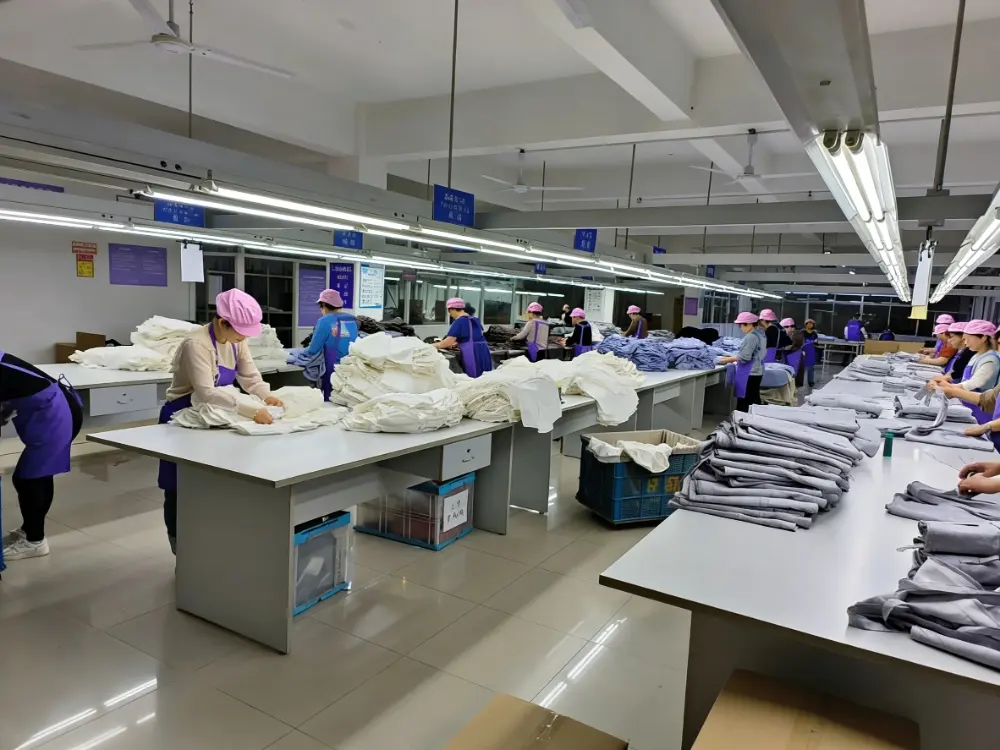
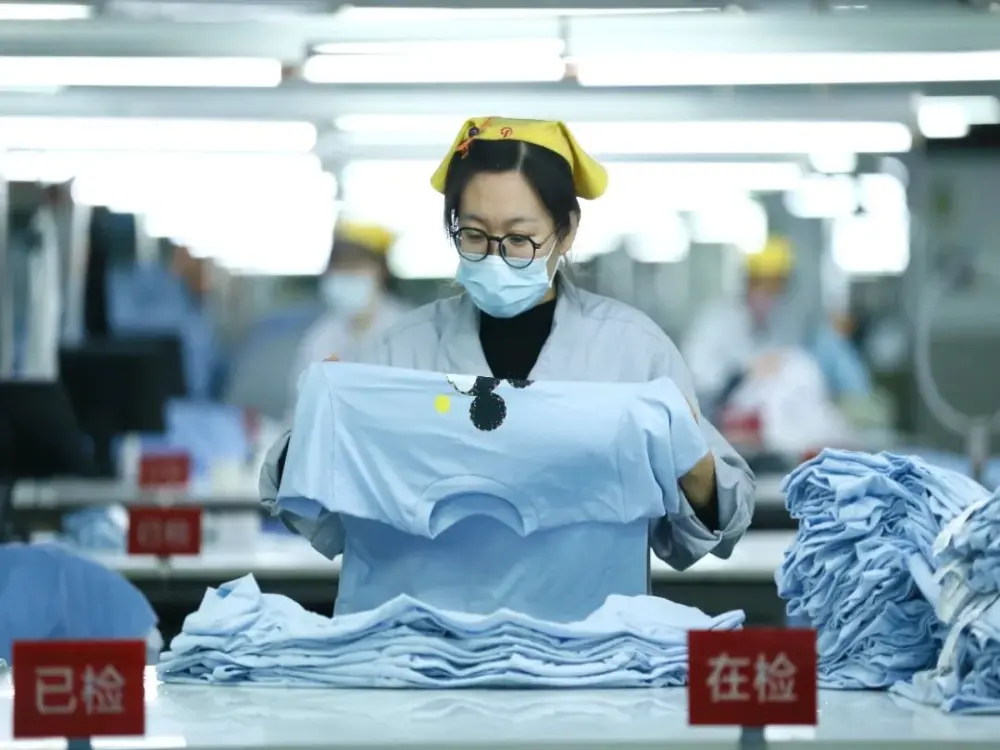
As a leading manufacturer with 15 years of experience, HAPA stays glued to market trends. We blend these trends directly into our designs. We provide practical advice to help your business scale fast.
Enhance the sense of fashion with functional fabrics
With the development of trends, nowadays more and more parents are pursuing functional fabrics. Therefore, children’s clothing manufacturers meet their demands by integrating functional fabrics into children’s clothing production and enhancing the overall texture.
For example:
anti-static fabric effectively solves the problem of being injured by static electricity when wearing clothes in winter.
The light-sensitive yarn will change color under ultraviolet radiation, which is both interesting and practical, satisfying children’s desire to explore.
The specific areas of the denim fabric are embedded with elastic fibers to provide invisible support, allowing the jeans to maintain a classic appearance while also offering a well-fitting and shaping effect.
How to Choose a Children’s Clothing Manufacturer for Collaboration
HAPA‘s practice clearly shows that in the highly competitive red ocean of children’s clothing, differentiated design and material innovation are the keys to cooperation.
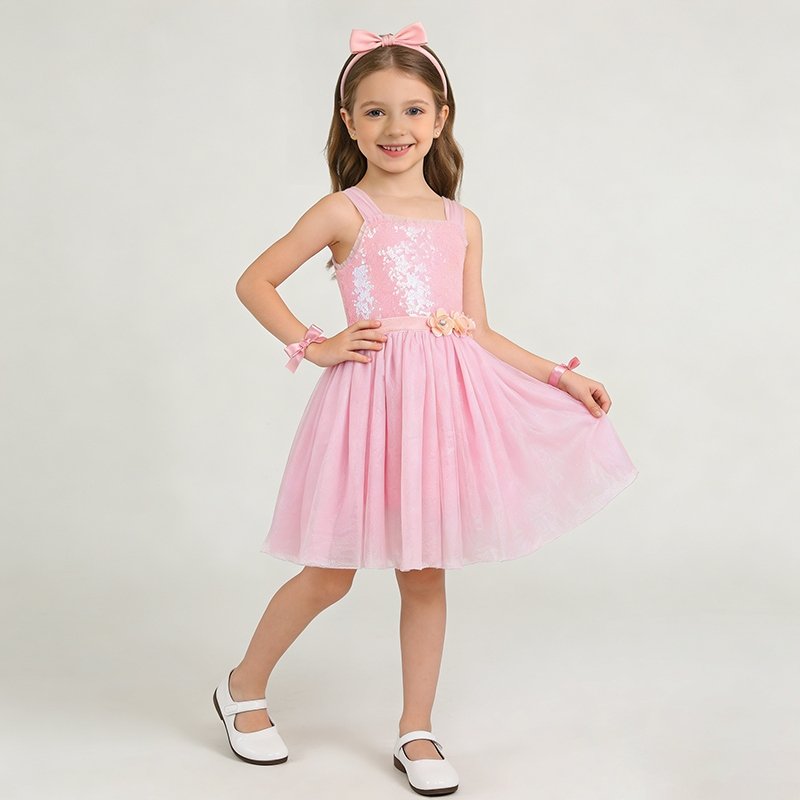
Functional comfort is the foundation, but no longer the only selling point.
Under the premise of ensuring that the fabric is skin-friendly and the cut is comfortable to wear, it is crucial to boldly introduce design elements that conform to children’s aesthetic standards and can stimulate their imagination.
Small Details Drive Big Impact
Sequins, beading, tie-dyeing, reflective fabrics and other elements that seem like “embellishments” are actually the core weapons for product differentiation. They have controllable costs, yet can significantly enhance the visual impact and added value of the products.
Embrace the Personalization Trend
Consumers, especially young parents, are increasingly averse to uniformity. Similar to the uniqueness brought by tie-dyeing or the distinctive style formed by the combination of characteristic techniques, it can effectively meet consumers’ demands for “uniqueness” and “self-expression”.
Integrate Safety into Fashion Design
For instance, the application of reflective fabrics ingeniously transforms the safety concerns of parents into fashionable highlights and competitive advantages of the products, achieving a win-win situation of functionality and aesthetics.
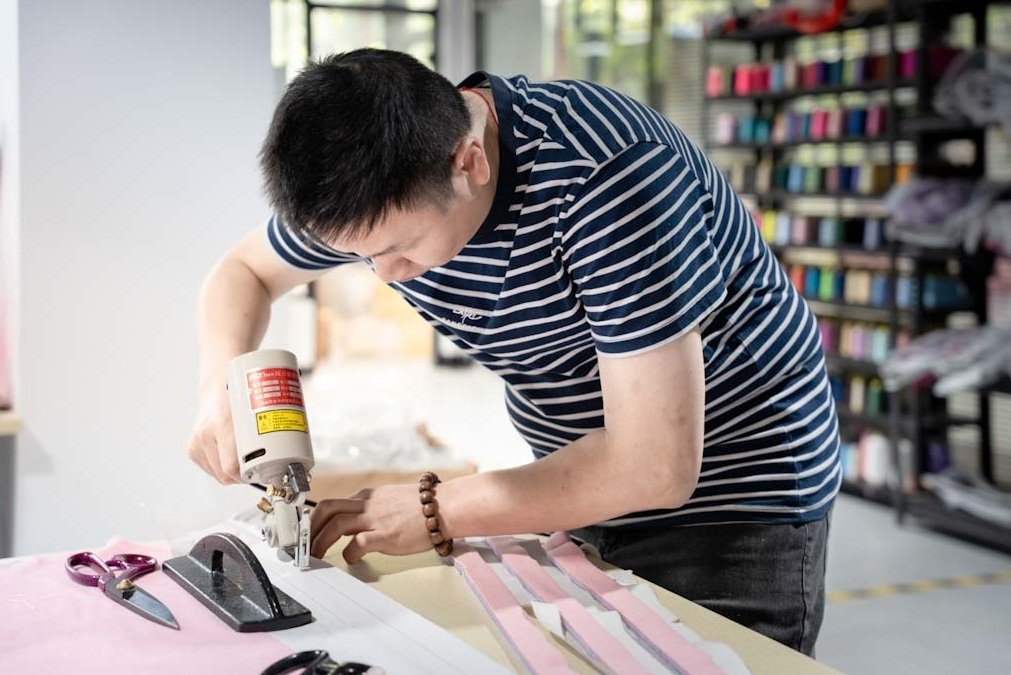
Turn Fashion Design into Reality
Partner with HAPA. Simply share your designs or ideas, and we will easily make them a reality.
We do more than just discuss fashion. We provide professional advice based on the market. This helps smooth out your sales process.
Our mix of unique fabrics, expert craftsmanship, and flexible customization is your strategic advantage. It is the core driver that helps you differentiate your brand and create market bestsellers.
If you want to build a collection that is both cute and stylish, choose HAPA. We will help you shape a unique brand identity and lasting value.
FAQ
How to design your own children’s clothing line?
Start by researching your specific market niche. Sketch your ideas to visualize the collection. You must create a “Tech Pack” that details measurements, fabrics, and colors for the factory. Find a professional manufacturer like HAPA to produce your samples. Always test the sample fit and quality before approving bulk production.
What is fashion design for kids?
Fashion design for kids is the art of creating clothing specifically for children’s bodies and lifestyles. It prioritizes comfort, safety, and durability over just aesthetics. Designers must choose soft, non-toxic fabrics that allow for easy movement. It also involves strictly following safety regulations, such as avoiding dangerous drawstrings.
What are the 5 basic principles of fashion design?
The five basic principles are Balance, Proportion, Emphasis, Rhythm, and Harmony.
- Balance: The visual weight of the garment is equal on both sides.
- Proportion: The size of different parts (like pockets or sleeves) relates well to the whole outfit.
- Emphasis: One focal point, such as a bold print or bright color, draws the eye.
- Rhythm: Repeating patterns or colors create a sense of movement.
- Harmony: All elements work together to create a pleasing, unified look.