For parents, picking the right size is often far more challenging than choosing the right style — especially when shopping online. All too often, the clothes you order end up either too big, too small, or simply uncomfortable to wear.
This guide is designed to solve this very problem for you. We’ve crafted a clear, easy-to-follow boys’ clothing size chart (broken down by age), and will walk you step-by-step through how to take accurate measurements.
Stop guessing blindly. Whether you’re a parent shopping for your child, or a children’s apparel brand looking for standard sizing to guide your production, use this guide as your reference to ensure you get a perfectly fitting garment, every single time.

Why the Right Size Matters
Choosing clothes is not just about looks. Comfort is the priority.
The right size ensures freedom of movement. Your child will actually want to wear the new outfit.
It also prevents returns. You save time and money. No more piles of clothes that don’t fit. You can shop with peace of mind.
Standard Boys Clothing Size Chart (US & EU)
The standard boys clothing size chart ranges from size 2T for toddlers to size 14 for teens. Below is the complete size guide in inches and centimeters.
| Age (Approx) | US Size | EU Size (Height) | Height (in) | Chest (in) | Waist (in) | Hip (in) |
| 2 Years | 2T | 92 | 33 – 35 | 20 – 21 | 19 – 20 | 20 – 21 |
| 3 Years | 3T | 98 | 35 – 38 | 21 – 22 | 20 – 21 | 21 – 22 |
| 4 Years | 4 | 104 | 38 – 41 | 22 – 23 | 21 – 21.5 | 22 – 23 |
| 5 Years | 5 | 110 | 41 – 44 | 23 – 24 | 21.5 – 22 | 23 – 24 |
| 6 Years | 6 | 116 | 44 – 46 | 24 – 25 | 22 – 22.5 | 24 – 25 |
| 7 Years | 7 | 122 | 46 – 48 | 25 – 26 | 22.5 – 23 | 25 – 26 |
| 8 Years | 8 | 128 | 48 – 50 | 26 – 27 | 23 – 23.5 | 27 – 28 |
| 9-10 Years | 10 | 140 | 51 – 55 | 27 – 28.5 | 24 – 25 | 28 – 29.5 |
| 11-12 Years | 12 | 152 | 55 – 59 | 28.5 – 30 | 25 – 26 | 30 – 32 |
| 13-14 Years | 14 | 164 | 60 – 64 | 30 – 32 | 26 – 28 | 32 – 34 |
| Age (Approx) | US Size | EU Size (Height) | Height (cm) | Chest (cm) | Waist (cm) | Hip (cm) |
| 2 Years | 2T | 92 | 84 – 89 | 51 – 53 | 48 – 51 | 51 – 53 |
| 3 Years | 3T | 98 | 89 – 97 | 53 – 56 | 51 – 53 | 53 – 56 |
| 4 Years | 4 | 104 | 97 – 104 | 56 – 58 | 53 – 55 | 56 – 58 |
| 5 Years | 5 | 110 | 104 – 112 | 58 – 61 | 55 – 56 | 58 – 61 |
| 6 Years | 6 | 116 | 112 – 117 | 61 – 64 | 56 – 57 | 61 – 64 |
| 7 Years | 7 | 122 | 117 – 122 | 64 – 66 | 57 – 58 | 64 – 66 |
| 8 Years | 8 | 128 | 122 – 127 | 66 – 69 | 58 – 60 | 69 – 71 |
| 9-10 Years | 10 | 140 | 130 – 140 | 70 – 73 | 61 – 64 | 72 – 75 |
| 11-12 Years | 12 | 152 | 140 – 150 | 73 – 77 | 64 – 66 | 76 – 82 |
| 13-14 Years | 14 | 164 | 152 – 163 | 77 – 82 | 66 – 71 | 82 – 87 |
How to Use This Size Chart
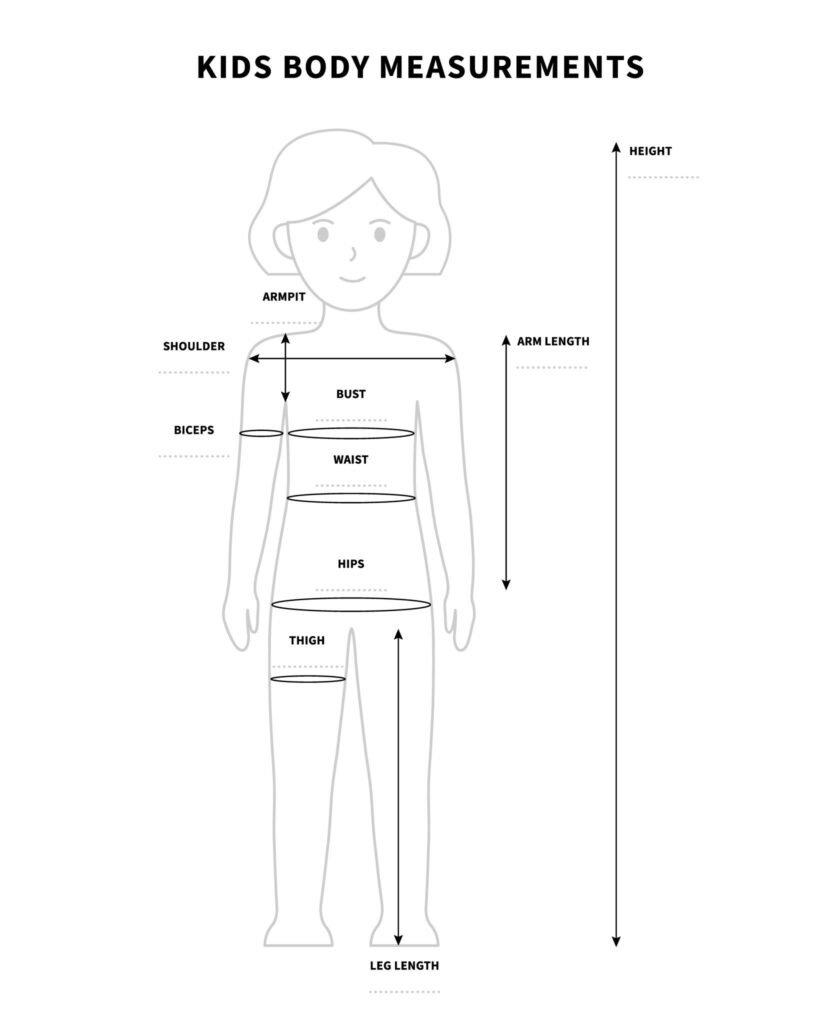
- Height: This is the most important metric for EU sizing. Have your child stand barefoot with their back straight against a wall. Measure from the top of the head to the floor.
- Waist and Hips: Crucial when you are consulting a boys pants size chart or buying shorts. Keep the tape measure relaxed. Do not let them suck in their stomach…
- Chest: Important for any boys shirt size guide and jackets. Measure horizontally under the armpits around the fullest part of the chest.
Quick Tips
- The EU clothing sizing standard is far more precise, with age serving only as a rough reference — after all, every child grows and develops at their own unique pace.
- Always prioritize height data first: it is the single most reliable indicator of whether a garment will fit properly. When shopping for pants, be sure to also cross-check the waist measurement.
- We recommend sizing up. If your child’s measurements fall between two sizes, always choose the larger one. It is far better to have clothing with a little room to grow, rather than pieces that fit too tight and restrict movement.
- If chest and waist measurements correspond to different sizes, make your final selection based on the chest measurement.
How to Take Accurate Measurements for Boys Clothing Sizing
To get the right size, you need accurate measurements. Use a soft tape measure. Follow these simple steps.
- Prepare Your Child
Have him stand tall and straight. He should be barefoot or in socks. Use a soft measuring tape for the best results. - Height
Measure from the top of the head to the floor. This is usually the best size indicator. - Chest
Wrap the tape around the fullest part of the chest. Keep the tape level and loose. - Waist
Find the natural waistline. This is usually near the belly button. Measure around this spot. Do not pull the tape too tight.
Compare Results: Compare your measurements with the brand’s size chart. Sizing varies slightly by brand. Always prioritize chest and height over age.
Toddler vs. Little Kid vs. Big Kid Sizes
Understanding size categories is key. You need this to use the boys’ size chart correctly. We divide boys’ clothing into three groups based on development.
- Toddler Sizes (2T–5T) These fit children aged roughly 2 to 5. The “T” stands for Toddler. These clothes usually have extra room in the seatToddler Sizes (2T–5T): When looking at a standard toddler boy size chart, these sizes typically fit children aged roughly 2 to 5. The “T” stands for Toddler. These clothes usually have extra room in the seat. This accommodates diapers. The fit is generally looser.
- Little Kid Sizes (4–7) This range usually fits boys aged 4 to 7. It overlaps slightly with the largest toddler sizes. However, “Little Kid” sizes feature a slimmer cut. They are designed for children who are potty trained and no longer wear diapers.
- Big Kid Sizes (8–20) These fit boys aged 8 and up. They use simple number labels. This category covers a wide range of heights and weights. It serves as the bridge between children’s wear and adult men’s sizes.
Sizing for Regular, Slim and Husky Fits
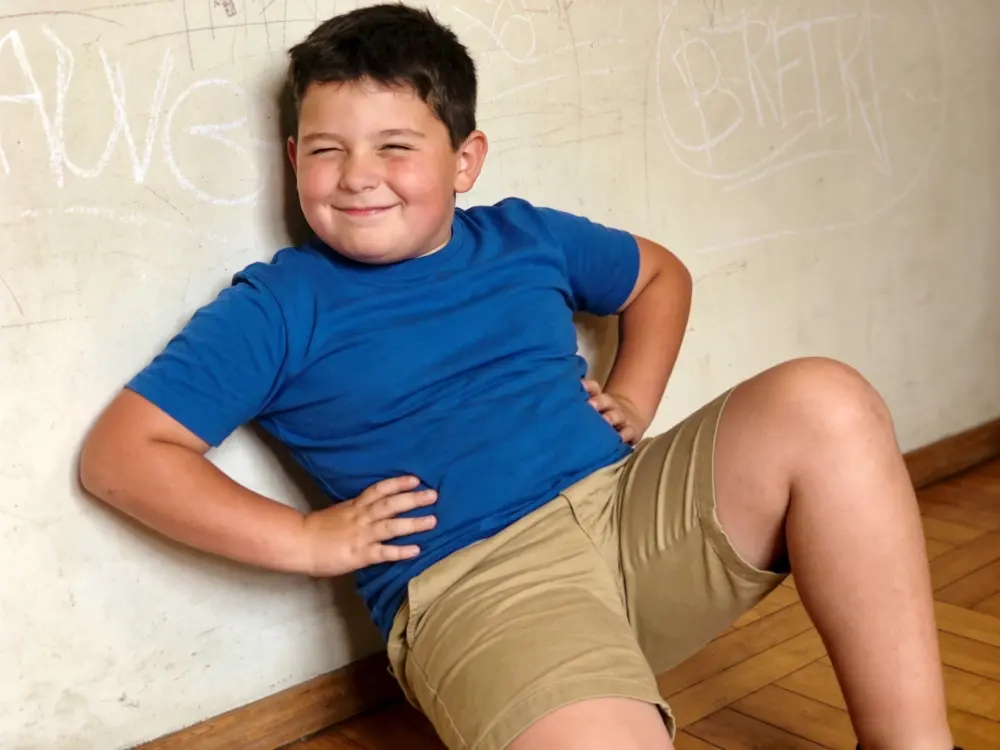
Kids have different body shapes. Many brands know this. They offer these three specific cuts to make your choice easier. The right fit boosts comfort and confidence.
- Regular Fit: This is the standard fit found in most stores. It suits average height and weight ratios. The waist and hip measurements follow industry averages. Most boys feel comfortable in this style.
- Slim Fit: Slim fit is designed for boys with narrower frames. The waist is smaller relative to the length. The legs are cut closer to the body. This prevents that “baggy” look on slender kids.
- Husky Fit: If your boy has a sturdier build, choose this fit. It offers more room in the waist, hips, and thighs. It allows for free movement without the pants being too long.
Brand Variations in Boys’ Clothing Sizes
Sizing standards vary across brands. For example, a size 8 in one brand might equal a size 10 in another. This often confuses parents. Therefore, you cannot rely solely on the number on the tag.
When buying boys’ clothes, always check the specific size chart for that brand. Some run small, while others run large. European brands generally feature a slimmer cut than American brands. Checking the actual measurements in inches or centimeters is the most accurate method. Reading customer reviews can also help you confirm if an item fits “true to size.”

Alpha Sizes vs. Numeric Sizes Explained
Shoppers often face two different sizing systems. Understanding the difference helps you choose the right size from the chart.
Alpha Sizes (XS, S, M, L): Alpha sizes use letters to indicate a range. This system groups several numeric sizes into one category. For instance, a “Medium” often covers sizes 8 and 10.
This method is common for T-shirts, activewear, and pajamas. It provides a looser, more general fit.
Numeric Sizes (4, 6, 8, 10): Numeric sizes use specific numbers based on age and body measurements. This system offers a more precise fit.
It is the standard for jeans, dress shirts, and suits. If your child is between alpha sizes, numeric sizes offer a better adjustment.
General Conversion Guide Most brands follow similar conversion patterns. However, you should always verify with the specific brand’s chart.
Conclusion
With the boys’ size chart above, you can now choose the right clothes accurately. Remember to focus on actual height and weight. Do not rely solely on age.
Are you a children’s clothing brand? You must consider sizing during design and production. Provide a wide range of options. Make it easy for customers to find the perfect fit without confusion.
HAPA is a professional children’s clothing manufacturer. We master the critical details: size, fabric, and design. We uphold high standards to bring your vision to life. Contact us today. Start your production journey now.
FAQ
What is the size of 12 to 13 year old boys?
Boys aged 12 to 13 typically wear a size Large (12-14) or Extra Large (14-16). They generally range from 58 to 64 inches in height. The average weight for this group is between 85 and 115 pounds. Always check the specific brand’s size chart for accuracy.
What size is M for boys?
A Medium (M) size for boys usually fits ages 8 to 10. It typically corresponds to numeric sizes 8 to 10. This size generally fits boys who are 50 to 57 inches tall. It is the step up from a boys’ Small.
What does 3T and 4T mean?
The “T” in these sizes stands for “Toddler.” A 3T size generally fits an average three-year-old. A 4T is designed for an average four-year-old. These cuts are wider than standard sizes to accommodate diapers and a toddler’s rounder shape.
What age is small in boys’ clothes?
A Small (S) in boys’ clothing usually fits ages 6 to 8. This typically matches numeric sizes 6 to 7. It is designed for boys approximately 45 to 49 inches tall. It is the size category after “Toddler” or “Little Kid” sizes.