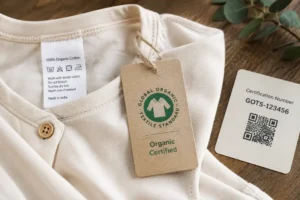
The children’s clothing market is booming, yet it remains one of the most detail-oriented sectors in fashion. Launching a children’s clothing brand allows you to transform creativity into a venture beloved by parents and children alike.Success requires more than just adorable sketches; it demands precise planning, strict safety compliance, reliable sourcing, and clever marketing. Whether you’re a parent skilled in sewing, a fashion enthusiast passionate about children’s wear, or an entrepreneur eager to enter this thriving market, this step-by-step guide will walk you through building and growing your children’s clothing brand from the ground up.
Research and Define Your Children’s Apparel Brand Positioning
The children’s apparel market is vast — encompassing everything from newborns to teens, casual wear to formal attire, and everything in between. A clear niche helps you stand out, connect with your ideal customers, and avoid spreading resources too thin.
Define Your Target Audience (Age, Style, Budget)
In the world of children’s wear, “everyone” is not your target audience. You need to clearly define who you are designing for: newborns (0-12 months), toddlers (1-3 years), or older children (4-12 years)?Each age group has distinct needs—newborns require ultra-soft, easy-to-dress garments; toddlers need durable, stretchy playwear; while older children prioritize style and fit.
Beyond age, consider lifestyle: Are you creating comfortable, minimalist everyday wear, elegant formal attire, eco-friendly products, or gender-neutral designs? Style is crucial for differentiating your product design, enabling higher pricing and enhancing market competitiveness.
Finally, define your budget range: Are your target customers budget-conscious parents, mid-range consumers, or those seeking premium children’s wear? Deeply understanding your audience is key to creating products parents genuinely want to buy—not just items that sit on the shelf.
Analyze competitors to identify your unique selling points
Don’t just observe what major brands are doing — see what they’re missing. Read customer reviews across platforms: What are parents complaining about? Inaccurate sizing? Irritating tags? Lack of sustainable fabric options? What are their strengths? What gaps have you identified? You might notice many fast-fashion children’s brands, but few offer organic or sustainable materials.Your Unique Selling Proposition (USP) is what makes your brand stand out — and why parents choose you over competitors.
Staying on Top of Kidswear Trends
Kids’ fashion trends shift faster than you might think, but that doesn’t mean chasing every trend. Instead, closely monitor current preferences among parents and children. Current trends include soft neutral tones, playful yet understated prints, easy-on/easy-off designs (like snaps and elastic waistbands), and sustainable materials (such as organic cotton, bamboo fiber, and recycled fabrics).The smartest strategy: Use trendy, seasonal “feature pieces” to grab attention while ensuring steady, long-term sales with high-quality, cross-seasonal classic basics.

Establishing Brand Identity and Legal Structure
Brand identity is how parents perceive your business—it’s more than just a logo or name. It represents the emotions your brand evokes, the values it stands for, and consistency across all touchpoints (from your website to packaging). Simultaneously, legal preparation is crucial to protect your business and build trust with customers and suppliers.
Choose a Memorable Brand Name and Logo
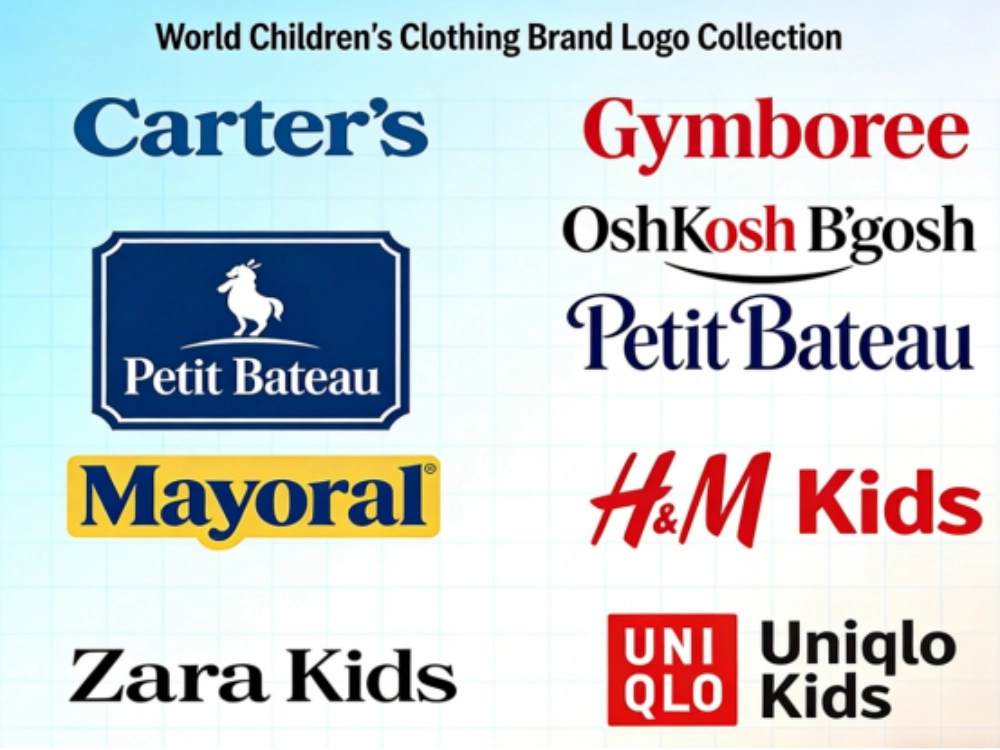
Trust is paramount in the children’s apparel market. Your brand name should be short, memorable, and easy to spell—one that resonates with your audience and conveys warmth, friendliness, and approachability, especially for children. Your logo should be simple and versatile—remember, it needs to appear clearly on tiny labels while also standing out on packaging or social media avatars.
Register Your Business and Obtain Necessary Licenses
Before launching sales, you must register your business. Your chosen structure (sole proprietorship, LLC, corporation) depends on your goals, budget, and risk tolerance. For small brands, a Limited Liability Company (LLC) is a popular choice, offering liability protection without the complex organizational structure of a corporation.Next, obtain all necessary local, state, or federal permits or licenses. Requirements vary by jurisdiction, so consult your local government to ensure compliance. A solid legal framework not only shields you from potential lawsuits but also boosts credibility with suppliers and customers—parents tend to trust brands that are officially registered and licensed.
Understanding Children’s Apparel Safety Standards
This is crucial: Children’s clothing is subject to strict safety regulations designed to protect children from harm.In the United States, the Consumer Product Safety Commission (CPSC) sets standards for children’s clothing, including regulations on small parts that pose choking hazards (such as buttons or beads), flame-resistant fabrics for sleepwear, and lead-free materials. Compliance with these regulations is non-negotiable—it safeguards children’s safety and protects your brand from costly recall risks.
Design and source high-quality children’s clothing
Your products are the heart of your brand—parents judge your brand based on the softness, durability, and functionality of your garments. When designing and sourcing, prioritize the needs of both children (comfort, playability) and parents (ease of use, durability).
Focus on “child-approved” design details
Parents value comfort and convenience above all. If clothing is difficult to put on wriggling toddlers, they won’t buy it again. Design with these pain points in mind. If garments restrict movement or prove cumbersome for parents to dress/undress children, repeat purchases won’t happen.
Select safe, soft fabrics
Fabric is the first thing parents touch. Opt for soft, breathable materials like organic cotton, bamboo viscose, or soft knit blends.You must test fabric softness and washability. Regardless of the fabric chosen, test its softness and ability to withstand repeated washing—children play vigorously, and parents wash clothes frequently. If fabric fades, shrinks, or pills after just one wash, it will lead to negative reviews and returns. Request samples from fabric suppliers and wash them multiple times to verify durability.
Finding Reliable Children’s Apparel Manufacturers and Suppliers
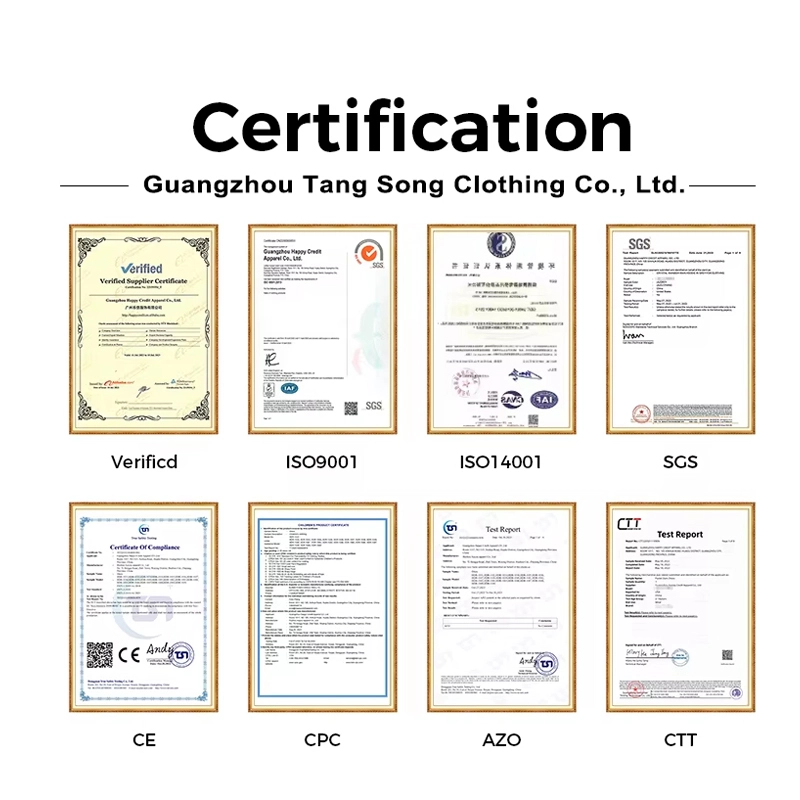
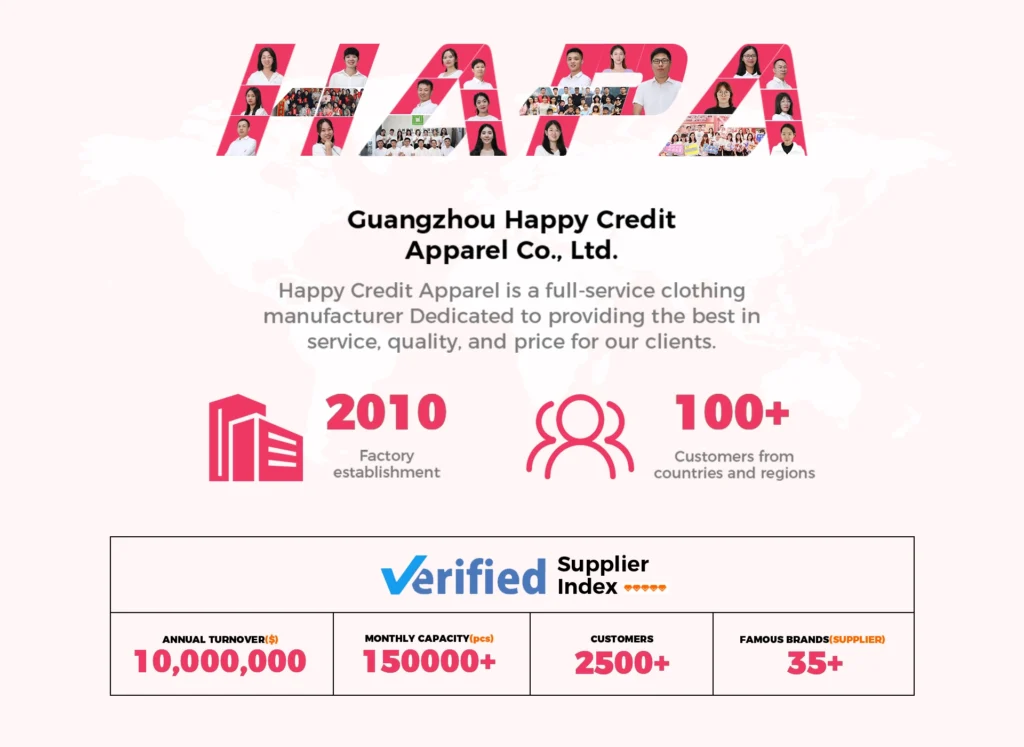
Finding the right manufacturing partner is crucial for your brand. Look for manufacturers specializing in children’s clothing who will bring your designs to life; therefore, you need to find partners who understand children’s wear and prioritize quality. They are more familiar with the unique sewing techniques and safety requirements of children’s clothing. When screening partners, examine sample garments, inquire about their quality control (QC) processes, and negotiate the minimum order quantity (MOQ). For startups, it’s advisable to start with small orders and increase them as market demand validates the product. For example, HAPA is a leading global children’s clothing manufacturer with over 15 years of OEM/ODM experience, providing custom design services to more than 200 brands. We ensure that every product undergoes rigorous quality inspection before being delivered to our partners, earning the trust of numerous well-known children’s clothing brands.
Plan Pricing, Costs, and Inventory
Capital is critical—poor budgeting or pricing could kill your brand before it even launches. Take time to calculate costs, set profitable prices, and manage inventory wisely to avoid cash flow issues.
Calculate Startup and Production Costs
Don’t estimate budgets based on gut feelings. List all relevant costs: company registration fees, logo design, website development, marketing, and initial inventory. Production costs include fabrics, manufacturing, labeling, packaging, and shipping. Realistic budget planning from day one prevents the cash flow struggles most new brands face in their first year.
Set Profitable and Competitive Prices
Pricing is a delicate balancing act. You must cover all aforementioned costs while earning profit for reinvestment. Simultaneously, align with your target market’s expectations. Benchmark your prices against comparable brands in your niche. Undervaluing may raise doubts about quality or safety, while overpricing without sufficient luxury appeal will stifle sales growth.
Smart Inventory Management
One of the most common mistakes new brands make is overstocking inventory. Start with a “lean and focused” strategy: for startups, less is more.Use inventory tracking software (such as Shopify’s built-in tools or QuickBooks) to monitor stock levels, including which items are available, bestsellers, and slow-moving products. Seasonal planning is crucial—parents purchase clothing in advance based on weather changes, so stock up on jackets and sweaters in late summer and shorts and dresses in early spring.Avoid overstocking seasonal items, as they may become unsellable once the season passes. For unsold inventory, consider running promotions or donating to children’s charities to free up space and recoup some costs.
Build Your Online Store and Brand Presence
In today’s digital age, your online presence is your storefront. Since most parents shop for children’s clothing online, you need a user-friendly website and strong social media presence to reach your target audience.
Create a Mobile-Friendly E-commerce Site
Most parents shop on their phones, often while holding a baby in one hand. Your website must be optimized for mobile devices. Platforms like Shopify or WooCommerce are excellent starting points. Ensure it loads quickly with clear product images, detailed size charts, and “care instructions.” Clear sizing guidance is the primary way to reduce return rates.
Optimize search engine rankings to boost online visibility
Search engine optimization helps your site rank higher in Google results, making it easier for parents to find you when searching for children’s clothing. Naturally incorporate keywords into website copy, product descriptions, blog posts, and meta titles/descriptions. Create helpful content that answers parents’ questions—such as sizing guides, fabric guides, or a blog post on “How to Choose Safe Clothing for Children.” This can drive traffic to your site before parents are ready to purchase.
Connect with Parents Through Social Media
Social media is a powerful tool for children’s clothing brands—it helps showcase products, engage with parents, and build a community. Instagram, Pinterest, and TikTok are central to children’s apparel marketing. Don’t just post product photos; share the stories behind your designs or styling tips. Collaborating with “mom influencers” or niche creators can provide much-needed social proof and quickly build trust.Share styling tips (e.g., how to mix and match your pieces), behind-the-scenes content (e.g., a day in the studio or visiting your manufacturer), and customer photos (encourage parents to tag your brand when their kids wear your clothes).
Launch Your Brand and Attract Your First Customers
Launching your brand is an exciting milestone, but it’s crucial to proceed step by step and test before a full rollout. A successful brand launch requires careful planning, effective promotion, and a strong focus on customer service.
Conduct a soft launch before the official release
A soft launch involves releasing your brand to a limited audience (e.g., friends, family, or parent communities on Facebook groups or Instagram) on a small scale. This allows you to test your products, website, and customer service before the official launch.Seek feedback: Are sizes accurate? Is the fabric soft enough? Is the website user-friendly? Use this feedback to make improvements—for example, if multiple parents report leggings being too tight, adjust sizing before the official launch. A soft launch also helps build brand awareness—early customers can become brand advocates and help spread the word.
Offer launch promotions to boost sales
Use launch promotions to overcome new customers’ hesitations. Consider first-order discounts, free shipping, or complimentary gifts with purchase.Encourage first buyers to leave reviews; in children’s apparel, a parent’s genuine positive review carries more weight than any paid advertisement. Encourage customers to leave reviews—word-of-mouth holds immense power in the kidswear market. Parents prefer brands with positive feedback, so send a follow-up email after purchase inviting them to write a review (offer incentives like a 10% discount on their next order to encourage participation).
Provide Exceptional Customer Service
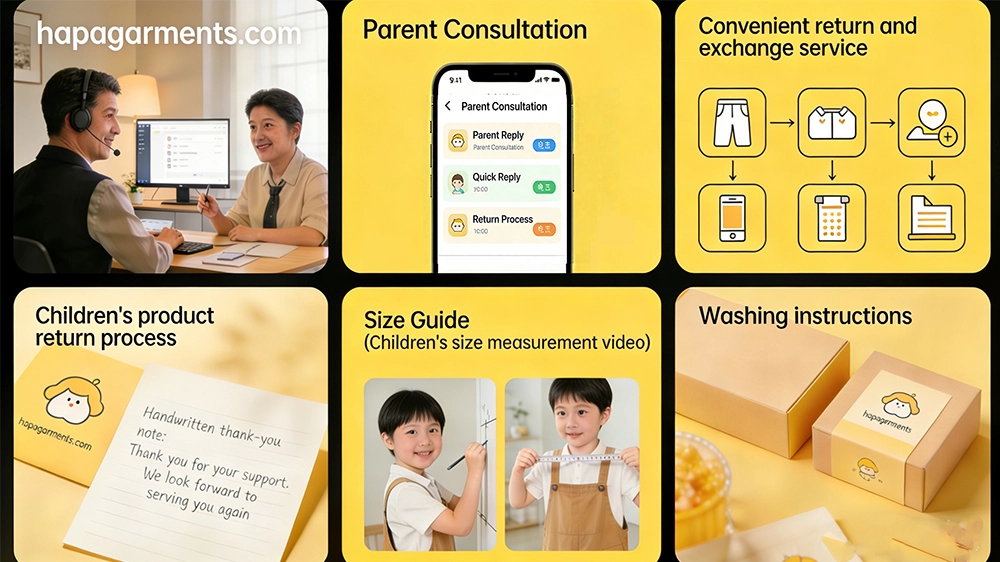
Exceptional customer service is key to building a loyal customer base. Parents may have questions about sizing, fabrics, shipping, or returns, and they expect prompt answers. Respond to emails, social media messages, and phone calls within 24 hours. Offer hassle-free returns and exchanges—parents dread buying ill-fitting clothes, and flexible return policies reduce their risk and boost their willingness to buy.Provide sizing guides (e.g., measurement videos for children’s sizes) and care instructions to help parents maximize their purchases. Pay extra attention to packaging. A handwritten thank-you note can turn one-time buyers into brand advocates who spontaneously recommend you to their mom groups.
Growing Your Children’s Apparel Brand
Launching your brand is just the first step—now you need to grow it. The key lies in consistently prioritizing quality, listening to customer feedback, and adapting to market shifts.
Expand Your Product Line Gradually
Once your initial product line performs well, you can begin expanding—but do so cautiously. Grow based on customer feedback rather than blind expansion, always maintaining the brand’s original quality standards. Avoid expanding too quickly—prioritize quality over quantity. Launching too many new styles at once can spread resources thin and compromise quality. Test new products in small batches to gauge market response before mass production.
Build Long-Term Customer Loyalty
Returning customers are more valuable than new ones—they spend more, cost less to acquire, and promote your brand. Stay connected with customers to build lasting loyalty. Use email marketing to share new products, promotions, and parenting tips (not just sales pitches—provide valuable content). Create a membership program: offer points for purchases, referrals, or reviews, which customers can redeem for discounts or free products.Email marketing is the ultimate tool for customer retention. Use it to share new product updates, member-exclusive sales, and genuinely useful parenting content. Create loyalty programs that reward repeat purchases, allowing your brand to grow alongside families as their children age.
Adapt to Feedback and Market Shifts
The children’s apparel market evolves rapidly. Stay flexible and listen to feedback. If parents report a waistband is too tight, make immediate adjustments in the next production run. Brands that thrive for decades are those that never stop listening to their customers. Monitor industry developments closely: new safety standards, sustainability practices, or marketing trends could impact your brand. Don’t fear pivoting—adjust your strategy if your niche isn’t working or you discover a new market opportunity.
Final Thoughts: Is Starting a Children’s Apparel Brand Right for You?
Launching a children’s clothing brand is deeply rewarding—you can transform creativity into a business that brings joy to families, with the freedom to craft a truly unique brand. But it’s no walk in the park—it demands patience, hard work, and meticulous attention to detail. You’ll face numerous challenges: finding the right manufacturers, managing inventory, and competing with other brands.Yet if you’re passionate about children’s fashion, prioritize quality and safety, and always put customers first, you can build a beloved brand that grows alongside families. Remember: Every successful children’s brand starts with an idea—yours could be next. So take that first step, plan meticulously, and never give up. Your little customers (and their parents) are waiting for your creations.