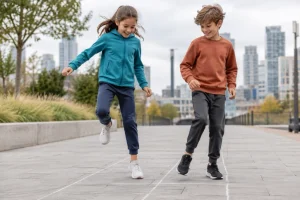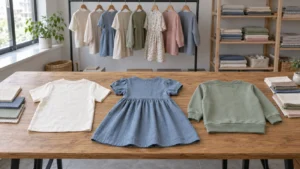
The boys’ fashion market is evolving fast. Gone are the days when a basic blue T-shirt was enough.
To build a successful brand today, excellent design is just the starting point. You need premium comfort and the ability to translate your vision into high-quality reality.
However, many brands face growth challenges since their suppliers create partnership challenges. Poor quality, communication breakdowns, inconsistent sizing, and impossible MOQs are the silent killers of growth. For a retailer without the right connections, sourcing boys’ wear can feel like searching for a needle in a haystack.
In this guide, we have curated the Top 11 Boys’ Clothing Manufacturers & Suppliers.These partners are renowned for their strict quality control and safety certifications—ensuring you keep your customers happy and your return rates low.
Navigating the Boy’s Apparel Market
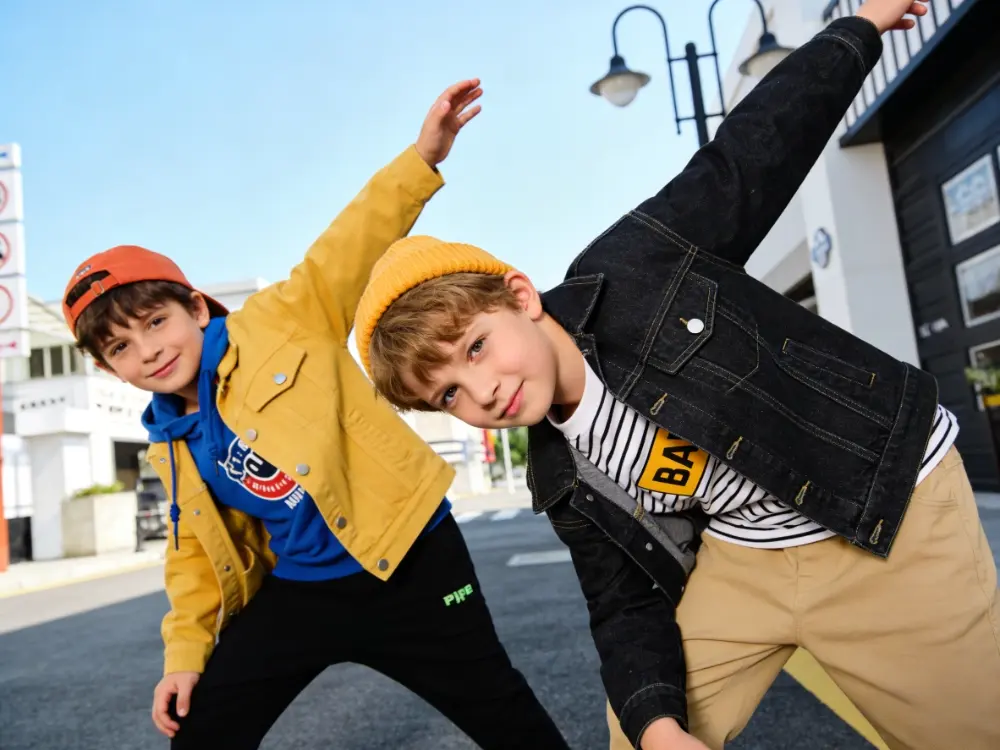
The global boys’ wear market is undergoing a massive shift, moving decisively away from the era of “basics only.”
Driven by the “Mini-Me” aesthetic, streetwear silhouettes and sophisticated earth tones are replacing generic cartoon prints. Modern parents are no longer just looking for “cheap and durable.” They are increasingly willing to pay a premium for clothing that offers design-led aesthetics and self-expression.
On the material front, “Functionality” has become the core competitive advantage. To accommodate the high-energy lifestyle of boys, performance fabrics featuring 4-Way Stretch, Moisture-Wicking, and Stain-Resistant technologies are now a necessity, not a luxury.
Combining this demand for performance with stricter environmental standards, the real opportunity for brands lies in creating high-tech gear that is both “Play-Proof” (durable) and Eco-Friendly.
Key Factors When Choosing a Boys’ Clothing Manufacturer
Finding a manufacturer for boys’ clothing is easy—but securing a partner that truly understands children’s wear complexities demands careful evaluation.
Fabric Safety & Compliance Standards
Manufacturers must strictly adhere to international regulations like CPSIA or REACH, ensuring chemical-free, non-toxic materials. Certified suppliers also conduct rigorous physical tests on cord lengths and button tensile strength to eliminate choking or strangulation risks at the source.
Durability & Craftsmanship
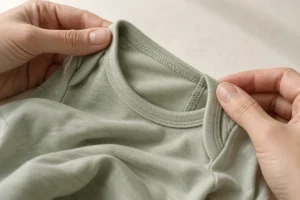
Since boys require high-performance garments, suppliers should prioritize abrasion-resistant, pilling-resistant fabrics. Advanced shrinkage control and colorfastness standards guarantee clothes withstand rough play and repeated washing without compromising shape or appearance.
MOQ Flexibility & Scalability
An ideal partner balances low minimum order quantities (MOQs) for initial testing phases with scalable production capacity. Whether launching a small collection or expanding distribution, manufacturers must accommodate evolving business needs while minimizing inventory risks.
Top 10 Best Boy Clothing Manufacturers and Suppliers
1.HAPA
Location: China
Best For: Rapid Private Labeling & Complex Trend Designs
HAPA is not your typical “sew-and-go” factory; they position themselves as a “Brand Growth Partner” for emerging labels.
Where most factories stick to basic T-shirts, HAPA shines in high-complexity manufacturing. They specialize in trend-heavy categories like sequins, beading, and tie-dye—styles that usually require a much larger factory to execute correctly.
Unlike traditional factories that demand ready-made tech packs, HAPA’s in-house design team will help you finalize your specifications. If you only have a sketch, they can help turn it into a production-ready file.
They offer a “Start-Up Friendly” Minimum Order Quantity of 100 pieces per style, often allowing for mixed sizes.This is the perfect partner for testing “high-risk, high-reward” items (like a complex sequin jacket) without committing to thousands of units.
2.Thygesen Textile Vietnam
Location: Vietnam
Best for Functional & Sustainable Performance Wear
Thygesen handles full ODM/OEM production for performance-driven kids’ wear. They knit fabrics with UV protection and moisture-wicking properties—and every material carries SA8000 and OEKO-TEX certifications. Safety and sustainability aren’t add-ons; they’re built into every step.
3.Billoomi Fashion
Location: India
Best for Hand-Finished Organic Boutique Wear
Billoomi crafts organic children’s wear with soul. Think natural dye-friendly fabrics, hand-pleated details, delicate embroidery. They keep production chemical-free and welcome small brands with accessible MOQs—perfect for labels that value craftsmanship over mass output.
4.Hongyu Apparel
Location: China
Best for Startups Seeking Ultra-Low MOQs
Hongyu gets startups moving fast. Orders start at just 50 pieces per style. They manage everything in-house: pattern making, sampling, even custom packaging. For new brands testing casual boys’ styles, it’s a low-risk way to bring ideas to life—quickly and cleanly.
5.Steve Apparel
Location: USA
Best for Custom Cut-and-Sew Streetwear
Steve Apparel specializes in true cut-and-sew production—giving brands full creative control beyond basic logo printing. They develop samples across streetwear and denim lines. US teams manage every step while manufacturing happens in Pakistan.
6.The Pima Company
Location: Peru
Best for High-End Luxury Pima Cotton
They work exclusively with Peru’s finest Pima cotton for luxury markets. Vertically integrated from fiber to finish, they craft heirloom-quality polos, tees, and babywear celebrated for buttery softness and lasting wear.
7.Argus Apparel (USA)
Location: USA
Best for CPSIA Compliant & Made in USA
Safety and domestic standards drive everything at Argus. They excel in lead-free, child-safe manufacturing and offer flexible batches for screen printing, embroidery, or private label runs—all proudly made in the USA.
8.Royal Apparel (USA)
Location: USA
Best for Sustainable & Organic USA-Made Blanks
Royal Apparel leads in eco-conscious blank and custom garments. As a unionized factory, they focus on organic basics—think organic cotton tees, brushed hoodies—stock ready for rebranding. Custom dyeing available for unique color needs. All made in the USA with sustainability in mind.
9.Los Angeles Apparel (USA)
Location: USA
Best for Vintage-Style Heavyweight Knits
This vertically integrated mill masters thick, premium knits. From yarn to garment, they control every step in Los Angeles. Known for fast production and heavyweight tees with a lived-in feel—think retro comfort meets modern streetwear aesthetics.
10.Hula Global (India)
Location: India
Best for Scaling Brands & Complex Categories
Hula serves growing brands needing structured supply chains. They handle complex categories like denim and heavy outerwear, blending export-scale capabilities with tailored customization. For brands moving from small batches to large-scale production, Hula bridges the gap.
11.Zega Apparel (USA)
Location: USA
Best for Small-Batch Customization & Sampling
Zega caters to mid-sized brands with on-demand cut-and-sew services. Low MOQs start at 50 pieces per style, making it easy to test unique designs. Their US team manages quality while Pakistan factories handle production—ideal for designers wanting flexibility without high upfront costs.
Manufacturer Comparison: China, India, and the United States
China: The All-Rounder & King of Complex Craftsmanship
Despite the recent migration of some basic orders due to rising labor costs, China remains the unshakable titan of the global textile industry. For brands seeking complex structures and functional fabrics, China is often the only viable choice.
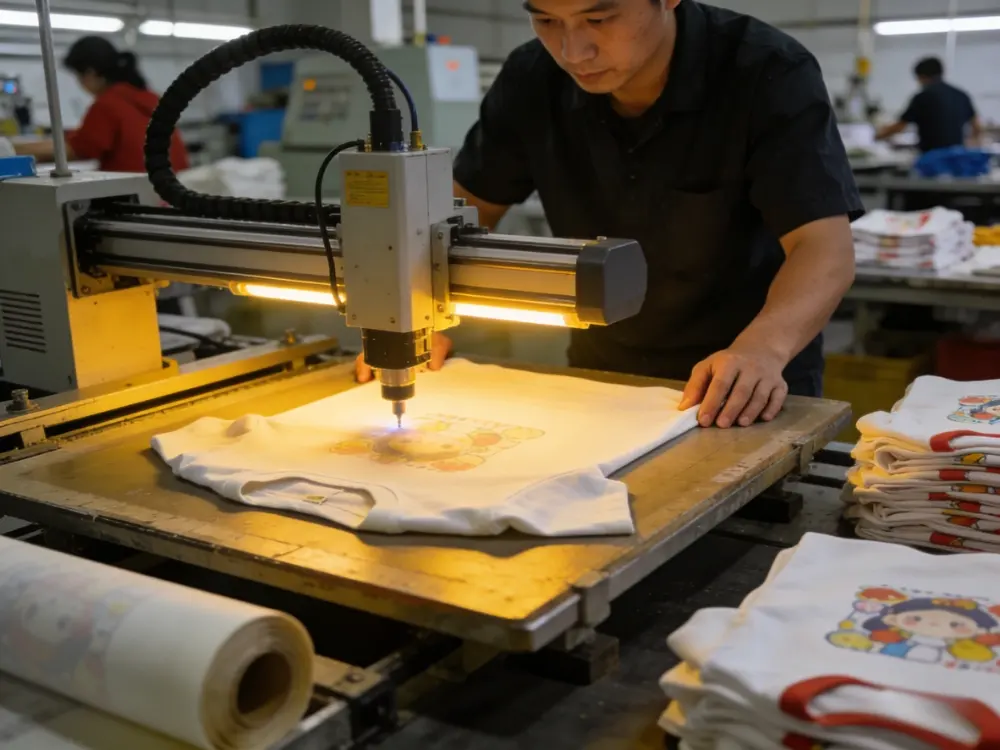
- The Most Complete Supply Chain: China’s core advantage lies in its highly integrated cluster effect. Every accessory you need—from YKK zippers and reflective strips to magnetic buckles and high-tech waterproof breathable fabrics—can usually be found within a 50km radius. This translates to unmatched sourcing efficiency.
- Best for Complex Craftsmanship: Take boys’ jackets, windbreakers, or down coats as examples. These products involve multi-layer lamination, seam sealing, and laser cutting. Chinese manufacturer possess the most advanced automation and skilled labor to precisely handle these complex BOMs (Bills of Materials)—a capability other emerging markets struggle to match.
- Speed & Flexibility: The reaction speed of Chinese factories is blistering. Whether it’s sampling (3-7 days) or bulk production (30-45 days), their efficient management systems maximize your speed, drastically shortening your Time-to-Market.
India: The Cotton Paradise & Cost Advantage
As the world’s second-largest textile exporter, India has a deep historical foundation in natural fibers (especially cotton) and artisanal decoration.
- Lower Labor Costs: Compared to China, India holds a significant advantage in labor costs. This makes it the ideal destination for producing price-sensitive, labor-intensive items like basic T-shirts, Polos, and pajamas.
- High MOQ Thresholds: Indian factories generally prefer large orders. Because profit margins on basics are thin, they rely on economies of scale. For startup brands, finding a reputable, large-scale factory willing to accept small orders (a few hundred pieces) can be difficult.
- Quality Control Challenges: This is a pain point that requires honesty. Compared to China’s highly standardized SOPs (Standard Operating Procedures), quality management systems in some Indian factories can be looser. This means brands must invest more energy into QC (Quality Control) or hire third-party inspection agencies, otherwise, you risk issues with sizing errors or inconsistent finishing details.
USA: The Premium Story & Brand Value
While high costs mean “Made in USA” is no longer mainstream, it holds a critical position in the top tier of the market pyramid.
- High-End Fabrics: The US (specifically Los Angeles) retains world-class denim washing and knitting technologies. If you want to create a pair of heavyweight Raw Denim boys’ jeans or a vintage-style heavy hoodie, American craftsmanship offers a texture that is hard to replicate.
- High Cost & Premium Pricing: “Made in USA” is a powerful marketing tool in itself. Although CMT (Cut, Make, Trim) costs are high, this justifies a higher retail price point. US factories typically adhere to the strictest labor and environmental laws, making them perfect for high-end boys’ brands focused on “Ethical Production.”
- Communication & Logistics: For US-based brands, domestic production eliminates the headaches of international shipping and tariffs. With zero time difference and faster logistics, it is highly advantageous for brands using a “Drop” model to chase trends in real-time.
Private Label vs. Wholesale: Which Sourcing Model Fits Your Brand?
Before choosing a boys’ apparel supplier, ask yourself one strategic question: Are you building a store that sells clothes—or a brand with purpose? Neither is right or wrong. It’s about what fits your vision. Here’s how supply chains shape each path.
Wholesale (Buying Ready-Made): The “Speed” Strategy
Definition: Buy existing styles directly from manufacturers—often with their label or unbranded—and resell under your retail channel.
Pros
- Lightning turnaround: Skip the 3-month production wait. Order today, list next week. Perfect for chasing viral trends (like a sudden cartoon craze).
- Low-risk testing: Buy just 10 pieces per style to gauge demand. No fear of thousands of unsold units piling up.
Cons
- Homogenized competition: Your rivals likely sell the exact same item. Without differentiation, you’re forced into price wars—and thin margins follow.
- Zero brand equity: Shoppers remember low prices, not your name. You can’t tweak fabric, fit, or finishing details.
Private Label (OEM/ODM): The “Brand Builder” Strategy
Definition: Factories produce garments to your design—or customize existing styles with your logo, hangtags, and care labels. The product is uniquely yours.
Pros
- Stronger margins & moat: You control pricing. A $5-cost tee becomes a $25 branded piece with your story—and no direct duplicates elsewhere.
- Loyal customers: When parents love your signature fit or organic cotton feel, they return. That repeat trust builds lasting value.
Cons
- Time & capital demand: Cover sample fees, meet MOQs, and wait 30–60 days for production. Cash flow and patience are tested.
- Choose speed when testing markets. Choose private label when building legacy. Your brand’s heartbeat depends on the rhythm you set.
3 Common Pain Points in Sourcing Boys’ Clothing
Inconsistent Sizing Standards
It’s not just “runs large” or “runs small.” Global sizing is fragmented: China’s “100” ≠ US “3T” ≠ EU “98/104.” Fit interpretations vary wildly between factories—relaxed vs. tailored cuts create real confusion.
Impact: Sky-high online returns. One sizing mismatch damages trust and erodes margins.
Fix: Skip vague S/M/L labels. Build Tech Packs with exact body measurements and require strict grading rule adherence during sampling.
Intellectual Property Risks
Boys’ wear thrives on unique prints and characters. But share a design for quoting, and weeks later—identical styles appear with competitors… or even the factory’s own label.
Impact: Brand value fades. Unauthorized use of licensed IP (like Disney) invites legal trouble.
Fix: Sign a robust NDA covering non-disclosure, non-use, non-circumvention, and non-compete before sharing assets. For flagship styles, split fabric development and sewing across separate factories to physically isolate sensitive details.
Hidden Costs & Shipping Delays
That FOB quote? Just the surface. Watch for surprise costs: fabric price swings, per-color lab tests, packaging fees. Then ports clog or customs holds shipments—delivery slips again and again.
Impact: Miss seasonal peaks. Two weeks late on back-to-school or Halloween styles? That inventory becomes deep-discount dead stock.
Fix: Budget using landed cost models with a 10–15% buffer. Embed clear penalty clauses for delays in contracts—this keeps timelines respected and partners accountable.
Best Shipping Methods for Apparel Imports
Ocean freight is the standard for bulk apparel shipments—lowest cost per unit, 20–45 day transit. Air freight suits high-value or time-sensitive fashion items, trading higher costs for speed.
For samples, express couriers offer door-to-door speed. Hybrid strategies—air critical stock while shipping remaining inventory by sea—balance cost and delivery speed.
Start Your Sourcing Journey Today
When choosing a boys’ wear manufacturer, don’t just chase low prices. Prioritize partners prioritizing safety, durability, and compliance. One of the 11 listed options will fit your growth stage.
Still unsure? Contact HAPA for premium products and fashion-forward designs. They’ll help you build a brand parents trust—and kids love to wear.
FAQ
What fabrics are best recommended for boys’ clothing to ensure durability and comfort?
Cotton-polyester blends are excellent for durability. The polyester strengthens the fabric, while the cotton ensures breathability. Denim and twill are the best choices for pants because they resist tearing at the knees. French Terry is ideal for hoodies as it is soft but thick enough to withstand rough play.
Can manufacturers assist with sizing and grading for different age groups?
Yes, professional manufacturers can handle pattern grading. You typically provide the measurements for one “base size” (e.g., Size 6). The factory then uses grading rules to mathematically scale the pattern up and down for other ages. This ensures the fit remains consistent across all sizes.
How do Minimum Order Quantities (MOQs) typically work for boys’ apparel?
MOQs are usually set per style and per color. For example, a factory might require 100 pieces for a specific t-shirt design. This minimum ensures the factory can purchase efficient amounts of fabric and trim. Lower MOQs are sometimes possible but often result in a higher cost per item.
What specific safety certifications and compliance standards should I look for in boys’ clothing?
For the U.S. market, strict adherence to the CPSIA (Consumer Product Safety Improvement Act) is mandatory. You must ensure all buttons and zippers are tested for lead content. Drawstrings in hoodies and waistbands must meet CPSC safety standards to prevent strangulation hazards. Always verify that your manufacturer can provide a valid Children’s Product Certificate (CPC).