Shopping for girls’ clothes should be a joy. However, choosing the wrong size can quickly spoil the fun. It leads to the hassle of returns and exchanges.
To avoid this, you need accurate information. Do not rely on age alone. You must understand key measurements like height, chest, and waist.
This guide provides a complete girls’ clothing size chart. It also includes practical tips. We will help you choose the right fit with confidence.

Are Girls’ Clothing Size Charts Standardized?
No, girls’ clothing size charts are not globally standardized.
This is a crucial industry fact. Significant differences exist between countries. Even within the same market, sizes can vary greatly from brand to brand.
The two most common systems globally are the American standard and the European standard.
Why Is It So Hard to Pick the Right Size for Kids’ Clothes?
You’ve probably had this frustrating experience: you buy a size 5 garment for your child, only to find it fits uncomfortably tight. You re-measure your child’s height and weight, and discover there’s barely any change from before. Here’s why this happens:
- No Universal Industry-Wide Standard: Most major brands use their own independent sizing benchmarks and grading rules. This means a size 5 from one brand could be the equivalent of a size 4 from another.
- Size Labels Are Out of Step With Real Growth Rates: The vast majority of children’s clothing is sized by age, yet this completely overlooks the huge individual differences in height and body type among children of the same age.
- Fit Varies By Garment Style: Even with the exact same size label, a relaxed-fit hoodie will fit very differently from a slim-fit T-shirt.
- Gender Differences in Sizing: Boys’ and girls’ clothing often differ in cut and proportions. Boys’ sizes are typically longer and more relaxed, while girls’ sizes tend to have a more form-fitting cut.
Girls Clothing Size Chart by Age, Height, and Weight
| US Size | Approx Age | Height (inches) | Height (cm) | Weight (lbs) | Weight (kg) |
| Toddler | |||||
| 2T | 2 Years | 33″ – 35″ | 84 – 89 cm | 24 – 29 lbs | 11 – 13 kg |
| 3T | 3 Years | 35″ – 38″ | 89 – 96 cm | 29 – 33 lbs | 13 – 15 kg |
| 4T | 4 Years | 38″ – 41″ | 96 – 104 cm | 33 – 37 lbs | 15 – 17 kg |
| 5T | 5 Years | 41″ – 44″ | 104 – 112 cm | 37 – 42 lbs | 17 – 19 kg |
| Little Girls | |||||
| 4 (XS) | 4 Years | 39″ – 42″ | 99 – 107 cm | 34 – 38 lbs | 15 – 17 kg |
| 5 (S) | 5 Years | 42″ – 45″ | 107 – 114 cm | 39 – 43 lbs | 18 – 20 kg |
| 6 (S) | 6 Years | 45″ – 48″ | 114 – 122 cm | 42 – 48 lbs | 19 – 22 kg |
| 6X / 7 | 6-7 Years | 47″ – 49″ | 119 – 124 cm | 47 – 53 lbs | 21 – 24 kg |
| Big Girls | |||||
| 7 (M) | 7 Years | 49″ – 51″ | 124 – 130 cm | 52 – 60 lbs | 24 – 27 kg |
| 8 (M) | 8 Years | 51″ – 53″ | 130 – 135 cm | 61 – 70 lbs | 27 – 32 kg |
| 10 (L) | 9-10 Years | 54″ – 56″ | 137 – 142 cm | 71 – 85 lbs | 32 – 39 kg |
| 12 (L) | 10-11 Years | 57″ – 59″ | 145 – 150 cm | 86 – 95 lbs | 39 – 43 kg |
| 14 (XL) | 11-12 Years | 60″ – 62″ | 152 – 157 cm | 96 – 105 lbs | 44 – 48 kg |
| 16 (XL) | 13+ Years | 63″ – 65″ | 160 – 165 cm | 106 – 115 lbs | 48 – 52 kg |
| EU Size / Height | Approx Age | US Size Equivalent | Chest (cm) | Waist (cm) |
| 92 | 2 Years | 2T | 54 | 51 |
| 98 | 3 Years | 3T | 55 | 52 |
| 104 | 4 Years | 4T / 4 | 56 | 53 |
| 110 | 5 Years | 5 | 58 | 54 |
| 116 | 6 Years | 6 / 6X | 60 | 55 |
| 122 | 7 Years | 7 | 62 | 57 |
| 128 | 8 Years | 8 | 65 | 59 |
| 134 | 9 Years | 9 / 10 | 68 | 61 |
| 140 | 10 Years | 10 | 71 | 63 |
| 146 | 11 Years | 11 / 12 | 75 | 65 |
| 152 | 12 Years | 14 | 79 | 67 |
| 158 | 13 Years | 16 | 83 | 69 |
| 164 | 14+ Years | 18 / Adult XS | 87 | 71 |
Plus Size Girls Clothing Chart: Fits for Husky & Curvy Shapes
| US Size | Height (approx.) | Weight (lbs) | Chest (in) | Waist (in) | Hips (in) |
| 6 Plus (6.5) | 45″ – 48″ | 48 – 58 | 26″ – 27″ | 24.5″ – 25.5″ | 27″ – 28″ |
| 7 Plus (7.5) | 49″ – 51″ | 59 – 70 | 27.5″ – 28.5″ | 26″ – 27″ | 28.5″ – 29.5″ |
| 8 Plus (8.5) | 52″ – 54″ | 71 – 85 | 29″ – 30″ | 27.5″ – 28.5″ | 30.5″ – 31.5″ |
| 10 Plus (10.5) | 55″ – 57″ | 86 – 100 | 30.5″ – 32″ | 29″ – 30″ | 32.5″ – 34″ |
| 12 Plus (12.5) | 58″ – 60″ | 101 – 115 | 32.5″ – 34″ | 30.5″ – 31.5″ | 35″ – 36.5″ |
| 14 Plus (14.5) | 61″ – 62″ | 116 – 130 | 34.5″ – 36″ | 32″ – 33.5″ | 37″ – 38.5″ |
| 16 Plus (16.5) | 63″ – 64″ | 131 – 145 | 36.5″ – 38″ | 34″ – 35.5″ | 39″ – 40.5″ |
| 18 Plus (18.5) | 64″ – 65″ | 146 – 155 | 38.5″ – 40″ | 36″ – 37.5″ | 41″ – 42.5″ |
How to Measure Girls for Clothing Sizes
You have the size chart, but how do you get accurate numbers? Follow these four simple steps:
- Height Height is the most important indicator for children’s sizing. Have the child stand with their back against a wall and feet flat on the ground. Place a flat object (like a book) on their head and mark the wall. Measure from the ground to that mark.
- Chest (Bust) Lift the child’s arms and wrap a tape measure around the fullest part of the chest. Keep the tape level under the armpits. Tip: Leave a finger’s width of space between the tape and the body for a comfortable fit.
- Waist Ask the child to bend sideways; the point where the skin folds is the natural waistline. Measure around this thinnest part. Do not pull the tape too tight—the child should be able to breathe easily.
- Hips Have the child stand with their feet together. Measure around the fullest part of the hips. Keep the tape measure parallel to the ground.
Girls’ Clothing Size Chart: US vs. EU
US and European sizes differ significantly. Before purchasing, you should identify which sizing system the brand uses.Whether you are a parent buying clothes or a brand expanding into global markets, understanding the toddler girl size chart conversion between US and EU standards is essential to ensure the perfect fit for your youngest customers.
1.Age vs. Height
- US Sizes: Based on age (e.g., 2T, 4T, Size 6). This assumes all children of the same age have the same body type, which is rarely the case.
- EU Sizes: Based on height in centimeters (e.g., 98, 104, 110). This is generally more accurate as it relies on actual measurements rather than age averages.
2.Fit & Cut
- US Fit: Typically roomier. US brands often leave extra space for growth or a sturdier build.
- EU Fit: Typically slimmer. The cut is more tailored and fits closer to the body. If a child has a wider build, you usually need to size up in European brands.
3.Units of Measurement
- US: Uses inches.
- EU: Uses centimeters (metric).
4.Sizing Increments
- US: Increments between sizes can be inconsistent.
- EU: Sizes usually increase in 6 cm (approx. 2.4 inches) increments. This creates a more regular and predictable sizing scale.
Regular vs. Plus Sizes for Girls
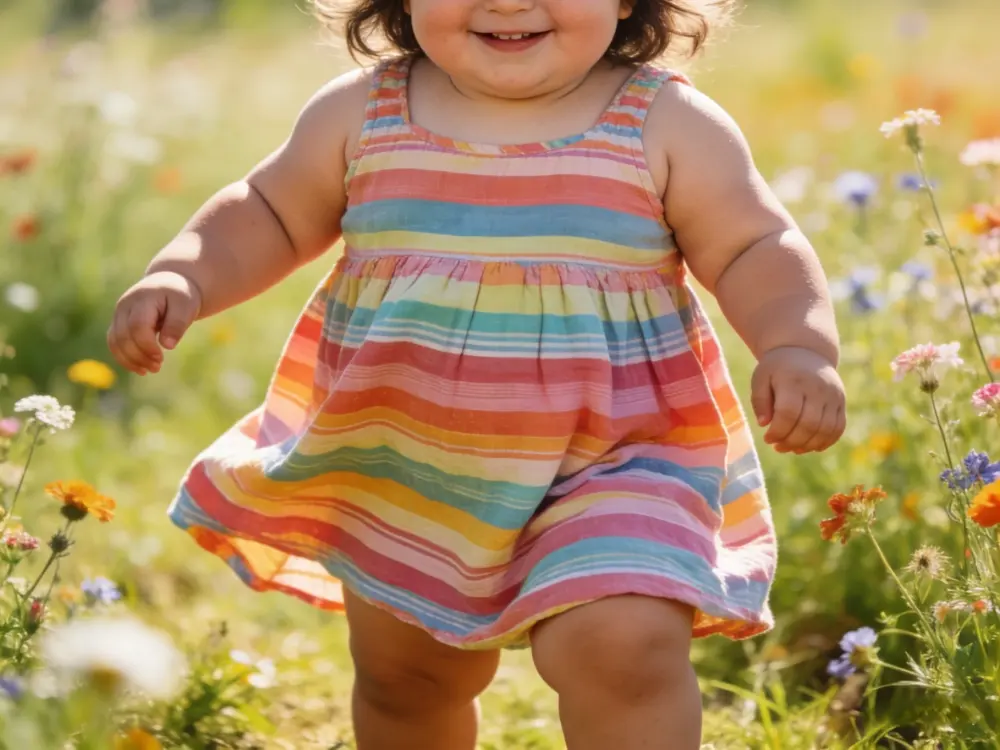
The main difference between regular and plus sizes is the relationship between width and length.
Plus Size clothing (sometimes labeled as “Pretty Plus” or marked with a “½” symbol, such as 10½) is designed for children who need a wider fit without extra length.
Width vs. Length
- Regular Size: Follows a standard height-to-weight ratio. As the size increases (e.g., from size 8 to 10), both the length and width increase.
- Plus Size: Keeps the same length as a regular size but adds extra width.
- Example: A “Size 10 Plus” has the same sleeve and pant length as a “Regular 10,” but the chest and waist measurements are closer to a “Size 12” or “14.”
Waist and Hips
- Regular Size: Features a standard or tapered waist.
- Plus Size: Offers larger waist and hip measurements (typically an extra 1–3 inches). The rise (the distance from the crotch to the waistband) may also be slightly longer to provide better coverage and comfort.
Chest Size
- Regular Size: Best for slim or medium builds.
- Plus Size: Features a wider chest and broader shoulders. This prevents buttons from pulling or tightness under the arms.
Pro-Tips for Choosing the Right Size
The goal is to ensure a perfect fit. If the size is wrong, your child will be uncomfortable. Follow these tips to make the best choice:
When Between Sizes If your child’s measurements fall exactly between two sizes, choose based on the desired look:
- For a form-fitting look: Choose the smaller size. This will hug the body better and highlight the silhouette.
- For a relaxed feel: Choose the larger size. This provides more room to move and is generally more comfortable for active play.
Handling Conflicting Measurements Sometimes the chest and waist measurements point to different sizes. For example, the chest might be a Size M, but the waist is a Size L.
Prioritize the Chest: When referencing a girls dress size chart or buying tops, always choose the size that fits the chest and shoulders first. This ensures a proper drape and prevents pulling at the buttons.
Account for Growth Children grow quickly. If you are buying for a future season (like buying a winter coat in late summer), it is almost always safer to size up.

Do Size Charts Vary by Brand?
Yes. Sizing standards vary significantly from one brand to another.
Each brand follows its own design philosophy and “ideal” fit. For example:
European Brands (e.g., Zara): These typically feature a slimmer, elongated cut.
American Brands (e.g., Gap, Carter’s): These tend to be looser and more generously sized.
Even within the same country, the definition of a “slim fit” or “plus size” is not universal.
My Professional Advice: Never rely solely on the age or size listed on the label. Labels are just estimates. Before you buy, always check the brand’s specific “Size Guide” and compare it against your child’s current height and weight. This is the only way to ensure a perfect fit every time.
Final Thoughts
After going through this guide, you should feel much more confident in navigating the often-confusing world of girls’ clothing sizes.
Getting the fit right isn’t just a concern for parents; it is a critical pillar for any successful children’s clothing brand. Providing clear, accurate sizing and minimizing the gap between the chart and the actual garment is the most effective way to reduce returns and build lasting customer trust.
As a specialist in kidswear manufacturing, HAPA deeply understands these nuances. We know that navigating custom kids clothing manufacturing sizing can be a major challenge for both new and established brands. That’s why we offer fully customizable sizing and expert pattern-making across our entire production line, ensuring your designs are brought to life with precision.
Ready to streamline your production and scale your brand? Contact HAPA today to start your custom manufacturing journey.
FAQ
Is girls size 5 the same as 5T?
No, they are not the same. A 5T is a “Toddler” size designed with extra room for diapers and a rounder shape. A Size 5 is a “Little Girl” size. It is cut for a child who is potty trained, taller, and leaner. Size 5 usually has longer sleeves and a longer torso.
What age is M size for girls?
A Medium (M) usually fits girls aged 8 to 10. It generally matches numeric sizes 8 to 10. This size is designed for girls who are approximately 50 to 57 inches tall. It is the size category above Small (S) and below Large (L).
Is an XS the same as a 5T?
They fit children of similar weight but have different shapes. 5T is a toddler cut with a wider waist. Extra Small (XS) is a “Little Kid” size, typically corresponding to a size 4 or 5. The XS size is longer and slimmer, designed for children who no longer wear diapers.
How do kids clothing sizes work?
Sizes are divided into four main stages: Baby, Toddler, Little Kid, and Big Kid. Baby sizes are based on age in months (e.g., 3-6M). Toddler sizes use a “T” (e.g., 2T-5T). Kid sizes use numbers (e.g., 4 to 16) or letters (XS to XL) based primarily on the child’s height and weight.