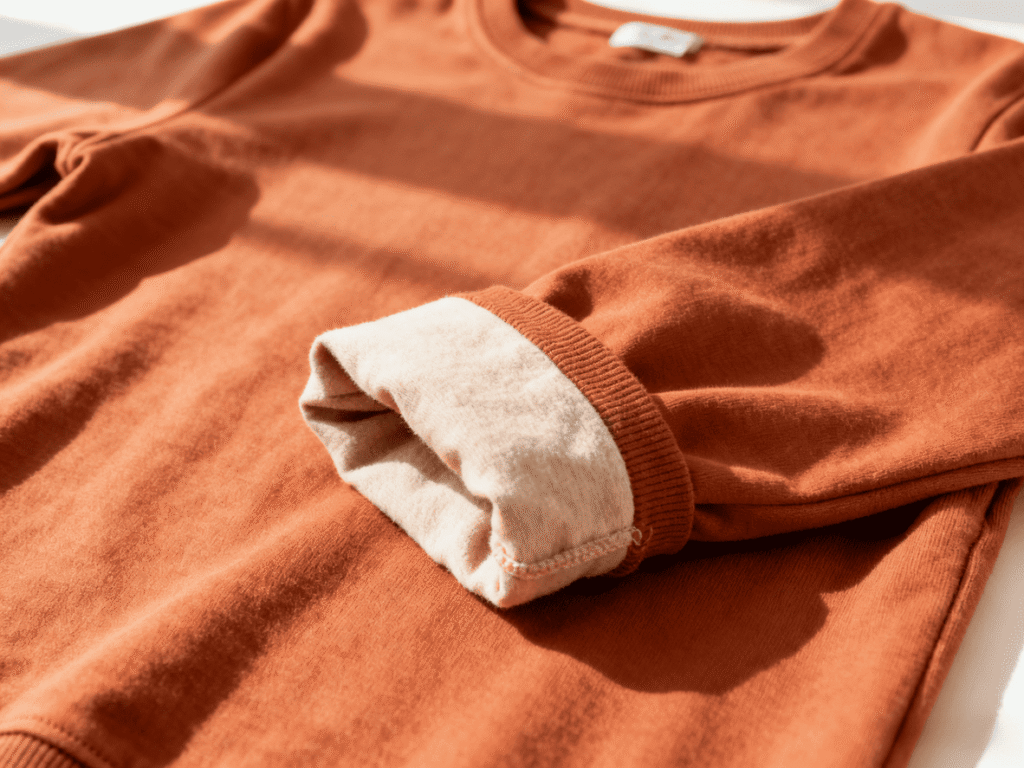
Compared with adults, children’s skin is far more delicate and sensitive. While parents definitely care about style, smart parents today are looking deeper—they care about what touches their child’s skin.
With 15 years of experience in the apparel industry and partnerships with hundreds of fabric mills globally, HAPA understands that fabric choice isn’t just a detail—it’s the foundation of quality.
We have to be real about the risks. Cheap, low-quality fabrics can leech harmful chemicals directly into a growing child’s skin. That is a health risk no parent wants to take, and it’s a liability that brands and manufacturers simply cannot ignore.
In this guide, we’re breaking down exactly how to select the best fabrics for children’s cothing. We’ll highlight the fabrics that hit the “sweet spot”: they look fashionable and feel comfortable, but more importantly, they are safe and eco-friendly—giving parents total peace of mind.
Why Choosing the Right Fabric for Children’s Clothing Matters
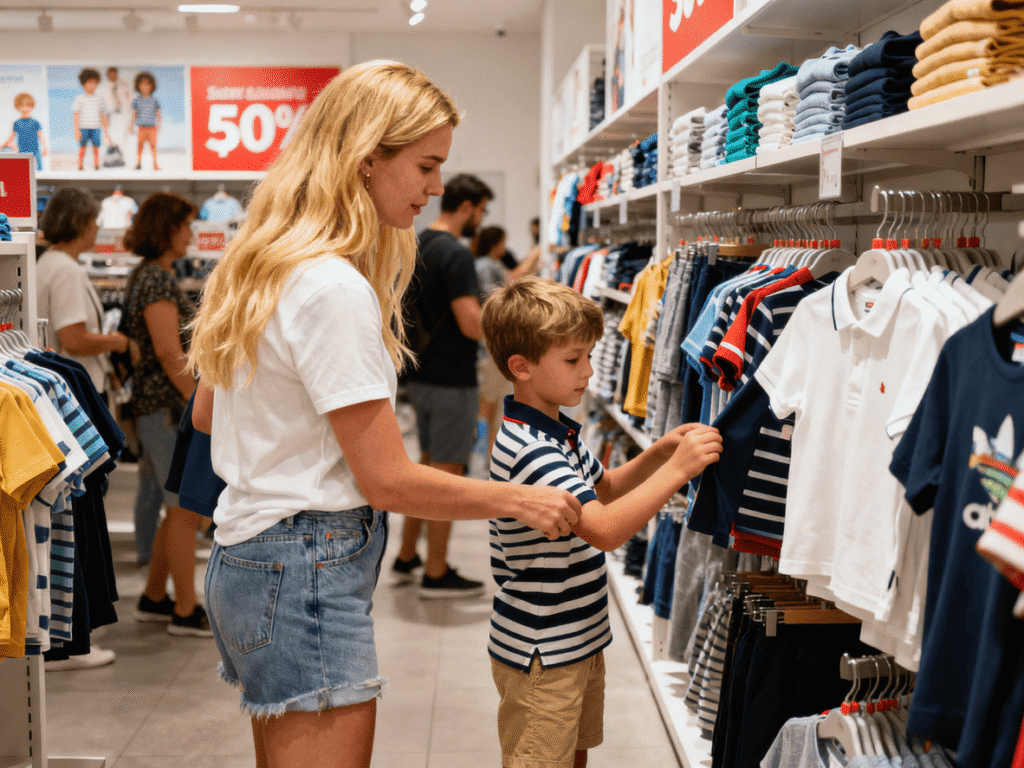
Because children’s skin is still developing and far more delicate, parents—especially mothers—tend to pay close attention to fabric when selecting clothes. According to Children’s Wear Research, 83% of parents check fabric composition at least sometimes before purchasing kids’ clothing. For children’s apparel brands, choosing the right fabric is therefore essential to a product’s success.
High-quality fabric offers multiple advantages: fewer chemical residues, better breathability, improved comfort for children, and stronger brand reputation. In contrast, poor-quality fabric is more prone to fading, shrinking, and wearing out quickly. It may also feel uncomfortable, leading kids to refuse to wear it and ultimately prompting complaints from parents.
The Journal of Textile Science & Fashion Technology (JTSFT) recommends prioritizing natural or organic fibers and minimizing chemical treatments, as this helps reduce the risk of allergies and environmental impact, ensuring greater safety and comfort for children.
For brands, premium fabric can be a compelling selling point that helps you stand out in a competitive market. Conversely, inferior fabric can gradually erode consumer trust and damage long-term brand value.
The Best Fabrics for Children’s Clothing
1.Cotton
Cotton is the most popular fabric for children’s clothing. Made from natural cotton fibers through traditional spinning and weaving processes, it is classified as a natural fiber fabric.
According to data from Monitor™, the vast majority of parents consider cotton the best choice for kids’ clothing. Among them, 84% believe cotton is the most comfortable, and 65% say it is the most durable.
This preference stems from cotton’s inherent qualities: a soft structure, excellent moisture absorption, and strong breathability—attributes that help protect children’s delicate skin. Cotton garments are comfortable to wear, less likely to cause irritation, and naturally biodegradable, making cotton an ideal option for kids’ apparel.
Cotton fabrics fall into two main categories:
Combed Cotton
During spinning, shorter fibers and impurities are removed, resulting in a smoother and stronger fabric that is less prone to pilling or losing shape. This makes combed cotton one of the best choices for children’s clothing.
Organic Cotton
Grown without chemical pesticides or fertilizers, organic cotton avoids harmful residues from the source. It is especially suitable for sensitive skin and newborns, offering the highest level of safety.
Recommended for: All close-to-skin garments, including underwear, T-shirts, sleepwear, and onesies.
2.Lyocell
Lyocell, also known as Tencel, is a regenerated cellulose fiber made from natural wood pulp. It is softer than pure cotton, smoother to the touch, has better drape, and features a silk-like sheen and hand feel. Its moisture-wicking and breathability properties even surpass those of cotton, making it one of the best fabrics for children’s clothing.
Lyocell is produced using a closed-loop process with minimal chemical involvement. The solvent used is non-toxic and can be recovered efficiently—up to 99.7%—resulting in nearly zero emissions during production. The fiber itself is biodegradable, aligning well with consumers’ growing preference for eco-friendly products.
Despite its advantages, Lyocell can shrink easily and may snag, which is why it is rarely used as a 100% pure fabric. To improve its durability and broaden its applications, Lyocell is often blended with other fibers.
Recommended for: Premium underwear, summer dresses, loungewear, and other lightweight garments.
3.Linen
Linen is a natural fiber fabric made from the bast fibers of the flax plant. It is one of the earliest textile fibers used by humans.
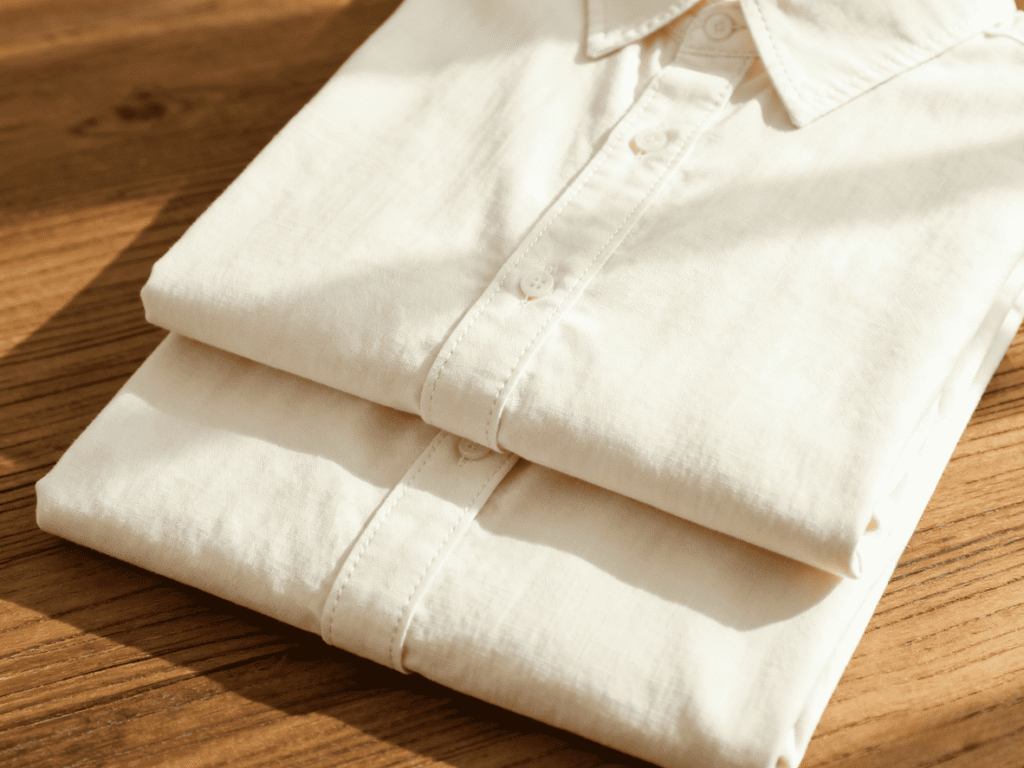
Known for its outstanding moisture absorption and heat dissipation, linen is often referred to as a “natural air conditioner,” making it especially suitable for summer wear. The surface of linen is naturally smooth and produces no static, which minimizes skin irritation. It is widely recognized as a hypoallergenic fabric, making it an excellent choice for children’s summer clothing.
Additionally, flax requires very little water and almost no pesticides during cultivation, making linen an environmentally friendly material from harvest to production.
Linen combines comfort, durability, and sustainability in one natural fabric.
Recommended for: Summer shirts, dresses, shorts, and other breathable outdoor garments.
4.Silk
Silk is a natural protein fiber made from silkworm cocoons through processes such as boiling, reeling, and weaving. Its main component, sericin protein, contains various amino acids, and its fiber structure is close to that of human skin, giving silk excellent breathability and skin-friendly properties.
Common Types of Silk:
Crepe de Chine (CDC)
Heat-set for better wrinkle resistance, with a stable structure and vibrant printing performance.
Georgette
Light, airy, and flowing, with heavier variations that feel slightly denser and softer. Known for strong resilience and beautiful drape, allowing garments to appear either fluid or crisp.
Satin-faced Fabrics (such as Charmeuse)
Smooth, lustrous, and elegant, offering a luxurious appearance.
Pure Silk Satin Crepe
Bright, smooth, and refined, often used in high-end garments, though it tends to have a higher shrinkage rate.
Stretch Silk Satin Crepe
Typically made with 90–95% mulberry silk and 5–10% spandex, offering excellent elasticity, comfortable wear, and lower shrinkage.
Thanks to modern finishing technologies, silk fabrics have become easier to maintain. Digital printing has also reduced the cost of custom designs, making silk more accessible and increasingly popular as a premium fabric for children’s clothing.
Recommended for: Dresses, blouses, sleepwear, and other soft, elegant garments.
5.Bamboo Fiber
Bamboo fiber is derived from natural bamboo. After being processed physically or chemically into bamboo pulp, it is spun into a regenerated cellulose fiber.
In recent years, bamboo fiber has gained traction as an eco-friendly textile material, especially favored by children’s clothing brands.
Types of Bamboo Fiber:
Bamboo Bast Fiber
Produced through physical methods—such as crushing, steaming, and combing—directly from bamboo. It preserves the plant’s natural structure and properties, and is classified as a natural fiber.
Bamboo Pulp Fiber (also called Bamboo Viscose)
Made by chemically processing bamboo into pulp and then spinning it through the viscose method. Most bamboo fiber products on the market fall into this category.
Bamboo fabric is soft, breathable, and naturally antibacterial. It reflects a lifestyle of sustainability and health, making it one of the most eco-friendly fabrics for children’s clothing.
Recommended for: T-shirts, underwear, sleepwear, activewear, and baby apparel.
6.Wool
Wool fabrics are textile materials woven with wool as the main component (typically over 50%). Known as the “king of fibers,” wool is widely used in children’s clothing due to its exceptional warmth and comfortable hand feel.
Types of Wool Fabrics:
Woollens
Made with thicker yarns and characterized by a fuzzy surface and a dense, warm feel. Commonly used in coats and tweed fabrics.
Worsteds
Made with finer yarns. These fabrics have clear weaves, smooth surfaces, and a soft, elegant sheen. Often used in high-end suits and formalwear.
Wool is a natural fabric that combines warmth, comfort, and a refined texture, making it especially suitable for winter wear and premium children’s clothing.
Recommended for: Sweaters, knit pants, wool capes, lightweight coats, and baby blankets.
7.Modal
Modal is a regenerated cellulose fiber made from natural wood pulp. It is known for its silky softness, excellent moisture absorption, and eco-friendly profile. Although classified in the same category as viscose and Lyocell/Tencel, Modal is noticeably stronger, more lustrous, and more durable than traditional viscose fibers.
Common Blends:
Modal + Cotton
Combines Modal’s smooth softness with cotton’s durability and structure. This classic blend is widely used for T-shirts, underwear, and loungewear.
Modal + Spandex
Adding 5–10% spandex gives the fabric significant elasticity, allowing it to fit closely without losing shape. Ideal for fitted underwear, leggings, and swimwear.
Modal + Wool/Cashmere
Enhances the warmth and luxury of wool while adding a silky softness and improved comfort.
Recommended for: Underwear, briefs, base layers, sleepwear, and similar close-to-skin garments.
What fabric should you stay away from?
- Artificial Leather / PU Leather
It might look trendy, but functionally? It’s a sweat trap. Kids run hot and have fast metabolisms. Since PU leather doesn’t breathe at all, it locks moisture right against the skin. This is a guaranteed recipe for skin issues like heat rash and eczema—not worth the risk for a “cool” look. - Nylon and Polyester Fibers
These synthetics have two big problems: they don’t breathe well, and they generate a lot of static electricity, which causes itching and discomfort. There’s also a safety concern. If the manufacturing process isn’t strictly regulated, cheap synthetics can be loaded with chemical additives. These can release harmful substances over time, irritating sensitive skin or even affecting a child’s respiratory health. - Vinyl Plastic
This is a hard “no.” Vinyl often retains harsh chemicals from the manufacturing process that many babies and toddlers are sensitive or allergic to. It’s simply safer to keep this material out of a child’s wardrobe entirely. - Rigid Denim
Kids are naturally active—they need to run, jump, and climb. Stiff, heavy denim acts like a straightjacket. It restricts movement, and the rough texture or hard seams can easily chafe and rub against delicate skin. If you want the denim look, always choose a soft-wash version or one with plenty of stretch.
What Is the Least Toxic Fabric to Wear?
On the surface, a fabric’s “toxicity” usually refers to the presence of harmful chemical residues, such as formaldehyde, heavy metals (lead, cadmium), azo dyes, plasticizers, and PFAS (per- and polyfluoroalkyl substances).
In reality, the issue is more complex. These harmful substances mainly originate from chemical treatments applied during production, rather than from the fibers themselves.
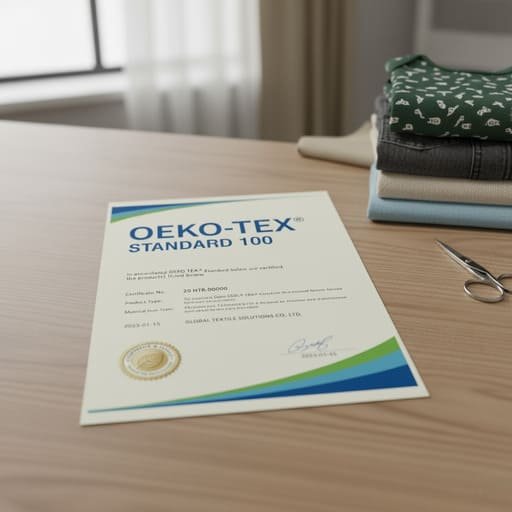
Therefore, when selecting fabric for children’s clothing, it is essential to prioritize materials certified by reputable standards such as GOTS (Global Organic Textile Standard) or OEKO-TEX®. Among natural fabrics, pure cotton and linen are generally considered the safest choices, as they undergo minimal processing.
Key Factors to Consider When Choosing Fabrics for Children’s Clothing
- Safety and Health
Safety should always come first when selecting children’s clothing. Fabrics and dyes must meet international children’s apparel safety standards, such as OEKO-TEX®, to prevent harmful chemical residues from posing risks to children’s health. - Softness and Skin-Friendliness
Babies and young children have delicate skin, making softness and comfort especially important. Prioritize naturally soft materials like Lyocell and organic cotton, which provide a safe, skin-friendly wearing experience without the need for chemical softeners, reducing the risk of friction or irritation. - Breathability and Moisture Absorption
Active children sweat easily, so fabrics must be breathable and moisture-wicking. Breathable fabrics allow air circulation to keep the body cool, while moisture-absorbing fabrics quickly wick away sweat, keeping clothes from sticking to the skin. This ensures children stay comfortable during play, sleep, or hot weather. - Durability
Children are highly active, and their clothes require frequent washing. High-quality fabrics should resist pilling and wear, have strong tensile and tear strength, and maintain excellent colorfastness. This ensures garments remain vibrant, retain their shape, and do not look worn even after repeated washing, sun exposure, or friction. - Ease of Care
Children’s clothing needs frequent cleaning, so fabrics that are easy to maintain are essential. Good-quality fabrics typically resist wrinkles, reducing ironing needs, and remain stable in shape and size after machine washing, maintaining long-term comfort and fit. - Sustainability
Environmental impact and sustainability are increasingly important when choosing children’s fabrics. Eco-friendly materials such as organic cotton and bamboo fiber minimize the use of chemical fertilizers and pesticides during cultivation and are biodegradable. Choosing these fabrics not only protects children’s skin but also contributes to a healthier planet.
How to Source Safe and Suitable Fabrics for Your Brand
If you are looking for a reliable children’s clothing manufacturer, HAPA is an ideal choice. With extensive experience in children’s apparel production and a dedicated team of over 200 professionals, HAPA consistently uses high-standard fabrics such as OEKO-TEX® certified materials. From the source to the finished product, we ensure the safety and comfort of children’s clothing while helping brands create high-quality products aligned with sustainable development principles.
Conclusion
When you’re designing children’s wear, fabric choice isn’t just a detail—it’s the foundation of everything. Don’t just design for the eyes. You have to balance the “look” with safety, comfort, and sustainability.
My advice is simple: Lean heavily into natural fibers. Whether it’s pure cotton, Lyocell, linen, silk, or bamboo, these materials do double duty. They protect delicate skin, but they also offer incredible versatility, giving you the freedom to create styles that are both fashionable and functional.
Ready to Build Your Collection? At HAPA, we don’t just manufacture clothes; we help you build a brand. We know how to handle these premium materials to create collections that stand out in the market. If you’re looking for a reliable partner who cares as much about the details as you do, let’s talk. Contact us today, and let’s discuss how we can bring your vision to life.
FAQ
What is the best fabric for children’s clothes?
Hands down, pure cotton is the gold standard. It’s soft, breathable, and absorbs moisture like a champ. Because it’s so gentle on the skin, it minimizes irritation, making it the perfect go-to for everyday wear.
Which fabric is preferred by kids?
Kids are simple: if it’s not comfortable, they won’t wear it. They naturally gravitate towards soft, breathable materials that don’t restrict them. That’s why pure cotton or high-cotton blends are usually the favorites—they feel great against the skin and let kids run, jump, and play freely.
Why should kids wear 100% cotton?
It comes down to safety. 100% cotton is natural and hypoallergenic, meaning it’s incredibly unlikely to trigger a reaction. It keeps the skin dry and happy, which is a lifesaver—especially for children with sensitive skin or eczema.